

Horses might not speak, but they definitely have ways of letting you know something’s off—especially when it comes to their teeth. From dropping food to resisting the bit, these subtle (and sometimes not-so-subtle) signs are their way of saying, “Hey, my mouth hurts!” Dental care isn’t just for comfort; it affects everything from how well they eat to how they perform under saddle. Knowing what to look for can help you catch problems early and avoid bigger issues down the road. Your horse will thank you—with smoother rides and happier meals!
Loud and Sudden Noises: The Classic Cat Scare

It’s almost a cliché: the cat that leaps sky-high at the sound of a vacuum cleaner, a dropped pan, or a sudden clap of thunder. Cats have incredibly sensitive hearing, much keener than humans, and sudden loud sounds can feel overwhelming. To a cat, these noises might signal danger, like a predator or a natural disaster, triggering their flight-or-fight instinct. Even household appliances such as blenders, hairdryers, or loud music can be terrifying. If your cat dashes for cover at the first hint of noise, it’s not drama—it’s a deeply rooted survival response. One way to help is to introduce noisy appliances gradually and reward calm behavior with treats or affection, making noise less scary over time.
Strangers and Unfamiliar People: The Human Dilemma
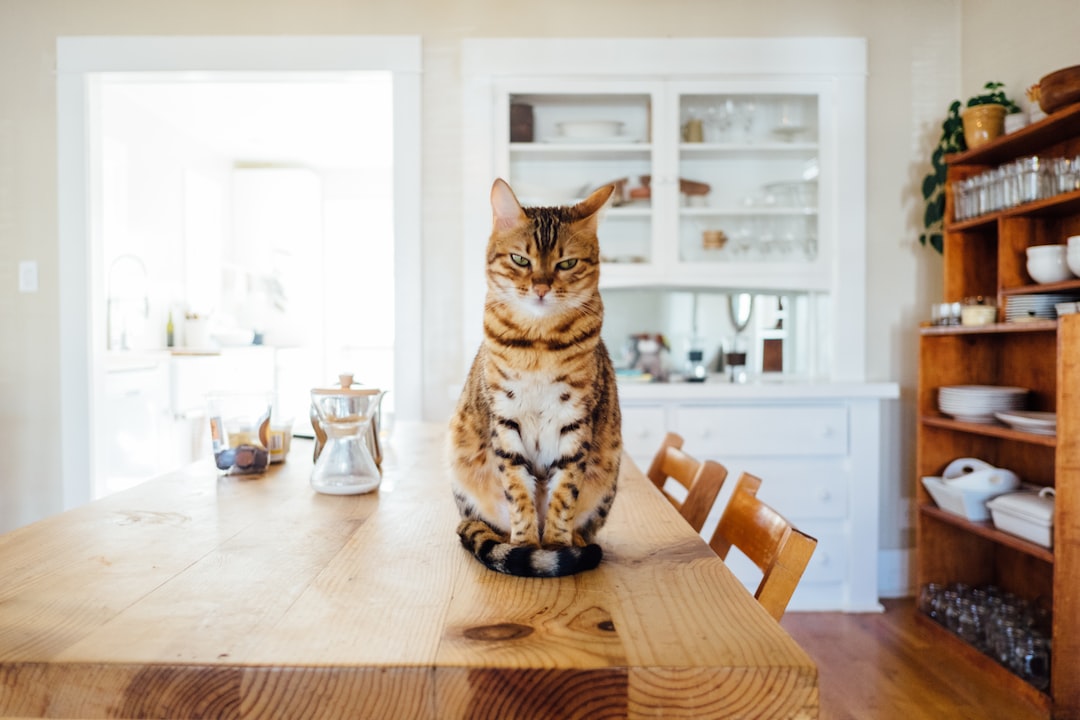
Cats are creatures of habit, and new people in their territory can be deeply unsettling. Some felines may simply hide, while others hiss or keep their distance. For a cat, a stranger represents the unknown, and trust must be earned. Sudden movements, loud voices, or unfamiliar scents can all contribute to a cat’s anxiety. When visitors come over, it’s wise to let your cat approach them on their own terms. Encourage guests to sit quietly, avoid direct eye contact, and offer a gentle hand or a treat. Over time, even the most skittish cat can learn that strangers aren’t so scary after all.
Other Animals: From Dogs to Feline Rivals

While some cats are social butterflies, others see other animals—especially unfamiliar dogs and rival cats—as threats. The scent, sound, or even sight of another animal can trigger fear or defensive aggression. Kittens that weren’t socialized early might be especially wary of other pets. Introducing new animals slowly and in a controlled environment is crucial. Allow your cat to observe from a safe distance and reward calm behavior. Using baby gates or separate rooms can help, gradually increasing exposure until your cat feels secure. With patience, many cats learn to coexist peacefully, or at least tolerate their furry housemates.
New Environments: The Stress of Change
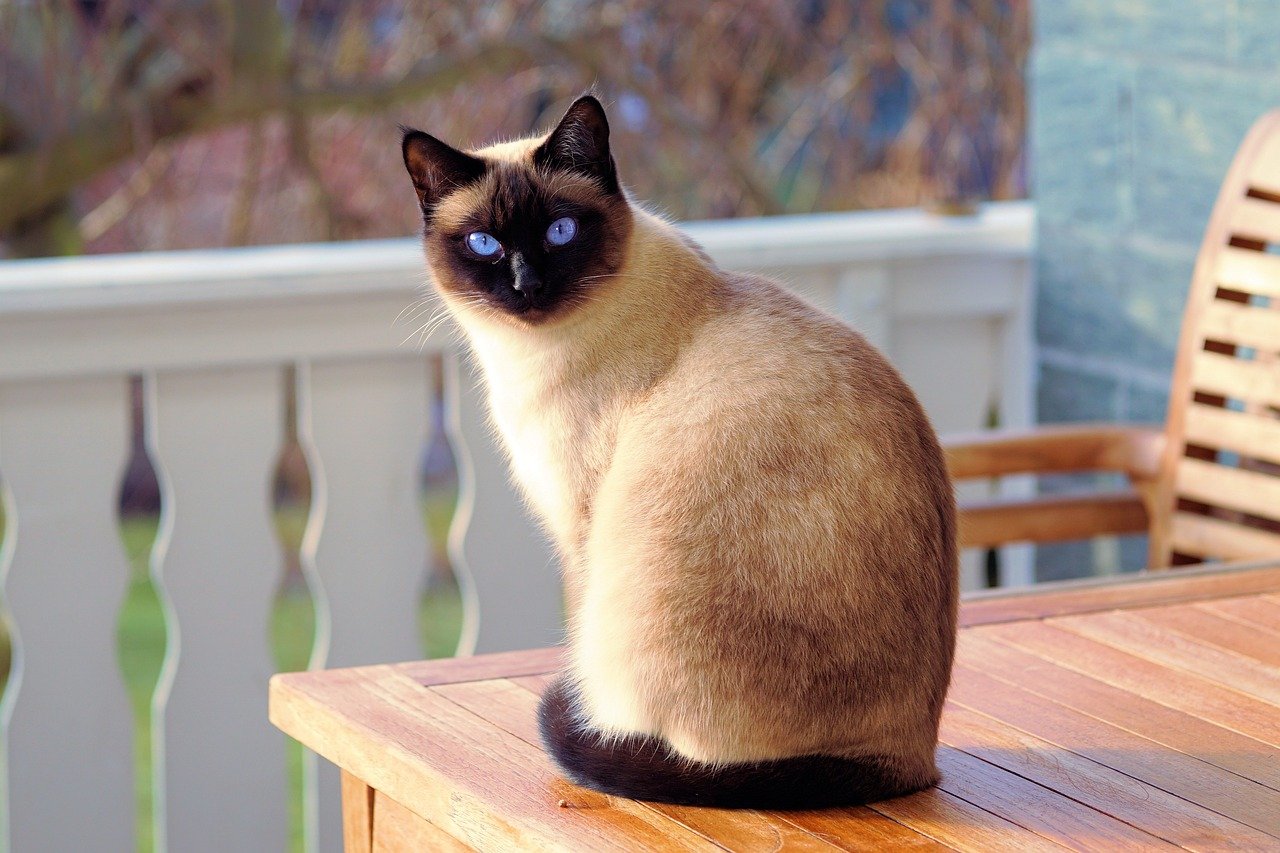
Moving to a new home, remodeling, or even rearranging the furniture can unsettle a cat. Cats rely on scent and familiarity to feel safe, and a change in environment can strip away those comforting signals. You might notice hiding, reduced appetite, or excessive grooming when your cat is stressed by change. To help, create a safe space filled with familiar items like their bed, toys, and a piece of your clothing. Allow your cat time to explore at their own pace, and keep routines like feeding and playtime consistent. This predictability is like a security blanket for your feline friend.
Being Picked Up or Restrained: The Fear of Losing Control
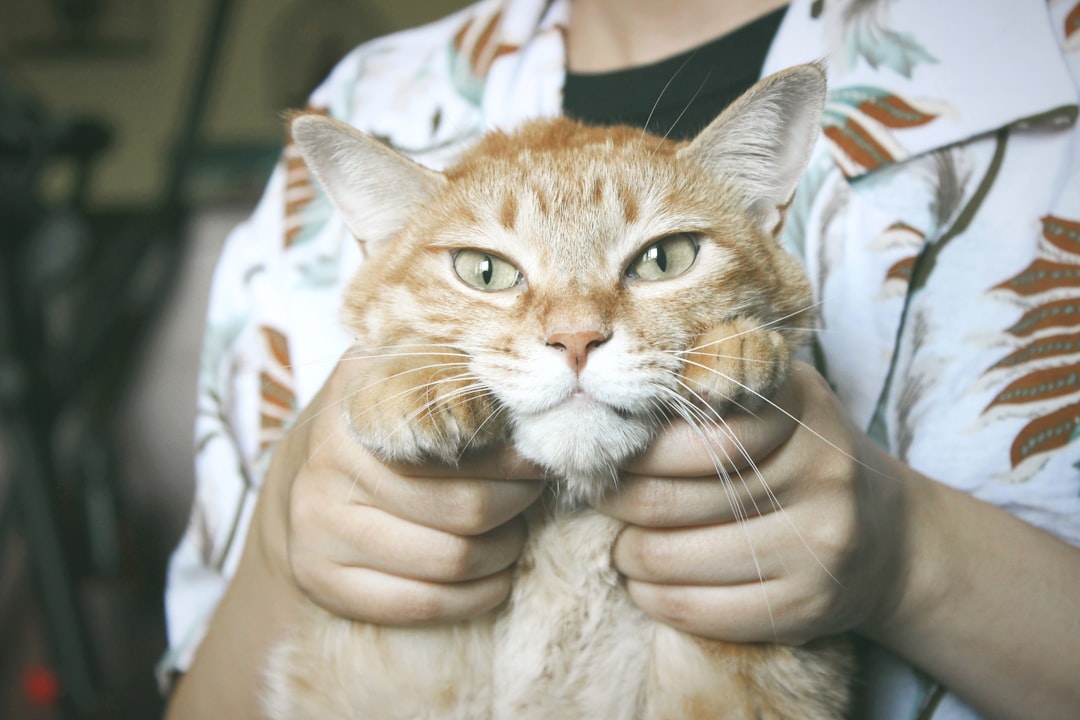
Not all cats enjoy being picked up or held tightly. For many, restraint triggers panic because it takes away their ability to escape—a crucial instinct for any prey animal. Some cats may tolerate a gentle cuddle, while others squirm, scratch, or even bite. To build trust, always approach your cat slowly and let them sniff your hands first. Support their body fully if you must lift them, and never force them into hugs or holds. Over time, gentle handling and positive associations can help, but always respect your cat’s boundaries. Remember, for some felines, love is shown best at arm’s length.
Car Rides and Travel: Terrifying Journeys

For many cats, the sight of a carrier or the sound of a car engine spells doom. Travel means leaving their territory, enduring unfamiliar noises, and experiencing strange smells. Motion can make some cats nauseous, adding to their distress. If you must travel with your cat, start by making the carrier a cozy, positive space at home. Gradually introduce short car rides, rewarding calm behavior with treats or soothing words. Covering the carrier with a blanket can reduce visual stress. Some cats may never love travel, but with patience, you can make the journey less traumatic.
Veterinary Visits: The Ultimate Stressor
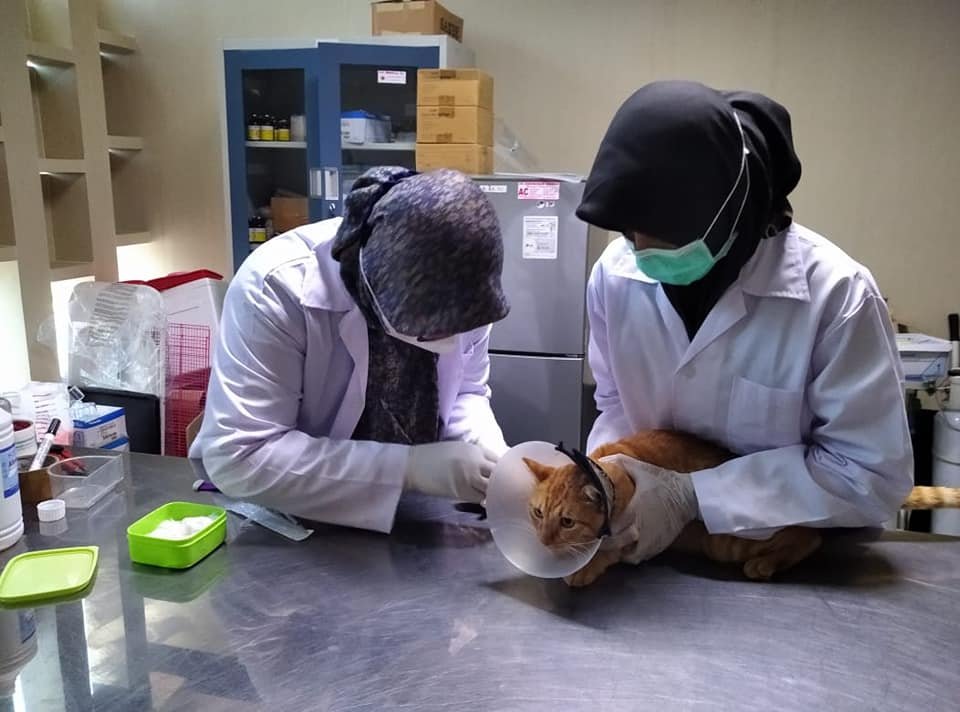
Ask any cat owner, and they’ll likely agree—the vet is public enemy number one in the feline world. The trip involves travel, strange smells, new people, and often, uncomfortable procedures. It’s no wonder many cats associate the vet with fear. To reduce stress, keep vet visits as calm and quick as possible. Use a pheromone spray in the carrier, bring a favorite blanket, and talk softly to your cat. Some clinics even offer “cat-friendly” appointments in quieter rooms. Regular, gentle handling at home can also help your cat be less fearful during exams.
Lack of Hiding Spots: Nowhere to Escape
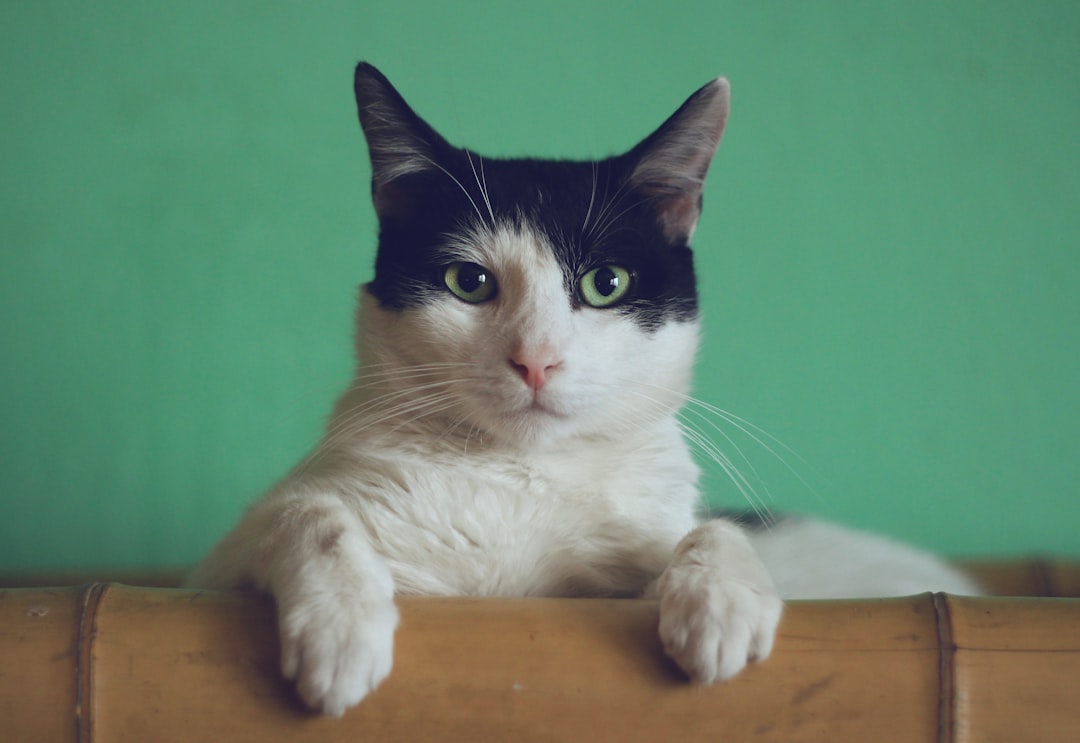
Cats are natural hiders. When frightened, their first instinct is to find a snug, secluded spot to retreat until danger passes. Environments with no hiding places—like open rooms or busy hallways—can be deeply unsettling. If your home lacks cozy nooks, your cat might feel constantly exposed and anxious. Provide boxes, cat trees with enclosed spaces, or even a blanket-draped chair. Respect your cat’s need for privacy; never force them out of their safe space. Just like people need a sanctuary, cats need somewhere to call their own.
Sudden Movements and Unpredictable Behavior
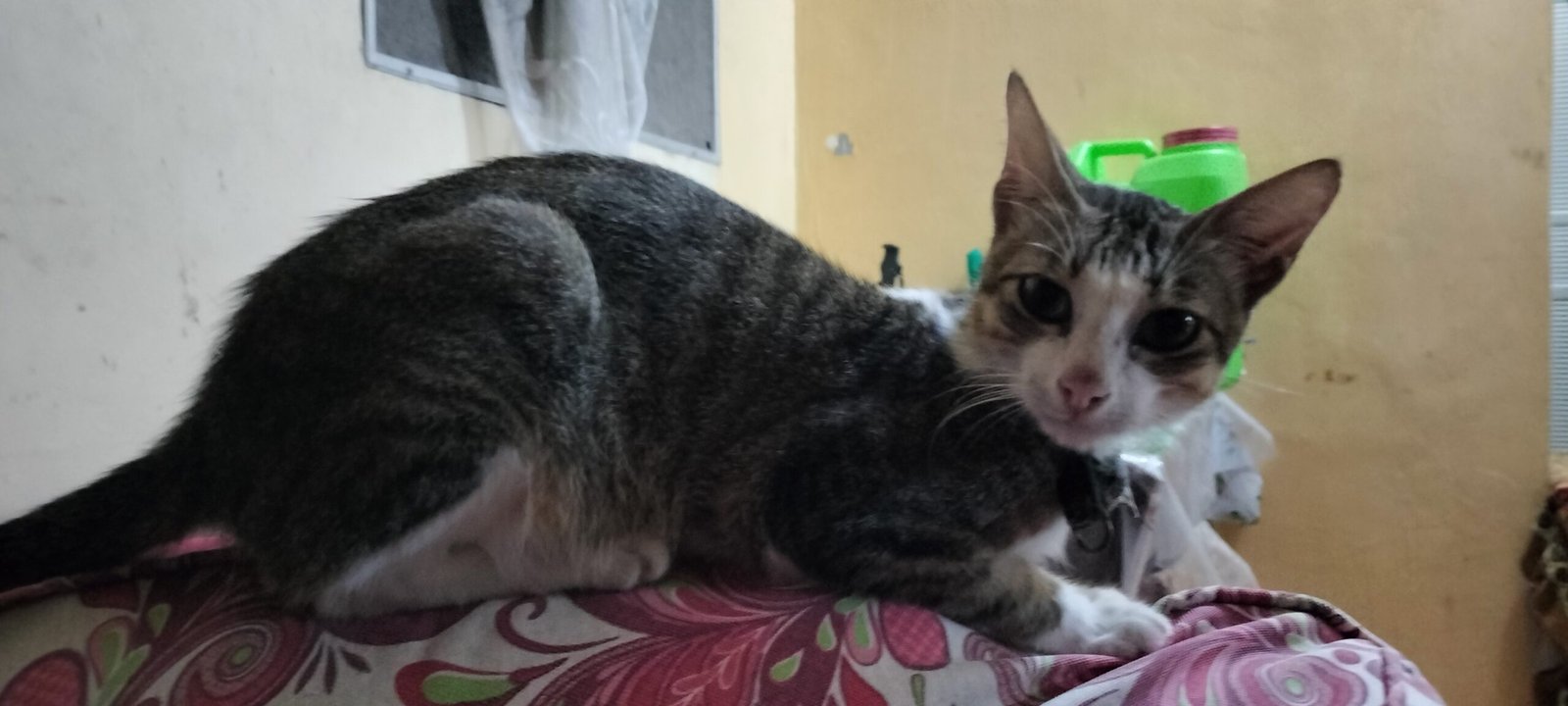
Fast, unpredictable actions—like waving arms, stomping feet, or even energetic children—can startle cats. Their eyes are incredibly sensitive to motion, and sudden changes in their environment can set off alarm bells. For a cat, these movements might resemble a predator’s attack. If you have kids or energetic guests, teach them to move slowly and calmly around your pet. Playtime should be structured and gentle, with toys used to channel energy instead of hands. Over time, your cat will learn to relax, but sudden chaos will always be a source of anxiety for most felines.
Strong Scents and Unfamiliar Smells
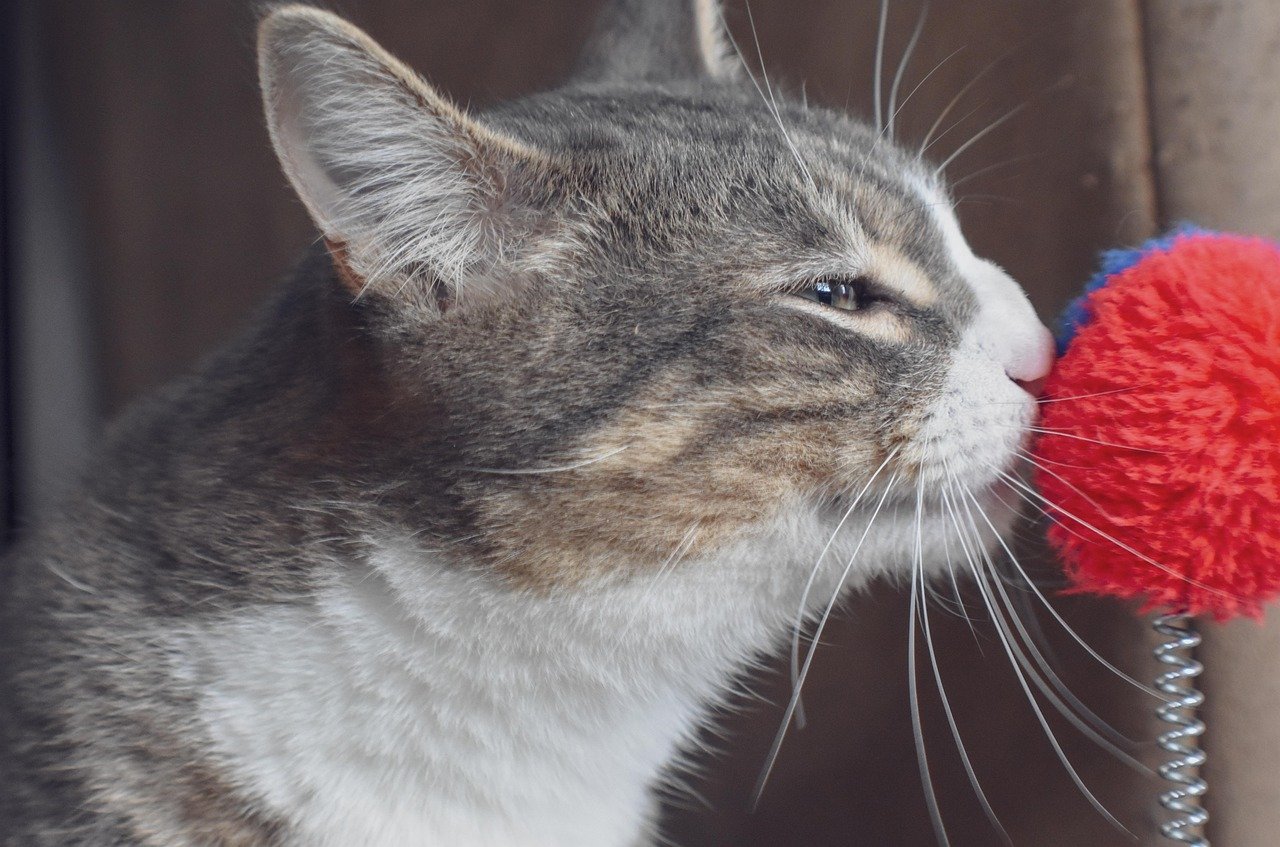
A cat’s sense of smell is powerful, and strong or strange scents can be overwhelming—sometimes even frightening. Perfumes, cleaning products, scented candles, or even new furniture can unsettle a sensitive feline. Cats rely on familiar smells to feel secure; anything that masks or replaces those scents can make them wary or anxious. Try to avoid harsh chemicals or overpowering aromas in your cat’s environment. Instead, allow your cat to explore new items at their own pace, and consider using scent-based products designed specifically for cats to reduce stress.
How to Help Your Cat Conquer Fear
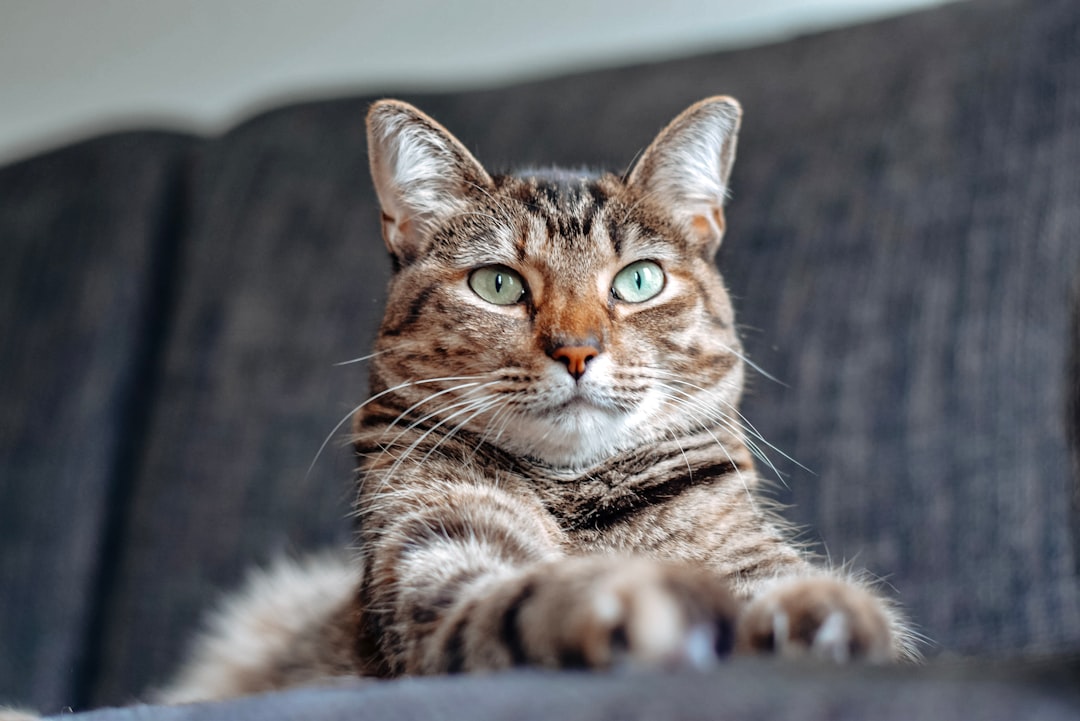
Helping your cat manage their fears isn’t about eliminating their instincts, but about building trust and offering reassurance. Patience is your most powerful tool. Always approach your cat calmly, using a soft voice and slow movements. Offer treats and affection when they face their fears, but never force them into stressful situations. Routines, safe spaces, and gentle socialization can work wonders. If your cat’s fear seems severe or unmanageable, consult a veterinarian or feline behaviorist for extra support. Remember, every small step you take can make a world of difference for your furry companion.
Understanding what scares your cat is the first step to helping them feel safe and secure. Whether it’s loud noises, unfamiliar people, or sudden changes, these fears are totally normal—but they don’t have to rule your cat’s life. By creating a calm environment and being patient, you can help your feline friend build confidence over time. After all, a little compassion goes a long way when it comes to earning a cat’s trust.


