
Watching your senior dog struggle to get up after a nap is a gut-wrenching moment every dog parent knows too well. Maybe your golden oldie hesitates at the stairs or no longer races to greet you at the door like they once did. Joint pain doesn’t have to mean the end of an active life for your furry companion. There are so many thoughtful, gentle ways to keep them moving comfortably.
The truth is, the right activities can make all the difference between a dog who feels stuck on the sidelines and one who still wags with joy. Let’s explore what really works for senior dogs dealing with aching joints.
Why Movement Still Matters for Aging Joints
Here’s something that might surprise you: “Use it or lose it” applies to your pet’s joints, and even dogs with arthritis require daily exercise to maintain mobility. Rest might seem like the kindest option when you notice your dog limping, yet too much rest actually makes things worse. When joints stop moving regularly, they stiffen up even more.
Exercise can help improve joint mobility, reduce pain and inflammation, strengthen your dog’s muscles, and keep them active. Think of it this way: muscles act like natural braces for wobbly joints. The stronger those surrounding muscles, the less strain falls directly on painful joints. Regular, tailored exercise can prevent obesity and manage conditions like arthritis.
Weight management becomes crucial too. Every extra pound your dog carries multiplies the pressure on their joints. Gentle, consistent activity helps maintain a healthy weight without causing additional damage.
Swimming and Water Therapy: The Gentle Giant of Exercise
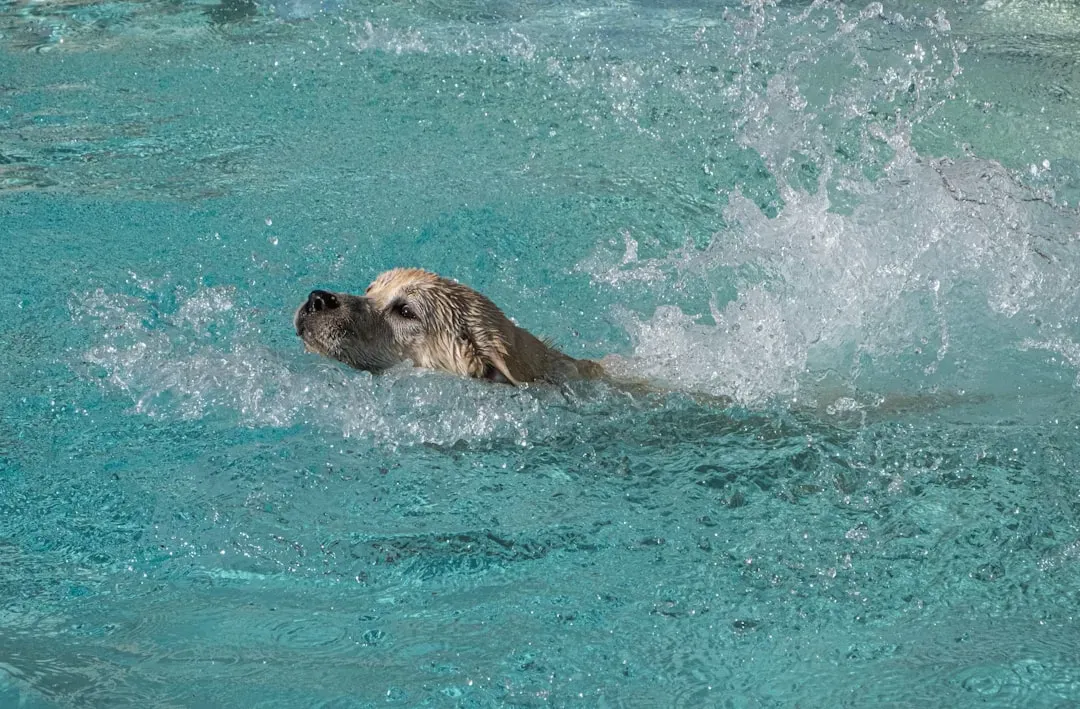
If there’s one activity that veterinarians consistently recommend for arthritic dogs, it’s swimming. The water does something magical: it takes the weight off. The buoyancy of water decreases the amount of weight placed on the joints, and if a dog is exercising in an underwater treadmill with the water at the level of the hip, the joints have 38% less weight on them than they do on land.
Dogs with osteoarthritis that swim two to three times a week for 56 days can improve their hip and joint range of motion by 5%. That’s a measurable difference your dog will actually feel. Swimming gets all four legs moving through their full range of motion without the jarring impact of pavement.
Warm water provides increased blood flow and circulation, relaxation allowing for tension to be released and muscle guarding to diminish, while the viscosity of the water aids in your dog’s ability to move while feeling supported, simultaneously increasing the resistance of each stroke building strength and endurance. Not every dog takes to water naturally, so introduce swimming gradually. Some dogs prefer shallow water first, others need a flotation vest for confidence.
The Simple Power of Short, Frequent Walks
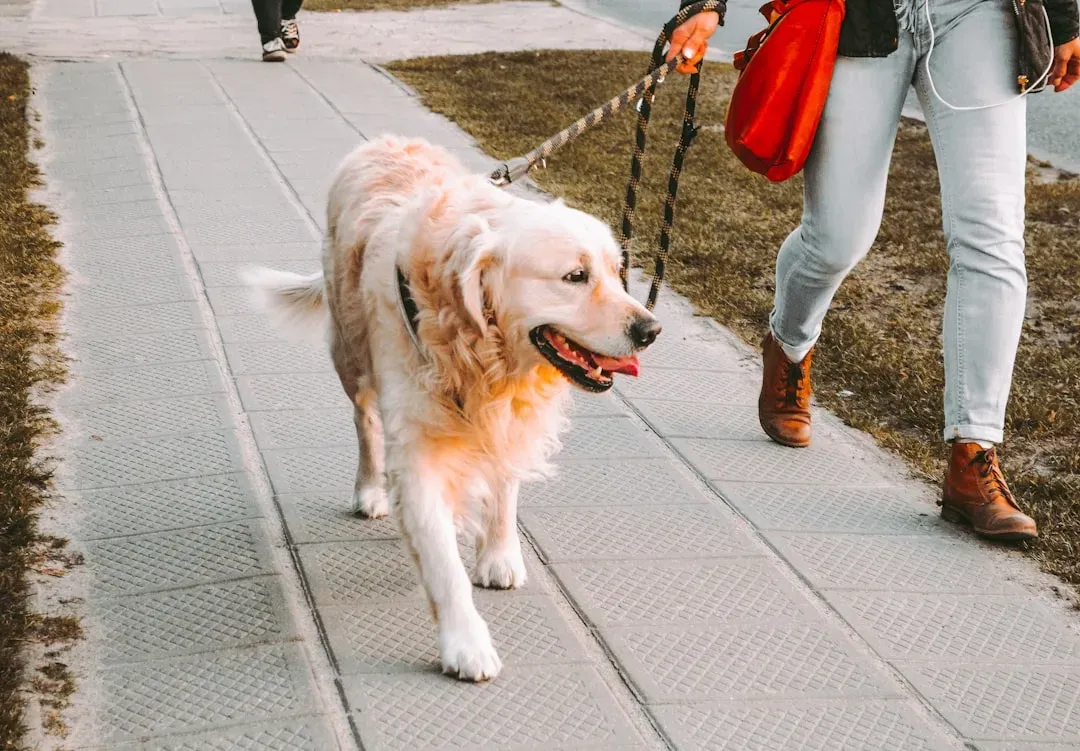
Never underestimate the healing power of a gentle stroll. Two to three 15-20 minute walks a day will be beneficial. Short walks beat one long exhausting trek every single time. Your dog’s joints warm up during the first few minutes of movement, which actually reduces stiffness.
Start with short walks and gradually increase the time and distance as your dog’s condition improves, trying to find a level trail that doesn’t have much of an incline, and if your dog is particularly stiff when getting up, start the routine with a short, low-impact walk on a smooth, flat surface just to get their joints moving. Pavement can be tough on sore joints. Grass, dirt trails, or sand provide softer surfaces that cushion each step.
Watch your dog’s body language closely. If they lag behind, sit down frequently, or limp more after the walk, you’ve gone too far. The goal is gentle movement that leaves them relaxed, not exhausted or more uncomfortable than before.
Therapeutic Exercises You Can Do at Home
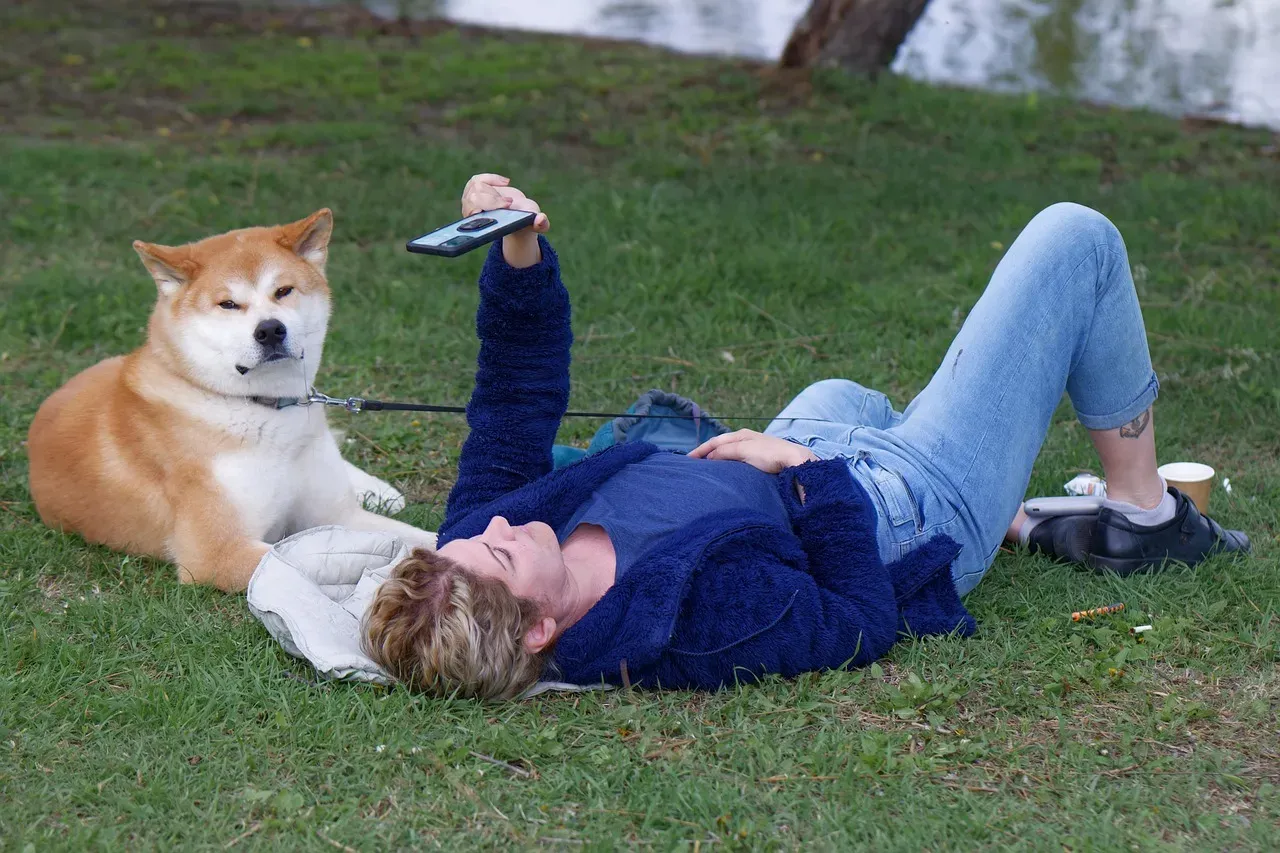
Simple activities like sit-to-stand or walking over low obstacles can improve muscle tone and support the joints. These might sound almost too easy to be effective, yet they target exactly the muscles your senior dog needs most. Having your dog slowly stand from a sitting position and then sit back down builds strength in their hindquarters without strain.
Range of motion exercises can help improve joint mobility in dogs with osteoarthritis by gently moving your dog’s joints through their full range of motion, being careful not to cause any pain or discomfort. You can do this while your dog is relaxed on their bed. Gently flex and extend each leg, moving it in the way it naturally bends. This prevents joints from freezing up.
Balance exercises like standing on a folded blanket or wobble board are secret weapons for aging joints because they target those smaller stabilizing muscles around the hips, shoulders, and spine that regular walks don’t hit, and when these supporting muscles get stronger, they take pressure off painful joint surfaces. Start with something stable and progress slowly.
Massage and Manual Therapy for Comfort
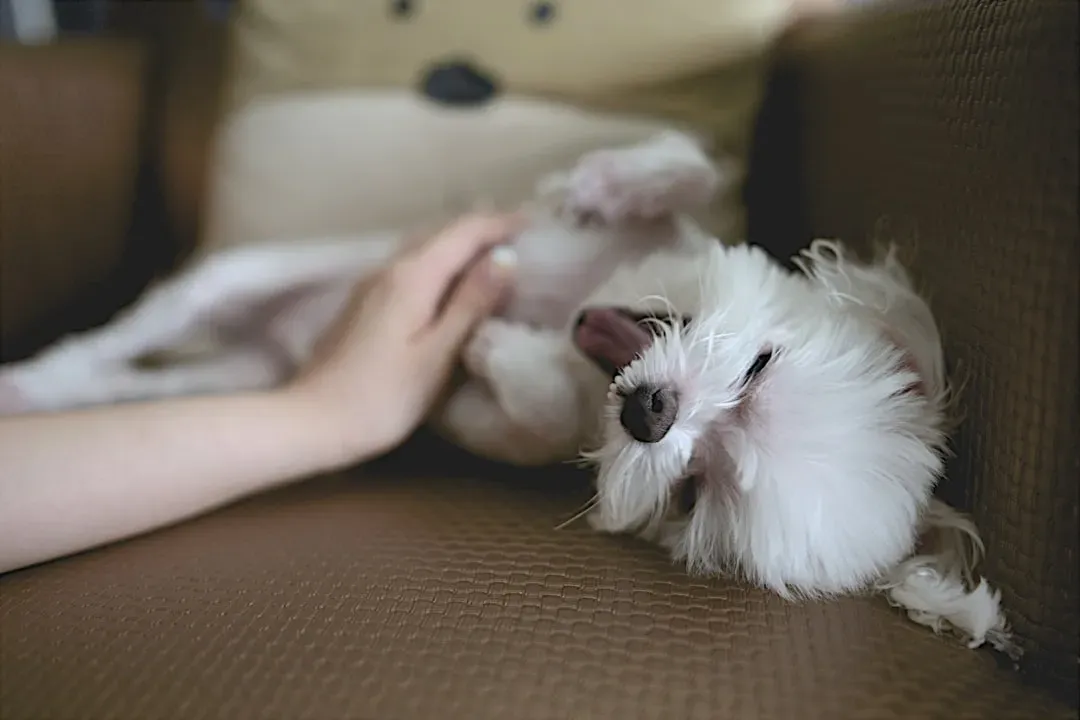
Your hands can provide tremendous relief. Daily massages focusing on rubbing muscles and joints improve circulation, reduce pain, facilitate healing and improve range of motion. Most dogs absolutely melt into a good massage once they realize how wonderful it feels.
Use gentle, circular motions around the joints, working up to the surrounding muscles. The warmth from your hands combined with gentle pressure increases blood flow to stiff areas. Specialized joint massage can be an effective remedy because it stimulates blood flow into the joints, which can promote natural healing.
You don’t need professional training to give your dog basic massage. Just pay attention to their reactions. If they tense up, pull away, or show discomfort, ease up immediately. Some areas might be too tender for direct touch.
Warm compresses before activity can also help. Warmth can be helpful as dogs try to stretch out muscles that are sore when first waking up from sleep or before exercise. Just wrap a warm towel around the affected area for a few minutes before your walk or play session.
What Activities to Avoid and Warning Signs
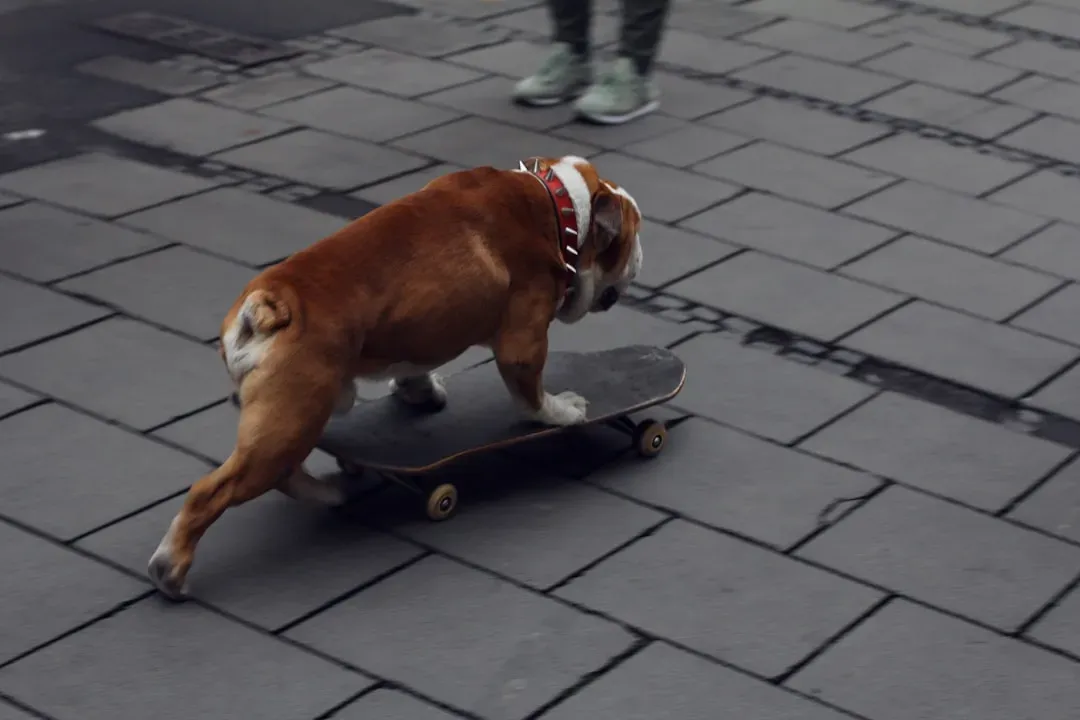
The best medical recommendation for dogs with arthritis is that they should exercise regularly, ideally 30-60 minutes every day, and not engage in high-impact activities such as running, jumping and rough play. That means no more leaping off the couch, bounding down stairs, or wild games of chase with other dogs.
Jumping puts enormous strain on joints. It’s best to discourage your dog from excessive jumping or standing on his back leg, as it can strain his bones and joints. Use ramps for getting in the car or onto furniture. Block off stairs if your dog insists on racing up and down them.
Watch for these red flags: increased limping that lasts beyond the activity, reluctance to move the next day, whimpering or unusual vocalizations during movement, or excessive panting during mild activity. If your dog is frequently pacing or constantly getting up and down, they may exhibit this behavior due to experiencing pain or discomfort, so contact your vet.
Remember that every dog is different. What works beautifully for one arthritic senior might be too much for another.
Conclusion
Joint pain doesn’t mean your senior dog’s adventures are over. It simply means adapting how you both approach activity and playtime. Swimming offers incredible low-impact benefits. Short daily walks keep joints mobile without overdoing it. Home exercises build supportive muscles. Gentle massage brings comfort and healing.
Guided therapeutic exercise is customized, low-impact activity designed by veterinary rehabilitation therapists to help arthritic dogs, with therapeutic activities focusing on gentle movements that improve flexibility, mobility, and strength without causing further joint damage. Working with your veterinarian to create a personalized plan ensures your dog gets exactly what they need.
The goal isn’t to turn back the clock. It’s about maintaining quality of life, reducing pain, and preserving those precious moments of tail-wagging joy for as long as possible. What activities have helped your senior dog stay comfortable and active? Your experience might inspire another dog parent facing the same journey.


