
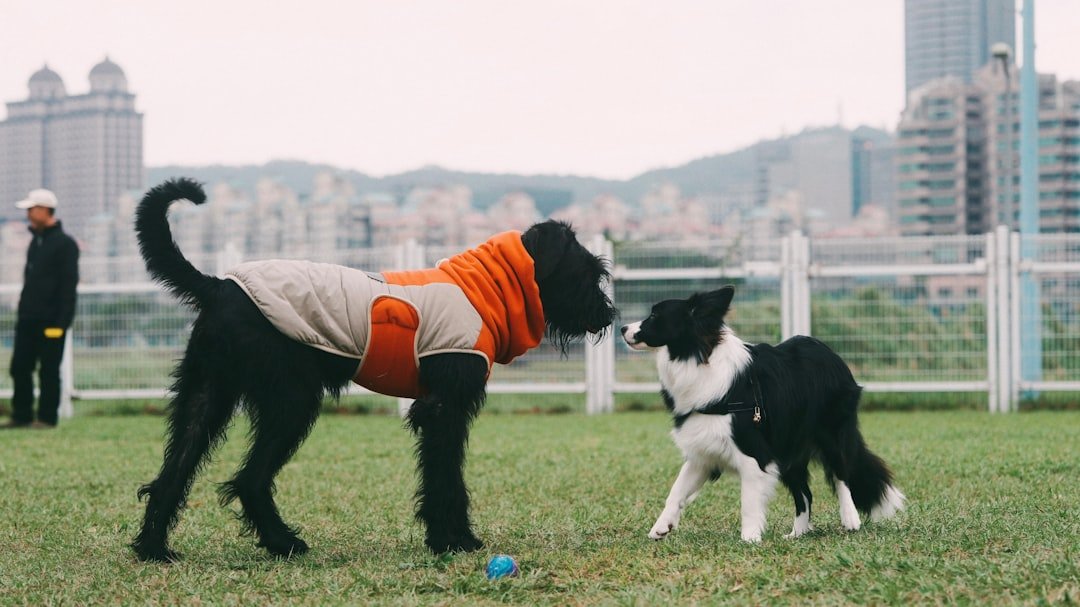
Bringing a new dog home is one of the most exciting moments a dog lover can experience. That fresh-collar smell, those curious eyes exploring every corner of your house, the tail that won’t stop wagging. Pure joy, right? Well, mostly. Here’s what nobody talks about enough: your existing dog is watching all of this unfold, and they’re not necessarily feeling the same excitement you are.
Honestly, introducing a new dog to a resident pet is one of the trickiest things you’ll ever do as a pet parent. Get it right, and you’ll have two dogs napping together within a month. Rush it, and you could be breaking up fights for weeks. The good news? There’s a way to do this that gives your dogs every chance to become genuine companions. Let’s dive in.
Choose the Right Match Before Day One Even Arrives

Most people think the introduction process starts the moment both dogs are in the same yard. It doesn’t. It starts the second you begin considering which dog to bring home. Give some thought to choosing a new dog who can be compatible with your present dog. In general, conflict is least likely to occur between a male dog and a female dog, with the female-female pairing being the combination most likely to result in conflict.
Consider your present dog’s needs as a whole. For example, try not to bring a very active young dog into a home with an older dog who already has health problems such as osteoarthritis. Think of it like inviting a roommate home. You wouldn’t pair someone who sleeps 10 hours a night with someone who DJs until 3 a.m., would you? Same logic applies here.
Dogs are social animals, and hanging out with fellow pups can be a lot of fun for them if they’re introduced properly and are the right fit. Highly sociable dogs may be able to shake off a rocky intro, but if a dog is shy or only likes certain types of other dogs, they may have a tough time getting over a bad first impression. Choose wisely, and everything downstream becomes so much easier.
Use Scent Introduction Before the Face-to-Face Meeting
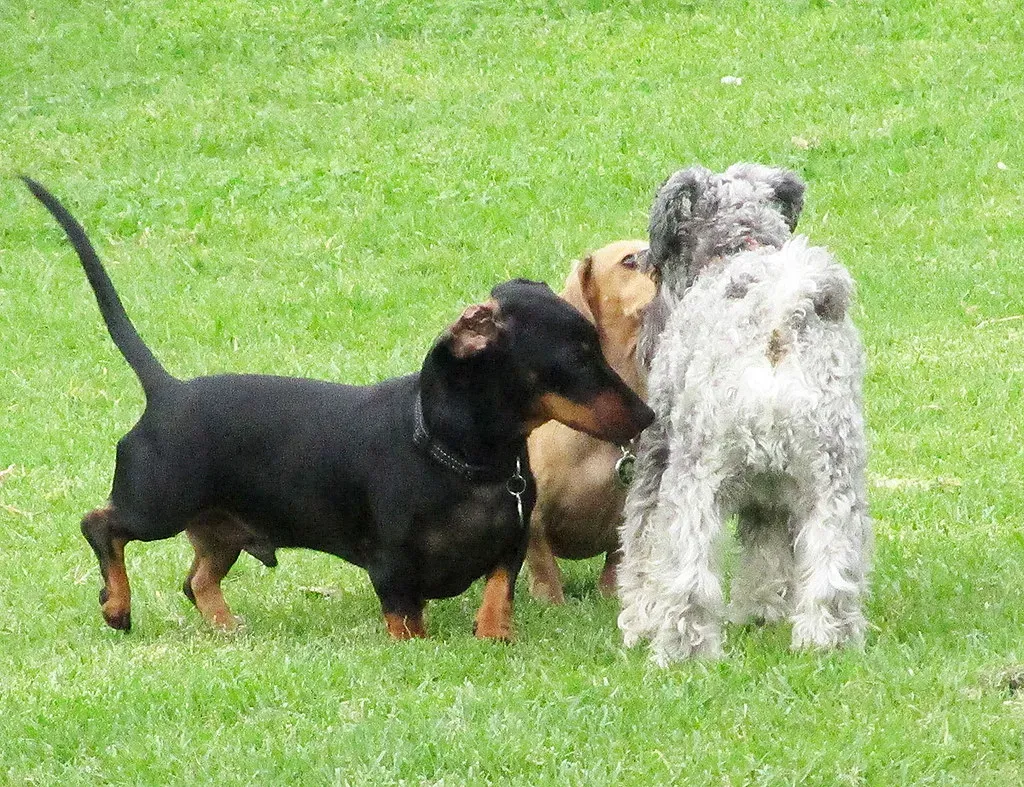
I know it sounds a bit unconventional, but your dog’s nose is doing most of the relationship-building long before eyes ever meet. We can actually introduce them before they ever meet via their scents. This can be done by swapping items like blankets or toys between the animals. It’s a simple, zero-stress step that many owners completely overlook.
Think of a scent swap like sending a letter of introduction. Your resident dog gets to “read” who this new dog is, what they eat, where they sleep, what they’re made of, all in a completely safe, pressure-free environment. No growling, no stiffened posture, no anxiety. Just a curious sniff and, hopefully, a wagging tail.
The goal is to allow the pets to get used to each other’s presence without face-to-face contact. Even if they can’t see each other, they can hear and smell each other. Give this process at least a few days. Patience here pays serious dividends later.
Always Hold the First Meeting on Neutral Ground
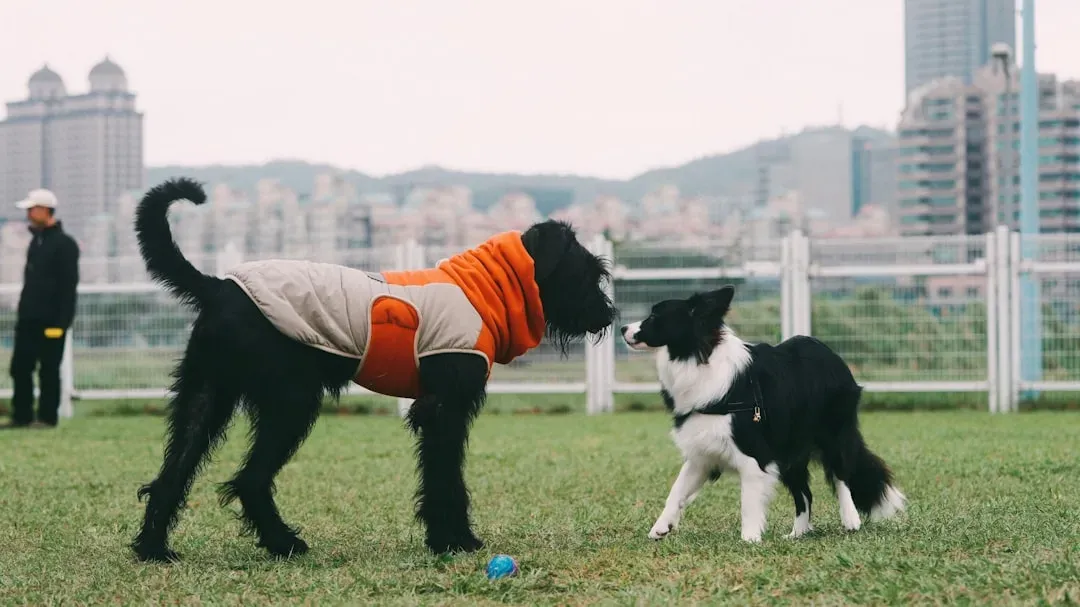
This one matters more than most people realize. The first meeting should be in a neutral environment like a park. It’s best to avoid introducing the dogs in the house or even in the yard, where the resident dog may become territorial. Your yard, believe it or not, is emotionally loaded territory for your existing dog. Walking in there with a stranger is a provocation, even if unintentional.
For dogs, a walk around the neighborhood with both the new dog and the original dog first is a great idea. A parallel walk is genuinely one of the most underrated tools in the introduction playbook. Side by side, sniffing the same sidewalk, peeing on the same fire hydrant, these shared experiences build familiarity without forcing direct interaction. Magic happens naturally.
For your dogs’ first meeting, secure help from a family member or friend so someone can pay attention to each dog. Having two sets of eyes is crucial. One handler per dog means no one is accidentally fumbling with leashes while a stare-down is escalating in front of them.
Learn to Read the Room: Decoding Dog Body Language
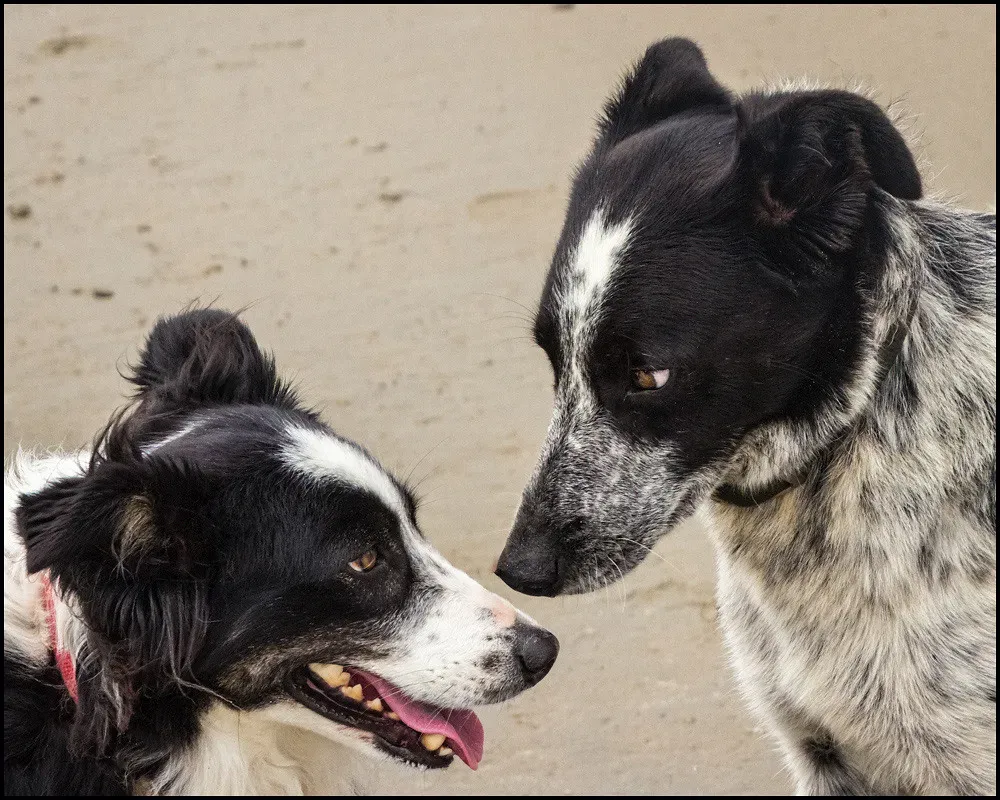
Here’s the thing: your dogs are talking to each other constantly. The question is whether you can hear them. Understanding canine body language is essential before introducing a new dog into your home. Dogs communicate primarily through body posture, facial expressions, and vocalizations, and being able to recognize their signals can help prevent conflicts and create a positive introduction experience.
During interactions, monitor both dogs by paying attention to body language signals. Green means they are relaxed and happy, yellow indicates discomfort and possible escalation, and red means separate them immediately. Specifically, watch for red-alert signals like hard, focused eye contact with lip licking, growling and exposing teeth, body weight shifted forward with obvious muscle tension, and hair raised on the back and shoulders.
On the happier side, recognizing friendly and relaxed behaviors, like a loose wagging tail, play bows, and soft eyes, allows you to encourage positive interactions. The play bow, when dogs place their chest on the ground with their rump in the air, is an easy-to-read signal used to initiate play with other dogs and even with people. When you see that, breathe a sigh of relief. Things are going well.
Set Up the Home for Success: Space, Resources, and Boundaries
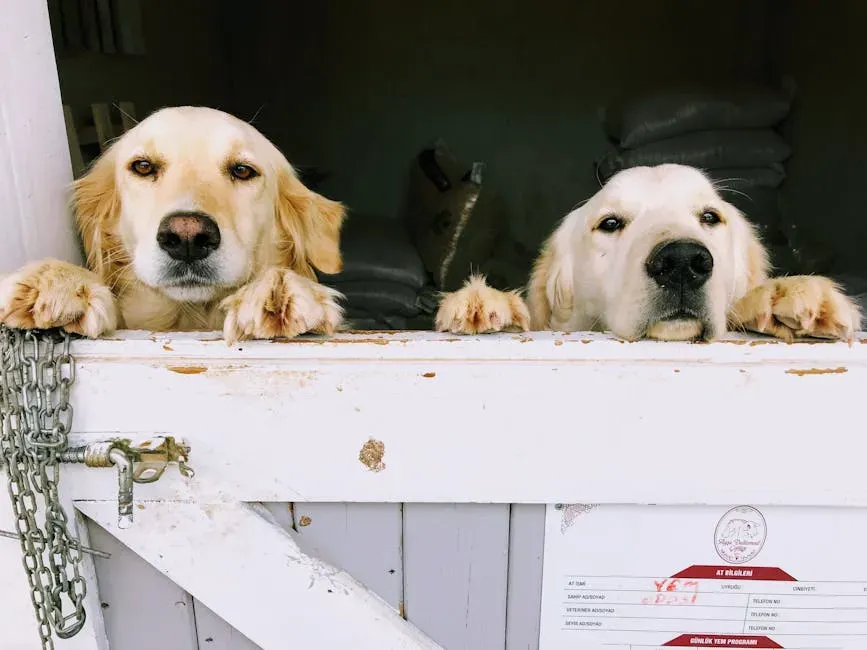
Once the neutral-ground meeting goes reasonably well, it’s time to bring everyone home, and this is where a lot of owners drop the ball. Make sure the new dog has a separate area for all of their items. Even if your pet has never been possessive in the past, it’s best to be cautious and avoid putting the dogs in a position to fight over toys or food. Congested areas may also trigger aggression between dogs if they feel forced on each other.
Set up at least one “success station,” a dog-proofed area in a playpen or an area of the home blocked off with baby gates or exercise pens. A success station should have food, water, a place to rest and sleep, potty pads, toys and enrichment. The success station provides a safe place for your dog to rest when you can’t supervise them.
When it’s mealtime, feed the resident dog just like usual, and feed your new dog in a different room so there’s no stress over food. Food guarding is one of the most common flashpoints between dogs who are still figuring each other out. Separate feeding zones eliminate the problem before it starts.
Give Individual Attention and Supervise Relentlessly
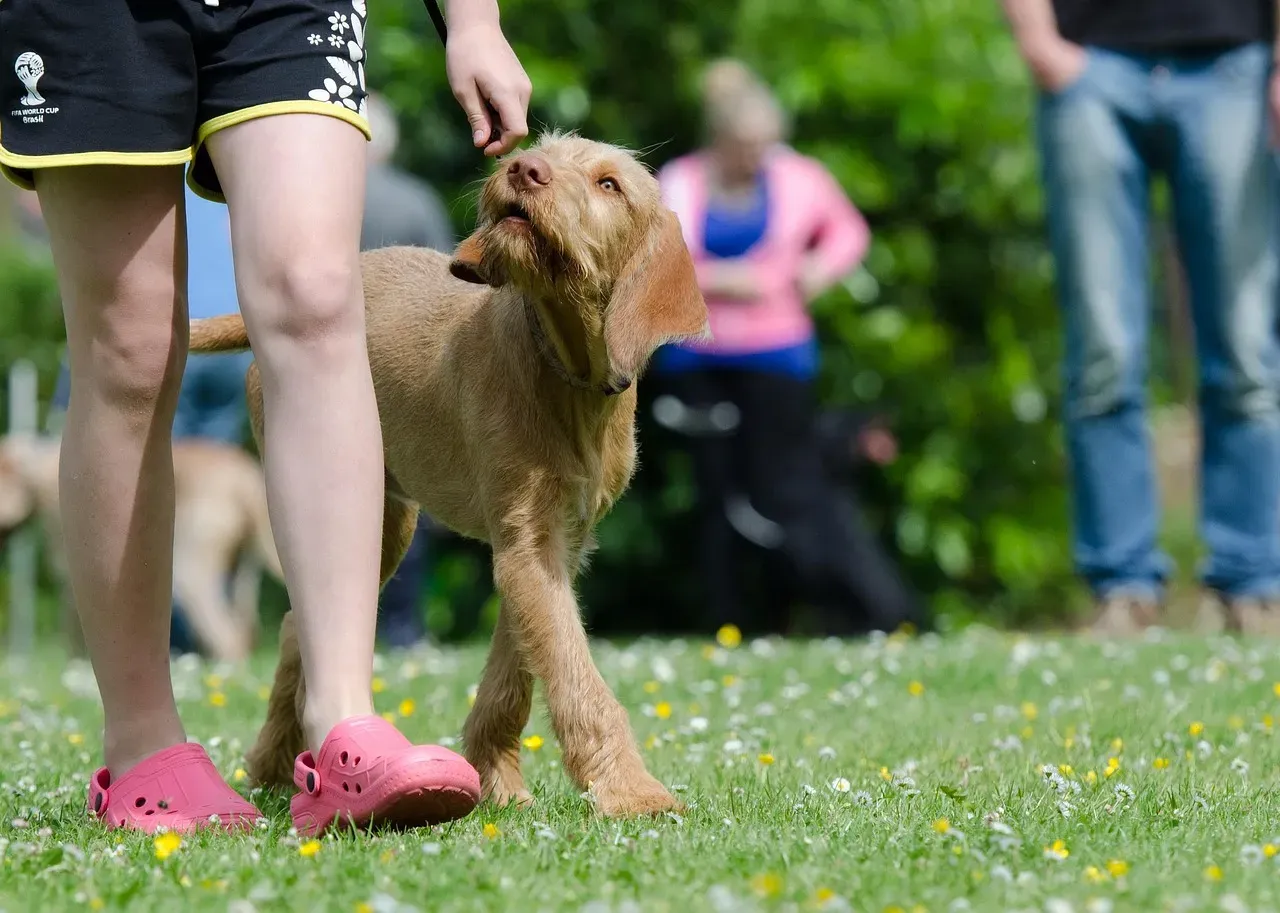
Your resident dog was living their best life before the new pup arrived. They had your full attention, the comfiest spot on the couch, and no competition for the good belly rubs. That’s all changed now, and they feel it. Spend quality one-on-one time with each dog through training sessions, walks, and snuggle time. This helps prevent jealousy and strengthens their bond with you. Rotate activities so each dog gets one-on-one attention without feeling left out.
Keep the dogs’ interactions closely supervised for the first two weeks, until both dogs are fully accustomed to each other. Avoid leaving the dogs alone together until you’re sure they’re comfortable with each other. I think of those first two weeks as an investment period. It requires time and vigilance, but the return is a harmonious household for years to come.
Reinforce positive behavior with lots of treats and praise, and watch closely for situations that could lead to conflict, such as fighting over toys or becoming overly excited. If you catch good behavior, reward it immediately. Dogs learn fast when the right behavior leads to something delicious.
Conclusion: Slow and Steady Wins the Tail Wag
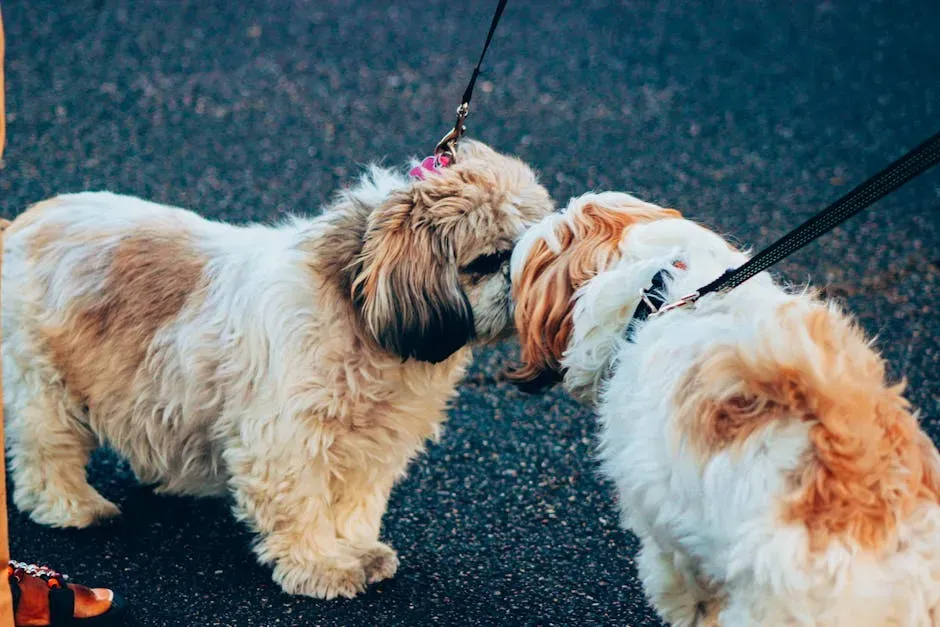
Introducing a new dog to your existing pet isn’t a single event. It’s a process, and sometimes a messy, unpredictable, wonderfully rewarding one. There will be awkward moments, probably a growl or two, and maybe a standoff over a squeaky toy. That’s all completely normal.
What matters most is that you stay calm, stay present, and trust the process. Over time, your dogs should learn to tolerate each other, or even become best buddies. If you still run into issues, a professional dog trainer or animal behaviorist may be able to help. There is no shame in calling in reinforcements; the best dog parents know when to ask for help.
Your home has more than enough love for two dogs. The real question is just how patient you’re willing to be while they figure that out for themselves. What does your resident dog think about all of this? Only they know, but with the right approach, the answer might just be a happy tail wag. Tell us in the comments how your own dog introductions went!


