
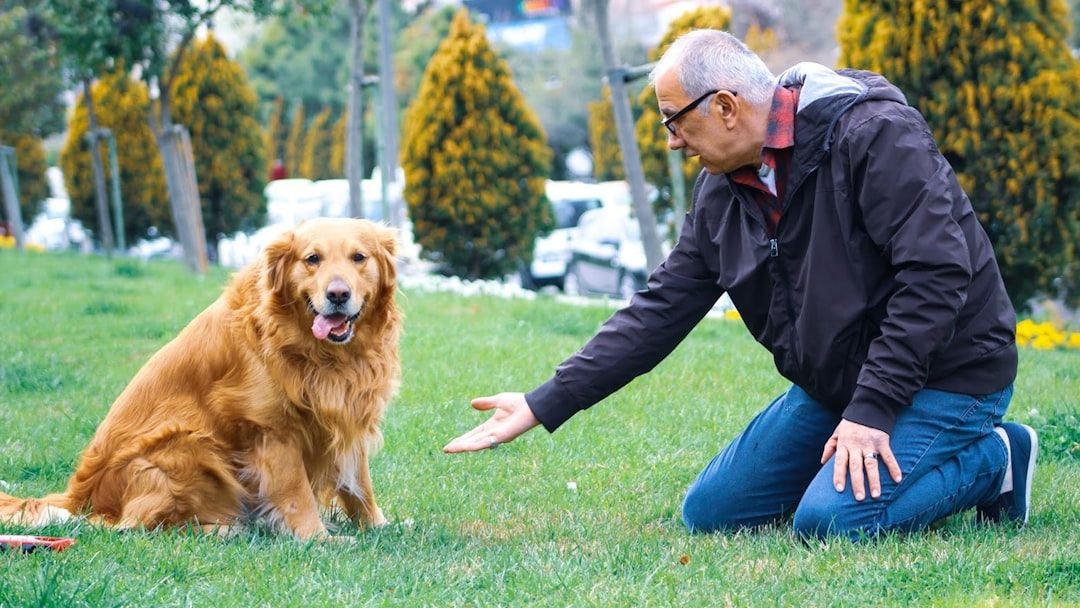
Your senior dog may move a little slower these days. Maybe they hesitate before jumping up on the couch or need an extra moment to stand after a nap. It’s easy to assume that playtime is a thing of the past, reserved for their younger, more energetic years.
Here’s the truth though: your older dog needs play just as much now as they ever did. Maybe even more. Playtime for senior dogs isn’t just about fun or filling time between meals. It’s a powerful tool that can literally reshape their brain, ease their discomfort, and add genuine quality to their golden years. Let’s get into what you might not realize is happening during those precious moments of play.
Keeping Their Mind Sharp When It Matters Most

Let’s be real, watching your dog forget where they left their favorite toy or stare blankly at the back door can be heartbreaking. Research has shown that total hippocampal volume increased at an average rate of about 1.74% per year in dogs who received daily play and socialization. That’s the part of the brain responsible for memory and learning, and it was actually growing instead of shrinking.
Physical activity was robustly associated with better cognitive outcomes in dogs. Think of playtime as a crossword puzzle for your dog’s brain. When you introduce a new toy, play hide and seek with treats, or teach them a gentle new trick, you’re creating new neural pathways. Dogs that played with their owner for more than an hour on a daily basis were more likely to manipulate new toys, suggesting it may have affected dogs’ cognitive abilities, attention to detail, information processing, and their inclination toward novelty.
You might notice your senior dog becomes more engaged with their surroundings after regular play sessions. They may recognize familiar routes on walks more quickly or respond to commands with renewed enthusiasm. Honestly, it’s like watching them rediscover parts of themselves you worried were fading away.
Movement That Actually Eases the Ache
I know what you’re thinking. Your dog has arthritis, their joints are stiff, so surely rest is better than play, right? Turns out, that’s not quite how it works. Playtime is essential for building strength and keeping your dog’s joints moving smoothly throughout their lifetime.
Daily walks maintain strength, and swimming can help stretch muscles and joints. The key is gentle, consistent movement rather than intense bursts. When joints stay mobile through regular play, the synovial fluid that lubricates them keeps flowing. Imagine a rusty door hinge versus one that gets used daily. Your dog’s joints work the same way.
Low-impact activities like slow-paced fetch with a soft toy, gentle tug games where you let them win easily, or even sniffing games where they search for hidden treats can keep them moving without strain. As your pet ages, exercise becomes even more important to maintain a healthy weight and avoid increasing their risk of conditions such as heart disease, diabetes, and osteoarthritis. The movement from play doesn’t just maintain joint health; it actively protects against further deterioration.
The Weight Connection Nobody Talks About
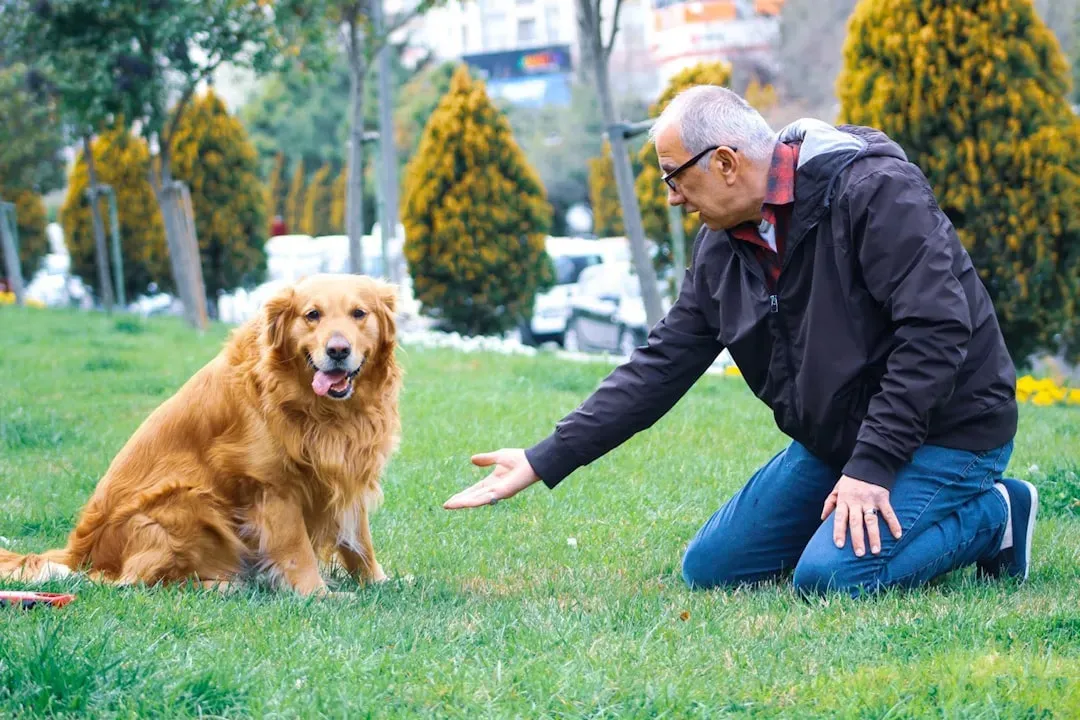
Here’s something that might surprise you: even a few extra pounds on your senior dog can dramatically worsen their mobility issues. Weight management through playful activity becomes absolutely critical as dogs age, yet it’s one of the most overlooked aspects of senior care.
Regular playtime burns calories in a way that feels natural and enjoyable for your dog. They’re not trudging along on a forced march; they’re engaged in something that brings them joy while simultaneously keeping excess weight off their frame. Think about it: every additional pound puts extra pressure on already tender joints and organs working overtime.
Nearly 60% of dogs are overweight, which means the majority of senior dogs are carrying weight that makes every step more painful than it needs to be. Simple play sessions, even just ten minutes of gentle activity twice daily, can make the difference between a dog who struggles to stand and one who still greets you at the door with a wagging tail.
The Emotional Lift That Changes Everything
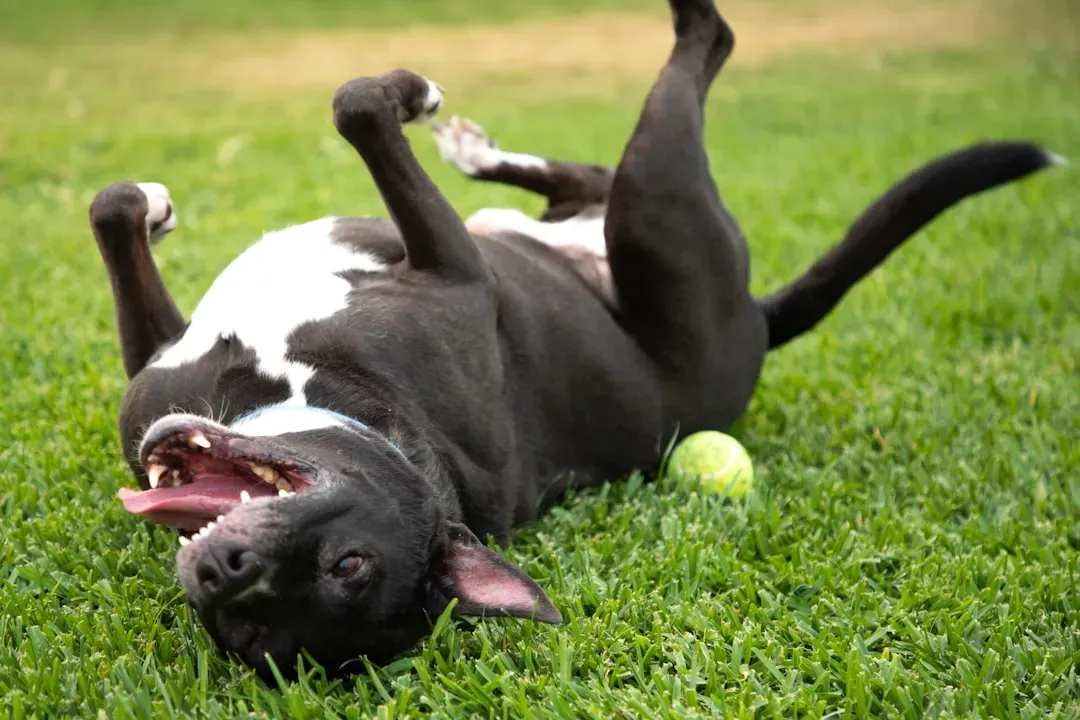
Dogs don’t just age physically. Their emotional world changes too. Isolation, boredom, and a sense of purposelessness can creep in when we stop engaging them the way we used to. Socialization is crucial for dogs of all ages, and isolation can negatively impact their health and happiness.
Daily playtime provides structure and anticipation in your senior dog’s day. They have something to look forward to, a predictable moment of joy and connection with you. This isn’t fluff or sentimentality; it’s about maintaining their will to engage with life. Without proper play and stimulation, dogs can develop anxiety and depression and even display destructive and aggressive tendencies.
During play, you’re also deepening your bond. Your dog feels seen, valued, and loved in a tangible way. Those moments of shared attention release feel-good hormones that lift their mood and yours. You might notice they seem brighter, more alert, and more willing to interact with family members after establishing a regular play routine.
Better Behavior Through Simple Engagement
Something interesting happens when senior dogs get regular playtime: behavioral issues often improve or disappear entirely. Dogs with excess energy will look for their own outlets, which can lead to unwanted behaviors like destructive chewing or pulling on leash. Even older, slower dogs can become restless and frustrated when they’re under-stimulated.
You know those nights when your senior dog paces endlessly or seems unable to settle? Often, that’s not just age or confusion. It’s boredom and pent-up mental energy seeking an outlet. A simple evening play session – maybe just rolling a treat-dispensing ball across the floor or playing a gentle game of find-it – can transform those restless nights into peaceful ones.
The beauty of this is how little it takes. You don’t need to exhaust your dog. You just need to engage their mind and body enough that they feel fulfilled. Behavioral improvements often show up within just a few days of consistent play.
Strengthening the Bond When Time Feels Precious
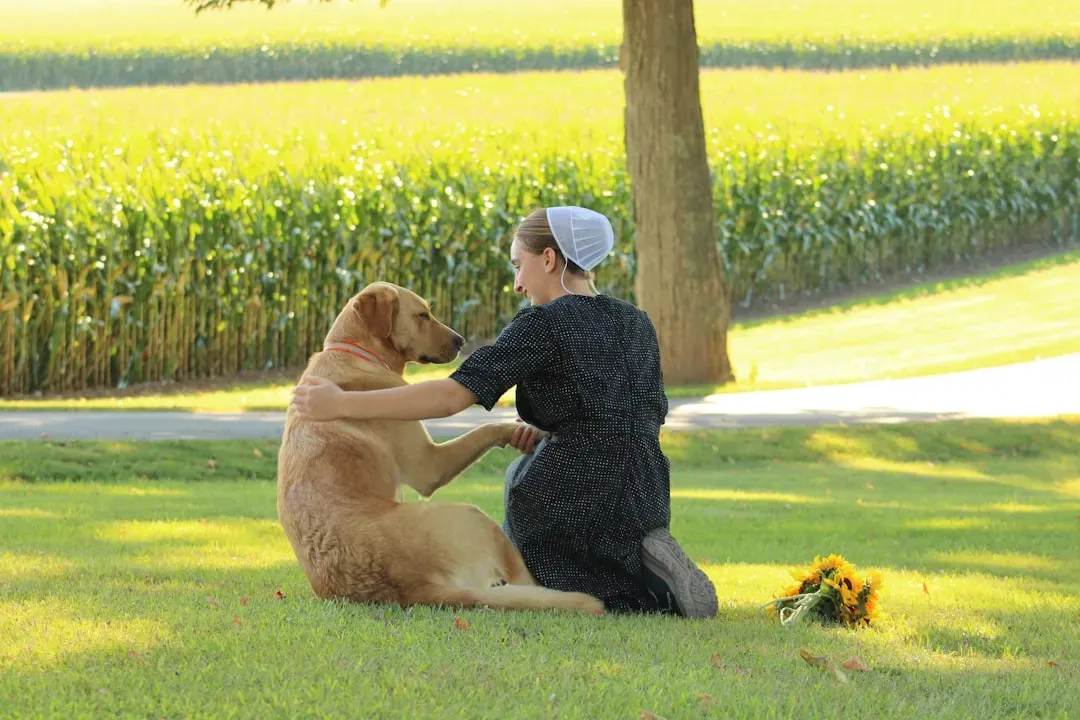
Let’s talk about something tender. When your dog enters their senior years, you become acutely aware that your time together is finite. Every moment carries more weight. Playtime is the ideal time for fostering a strong bond with your dog, allowing you to focus on your relationship without distractions, and your dog will appreciate the attention and love you provide.
Those daily play sessions become rituals of connection. Your dog learns they can still count on you for joy, not just care-taking tasks like medication and vet visits. You’re not just their caregiver; you’re still their favorite playmate. That distinction matters profoundly to them.
These moments also create memories you’ll treasure. The way they still brighten when you pull out that squeaky toy. How they do their little play bow, even if it’s slower and gentler than it used to be. These small joys accumulate into something much larger: a life well-lived together, right up until the end.
Conclusion: Small Moments, Massive Impact
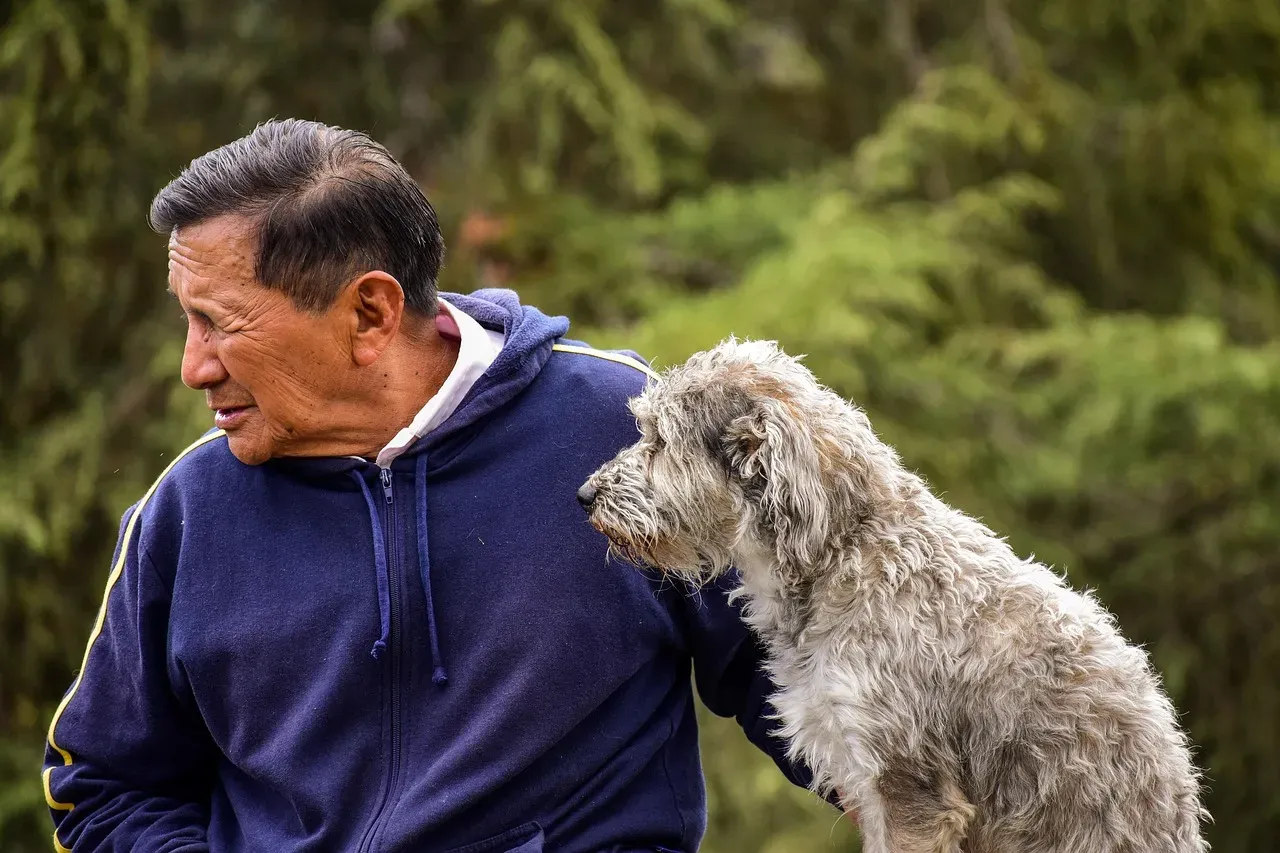
The hidden benefits of daily playtime for senior dogs extend far beyond what’s visible on the surface. You’re not just tossing a ball or waving a toy. You’re protecting their brain from decline, keeping their joints mobile, managing their weight, lifting their spirits, and honoring the relationship you’ve built over a lifetime.
Adopting a dog and offering it a loving home even when it is middle-aged may improve its longevity and benefit its health in old age. If that’s true for adoption, imagine what consistent, loving play can do for the dog who’s been by your side for years.
The beautiful thing is that it doesn’t require much. Just consistency, creativity, and a willingness to meet your senior dog where they are right now. Not where they were five years ago, but where they are today. Those ten or fifteen minutes of daily play might just be the most important thing you do for them. What simple game could you start with your senior dog today?


