
You finally did it. You brought home that warm, wiggly bundle of fur you’ve been dreaming about for months. The first night, you’re already madly in love. The second night, there’s a puddle on the carpet, your shoes are missing, and your pup is howling at 2 a.m. like a tiny, heartbroken wolf. Sound familiar? Don’t worry. You are not alone, and you are certainly not failing.
The truth is, bringing home a new dog is exciting, but first-time owners often discover the learning curve is steeper than they expected. Many new owners are simply working from assumptions that don’t quite match how dogs actually learn. Knowing where things go sideways, before they do, makes all the difference. So let’s get into it.
Skipping Early Training Because “They’re Still a Baby”
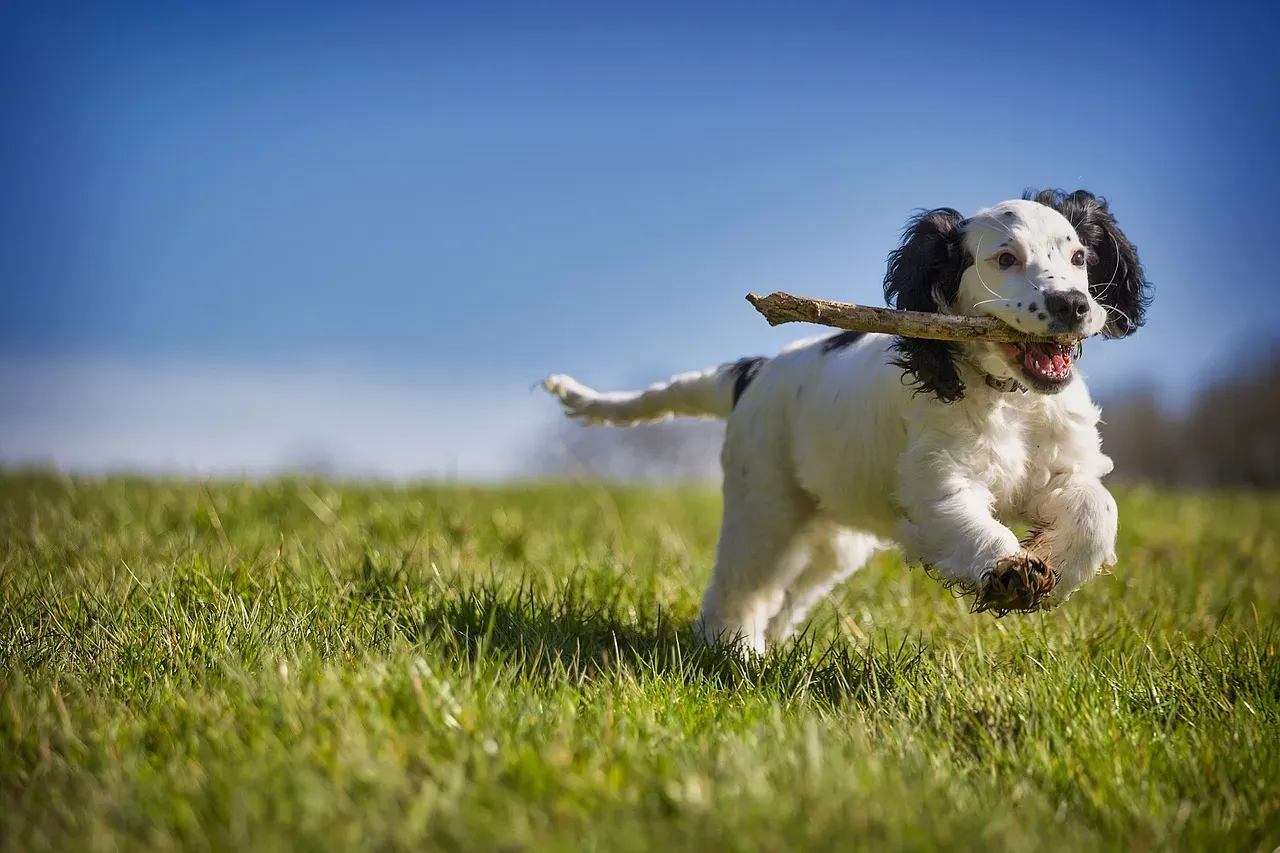
Here’s the thing most new owners don’t realize: waiting to train a puppy is one of the costliest mistakes you can make. One of the most frequent comments trainers hear from new puppy owners is that they wish they hadn’t waited so long to start training. Don’t wait until they are older and can develop bad behaviors in the interim. Start teaching them proper behavior from day one.
Think of it this way. Teaching a puppy good habits is like writing on a fresh page. Waiting means you’re now trying to erase ink. When your new puppy is young, it is the most adaptable it is going to be at any point in its life. This is the time when its brain is best prepared to receive new information, learn specific commands, and master proper behaviors around the house.
One sneaky trap many owners fall into is repeating commands endlessly. A common mistake new owners make is falling into the trap of repeating a command like “Sit” over and over again. When you repeat a command too many times, you’re actually desensitizing your puppy to the meaning of the word. Instead of it being a direct and clear command, your puppy will start to tune it out and ignore you.
The fix? Say the command once, wait, and reward the moment your pup responds correctly. Keep sessions short, positive, and fun. Consistency beats duration every single time.
Misunderstanding What Socialization Actually Means
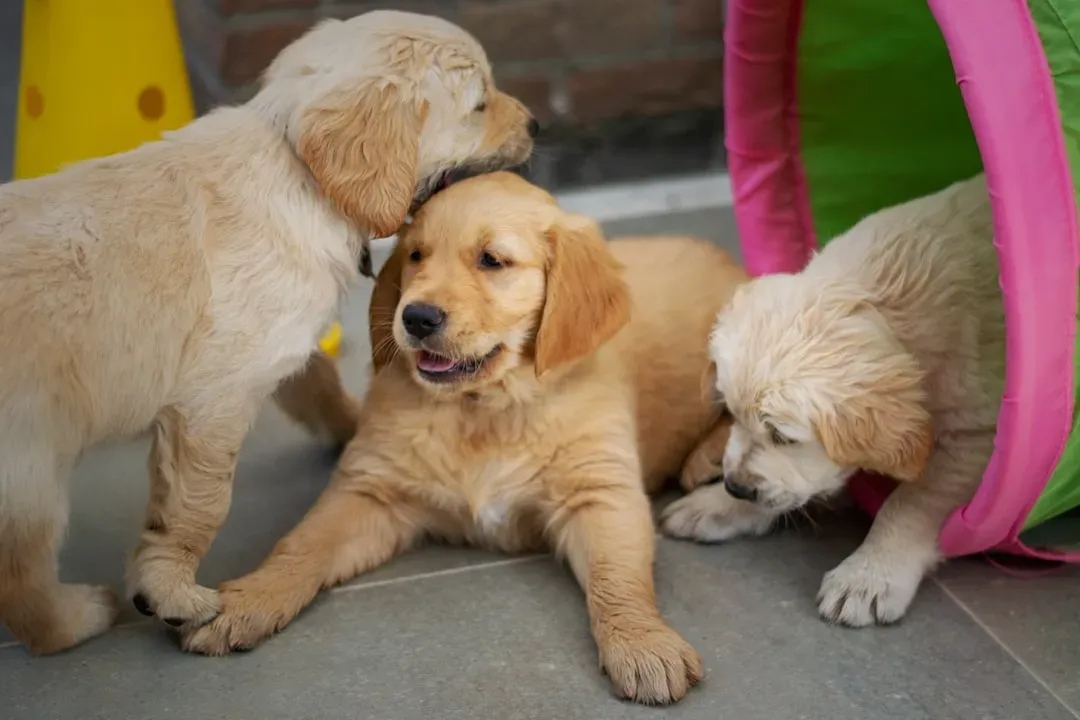
Socialization is probably the most misunderstood word in all of dog ownership. Most new owners think it means taking their puppy to meet every dog in the park. Honestly, that’s not it. Proper socialization is about exposure to a variety of environments, sounds, surfaces, people, and controlled interactions, not letting every dog run up and say hello.
During your puppy’s first three months of life, they’ll experience a socialization period that will permanently shape their future personality and how they’ll react to their environment as an adult dog. Gently exposing them to a wide variety of people, places, and situations can make a huge, permanent difference in their temperament. Miss this window, and catching up later becomes a serious uphill battle.
There’s also a flip side to this. One common mistake puppy parents make is overwhelming their puppy, doing too much, too soon, too fast. Whether you’re walking around the block or going for a ride in the car, make sure your pup is having fun from start to finish.
Watch for stress signals like pinned ears, a tucked tail, yawning repeatedly, or trying to hide behind your legs. Those are your dog’s way of saying “I’ve had enough.” Always end on a positive note, and build exposure gradually.
Accidentally Rewarding the Wrong Behaviors
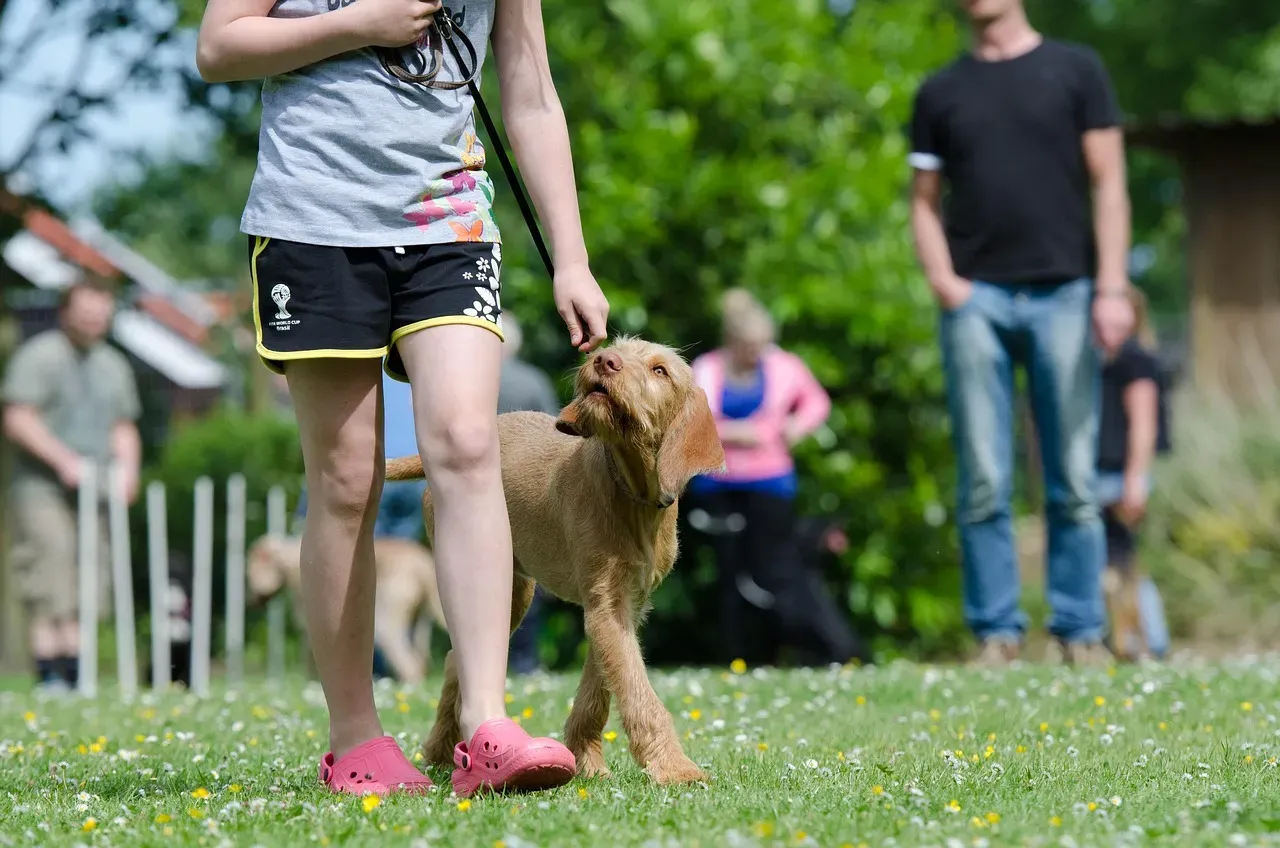
This one surprises so many people, and I think it’s because it’s genuinely hard to spot in yourself. A brand-new dog owner might say “I don’t reward the jumping,” but is simultaneously petting the dog to calm it down. Or they pull a barking dog closer while trying to soothe them. These kinds of things reinforce unwanted behaviors.
Here’s the uncomfortable truth: reinforcement isn’t about intention. It’s about what the dog perceives as rewarding. Once an owner understands this, new reinforcement patterns can be built that support calmer behavior. Your dog isn’t being manipulative. They’re just doing what works.
We often overlook undesirable behavior in puppies because it’s cute or funny when they’re little. It could be your dog hiding behind you and barking, getting a little feisty during food time, or even playing the “catch me if you can” game in the backyard. A ten-pound puppy jumping up is adorable. A sixty-pound dog doing the exact same thing? Suddenly, not so much.
The rule of thumb is simple. Whatever you allow now, you are teaching your dog is acceptable forever. Be warm, be loving, but be consistent about which behaviors actually earn your attention and affection.
Neglecting Routine, Structure, and Daily Consistency

Dogs are creatures of habit in the most profound way. Imagine if your mealtimes, bedtime, and schedule shifted randomly every day. You’d feel anxious too. Experienced owners usually understand daily structure is calming to dogs. First-timers often give a new dog tons of freedom right away, roaming the house, greeting everyone, sleeping wherever, and choosing their own pace. While well-intentioned, this can create anxiety and confusion.
Dogs, like humans, thrive on routine. Without a consistent schedule, they may become anxious or act out. Setting a daily routine for feeding, walks, playtime, and training helps your dog know what to expect, which reduces anxiety and promotes good behavior.
Inconsistency is equally damaging. Allowing a dog to get away with certain behaviors one day but disciplining them for the same behavior the next can cause confusion. Set clear, consistent rules from day one. Every member of the household needs to be on the same page here, or your dog will simply learn to work whoever gives them the best deal.
Getting the Diet Wrong Without Realizing It
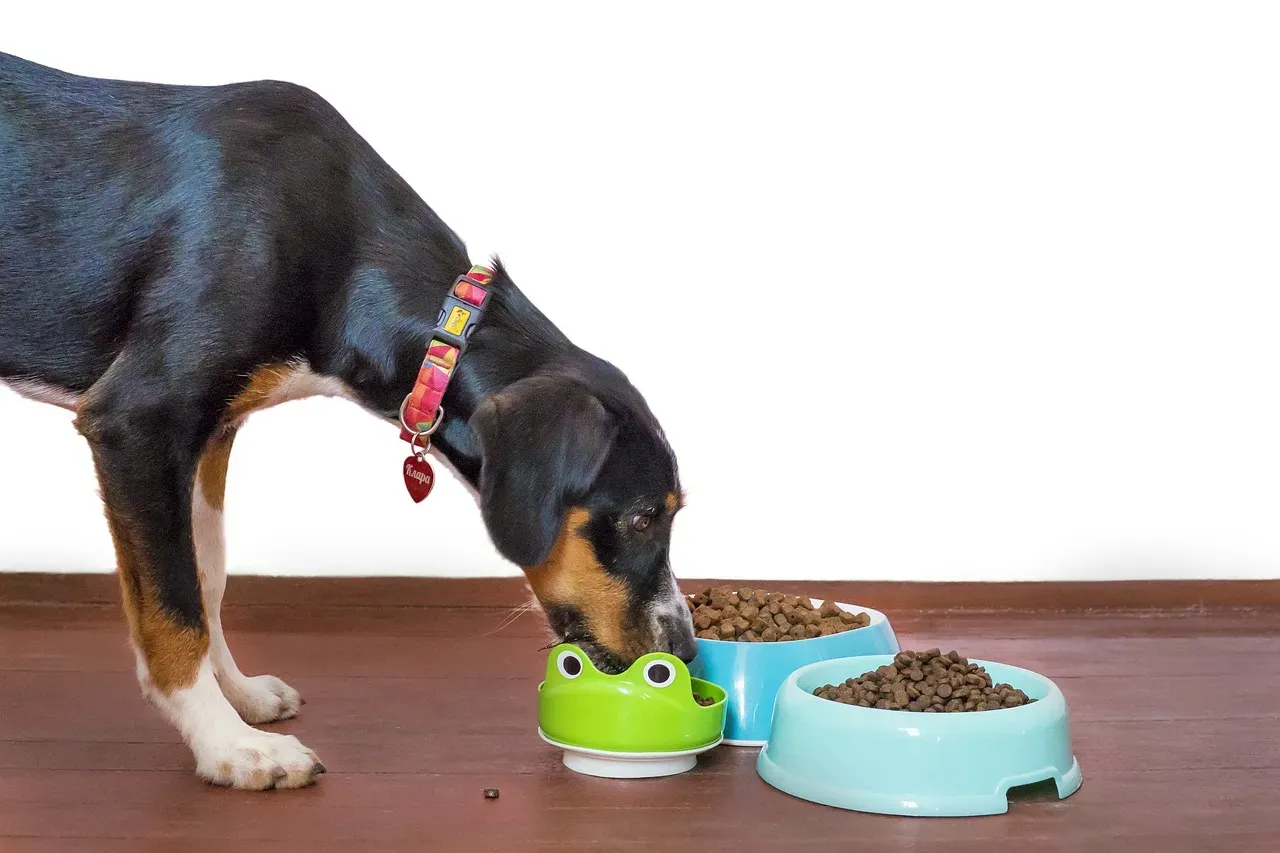
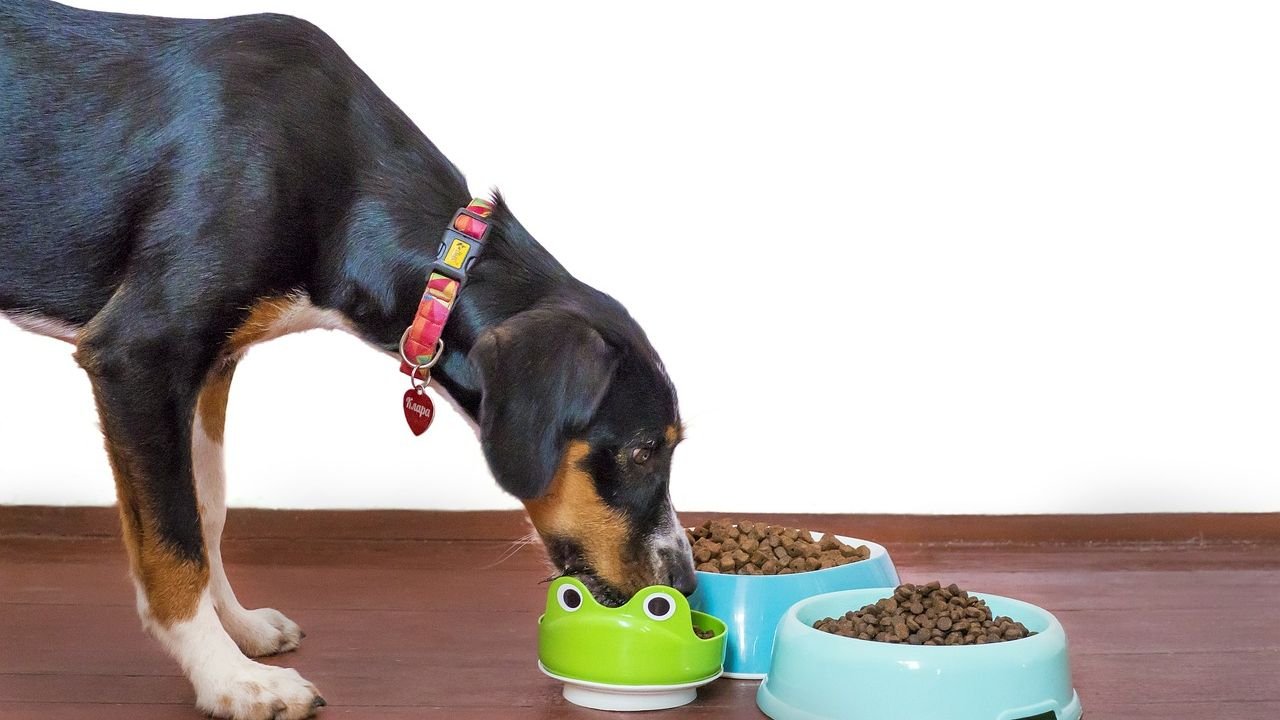
Food is love, right? Well, with dogs it can also be a very well-meaning source of harm. Providing a balanced and nutritious diet is essential for your dog’s overall health and well-being. Some new owners may unknowingly feed their dogs inappropriate foods or overfeed them, leading to obesity or nutritional deficiencies. Consult with your breeder, rescue group, or vet to ensure you’re feeding your dog a diet that meets their specific needs.
If you have multiple dogs at home, be particularly careful. If you have an adult dog at home, be wary of feeding the same food to your new puppy. Puppies have high protein and fat needs compared to adult dogs, so they’ll thrive better on a diet designed just for them.
Portion sizes are another quiet culprit. It’s important not to fall into the mistake of feeding your pet too much food or not enough. Portion sizes vary greatly by breed, so talk to your puppy’s veterinarian and pay attention to quantity recommendations on food packaging.
Watch your dog’s body condition regularly. A healthy dog should have a visible waist when viewed from above, and you should be able to feel (but not see) their ribs with light pressure. That’s your at-home health check right there.
Skipping or Delaying Veterinary Care
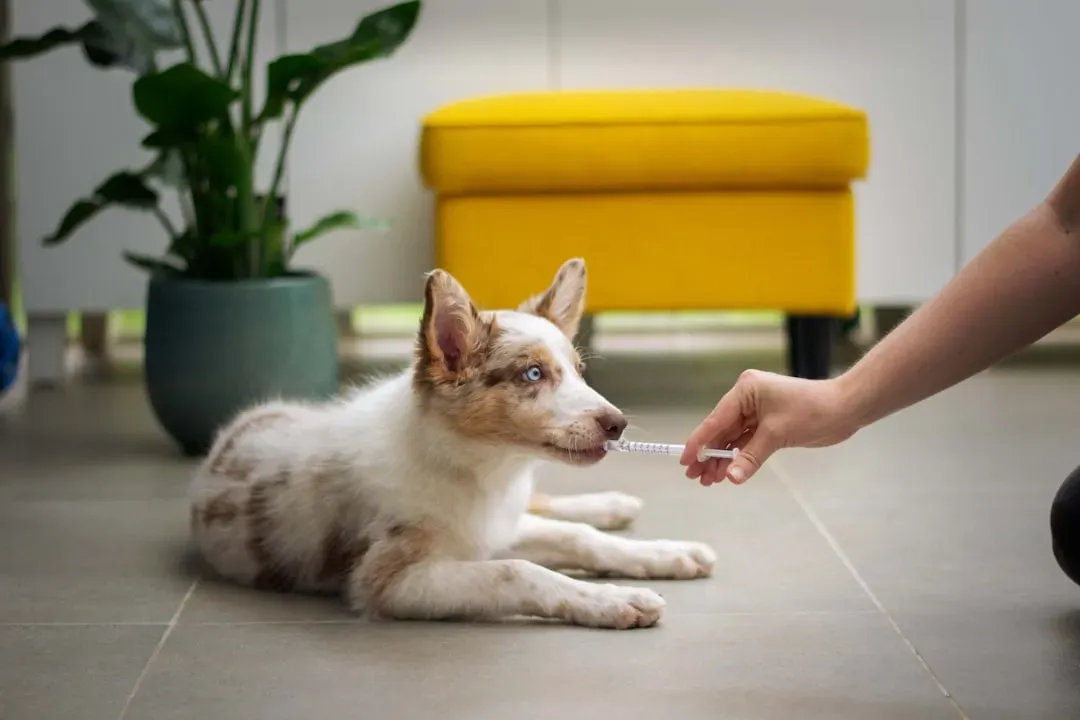
It’s easy to think “my dog seems fine, why spend money on a vet visit?” Let me be real with you: that thinking can cost you dearly later. Don’t save trips to the veterinarian for only when your puppy is sick. You must ensure your pup regularly sees the vet and stays current on vaccines. Regular vet appointments are vital to your dog’s development and health, so ignoring or skipping the visits could mean significant issues get missed.
Trips to the veterinarian aren’t just for when your dog is sick. Regular veterinary visits play an important role in your puppy’s development and lifetime health. Think of it like an oil change for your car. You don’t wait for the engine to smoke before taking it in.
Dental health is one area that gets overlooked far too often. Dental health is vital for your growing puppy’s overall well-being and health. While at your pup’s first vet visit, ask about your puppy’s gums and teeth. Dental disease doesn’t just cause bad breath; it’s linked to heart, kidney, and liver problems in dogs. It’s worth taking seriously from the very start.
Microchipping is another step that’s easy to postpone and critical not to. Millions of dog owners across the United States report a lost or stolen pet each year. Microchipping your pet is a way to help locate your pet should it get lost or stolen. In general, microchipping is a safe process that involves implanting a tiny device under your pet’s skin. The process is quick and simple and could make all the difference in your pet being returned safely.
Conclusion: You’re Already Doing Better Than You Think
If you’ve read this far, here’s something I genuinely believe: the fact that you’re seeking out this information already puts you miles ahead. None of these mistakes come from laziness, lack of intelligence, or lack of love. They’re simply assumptions people often make when they’re new to the world of dog behavior. Once owners understand how dogs think and learn, things get easier fast. A little education up front can save months of frustration and create a smoother, happier relationship from day one.
Your dog doesn’t need a perfect owner. They need a present, consistent, and loving one. Dogs are remarkably forgiving, and every single day is a new opportunity to get it right. Start small, stay patient, and trust the process.
The bond you’re building right now, even through the muddy paw prints and the chewed remote control, is one of the most rewarding relationships you will ever have. So here’s your question to sit with: which one of these mistakes have you already caught yourself making? Tell us in the comments. You’re probably not alone.


