
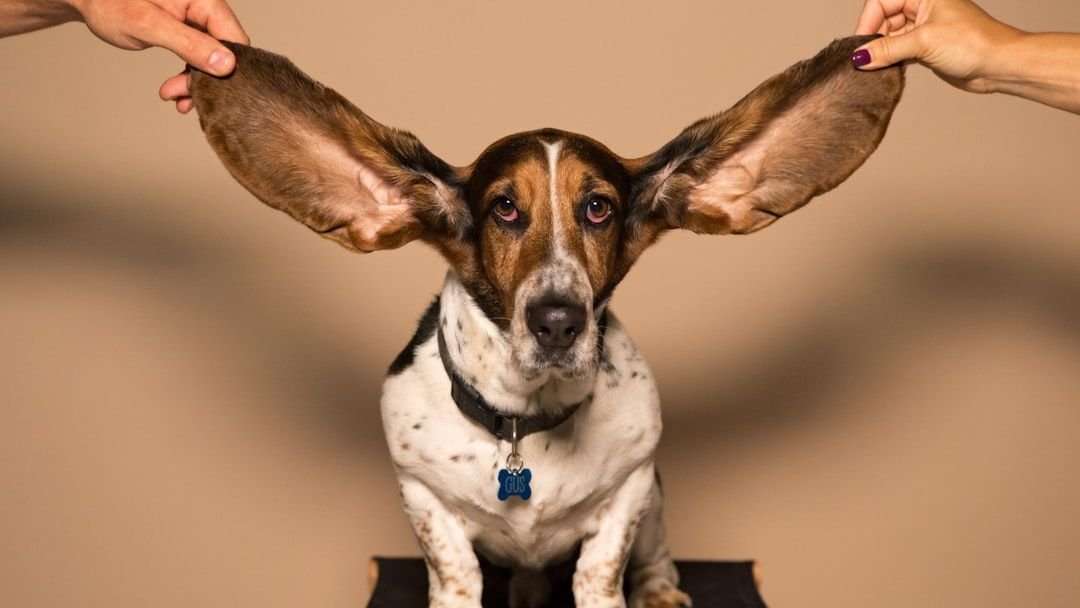
Your dog trots up to you, shaking their head over and over again. Maybe you catch a whiff of something a little off. Or perhaps you peek inside one floppy ear and think, “Hmm, that doesn’t look right.” Sound familiar? Most dog parents have been there, staring at their pup’s ear with a cotton ball in one hand and genuine concern in the other, not quite sure what to do next.
Here’s the truth: ear cleaning is one of those essential care rituals that often gets overlooked until something goes wrong. Done right, it’s a simple, bonding experience that keeps your dog healthy and happy. Done wrong, it can actually cause more harm than good. So before you reach for that Q-tip (please, don’t), let’s walk through everything you need to know. Let’s dive in.
Why Your Dog’s Ear Health Matters More Than You Think
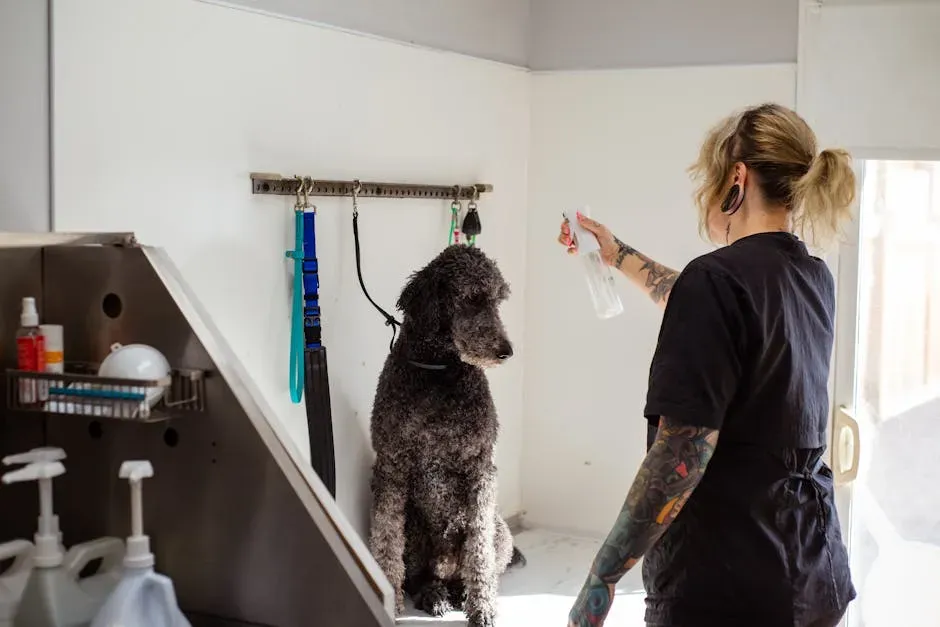
Most of us understand that dogs need baths and nail trims, but ear care? It tends to fall off the radar. Honestly, that’s a mistake we really can’t afford to make. Cleaning your dog’s ears regularly helps remove dirt, wax buildup, and moisture, and maintaining healthy ears can prevent ear infections, which are often painful and could lead to complications or even permanent damage if left untreated.
Think of it like maintaining a car. You wouldn’t skip oil changes and then wonder why the engine blew. Earwax actually does some amazing things for your dog, like trapping dirt and debris, but too much wax can cause blockages and prevent the ear from ejecting the gunk that leads to infections. Staying ahead of buildup is the whole game.
Some dogs naturally have healthy, clean ears and may almost never need to have their ears cleaned, while other dogs require regular ear cleaning to prevent buildup that can lead to ear infections. Dog breeds with long ears, such as Basset Hounds and Cocker Spaniels, are among those with the highest risk. Knowing your dog’s individual needs is truly the first step.
Spotting the Signs: When to Clean and When to Call the Vet
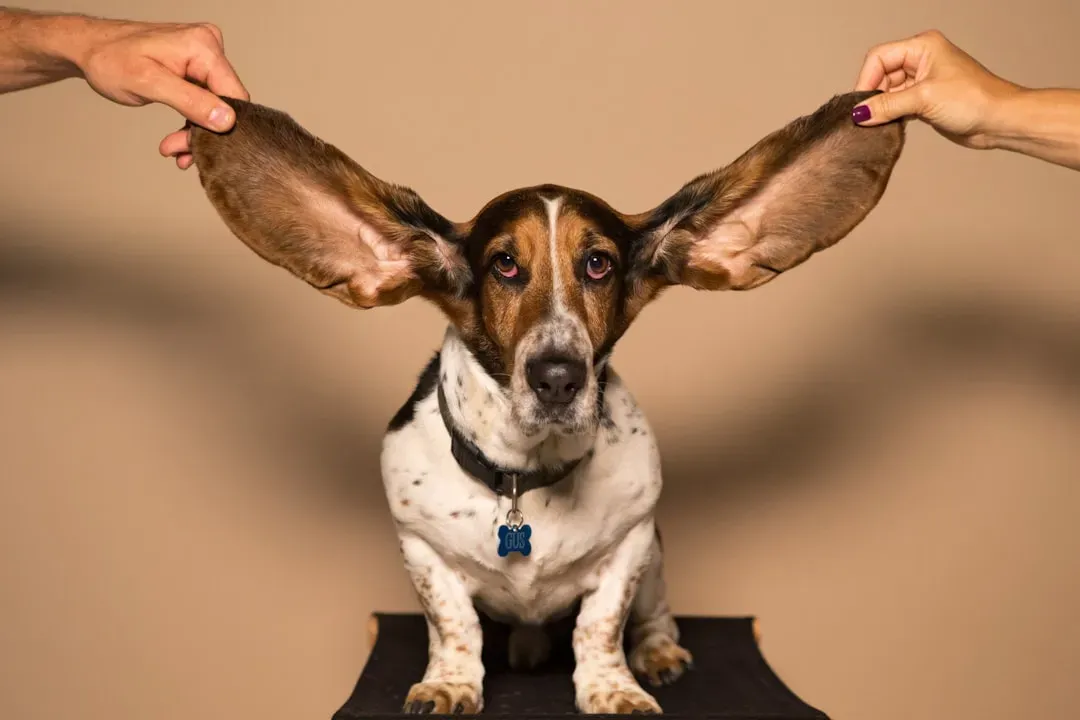
Here’s the thing: not every dirty-looking ear is the same situation. There’s a big difference between a routine maintenance clean and what actually needs a veterinarian. If you notice a mild odor or see that your dog is shaking their head more than usual, it’s probably time for an ear cleaning. However, if your dog’s ear looks red and inflamed, smells yeasty, or they appear to be in pain, contact your veterinarian.
A strong, unpleasant smell from the ear is usually a sign of infection. You may notice a white, yellow, brown, or bloody discharge. Dogs in pain may become irritable, lethargic, or less interested in playing and eating. Severe infections can even affect your dog’s balance, causing them to tilt their head to one side, stumble, or seem disoriented.
Let’s be real: if you see any of those more serious signs, step away from the ear cleaner. If your dog’s ears look inflamed or have an odor, you might be tempted to clean them to relieve discomfort. However, cleaning an already infected ear often causes more harm than good. Take them to see their vet, who can properly diagnose and treat the condition.
Choosing the Right Supplies: What to Use and What to Absolutely Avoid
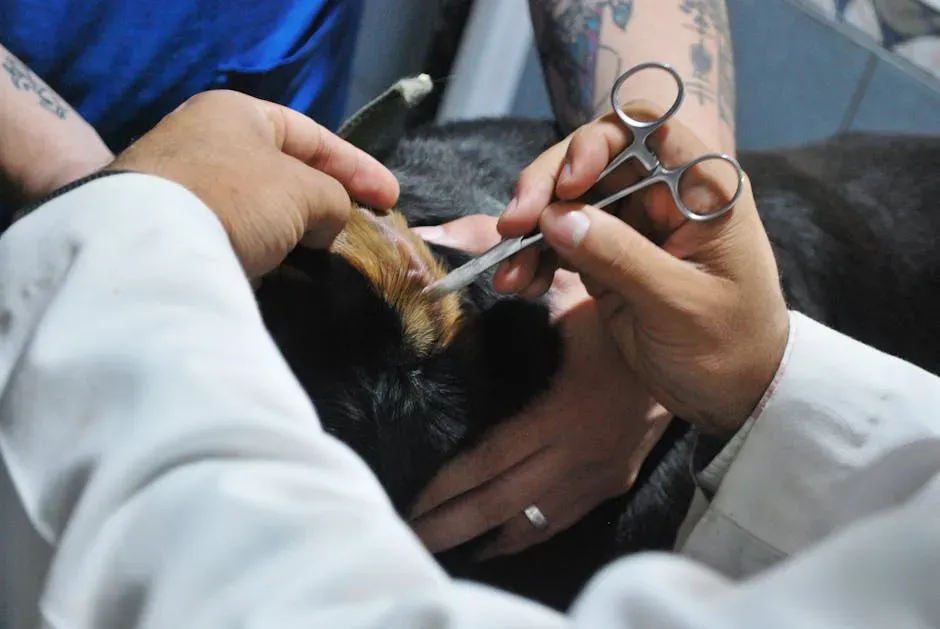
Okay, let’s talk tools. The good news is you don’t need a lot. You only need a few supplies to successfully and safely clean your dog’s ears: a cotton ball or gauze, dog ear-cleaning solution, and a clean, dry towel. Avoid using cotton-tipped swabs or anything with a pointed tip. Simple as that.
Choosing the right cleaning solution is where many people go wrong. I know it’s tempting to grab whatever’s under the bathroom sink, but please resist that urge. It’s important to only use a cleaner approved specifically for dogs. Don’t use household items like alcohol, hydrogen peroxide, or essential oils. These materials will not efficiently clean your dog’s ears and may lead to ear infections or damage to their ear canal.
The dog ear cleaning solution you choose should also have a drying component. Products without drying agents can predispose some dogs to ear infections, especially if used frequently or after bathing or swimming. Look for ingredients like isopropyl alcohol, acetic acid, malic acid, salicylic acid, and boric acid on the cleaner’s label. Your vet can point you to the best formula for your specific pup.
The Step-by-Step Cleaning Process Done Safely and Gently
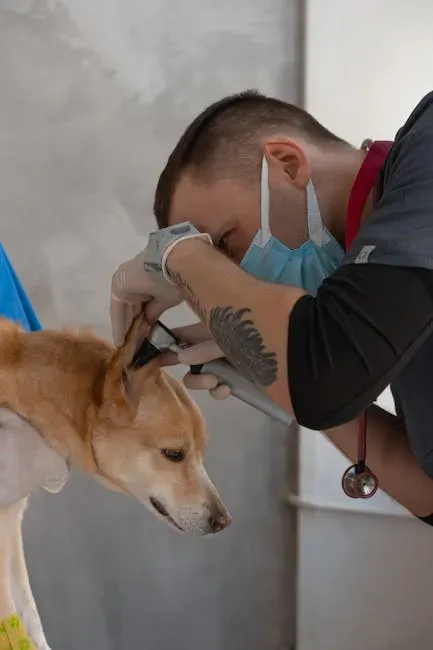
Timing matters more than you’d think. An energized dog will not stay still and calm for an ear cleaning. Wait until just before bedtime to clean your dog’s ears, when they are relaxed and ready for a long night of sleep after a busy day. Give them gentle rubs while lying on their side to relax them even further. Starting with a settled dog makes everything smoother.
Once your pup is calm and comfortable, here’s how to do it right. Squeeze a veterinary ear-cleaning solution to fill your dog’s ear canal and massage gently at the base of the ear for about 30 seconds. You will hear a squishing sound as the product works to dislodge and dissolve any debris and buildup. Then, let your dog shake their head. That head shake is actually doing important work!
Once your dog has finished shaking, take the cotton ball or gauze and gently wipe out the ear canal, going no deeper than the depth of one knuckle. It’s important to avoid inserting the bottle of cleaning solution directly into the ear and squeezing the fluid in forcefully, as this could create a forceful pressure seal, potentially rupturing the eardrum. Gentle is the word of the day, every single time.
Preventing Ear Problems Before They Start
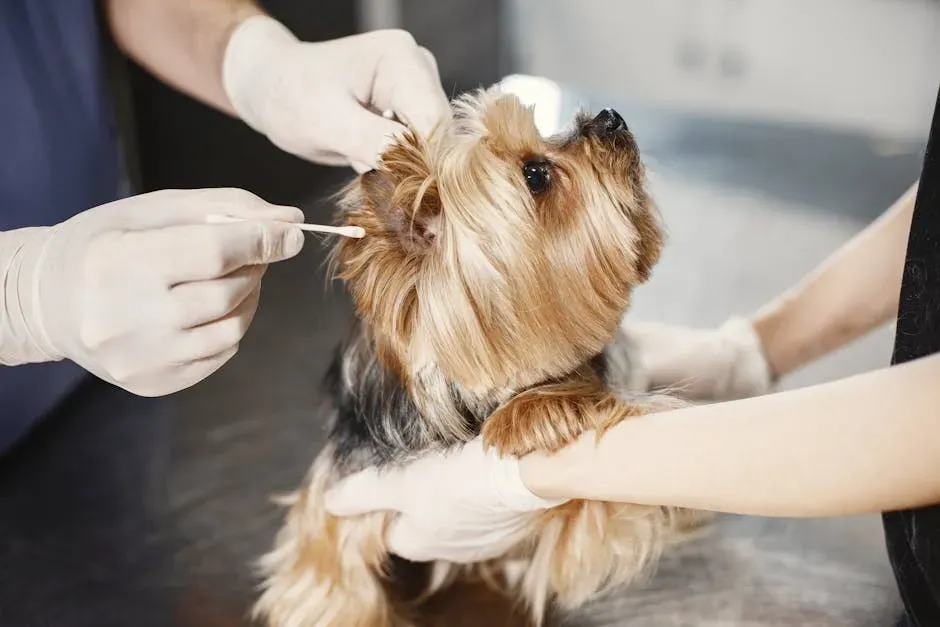
Prevention is honestly the most powerful tool in your dog-care arsenal. Think of it like putting on sunscreen before heading out, not after you’re already sunburned. It is advisable to clean your dog’s ears after they get wet, making bath time the perfect moment. Make sure to dry them thoroughly, as a lot of ear infections can begin due to trapped moisture in the ear, which can lead to an overgrowth of bacteria or yeast.
If your dog has allergies, work with your veterinarian to manage them. In many dogs, recurrent ear infections may be the only sign of allergies. That’s a surprising one that catches a lot of pet parents off guard. Keeping the hair around your dog’s ears trimmed can also improve air circulation and reduce the risk of infection.
How often should you be doing all of this? It’s not a one-size-fits-all answer. The frequency of cleaning your dog’s ears depends on whether it is for treatment of an infection, which could be up to daily at first, or for maintenance, which could be every one to two weeks. Dogs with a history of allergies, recurrent ear infections, or floppy ears may need their ears cleaned more frequently. For a dog with healthy, normal ears, a routine ear cleaning is only needed if dirt or debris is noted, as overcleaning can also lead to irritation.
Conclusion: A Little Love Goes a Long Way
Caring for your dog’s ears doesn’t have to feel like a chore or a challenge. With the right knowledge, the right supplies, and a little patience, it becomes just another beautiful ritual in the relationship you share with your dog. Taking care of your dog’s ears helps prevent painful ear infections. Regular ear examinations will also catch other problems, such as ear mites, before they get worse, and will help condition your dog to tolerate and eventually enjoy ear handling.
Start small. Be consistent. Reward generously. Most dogs will come to like ear cleaning, so long as their ears are comfortable. This is one place dogs can’t scratch themselves, so most will absolutely love it. With lots of treats and encouragement, ear cleaning can become a regular part of your hygiene routine.
Your dog trusts you completely with their wellbeing. That little ear check once a month? It’s one of the quietest, most loving things you can do for them. So give those ears some attention today. Does your dog love or hate ear cleaning time? Drop your experience in the comments, because every dog story is worth sharing.


