
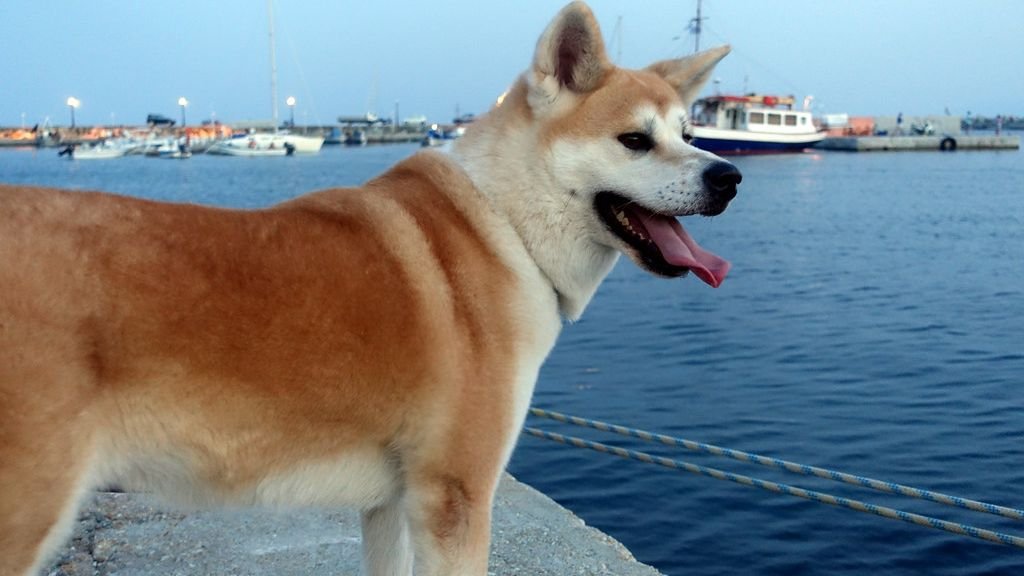
Every dog has a story. Some dogs curl up on your lap and steal your heart without a second thought. Others come with a history, a drive, and instincts that go back centuries. The breeds we’re about to explore fall into that second category, and the truth about them is far more nuanced, and far more hopeful, than most headlines suggest.
These are dogs that get misunderstood constantly. They get labeled “dangerous” without anyone asking why they behave the way they do. Honestly, that frustrates me. Because behind every so-called “aggressive” dog is usually a story about genetics, environment, and the humans in their life. So before we dive in, know this: understanding these breeds deeply is one of the most powerful things you can do as a dog owner or enthusiast.
Let’s dive in.
1. The Rottweiler: Powerful Protector or Misunderstood Companion?

Let’s be real, few dogs carry a heavier reputation than the Rottweiler. That blocky head, those dark eyes, that quiet, watchful stare. It can make even seasoned dog lovers a little nervous. Rottweilers were originally bred in Germany to guard and protect livestock. Their robust size and alert nature made them excellent guard dogs, patrolling properties and defending cattle from predators or thieves. This protective instinct is deeply ingrained in Rottweilers.
The Rottweiler can show a natural guarding instinct to protect his home and family. Unfortunately, the strength and power of this breed can make him potentially dangerous when put into the hands of an irresponsible or confused dog owner. Here’s the thing though, a well-raised Rottweiler is one of the most loyal, devoted dogs you’ll ever meet.
Knowing your Rottie’s behavior cues is absolutely critical. Rottweilers are observers by nature. They may not react immediately when triggered. They will often quietly observe circumstances and show discreet calming signals, finally reacting only if these signals are ignored. If you observe your dog staring or making a low growling noise, this is definitely a sign of aggressive behavior.
Dogs in pain may react aggressively if they feel threatened or if someone touches an area that hurts. A medical issue should always be ruled out if your Rottweiler shows sudden aggression. Rottweilers may also exhibit aggression if they feel the need to protect their food, toys, or space from perceived threats. Prevention starts with structure. Ensure your Rottweiler receives enough physical exercise and mental stimulation daily to prevent boredom-induced behavior problems. Long walks, playtime, sports, and interactive puzzle toys satisfy the natural needs of an active working breed. A tired dog is a well-behaved dog.
2. The American Pit Bull Terrier: Victim of Its Own Reputation
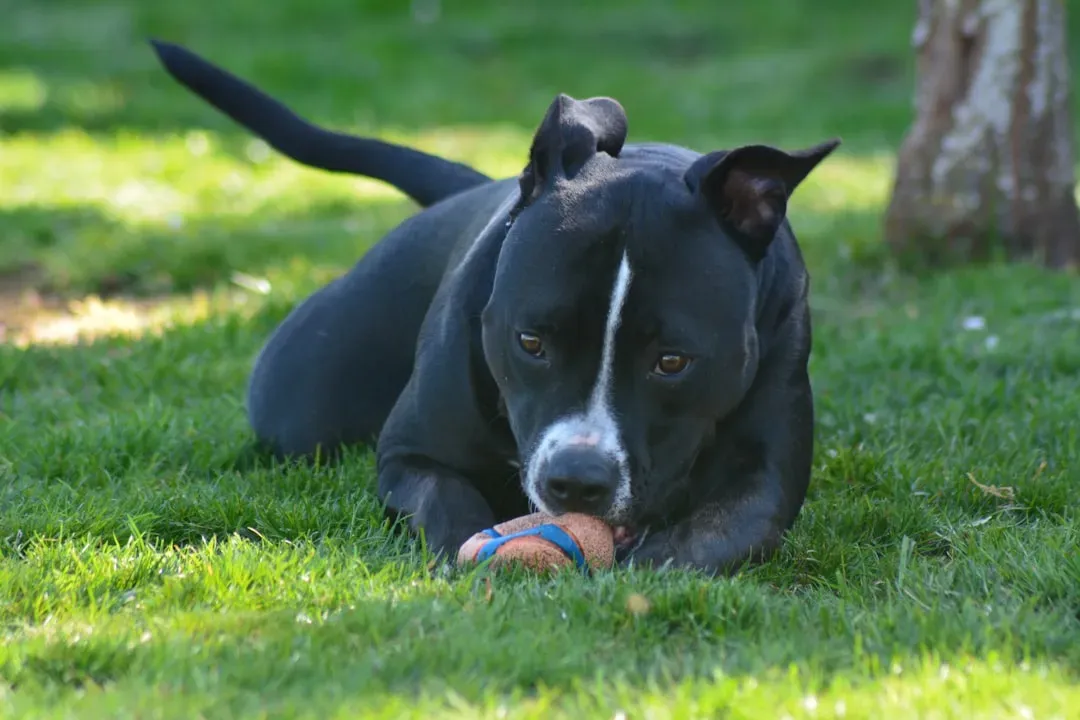
I think the Pit Bull might be the most unfairly judged dog on the planet. No other breed has been so thoroughly shaped, and so cruelly exploited, by the humans around it. Pit Bulls have a rich history in dogfighting and blood sports spanning nearly two centuries, creating the violent stigma they bear today. Anecdotes of unprovoked aggression proliferate, giving supposed credence to the idea that Pit Bulls are more dangerous than most dogs. The truth is that Pit Bulls, like any dog, are a result of genetic tendencies and upbringing.
Aggression is not a breed characteristic, and environmental influences are often the cause of aggression in dogs. In fact, the American Temperament Test Society found that pit bull-type dogs generally scored higher on the temperament test compared to other dogs. That surprises most people. It shouldn’t.
Still, knowing the behavioral warning signs matters. Common Pit Bull behavior problems include aggression, jumping up on people, excessive barking, puppy biting, and destructive chewing. Separation anxiety and resultant tantrums, alongside resource guarding, can also prove problematic. Watch for stiff body posture, hard staring, and a low, rumbling growl. These are your dog’s way of saying “I’m uncomfortable,” not “I am dangerous.”
Preventing aggressive behavior starts early, emphasizing the need to train and socialize your puppy immediately. The critical socialization period for dogs spans from week three to week 12 to 14. During this time, puppies must experience diverse social interactions and new situations to become tolerant, calm, and outgoing adults. Think of early socialization like building your dog’s emotional immune system. The more positive experiences during that window, the stronger and more resilient they become.
3. The Akita: Ancient, Independent, and Deeply Loyal
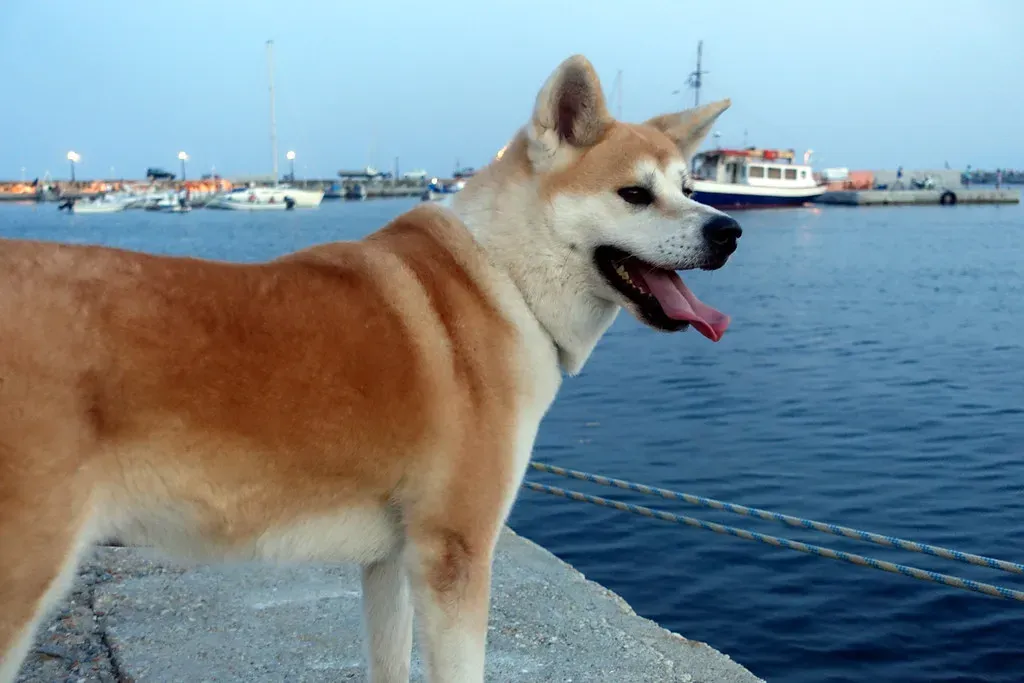
The Akita is breathtaking. A big, bear-like dog with a calm, dignified presence that honestly commands respect. Akitas were developed as guardians and large-game hunters in northern Japan. Their heritage includes generations of dogs who were expected to assess threats, protect their families, and make decisions about when to act. That means your Akita puppy comes pre-loaded with a tendency toward wariness of strangers and selectivity about other dogs. Without early, extensive, and ongoing socialization, those tendencies will harden into behaviors that severely limit your dog’s life.
While Akitas do not become aggressive without cause, certain situations or lack of proper care can lead to behavioral problems. Common aggression triggers include lack of socialization, poor training, fear or anxiety, and resource guarding, where they may become possessive of food, toys, or territory without proper discipline and training. If you’ve ever watched a calm Akita suddenly go rigid when a stranger reaches for their bowl, you understand exactly what this looks like.
The behavior signs to watch for are very specific with this breed. Some common signs that may indicate aggression in Akitas include intense staring, where they may fixate their gaze on the target of their aggression with a focused and unwavering look. Raised hackles along their back, neck, and tail may stand up. Growling and snarling may occur as a warning sign, often accompanied by bared teeth. These signals are your cue to act, not freeze.
Akitas are powerful guardian dogs who take their protective instincts seriously. They are not inherently dangerous, but an Akita without proper socialization, training, and management can become a serious liability due to their size and strength. The difference between a well-adjusted Akita and a problematic one almost always comes down to early socialization, consistent positive training, and an owner who understands and respects the breed’s nature. Be the owner this breed deserves, and you will be rewarded with fierce, unwavering loyalty.
The Bigger Picture: It’s Always About the Human Behind the Leash
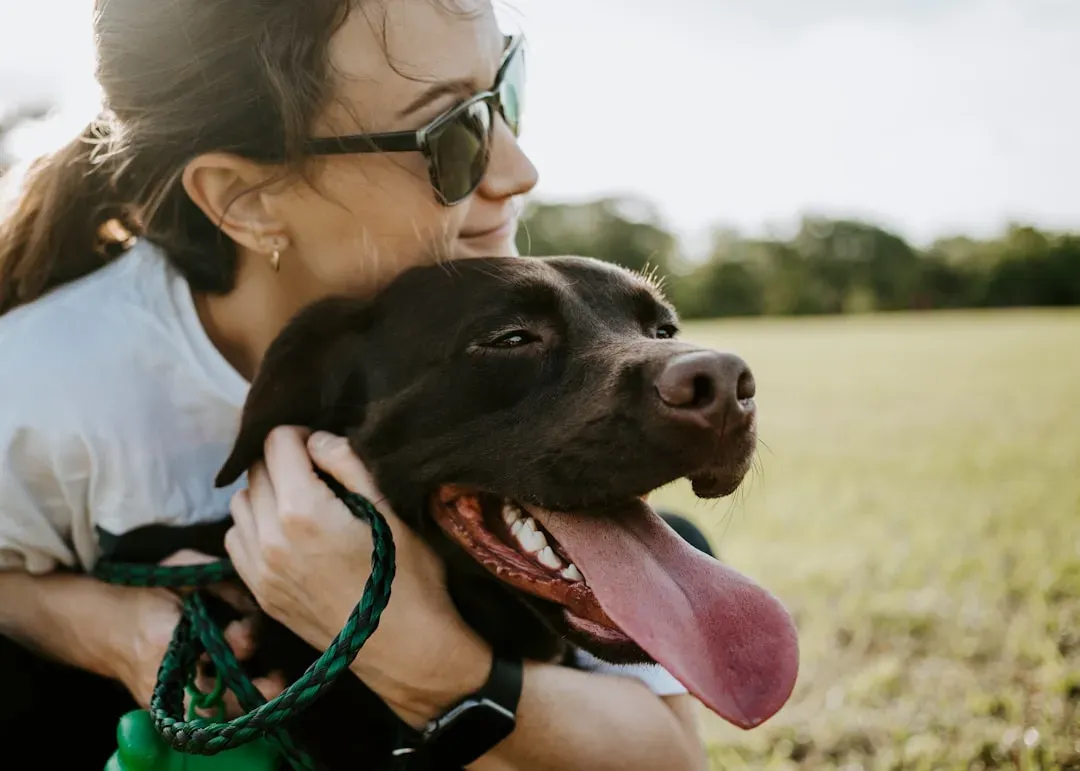
Here’s something that doesn’t get said enough. A 2021 University of Helsinki study collected data from 13,715 dogs, including 1,791 dogs with frequent episodes of aggressive behavior. The researchers identified several factors contributing to aggressiveness, and fear was the most significant contributor to aggressive behavior. Not breed. Not size. Fear. That changes everything about how we approach these dogs.
A dog in a stressful, neglectful, or abusive home is more likely to develop aggressive tendencies than one in a stable, loving environment. Lack of exercise, confinement, and anxiety are common contributors to aggression. Think of it this way: if you were constantly confined, ignored, or living in a state of anxiety, you would eventually snap too.
Use positive reinforcement and reward calm, desirable behavior. Avoid using strong punishments, as this may create fear and panic-driven aggression. A dog with pent-up energy is more likely to lash out. Keeping your dog mentally and physically balanced will lessen aggression issues. These aren’t just training tips. They’re acts of care. They’re how you build trust.
If you see signs of aggression such as growling, lunging, or resource guarding, consult a behaviorist or your vet early and don’t wait for the behavior to escalate. Prevention starts with understanding your dog’s emotional triggers and responding with consistency, patience, and compassion. You are not just managing behavior. You are shaping a relationship.
Conclusion: These Dogs Need Understanding, Not Fear

The Rottweiler, the Pit Bull, and the Akita are three of the most misrepresented dogs in the world. They carry reputations built by fear, misuse, and a lack of education. But every single dog in this list is capable of being a gentle, loyal, deeply loving companion when raised with intention and care.
While these breeds are often labelled as aggressive, it’s important to remember that aggression is more about training and environment than genetics. Every dog deserves a chance to be loved and understood. With the right care, patience, and training, any dog, no matter the breed, can be a loyal and loving companion.
So here’s the real question to sit with: if we know that fear, neglect, and poor training are the true engines of dog aggression, what does that say about our responsibility as owners? The most dangerous thing in a dog’s life is often not their instincts. It’s indifference. What kind of owner are you choosing to be? Share your thoughts in the comments, we’d love to hear from you.


