
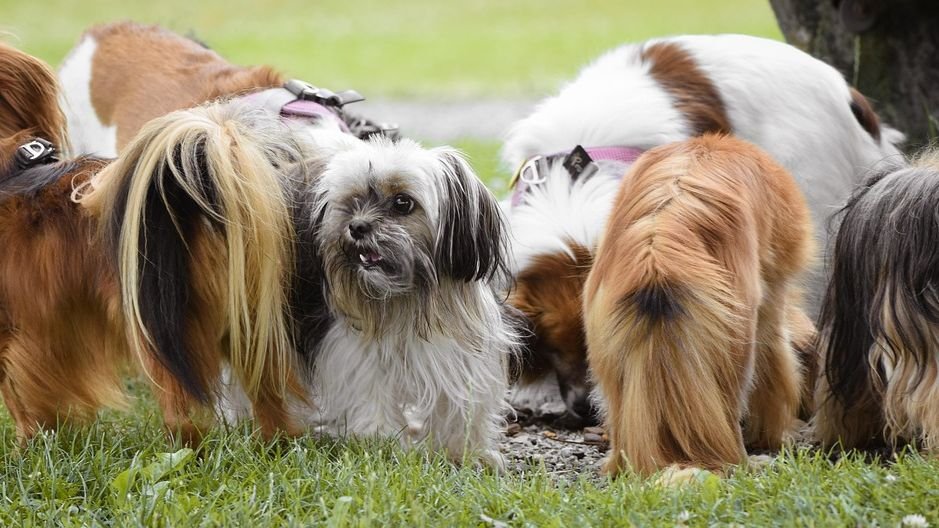
Every time your dog pulls toward a familiar scent on the sidewalk, pauses at a corner, or offers a careful side-glance to the Labrador across the street, something fascinating is happening. There’s an entire social conversation unfolding, and most of us are missing it completely. Dogs living in the same neighborhood don’t just coexist. They negotiate. They communicate. They follow a quietly intricate set of social rules that most people never notice.
Honestly, once you start seeing it, you can’t unsee it. Your neighborhood isn’t just a place for morning walks. For your dog, it’s a living, breathing social world with its own etiquette, boundaries, and unwritten code of conduct. So let’s step into that world together and decode what’s really going on.
The Secret Language of Sniffing and Scent Marking
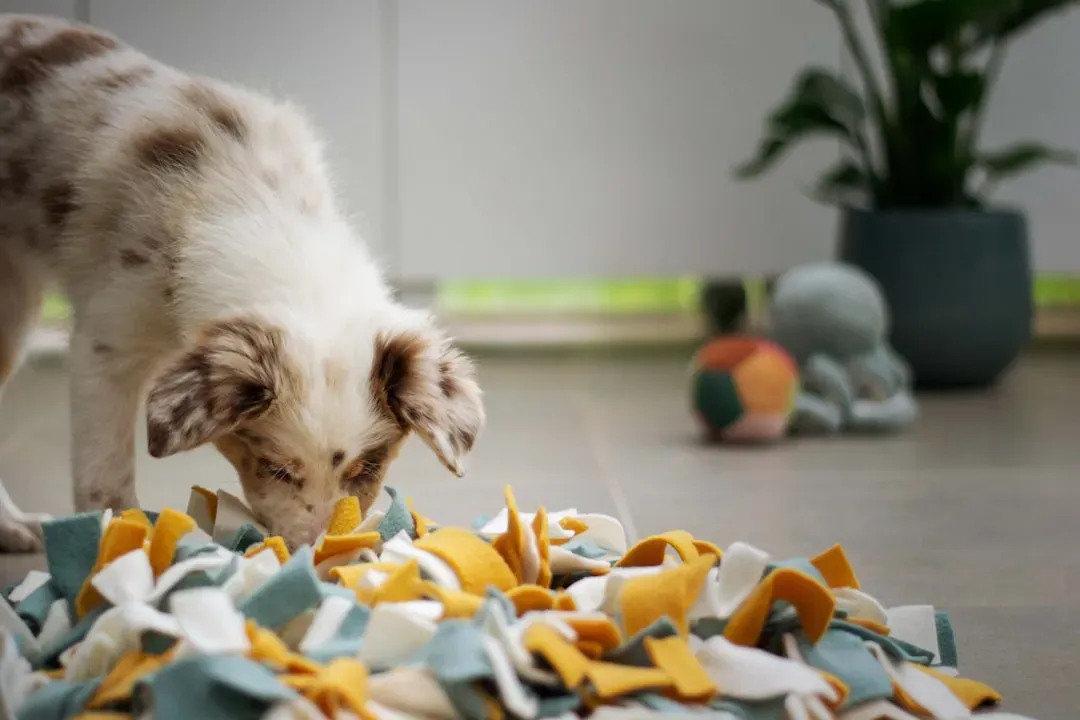
Think about how much time your dog spends with their nose pressed firmly against a lamppost or a fire hydrant. To us, it looks silly. To them, it’s like reading the morning newspaper. Dogs use urine marking as a complex form of communication, often called “pee mail.” Through scent marking, dogs can determine the gender of other dogs, whether they’re spayed or neutered, if a female is in heat, and can even assess the health, stress level, and social status of dogs who previously marked the area. That’s an astonishing amount of data packed into a tiny patch on a fence post.
Dogs convey messages to other dogs using visual signals, vocalizations, scents, and pheromones. Scent marking in particular enables both nearby and distant communication, making it a central feature of canine social communication. Your dog isn’t just smelling. They are reading and responding to a full social bulletin board left by their neighborhood peers.
Both male and female dogs mark territory, though they do it differently. Males and females are equally likely to urinate upon entering new areas, but males often urinate more frequently. Intact males with high social status are most likely to over-mark other dogs’ scents, while females typically mark nearby rather than directly over another dog’s urine. It’s subtle but deeply intentional. That little ritual isn’t random. It’s a power move, a greeting, and a social update all in one.
As an owner, the best thing you can do is give your dog time to sniff on walks. I know it can feel like a standstill when your dog has been investigating the same bush for 45 seconds. But that sniff session? That is your dog’s version of catching up on neighborhood news. Let them do it.
The Art of the Greeting: Canine Etiquette Up Close
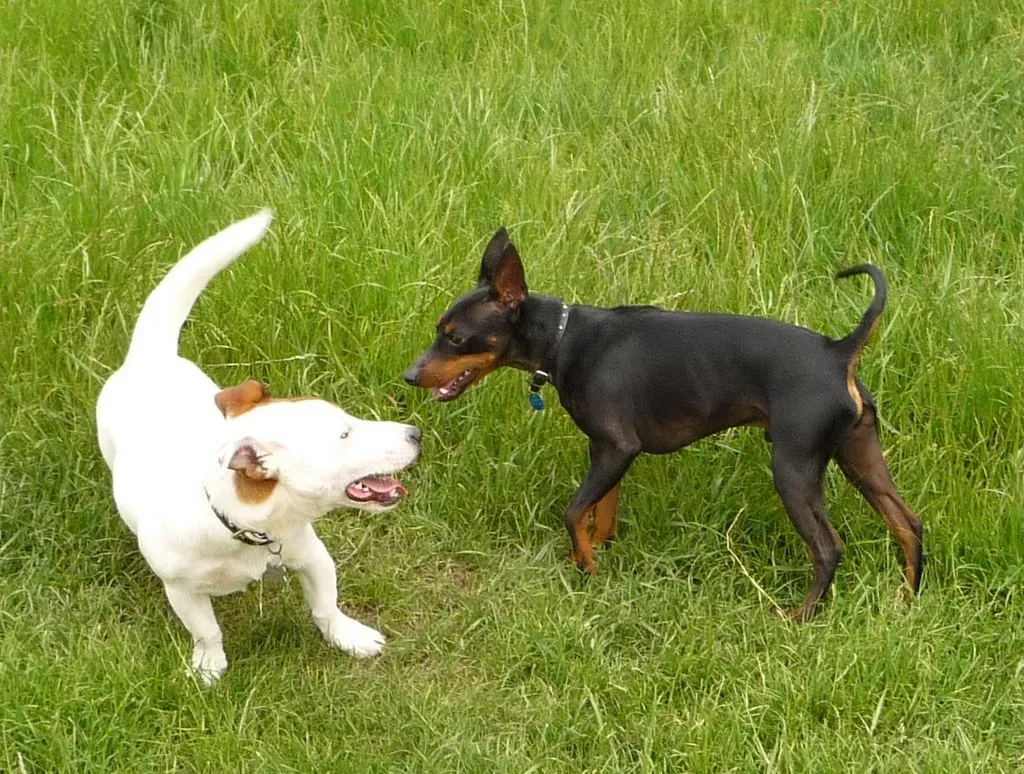
Here’s the thing most people don’t realize: dogs have very specific rules around how greetings should happen. There’s a right way and a very wrong way, and dogs judge each other by how well they follow those rules. Dogs have a sophisticated system of greeting rituals that help them establish comfort and avoid conflict. Rather than approaching head-on, well-socialized dogs typically move in a curved path or arc, which is less threatening in canine body language. This natural behavior allows both dogs to assess each other’s intentions while maintaining a comfortable distance.
Greetings between dogs serve a lot of functions, from reducing uncertainty, fear, and arousal to gathering information. They can be used to signal status, increase tolerance for being in close proximity to one another, and even aid with conflict resolution. What looks like two dogs just sniffing each other is actually a multi-layered social exchange packed with purpose.
When strange dogs greet each other without human interference, well-mannered dogs will stop before invading the other dog’s personal space. They will sniff the ground, walk side by side, or one may drop a toy in front of the other one. Dogs are polite when they know the rules. The ones who skip this courtesy are the ones who end up triggering growls and tension at the park.
Watch for trouble signs during greetings too. Signs of stress include lip licking or yawning, a tucked tail or backing away, growling or snapping, and hyper-fixation or lunging. If your dog is showing any of these, honor that. Not every dog needs to be friends with every other dog, and that’s perfectly okay.
Reading the Room: Body Language as the Pack’s Common Tongue
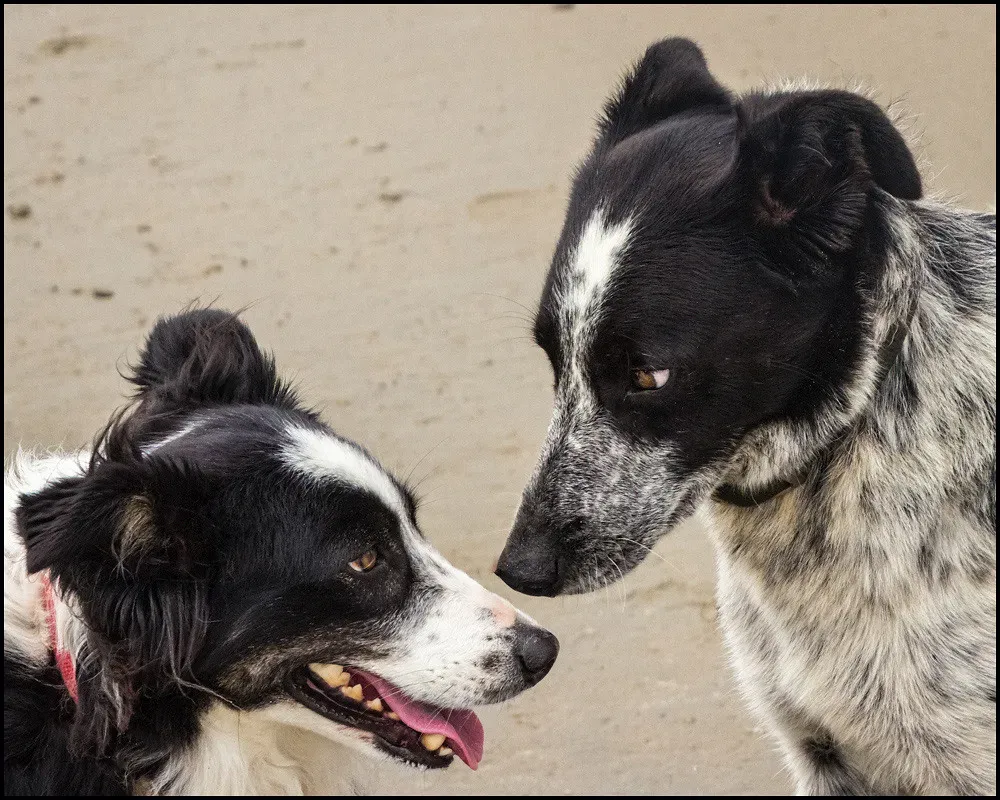
Dog communication uses most of the senses, including smells, sounds, and visual cues. Pheromones, glandular secretions, barks, whines, growls, and body postures all serve as effective means of communication between dogs. Unlike in people, body postures and olfactory cues are the dominant channels, while vocal communication is secondary. We are verbal creatures. Dogs are visual and scent-based ones. That difference matters enormously.
Tail position, ear placement, and overall body stiffness often reveal a dog’s emotional state before any vocalization occurs. Signals like play bows and calming behaviors help prevent conflict before it escalates. Dogs use their faces to signal intent, but these cues are often subtle and easy for owners to miss. Most of what dogs say to each other, we’re simply not trained to see.
Dogs have evolved mechanisms to resolve conflicts and avoid physical fights. Submissive behaviors, such as averting the gaze, lowering the body, or exposing the belly, are often used to defuse tension. When conflicts do occur, they are typically brief and followed by reconciliation behaviors like licking or gentle nuzzling. It’s remarkably civilized, if you think about it. Dogs often prefer peace over confrontation.
I think one of the most powerful things you can do as a dog owner is spend just ten minutes studying canine body language online or at the dog park. The human ability to understand canine communication is limited, particularly regarding olfactory signals. With study, however, humans can learn to interpret canine body language, vocalizations, and touch signals. The payoff for you and your dog is enormous.
Social Hierarchy Without the Drama: How Dogs Find Their Place
Let’s clear something up. The old idea of a rigid “alpha wolf” pack with one terrifying leader ruling through force has been largely debunked by modern science. More recent scientific research has concluded that in the wild, a true natural pack is composed of a mother, father, and their offspring. This pack survives much like a human family, in which the parents take leadership roles and the children follow. Harmony is created because deference behaviors are offered freely by younger members rather than being forced. That changes the whole picture, doesn’t it?
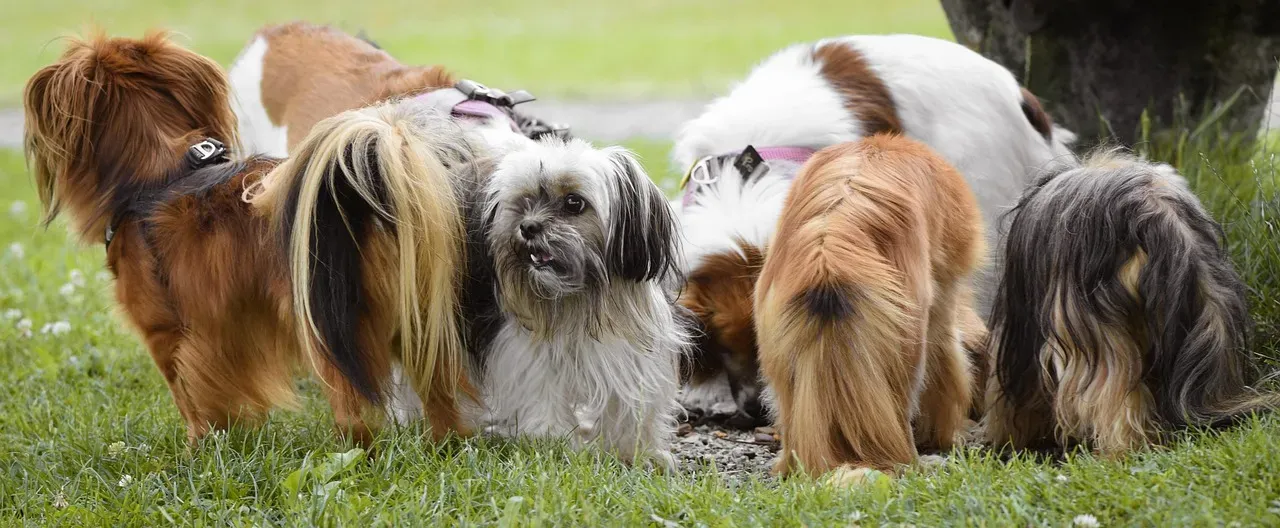
Dogs are a gregarious species with a flexible, highly adaptable social structure. Unlike wolves, which form family groups composed of male-female breeding pairs and their offspring, domestic dogs form loose associations with unrelated dogs. Neighborhood dog dynamics are less “rigid army hierarchy” and more “friendly social group with shifting roles.” That’s actually kind of beautiful.
In a group, social hierarchy keeps order and ensures the well-being of all members. While a dog’s view of hierarchy isn’t about dominance or aggression, it does focus on roles and respect within the group. Think less power struggle, more collaborative neighborhood. Dogs tend to naturally sort out who defers to whom, and that sorting reduces overall conflict.
The practical takeaway here is that being a responsible leader for your dog does not require asserting dominance. Instead, focus on building a relationship based on trust, communication, clear boundaries, and positive reinforcement to create a happy, well-adjusted canine companion. Calm, consistent, kind. That’s your goal.
Play, Boundaries, and the Rules Every Dog Knows by Heart
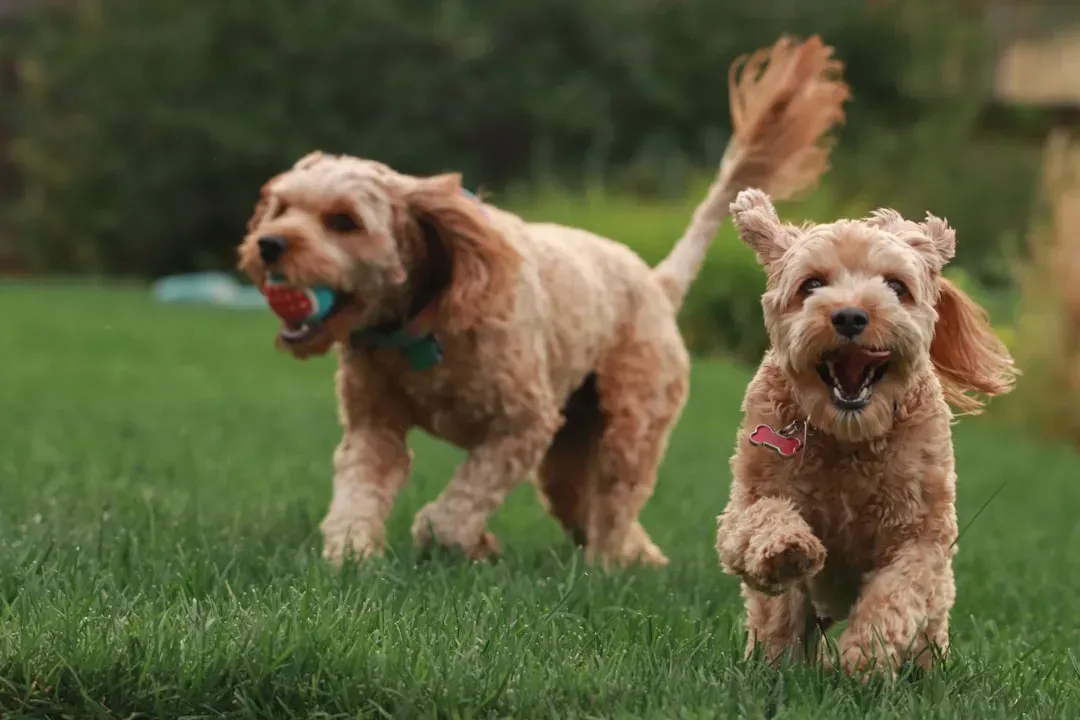
Group play is one of the most joyful things to watch. But it isn’t random chaos. Dogs at play are following elaborate rules, and the well-socialized ones do it naturally. One of the most recognizable signals is the play bow, where a dog lowers its front body while keeping its rear end in the air. This gesture is an open invitation, signaling that the dog wants to engage in friendly play. It’s one of the clearest, most universal things dogs say to each other.
Wrestling, rolling, bounding, tugging, and soft-mouthed biting are all performed within the boundaries of gentle play learned in puppyhood, with dogs generally taking turns playing the mock aggressor. The nuances of playtime are a subtle demonstration of social dynamics. Dogs that are too boisterous or pushy in play may provoke a reprimand in the form of snaps and snarls. It’s not mean. It’s just a polite correction.
Interactions among dogs can abruptly pause, which is completely normal. These sudden pauses give dogs a moment to assess and ensure that play remains enjoyable. It’s their way of maintaining social boundaries. Think of it like a time-out button that both dogs can press. It keeps things safe and fun.
Socialization plays a crucial role in the development of a dog’s social skills and understanding of their place within a group. Dogs learn to communicate, cooperate, and coexist with other dogs through social interactions, play sessions, and shared experiences. Puppies in particular benefit from early socialization to learn important social skills that will shape their interactions throughout their lives. If you have a puppy, this window of learning is incredibly precious. Don’t miss it.
Conclusion: Seeing Your Dog’s World Through New Eyes
The neighborhood your dog walks through every day is alive with social meaning. Every sniff, every slow arc of an approach, every tail position and sudden pause in play is part of a rich, layered conversation that’s been happening long before we ever noticed. Dogs are not random or reckless. They are, in their own remarkable way, quite socially sophisticated.
The more fluent you become in reading your dog’s world, the better you can protect them, support them, and honestly, just appreciate them. You don’t need to become a canine behavioral scientist. You just need to slow down on the walk, watch more, intervene less when things are going well, and step in calmly when they’re not.
Your dog is already following the rules. The real question is: are you ready to finally see them? Drop a comment and tell us, what’s the most surprising thing you’ve noticed about how your dog interacts with the neighborhood crew?


