
Ever find yourself automatically gravitating toward the friendly golden retriever at the park while your friend makes a beeline for the standoffish tabby cat? You’re not alone. The divide between cat people and dog people runs deeper than simple preference – it might actually reveal fascinating insights about who you are as a person.
You’ve probably heard the stereotypes before: dog people are social butterflies who love the outdoors, while cat people are bookish introverts who prefer quiet evenings at home. But what does science actually say about these assumptions? Turns out, researchers have been studying this exact question for years, and the results might surprise you.
The Social Butterfly Effect in Dog People
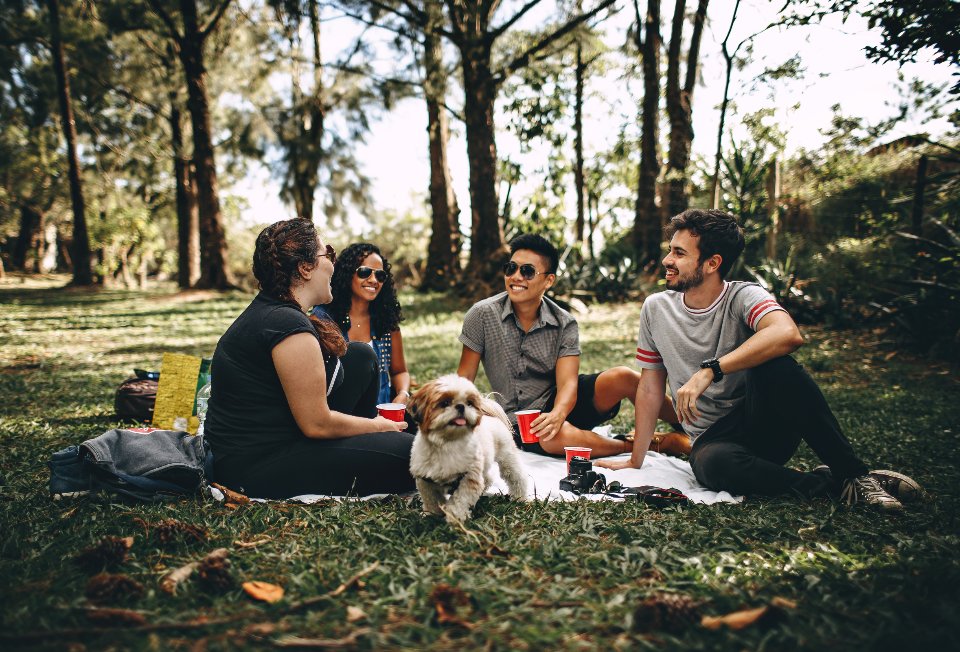
Research suggests dog people tend to be more extraverted and agreeable than cat people, according to personality studies. Think about it – this actually makes perfect sense when you consider the daily life of a dog owner.
A cute dog provides the engine for all manner of social interactions with young and old potential admirers. Impromptu friendships spring up in parks, at dog runs, and in elevators. When you walk your dog, you’re essentially carrying a conversation starter wherever you go. That elderly neighbor who never spoke to you before? Suddenly they’re chatting about your pup’s breed and sharing stories about their own childhood companion.
Dogs tend to be more extroverted and enjoy human company. If we assume humans are more drawn to the kind of animals that they are similar to, then it would make sense that dog owners would tend to be more extroverted. It’s like that old saying about couples who start to look alike – except in this case, we might actually choose pets that mirror our own social tendencies.
The Organized Life of Dog Lovers
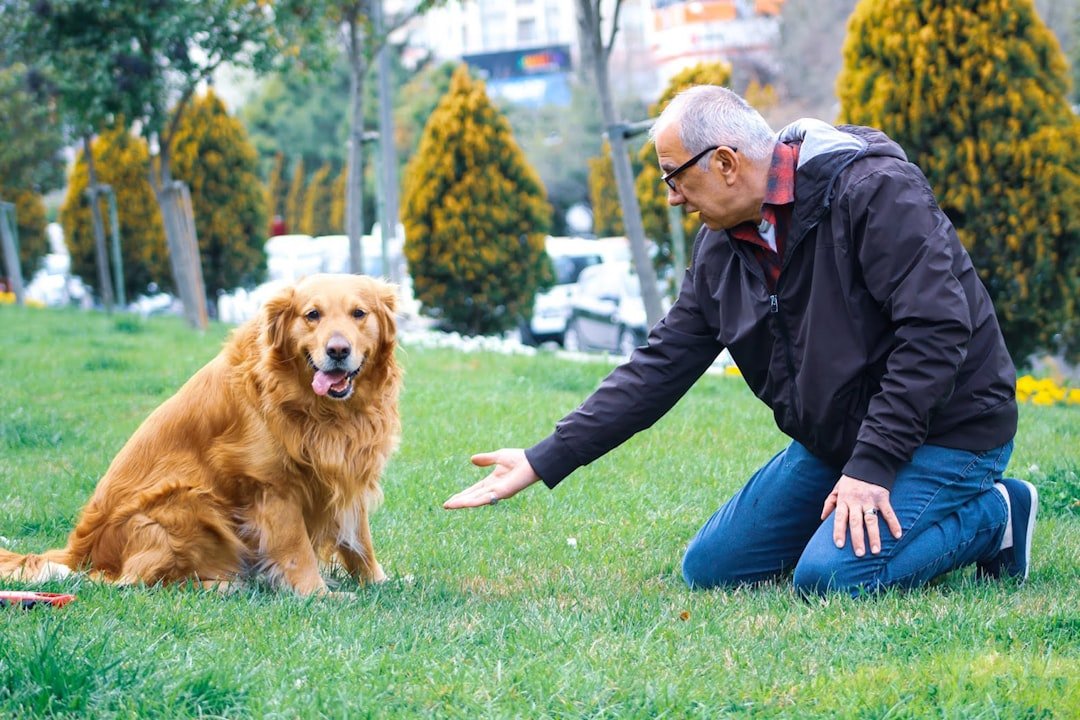
Here’s something that might surprise you: dog people tend to be more conscientious than cat people. But when you think about dog ownership, this trait becomes crystal clear. Dogs need structure, routine, and consistent care in ways that cats simply don’t.
Conscientiousness involves a tendency to show self-discipline, to complete tasks and aim for achievement. The trait shows a preference for planned rather than spontaneous behavior. Consider the typical dog owner’s morning: wake up at 6 AM for the walk, measure out exactly the right amount of food, remember to give medications, schedule vet appointments months in advance. It’s a lifestyle that naturally attracts – or develops – organized personalities.
Meanwhile, cats are perfectly content if you sleep in, forget to refill their water bowl for a day, or decide to take an impromptu weekend trip. Dogs are also a lot more work than cats, which means dog owners have essentially signed up for a more demanding, schedule-driven relationship with their pet.
The Creative Minds of Cat Enthusiasts
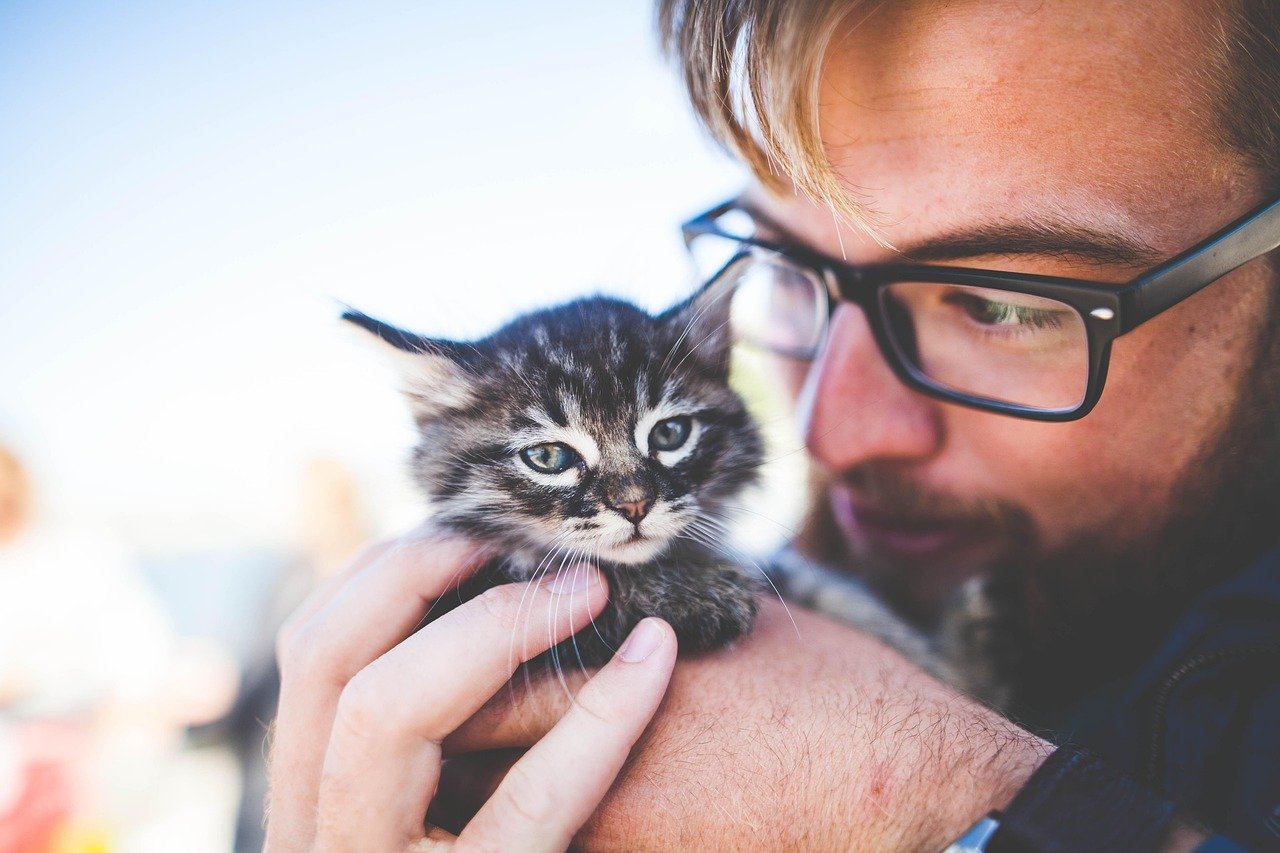
Now here’s where cat people get their revenge on all those “crazy cat lady” stereotypes. Cat people tend to be somewhat more neurotic; however, they also tend to be more open than dog people. But what does “open” actually mean in psychological terms?
The openness trait involves a general appreciation for art, emotion, adventure, unusual ideas, imagination, curiosity, and variety of experience. People high on openness are more likely to hold unconventional beliefs. Think about the cat people you know – are they often the ones with the most interesting book recommendations, the unusual hobbies, or the willingness to try that weird new restaurant?
Cat people score higher in intelligence and are more intellectually curious. Research with college students has suggested, while also re-confirming earlier findings that dog lovers are more outgoing and lively. This doesn’t mean dog people aren’t smart – it suggests cat people might be more drawn to abstract thinking and complex ideas.
The Stress Factor in Pet Preferences
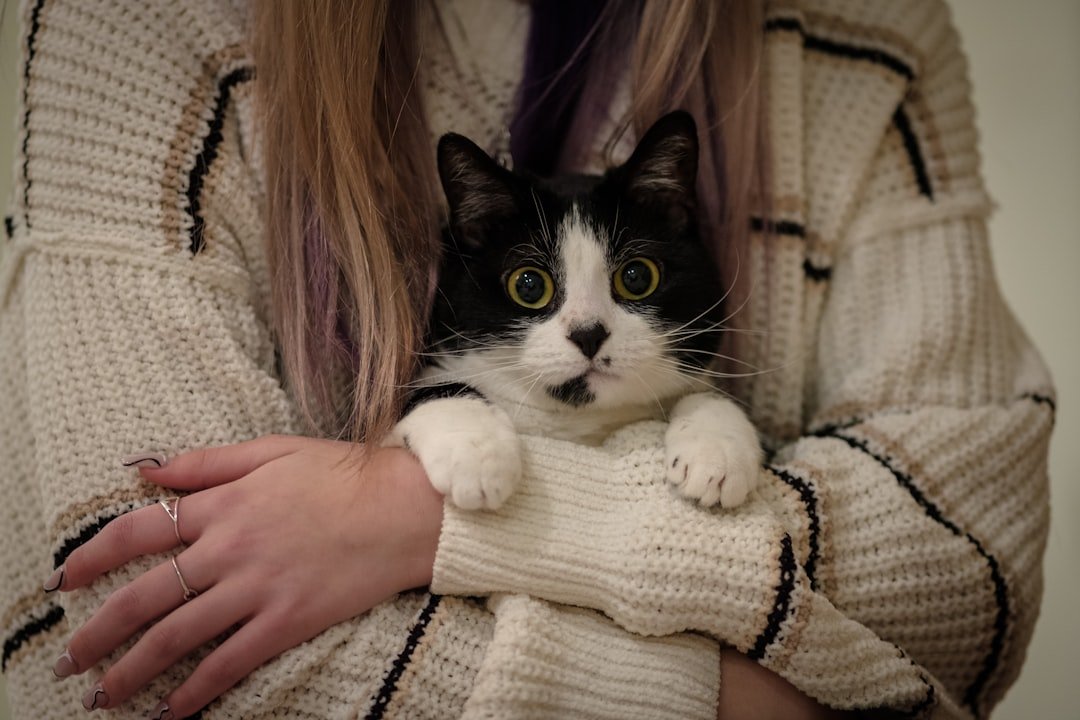
Here’s where things get really interesting from a mental health perspective. Cat people tend to be more neurotic than dog people. Before you take offense, remember that “neurotic” in psychology doesn’t mean “crazy” – it refers to emotional sensitivity and how we respond to stress.
Dog owners demonstrated higher levels of resilience and cat owners demonstrated higher levels of neuroticism. These findings support the notion that the type of people that enjoy owning dogs are also the type of people that can “bounce back” from stressful situations more easily. This was particularly evident during the COVID-19 lockdowns, when researchers found dog owners handled isolation better than expected.
But there’s another side to this story. While a dog person feels stimulated by companionship and social situations, a cat person may prefer to relax on the sofa with a good book. Cat owners are more likely to live alone and in an apartment. Maybe what we’re seeing isn’t weakness, but different coping strategies for different personality types.
The Mirror Effect of Pet Choice
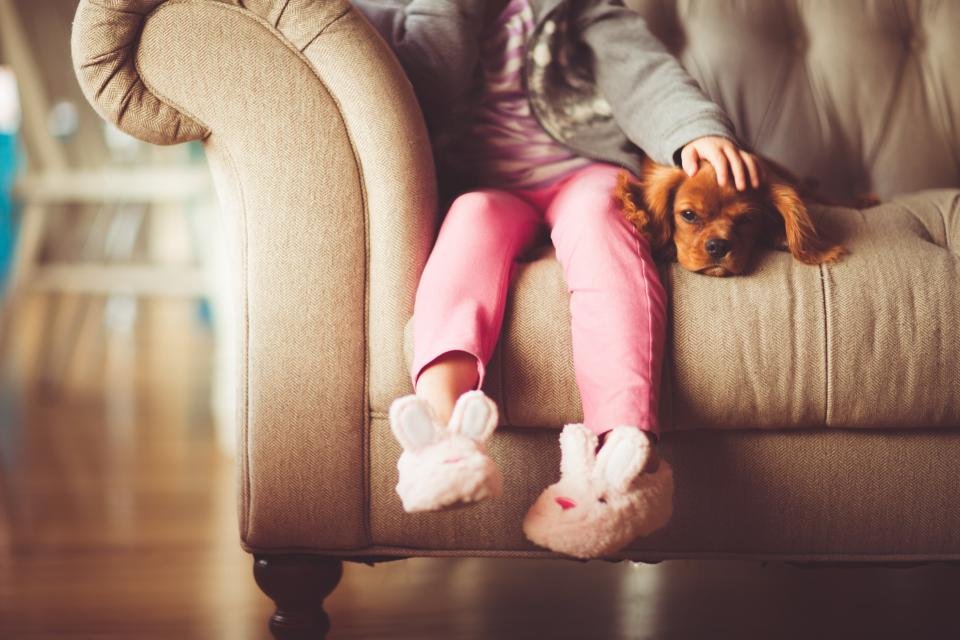
Perhaps the most fascinating aspect of this research is how closely our pet choices seem to mirror our own behavioral patterns. Dogs retain the need for social interaction to the degree that without a master and a family, a dog seems unhappy. Dogs will intrude on a person’s ongoing activities if they are feeling lonely and want some company or play.
Compare this to cats: Cats are often invisible during the day, seeming only to appear in the evening, especially if that is when they are fed. Cats will occasionally engage in social activities or play with people, but their interest is limited. Usually, after only a few minutes, cats will abandon the game and wander away.
Sound familiar? If cat people are introverted, then they are likely to find a dog a bit too boisterous and intrusive. However, if dog people are extroverted and more sociable, they are more likely to be tolerant of a wider range of personalities. We’re essentially choosing companions whose social needs align with our own.
Beyond the Stereotypes
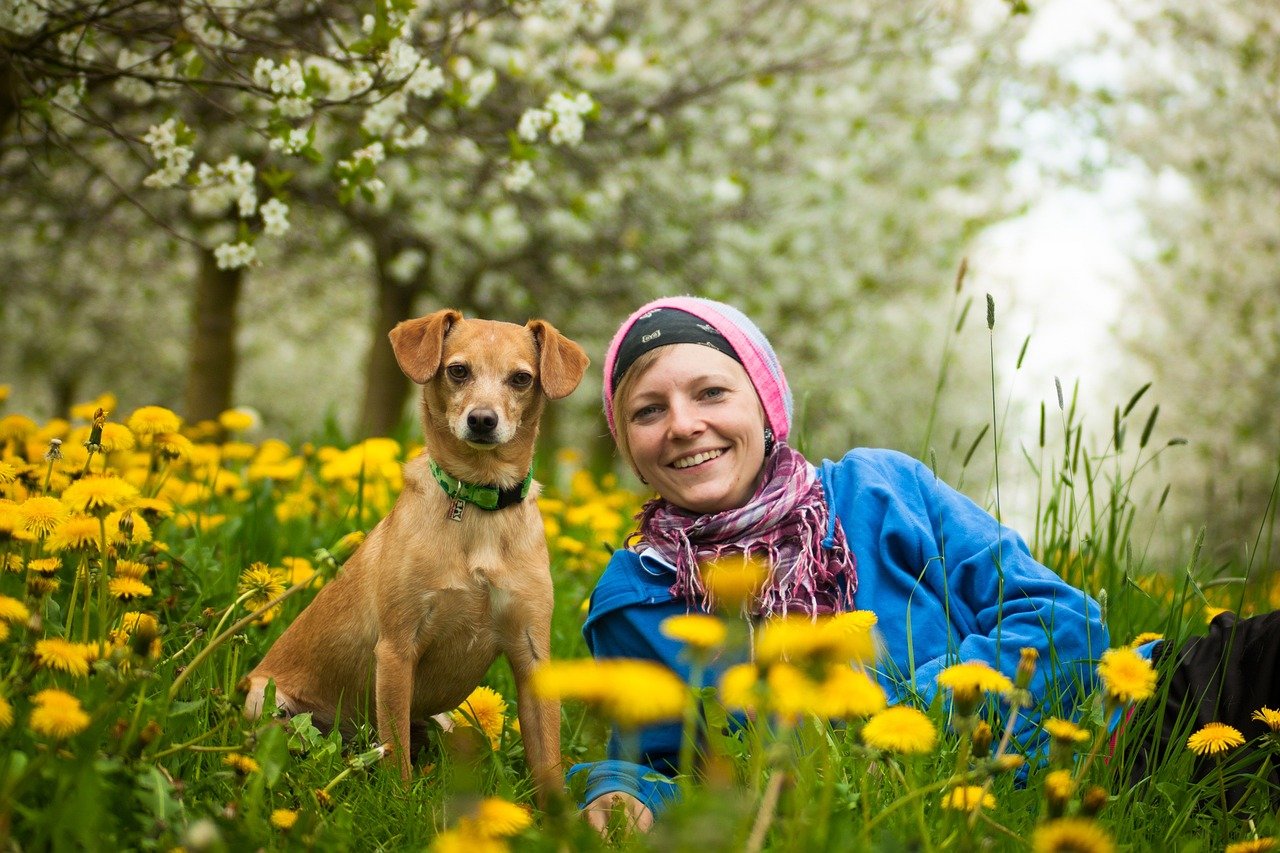
Before we get too carried away with these personality profiles, it’s crucial to remember that the differences between cat and dog people aren’t huge. There are certainly many, many cat people who are extroverts and many, many dog people who aren’t. These are statistical trends, not absolute rules carved in stone.
Nearly half of those who took the survey call themselves dog people. Just twelve percent say they are cat people. But here’s the kicker – almost twenty-eight percent said they were both. So what about those of us who love both species equally?
The reality is that personality is complex, and our pet preferences might reflect just one facet of who we are. Dogs have been proven to help some people with social anxiety, and so you may be an introvert who enjoys the soothing relationship between you and your puppy. Or perhaps you’re just a flat out animal lover who loves dogs, kitties and every other kind of animal in between.
What This Really Means for You
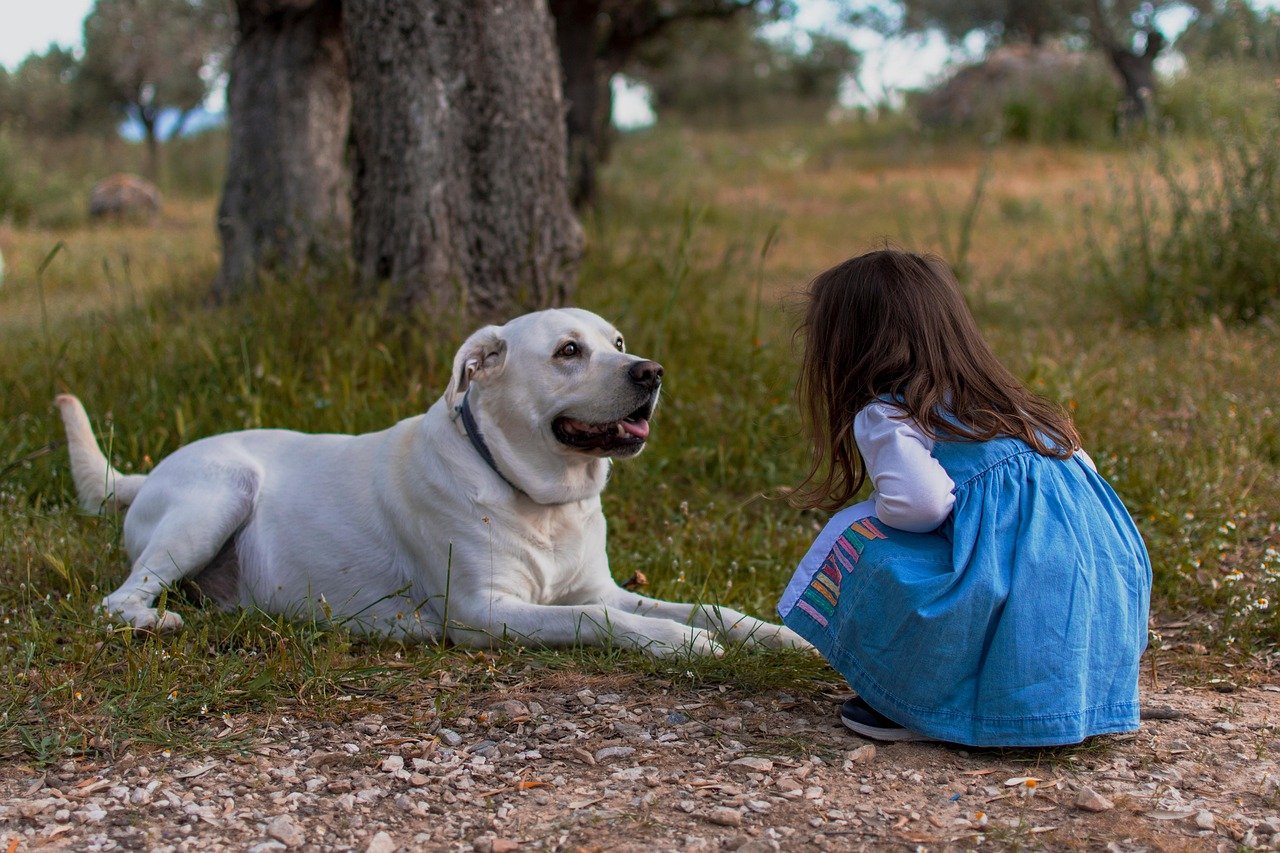
So what should you do with this information? First, don’t use it to judge others – or yourself. Understanding these personality patterns can actually be quite helpful in unexpected ways. If you’re naturally introverted but want to become more social, getting a dog might provide natural opportunities for interaction. If you’re stressed and overstimulated, a cat’s independent nature might offer the calm companionship you need.
It’s important to understand and accept your pet’s personality, regardless of what your own personality type is. As dog owners, our job is to help our dogs feel safe and loved. One way we do this is by engaging our dogs in activities and situations that appeal to their unique personality. The same wisdom applies to understanding ourselves and our human relationships.
Remember that choosing a pet based solely on personality matching isn’t always the best approach. Life circumstances, living situations, work schedules, and long-term commitment matter just as much as personality compatibility. The most important factor is ensuring you can provide a loving, stable home for whatever animal companion you choose.
Whether you’re team dog, team cat, or happily living with both, embrace what makes you unique. Your pet preference might offer a tiny window into your personality, but it certainly doesn’t define your entire character. After all, some of the most interesting people are the ones who defy expectations and stereotypes altogether.
Did you recognize yourself in any of these personality patterns, or were you completely surprised by what the research revealed?


