

You’ve probably felt that heart-stopping moment when your dog pulls back their lips and reveals a row of pearly whites. Your mind races. Are they mad? Happy? About to bite? The truth is, dogs showing their teeth is far more complex than we often realize.
Understanding why your dog shows their teeth is crucial to interpreting their mood and responding appropriately. While teeth-baring can signal aggression, it can also indicate happiness, fear, or discomfort. By observing the context and other body language cues, you can better understand what your dog is trying to communicate. This fascinating canine communication method has roots that stretch back thousands of years to their wolf ancestors. Each situation tells a different story. Let’s dive into the mystery behind those gleaming canines and discover what your dog is really trying to tell you.
The Aggressive Warning Display
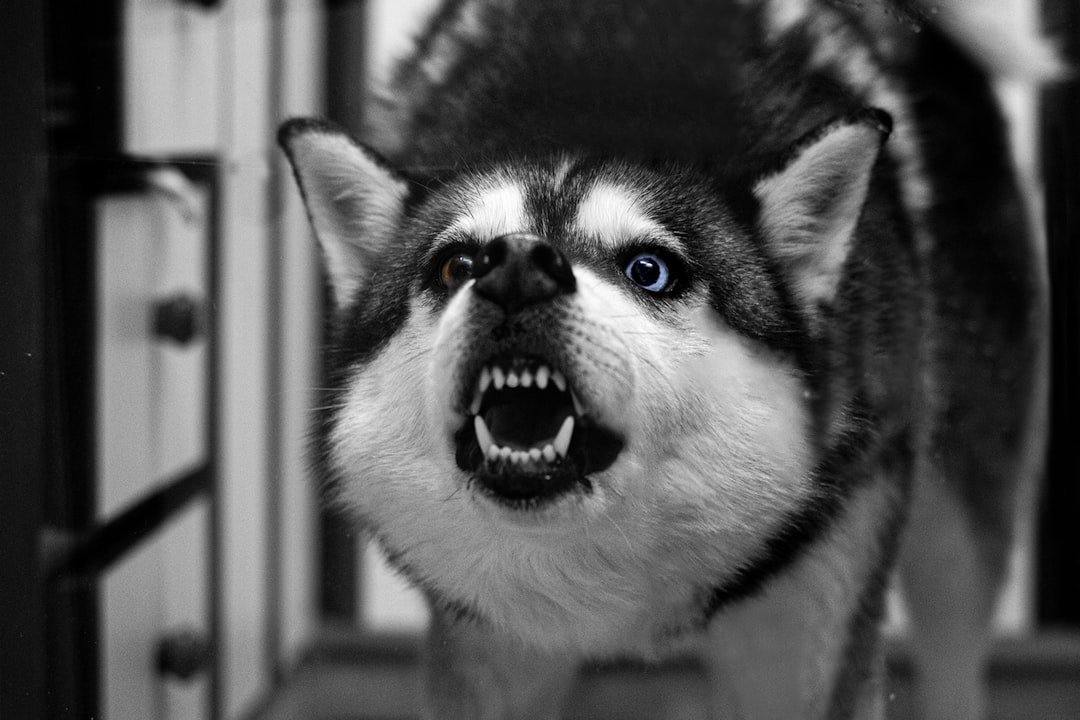
When most people see a dog showing teeth, they immediately think of aggression. When dogs are in pain, they may show their teeth as a way of protecting the injury. They may do this to you and even follow it up with a bite to defend themselves from new threats. This protective behavior serves as their first line of defense. Think of it as their way of posting a “Do Not Enter” sign.
The aggressive display typically comes with unmistakable body language. When a dog feels threatened, scared, or defensive, it may bare its teeth to show aggression. This is often accompanied by other warning signs such as growling, raised fur, or a rigid body posture. Their ears might pin back, eyes become hard and direct, and their entire posture screams tension.
Like the growl, a toothy snarl is a sign of aggression. Like the growl, it’s actually a good thing. It’s an escalation in intensity from the growl, but your dog is still trying very hard to NOT bite you. He’s saying, “You’re making me really uncomfortable; please stop what you’re doing.” This warning system exists for good reason.
Dogs displaying aggressive teeth-showing want space, and they want it now. The smart response is to back away slowly, avoid direct eye contact, and remove whatever triggered their discomfort. Never punish this behavior, as it’s their polite way of asking for help before resorting to more serious measures.
The Sweet Submissive Smile

Here’s where things get wonderfully surprising. Some dogs offer a submissive grin to show they mean no harm. They’ll pull their lips back, wag their tails, and wiggle their whole body. This endearing behavior can look alarmingly similar to aggression to the untrained eye. Picture your dog approaching you with what looks like a menacing snarl, but their whole body is wiggly with excitement.
Your dog may show its teeth when smiling at you while letting you know it accepts that you’re the leader. It’s a sign of respect, not of aggression. These dogs are essentially saying “Hello, I’m friendly and I know you’re the boss.” Their ears typically stay relaxed, their body remains loose, and that tail never stops moving.
Unlike aggressive bared teeth (that might be accompanied by a growl or raised hackles), submissive grinning is a sign that your dog does not want to be seen as a threat to another person or animal. It’s a sign of affection that says they trust you and understand that you are in charge.
The submissive grin often appears during greetings, especially after you’ve been away. Some dogs reserve this special smile for their favorite humans or when meeting new friends. If you’re lucky enough to witness this behavior, consider it a compliment of the highest order.
Fear-Based Teeth Display
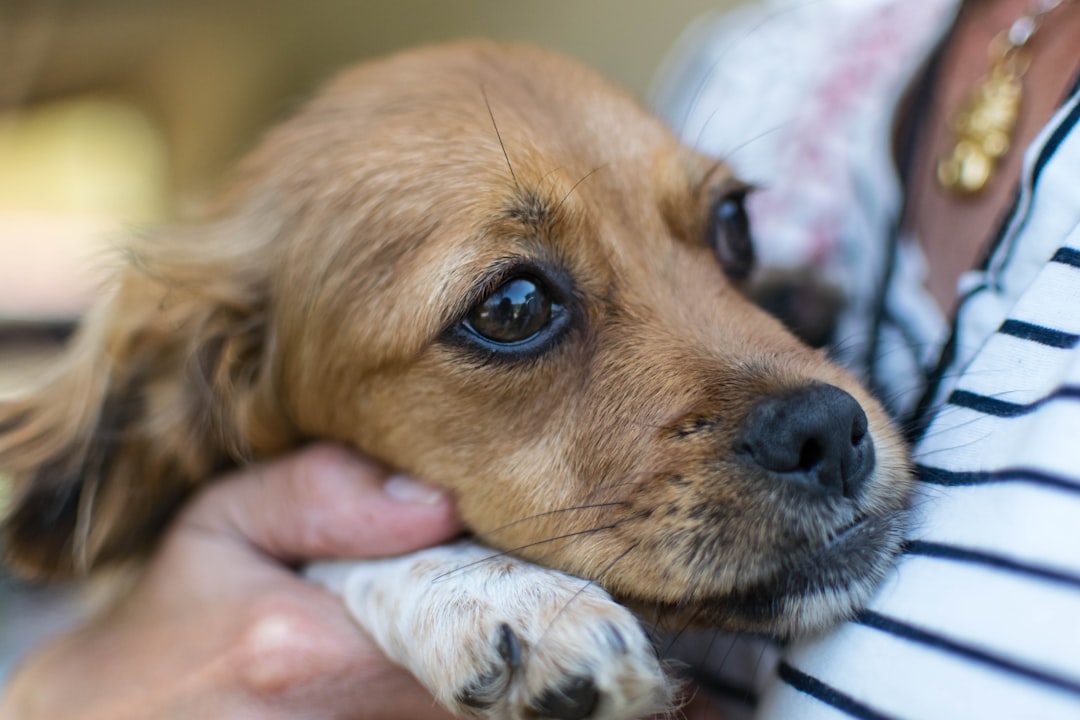
Fear creates another layer of complexity in canine tooth-showing. If your dog is in an unfamiliar situation or feels nervous, they may show their teeth as a way to communicate fear. This could be in response to meeting new people, hearing loud noises, or encountering new environments. Unlike confident aggression, fear-based displays often include tucked tails and crouched postures.
This is known as fear-based aggression. The dog may not want to fight but is signaling it is prepared to defend itself if there is no other option. Look for tail tucked between the legs, ears pinned back, or cowering posture as accompanying signs.
Fearful dogs might show teeth when they feel cornered or trapped. Their message is clear: “I’m scared, but I’ll defend myself if I have to.” They’d much prefer to escape than fight, but they’re letting you know their options feel limited. The key difference lies in their overall body language, which screams vulnerability rather than dominance.
When you encounter a fearful dog showing teeth, patience becomes your greatest tool. Give them space, speak softly, and allow them to approach at their own pace. Forcing interaction will only escalate their fear and potentially dangerous behavior.
Playful Teeth Showing
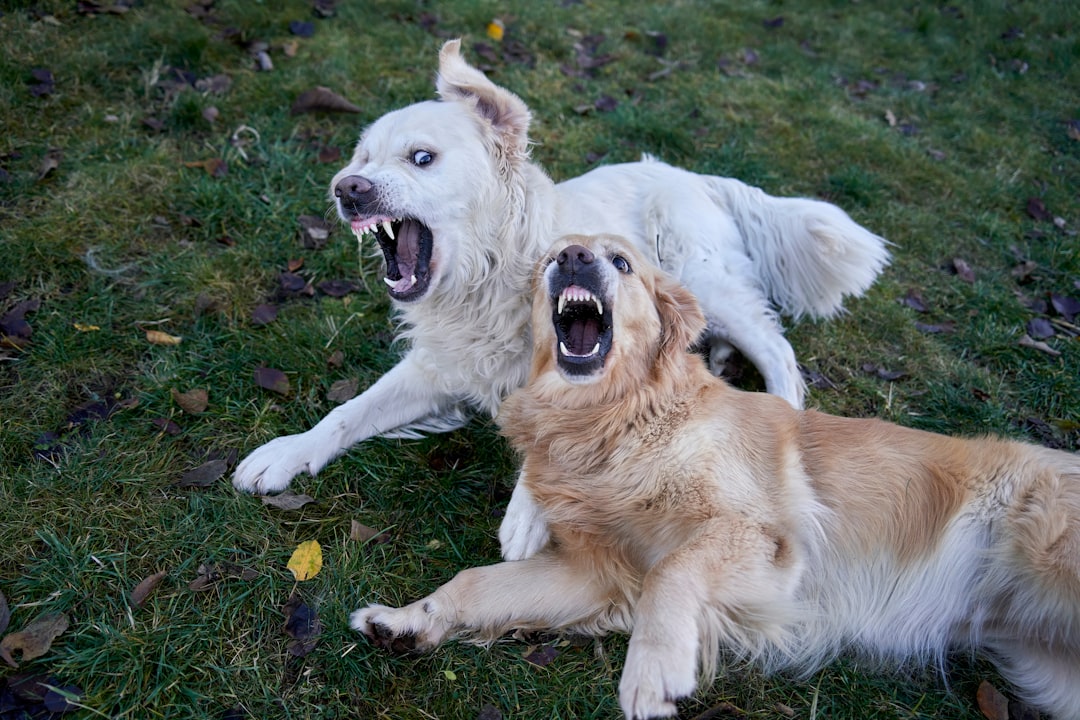
Dogs at play often display their teeth in ways that can alarm inexperienced dog parents. When your dog plays with you or with other dogs, it may have its mouth open and its teeth bared. Pay attention to other signs that your dog is in play mode, such as light sneezes, a low posture with a raised rear, pricked ears, or a wagging tail. This playful display comes with bouncy energy and loose body language.
During rough-and-tumble play sessions, dogs might bare their teeth while wrestling or chasing. A dog showing teeth while play-bowing and bouncing around? That’s likely just playful excitement. They also may expose teeth during playtime as a way to correct unwanted behavior in another dog.
Play teeth-showing usually happens during high-energy moments. Dogs might show their pearly whites while tug-of-war gets intense or during particularly exciting fetch sessions. The difference lies in the accompanying joy signals: bouncy movements, play bows, and that unmistakable sparkle in their eyes.
Watch for context clues during play. If both dogs are having fun, taking breaks, and coming back for more, those bared teeth are just part of the game. However, if one dog seems overwhelmed or the play becomes too intense, it’s time to redirect their energy.
Pain and Medical Discomfort
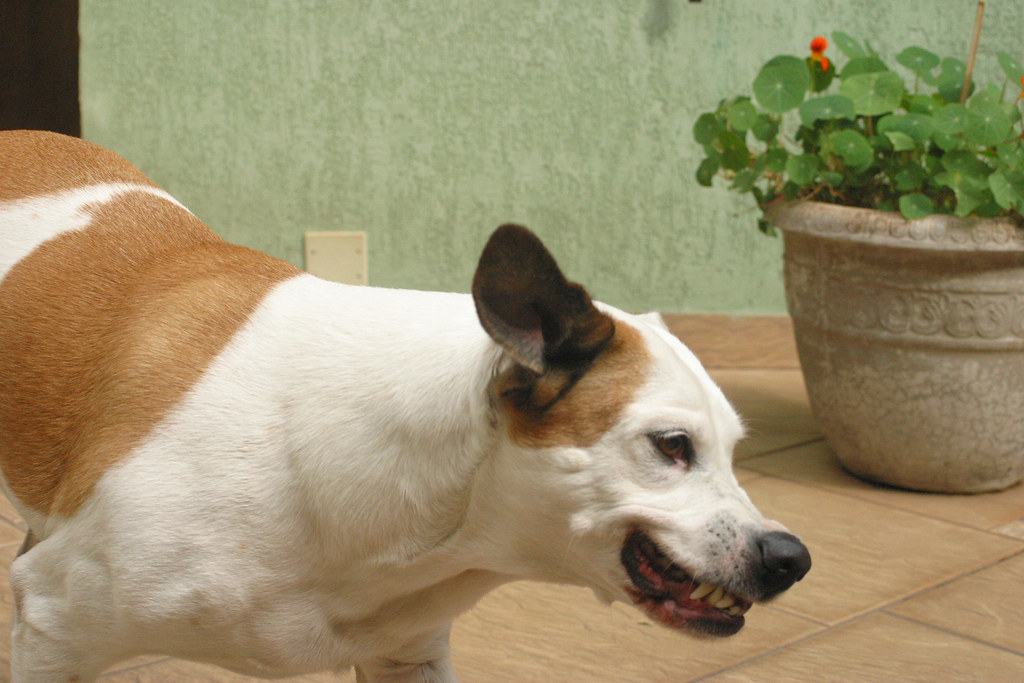
Sometimes teeth-showing signals something more serious lurking beneath the surface. Inflammation of the gums (gingivitis) can be uncomfortable on its own, while some pets may have more serious issues such as fractured teeth, tooth root abscesses, and oral tumors. Dental pain in dogs may take on a wide variety of appearances, depending on the degree of pain and the dog’s personality. In some cases, an affected dog may not show any outward signs of pain.
If a normally friendly dog suddenly starts baring teeth when touched or approached, this could indicate an injury or illness that needs veterinary attention. Dogs instinctively guard painful areas, and their mouths are no exception. A previously gentle dog might suddenly snap when you try to examine their face or mouth.
Dogs do not often outwardly show pain, thanks to their natural instincts that mask signs of pain. In the wild, showing signs of pain can get you thrown out of the pack. This doesn’t mean that your dog isn’t hurting! Their survival instincts often work against us in domestic settings.
Other signs accompanying pain-related teeth showing include decreased appetite, reluctance to chew hard foods, pawing at their face, or unusual drooling. Dogs experiencing dental pain may frequently paw at their mouth or rub their face against the floor or furniture to alleviate discomfort. If you suspect pain, schedule a veterinary examination immediately.
Reading the Full Body Language Picture
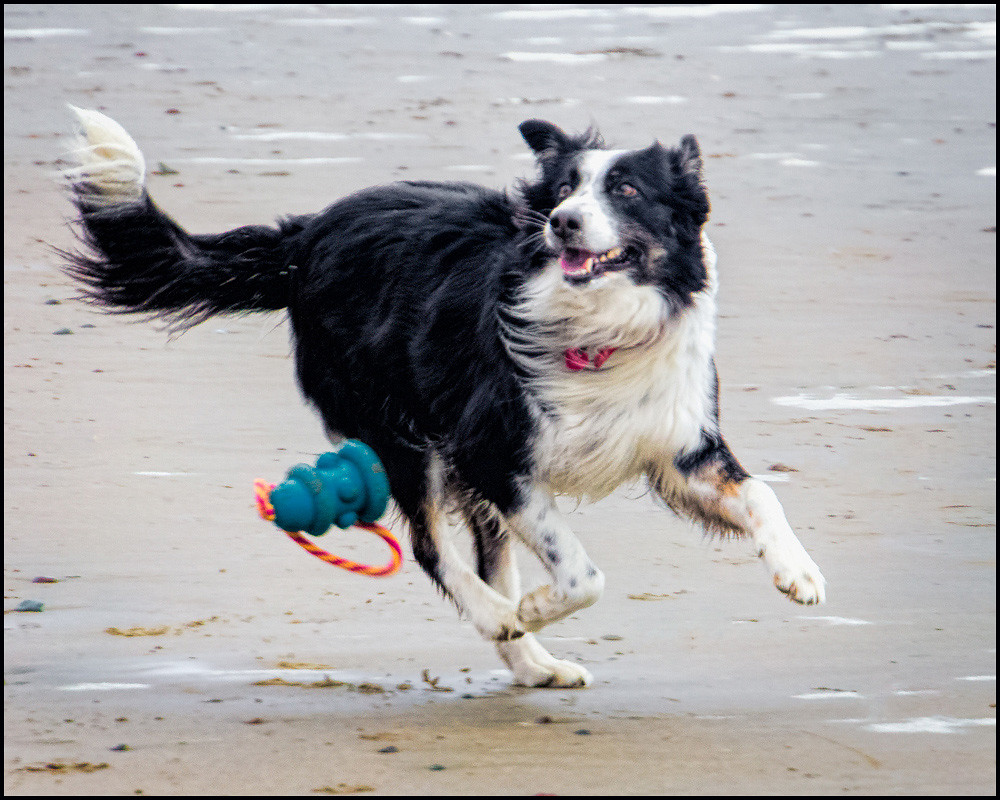
Successful interpretation requires looking beyond just the teeth. The trick is looking at the whole picture – are they stiff and growling, or loose and wiggly? A stiff body, tense face, and direct stare along with bared teeth? That’s a warning. Dogs communicate through their entire being, not just facial expressions.
The other correlated body postures suggest friendly behavior when dogs engage in submissive grins. These other postures might include a low tail wag, ears pulled back, and squinty eyes. Their whole body seems to wriggle with happiness. Conversely, when dogs show their teeth as a warning, correlated body postures might include a stiff body, direct, hard eye contact, or a whale eye, and either tucked or very erect tail posture.
Eyes tell a particularly powerful story. Soft, squinty eyes usually accompany positive teeth displays, while hard, direct stares signal trouble. Similarly, relaxed ears suggest friendliness, while pinned-back or extremely forward ears indicate tension or fear.
Tail position and movement provide crucial context clues. Tail position and speed matter. A slow, stiff wag can mean tension, and a fast, aggressive wag can indicate stress. The entire package of signals creates the true message your dog wants to convey.
Context and Environmental Triggers
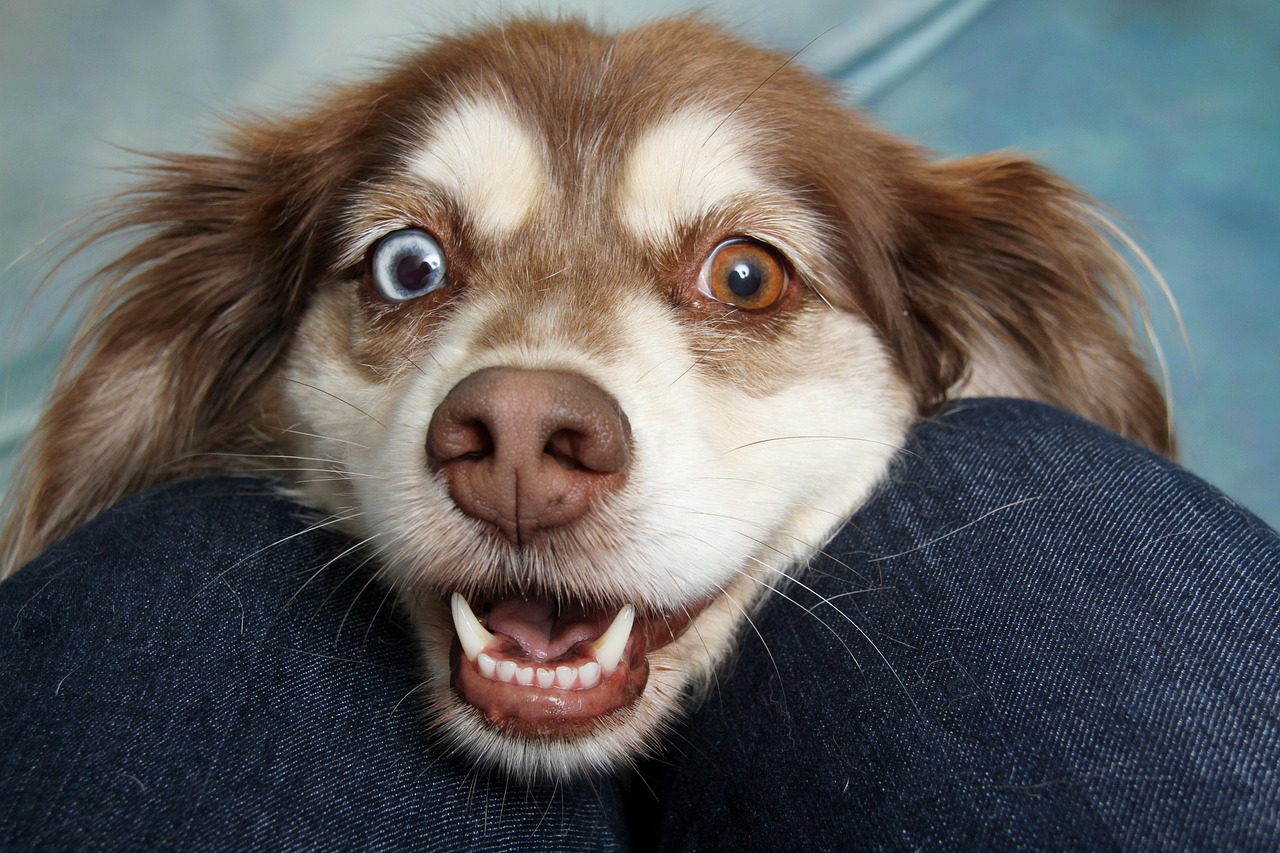
Understanding the situation surrounding teeth-showing helps decode your dog’s message. The environment – in other words, the context in which the behavior occurs – can help give a clearer picture of intent. We can make reliable estimates about why a dog is showing their teeth by considering the environment. Location and circumstances matter enormously.
Consider what happened immediately before the behavior. Did someone reach for their food bowl? Are they protecting a favorite toy? Did a stranger approach too quickly? Dogs can be territorial creatures. Mother dogs may show their teeth to others if they feel they pose a threat to their puppies. Your dog may feel driven to guard the home and bare its teeth to anyone who sets foot on the property, including the mailman, deliveryman, and even passersby.
Timing also provides valuable insights. When dogs offer a submissive grin, they are usually the ones doing the approaching. Submissive grins are displayed during greetings, often when you’ve been separated from your dog or with new guests or playmates for the overly friendly canine. Morning greetings often trigger happy teeth displays, while evening encounters might signal tiredness or overstimulation.
Environmental stressors like loud noises, unfamiliar places, or overwhelming social situations can trigger fearful teeth-showing. Notice patterns in your dog’s behavior to better predict and manage their responses to challenging situations.
Responding Appropriately to Different Displays
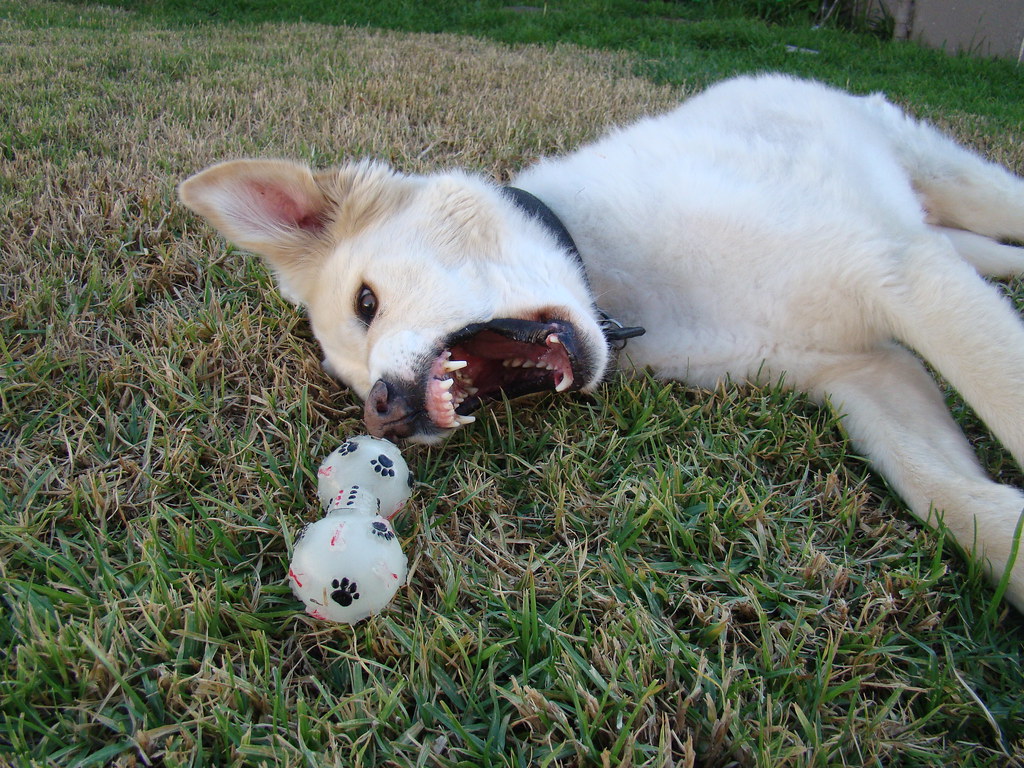
Your response should match your dog’s message. Whatever the reason for your dog’s teeth display, never, ever punish him for this. You want him to feel comfortable communicating with you, so you can figure out why he’s showing teeth and take whatever steps are appropriate. Punishment only creates confusion and potentially dangerous suppression of warning signals.
For aggressive displays, create distance and remove triggers. If your dog is showing teeth in this context, it’s important to stay calm, avoid sudden movements, and give them space. Think of it as respecting their request for personal space. Never approach or try to comfort an aggressively displaying dog.
In aggressive situations: Remain calm, avoid direct eye contact, and slowly remove yourself from the area. If fearful: Give the dog space and reduce the stressor if possible. With a submissive grin: Observe for relaxed body language before responding warmly to reinforce positive social behavior.
For submissive grins, gentle praise and calm interaction reinforce positive communication. Some owners even teach their dogs to “smile” on command, turning this natural behavior into a delightful trick. However, ensure you can distinguish between genuine happiness and stress-related grinning before encouraging the behavior.
Conclusion
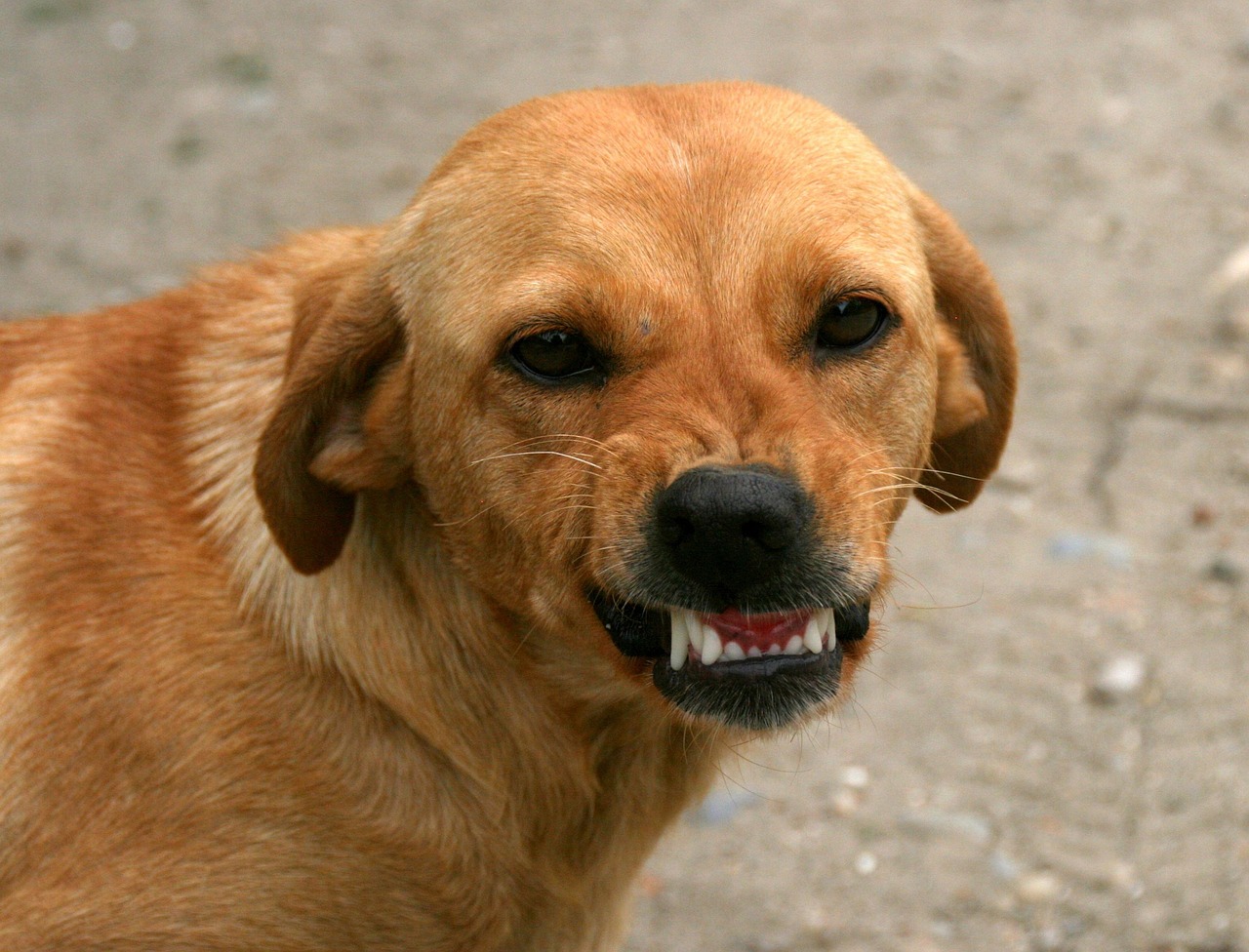
Dogs showing their teeth represents one of the most nuanced aspects of canine communication. From aggressive warnings to joyful grins, these displays carry messages that can strengthen or strain our relationship with our four-legged companions. Your dog’s teeth-baring is a form of communication, not an act of defiance. Whether it’s an expression of fear, discomfort, submission, or excitement, it’s their way of telling you how they feel.
The key lies in becoming a better listener to your dog’s body language. Watch their entire posture, consider the context, and respond with empathy and understanding. Remember that each dog is an individual with their own communication style and triggers. What matters most is building trust through consistent, appropriate responses to their signals.
What do you think about your dog’s unique way of showing their teeth? Have you noticed patterns in their behavior that we haven’t covered here? Share your observations in the comments below.


