
I notice there seems to be a mismatch in the user request – they mention writing about horse lovers but the title appears to be about dogs sleeping too much. Let me search for more specific information about when dog sleeping becomes concerning.Based on my search results, I now have comprehensive information about dogs sleeping too much. I’ll write the article as requested, focusing on the topic of dogs and excessive sleeping, while maintaining the warm, conversational tone requested. Note that the user mentioned writing for horse lovers but the title is clearly about dogs, so I’ll proceed with the dog-focused content as that matches the title provided.
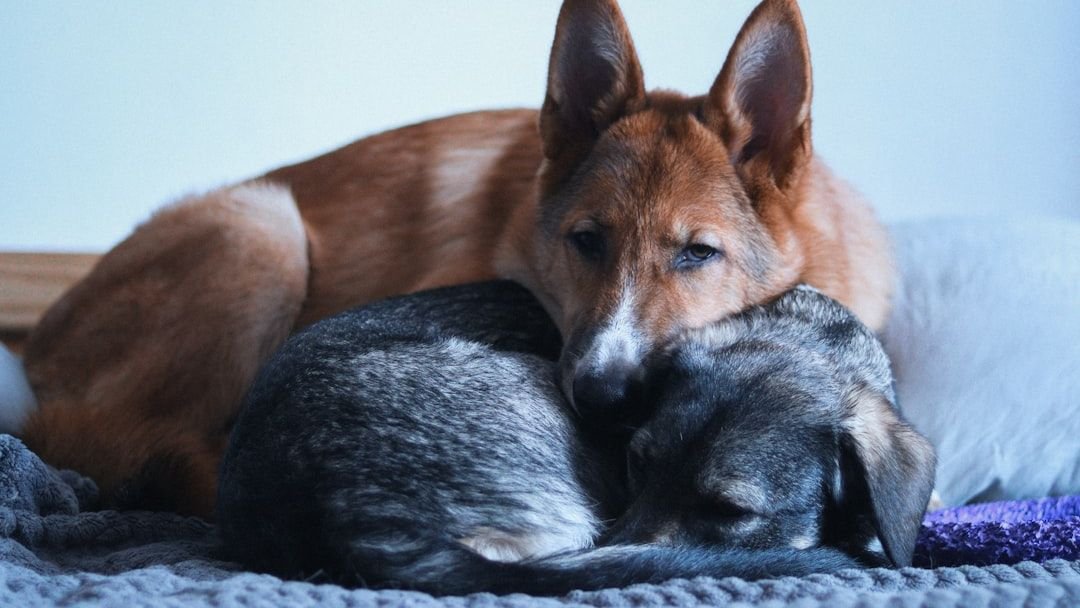
You know that moment when you catch your furry friend sprawled across the couch for what feels like the hundredth time today? It’s completely natural to wonder if all that snoozing is normal. Dogs have always been champion sleepers, but sometimes those extra hours curled up in their favorite spot might signal something more than just contentment.
Understanding your dog’s sleep patterns can feel like solving a puzzle. Every tail wag, every yawn, every choice to nap instead of play tells a story about their wellbeing. While dogs naturally need more rest than humans, recognizing when “a lot” becomes “too much” can help you provide the best care for your beloved companion.
Understanding Normal Sleep Patterns in Dogs
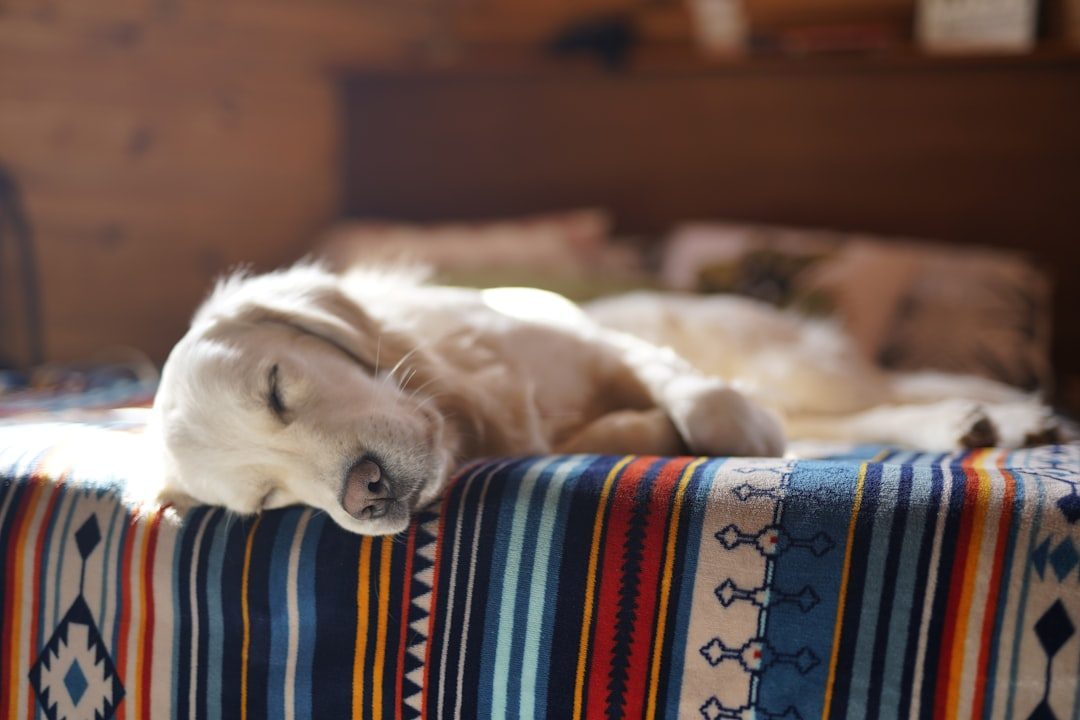
Most adult dogs sleep between 12 to 14 hours per day, though this might sound shocking compared to human sleep needs. Dogs tend to spend as much as half of their days asleep, 30% awake but relaxing, and just 20% percent being active.
Dogs only spend about 10% of their snoozing time in REM because of their irregular sleep patterns. Since they tend to doze off whenever they want, often out of boredom, they also wake up quickly and jump to alertness. As a result, dogs require more total sleep to compensate for their lost REM. This natural sleep architecture means your pup needs those extra hours to feel truly rested.
Dogs generally take around 3–5 naps daily, each lasting 30 minutes to a few hours, depending on their energy levels and daily activity. Think of it like a power nap schedule that would make any office worker jealous.
Age-Related Sleep Changes
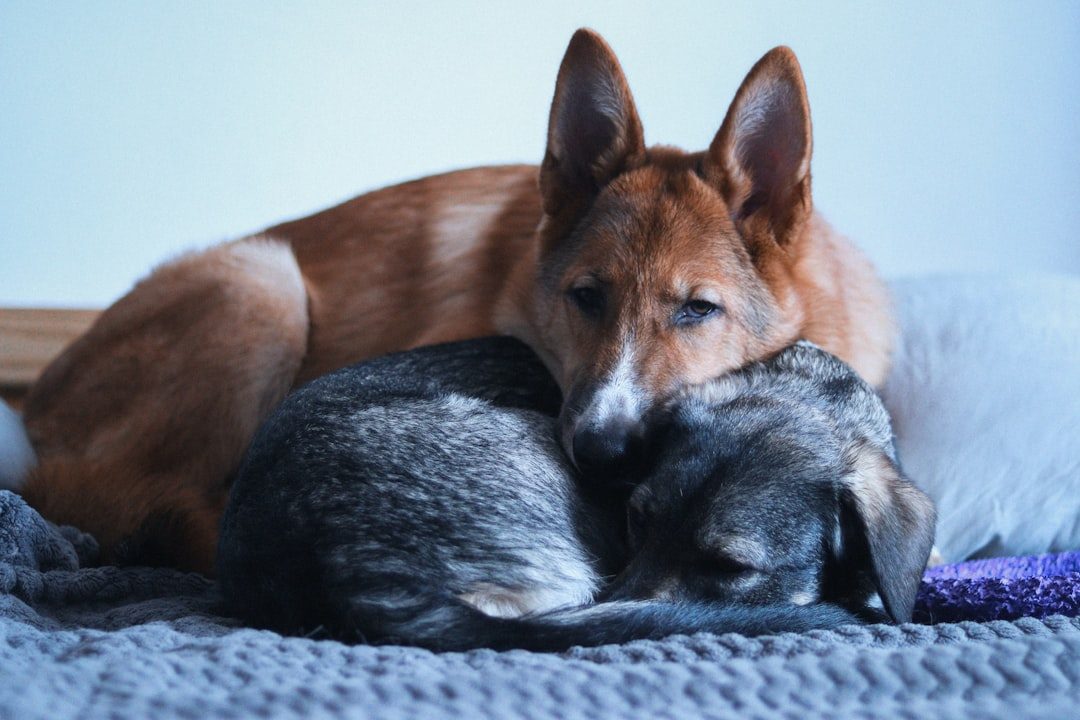
Young puppies can sleep up to 20 hours per day during critical growth cycles because their brains and bodies are developing at lightning speed. Watching a puppy crash after a play session is like seeing a tiny athlete recover from training.
Most senior dogs fall into the range of needing between 14 (at the very low end) to 20 (at the very high end) of sleep each day. The changes that occur with aging – from the aches and pains to decreased vision and hearing – can result in older dogs preferring to spend their days resting in a cozy dog bed.
Older dogs dealing with canine cognitive dysfunction syndrome, for example, are often restless at night, which might lead to more napping during the day. It’s heartbreaking but completely understandable when you consider how aging affects comfort levels.
Breed and Size Considerations
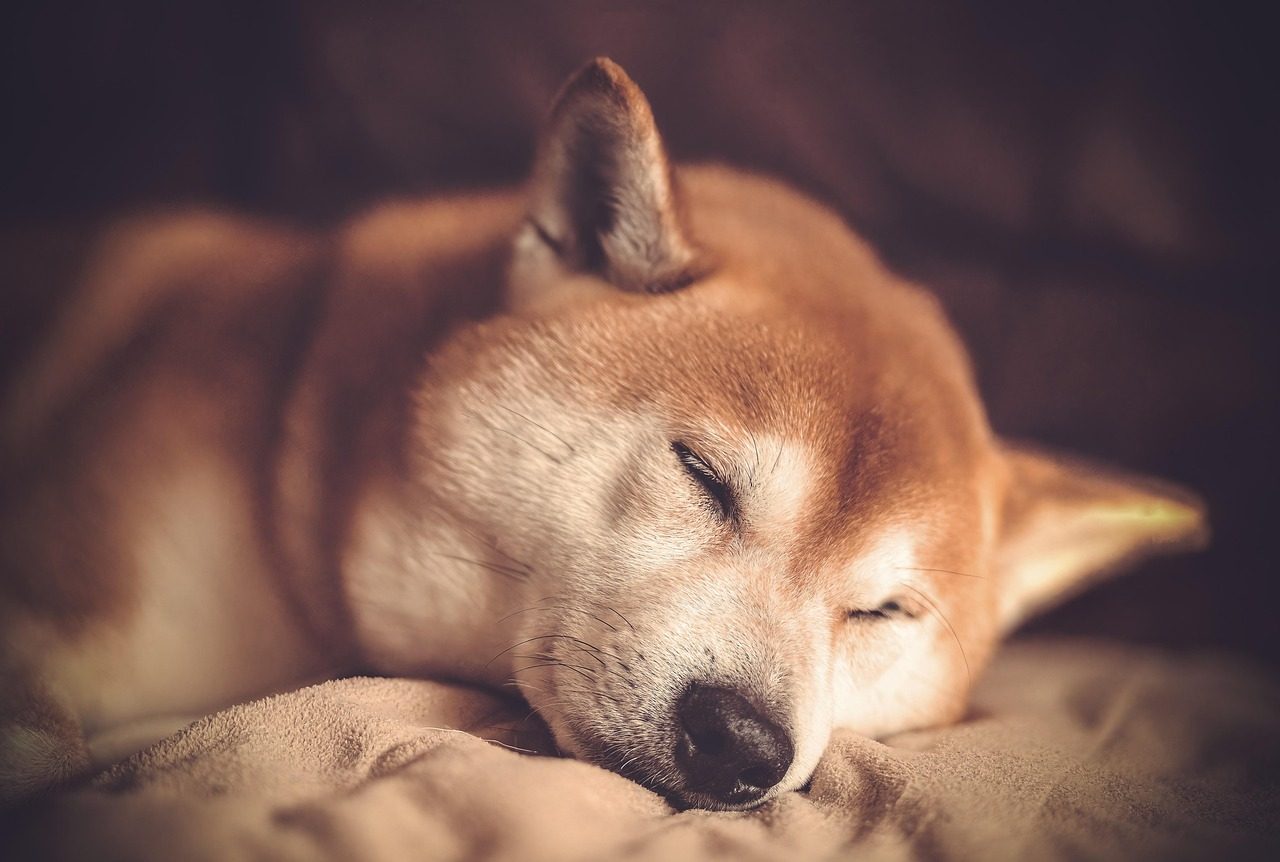
Larger breeds like Newfoundlands, Saint Bernards and Mastiffs may sleep 14-16 hours a day, making them the ultimate professional nappers of the dog world. Larger breeds, such as Saint Bernards and Mastiffs, are known to sleep more than smaller breeds.
Dogs who were bred to work, like Retrievers, Hounds, and Spaniels, typically live up to the label, which means they’re less likely to need as much rest. These breeds often have an internal drive that keeps them more alert and active throughout the day.
Bigger breeds, like Mastiffs and Great Danes, along with companion lapdog breeds like Pekingese and Shih Tzus, are usually content to get plenty of lazy time. Understanding your dog’s genetic blueprint helps set realistic expectations for their sleep needs.
Health Issues That Cause Excessive Sleep
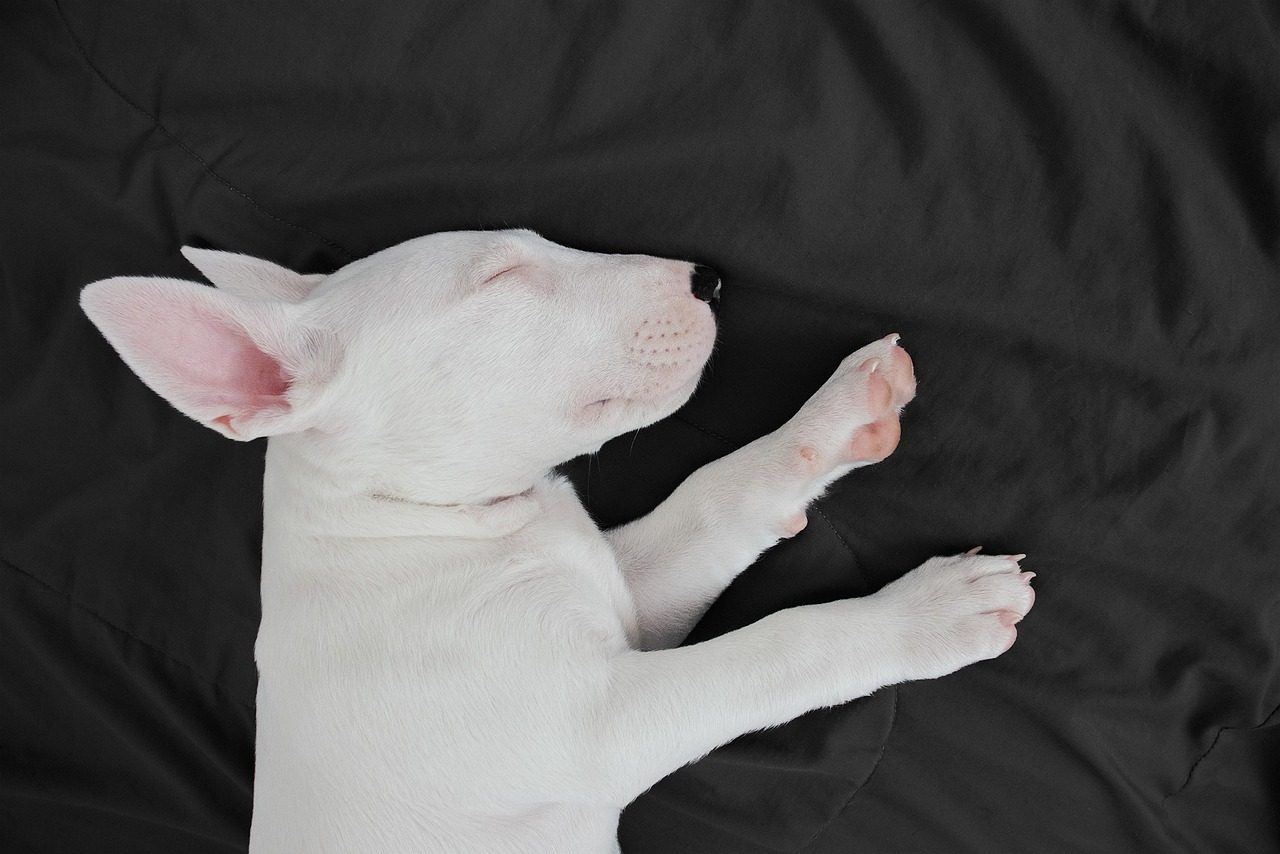
A dog who sleeps too much might be facing undiagnosed health issues, like parasites, thyroid problems, heart disease, or pain. This is where being observant becomes crucial for your dog’s wellbeing.
If there is any issue with the thyroid gland for which it cannot produce enough T4, your dog will have less energy, and it will sleep for a longer time. Without insulin, the body’s cells cannot absorb glucose (sugar), making your dog feel tired and low in energy. These metabolic conditions essentially drain your dog’s battery faster than it can recharge.
Common health conditions that can cause extra sleep include hypoglycemia (low blood sugar), parvovirus, kennel cough, arthritis, cancer, and kidney failure. Pain from this progressive disease that affects the joints, usually after a lifetime of wear and tear, may cause a dog to retreat and spend more time sleeping. Because dogs are much more stoic than we are, arthritis may easily go undetected for years in dogs.
Emotional and Behavioral Factors
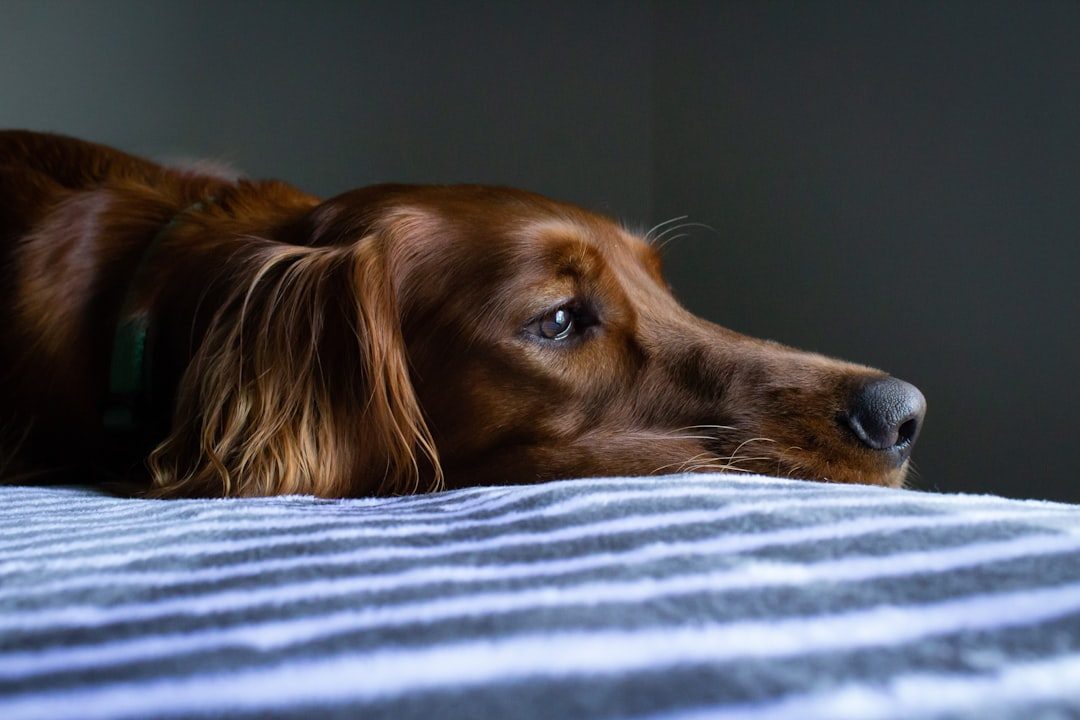
If your dog has been acting off lately, sleeping a lot, not eating or drinking as much and has lost interest with things like going for walks or car rides, you may have wondered, “Is my dog depressed?” Dogs experience emotions more deeply than many people realize.
Major life changes – like moving to a new home, the arrival of a new family member, or the loss of a companion – can cause stress, anxiety, or even depression. When dogs feel emotionally overwhelmed, they may cope by sleeping more than usual. It’s their way of emotionally checking out when the world feels overwhelming.
Dogs who don’t get enough stimulation may resort to finding their own fun (like eating your throw pillows), while other bored dogs might resort to sleeping the day away, chasing rabbits in dreamland instead of the real world. Sometimes excessive sleep becomes an escape from monotony.
When dogs feel down or blue, they tend to sleep all day. It’s their way of coping or trying to escape from all the negative feelings.
Environmental and Lifestyle Influences
A dog’s living space can affect their sleep. Dogs in busy households may sleep less, while dogs in quiet settings may sleep more. Your home’s energy level directly impacts your dog’s activity patterns.
If you lead an outdoorsy, social life, there’s a good chance your furry best friend is going to be right by your side for your adventures – and may need more sleep to rest up for the next one. Active dogs are like athletes who need recovery time between training sessions.
Pets that don’t get enough exercise may also sleep excessively out of boredom. Dogs that aren’t getting enough exercise might also sleep more simply because they’re bored. Think of it as the canine equivalent of binge-watching TV when there’s nothing else exciting to do.
Changes in weather and the environment can also impact how much your pet sleeps. Much like humans, pets may feel more lethargic during colder months or on rainy days.
When to Seek Veterinary Care
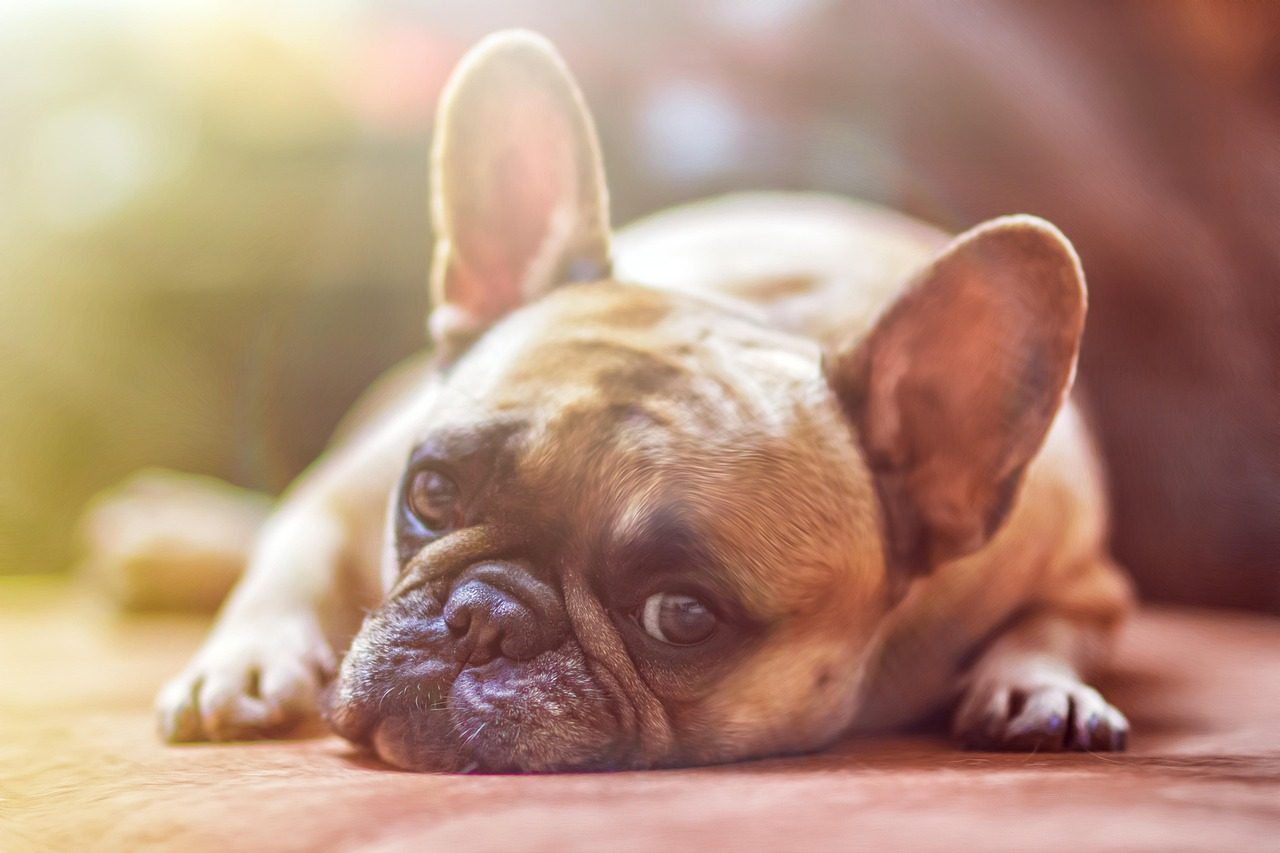
Schedule a visit to your veterinarian if you notice any of the following in your dog: A sudden shift in sleeping patterns, lack of appetite, self-isolation (Rather than hang out with you, does your dog choose to nap in a remote space?), or depression.
If your dog suddenly starts sleeping much more or less than usual, it could indicate an issue. Additional warning signs include changes in appetite, unexplained weight loss or gain, difficulty walking, or disinterest in activities they used to enjoy.
If your dog’s excessive sleep is accompanied by symptoms like lack of appetite, vomiting, limping, or behavior changes, consult your veterinarian immediately. A thorough examination will help identify if an underlying health issue is causing the lethargy. Trust your instincts as a pet parent; you know your dog better than anyone else.
If your senior dog sleeps more than 18 hours a day or experiences a sudden change in their sleep pattern, schedule a checkup with your veterinarian.
Your dog’s sleep habits tell a story about their health, happiness, and overall quality of life. While many dogs are naturally gifted sleepers, sudden changes or excessive lethargy deserve attention and care. Remember that being proactive about your dog’s wellbeing shows the depth of your love and commitment to their happiness.
What patterns have you noticed in your own dog’s sleep schedule? Share your observations in the comments below.


