
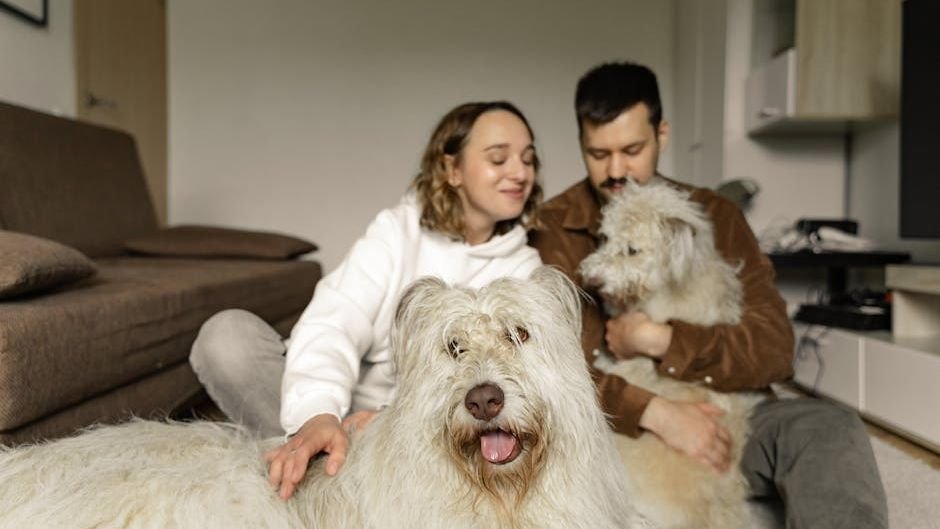
You’ve probably stopped mid-scroll just to snap a photo of your dog sleeping. Maybe they’re twisted into something that defies the laws of anatomy. Maybe they’re flat on their back, paws in the air, looking absolutely ridiculous. Honestly, it’s one of the purest joys of dog ownership. There’s something irresistible about a dog deep in sleep.
Here’s the thing though – those adorable nap poses are more than just photo opportunities. Your dog’s sleeping positions are fascinating reflections of their inner world. Just like humans, the way a dog chooses to sleep can signal their emotional state, whether they feel completely secure, slightly anxious, or are remaining ready to spring into action.
Whether your pup is a dramatic sprawler or a tight little donut-curler, each position carries a message about who they are deep down. Stick with me, because some of these revelations might genuinely surprise you. Let’s dive in.
The Donut (Curled Up in a Ball): The Cautious, Self-Sufficient Soul
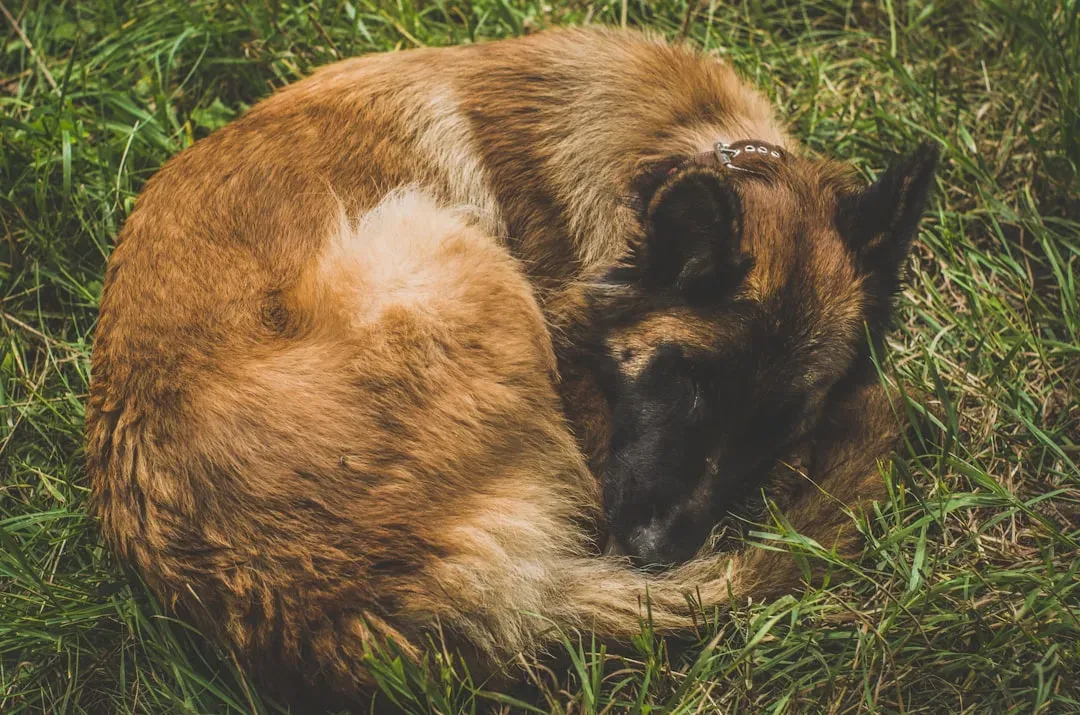
Picture a dog curled so tightly that their nose almost touches their tail. It looks like the world’s most adorable cinnamon roll. The “donut position” refers to when a dog sleeps curled up in a compact ball, with all their limbs snugly tucked close to their body. In this position, their nose might even touch their hind legs, creating a “shrimp” curl, and they may drape their tail over their body. The donut position allows dogs to safeguard their vital organs by keeping them tucked and concealed.
This position is a throwback to their wild ancestors and is all about conserving warmth and protecting vital organs. Dogs who snooze like this may be cautious, shy, or just trying to stay cozy. They likely feel safe, but prefer a little “me-time” during naps. Think of it like the dog equivalent of sleeping with the blanket pulled all the way up over your chin. Familiar, right? If your newly adopted rescue dog is constantly curling up this way, don’t worry. A dog sleeping in this position typically indicates their instinct to protect themselves during sleep or adjust to a new environment, and this behavior is prevalent among stray or recently adopted dogs.
The good news? As trust builds, many dogs naturally shift to more open, relaxed positions over time. If your dog never stretches out, they may be feeling cold or insecure, so consider whether their sleeping environment is warm enough and emotionally settled. Give them a soft, enclosed bed that mimics the security of a den, and let them open up at their own pace.
The Side Sleeper: The Happy-Go-Lucky, Emotionally Secure Dog
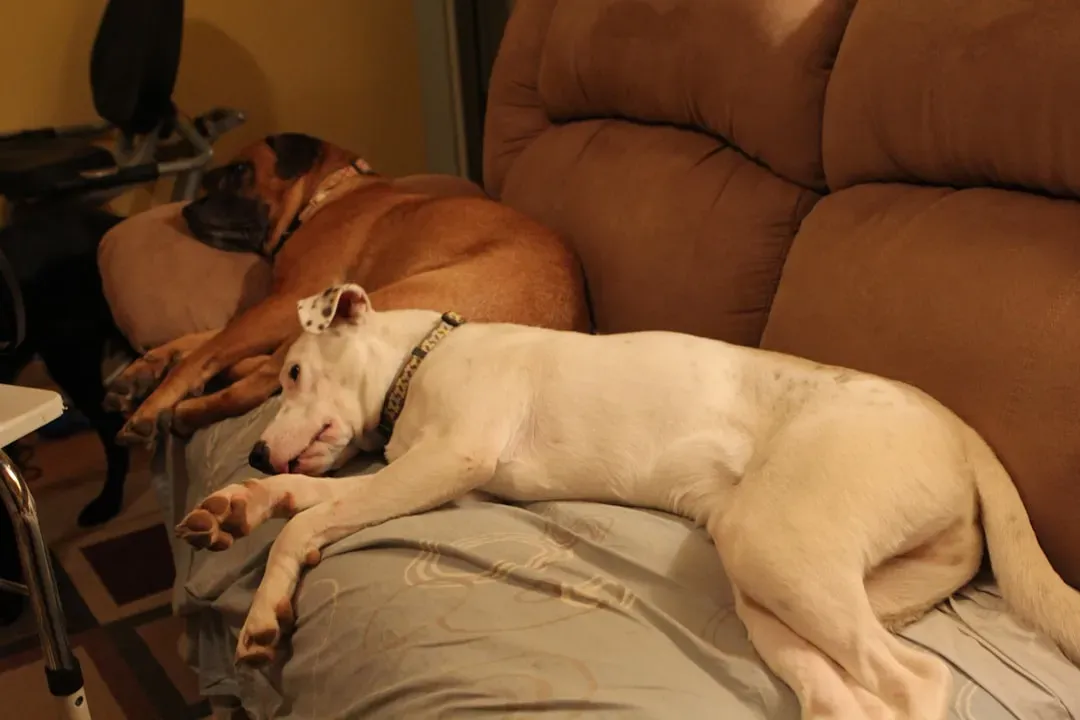
If your dog flops onto their side with their legs stretched out and their belly partially exposed, congratulations. You have a deeply content dog on your hands. A dog that sleeps on their side is feeling safe and at ease. This position allows for deep, restorative sleep because their muscles can fully relax. Dogs who sleep like this tend to be well-adjusted, affectionate, and confident in their surroundings.
Because bellies are a vulnerable part of the body, this sleeping position generally indicates a pup feels calm and content. They’re likely sleeping deeply, and you might even see dreamy paw twitches. I think those little paw twitches are honestly one of the cutest things on earth. Dogs feel comfortable with their surroundings and are at a comfortable temperature in this pose. It’s also when they’re likely to get the most deep sleep, and you’ll often notice “sleep running” and twitching during your dog’s dreams, as their paws are loose and free to move.
From a health perspective, it’s worth paying attention to which side your dog always sleeps on. If the dog always lies on the same side, it may be related to pain in the leg that stays off the ground. Also, senior dogs may choose this position because it reduces joint pressure compared to curling tightly. However, older dogs with arthritis might switch sides frequently to stay comfortable. If you notice stiffness or difficulty rising, it may be worth discussing joint health with a vet.
The Superman (Belly Flat, Legs Stretched Out): The Energizer Bunny of Dogs
Arms forward, legs back, head down. Your dog looks like they’re about to launch into flight. This is your dog taking a nap on their belly with their back legs stretched out behind them and their front legs sticking out ahead. It’s goofy, it’s endearing, and it tells you a lot.
Dogs who sleep like this are usually energetic and ready to spring into action. This position makes it easy for them to jump up and join the fun at a moment’s notice. Honestly, it’s like they can’t bear to commit to a full, deep sleep because what if something exciting happens? Young dogs collapse into sprawling or Superman-style poses due to quick bursts of activity. These positions help them release leftover energy after play. Puppies often switch between several sleep styles because their bodies and routines are still developing.
This playful pose involves a dog sprawled out on their stomach with legs stretched out like they’re flying. It’s common in puppies and highly active dogs, as it allows for cooling off and easy movement back into play mode. If your adult dog consistently sleeps this way, consider it a compliment. It means they’re fit, energetic, and absolutely ready to be your adventure companion. Take that as your cue to grab the leash.
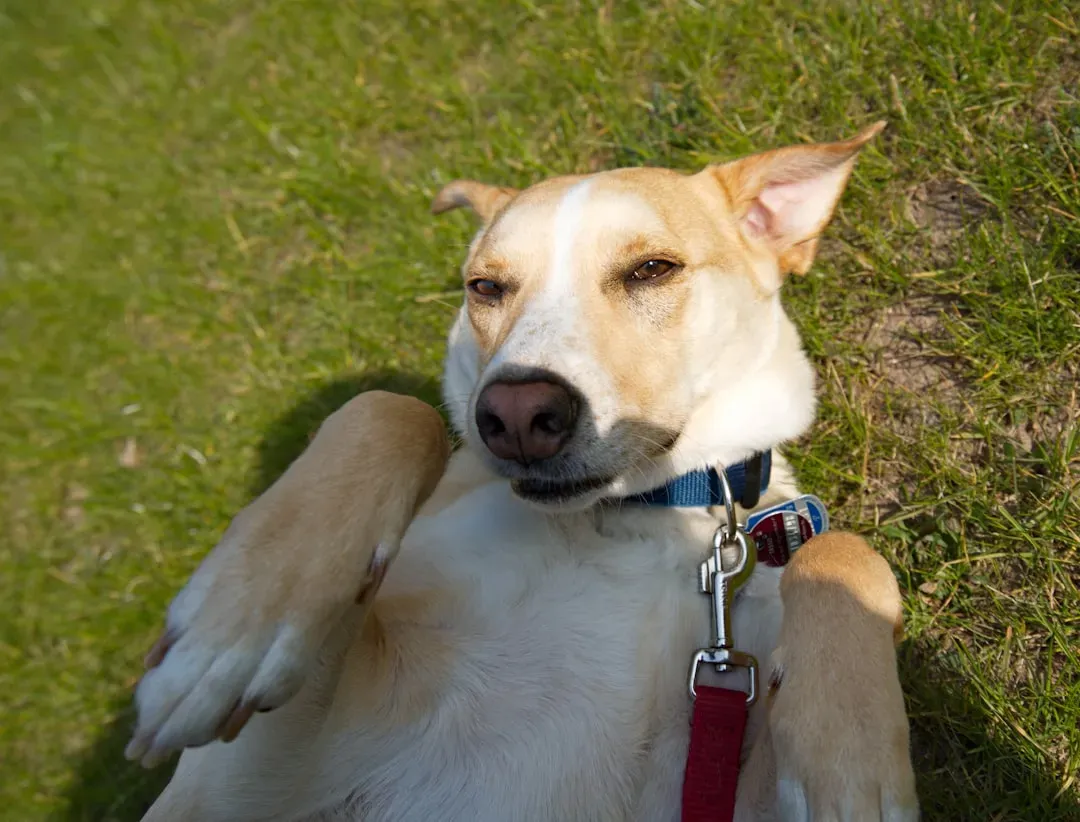
The Belly-Up (Paws in the Air): The Trusting, Carefree Free Spirit
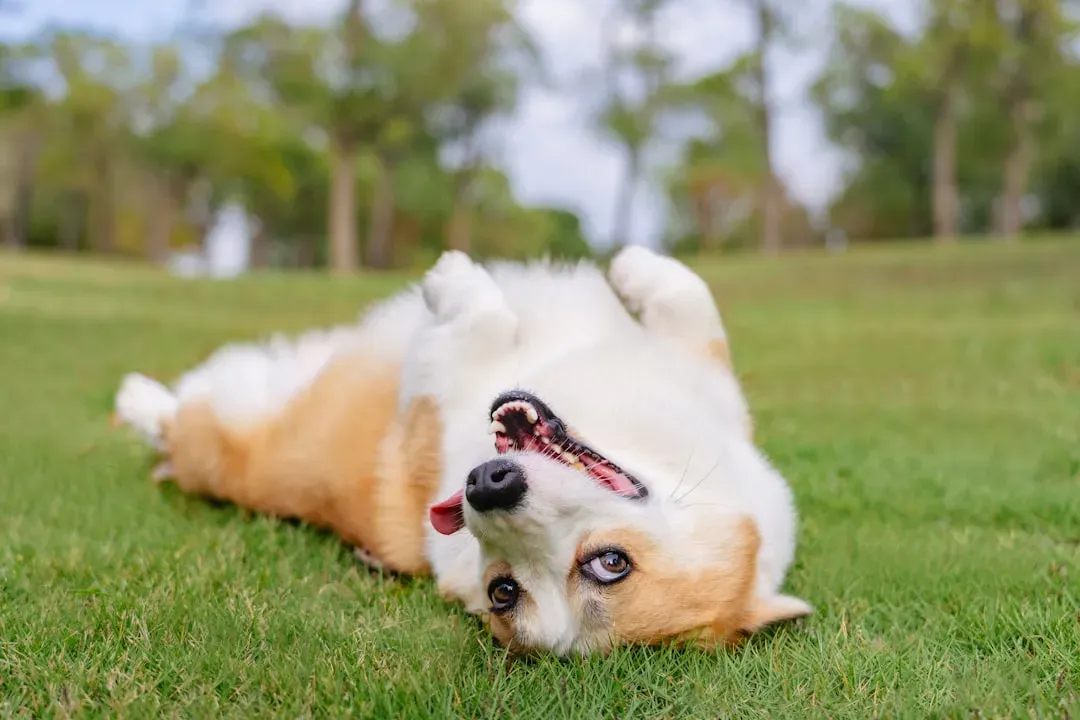
Legs splayed, belly fully exposed, looking absolutely unhinged in the most lovable way. This is the belly-up position, and it is something special. Emotionally, this is one of the strongest signs that your dog feels safe. A dog would not expose their most vulnerable area unless they felt completely secure.
A dog’s belly is their most vulnerable area, so when they expose it during sleep, it means they feel completely safe. This position also helps them cool off, as the fur on their belly is thinner and allows heat to escape. So your dog isn’t being weird, they’re actually regulating their temperature with surprising cleverness. You’ll find dogs in the belly-up pose sleeping on their backs with their bellies fully exposed and legs in the air. These dogs are playful and loving, or they’re still puppies.
One important note for older dogs: as dogs age, they may switch to another posture, such as the side sleeper, since belly-up sleeping can put pressure on the spine. So if your senior dog has recently stopped sleeping this way, it’s not necessarily cause for alarm. It may just mean their body needs a gentler position. Not all belly-up positions indicate relaxation, and if a dog flips over suddenly or appears tense, the stretch might be an attempt to relieve discomfort – something worth keeping a quiet eye on.
The Cuddler and the Burrower: The Deeply Bonded and the Security Seeker
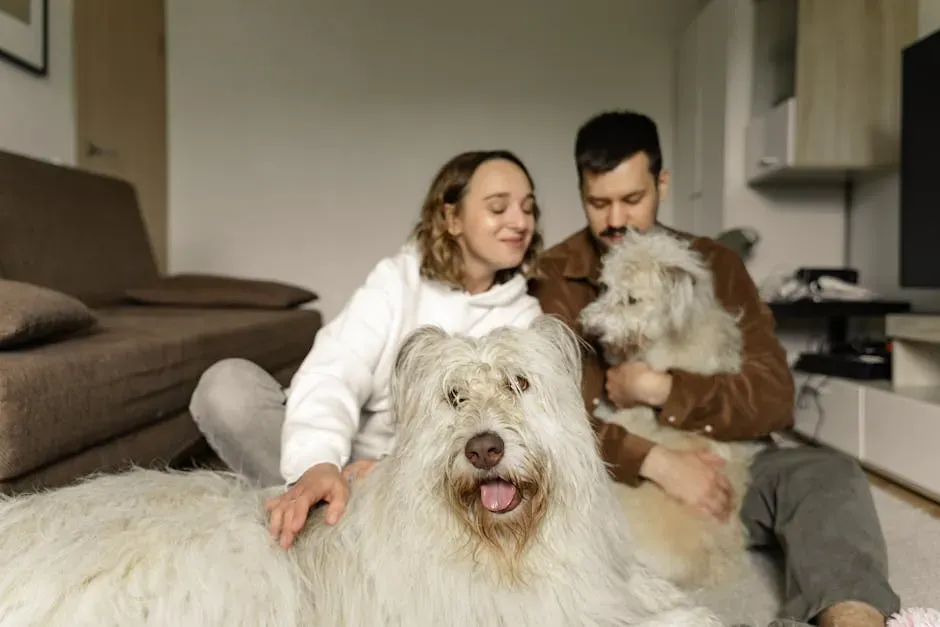
Some dogs have to be touching you to sleep. Others disappear entirely under three layers of blankets. These two positions are distinctly different in style, but both reveal something deeply emotional about your dog’s inner life.
Your dog sleeps pressed up against you, another pet, or even a stuffed toy. Dogs that love to cuddle while they sleep are seeking warmth, comfort, and security. This behavior is rooted in their pack instincts, where wild dogs would sleep huddled together for protection. It’s not clinginess – it’s love in its most primal form. Some dogs may experience a sense of safety and relaxation when snuggled up next to their owners, as it mimics the closeness they enjoyed with their littermates during their early development.
The burrower, on the other hand, is a dog who dives headfirst into cushions, blankets, or laundry piles. Dogs that burrow under blankets or cushions may be seeking warmth, comfort, or security. This position mimics the dens they would create in the wild and often indicates a dog’s need for coziness or privacy. Many dogs burrow because of strong denning instincts. Hidden spaces feel secure and insulating. If a dog chooses hiding consistently or suddenly, it could suggest nervousness or stress. Think of burrowing as your dog telling you, “I need a quiet corner.” Offering them a covered, cave-style bed can be a genuine game changer for these sensitive souls.
When Sleeping Positions Signal a Health Concern: What to Watch For
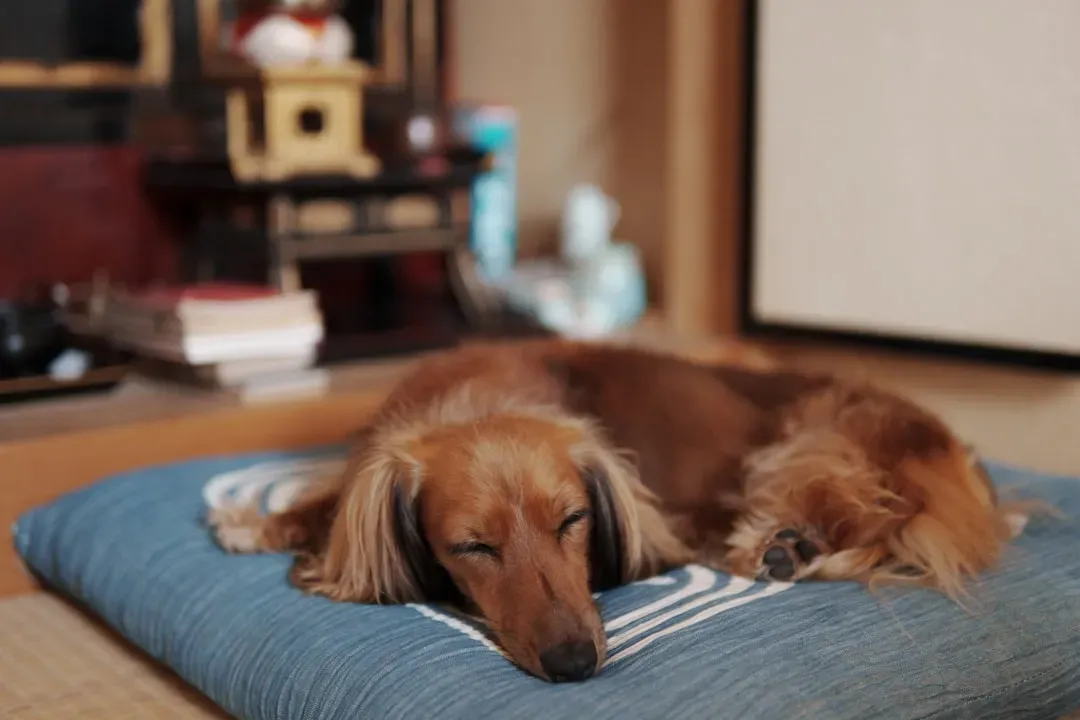
Let’s be real – most sleeping positions are just your dog being their gloriously weird self. But sometimes a shift in how they sleep is worth paying attention to. In some cases, a change in your dog’s go-to sleeping position can mean they are experiencing some soreness or trying to better control their temperature.
There are a few specific red flags every dog parent should know. Most sleeping positions are harmless, but sudden changes in how your dog sleeps could signal discomfort or a health issue. Restlessness or frequent position changes could indicate joint pain or discomfort. Sleeping with limbs stiff or tense might be a sign of muscle pain or arthritis. Sleeping curled up all the time can mean your dog is feeling cold or insecure. Excessive twitching or whining in sleep is occasionally worth mentioning to your vet.
Pay special attention to the head position. If your dog likes to sleep in a position where their head and neck are raised, it could mean that they may have issues breathing properly, something that is commonly seen with chronic heart disease and other health problems. If your dog sleeps in this position, keep an eye out for worrying symptoms such as faster breathing rate, noisy breathing, or a reduced ability to exercise. While no single position defines health or happiness, patterns over time can help pet parents better understand their dogs. The key is consistency: know what’s normal for your dog, and pay attention when that normal changes.
Conclusion: Your Dog’s Sleep Is Talking to You – Are You Listening?
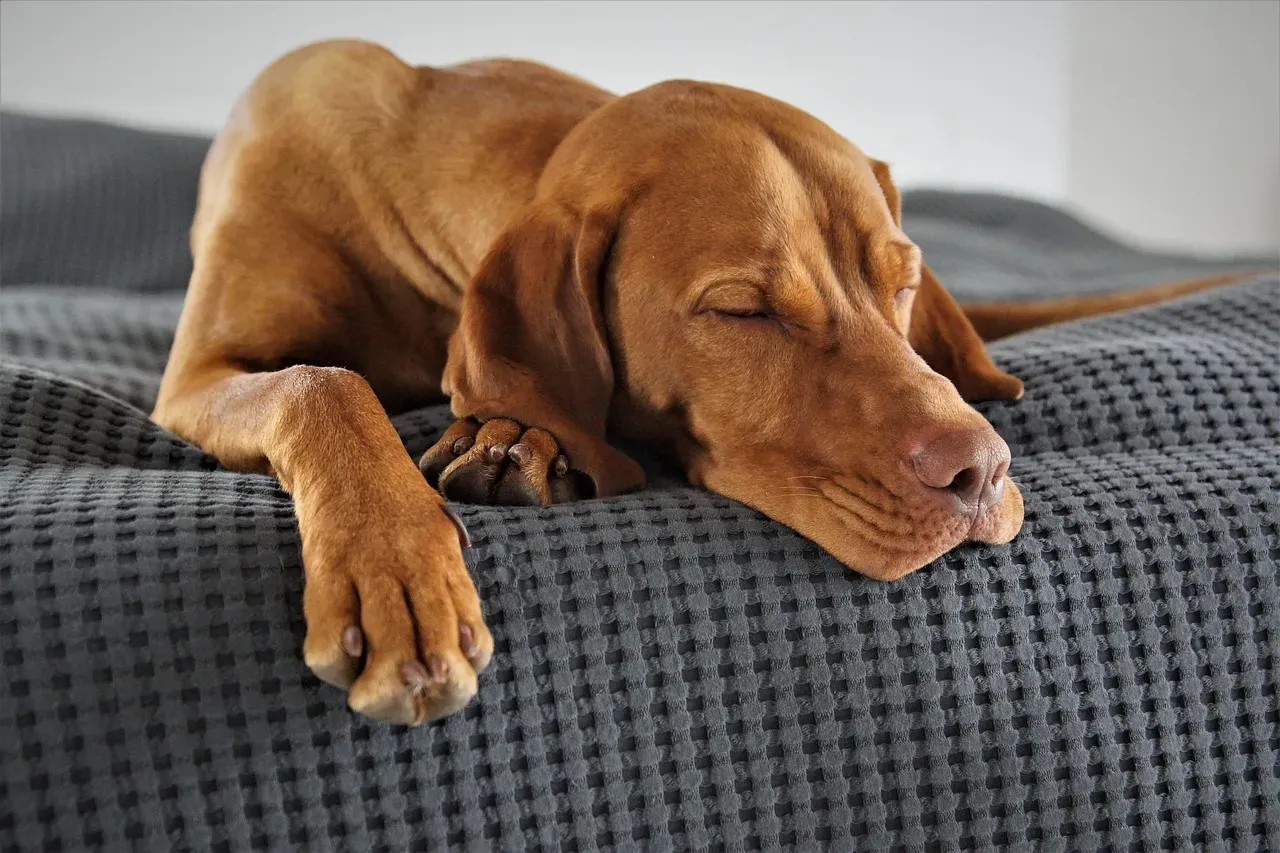
There is something quietly beautiful about the idea that your dog’s most vulnerable, unguarded moments carry so much meaning. Noticing your dog’s sleeping positions opens a window into their emotional and physical wellbeing. Every shift and stretch tells a story about how secure, relaxed, or alert they feel in your home.
From the tightly coiled donut that screams “I need a little more time to trust you” to the gloriously belly-up poser who is basically shouting “life is good,” every position is a piece of your dog’s personality puzzle. Their sleeping style is part of their personality, and understanding it deepens the bond you share. The more you observe, the better you understand. The better you understand, the better you can care.
So tonight, when your dog settles into their favorite spot, resist the urge to immediately reach for your phone. Watch them for a moment. Notice the position. Notice the calm in their breathing. Your dog’s sleeping position can genuinely provide clues about their personality, comfort level, and relationship with you. Whether it’s a belly-flopping socialite or a curled-up introvert, every position reflects their unique temperament. They’ve trusted you with their most vulnerable self. That, honestly, is everything.
What position does your dog sleep in? Does it match their personality? Tell us in the comments – we’d love to hear!


