Picture this: You’re walking through a pasture when suddenly, you spot a horse that stops you in your tracks. Its coat tells a story painted in spots, its eyes gleam with wisdom, and there’s something unmistakably different about its presence. You’ve just met an Appaloosa, one of America’s most remarkable breeds that carries centuries of heritage in every stride.
These aren’t just spotted horses – they’re living pieces of history, bearing the legacy of the Nez Perce people who shaped them into the versatile, intelligent companions we know today. Whether you’re considering adding one to your family or simply curious about these captivating creatures, understanding the Appaloosa means diving into a world where beauty meets brains, and where every horse has its own unique story written across its coat.
The Fascinating History Behind Those Spots
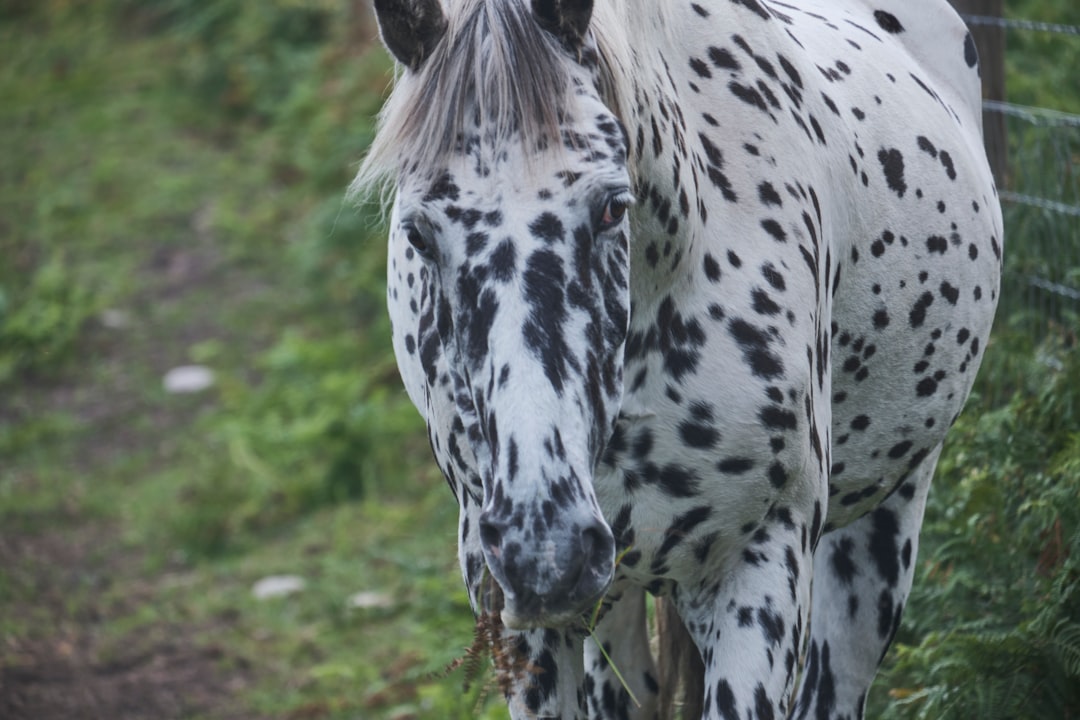
The first documented reports of horses in Oregon are in the journals of Meriwether Lewis and William Clark, who noted spotted horses similar to the Appaloosa among the Nez Perce Tribe. The Nez Perce valued the Appaloosa for its intelligent temperament, sure-footedness, endurance, and speed.
Historians believe they were the first tribe to breed selectively for specific traits – intelligence and speed – keeping the best, and trading away those that were less desirable. When white settlers came to the Northwest Palouse region, they called the spotted horses “Palouse horses” or “a Palouse horse.” Over time the name was shortened and slurred to “Appalousey” and finally “Appaloosa.”
This selective breeding wasn’t just about creating pretty horses. Their breeding programs aimed to produce intelligent, sure-footed horses with the stamina and bravery necessary for battle. However, these horses also needed a gentle disposition to carry infants in cradleboards and live alongside playing children.
During the Nez Perce War of the late 1800’s, Appaloosa horses helped the Nez Perce avoid battles and elude the U.S. Cavalry for several months. The tribe fled over 1,300 miles of rugged, punishing terrain under the guidance of the famed Chief Joseph. When they were defeated in Montana, their surviving horses were surrendered to soldiers, left behind or dispersed to settlers.
Those Unique Physical Traits You Need to Know
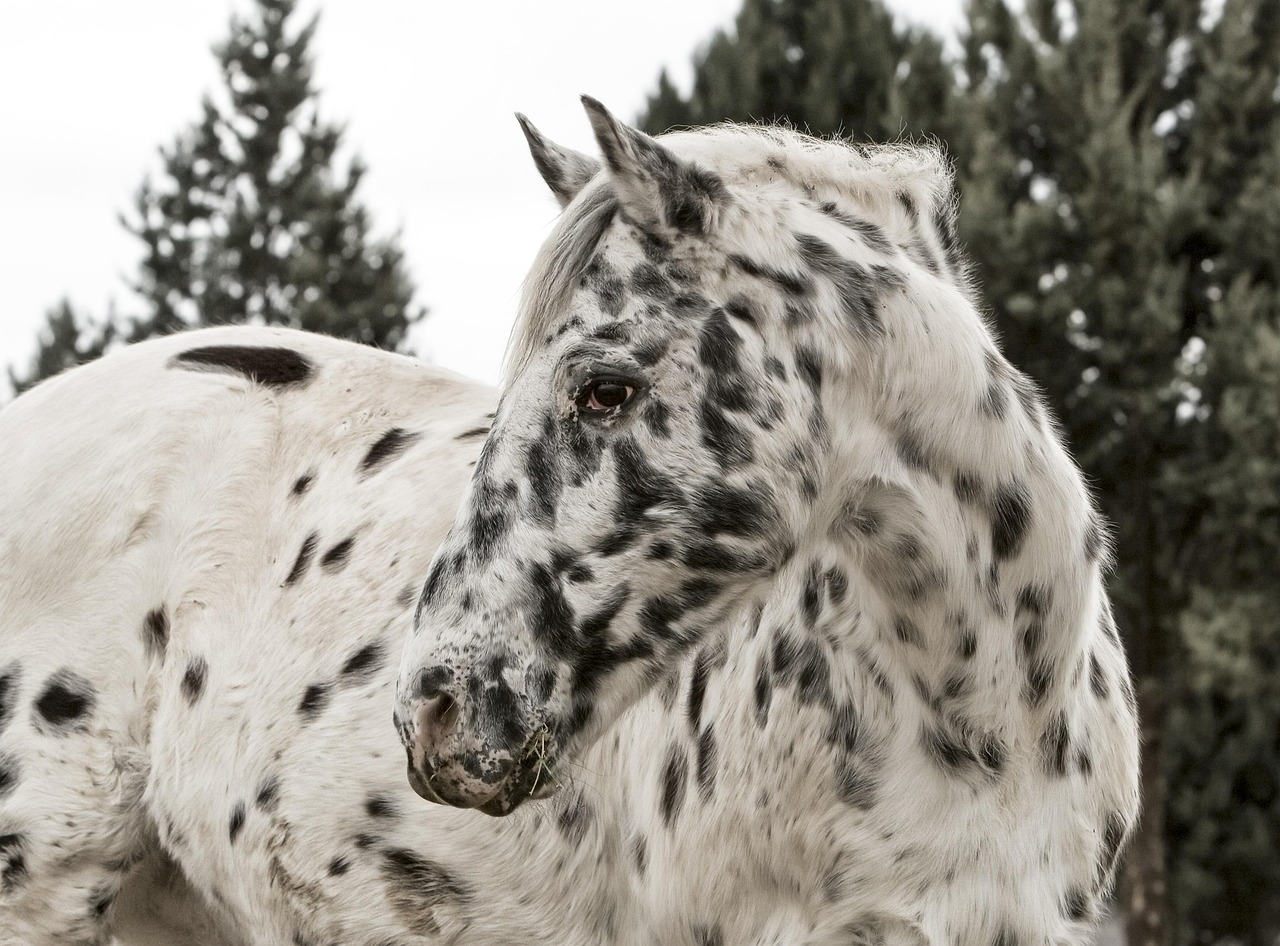
The Appaloosa is best known for its distinctive, leopard complex-spotted coat, which is preferred in the breed. Spotting occurs in several overlay patterns on one of several recognized base coat colors. There are three other distinctive, “core” characteristics: mottled skin, striped hooves, and eyes with a white sclera.
The coat patterns themselves tell fascinating stories. Snowflake: A snowflake appaloosa has a dark base color speckled with white flecks or spots. Leopard: A leopard appaloosa has a white base color with dark spots scattered throughout its body. Blanket: This variation has a dark base color and a “snowcap,” or solid white area, across the hips like a draped blanket.
Those striped hooves aren’t just for show either. Striped hooves are a common trait, quite noticeable on Appaloosas, but not unique to the breed. What makes them special is how they complement the overall package of distinctive features that help identify a true Appaloosa.
The sclera is the part of the eye surrounding the iris; although all horses show white around the eye if the eye is rolled back, to have a readily visible white sclera with the eye in a normal position is a distinctive characteristic seen more often in Appaloosas than in other breeds.
The Complex Personality That Will Surprise You
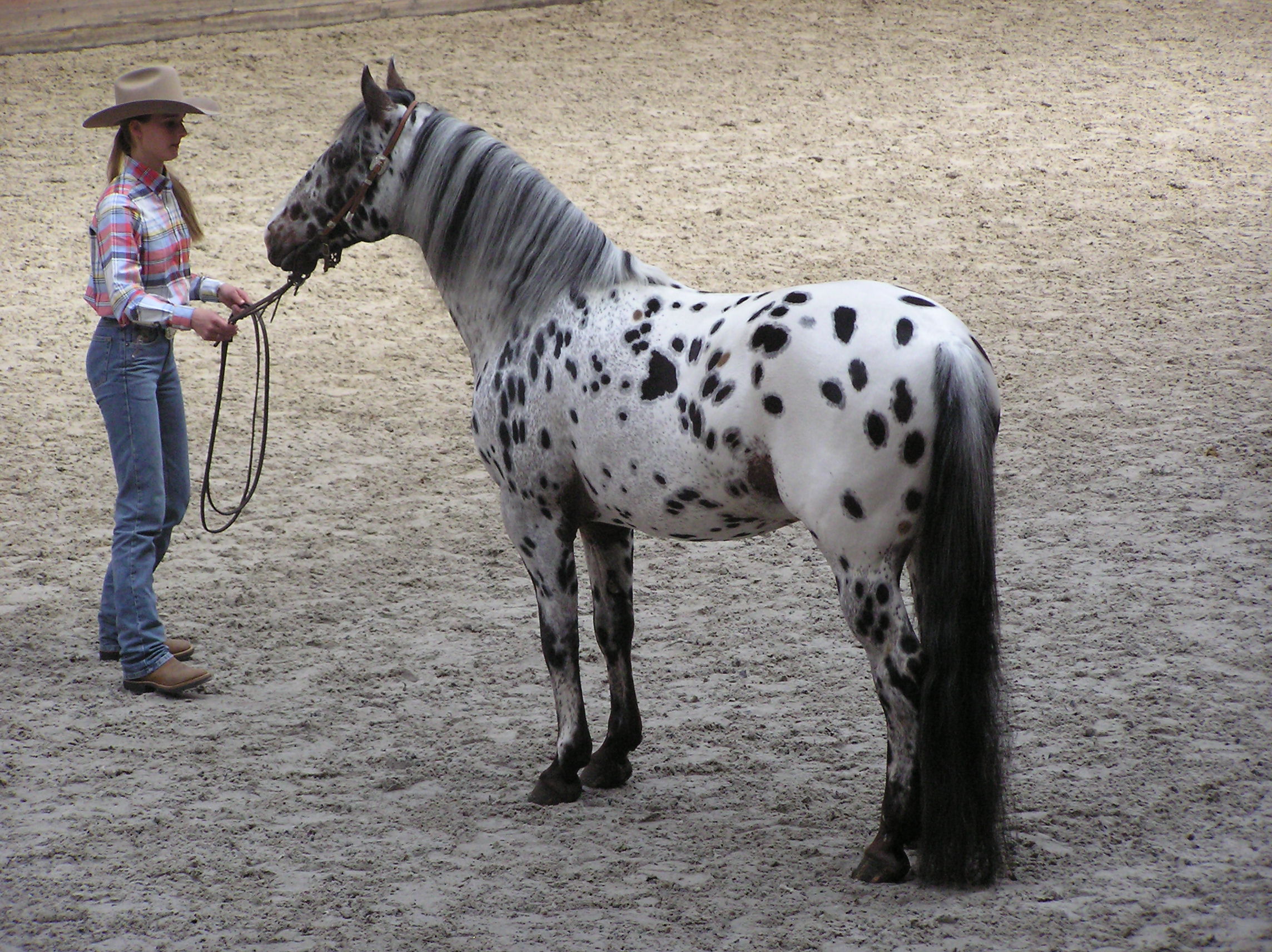
This breed is often characterized by a natural inquisitiveness, which translates into a remarkable capacity for learning and a responsive nature when it comes to training. Such cognitive abilities render them relatively easy to manage, a quality highly regarded by novice and experienced riders.
However, don’t mistake their intelligence for simple compliance. Although the Appaloosa is generally recognized for its even temperament and gentle nature, there are moments when this breed can display stubborn tendencies. Such behavior usually emerges when the horse feels threatened or misunderstood, highlighting the importance of proper communication and training. Establishing trust between the horse and its handler is crucial in mitigating these stubborn tendencies.
But one thing that has always been common among them is that they’re distinct. Each and every appaloosa I’ve ever met has had memorable quirks and unique personalities. I have never met a boring appaloosa.
Their social nature makes them wonderful family horses. Aside from their intelligence and adaptability, Appaloosas are praised for their sociable nature. This breed is known to establish strong, lasting bonds not only with humans but also with other horses. This social temperament makes them particularly suitable for family environments where interaction is frequent, and companionship is sought.
Health Considerations Every Owner Must Understand
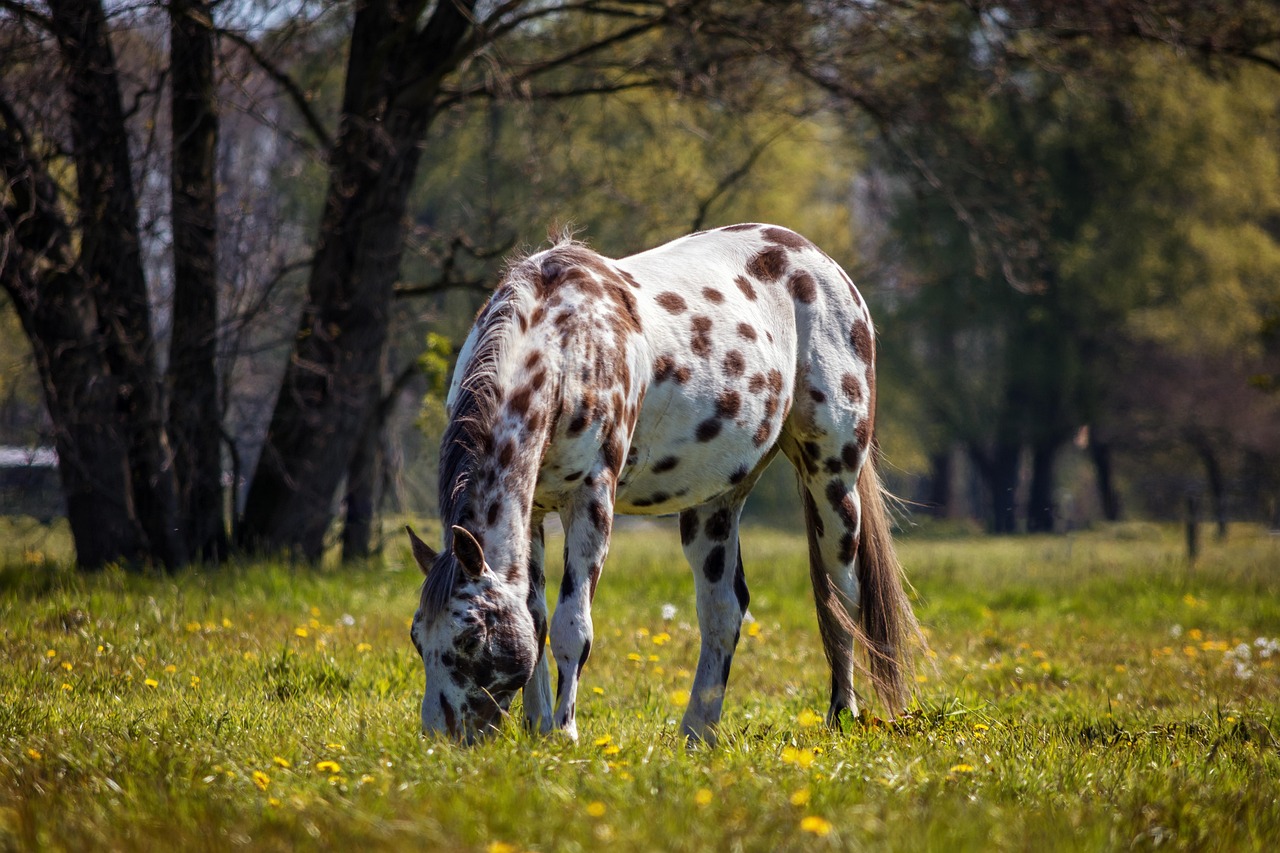
While Appaloosas are generally hardy horses, their unique genetics come with specific health considerations that responsible owners need to understand. Appaloosas are prone to develop equine recurrent uveitis and congenital stationary night blindness; the latter has been linked to the leopard complex.
Compared to other horse breeds, the Appaloosa has an eight-fold greater risk of developing Equine Recurrent Uveitis (ERU). This eye condition requires immediate veterinary attention during flare-ups. The veterinarian should be contacted immediately as soon as any symptoms of an acute attack appears again, even if symptoms are mild, because quick treatment of each new attack is important to prevent long-term damage to the eye.
Also known as CSNB, congenital stationary night blindness makes it hard for a horse to see in no-light or low-light conditions, such as during the night, dawn, and dusk. It only lessens a horse’s night vision; they are able to see normally during the day. The good news is that the condition will not get progressively worse over time.
Sun sensitivity is another concern, particularly for lighter-colored individuals. Light-colored Appaloosas can be easily sunburned and may need ointment applied to their pink areas (ears, muzzle, around the eyes) for protection.
Training Your Appaloosa: What Works Best
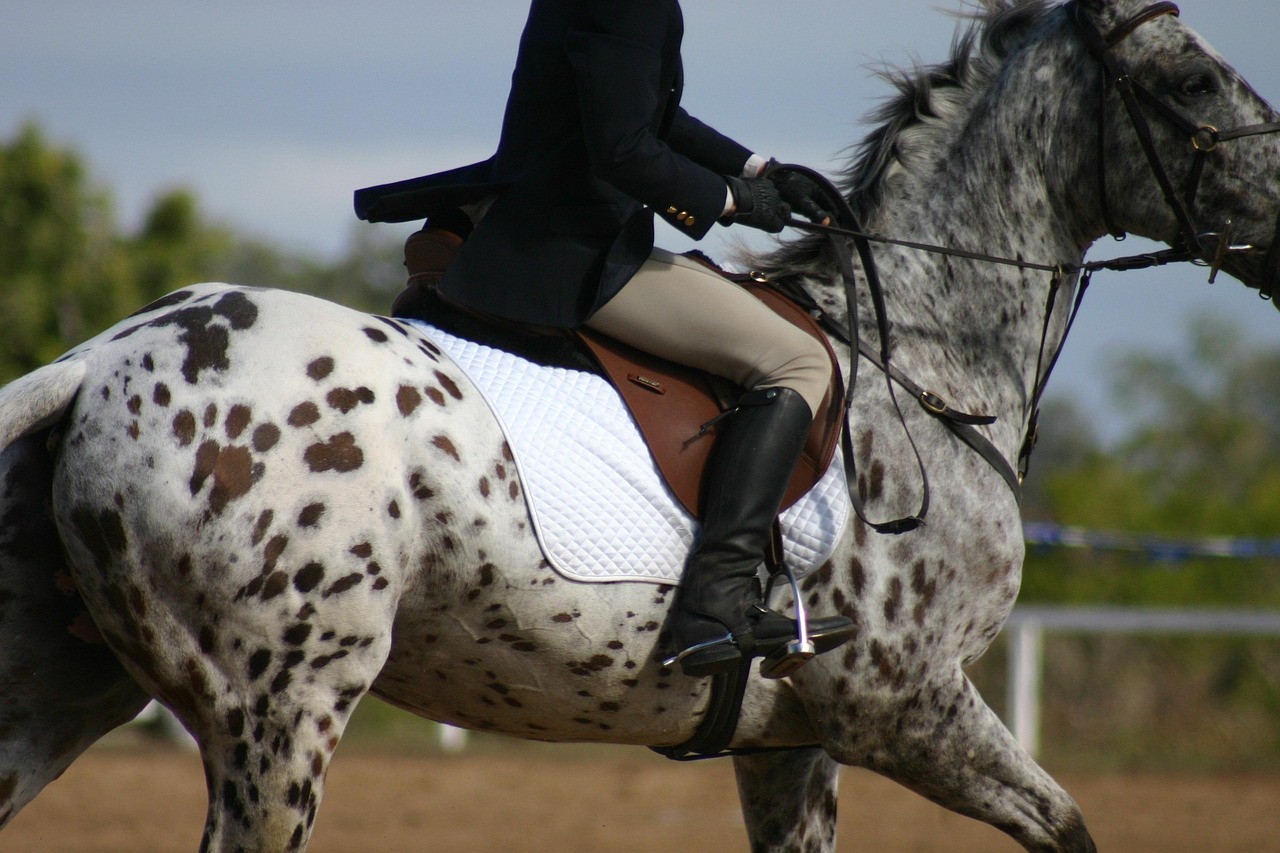
Appaloosas are generally gentle and obedient, as well as eager to work and please their owners. They’re also trustworthy horses that can be easy to work with. Their intelligence makes them quick learners, but it also means they need engaging, consistent training approaches.
Appaloosas are quick learners and are capable of mastering new tasks swiftly. This makes them ideal for various equestrian disciplines, where they can apply their cognitive prowess. Moreover, their curiosity ensures that they remain engaged and interested in activities, which is a vital trait for horses involved in routines or structured training programs.
However, their independent streak means training requires patience and understanding. The temperament of an Appaloosa can depend on their relationship with their rider. If an Appaloosa senses their rider is inexperienced or unkind, their independent nature will take over and they will be willful and hard to govern. But if you pair an Appaloosa with an experienced rider, they will be respectful and sociable!
Positive reinforcement works particularly well with this breed. Many owners find that food rewards are especially effective, as Appaloosas tend to be more food-motivated than average horses.
Versatility in Action: What These Horses Excel At
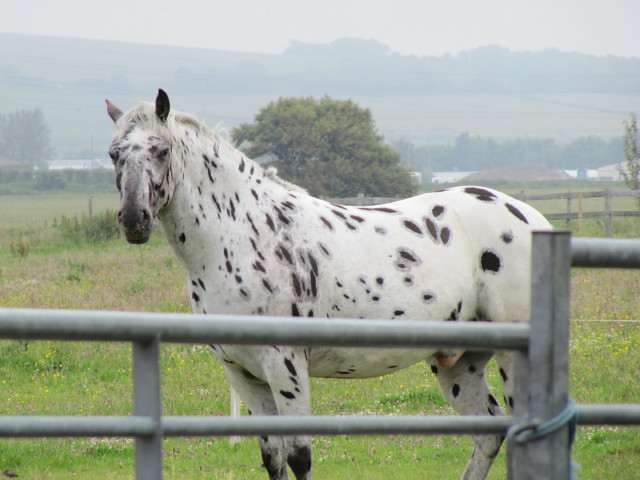
Appaloosas are found in nearly every discipline. Setting speed records on the race track, excelling at advanced levels of dressage, jumping, games, reining, roping, pleasure, endurance and as gentle family horses – any of these roles can be filled by the versatile Appaloosa.
In Western disciplines, they truly shine. Appaloosas are chiefly used for English riding and Western riding. They are highly suited for many Western disciplines, such as cutting, reining, roping, barrel racing and pole bending. Their athletic ability combined with their willing nature makes them natural competitors.
When it comes to horse racing, appaloosas chiefly shine at middle-distances, typically between 350 yards and 0.5 miles. Appaloosas have reportedly set competitive racing records at various distances, with some sources claiming records at 4.5 furlongs (approximately 990 yards).
Their gentle temperament also makes them excellent therapy horses and family companions. Yes, Appaloosa horses are friendly, patient, easygoing, and gentle. They are also trustworthy and can do well as therapy horses. The Appaloosa is a good breed choice for beginner horse riders and owners.
Daily Care Requirements That Matter
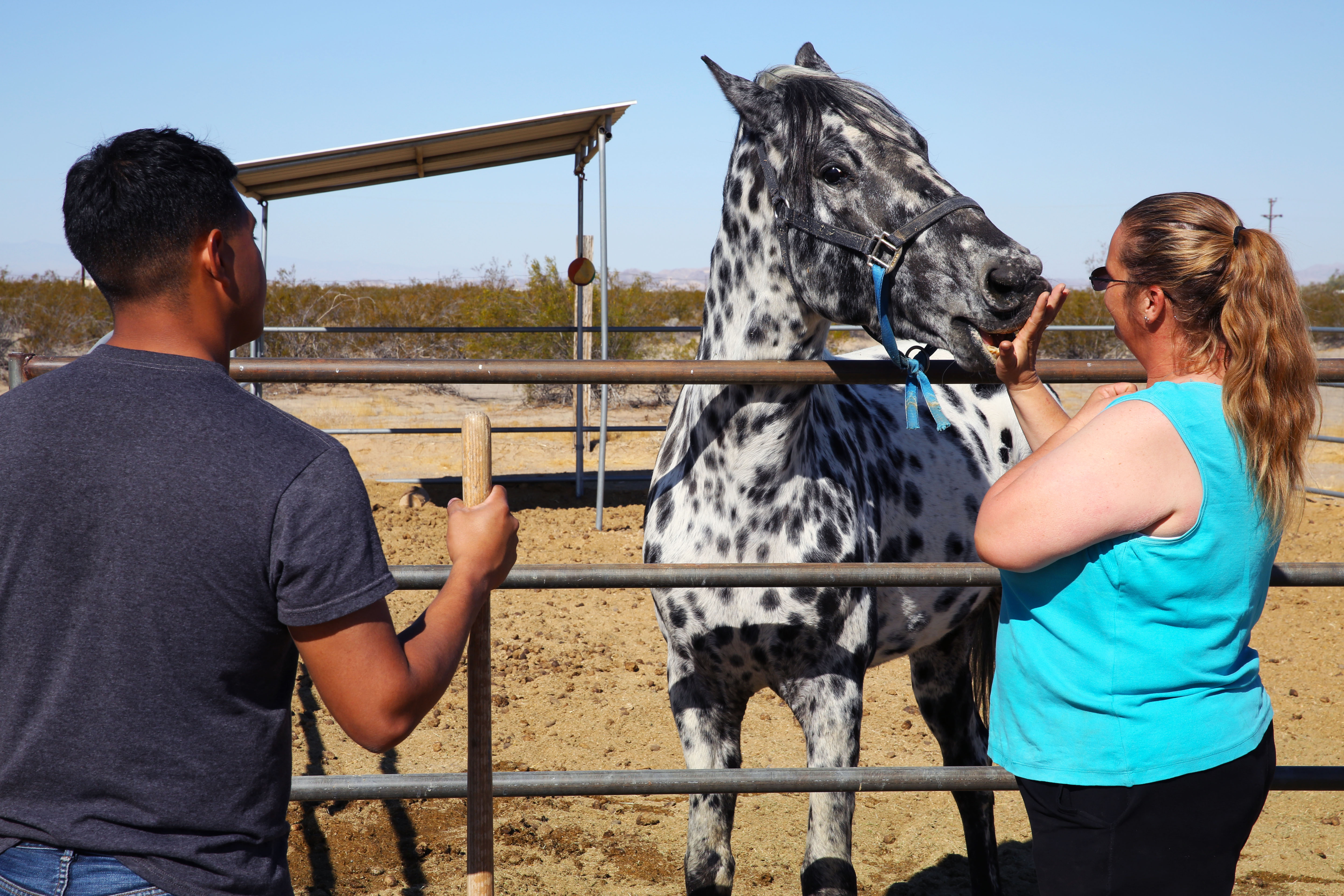
Caring for an Appaloosa involves understanding their specific needs, particularly regarding sun protection and eye care. Constant access to shelter that provides shade allows Appaloosas with pink skin to escape from the sun. Consider turning out at night or using fly masks and sheets with UV protection if your Appaloosa struggles with photosensitivity.
Appaloosas with night blindness should not be turned out unsupervised overnight. Instead, owners should keep these horses in a safe, familiar, and well-lit location at night to decrease the risk of injury.
Regular grooming is essential, and their unique coat patterns require special attention. Remember that certain Appaloosas are more susceptible to sunburn, so in addition to using a standard horse grooming kit to care for their skin and coat, apply a safe sunscreen designed for horses or fly mask with UV protection whenever they’ll be out in the sun. Light-colored Appaloosas may need to be groomed more often to keep their coat nice and clean.
Maintaining an Appaloosa’s health requires commitment to routine veterinary care. This includes regular check-ups, vaccinations, and preventive health practices like deworming and dental assessments.
Choosing the Right Appaloosa for Your Situation
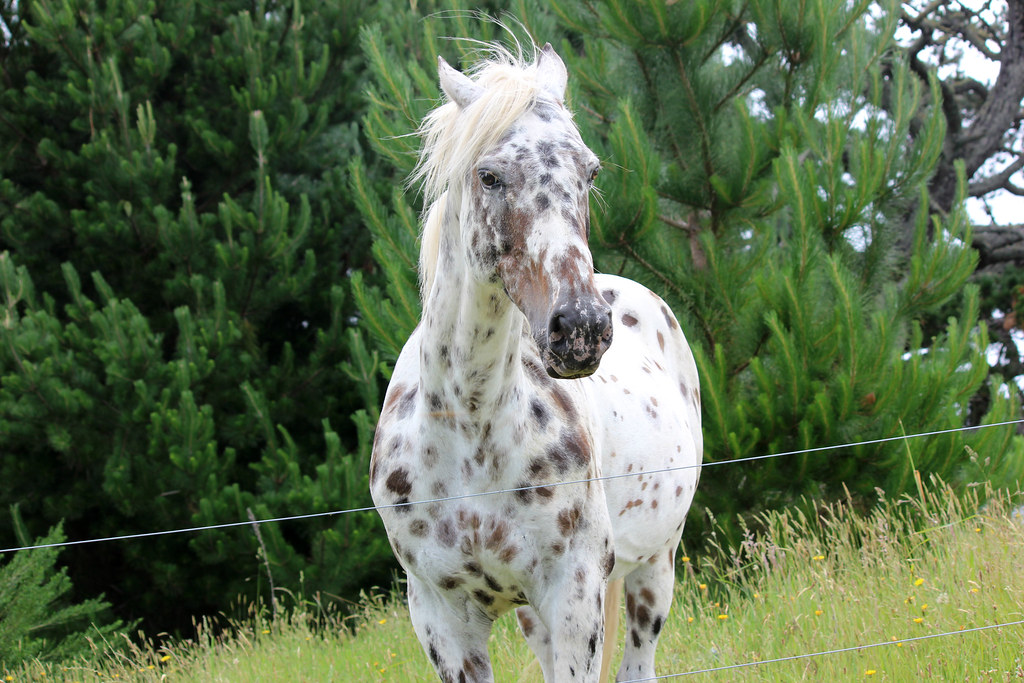
Not all Appaloosas are the same, thanks to their diverse genetic background. But like all horses, individual personalities vary depending on breeding and handling. For example, Appaloosas with Thoroughbred blood may have more energy and sensitivity than those with Quarter horse bloodlines.
Whether or not an Appaloosa is right for you is entirely dependant on their personality. Appaloosas can range from docile and playful to high-strung and constantly challenging their owners. However, it is worth noting that this breed is not often forgiving for beginning riders, so that should be taken into consideration before purchasing a horse of this breed.
When looking for an Appaloosa, spend time getting to know the individual horse. When purchasing an Appaloosa, you want to spend as much time as you can with the horse before you buy it. This will give you a sense of its temperament and personality.
Price ranges can vary significantly, typically falling between one thousand and ten thousand dollars, depending on training, age, and pedigree. Always inquire about health testing, particularly for HYPP, ERU, and CSNB if the bloodlines suggest potential risk.
Conclusion
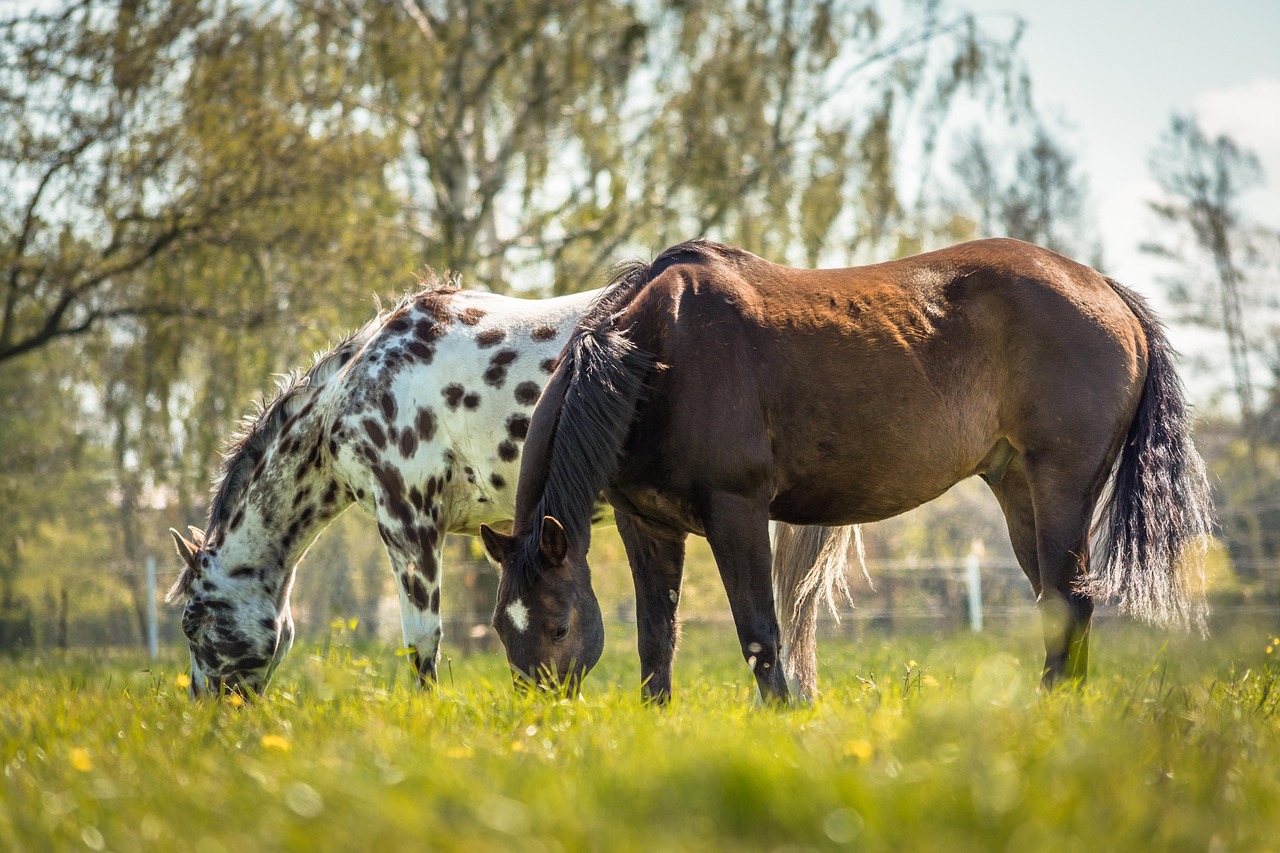
The Appaloosa represents far more than just a pretty spotted horse. These remarkable animals carry within them centuries of careful breeding, combining the practical needs of the Nez Perce with the desires of modern equestrians. Their intelligence, versatility, and distinctive beauty make them truly special companions for those willing to understand and work with their unique traits.
Yes, they require informed care, particularly regarding their health predispositions and sun sensitivity. Their independent nature means they need experienced, patient handling. However, for those who invest the time to build a relationship with an Appaloosa, the rewards are immeasurable.
These horses don’t just perform tasks – they form partnerships. They don’t just carry riders – they engage minds and touch hearts. In a world of countless horse breeds, the Appaloosa stands apart as a living testament to the power of selective breeding combined with respect for the horse’s individual spirit.
What’s your experience been with these spotted wonders? Have you found their personalities as captivating as their coats?