
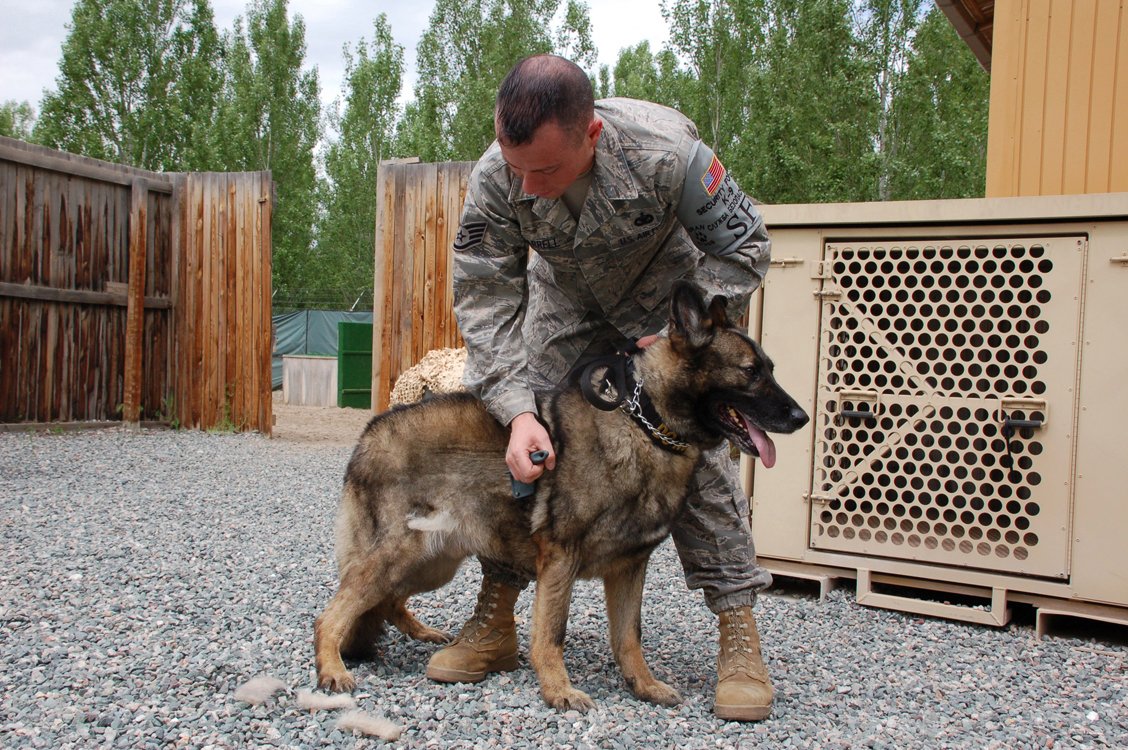
Thinking about bringing a German Shepherd into your life? Buckle up—this journey is as thrilling as it is heartwarming. German Shepherds are not just dogs. They’re loyal shadows, fierce protectors, and sometimes, the gentle clowns of the canine world. If you’re picturing a perfect companion who’ll fetch your slippers and nap at your feet, you’re on the right track—just add a healthy dose of energy, intelligence, and a dash of delightful chaos. Let’s dive into what first-time German Shepherd owners can really expect, so you can love and care for your new friend with confidence and joy.
Unmatched Loyalty and Bonding
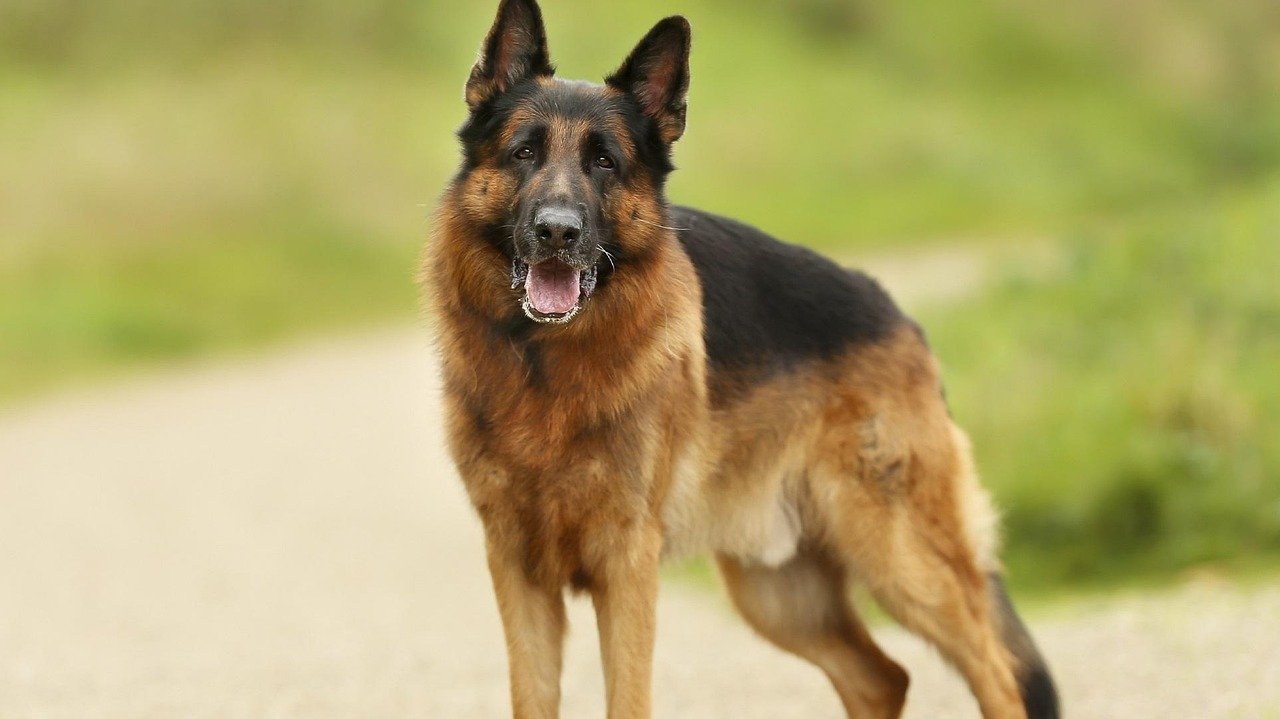
German Shepherds are famous for their undying loyalty. Once they settle in, they often form an unbreakable bond with their families, following you from room to room and always watching out for your safety. This connection is rewarding but can also mean your dog may struggle with being left alone for long stretches.
Expect your Shepherd to want to be involved in nearly everything you do. Whether you’re cooking, gardening, or just watching TV, they’ll want to be part of the action. This close bond can be soothing but also means your pup might develop separation anxiety if not taught to be comfortable on their own.
High Energy Levels and Exercise Needs

German Shepherds are like furry tornadoes when it comes to energy. Daily walks aren’t enough—they crave playtime, mental stimulation, and opportunities to run or chase. Without enough activity, you may notice unwanted behaviors like chewing, barking, or digging.
A tired Shepherd is a happy Shepherd. Think fetch in the yard, agility exercises, or even dog sports. Be ready to commit to an active lifestyle, because a bored German Shepherd can be quite the mischievous troublemaker.
Intelligence That Can Surprise You

Few breeds are as quick-witted as the German Shepherd. They pick up commands rapidly and love to solve problems, which makes training both fun and essential. Left unstimulated, though, their brains will invent their own “games”—like opening doors or finding ways to sneak treats.
It’s important to keep your Shepherd’s mind busy. Puzzle toys, obedience classes, and learning new tricks will help channel their smarts in positive ways. They’ll often surprise you with how fast they learn routines or understand your moods.
Socialization Is Key
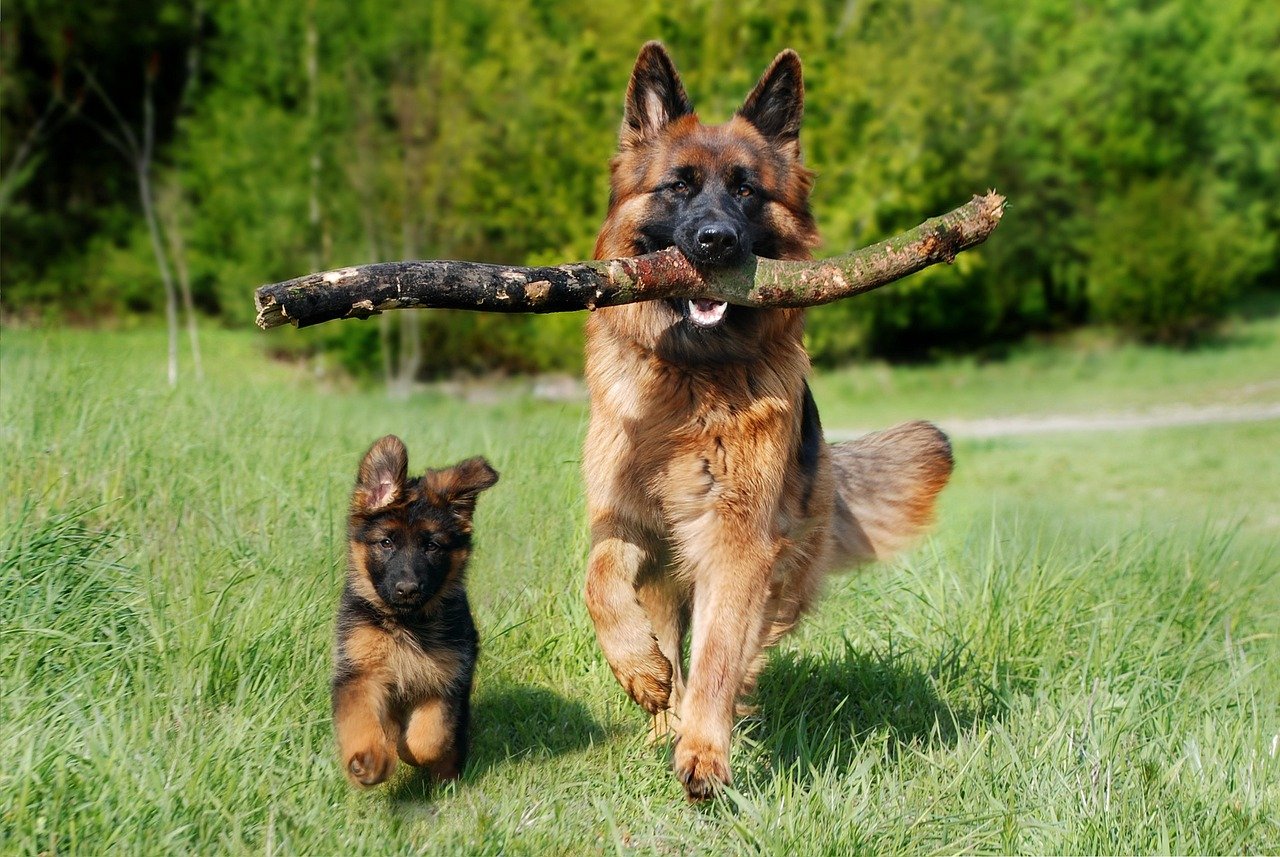
Early and ongoing socialization is crucial for German Shepherds. Their natural instinct to protect can make them wary of strangers or new experiences if not properly introduced. Exposing your pup to different people, noises, and places helps them grow into confident, well-adjusted adults.
Real-life example: a German Shepherd who meets new dogs and people frequently tends to be more relaxed at the park or during walks. Skipping socialization can lead to fearfulness or even aggression, so make new experiences a part of your routine.
Shedding and Grooming Realities
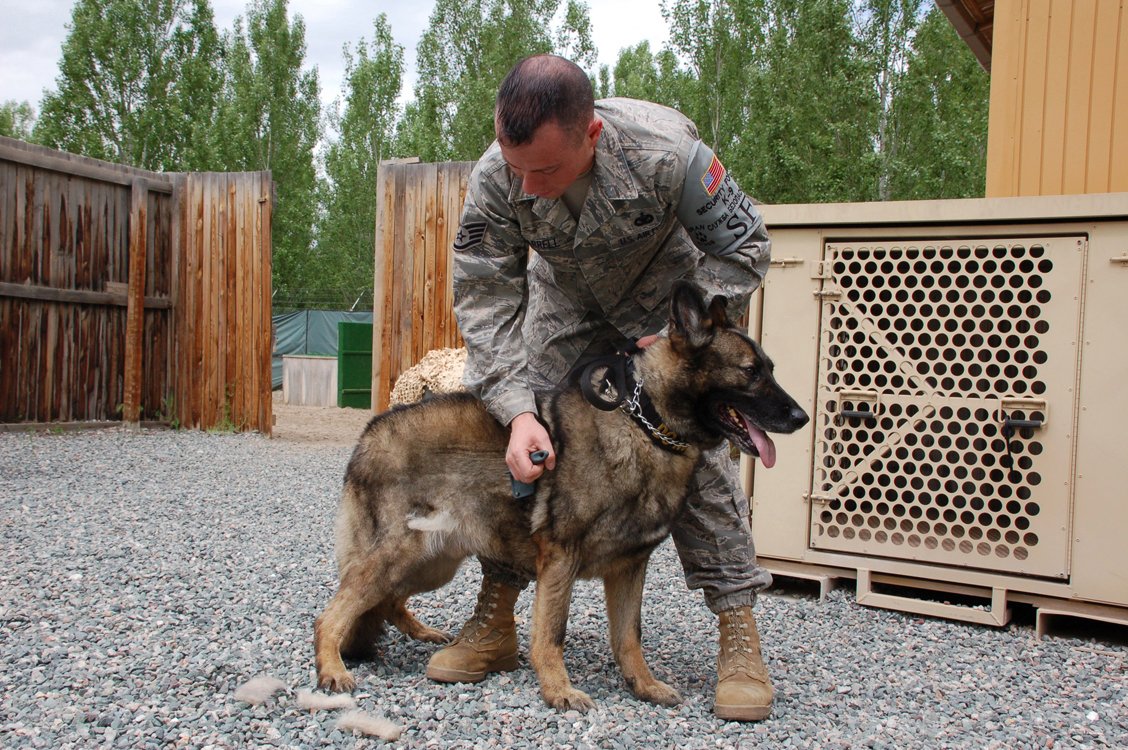
Prepare for fur—lots of it! German Shepherds shed year-round, with especially heavy “blowouts” in spring and fall. Their thick double coat needs regular brushing to keep mats at bay and minimize shedding around the house.
Weekly brushing is a must, and during shedding season, daily combing will save your sanity (and your vacuum cleaner). Bathing can be done every couple of months unless they find a mud puddle first! Keep an eye on their ears and nails, too.
Understanding Health and Prevention
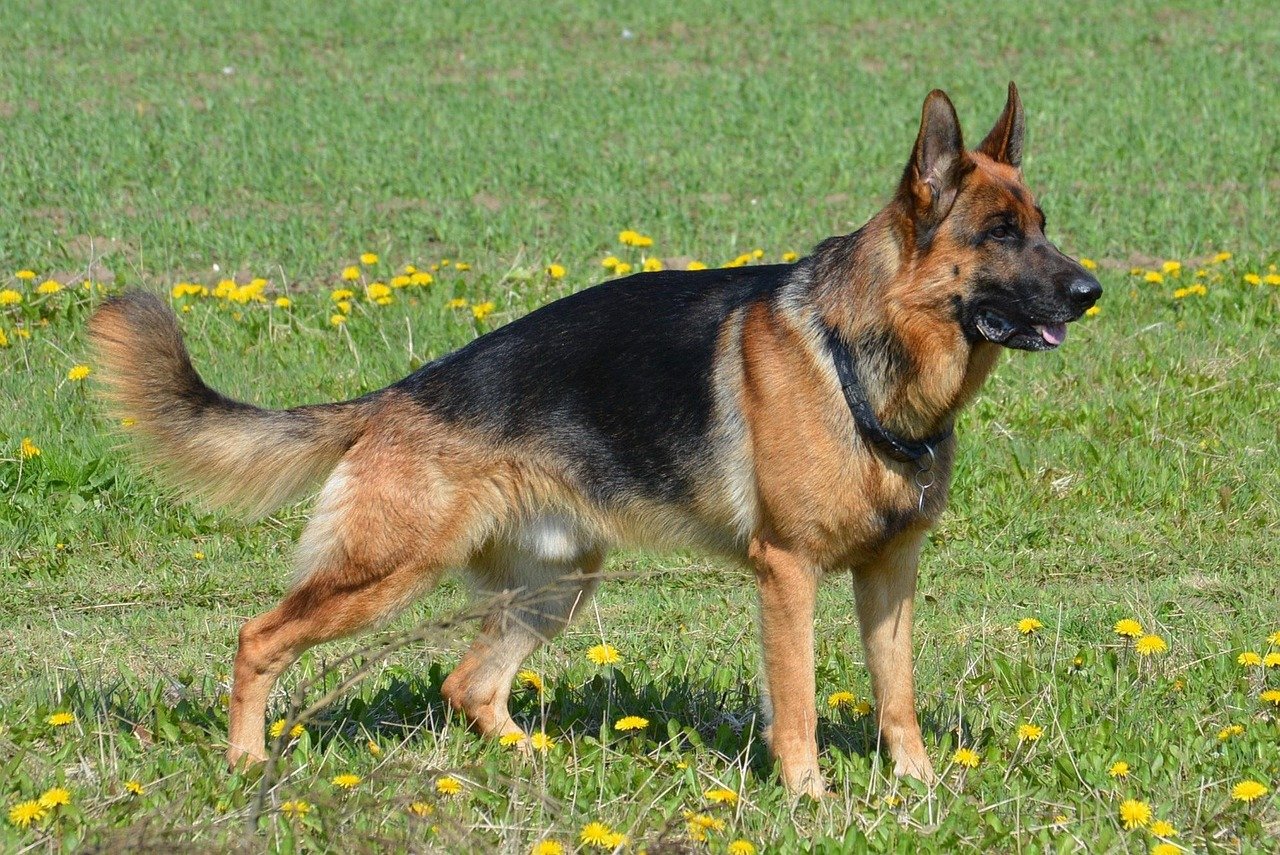
German Shepherds are generally sturdy, but they’re prone to some health issues like hip dysplasia, allergies, and digestive sensitivities. Watch for limping, frequent scratching, or changes in appetite—these can be signs something’s off.
Preventive care is essential. Regular vet check-ups, a balanced diet, and joint supplements can go a long way. Early detection of health problems is key, so don’t ignore subtle changes in behavior or activity levels.
Communication and Body Language

German Shepherds are expressive, using their ears, tails, and eyes to communicate. A relaxed Shepherd might have a gently wagging tail and soft eyes, while a tense one may hold their ears high and tail stiff. Learning these cues builds trust and helps you respond to their needs.
If your Shepherd whines, paces, or yawns excessively, it could mean stress or boredom. Responding to these signals—whether with reassurance, play, or a quiet space—strengthens your bond and prevents problems before they start.
Training and Consistency Matter
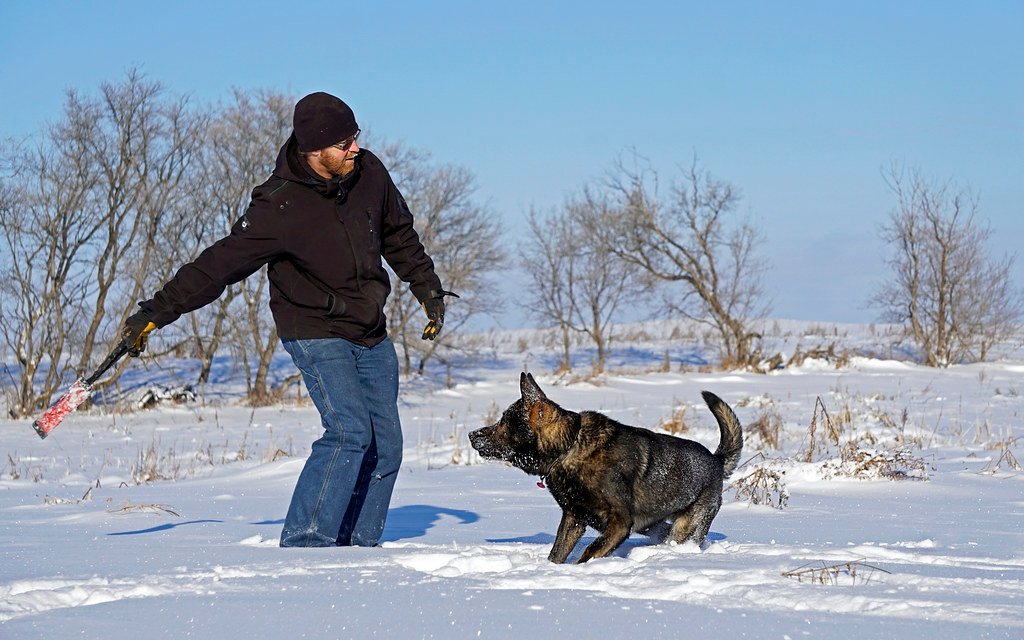
Consistency is everything with German Shepherds. They thrive on routine and clear expectations. Set boundaries early—like not jumping on guests or chewing shoes—and stick to them. Gentle, positive reinforcement works wonders with this breed.
Real-world tip: use short, upbeat training sessions, and always end on a win. Celebrate progress, even if it’s small. Remember, your Shepherd wants to please you, and clear, patient guidance sets them up for success every day.


