
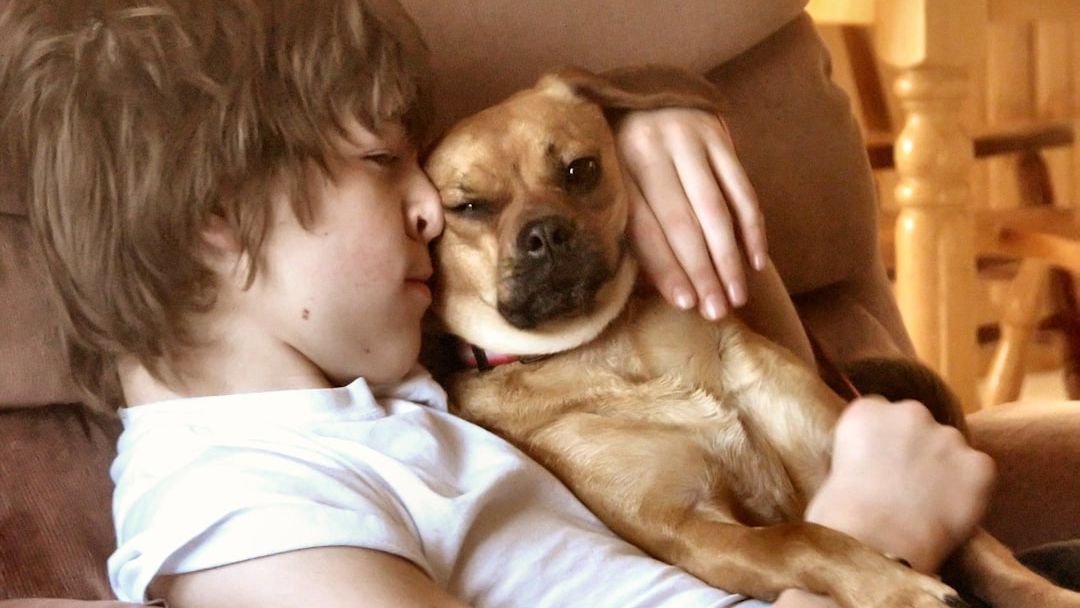
Picture this: you grab your keys, slip on your shoes, and give your pup one last look before heading out the door. Those soft, soulful eyes follow your every move. The tail slows. The ears drop slightly. You leave. The door clicks shut. And somewhere on the other side, your dog begins to wait.
What happens next, inside that furry head, is something that has fascinated dog lovers, scientists, and canine behaviorists for decades. Honestly, it is one of the most tender and quietly heartbreaking questions a dog owner can ask. The good news? Science is finally catching up to what our guts have told us all along: that wait is not empty. It is loaded with emotion, memory, and love. Let’s dive in.
Your Dog’s Brain Is Actually Doing a Lot Right Now
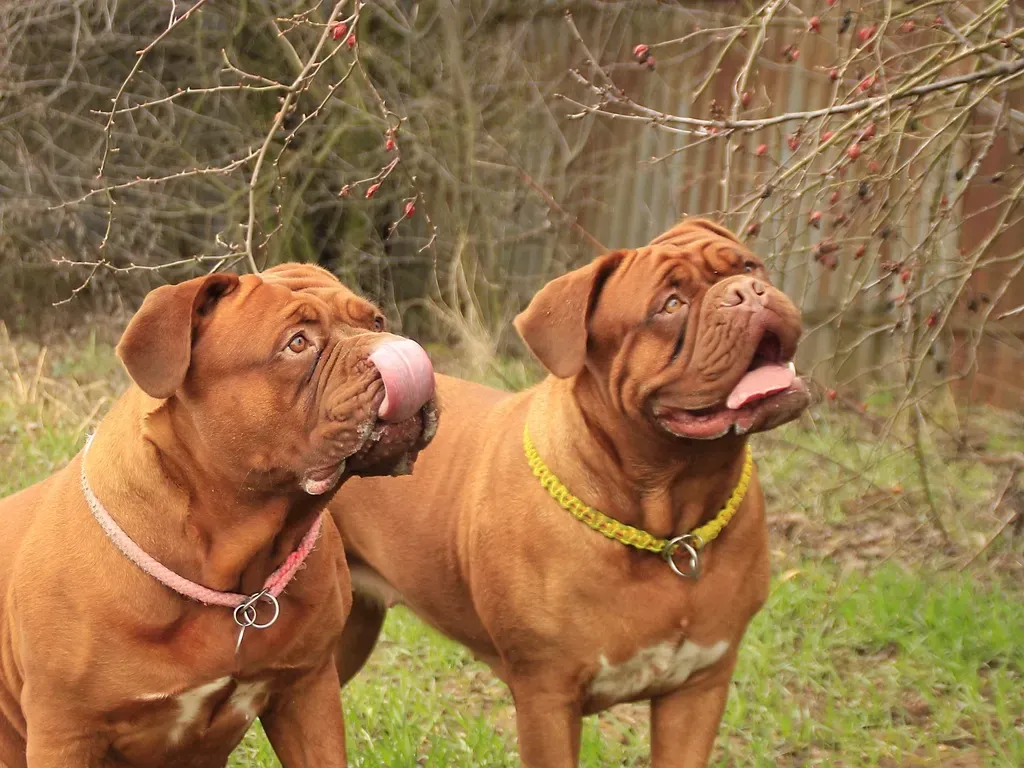
Most people assume that once the door closes, their dog simply zones out on the couch. Let’s be real, that image is comforting but only partly true. Modern research, using fMRI scanning studies, has revealed images of fully awake dogs responding to signals in the reward center of their brains, just like humans do. These are not passive, blank animals waiting for you to return. They are processing, feeling, and anticipating.
Research shows dogs have emotional responses, preferences, and even anticipation. Think of your dog’s brain like a pilot on standby, engines humming quietly, every sensor alert and ready for the moment the runway clears. Most of their thoughts center on things experienced in daily routine, such as meal timings, walks, waiting for their human companions, and the source of various scents they come across.
Inside a dog’s furry head, millions of neurons are firing away, passing chemicals to one another and generating thoughts. We may guess at what our canine pals are thinking about: food, a walk, their loving owners. Yet for all the time humans spend with dogs, their thoughts largely elude us because dogs simply cannot speak their minds in any language we know. That mystery is part of what makes understanding them so deeply rewarding.
The Emotional Reality of Being Left Behind
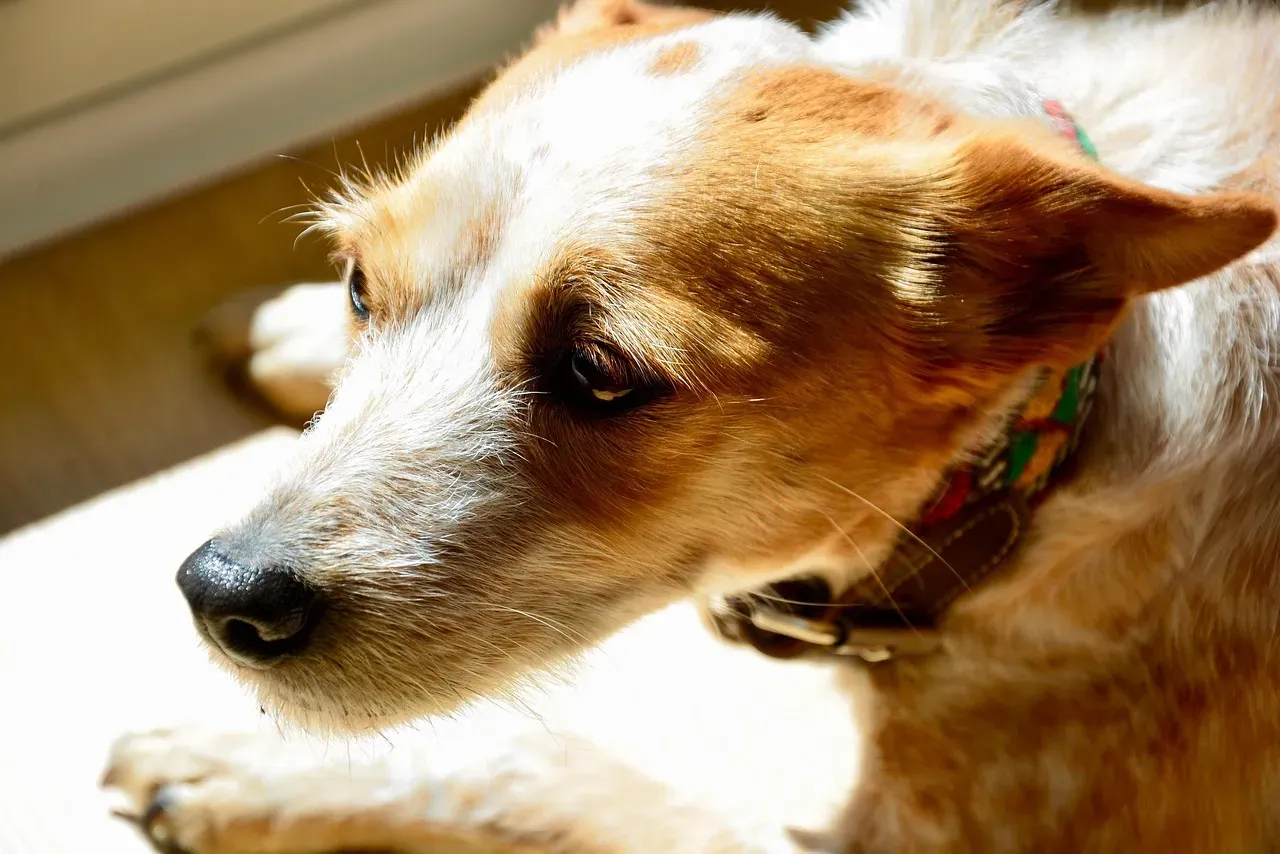
Here is the thing that might surprise you: for many dogs, the moment you leave is genuinely stressful. It is not drama or manipulation. According to animal behaviorist Patricia McConnell, Ph.D., although we cannot know for sure what is in a dog’s mind, we can think of separation anxiety as the equivalent of a panic attack. That is a powerful comparison, and one every dog owner deserves to sit with for a moment.
Some dogs will begin to whine, pace, pant, or freeze as their owner’s departure becomes imminent. The peak intensity of separation-related behaviors actually occurs shortly after the owner’s departure, not gradually over time. So the worst of it often happens in those first raw minutes right after you leave. Dogs with separation anxiety become extremely anxious and show distress behaviors such as vocalization, destruction, or house soiling when separated from their owners.
The destruction and house soiling that often occur with separation anxiety are not the dog’s attempt to punish or seek revenge on the owner for leaving, but are actually part of a panic response. So please, if you come home to a chewed pillow, resist the urge to scold. Your dog was not being bad. They were drowning.
How Dogs Read Your Departure Before You Even Open the Door
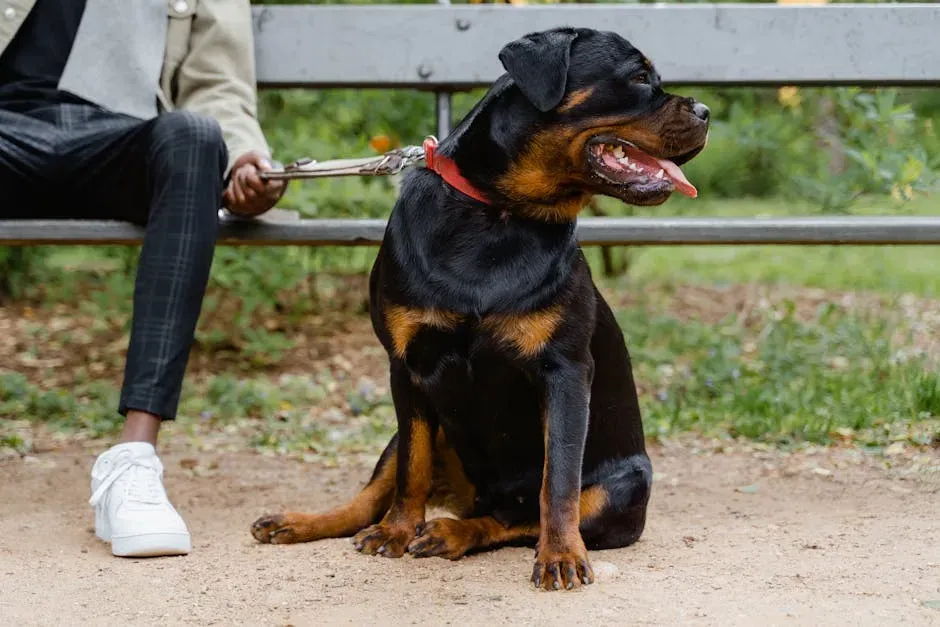
Dogs are phenomenal detectives. I think most owners have noticed it but never quite named it: your dog starts acting differently the moment you reach for your coat. A dog might start to pace, pant, and whine when they notice their guardian applying makeup, putting on shoes, picking up a bag, or reaching for car keys. They have memorized your rituals with extraordinary precision.
There are a number of activities we do consistently prior to each departure, and dogs learn to identify these cues or signals as meaning imminent departure. It is almost like they have built a mental checklist of “leaving behaviors.” Keys rattling equals goodbye. Coat going on equals a long stretch of waiting ahead. It is genuinely impressive, even if it breaks your heart a little.
The good news is this awareness can be used to your advantage. You can train your dog to associate departure cues with enjoyable, relaxing situations rather than the anxiety of impending separation. By exposing your dog to these cues while you remain at home and while they are calm, those signals no longer predict departure. Practice picking up your keys and then just sitting back down with a treat. Over time, the keys lose their emotional charge.
The Chemistry of the Bond: What Love Looks Like in the Brain
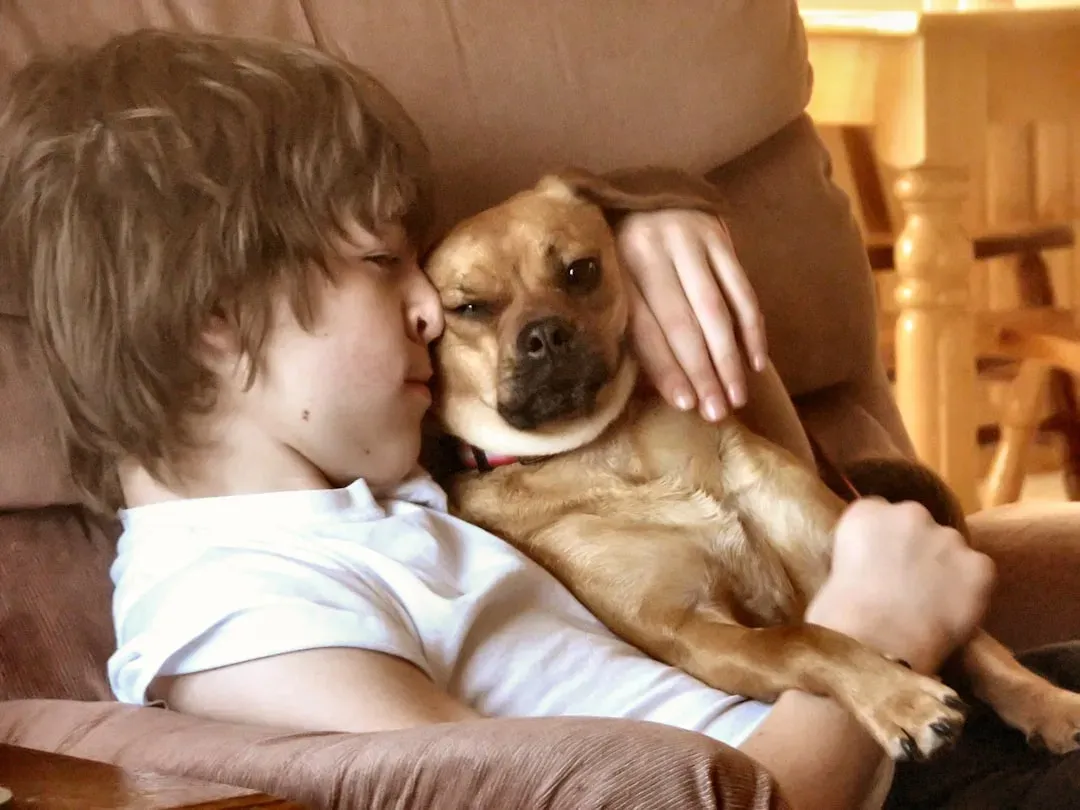
Waiting for someone you love is never neutral, not for humans, and not for dogs either. Chemicals in the brain help to reinforce the human-canine bond. When owners pet or lock eyes with their furry companions, both brains get flooded with the hormone oxytocin, which produces feelings of trust and affection. This is the same hormone that bonds parents to newborns. The connection is that primal, that real.
Mutual gazing has a profound effect on both dogs and their owners. Among the duos that spent the greatest amount of time looking into each other’s eyes, both dogs experienced roughly a 130 percent rise in oxytocin levels, and owners saw an even more dramatic increase of around 300 percent. That one lingering look before you walk out the door? It is doing something measurable and meaningful inside both of you.
Spending more time interacting with your dog, especially through eye contact, can strengthen the dog-owner relationship and promote positive feelings and well-being. Frequent, regular, quality one-to-one time, whether playing, training, or walking, not only strengthens the emotional bond but deepens the neurological connection over time. Every walk, every training session, every lazy evening on the couch is an investment in the strength of that bond.
What You Can Do to Make the Wait Easier for Your Dog
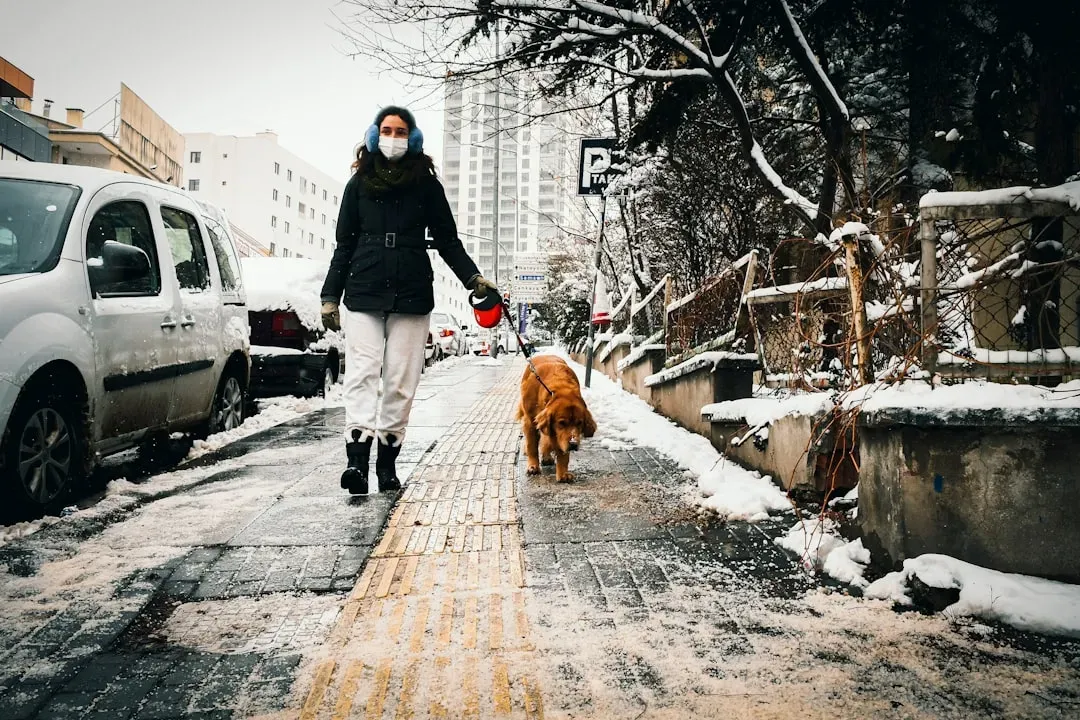
Here is where the science becomes beautifully practical. Knowing how your dog experiences your absence means you can genuinely make it better for them. Before any lengthy departure, providing a vigorous session of play and exercise not only helps reduce some of your dog’s energy and tire them out, but also provides a period of meaningful attention. Think of it as filling their emotional cup before you leave it to slowly drain during the day.
Protective factors against separation anxiety include ensuring a wide range of experiences outside the home and with other people, stable household routines and absences, and the avoidance of punishment. Routine is like a security blanket for dogs. Routine and predictability are extremely significant for dogs; they often think about daily rituals including walks, meal times, and bedtime because these things offer a sense of structure and security. When routines are disrupted, the result can be feelings of anxiety or confusion.
Audible cues such as a radio or TV, odors such as a piece of clothing with the owner’s scent, and a comfortable bed can help promote a relaxed response since they are associated with relaxation and owner presence. Leaving an old worn t-shirt near your dog’s bed is not sentimental nonsense. It is genuinely comforting, the olfactory equivalent of a warm hug in your absence. Small gestures like these carry real weight.
Conclusion: They Are Waiting for You Because You Are Their Whole World
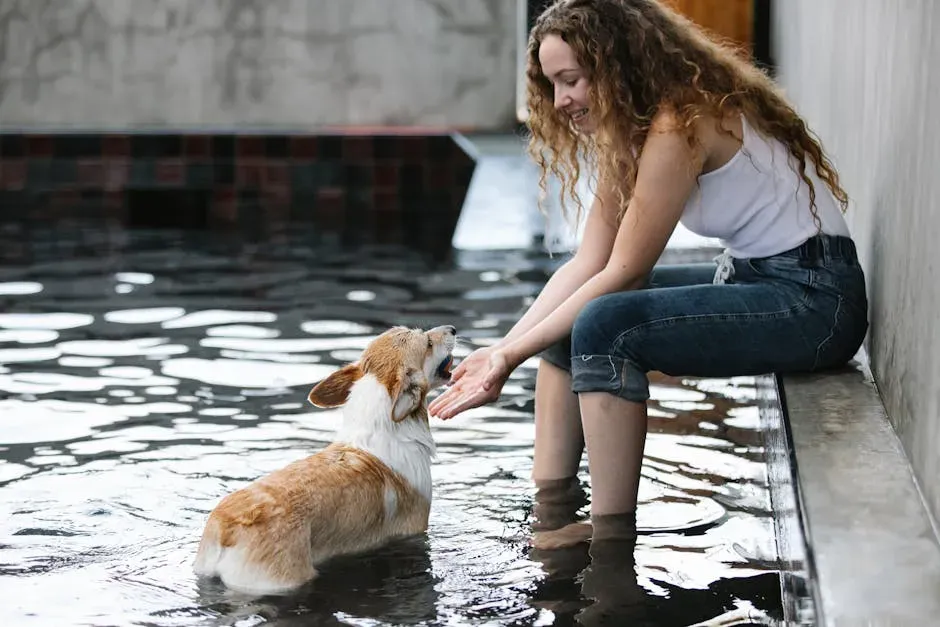
Every time you leave, your dog is not just sitting there staring at a door. They are feeling, processing, remembering, and waiting for the one thing that makes their world feel complete again: you. Humans are the center of a dog’s world, and probably the subject of many of their waking thoughts. This is both because dogs love us and because we are tied to everything they love: food, play, walks, and cuddles.
Understanding what goes through your dog’s mind during that wait is not just fascinating. It is a call to be more intentional: more present before you leave, more gentle when you return, and more thoughtful about the routines and rituals that help them feel safe. Research indicates that dogs have deep emotional bonds with humans and express love and affection by seeking their companionship. Dogs often think about the love and attention they get from their owners, and these emotions foster a strong sense of attachment.
The wait your dog endures is, in its own quiet way, one of the purest expressions of love there is. The question worth asking yourself is not “does my dog miss me?” You already know the answer. The real question is: how can I honor that devotion every single day? What small thing will you do differently tomorrow morning before you walk out that door?


