
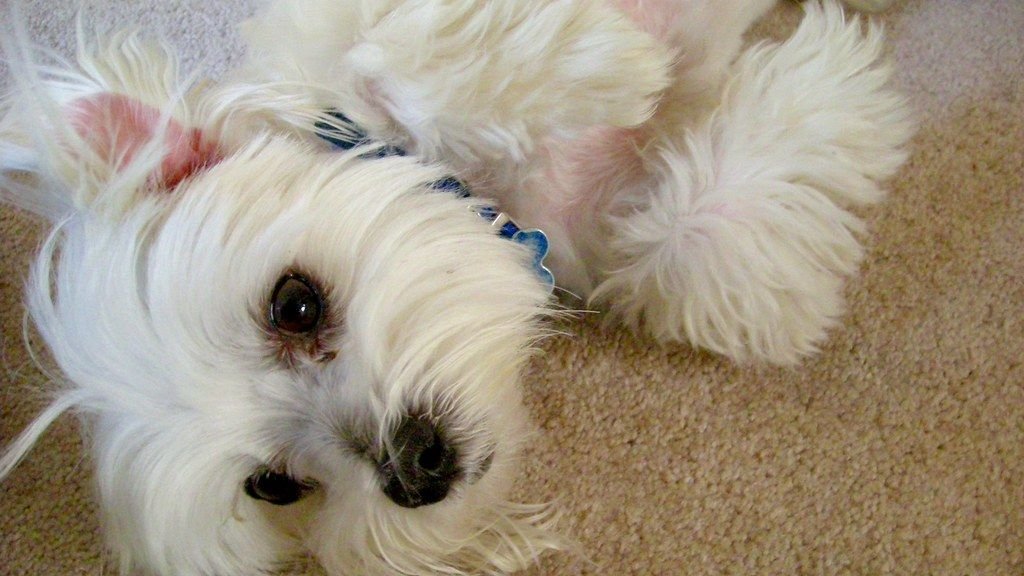
You know that guilty feeling when you glance at your dog’s leash hanging by the door and think, maybe tomorrow? Life gets busy. Sometimes a quick backyard bathroom break feels like enough. We’ve all been there, telling ourselves our pup seems fine lounging on the couch. Here’s the thing though, what looks like contentment might actually be your dog adapting to a lifestyle that’s slowly affecting their body and mind in ways you can’t immediately see.
Those daily walks aren’t just about bathroom breaks or burning off a little energy. They’re actually one of the most important things you can do for your furry companion’s overall wellbeing. Let’s dive into what really happens when those neighborhood strolls start getting skipped.
The Physical Toll on Your Dog’s Body
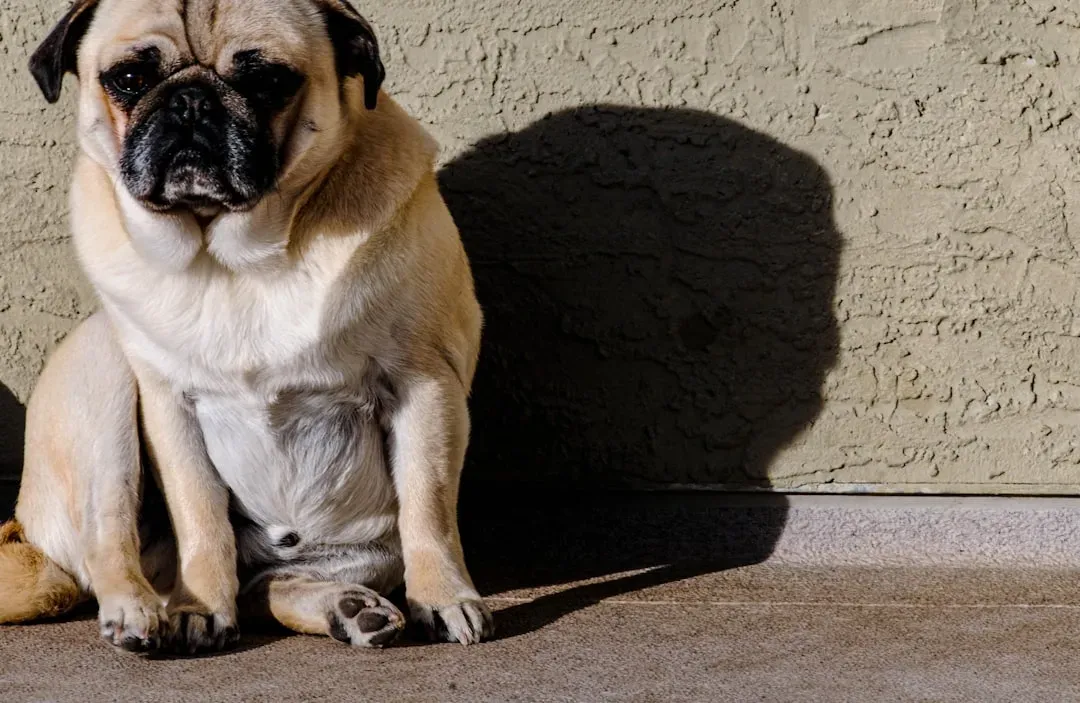
When walks become irregular or disappear altogether, your dog is more likely to become overweight, putting them at higher risk of developing health issues like heart disease and diabetes. It’s not just about the number on the scale either.
Extra weight increases stress on dogs’ bones, joints, and muscles, and can worsen arthritis because excessive fat cells release pro-inflammatory mediators that perpetuate inflammation. Think of it like this: every extra pound is constant pressure on joints that weren’t designed to carry that load.
Without regular movement to keep muscles engaged, dogs start to lose muscle mass, which affects their mobility and increases injury risk. I’ve seen dogs who went from playful and spry to stiff and hesitant, simply because they stopped getting enough exercise.
Walking stimulates the digestive tract, promoting regular bowel movements and preventing constipation, which helps keep the digestive system healthy. Even something as basic as digestion relies on that daily movement.
Behavioral Changes You Can’t Ignore
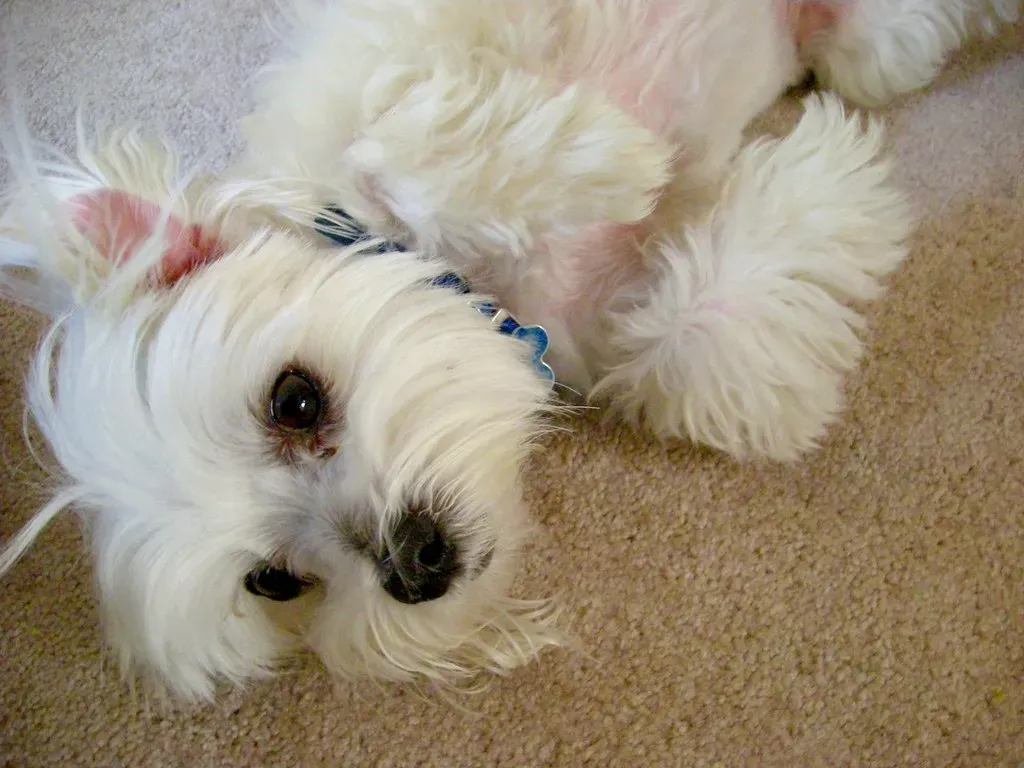
Without regular walks, dogs become bored, anxious, and restless, and this behavior can spiral into destructive chewing or excessive barking. That chewed-up couch cushion isn’t your dog being bad. It’s them desperately trying to release pent-up energy with nowhere else to go.
Dogs may become more aggressive or territorial in the home environment without the stimulation associated with walking on a leash. Honestly, can you blame them? Imagine being cooped up day after day with no outlet.
Walking releases hormones oxytocin and vasopressin responsible for normal communication, and when dogs aren’t walked daily, these hormones build up, which is a common cause of leash aggression. The irony is that skipping walks can actually make walks harder when you do take them.
Increased vocalization through whining and barking are common ways dogs communicate that they’re frustrated, restless, or want something. Your dog isn’t trying to annoy you. They’re literally telling you something’s wrong.
The Mental and Emotional Impact

Studies show that when dogs don’t get walked regularly, they can show signs of stress, lethargy, and even canine depression. Depression in dogs is real, and it’s heartbreaking to witness.
Regular walks provide mental stimulation, allowing dogs to explore their environment and engage their senses, and without this stimulation, dogs can become anxious, depressed, or even aggressive. Those sniff sessions aren’t wasted time. They’re how your dog reads the newspaper, catches up on neighborhood gossip, and processes the world.
Some dogs respond to lack of exercise by appearing lazy, and if this goes on long enough, it becomes normal to them, their bodies adapt, and they lose stamina and physical fitness. They kind of give up, which sounds sad because it is.
Not getting enough exercise takes a mental toll on dogs who need stimulation, and lack of activity can lead to canine depression and increased lethargy. The spark in their eyes dims a little more each day.
Social Skills Start to Fade
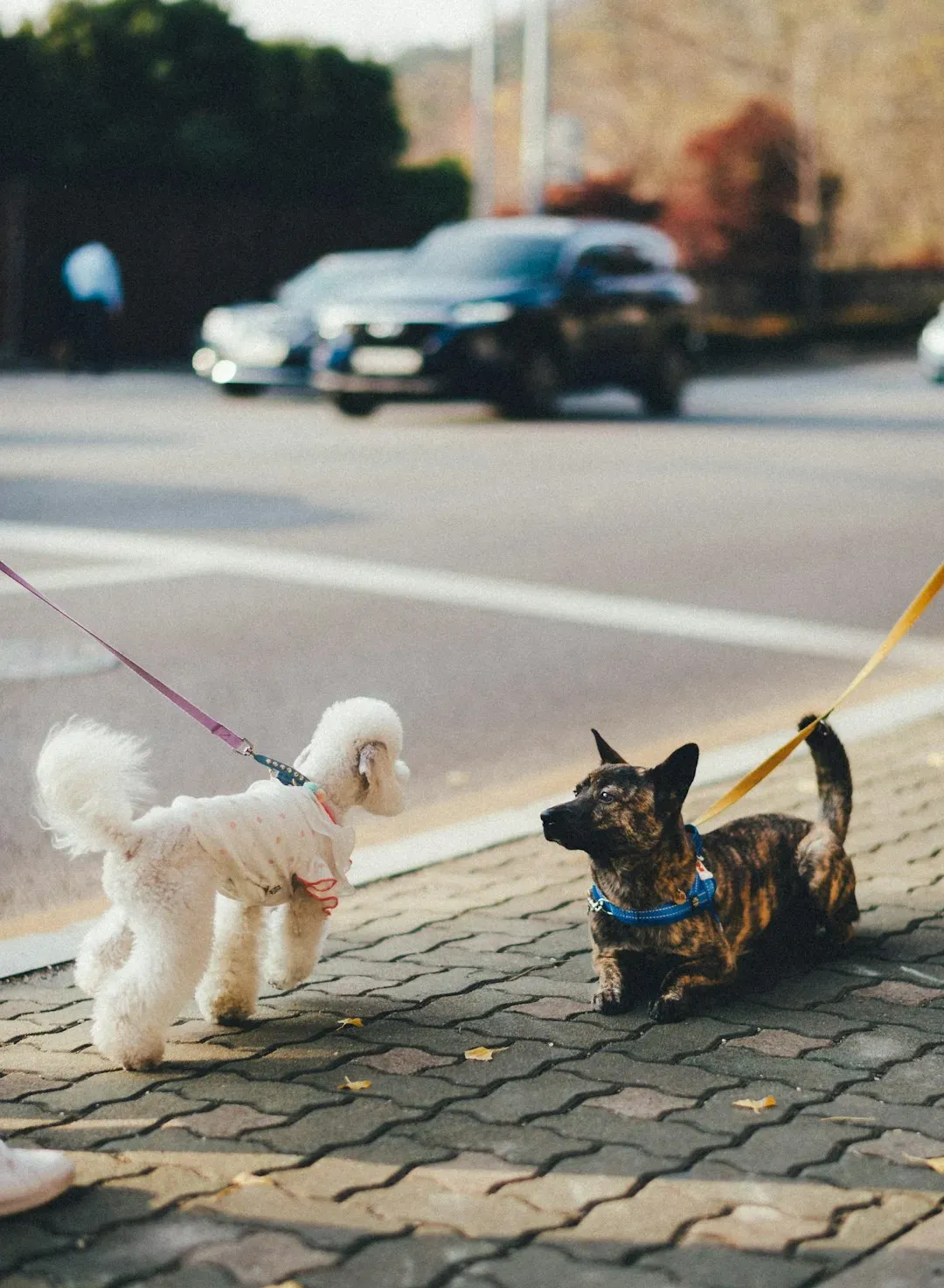
Walking is an essential part of dog socialization, allowing them to interact with other dogs and people, which is crucial for developing good social skills. Every walk is basically social practice for your pup.
Dogs that aren’t regularly walked may become fearful or aggressive towards other animals and humans, making it difficult for them to adapt to new situations or environments. What starts as missing a few walks can snowball into a dog who’s anxious around everything unfamiliar.
Dogs are pack animals and feel isolated without ways to release pent-up energy, needing exercise and socialization to be happy and healthy. Isolation isn’t natural for them, even if they seem okay with it at first.
The outside world is where dogs learn to be confident, well-adjusted members of society. Skip that education, and you might end up with a fearful, reactive dog who struggles in situations that should be routine.
Long-Term Health Consequences
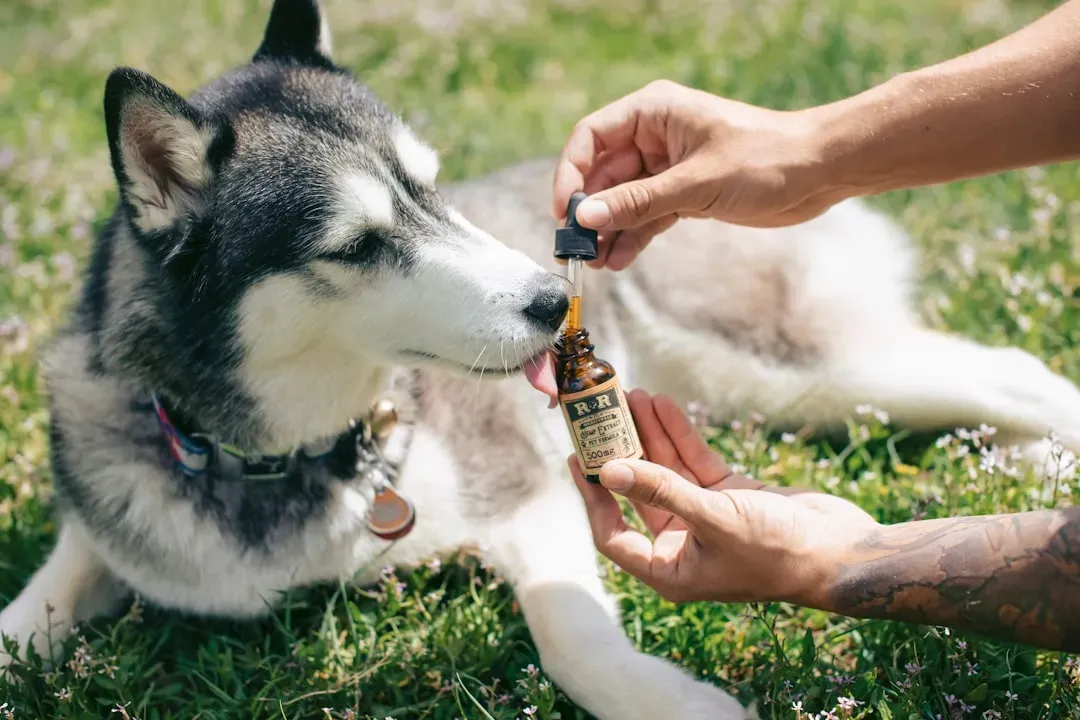
Obesity contributes to other diseases and shortens dogs’ lives, dramatically increasing the risk of diabetes mellitus, heart disease, and several types of cancer, with carrying moderate excess weight shortening life expectancy by as much as two years. Two years might not sound like much to us, but that’s a significant chunk of a dog’s life.
Chronic health issues, persistent behavioral problems, and mental health concerns can all result from lack of regular exercise, and these issues can be difficult to reverse and may require professional intervention. Prevention is always easier than treatment.
Holding urine for extended periods can lead to bladder infections and urinary issues, and regular walks ensure dogs can relieve themselves frequently, reducing the risk of urinary tract infections and bladder stones. Even basic bodily functions depend on getting outside regularly.
Let’s be real, the cumulative effect of skipped walks compounds over time. What seems harmless today becomes a health crisis tomorrow. Your dog depends entirely on you to recognize and meet their needs, because they can’t advocate for themselves.
What do you think? Are you giving your furry friend the walks they truly need? Share your thoughts in the comments below.


