
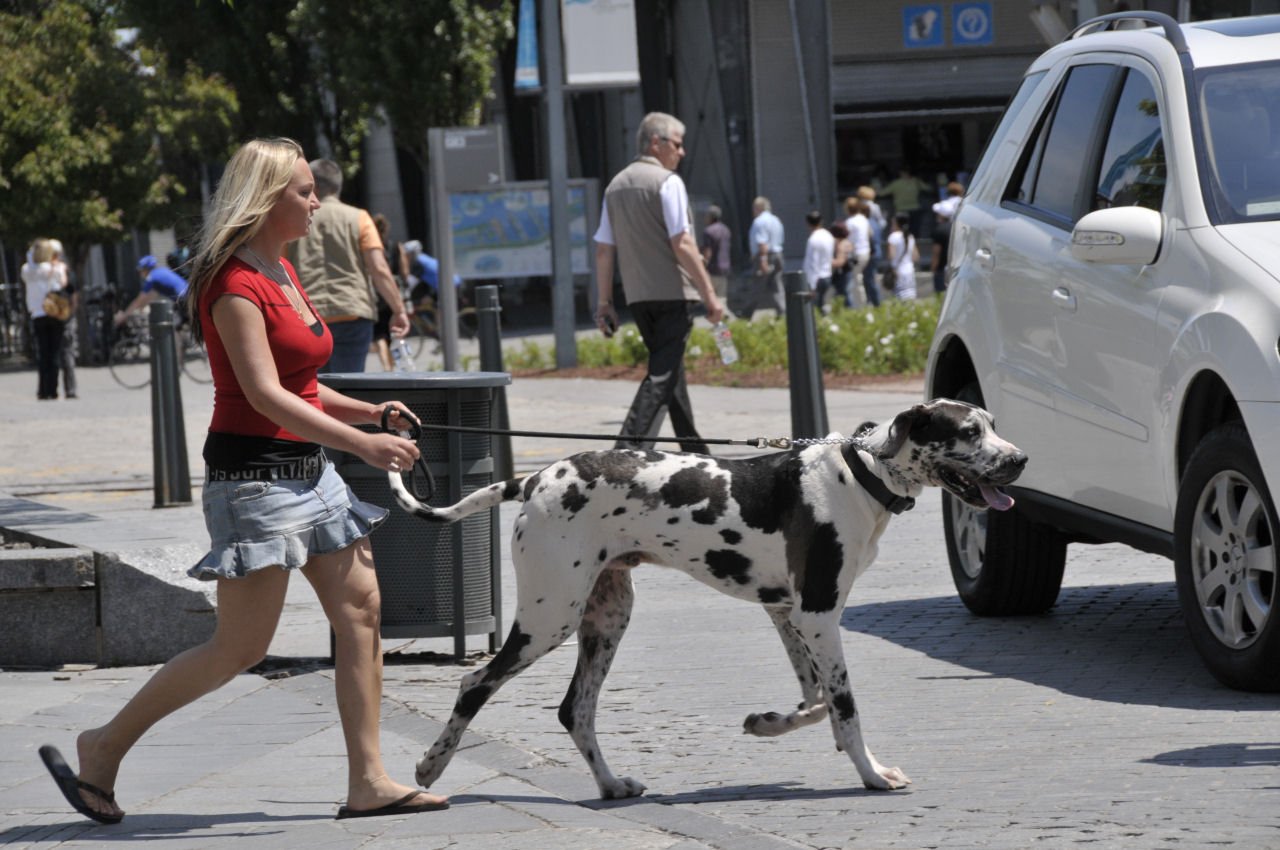
Have you ever paused to wonder if those daily walks with your dog are actually doing more harm than good? It’s a shocking thought for any loving pet parent, but the truth is, walking your dog the wrong way—day after day—can lead to surprising and sometimes heartbreaking consequences. Dogs crave adventure, direction, and a sense of purpose during their walks. When their daily strolls turn into monotonous, confusing, or even stressful routines, their joy can quickly fade. Imagine the heartbreak of watching your best friend lose that wagging excitement every time you reach for the leash. Let’s dive into what really happens when we get our dog walks wrong, and why it matters so much for both you and your furry companion.
Unmet Exercise Needs: The Hidden Toll on Health
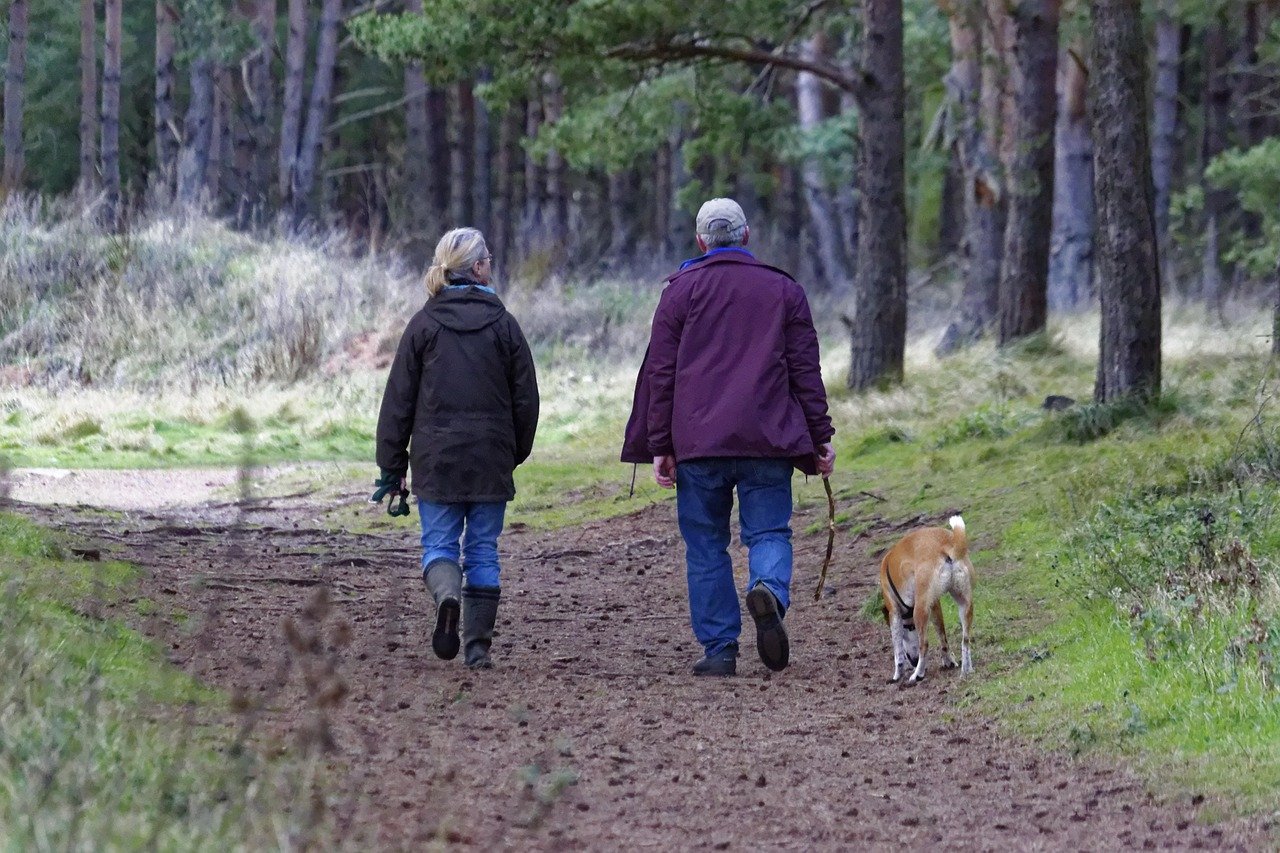
Many dog owners believe that simply walking their dog is enough to keep them fit. But not all walks are created equal. If your daily walks are too short, too slow, or too repetitive, your dog might not be getting the exercise they desperately need. Over time, this can lead to weight gain, muscle loss, and even joint problems. Think of it like going to the gym and only lifting a pencil—your dog’s body craves more! Just like people, dogs thrive on variety and challenge. Without enough physical activity, their energy builds up, sometimes erupting in destructive ways at home. The wrong kind of walk can quietly chip away at your dog’s health, leaving them sluggish, bored, and overweight.
Behavior Problems Start to Bubble Up
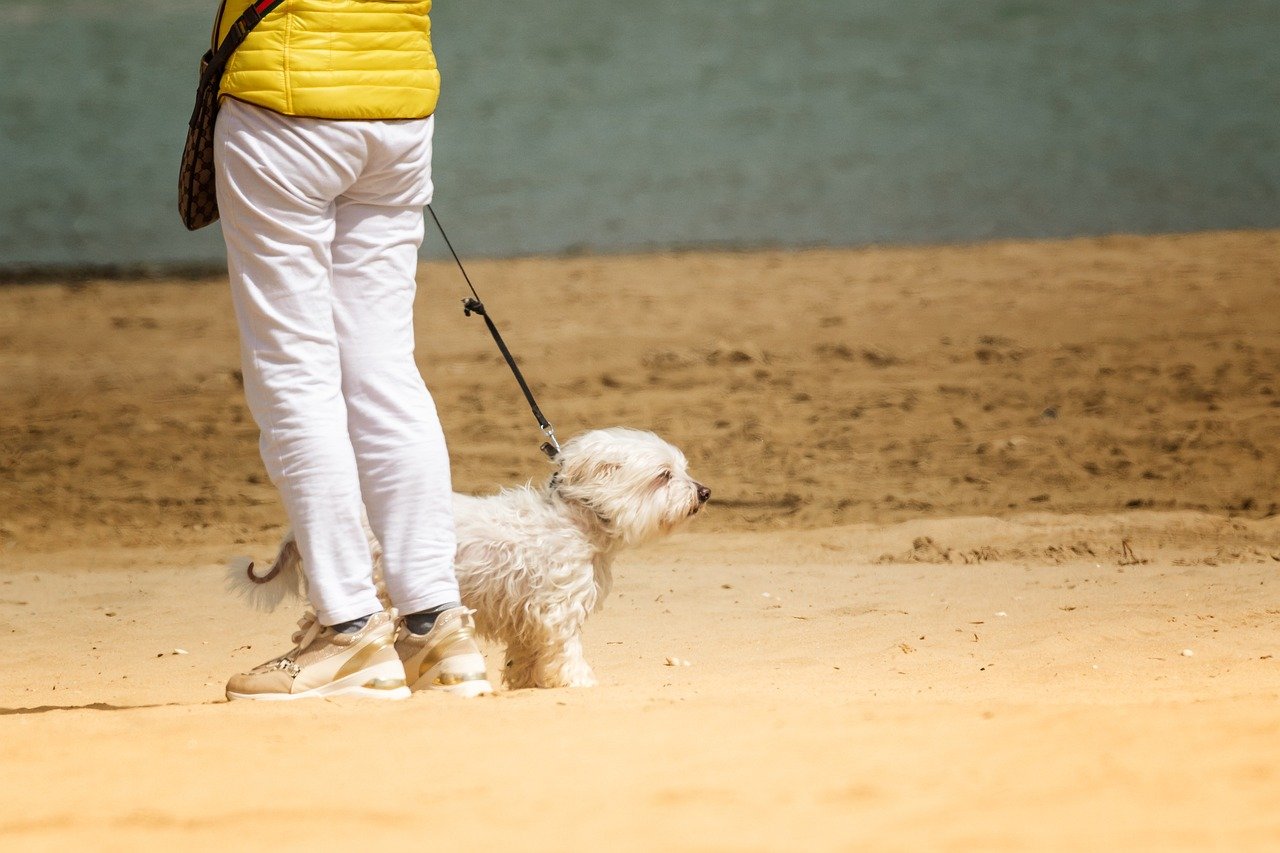
Did you know that a poorly structured walk can actually make your dog’s behavior worse? Dogs are creatures of habit, and when they don’t get enough mental or physical stimulation, they often find outlets for their pent-up energy. This can look like barking at every moving thing, pulling on the leash, or even chewing up your favorite shoes. It’s not your dog being “bad”—it’s frustration and boredom bubbling to the surface. When walks are chaotic, lack direction, or don’t offer new experiences, your dog may start acting out in ways you never expected. Suddenly, that peaceful stroll becomes a daily struggle, leaving both you and your pup frazzled.
Emotional Stress and Anxiety Build Up
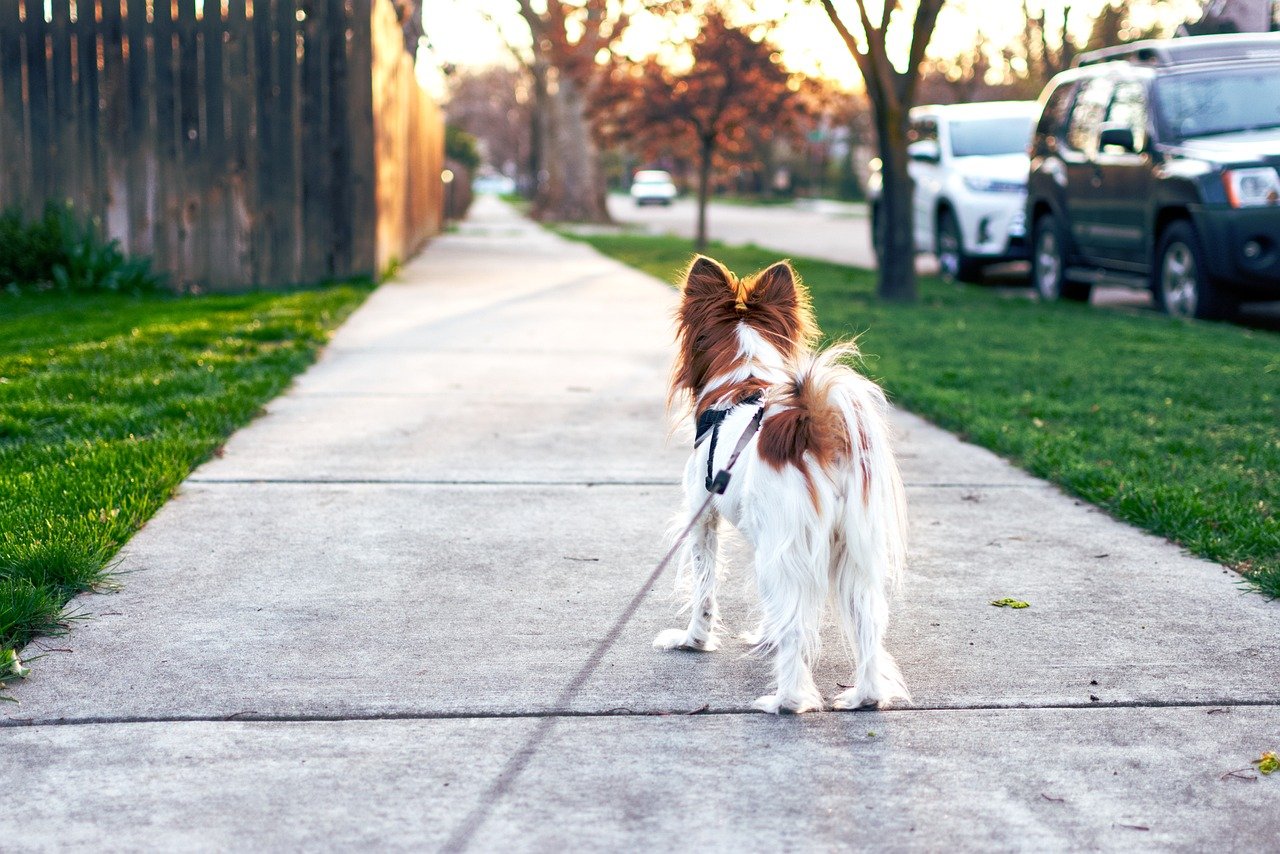
Walking the wrong way isn’t just a physical issue; it can deeply affect your dog’s emotional well-being. Imagine going for a walk and never knowing what to expect—no routine, no leadership, maybe even scary encounters with other dogs or loud traffic. For sensitive dogs, this kind of unpredictability can spark anxiety and fear. Over time, your dog might start dreading walks, hiding when you get the leash, or showing signs of nervousness like panting, whining, or shaking. A stressful walk strips away the joy of exploring the world, replacing it with tension and worry. Every dog deserves a walk that makes them feel safe and confident.
Leash Pulling and Poor Manners Get Worse
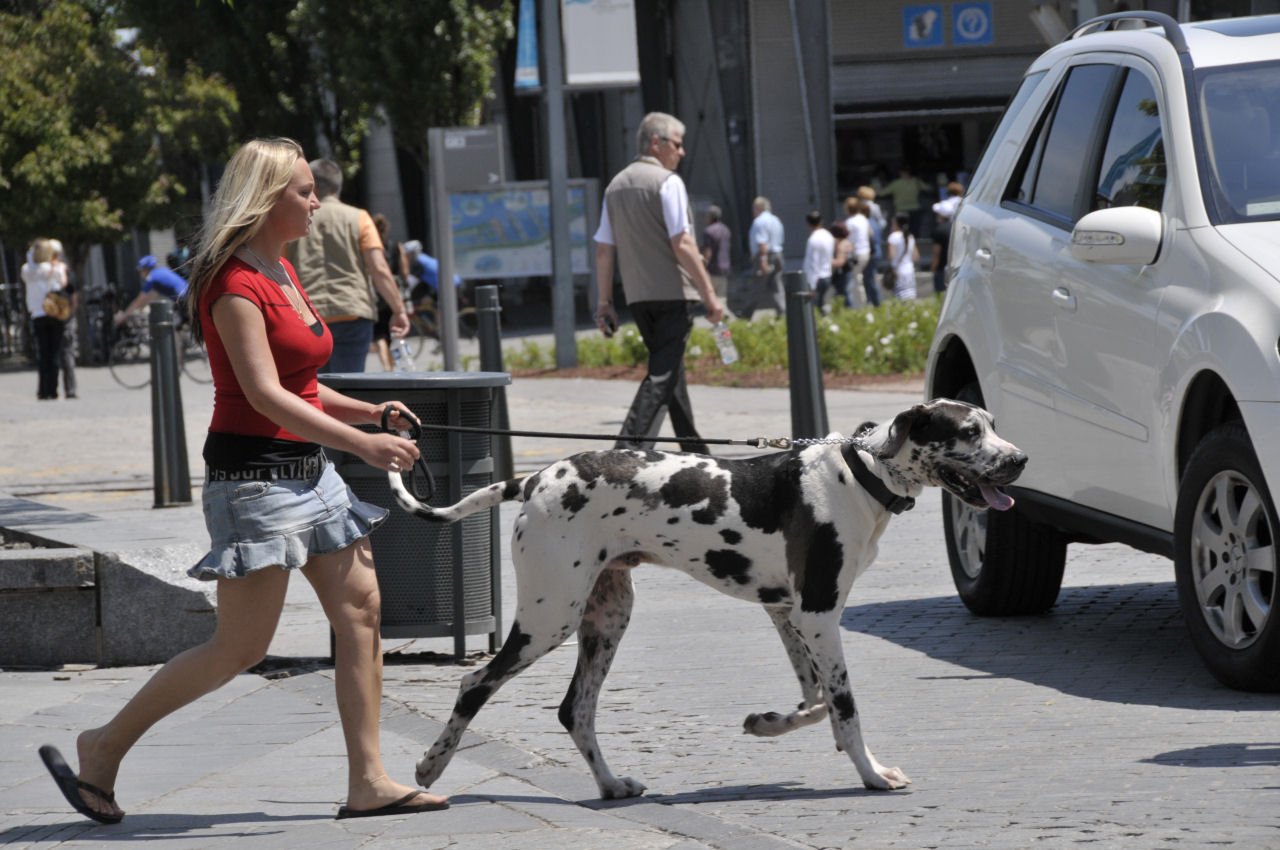
If your dog is constantly pulling, lunging, or zigzagging on walks, it might be a sign something is off. Walking the wrong way—without clear boundaries or consistent rules—teaches your dog that they’re in charge of the outing. Over time, these bad habits get stronger until every walk feels like a tug-of-war. It’s exhausting for you and confusing for your dog. Proper leash manners don’t just make walks easier—they actually help your dog feel more secure, knowing you’re leading the way. Without this guidance, walks can turn into wild, chaotic experiences, risking injuries for both you and your pup.
Lack of Mental Stimulation Leaves Dogs Unfulfilled
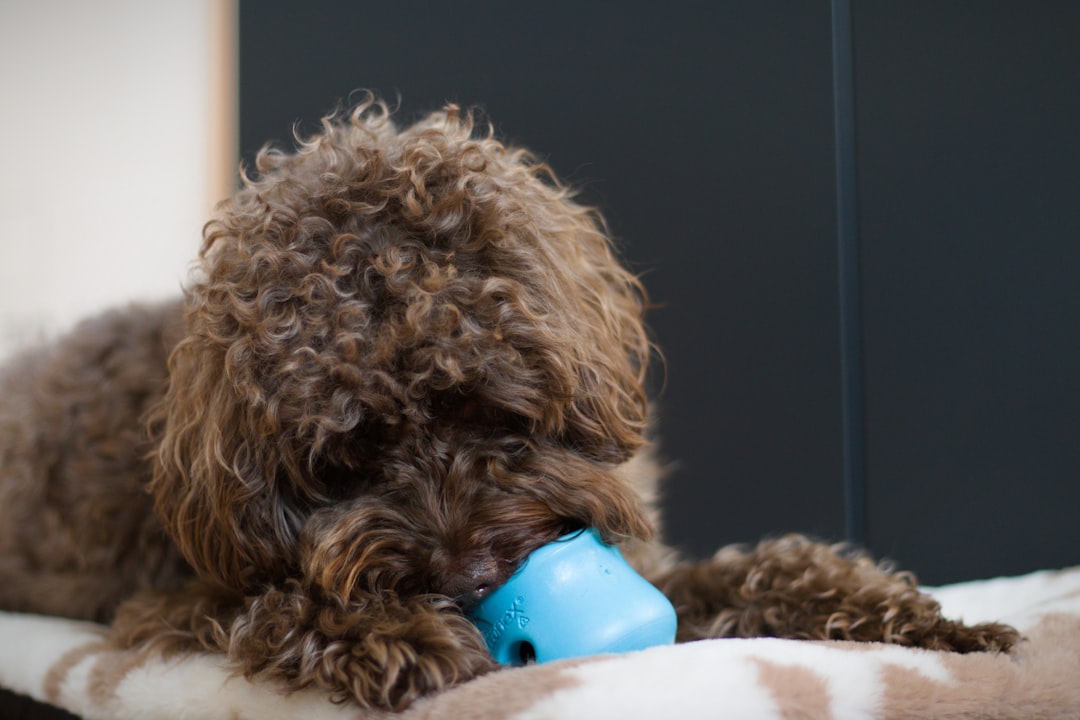
Think of your dog’s brain as a sponge, eager to soak up new sights, smells, and experiences. When walks follow the same boring route every day, or never include time for sniffing and exploring, your dog misses out on vital mental stimulation. This can lead to a restless, unhappy pup who craves more from their daily outings. Dogs use their noses to explore the world, so imagine how dull life becomes when every walk feels exactly the same. Adding a mix of activities—like changing routes, practicing tricks, or letting your dog sniff around—can make all the difference in their happiness.
Bonding Opportunities Slip Away
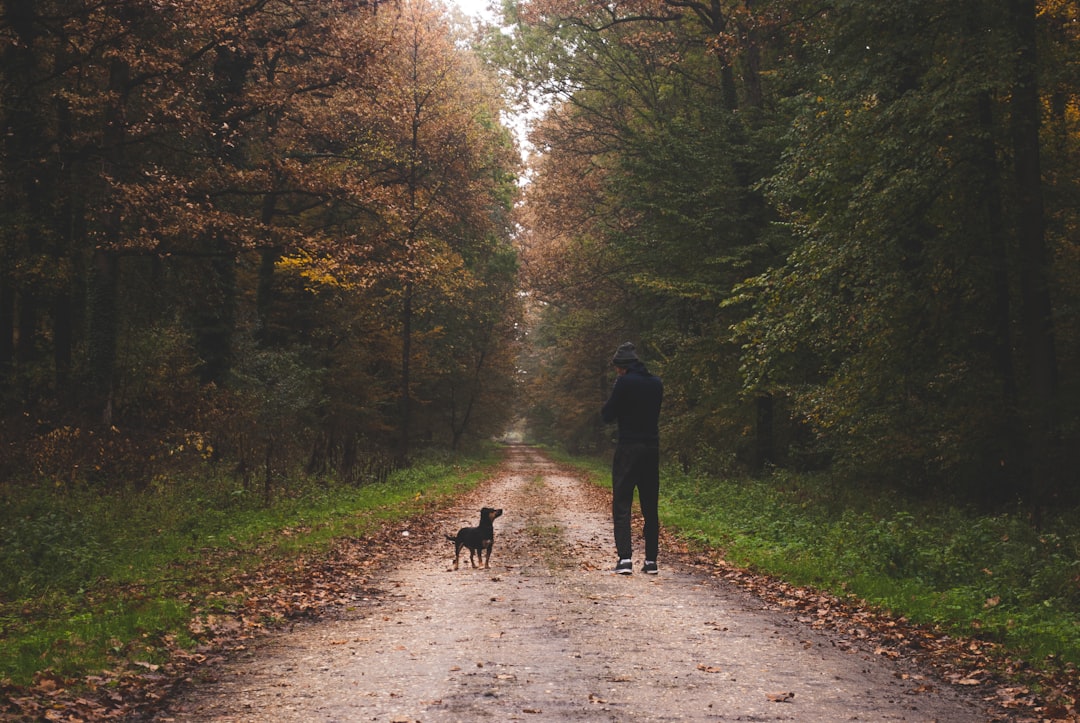
Walking your dog should be a special time to connect, but when walks are rushed or frustrating, that bond can start to weaken. Dogs look to us for leadership and companionship, and how we handle walks speaks volumes. If you’re distracted by your phone, constantly correcting your dog, or just going through the motions, your pup will notice. Missed bonding moments can make your dog feel ignored or unimportant. On the other hand, a mindful, engaging walk helps strengthen trust, communication, and love between you and your furry friend. Don’t let the wrong routine rob you of these precious moments.
Safety Risks Multiply with Poor Walking Habits
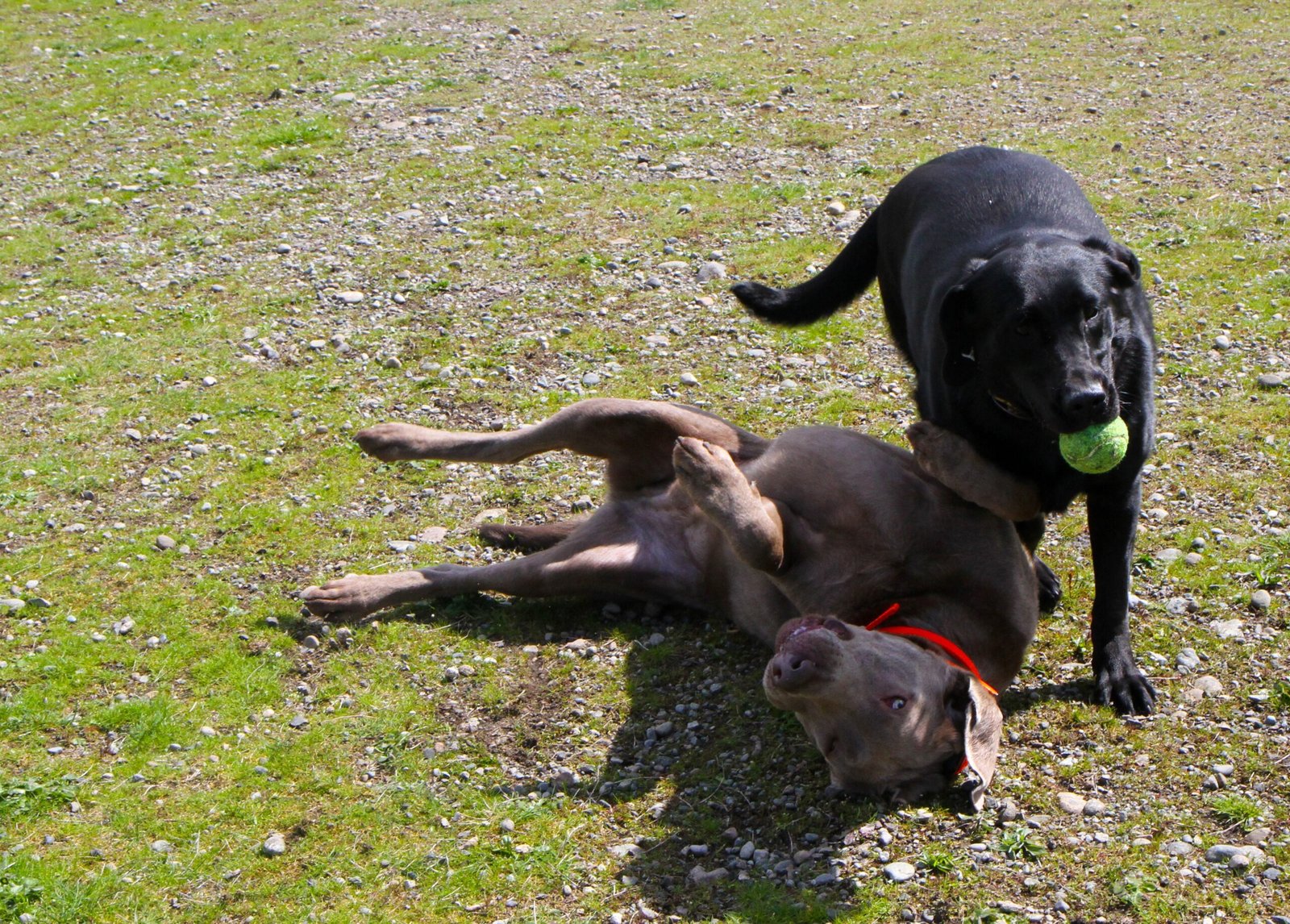
Walking the wrong way can actually put your dog in danger. Lack of control on the leash increases the risk of accidents—your dog might dart into the street, get tangled up, or slip out of their collar. Inconsistent walking routines can also mean missed cues about potential hazards, like aggressive dogs or unsafe terrain. A distracted or poorly trained dog is more likely to get into trouble, making every walk a potential risk. Safe, structured walks aren’t just about obedience—they’re about protecting your beloved companion from harm, every single day.
The Long-Term Impact on Your Dog’s Happiness
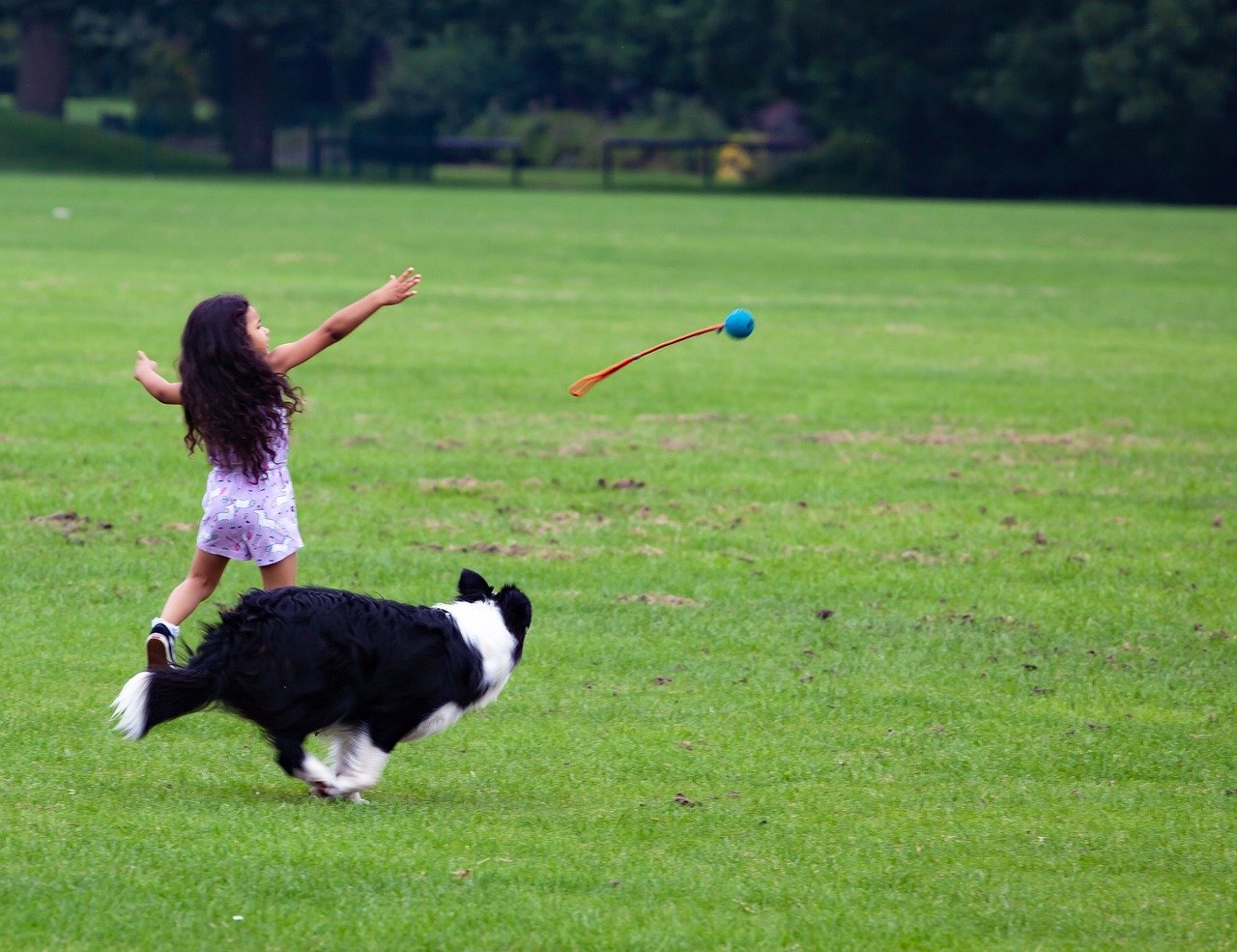
Every dog deserves a walk that sparks joy, curiosity, and confidence. When walks are boring, confusing, or stressful, your dog’s overall happiness can start to fade. You might notice your dog becoming withdrawn, less playful, or even depressed. Over time, the wrong walking routine chips away at your dog’s zest for life, turning what should be an adventure into a chore. It’s heartbreaking to think that something meant to bring joy could become a source of sadness. A happy dog is one who looks forward to walks, tail wagging, eyes bright, ready to explore the world by your side.


