
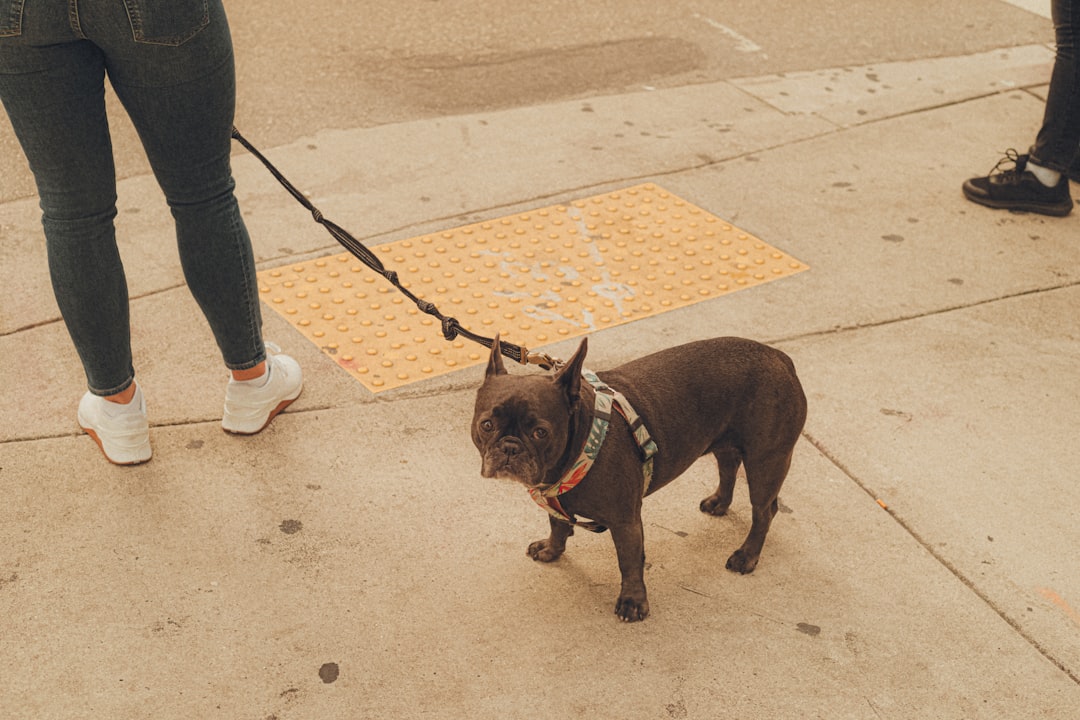
Walking your dog might seem simple, but doing it the wrong way every day can actually lead to some real problems. If your pup is constantly pulling, zigzagging, or overly reactive, it can turn walks into stressful experiences—for both of you. Without proper structure, your dog might start seeing walks as a time to lead instead of follow, which can affect their behavior in other areas too. Using the wrong leash, ignoring body language, or skipping mental stimulation along the route can also build up frustration or anxiety. Over time, bad habits can become ingrained, making walks less enjoyable and more challenging to fix. With a few mindful tweaks, though, your daily stroll can become a great way to bond, train, and burn energy the right way.
The Emotional Toll: Stress and Anxiety Build Up

Dogs are emotional sponges—they soak up the energy and habits of their owners. When walks are rushed, chaotic, or filled with tension, your dog feels every bit of it. If you’re constantly yanking on the leash, pulling them away from every sniff or reacting nervously to other dogs, your furry friend picks up on that anxiety. Over time, these negative experiences can turn walks, which should be a highlight of their day, into a source of dread.
Daily stress from poorly managed walks builds up, just like it does in people. You might notice your dog panting excessively, whining, or becoming hyper-vigilant during walks. Some dogs may even start to hide or resist going outside. It’s heartbreaking to think something meant to create joy could instead be causing low-level misery for your pup.
Behavioral Problems: Bad Habits Take Root

Walking your dog the wrong way isn’t just stressful—it can seed a garden of bad habits. If your dog constantly pulls on the leash and you let them lead, they learn that tugging gets them what they want. Before you know it, you’ve got a dog who thinks walks are a game of tug-of-war, and you’re always on the losing side.
Repetitive missteps can also lead to reactivity. If your dog barks at every passerby and you tighten the leash in fear, your dog might associate other dogs or people with tension and negativity. This can spiral into leash aggression, making simple outings a battleground rather than a bonding experience. Training out these behaviors becomes harder the longer they’re allowed to grow.
Physical Health Risks: More Than Just Aching Paws

It’s easy to overlook the physical toll of improper walks, but the dangers are very real. Constant pulling on the leash can strain your dog’s neck, throat, and back. Smaller breeds are especially vulnerable to collapsed tracheas, while large dogs can develop chronic joint issues. The wrong harness or collar only makes things worse.
Walking at the wrong pace—too fast for puppies or senior dogs, or too slow for high-energy breeds—can also set the stage for injuries. Dogs need the right kind of exercise for their age, breed, and health status. A mismatched walk may leave them sore, limping, or simply unsatisfied, craving the activity they need to thrive.
Missed Socialization: Fear and Frustration Grow

One of the biggest benefits of regular walks is socialization. But if every walk is a frantic dash or filled with negative encounters, your dog misses the chance to build confidence around other animals and people. A dog that never learns to calmly pass by strangers or other dogs on walks may become fearful or defensive.
This fear can show up as lunging, barking, or even snapping. It’s tough to watch a dog who could have been friendly and curious become anxious or aggressive simply because their daily walks didn’t give them the safe, positive interactions they needed. Socialization shapes a dog’s worldview, and daily mistakes can close doors instead of opening them.
Disrupted Bond: Trust and Communication Suffer

Walking your dog should be a shared adventure—a chance to connect and communicate. But if you’re distracted by your phone, impatient, or constantly correcting your dog, the bond can start to fray. Dogs are remarkably sensitive to body language and tone. Consistent negativity or frustration on walks tells your dog that you’re not a safe, reliable leader.
Over time, this erodes trust. A dog that doesn’t trust its owner on walks may ignore cues, bolt at the sight of a squirrel, or act out in unpredictable ways. The simple magic of walking together gets lost, replaced by a sense of disconnect that can spill over into your life at home as well.
Unmet Needs: Boredom and Frustration Set In

Many dog owners don’t realize that walking is about so much more than just physical exercise. Dogs crave mental stimulation—sniffing, exploring, and investigating the world with their noses. If your walks are too short, too rigid, or always follow the same boring route, your dog’s curiosity and intelligence are starved.
This unmet need for exploration often shows up as restlessness or even destructive behavior at home. Chewed shoes, incessant barking, or digging in the yard might just be your pup’s way of saying, “I need more adventure!” Dogs thrive on novelty and variety, and the wrong kind of walk leaves them mentally underfed.
Frustrated Neighbors and Community Tension

It’s not just your dog who’s affected—your walking habits ripple out into the neighborhood. Dogs that bark, lunge, or make a scene on walks can create tension with neighbors and other pet owners. People might start to avoid you, cross the street, or complain about your dog’s behavior. This can make you feel isolated, embarrassed, or even defensive.
Community spaces are meant to be shared and enjoyed, but a dog that’s consistently walked the wrong way can make public walks stressful for everyone. It’s a lonely feeling when you realize your daily routine is causing ripples you never intended.
Dangerous Situations: Accidents Waiting to Happen

Perhaps the most alarming outcome of walking your dog the wrong way is the risk of real danger. A dog that’s never taught to heel or respond to commands may dash into traffic, knock over a child, or slip out of its collar. Distraction or poor leash management can turn a routine walk into a frantic emergency in the blink of an eye.
Even in quieter neighborhoods, an off-leash dog or wild animal can trigger chaos. Without proper habits and trust, you may not be able to protect your dog—or others—from harm. The “wrong way” isn’t just annoying; it can be life-threatening if the worst happens.
Loss of Joy: The Walk Becomes a Chore

At the end of the day, walking your dog should be a source of mutual joy—a time to explore, bond, and breathe. When every walk is filled with stress, confusion, or frustration, that joy fades away. You might find yourself dreading the leash, counting down the minutes until it’s over, or skipping walks altogether.
Your dog feels this shift, too. Instead of bouncing at the sight of the leash, they might hang back or sulk. The daily walk, once a highlight, becomes one more task to rush through. The shared happiness, so easy to take for granted, quietly slips through your fingers.
A daily walk should be more than just exercise—it’s a chance to connect, teach, and explore together. Walking the wrong way every day can lead to confusion, stress, and bad habits that are tough to break. But with a little patience and the right approach, walks can become one of the best parts of your dog’s day—and yours too. It’s never too late to turn things around, one step at a time!


