
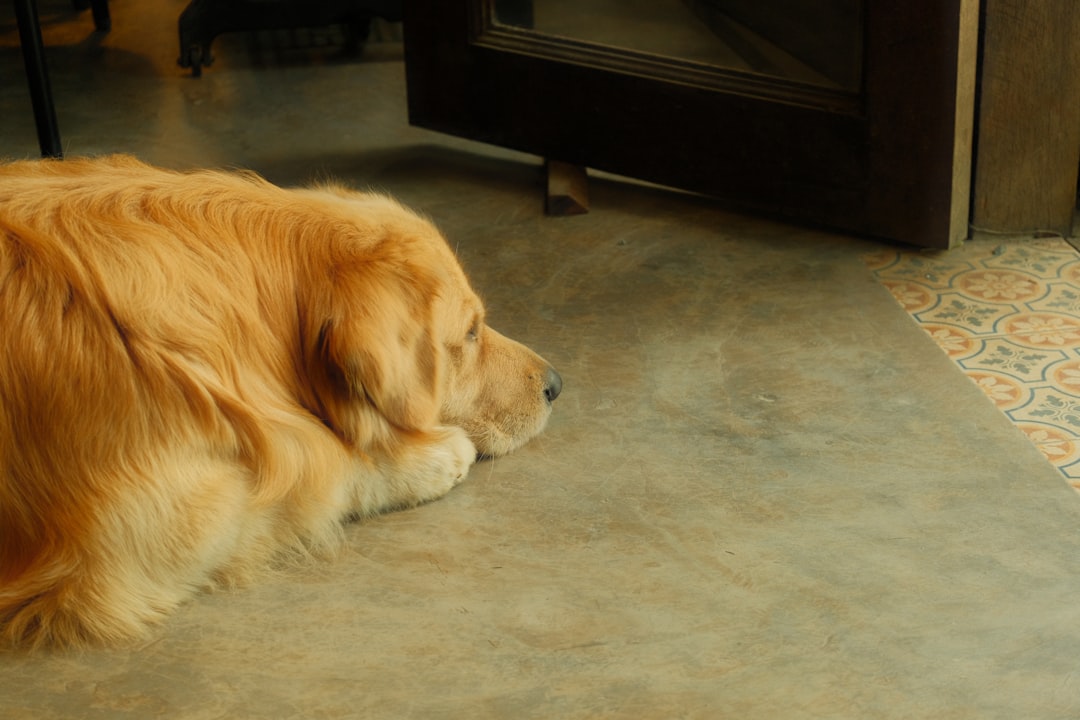
Have you ever come home to find your favorite shoes chewed up, pillows shredded, or a heartbreaking howl echoing from your lonely dog? The idea of leaving our beloved pets alone can tug at our hearts, but it’s something every dog eventually faces. But what really happens if your dog never learns to be alone? The answer might surprise you—and even change the way you see your furry friend’s needs forever.
Separation Anxiety: The Hidden Epidemic
When dogs never learn to be comfortable alone, separation anxiety can creep in like an invisible storm. This isn’t just a little whining—it’s a deep, often overwhelming panic that takes over when their favorite human leaves. Dogs might pace endlessly, bark until they’re hoarse, or even try to escape from the house. For many pet owners, it’s heartbreaking to see their best friend so distressed. Imagine feeling trapped every time you’re left alone, unsure if your world is coming apart. That’s the harsh reality for a dog with separation anxiety.
Destructive Behavior at Home

A dog who can’t handle being alone often turns to destructive behaviors. Chewing, digging, tearing up furniture, or scratching doors aren’t just signs of boredom—they’re desperate attempts to cope with stress. Your dog isn’t trying to be “bad.” Instead, these actions are outcries for help. You might return home to find a scene that looks like a tornado hit your living room. The mess is more than an inconvenience; it’s a sign your dog’s emotions are in chaos.
Excessive Barking and Howling

Have your neighbors ever complained about barking while you’re out? Dogs who struggle with solitude can bark, howl, or whine for hours. It’s not just noise—it’s their way of calling for you, hoping you’ll return. This constant vocalization can strain relationships with neighbors and even lead to complaints or fines. But more importantly, it’s a sign your dog is genuinely suffering, unable to find peace without your presence.
Health Problems Due to Stress

Just like humans, dogs can develop health issues from chronic stress. When a dog is anxious every time it’s left alone, its body is flooded with stress hormones. Over time, this can weaken the immune system, leading to more frequent illnesses. Some dogs might develop digestive issues, lose their appetite, or even start shedding excessively. The connection between emotional and physical health in dogs is powerful—and loneliness can take a real toll.
Toilet Accidents Indoors
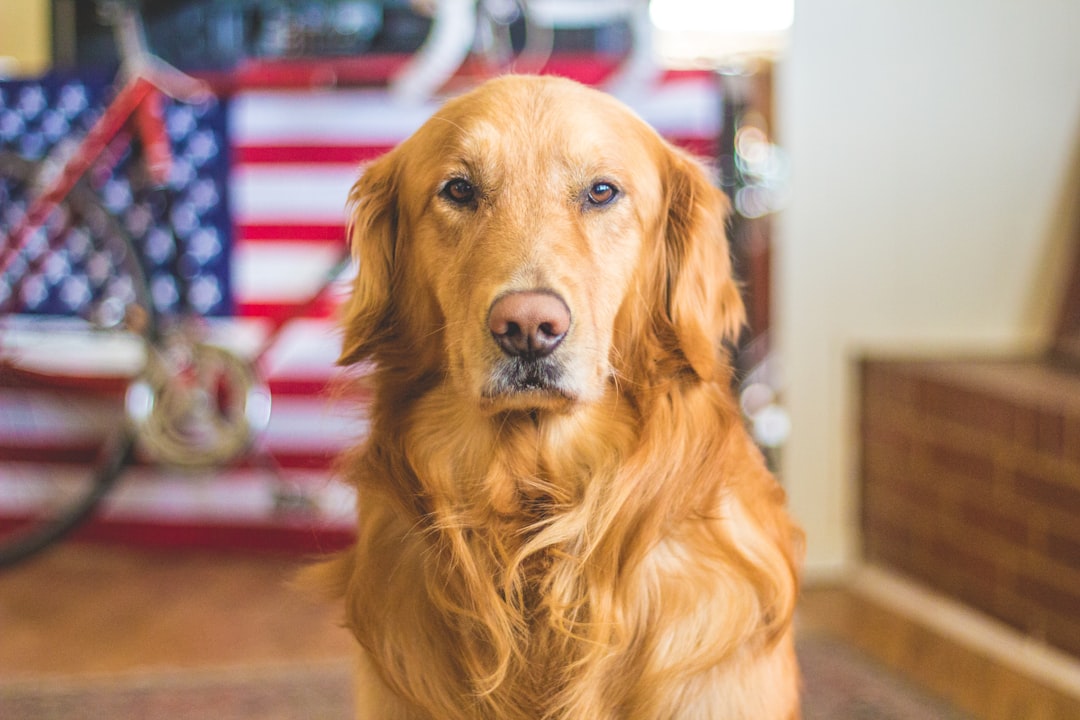
If your dog never learns to be alone, you might notice more accidents around the house. Even a perfectly house-trained pup can start urinating or defecating inside when left alone and anxious. This isn’t about “forgetting” their training—it’s a physical response to stress. Dogs can lose control in moments of panic, leading to messes that frustrate owners and embarrass even the most well-behaved pets.
Loss of Confidence and Independence

Dogs who always rely on their humans for company never develop a sense of independence. They can become clingy, following you from room to room, unable to settle if you’re out of sight. This lack of confidence makes it harder for them to cope with any changes—like a new routine, house guests, or even a short trip to the grocery store. Just like children need to learn independence, so do our canine companions.
Increased Risk of Escape Attempts
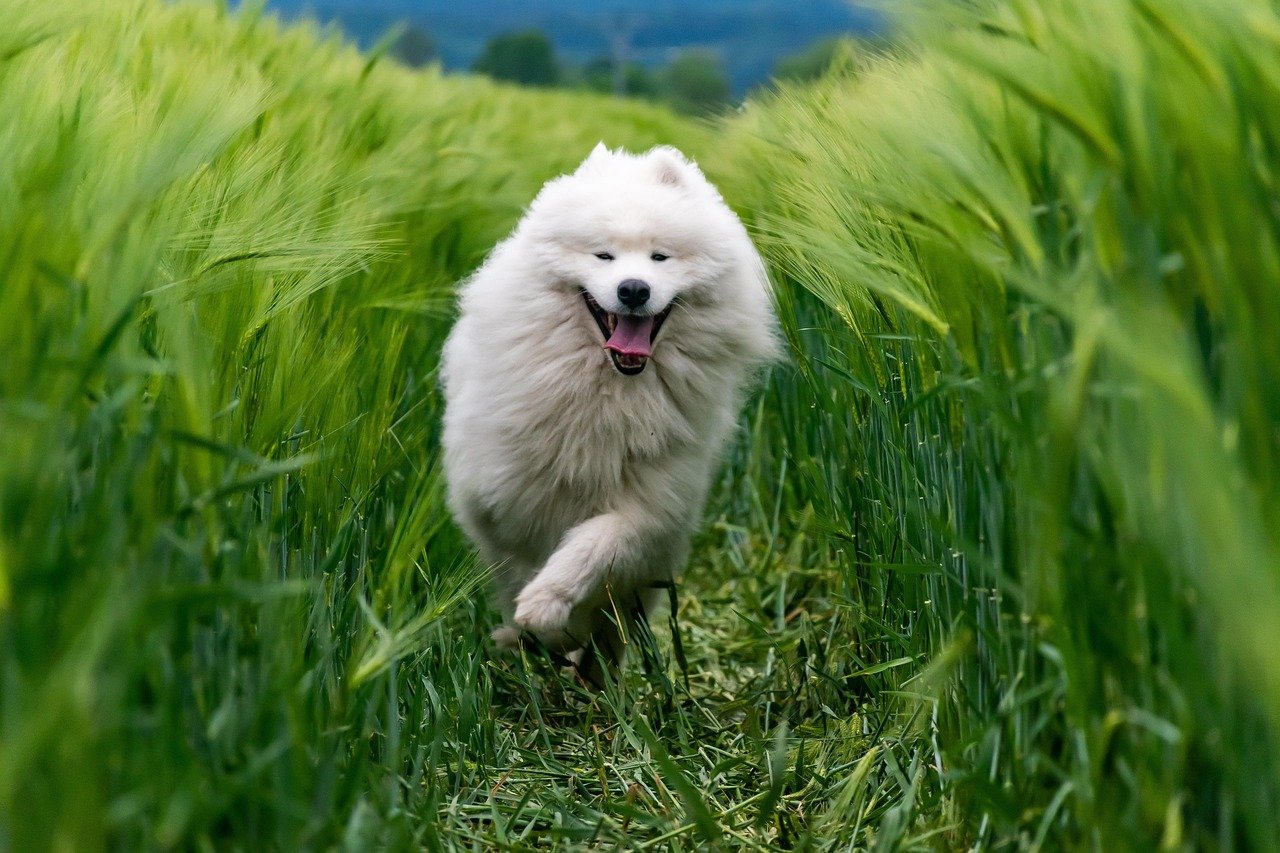
When left alone and anxious, some dogs become escape artists, trying anything to reunite with their owners. They might scratch at doors, dig under fences, or even leap from windows. These escape attempts can be dangerous, leading to injuries or, worse, getting lost. The desperation to find you outweighs any sense of safety or caution, putting your dog at real risk.
Strained Owner-Pet Relationship
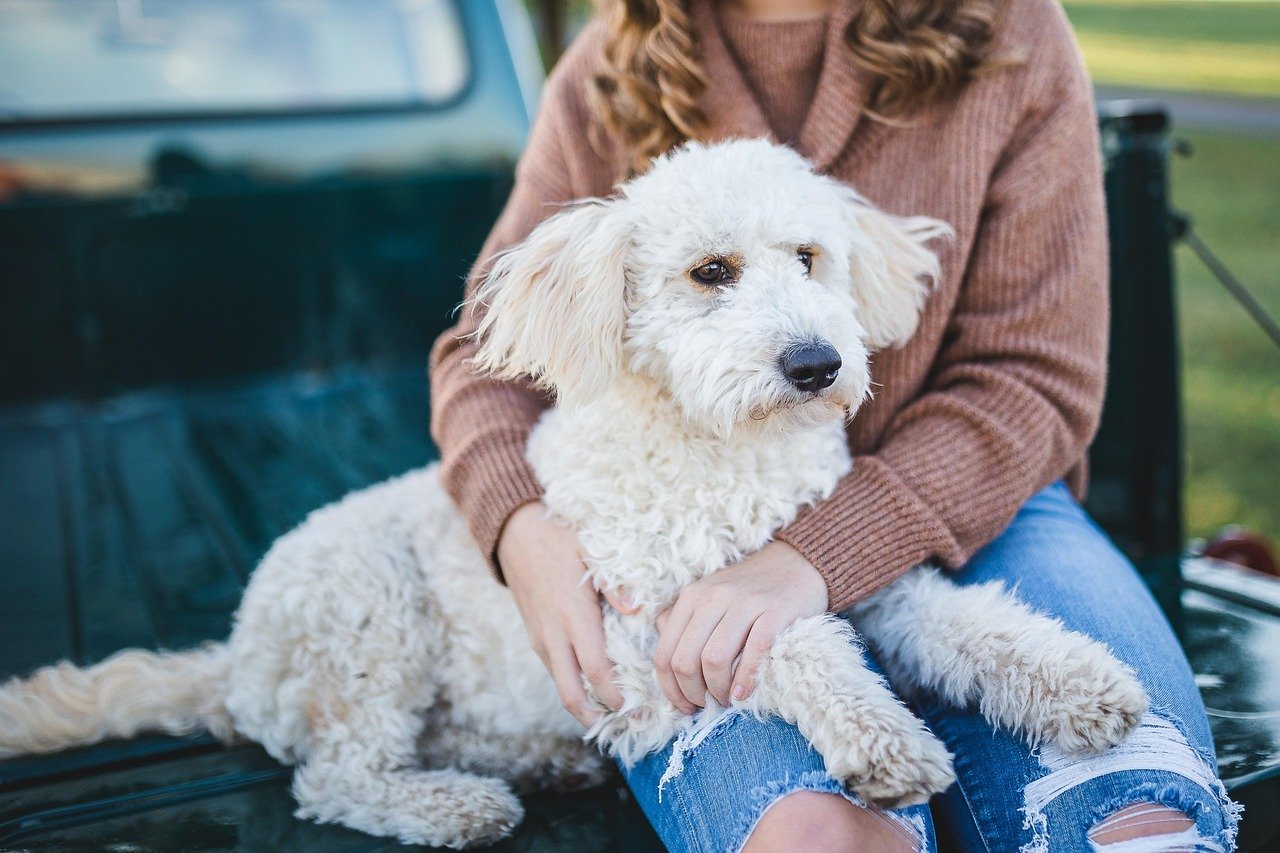
Constant stress and destructive behavior can turn the joy of dog ownership into a challenge. Some owners may feel frustrated, guilty, or helpless, unsure how to help their pet. This can create distance in the bond you share, as negative emotions overshadow the love and companionship you once felt. A dog’s inability to be alone doesn’t just affect them—it impacts the whole household.
Difficulty with Boarding and Pet Sitters
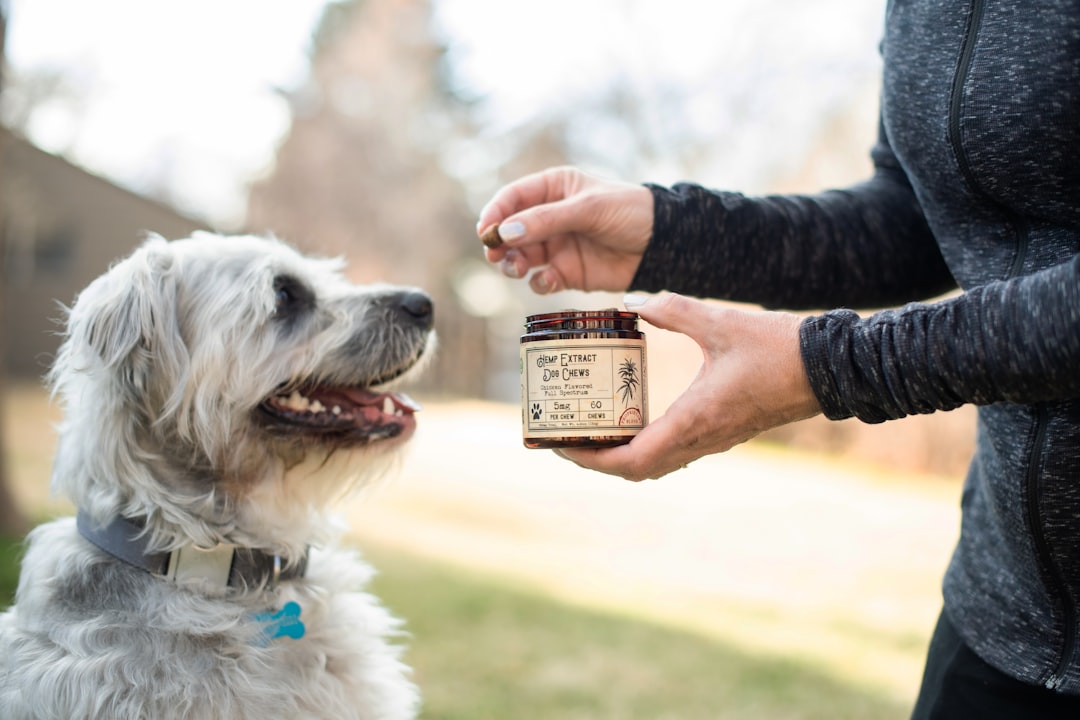
Dogs who never learn to be alone often struggle when boarded or left with a pet sitter. Vacations, emergencies, or even a day at the groomer can become traumatic experiences. These dogs may refuse to eat, hide, or act out in new environments, making it tough for caregivers to provide proper care. Owners might feel trapped, unable to leave their dog in anyone else’s hands without worry.
Missed Opportunities for Growth
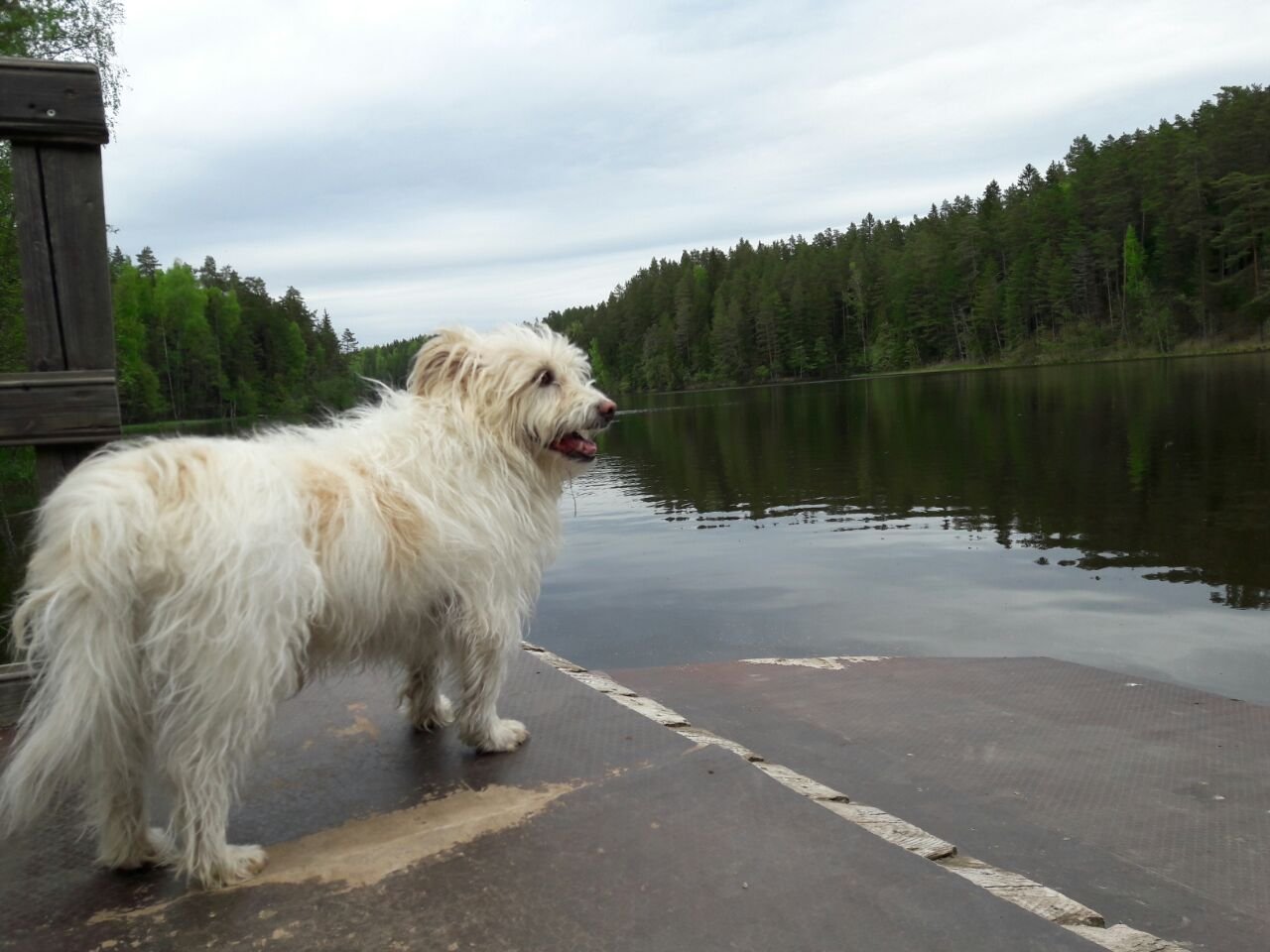
Learning to be alone is part of a dog’s emotional development. Dogs who never master this skill miss out on important opportunities to build resilience and adaptability. They become more vulnerable to stress, less able to handle changes, and more likely to develop lifelong anxieties. Teaching a dog to be alone isn’t just about convenience—it’s a vital part of helping them grow into happy, well-adjusted companions.


