

Have you ever caught your dog chewing up your favorite shoe and immediately scolded them? It’s a gut reaction many of us have. But what if I told you that punishing your dog without knowing why they acted out can actually do more harm than good? Our dogs aren’t just furry roommates—they’re sensitive souls who often communicate their needs in ways we might not understand at first glance. They’re counting on us to figure out what they’re really trying to say.
The Hidden Message Behind “Bad” Behavior
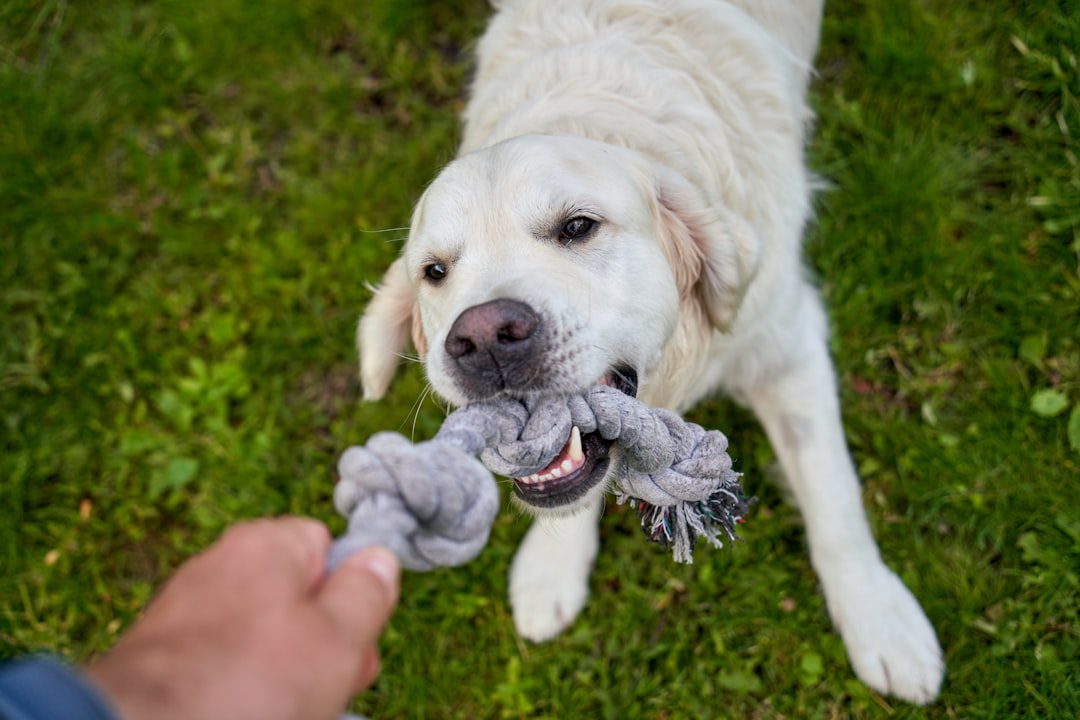
When a dog misbehaves, it’s rarely about being stubborn or spiteful. Most of the time, there’s an unmet need driving the behavior—like boredom, anxiety, or even pain. For example, if your pup starts barking non-stop, they could be anxious about being left alone, not just trying to annoy you.
Imagine punishing a friend for crying instead of asking what’s wrong. The same goes for our dogs. If we don’t pause to ask, “Why did this happen?” we miss out on addressing the real issue and helping them feel safe and understood.
Fear Isn’t the Lesson You Want to Teach

Punishment without understanding can quickly make your dog fearful. If every accident or slip-up is met with harsh words or actions, your dog may start to see you as unpredictable or even scary. That trust you’ve built together? It can crumble faster than you’d think.
You might notice your dog slinking away or avoiding eye contact after being punished. These are signs of stress, not lessons learned. Over time, fear can lead to even more problem behaviors, creating a frustrating cycle for both of you.
Missed Clues: What Your Dog Is Really Telling You

Dogs communicate with body language—ears back, tail tucked, yawning when not tired. These cues often signal discomfort, stress, or confusion. If we focus only on stopping the behavior, we overlook what our dogs are desperately trying to tell us.
Let’s say your dog suddenly starts growling when you approach their bowl. Instead of a “bad dog,” think, “Is my dog sick? Is something hurting?” Catching these early signs can even help you spot health issues before they become serious.
Anxiety: The Unseen Consequence
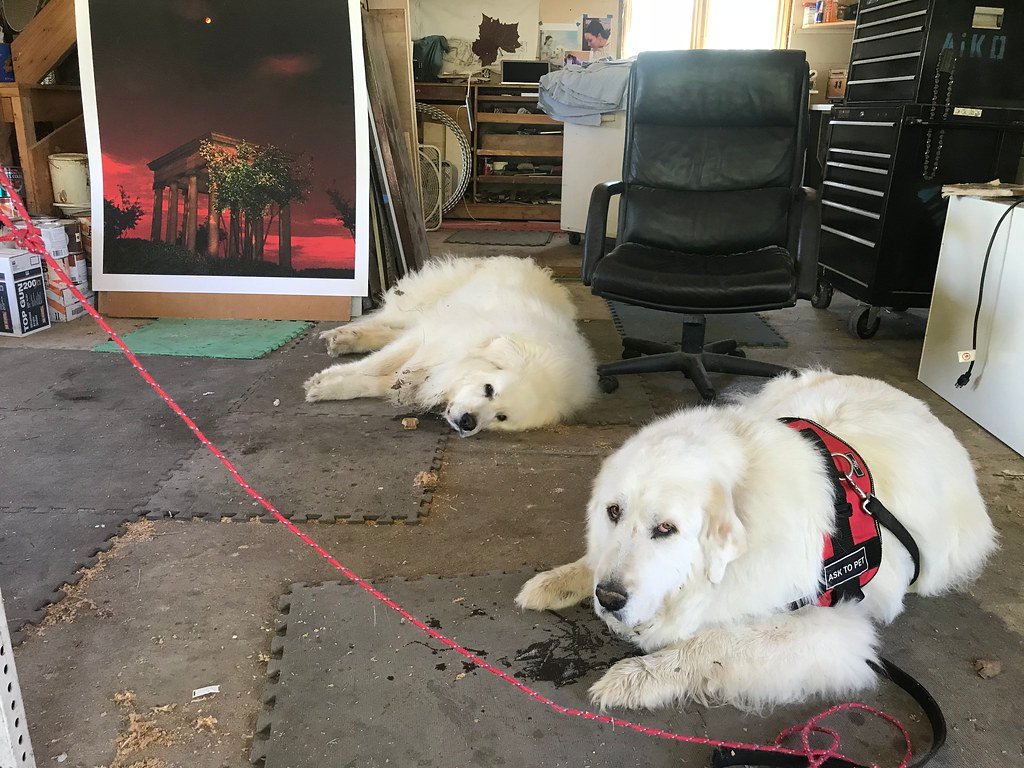
Repeated punishment without understanding can trigger ongoing anxiety. Your dog might start trembling when you reach for their collar or hide when it’s time to go outside. Dogs with anxiety often chew, dig, or bark more—not less—because they don’t feel safe.
Real-world example: A rescue dog who was punished for accidents indoors became terrified of going potty in front of people. The root problem wasn’t stubbornness, but fear of making a mistake. Compassionate, patient guidance made all the difference.
Health Issues Often Masquerade as “Bad” Behavior
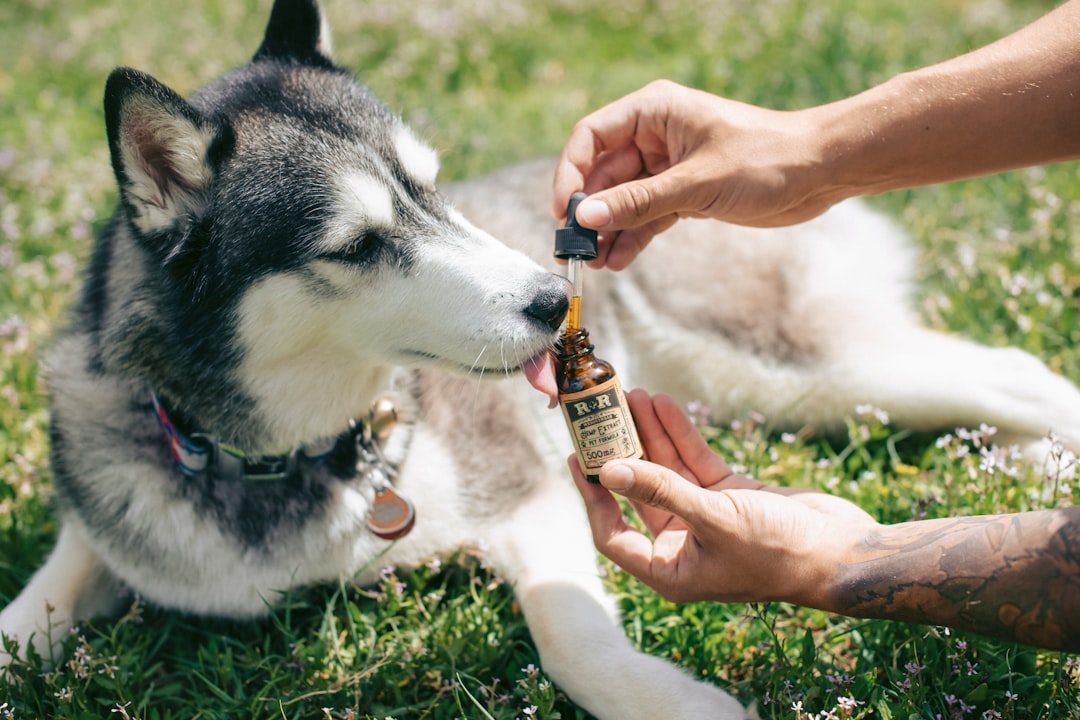
Sometimes what looks like disobedience is actually a health problem. A housetrained dog suddenly peeing inside might have a urinary infection; a normally friendly dog snapping during play could have joint pain. Punishment in these cases doesn’t solve the problem—it hides it.
By paying close attention to sudden changes in behavior and consulting your vet, you can get your buddy the help they need. Never underestimate the power of a careful, curious look at what’s really going on beneath the surface.
Better Alternatives: Positive Reinforcement and Redirection
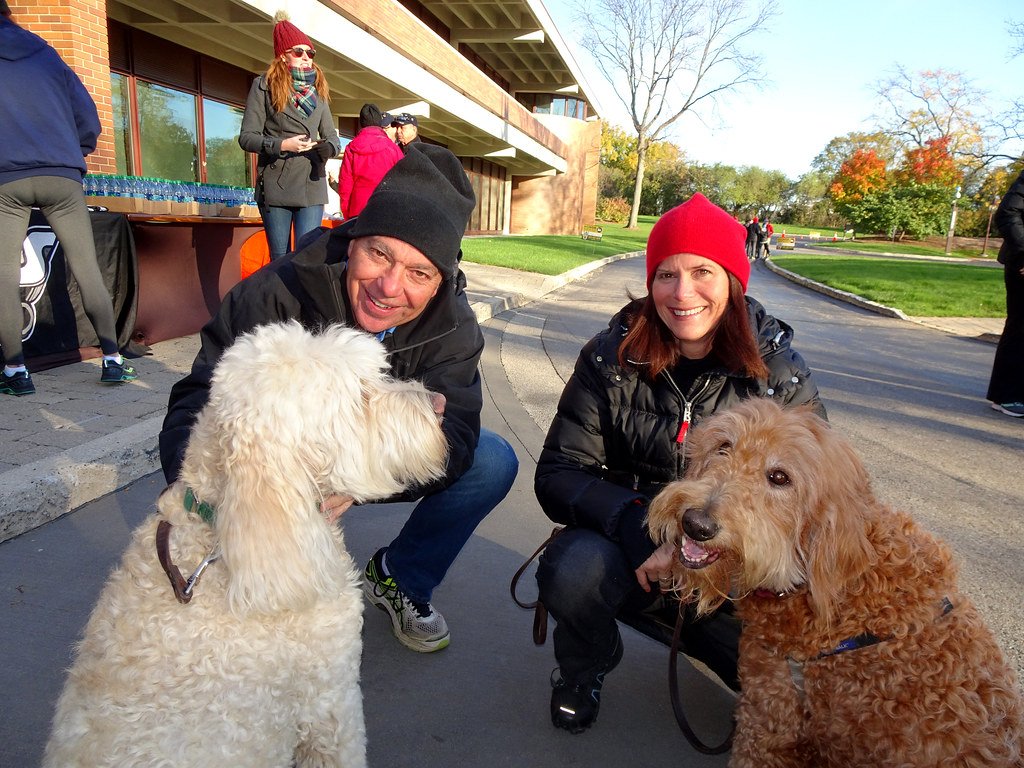
Instead of reaching for punishment, try rewarding the behaviors you want to see. When your dog sits calmly instead of jumping up, shower them with praise or a treat. Redirect their energy—offer a chew toy instead of scolding for chewing shoes.
Positive reinforcement isn’t about ignoring problems; it’s about showing your dog the right way, with patience. Over time, you’ll see a happier, more confident companion who trusts you to be fair and kind.
Building a Relationship—Not Just Obedience
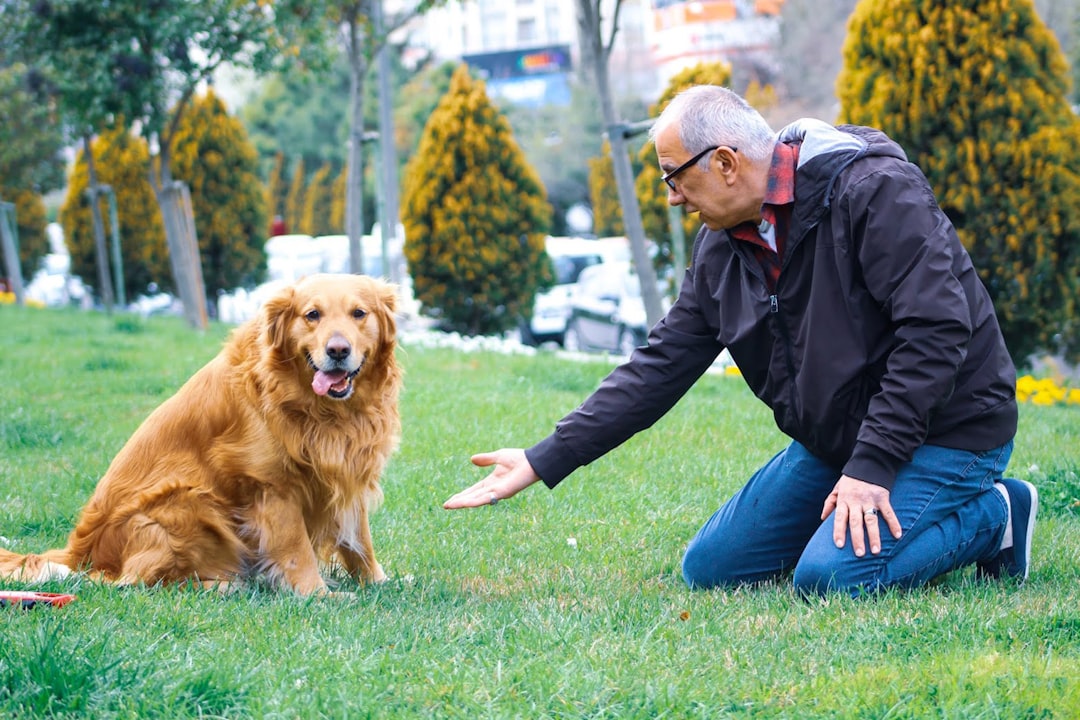
Your dog looks to you for guidance, love, and safety. Training is important, but the real magic happens when you build a relationship based on understanding and respect. When your dog feels safe, they’re more likely to listen, learn, and connect with you on a deeper level.
Think of your relationship as a partnership. The more you listen to your dog’s needs and motivations, the more they’ll want to listen to you. It’s a two-way street paved with empathy, patience, and a whole lot of tail wags.
Prevention: Setting Your Dog Up for Success
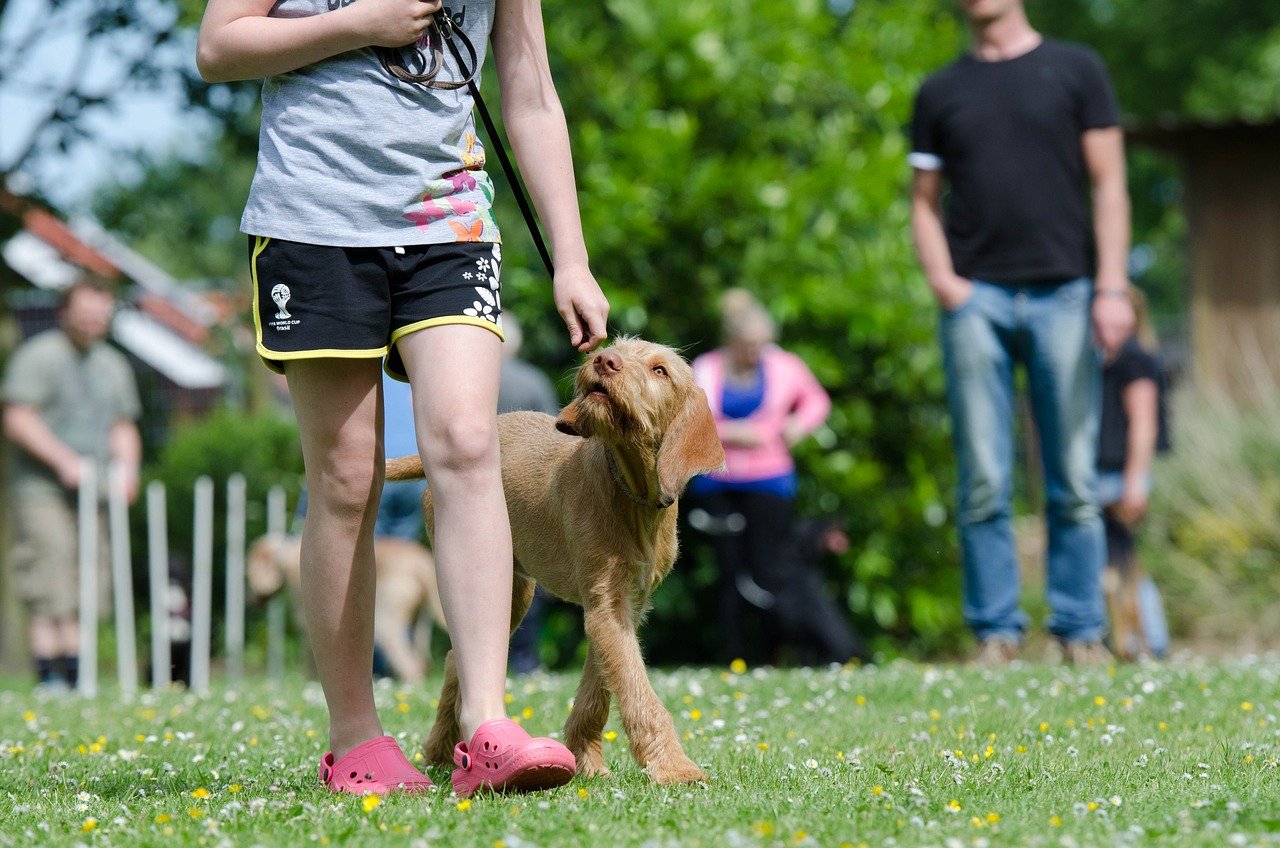
The best way to prevent problem behaviors is to meet your dog’s physical and emotional needs every day. Regular exercise, mental stimulation, a predictable routine, and lots of positive attention go a long way. If you notice changes in behavior, pause and ask yourself what might have changed in your dog’s world.
Prevention also means puppy-proofing your home, managing your dog’s environment, and giving clear, consistent cues. When dogs know what to expect, they’re less likely to act out from confusion or stress.
When we choose understanding over punishment, we give our dogs the security and trust they need to thrive. By tuning in to the reasons behind their actions, we can be the partners our dogs deserve—patient, compassionate, and always willing to listen.


