
Picture this: you slide open the back door on a sunny afternoon, your dog bounds outside with that full-body joy only dogs can manage, tail going like a helicopter rotor. It looks like pure happiness. It looks perfectly safe. But here’s the thing – your backyard, as cozy and familiar as it feels, can be hiding dangers that would genuinely alarm you if you knew they were there.
Most dog parents don’t discover the risks until something goes wrong. And honestly, that’s what breaks my heart most. So many of these hazards are completely preventable, once you know where to look. Let’s walk through your yard together, sniff out the trouble spots, and set your pup up for a much safer adventure out back. Let’s dive in.
The Garden That Could Send Your Dog to the Emergency Vet

Your flower beds might be gorgeous, but they could be quietly deadly. Toxic plants are one of the biggest backyard dangers to dogs, and common garden favorites such as azaleas, daffodils, daisies, elephant ears, hollies, hostas, hydrangeas, oleander, peonies, tulips, and anything in the lily family are all toxic to dogs. Think about how many of those are in the average suburban garden. It’s genuinely shocking.
If your dog gets curious and eats a toxic plant, they could experience clinical signs as mild as upset stomach and vomiting, or as serious as heart or liver failure. Watch for drooling, pawing at the mouth, vomiting, wobbly legs, or unusual lethargy after time in the garden. If you’re concerned that your pooch may have eaten something poisonous in the garden, call the vet immediately – it can take a while for symptoms to show, and it’s better to be safe than sorry. Try to have some information about what your dog may have eaten, how much, and when.
Wild Mushrooms: The Danger That Appears Overnight
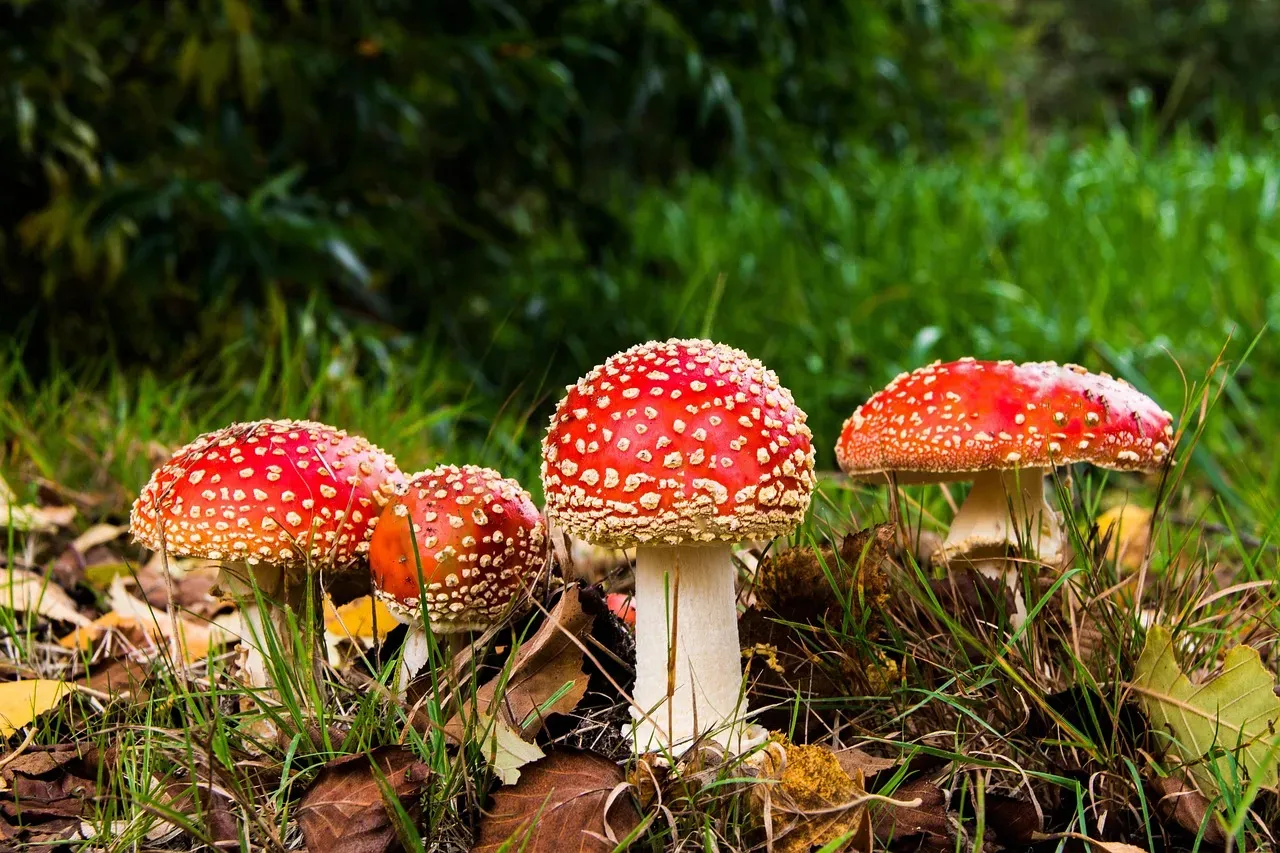
Here’s something that catches even the most careful dog owners off guard. Mushrooms can appear overnight after rain and be consumed before you even notice them. They’re sneaky like that. Your yard can look perfectly clear in the morning and host a cluster of wild mushrooms by afternoon.
Not all mushrooms are toxic, but the ones that are toxic are frequently fatal. Many dogs are sickened and killed each year after eating poisonous mushrooms. Depending on the type of mushroom and the size of your dog, it may not take much to cause serious harm. Eating just one or two mushrooms could be a problem, since poisonous mushrooms attack the liver. After any rain, make a quick sweep of your yard before letting your dog out. It could genuinely save their life.
Toads, Snakes, and Creepy Crawlies That Pack a Punch
Dogs are curious by nature. They sniff, poke, and sometimes lick things they absolutely should not. Toads secrete venom from glands found on their skin that can be poisonous to pets that bite them, pick them up in their mouth, or lick them. Toads are most active in warmer months and may be more easily found by your dog after rain or at dawn or dusk. The toad’s venom can cause irritation in the mouth, leading to apparent pain, salivation, and pawing at the mouth.
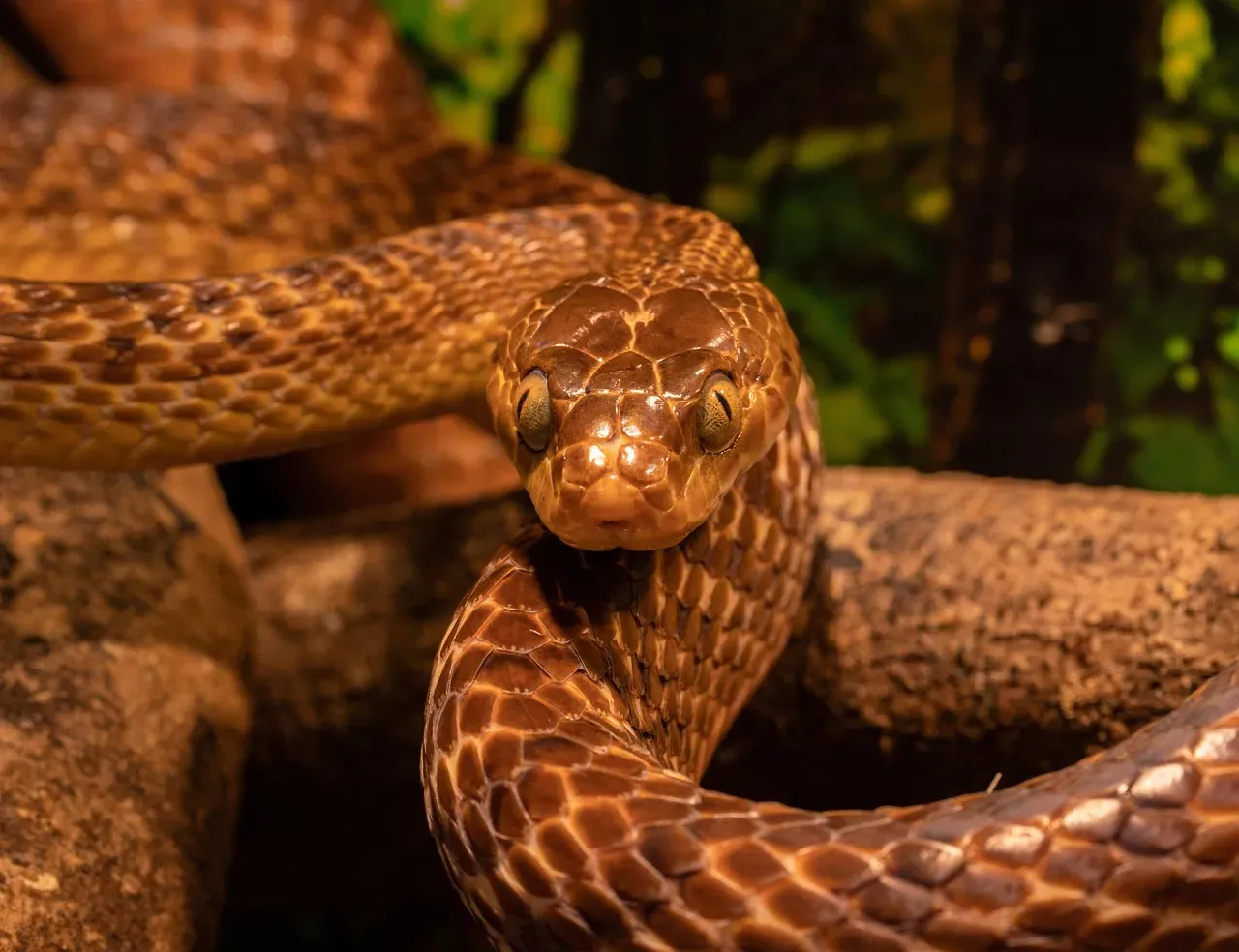
Venomous animals such as snakes, spiders, bees, wasps, scorpions, and others live in most yards and gardens. America is home to two deadly species of spiders – the black widow and the brown recluse, which can be very dangerous for dogs. These spiders hide themselves very easily in gardens, wood piles, and sheds. If you notice your dog yelping, pawing at their face, drooling excessively, or walking unsteadily after being in the yard, get to a vet without hesitation.
Pesticides, Fertilizers, and Lawn Chemicals: Invisible Threats Underfoot

I know it sounds counterintuitive, but the very products you use to keep your yard looking lush can pose a real threat to your dog. Using pesticides helps clear unwanted creepy crawlies as well as weeds from your lawn; however, they can be toxic to cats and dogs. Remember, your pets lick themselves and clean their paws. If they ingest the pesticide, it could harm them. Think of it this way: your dog literally eats everything off those paws after every outdoor session.
Fertilizers come in many formulations and some of them can be toxic or contain ingredients that can be harmful. One of the toxins most concerning in fertilizers is iron, which can cause gastrointestinal, cardiac, metabolic, and other signs of toxicity. If you use fertilizer or weed killer, be sure to keep your dog off the treated areas for a few days. Before spraying any chemicals, pick up any water bowls, toys, or bedding and bring them inside so they aren’t exposed to accidental overspray.
Wildlife Visitors: When the Backyard Becomes Someone Else’s Territory
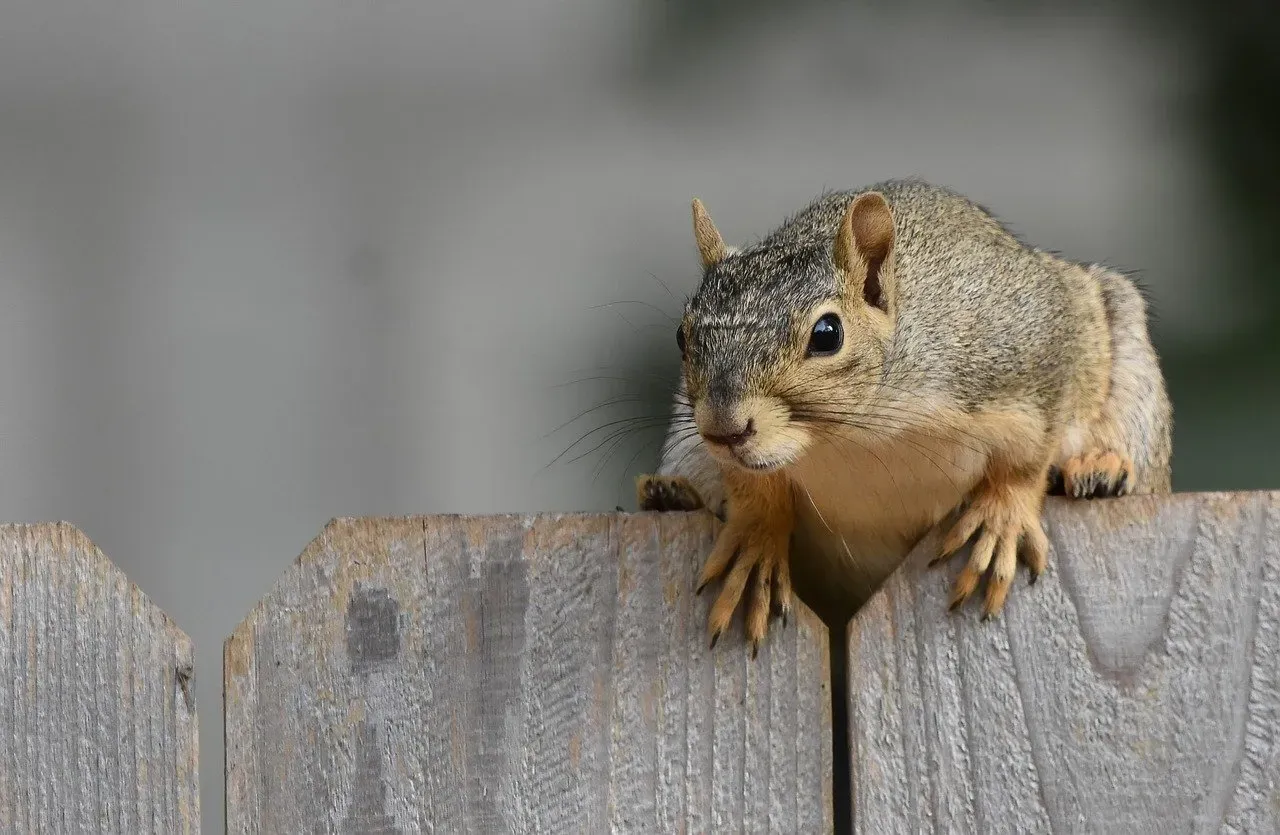
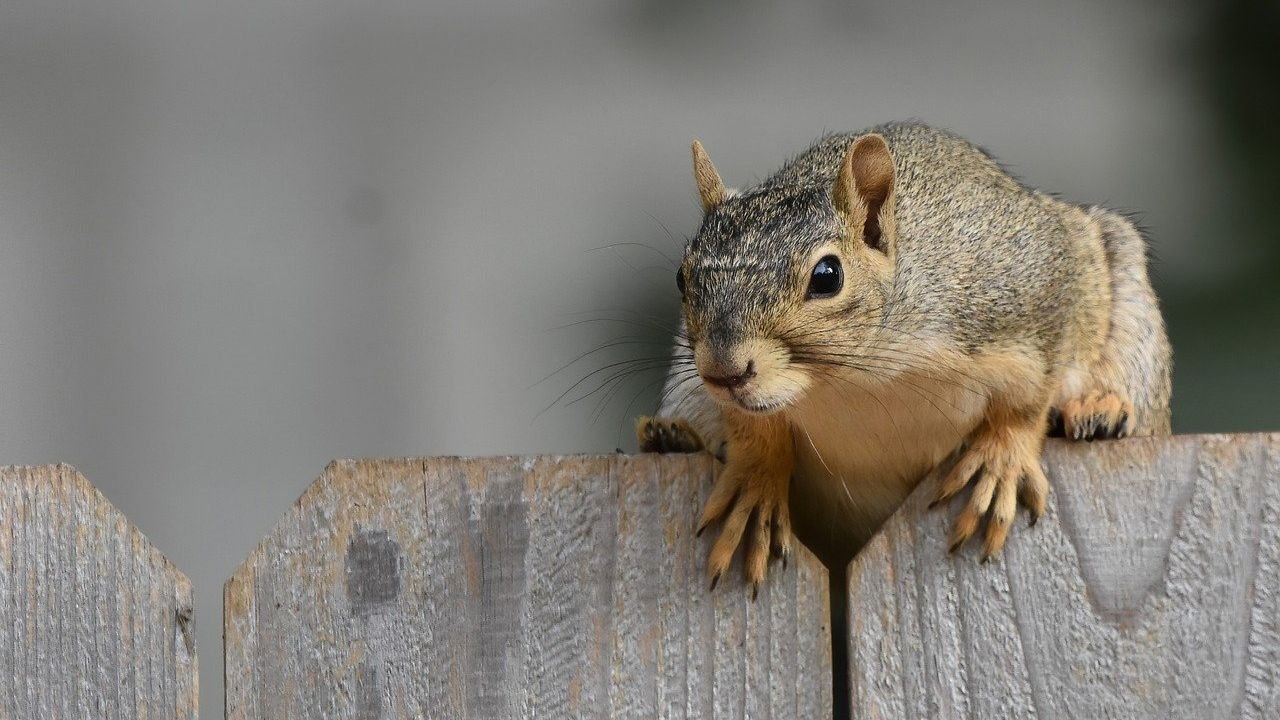
Your yard might feel like your dog’s private kingdom, but local wildlife doesn’t read the signs. Native wildlife such as foxes, coyotes, squirrels, and raccoons can pose a danger to your four-legged friends. Altercations can lead to injuries, and some animals may carry infectious diseases. A tipped trash can or a hole in the fence is an open invitation you definitely don’t want to send.
While fences are great for keeping your dog in, they’re not always good at keeping other animals out. Fences are usually little to no barrier to determined stray cats, stray dogs, and wild animals like raccoons. In addition to the potential wounds your pup might get if they find themselves in a confrontation, these animals also carry rabies and other transmissible diseases. Keep your dog’s rabies vaccination up to date. If they’re not already on flea, tick, and heartworm prevention, talk to your veterinarian right away.
Standing Water, Ticks, and Mosquitoes: The Small Threats With Big Consequences
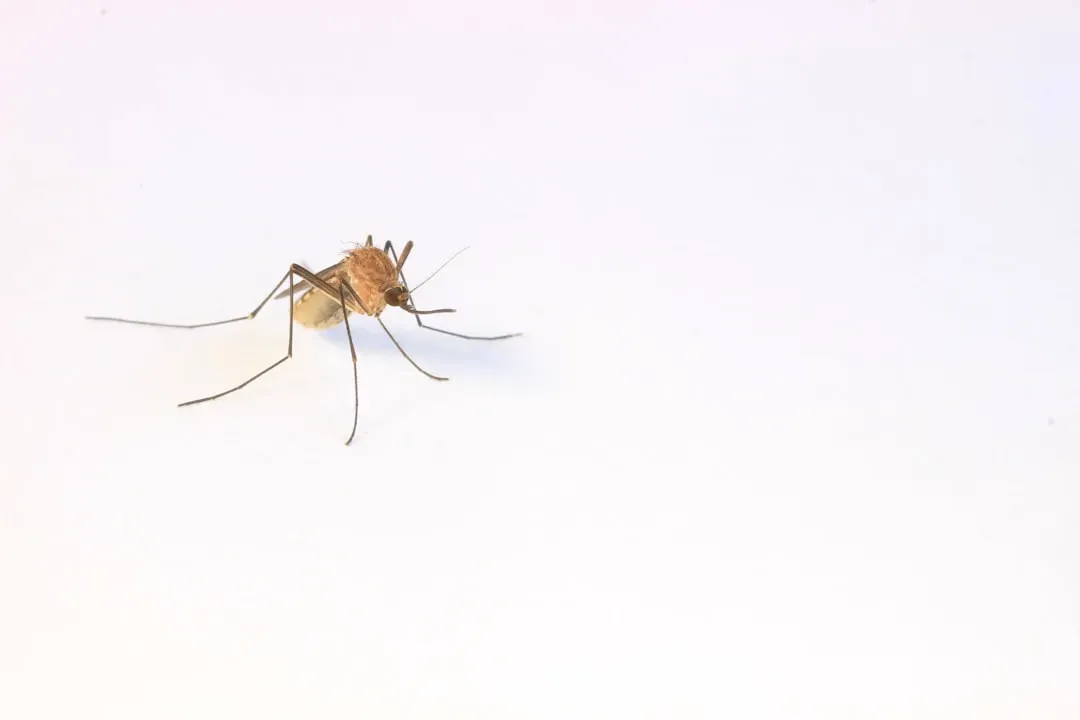
It’s easy to overlook a puddle or a birdbath, but standing water is a surprisingly serious hazard. Ticks and mosquitoes are more than just pests that make your dog itch – they both carry diseases that pose a serious health hazard to humans and pets alike. Mosquitoes carry heartworm larvae that can be transferred to your dog through a single bite. One tiny bite. That’s all it takes.
Ticks are tiny parasites that latch onto dogs and feed on their blood, potentially transmitting serious diseases like Lyme disease, Ehrlichiosis, and Rocky Mountain spotted fever. Emptying bird baths, kiddie pools, buckets, and other containers where standing water might accumulate will help reduce the threat of mosquitoes. After every outdoor session, run your hands through your dog’s coat – paying special attention to around the ears, between the toes, and under the collar – to catch ticks early before they do any damage.
A Safer Backyard Is Just a Few Smart Changes Away
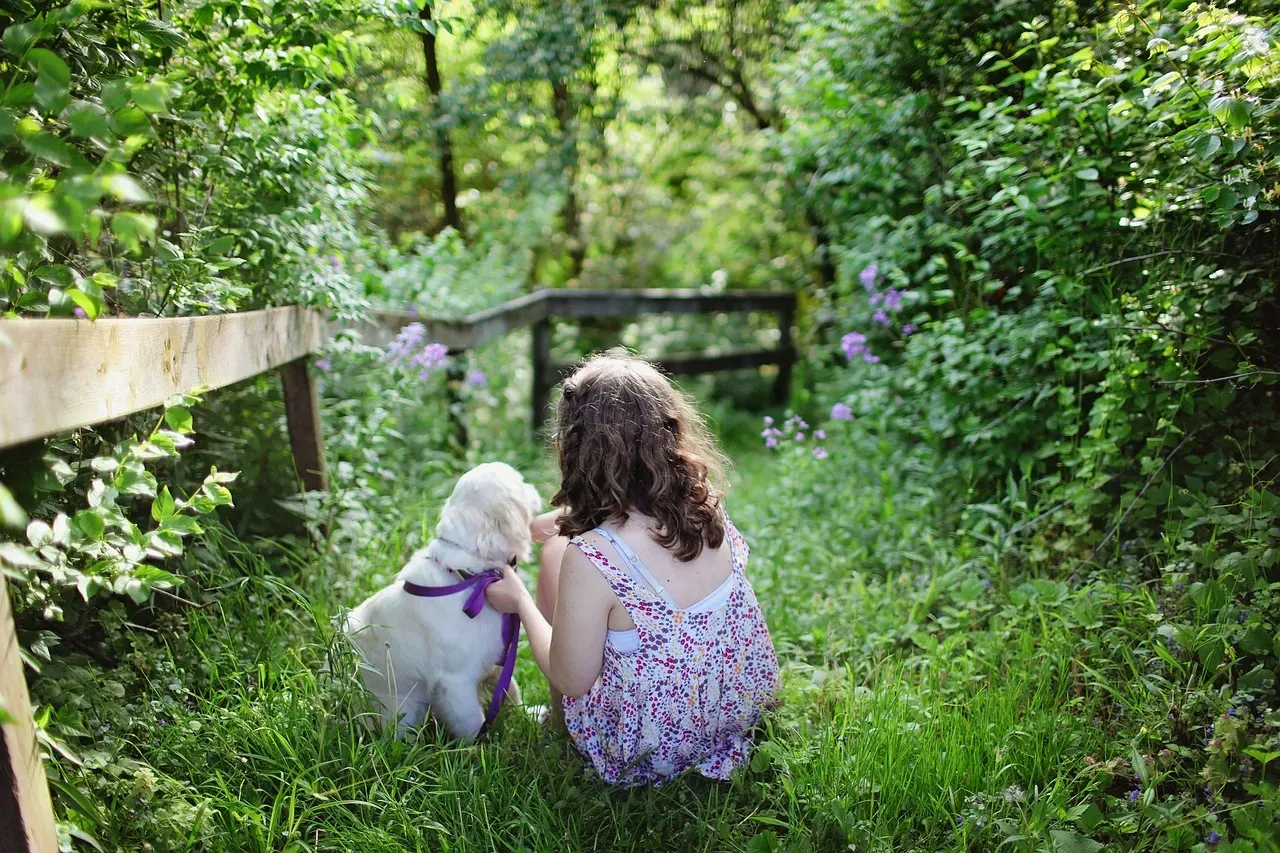
Your backyard doesn’t have to be a danger zone. Honestly, most of these risks are very manageable once you know they’re there. Think of your yard like you’d think of childproofing a home. A little awareness goes a long, long way.
Do a seasonal audit of your plants, check your fences for gaps, store chemicals in sealed containers out of reach, and drain any standing water regularly. Your backyard should be a place where your dog can run, play, and relax without hidden dangers. By being aware of potential risks – like toxic plants, harmful bugs, and dangerous chemicals – you can take proactive steps to create a safer, pet-friendly environment.
Understanding that yard safety is dynamic rather than static emphasizes the need for ongoing vigilance rather than a one-time assessment. Every season brings new risks: mushrooms after autumn rain, toads in warm summer evenings, ticks in spring, and ice-melt chemicals in winter. Your dog trusts you completely with their safety. That’s not a small thing. Walk the yard before they do, scan it with fresh eyes, and give them the safe outdoor life they deserve.
What hidden hazard surprised you most? Share it in the comments – it just might help another dog parent protect their pup too.


