
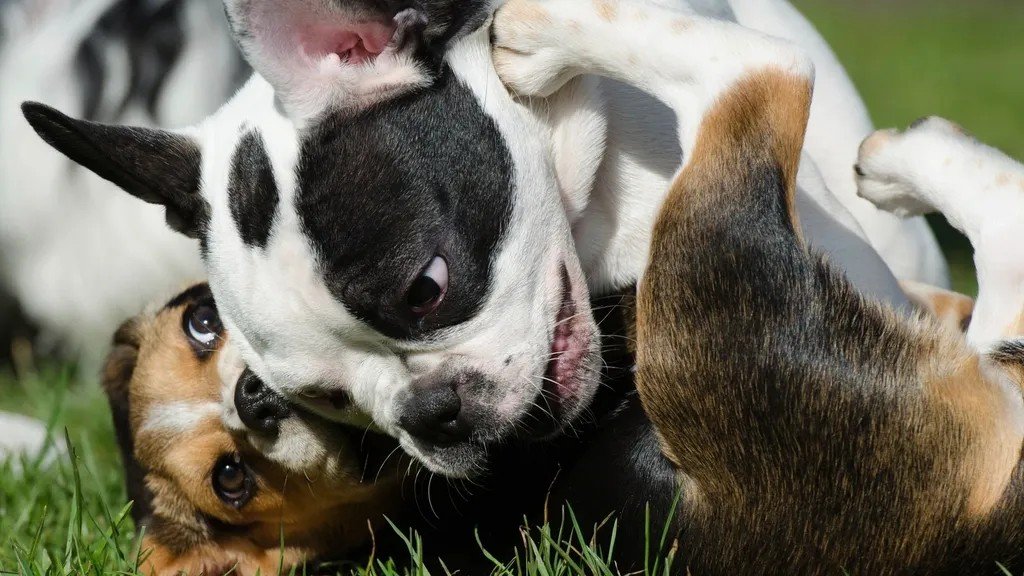
Have you ever watched your dog light up at the sight of one particular pup at the park, while completely ignoring another? Maybe you’ve noticed them gravitating toward the same furry friend over and over, like they’re meeting up with an old college roommate. Dogs, much like us, are picky about their companions. They don’t just tolerate every tail that wags their way.
If your dog could actually choose their own playmate, would you be surprised by their pick? Would they go for the gentle giant or the scrappy little terrier? The truth is, they’re already making these choices every single day, and most of us are just starting to decode the language behind it all. Let’s dive into the fascinating world of canine friendships and discover what really makes two dogs click.
The Secret Language Dogs Use to Choose Friends
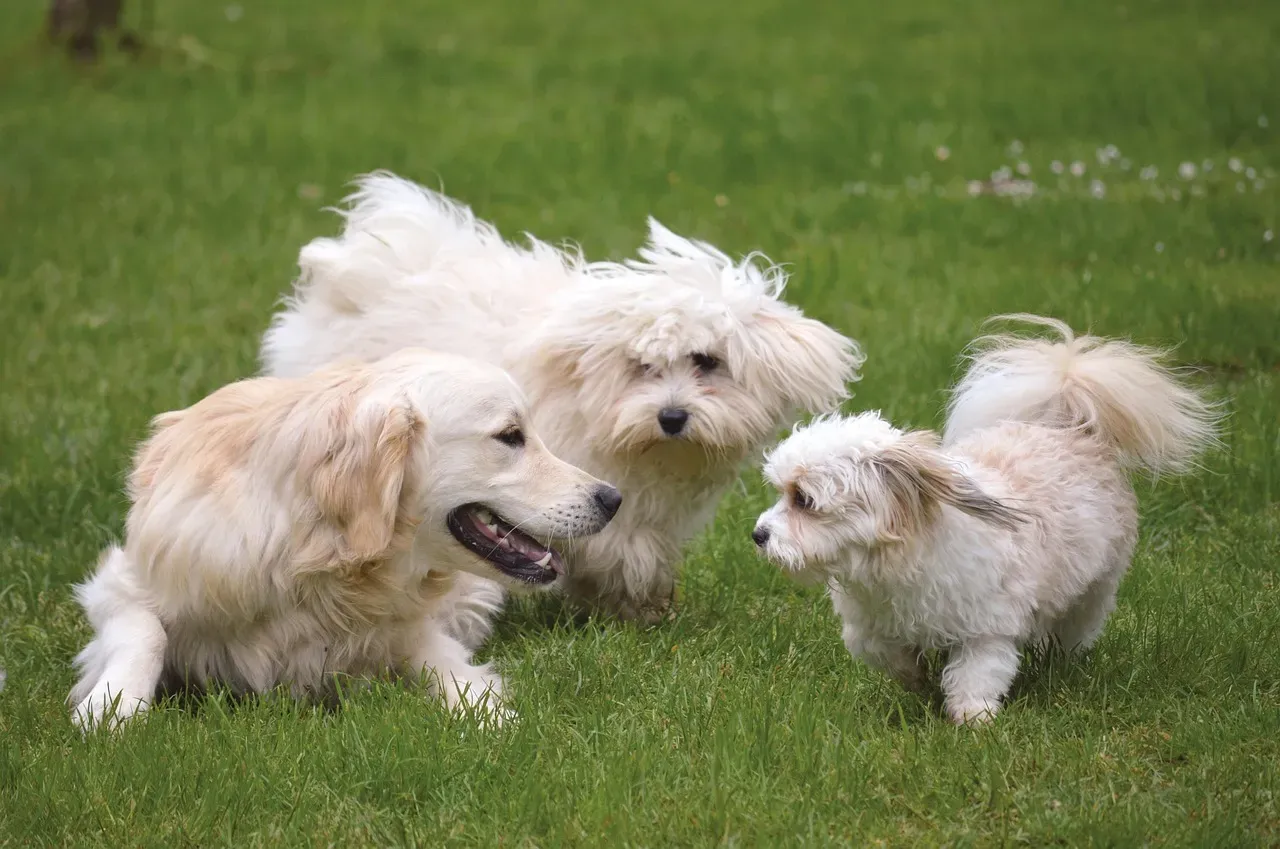
Dogs communicate through body language and scents, sharing information that often goes unnoticed by humans. Think of it as a hidden conversation happening right under our noses. When two dogs meet, they’re exchanging a complex series of signals within seconds.
Dogs are friends when they seek each other out, like to hang out together, play, and look for the other when they’re not around. It’s really that simple, yet beautifully profound. Your dog’s friendship criteria might not involve shared Netflix accounts, but the desire for companionship runs just as deep.
What’s fascinating is how quickly these decisions happen. From a distance, dogs can tell each other something through scent or body language that influences whether they’ll like one another, and this might relate to personality or past experiences. Sometimes a dog who resembles one from a negative past encounter gets an instant cold shoulder.
Play Styles: The Foundation of Canine Compatibility
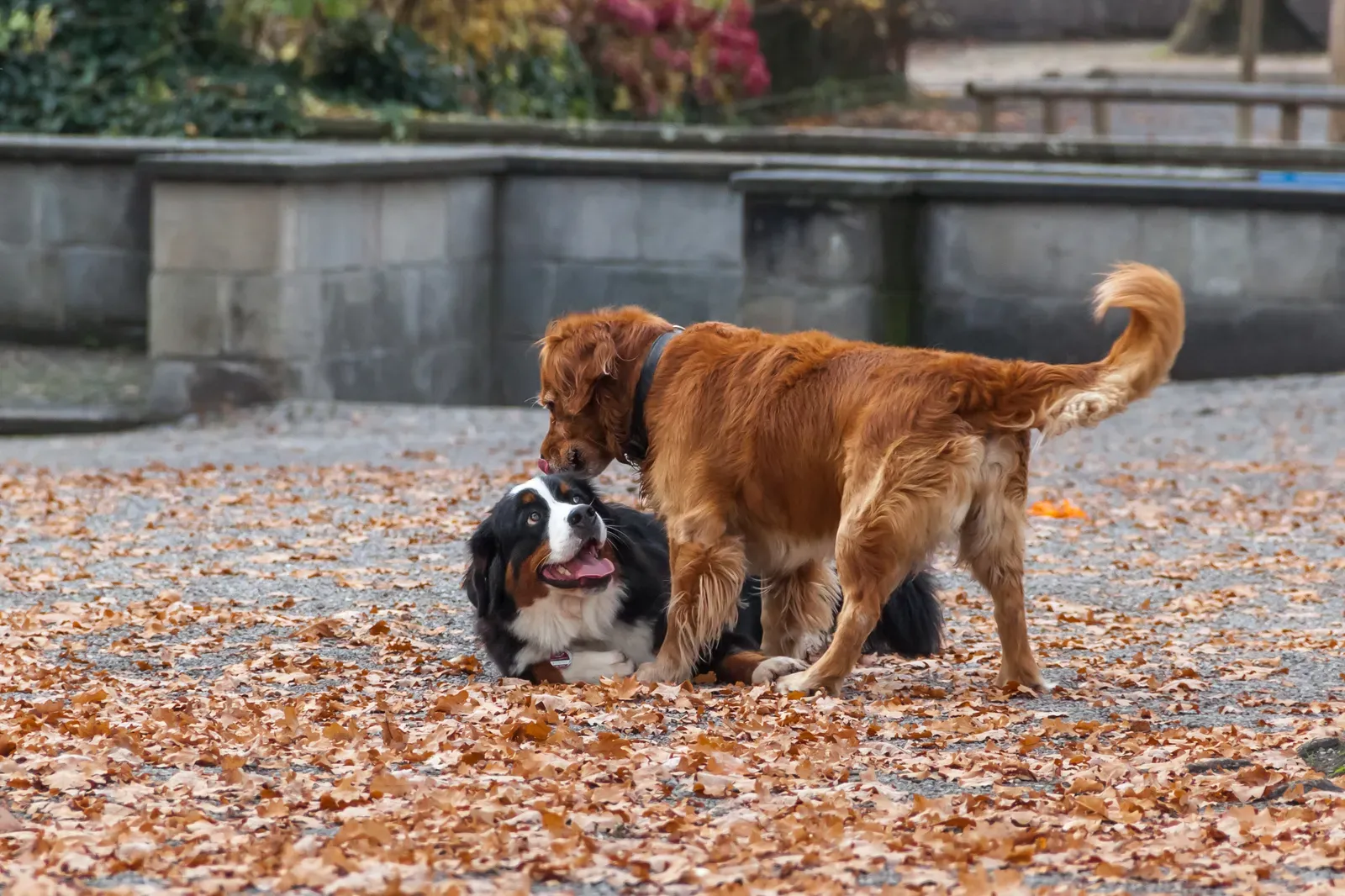
Here’s the thing about dog friendships – they’re built on how dogs like to have fun. Successful canine friendships are often based on compatible play styles, since dogs naturally prefer to hang out with other dogs who share their idea of fun. It’s like trying to pair a bookworm with an adrenaline junkie. Sure, they might get along, but will they actually enjoy spending time together?
Some dogs love to play chase, running endlessly back and forth, while others engage in rough-and-tumble wrestle play, and some prefer stalking games. Imagine a wrestler trying to engage with a dog who just wants to run circles. What you don’t want is one dog trying to play chase while the other tries to wrestle – play sessions only go well if playmates are trying to play the same game and both are enjoying it.
The beauty? Many dogs do enjoy a variety of play styles and are happy to adapt to play with different companions. Some pups are social butterflies who can switch gears depending on who they’re with.
Reading the Signs: When Dogs Are Truly Bonding
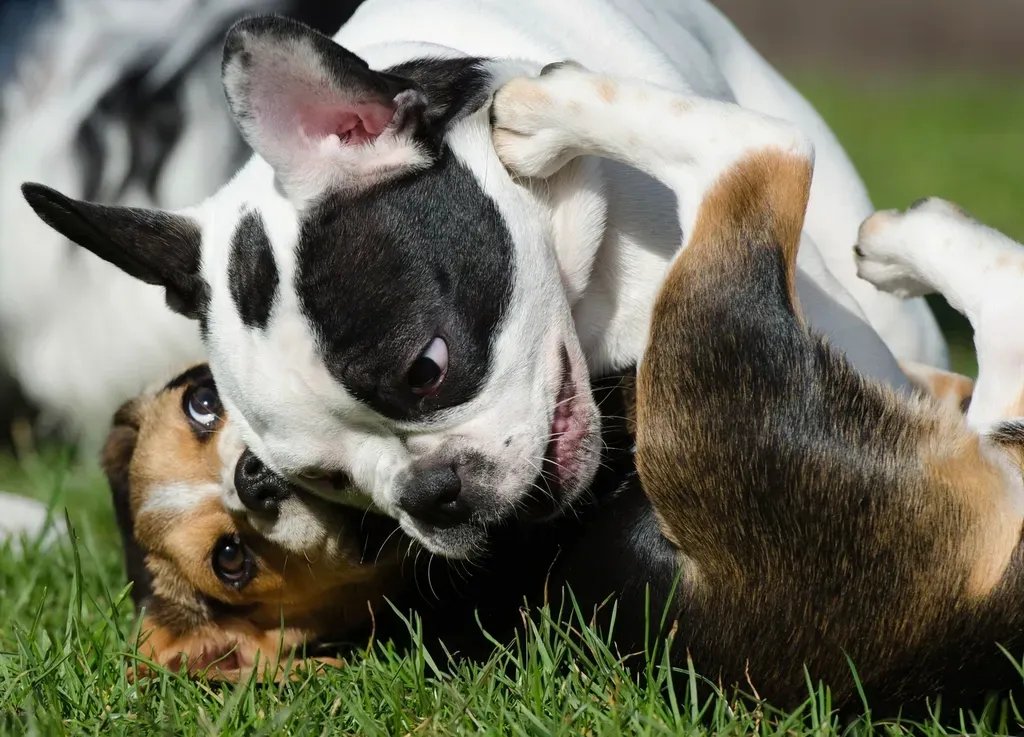
The play bow – when a dog lowers its front legs and raises its hindquarters – is the classic “Let’s play!” pose, like a doggy invitation to a fun party. You’ll see this signal repeatedly during healthy play. It’s their way of saying the rough stuff is all in good fun.
Healthy play includes relaxed body movements, with loose, fluid motions without stiffness or tension. If you see wiggly bodies, open mouths that look like smiles, and tails wagging in loose circles, you’re watching friendship in action. Brief pauses during play allow each dog to catch their breath and assess the situation, which is a good sign that the play is mutually enjoyable.
Let’s be real – sometimes what looks like a WWE match is actually two best friends having the time of their lives. The key is reciprocity. During appropriate play, conflict is avoided as long as each dog allows the other to take turns winning and losing the game.
Size, Age, and Energy: The Practical Side of Friendship
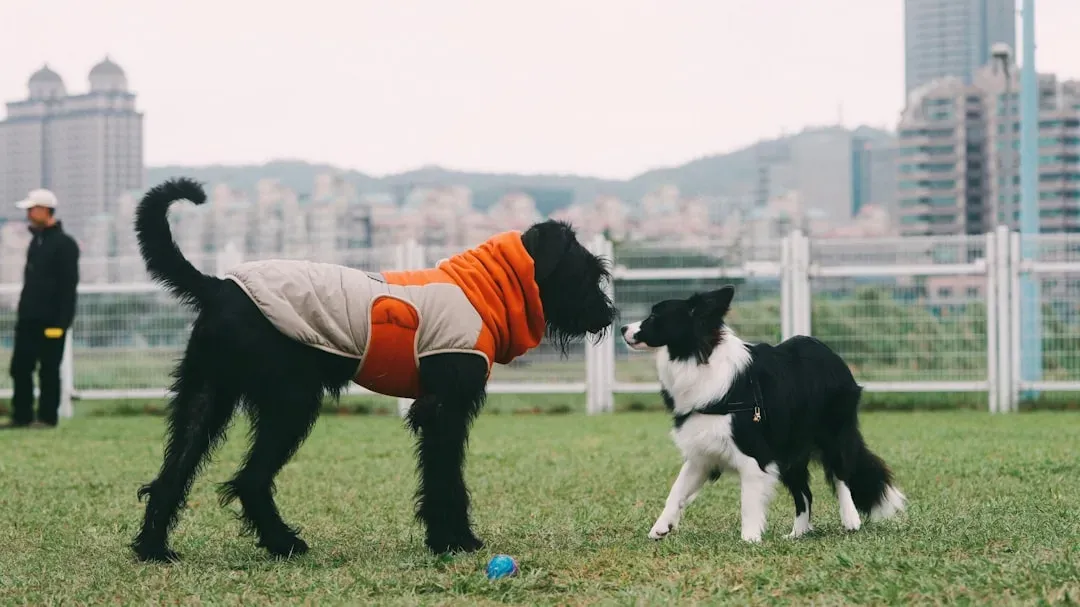
Dogs don’t have to be the same size to be great friends, but when dogs are well-matched in size, there is less chance of injuries, and it may make it easier for dogs to play without one having to take it easy. A Great Dane playing with a Chihuahua? Possible, but risky. One enthusiastic paw swat could send the little guy flying.
Age matters too. Dogs are more likely to enjoy playing with others in the same age range because they tend to have similar energy levels – young dogs may consider older dogs boring, while senior dogs often find puppies obnoxious. It’s hard to blame the senior citizen who just wants a peaceful afternoon when a puppy wants to play tackle football.
Energy level compatibility is everything. A couch potato Basset Hound and a hyperactive Border Collie might respect each other, but they’re probably not going to be besties.
The Role of Personality and Past Experiences
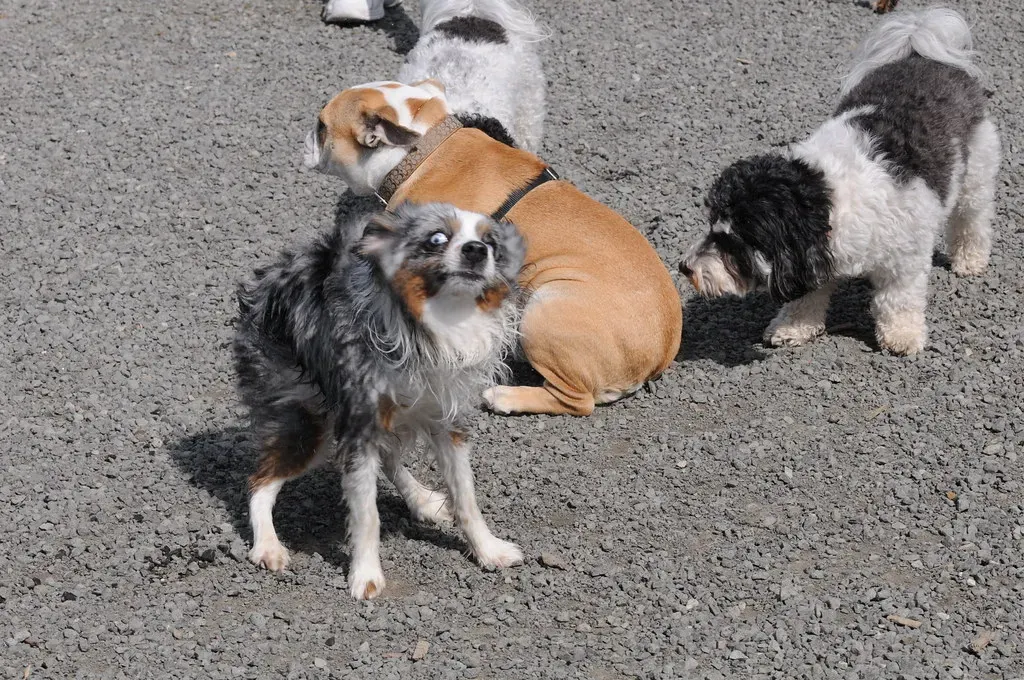
Dogs all have different personalities – some dislike all other dogs, a few seem to love any canine they come across, but most are like people and like some dogs and not others. Your dog isn’t being difficult. They’re just selective.
Dogs tend to choose companions with complementary energy levels and temperaments – cautious dogs naturally gravitate toward quiet, calm individuals, while high-energy dogs prefer active companions who match their enthusiasm. Honestly, this makes complete sense when you think about it. Would you want to hang out with someone whose vibe completely clashes with yours?
If your dog has had a previous negative experience with a similar dog, she might project that onto new dogs. That Golden Retriever who looks just like the one who bullied them at the park last year? They’re getting the cold shoulder, fair or not.
What Science Tells Us About Dog Friendships
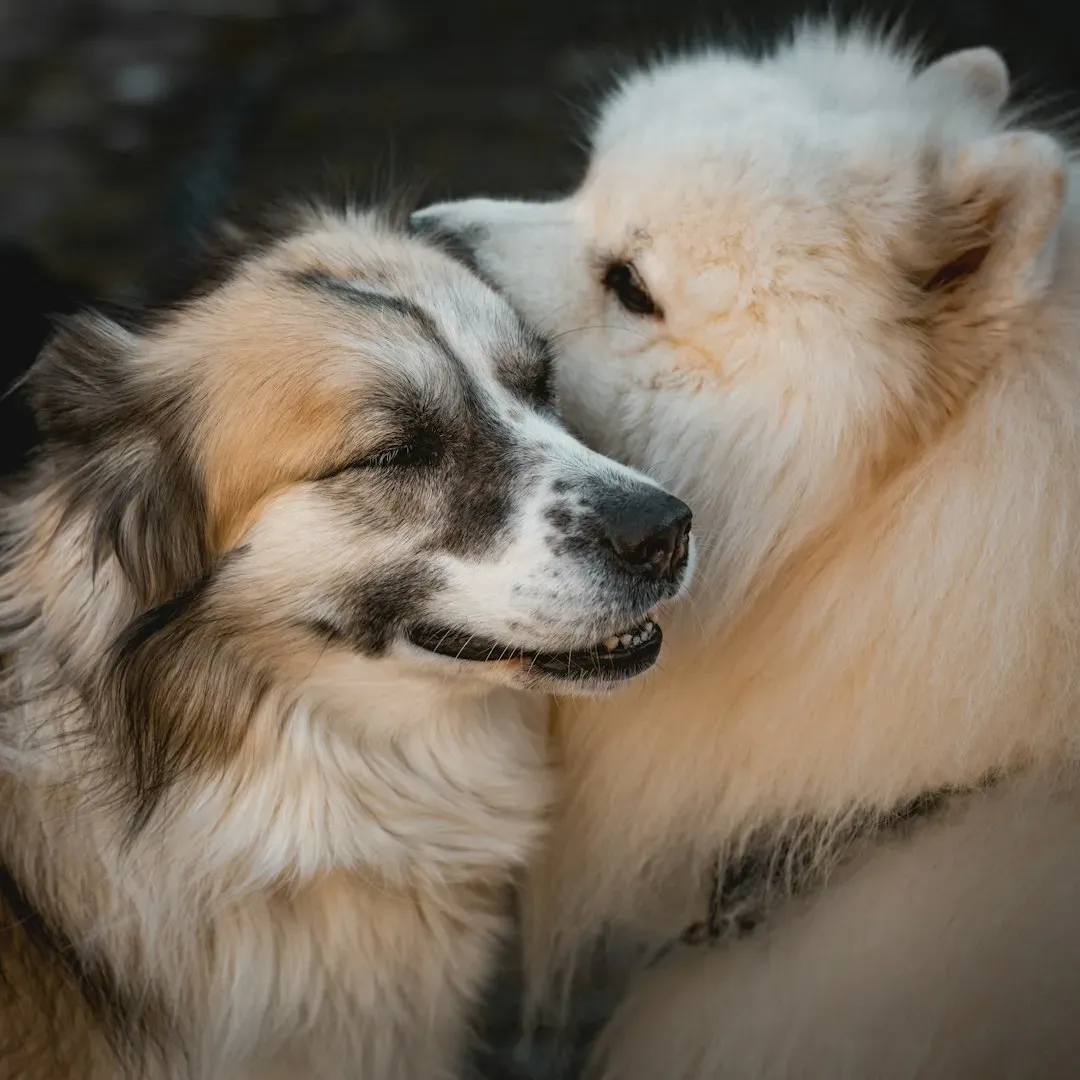
A study published in 2014 identified oxytocin as the neuropeptide that encourages dogs to form relationships, promoting behaviors related to social bonding including trusting behavior, cooperation, and generosity. Oxytocin – the same hormone that bonds human mothers to their babies – is working behind the scenes in your dog’s friendships.
Research shows that dogs can behave prosocially by donating food to a canine partner, but only if the partner is familiar. In other words, your dog will share their treats with their bestie, but don’t expect them to be charitable to strangers. They’ve got standards.
Early socialization matters – puppies exposed to other dogs during the critical three to fourteen week window form stronger later bonds, and repeated positive interactions through walks, playdates, and daycare let friendships form organically. The foundation is laid early, but friendships continue to develop throughout their lives.
How to Support Your Dog’s Social Life
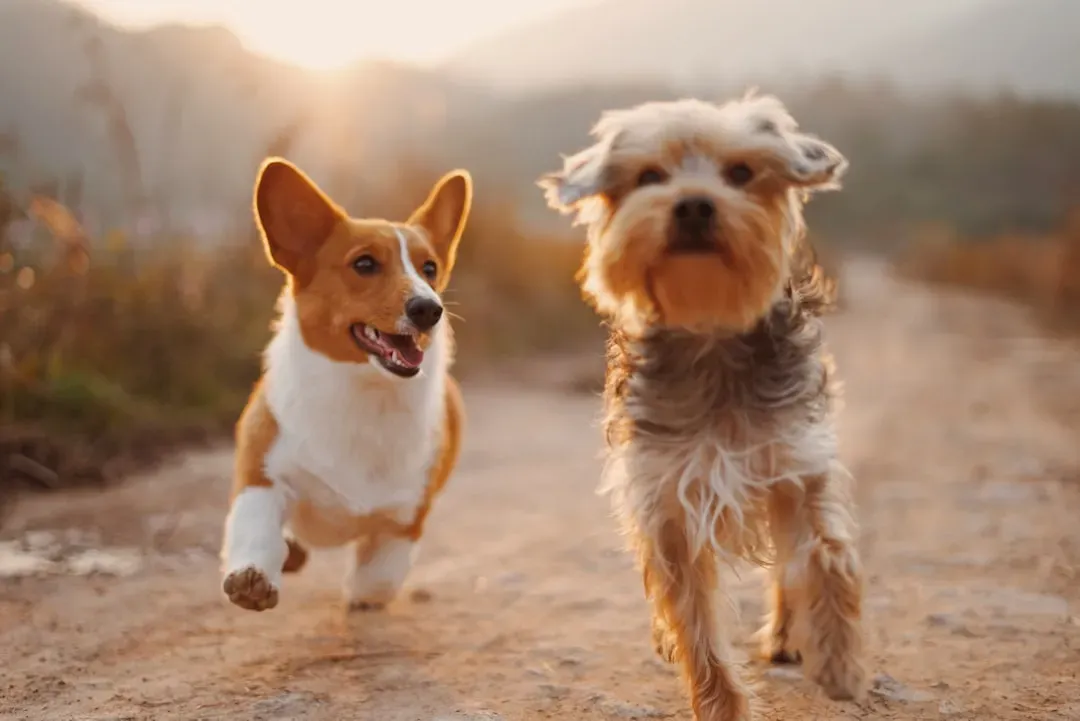
You can’t force your dog to love every pup they meet, but you can set them up for success. Dogs who are relentless, pushy, or rude don’t make the best play buddies – even if your pup isn’t frightened, protecting them from bad-mannered play makes sense because it can lead to situations that aren’t fun. Be your dog’s advocate. If another dog is being a bully, it’s okay to step in.
As social animals, dogs learn from one another during play, and like children who act out after spending time with an unruly friend, dogs also pick up bad habits from other dogs, so choosing play buddies who don’t exhibit problem behaviors is wise. You wouldn’t want your kid hanging out with the neighborhood troublemaker, right? Same principle applies.
Watch for the quiet signals. If your dog keeps trying to leave the situation, turns their body away, or looks stressed, they’re telling you this isn’t their kind of party. Listen to them.
The beauty of understanding canine friendships is realizing that dogs have been making these choices all along. They know who makes them feel safe, who matches their energy, and who speaks their particular dialect of play. When we stop forcing interactions and start observing what our dogs actually want, we become better advocates for their social lives. The best playmate for your dog isn’t necessarily the one you think is perfect – it’s the one your dog chooses when given the freedom to decide. So next time you’re at the park, step back and watch. You might be surprised by who your dog gravitates toward, and that choice will tell you everything you need to know about what makes their tail wag with genuine joy. What do you think – have you noticed your dog picking favorites? Tell us in the comments.


