
You’re standing on the sidewalk trying to hold it together. Your dog is barking and lunging like they’ve just spotted their mortal enemy. It’s just another golden retriever across the street minding its own business. You smile awkwardly at the other owner, feeling that familiar wave of embarrassment, frustration, and maybe a little guilt.
Sound familiar? Here’s the thing, you’re not alone. Many dogs struggle with other dogs, and contrary to what you might see on social media with all those perfect pack photos, not every dog is meant to be a social butterfly. The reasons behind this behavior can vary wildly, from fear to frustration to simply never learning how to interact properly. Understanding what’s going on in your dog’s head is the first step toward helping them feel more comfortable in the world.
Understanding Why Your Dog Struggles With Other Dogs

A reactive dog is usually a fearful dog. Let’s be real, fear is one of the biggest reasons dogs don’t get along with their own kind. Causes can be genetic, but they are more likely due to a lack of socialization, prior bad experiences or a lack of training.
Some fear or dislike other dogs because they had a bad experience or were under-socialized when younger (lacked positive experiences with other dogs). Think of it this way: if your dog never learned proper “doggy language” as a puppy or had a scary encounter at the park, they might default to defensive behavior whenever another pup comes near.
Here’s something surprising though. Some dogs LOVE other dogs, but are restricted by their leash and can’t do what they desperately want: to run over to greet and play. So, they bark and lunge out of frustration. This type of reactivity looks aggressive but stems from excitement rather than fear. Some dogs are fine with other dogs off-leash, but become reactive when they are on a leash (this is referred to as leash reactivity).
Between the ages of one and three, many dogs will become less tolerant of other dogs getting into their personal space. It’s perfectly normal behavior. Sometimes your once-friendly puppy grows into an adult who simply prefers their personal bubble. That doesn’t make them bad dogs, just dogs with boundaries.
Reading Your Dog’s Body Language
You know that split second before your dog explodes? That’s your window. Learning to read body language is honestly one of the most useful skills you can develop as a dog owner.
A fearful dog may lean away, lean back, tremble, crouch, lower his body or head, or roll onto his side or back. Often, his eyes will often be fully open with large pupils, his forehead will be wrinkled, and his tail will be lowered or tucked. These signals scream “I’m uncomfortable” long before the barking starts.
Fearful dogs often have pinned back ears, wide, rounded eyes with the sclera (whites) showing, hunched or crouched posture and tenseness of the mouth and generally musculature. When you see these signs, your dog is telling you they need help getting out of the situation. Known as “whale eye,” when a dog shows the whites of the eyes, it’s a signal that they’re feeling anxious or stressed in a situation.
On the flip side, aggressive body language includes stiffening or freezing of the body, eyes wide with a lot of white showing (whale eye), tense mouth or curled lips, wrinkled nose, showing teeth, barking, growling, and air snapping. It’s worth noting though, dogs portraying fearful body language cues may escalate to aggression if they feel they have no recourse to escape the environment or the trigger that is causing them fear.
The takeaway? Watch your dog’s whole body, not just the tail. Context matters.
Management Strategies That Actually Work
Let’s talk about keeping everyone safe while you work through this. Management isn’t giving up, it’s being smart.
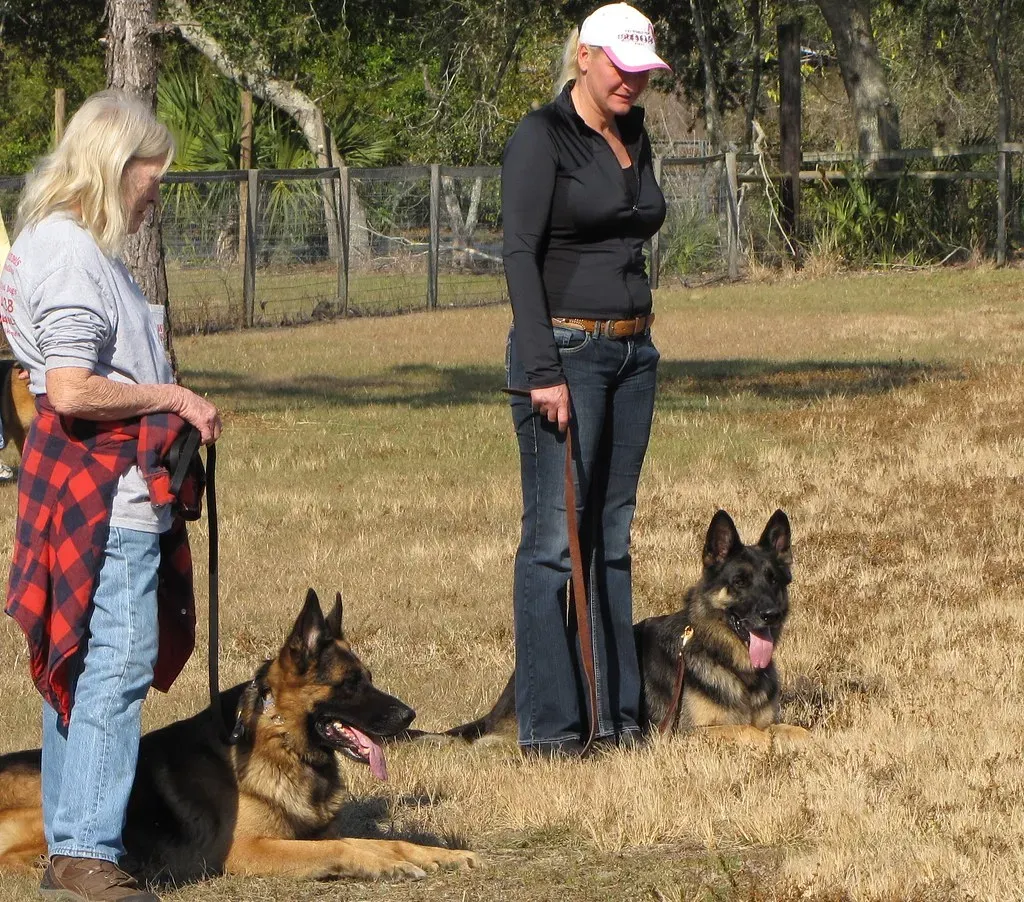
Walk your dog when others aren’t out, and avoid the dog park. I know it sounds isolating, but honestly, dog parks can be a nightmare for reactive dogs. Immersing your dog in situations that where they are not comfortable will increase their fear and may make their behavior worse. You’re not helping your dog by forcing them into overwhelming situations.
When you’re out with your dog, be vigilant. If you see a person or dog who is likely to upset your dog, avoid them if possible. There’s no shame in crossing the street or turning around. Think of it as being proactive rather than reactive.
Create distance. Distance is your best friend when managing a reactive dog. The farther away the trigger, the more likely your dog can stay calm enough to actually learn. To prevent reactivity, dogs need gradual exposure to social interactions in controlled settings. Structured introductions help them build positive associations, develop confidence, and learn appropriate social skills without becoming overwhelmed or defensive.
Training Techniques to Help Your Dog Feel Better
Now we get to the good stuff. Training a dog who doesn’t like other dogs takes patience, but it’s absolutely possible to see improvement.
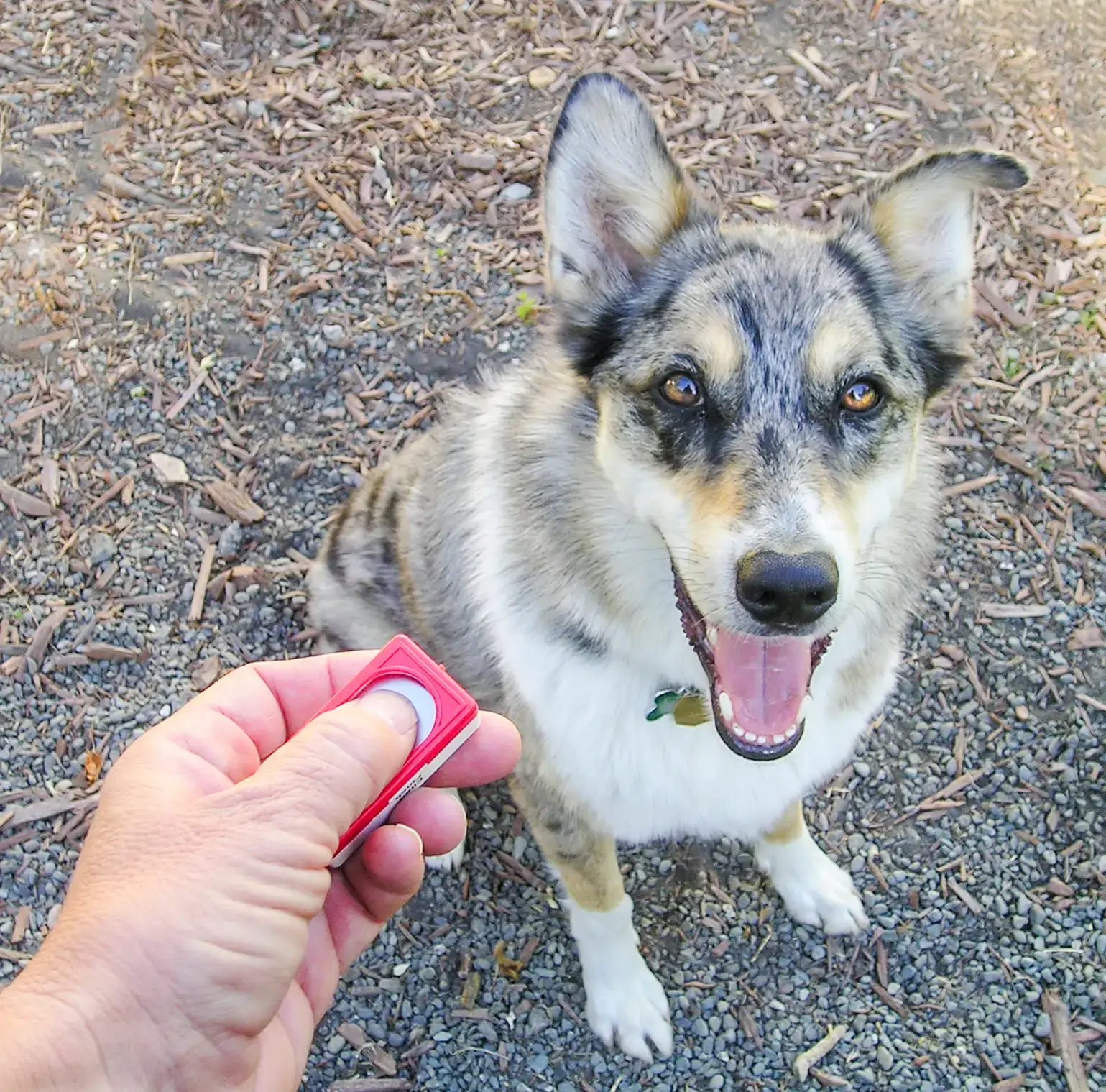
To effectively change the behavior, you’ll need to change how your dog feels about the trigger. For instance, if he is fearful of other dogs, you have to teach him that dogs aren’t scary and there’s no need to be afraid. You can do this by having the trigger (in this example, other dogs) predict that something great is about to happen, like he’ll get his favorite treat.
The key is working at a distance where your dog notices the other dog but hasn’t lost their mind yet. If your dog reacts to other dogs, ask a friend with a calm dog to walk across the street from where you and your dog are working, while you use treats to refocus and reward your dog’s attention. If your dog remains quiet and focused on you, ask your friend to move a little closer. If your dog starts to get stressed, ask your friend to go farther away.
The methods that seem to work best for most people involve teaching a dog to turn and look away from another dog, BEFORE the dog begins the problematic behavior. It’s all about catching them before the threshold. If the dog is afraid of other dogs, letting him look away and then move away from the other dog is the best reinforcement for most dogs.
Consistency is everything here. Short, frequent training sessions beat marathon ones every time. Five minutes of focused work daily will get you farther than an hour once a week.
When to Seek Professional Help
Sometimes you need backup, and that’s completely okay. If you have difficulty, talk with a veterinary behaviorist or a fear-free dog trainer to customize strategies for your dog.
Reactive dogs are not necessarily aggressive dogs, but reactivity can turn into aggression, so your attention to training becomes extremely important. If your dog’s behavior is escalating, if you’re feeling unsafe, or if you’re just stuck and not seeing progress after consistent effort, it’s time to call in a pro.
A qualified trainer or veterinary behaviorist can assess your specific situation and create a customized plan. They’ve seen it all before and can spot patterns you might miss. The trainer will assess the dog’s reactive patterns and teach them commands to control their responses in social situations.
Look for trainers who use positive reinforcement methods and understand reactivity. Avoid anyone who suggests flooding your dog with triggers or using punishment-based techniques. Punishment is never a good idea. Fear and punishment don’t teach your dog what to do, they just make them more anxious.
Here’s the truth: some dogs will never be dog park dogs, and that’s perfectly fine. Your dog doesn’t need a hundred friends to have a fulfilling life. What they need is you understanding them, advocating for their needs, and helping them navigate a world that sometimes feels overwhelming. Progress might be slow, it might look different than you imagined, but every small win matters.
What’s your dog’s biggest trigger, and have you noticed any patterns in their behavior? Understanding those little details might just be the breakthrough you’ve been looking for.


