

Picture this. You walk through your front door after a long day, and there it is. A chewed-up pillow, scattered stuffing across the floor, and your dog staring up at you with those big, totally unapologetic eyes. Your first instinct? Frustration. Your second? To label this a “bad habit.”
But here’s the thing – what if you had it all wrong? What if every dig, bark, and nibble wasn’t misbehavior at all, but your dog desperately trying to tell you something? Dogs can’t tap you on the shoulder and whisper, “Hey, I’m anxious.” So they communicate the only way they know how. And honestly, once you understand that, everything changes. Let’s dive in.
Barking Is Not Just Noise – It’s a Full Conversation

Barking is a dog’s primary form of communication and can convey a variety of messages, such as excitement, fear, boredom, or a warning. Think of it less like a car alarm going off and more like someone urgently knocking on your door. The pitch and rhythm genuinely matter.
Dogs bark for various reasons, including communication, alerting their owners to potential threats, or expressing excitement, and understanding the context and pitch of the bark can help decipher what your dog is trying to convey. A rapid, high-pitched bark is pure joy. A slow, deep, repetitive one? That’s a dog saying, “I am not okay right now.”
Monotonous, repetitive barking often means your dog is seeking attention, companionship, or stimulation, and dogs may bark out of loneliness or boredom, especially if left alone for long periods. Before you scold, pause and ask yourself: when did your dog last get a proper walk, a game, or even just five minutes of your full attention?
If your dog barks excessively without an apparent reason, it could be a sign of anxiety or pain. A change in the bark or a loss of bark can also indicate issues in the throat or larynx. Additionally, excessive or illogical barking can be a sign of cognitive dysfunction. If you notice any of these signs, consult your veterinarian to rule out any health issues. That’s a health cue worth taking seriously, especially in older dogs.
Destructive Chewing Is Often a Cry for Help, Not a Crime

I know how maddening it is to find your favorite sneaker looking like modern art. But before you lecture your dog, consider this: your shoe didn’t become a chew toy because your dog is mad at you. It happened because your dog had nothing better to do. Chewing is a way for puppies to relieve teething pain and for adult dogs to pleasantly pass the time.
Chewing is a natural behavior for dogs, serving various purposes such as relieving boredom, reducing stress, and maintaining dental health. So your dog chewing is closer to a human drumming their fingers on a desk than it is to outright defiance. It’s self-soothing, plain and simple.
Some dogs engage in destructive behaviors because of fear or anxiety, and when destructiveness occurs only in the owner’s absence, separation anxiety should also be considered. This is a really important distinction. If the chewing only happens when you leave, your dog isn’t mischievous. Your dog is scared.
Excessive licking or chewing, particularly of their tail, can indicate boredom, anxiety, fleas, or a medical condition such as food allergies or environmental allergies. Dogs may also have problematic chewing such as destroying items in the house because of separation anxiety. This behavior can also indicate compulsive behavior disorder, which generally requires veterinary intervention. When it’s persistent, a vet visit is the smartest move you can make.
Digging Up the Garden Is Actually Ancient Canine Wisdom
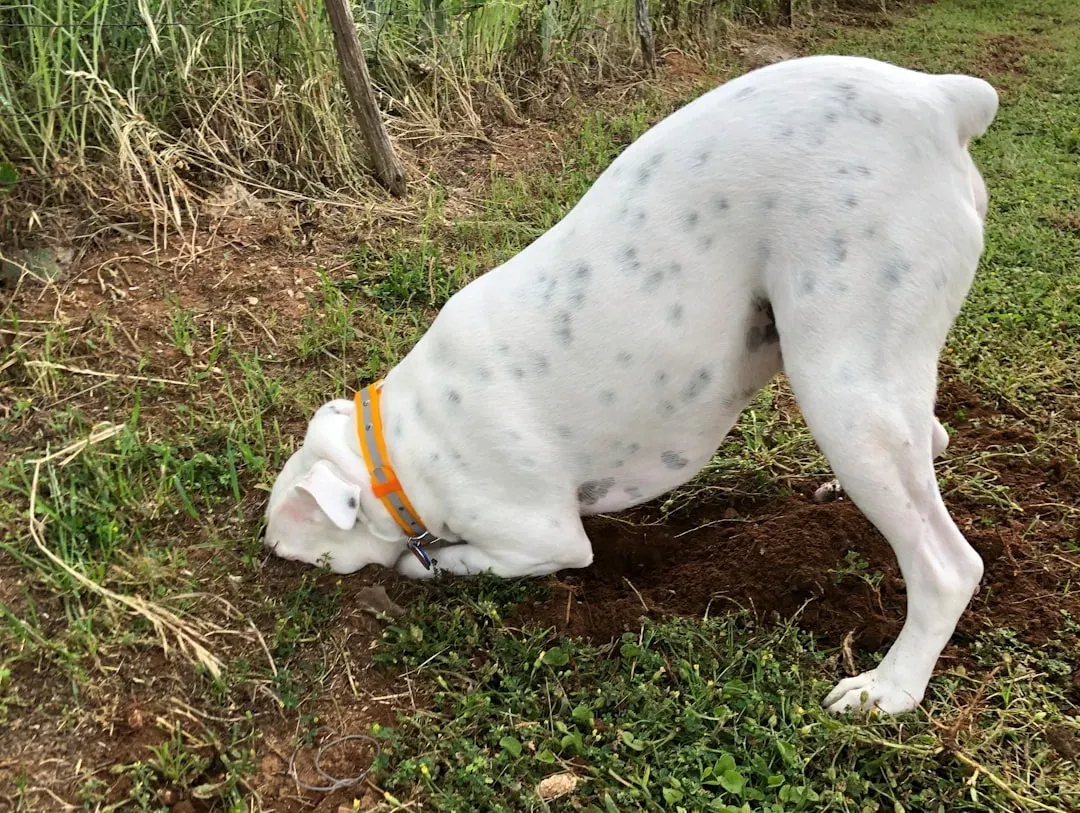
Let’s be real – a freshly excavated flowerbed is nobody’s idea of fun. But digging isn’t random chaos. Dogs historically dig to carve out a good place to sleep or to bury their treasures. Digging removes small branches and stubble that make for an uncomfortable bed. In hot climates, moving the topsoil exposes underlying earth that is cooler to sleep on. That’s thousands of years of instinct talking.
This behavior is more common in breeds like terriers or hounds who were bred to hunt burrowing animals. Your dog might start digging out of excitement if they sense a creature underground, or they may be trying to stash their favorite toys, just how their wolf ancestors stored their food. So in a way, your dog is just keeping the family tradition alive.
Digging is a natural instinct for dogs, often driven by boredom, anxiety, or the desire to bury toys or bones. Some dogs dig to create pits or dens to escape the sun and cool themselves off. These dens provide shelter and a sense of security. It’s not destruction for destruction’s sake. It’s comfort-seeking.
Prevention tip: consider providing your dog with a designated digging area to help manage their behavior. Use sand or loose soil to create this zone. Give them an outlet, and your petunias will thank you for it.
Jumping Up and Pawing Are Love Letters Written in Dog Language
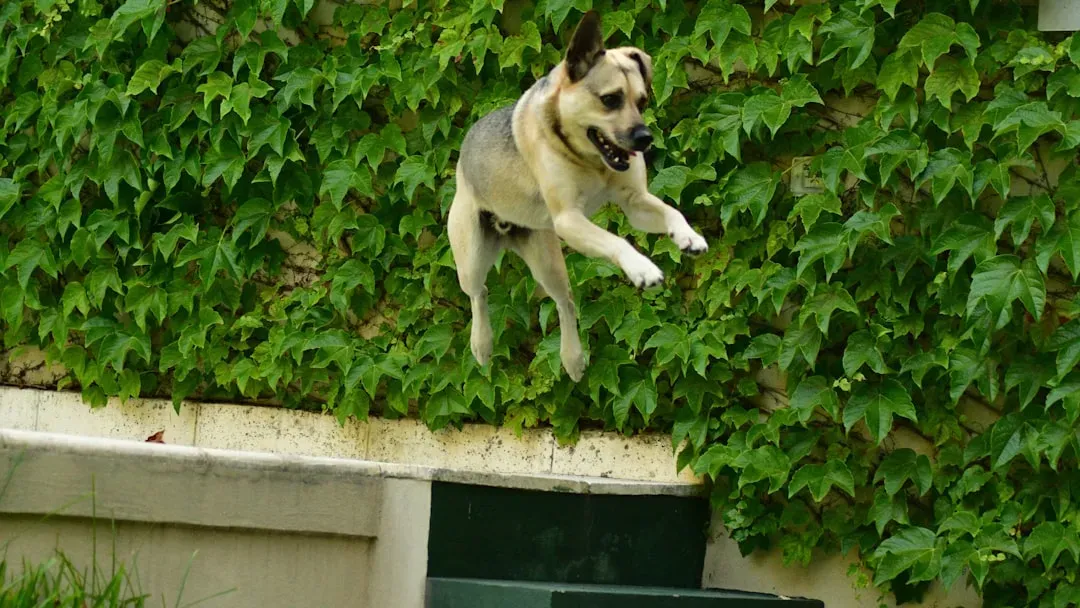
If your dog launches at every guest who walks through the door, it can feel embarrassing. But look at it through your dog’s eyes. If your dog jumps up on you or visitors, it’s simply to say hello face-to-face. Plus, jumping is a great way to get human attention. Dogs greet each other nose-to-nose. They’re just trying to do the same with you.
A paw on your leg feels sweet, but sometimes it’s more than just affection. Dogs use these gestures to communicate different needs. Pawing at you can mean seeking attention, food, or comfort, and sometimes it’s a sign of anxiety or boredom. Think of it as your dog tapping you on the shoulder and saying, “Hey, I need something from you right now.”
Dogs communicate through body language, vocalizations, and postures, establishing connections between these signals and the dog’s emotional and physiological states, with particular emphasis placed on behaviors such as ear posture, pawing, and tail movements, underscoring their importance in interpreting stress, aggression, and affection. Every single physical gesture is part of a rich language we’re only beginning to fully understand.
The fix here isn’t punishment. You might be accidentally encouraging undesirable behaviors if you allow your dog to jump on you sometimes but not others. Dogs need consistent rules that apply to everybody. Consistency, not correction, is the secret weapon.
Ignoring You or Acting “Stubborn” Might Mean Your Dog Is Overwhelmed

Here’s one that surprises a lot of dog owners. You call your dog’s name, they look away. You ask for a sit, they yawn and sniff the ground. It feels like pure defiance. It isn’t. When your dog seems to refuse to listen, maybe looking away, yawning, or sniffing the ground, it may seem like your dog is ignoring you, but in dog body language, these behaviors can actually indicate that your dog is stressed.
Dogs look away from whatever is bothering them. Yawning can be a sign of discomfort, and sniffing the ground can be a displacement behavior that dogs use when overwhelmed. It’s the canine equivalent of a person looking at their phone to avoid an awkward conversation. They’re not being rude. They’re coping.
One behavior rarely tells the full story. Always combine the big picture – body language, environment, and what happened just before the behavior. Look for patterns: does the behavior only happen during storms, or around new people? Context is everything. Treat your dog like a mystery worth solving, not a problem to be punished.
Avoid punishment-based training, as it can lead to fear and confusion. Ensuring your dog gets enough physical exercise and mental engagement prevents boredom-related behaviors like excessive barking and destructive chewing. A tired, fulfilled dog is almost always a calmer, more responsive dog. It’s that straightforward.
Conclusion: Your Dog Is Talking – Are You Listening?
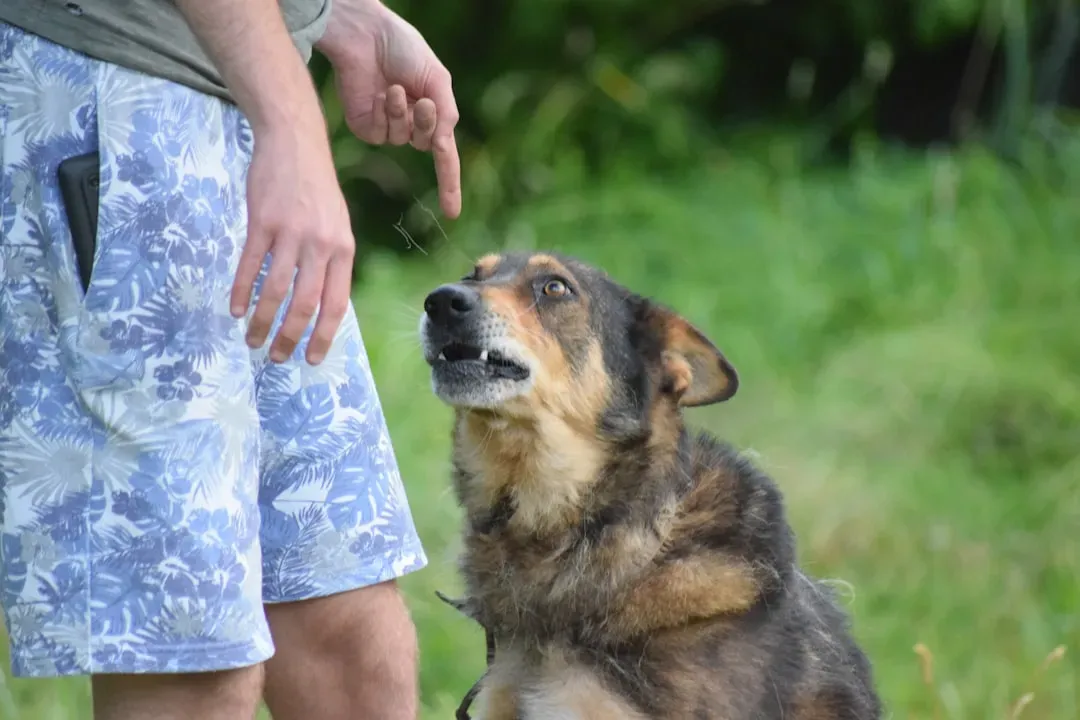
Every single “bad habit” your dog has is a window into their inner world. The barking, the chewing, the digging, the jumping, the zoning out – none of it is personal. It’s communication. Raw, earnest, unfiltered communication from a creature who depends on you to understand them.
Understanding your dog’s behavior is like unlocking a private conversation. Read their signals closely, respond with patience and care, and your bond will grow stronger day by day. The moment you shift from “why is my dog so naughty?” to “what is my dog trying to tell me?” everything changes. Your frustration softens. Your dog’s trust deepens.
The truth is, our dogs are remarkably patient with us as we figure this out. The evolution of dogs in close proximity to humans has allowed them to develop strategies that facilitate communication with us. They’ve been adapting to our world for thousands of years. The least we can do is meet them halfway.
So next time your dog does something that makes you want to pull your hair out, take a breath. Ask yourself: what are they trying to say? You might be amazed by the answer. What surprising thing has your dog been trying to communicate that you only recently figured out? Drop it in the comments – we’d love to hear your story.


