

We’ve all been there. Your dog is staring at you again, rolling in something suspicious, chewing on the furniture leg, or barking at literally nothing you can see. Your first instinct is probably frustration, maybe even a little embarrassment if guests are watching. But what if I told you that most of what we label as “bad habits” in our dogs are actually layered, meaningful, and in many cases, genuinely beneficial to their wellbeing?
It turns out the science of dog behavior has been quietly rewriting the rulebook on what’s “bad” and what’s brilliantly canine. From the deeply emotional power of eye contact to the instinctive joy of rolling in grass, your dog might not be misbehaving at all. They might just be thriving in a language you haven’t fully learned to read yet. Let’s dive in.
The Stare That Actually Heals: Unlocking the Science of Your Dog’s Gaze

Let’s start with the one that surprises almost everyone. That intense, unblinking stare your dog gives you from across the room? Honestly, it’s one of the most scientifically extraordinary things happening in your household. When you stare into your dog’s adorable puppy eyes, it’s doing a lot more than just tugging at your heartstrings – it’s syncing up the dog’s brain with yours.
At the heart of the dog-human bond lies oxytocin, often called the “love hormone.” Research published in the journal Science revealed that when dogs and their owners gaze into each other’s eyes, both experience a surge in oxytocin levels. This is the same hormone released when a mother looks at her baby, creating feelings of trust, attachment, and love. When dogs and humans make eye contact, oxytocin levels can increase by up to 300% in both species, creating a positive feedback loop that reinforces their bond.
Researchers postulate that “dog-to-owner gaze as a form of social communications probably evolved during domestication” with humans. Think about that for a second. Your dog didn’t accidentally develop the habit of looking into your eyes. It was forged over thousands of years, specifically to connect with you. That’s not a bad habit. That’s evolution at its most poetic.
Dogs are known to be particularly good at reading their owners’ moods and exhibit a trait known as gaze following, essentially following the actions of humans, much as an infant or child might do. In other words, the next time your dog stares at you while you’re sad or stressed, they aren’t zoning out. They’re checking in on you, which is a deeply human act disguised in fur.
Sniffing Everything on a Walk Is Not Stubbornness, It’s Brain Training
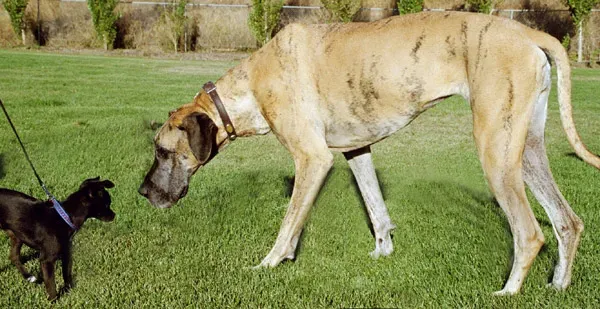
You want to walk fast. Your dog wants to smell every single blade of grass, lamppost, and invisible patch of air. I know it sounds crazy, but your dog is basically doing a full cognitive workout every time they stop to sniff. With around 300 million olfactory receptors compared to our mere 5 million, dogs have an extraordinary sense of smell wired directly to their brain.
Sniffing is like a puzzle-solving session for your dog’s brain. It gives them a chance to investigate, analyze, and satisfy their natural curiosity. Believe it or not, this mental workout can be just as tiring as physical exercise. So those leisurely sniff-stops during your walk? They’re not your dog being difficult. They’re your dog doing something genuinely enriching for their mental health.
When your dog takes an extra-long sniff, they’re doing more than just indulging their senses – they’re finding their Zen. Sniffing helps release feel-good hormones and reduces anxiety, making it a great stress-reliever. Think of it like your dog’s version of a meditation app. Only better, because it’s natural, free, and requires zero Wi-Fi.
Rolling in the Grass Is Not Just Gross, It’s Genuine Self-Care
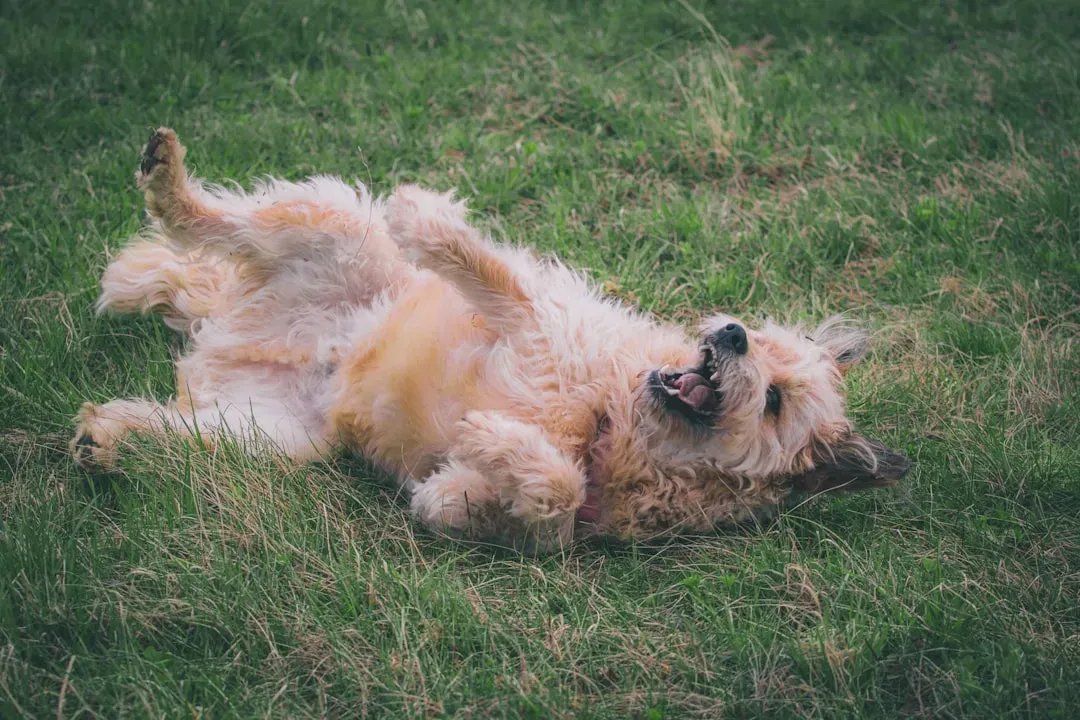
Here’s one that will really shift your perspective. Your dog has just had a bath. They smell like lavender shampoo. You’re proud. Then, five minutes later, they’re writhing gleefully in a patch of grass like their life depends on it. You groan. They’re beaming. Rolling against the grass stimulates endorphin release, creating natural pain relief. This self-administered pressure therapy explains increased rolling after intense play or long walks, as dogs instinctively seek relief for tired muscles.
When your dog rolls on the grass, it’s not just a quirky habit – it can be a vital stress-relief mechanism. Dogs often pick up on their owner’s energy and emotions, which can lead to tension and anxiety. Rolling allows them to release this pent-up stress and anxiety in a natural way.
Rolling in the grass will give your dog a nice massage. It’s like the ultimate spa treatment; they’ll get a good exfoliation treatment and increase their blood flow to the skin to keep their coat healthy and shiny. You spend money on wellness treatments. Your dog figured out their own version in the backyard for free. Respect, honestly.
Chewing Everything in Sight Is Actually Their Mental Health Routine
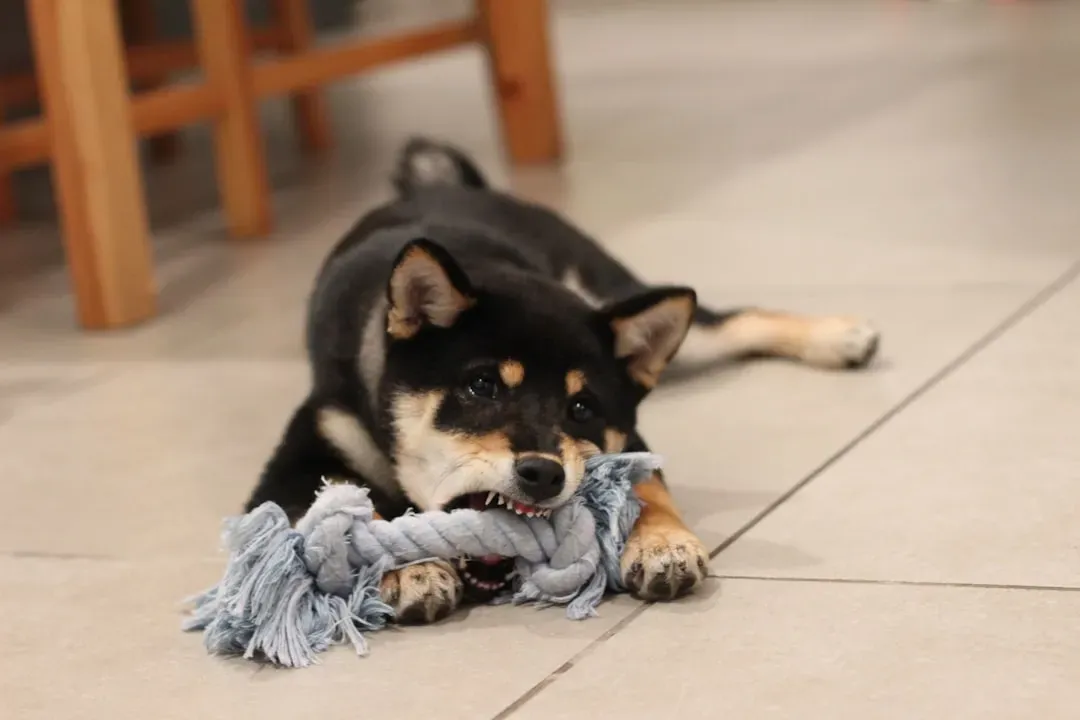
The sofa cushion. The shoe. The mysterious item you’ve never been able to identify. Chewing gets a really bad reputation. Yet the science behind it is surprisingly wholesome. Chewing is a natural and essential behavior for dogs, as it helps maintain their oral health, relieves stress, and provides mental stimulation. It’s practically a three-in-one health benefit, disguised as destruction.
It’s not just about keeping their jaws busy; chewing actually triggers the release of calming hormones that help your dog relax. Think of it like the dog equivalent of someone stress-eating a crunchy snack or nervously clicking a pen. The rhythmic motion is genuinely soothing for the nervous system. Suppressing it entirely could actually increase your dog’s anxiety levels, which is the opposite of what any caring owner wants.
Your dog is a natural-born chewer. Aside from its mental and physical benefits, chewing is a fun thing to do, and not a “bad” dog behavior issue as many believe. With appropriate chewing outlets, your dog can safely indulge their natural instinct to chew. The trick isn’t to eliminate the behavior. It’s to redirect it toward something safe and provide the right outlet for what is, at its core, a healthy impulse.
Jumping Up Is Your Dog’s Loudest Love Language
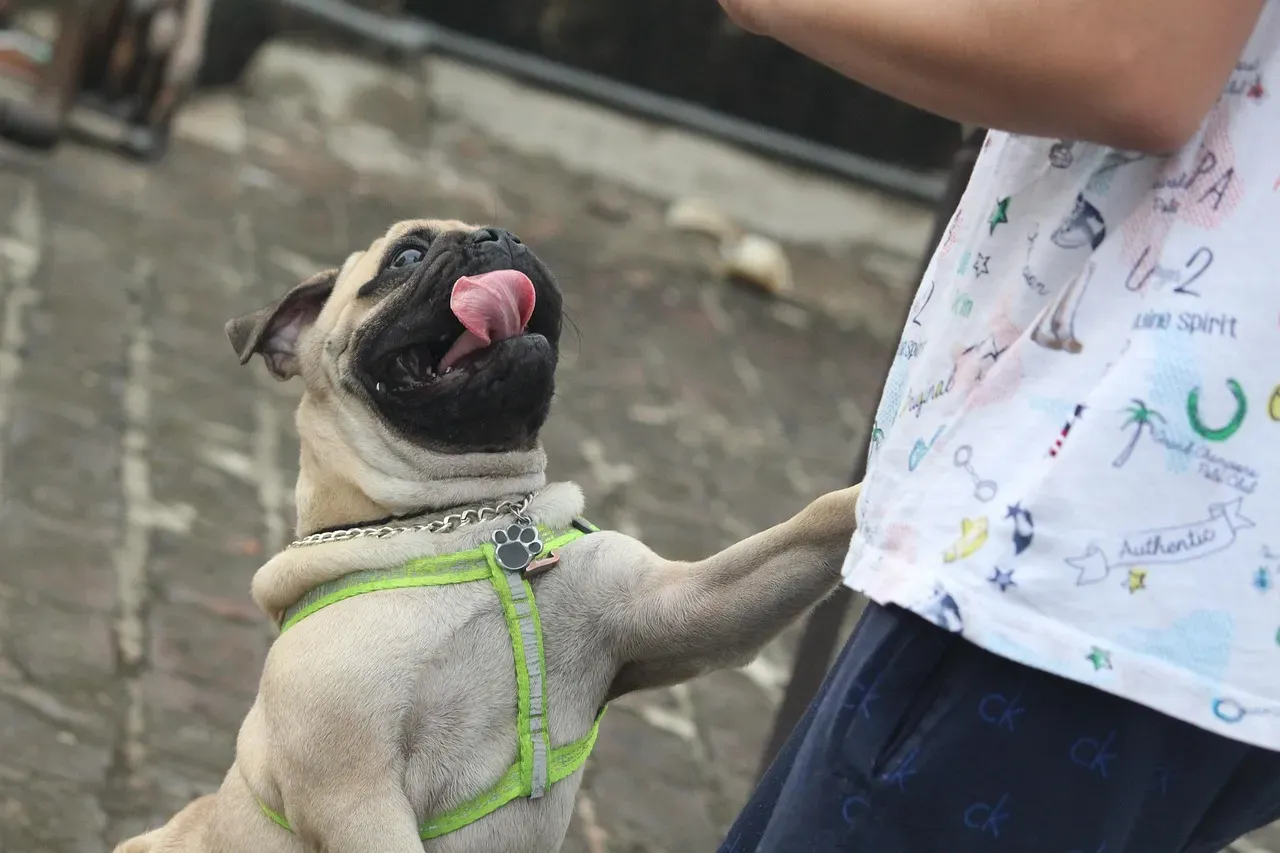
Few things frustrate dog owners more than being launched at by their pup the moment they walk through the door. It’s chaotic. It can knock over children and the elderly. It’s undeniably inconvenient. Still, let’s be real for a moment about what’s actually happening. Jumping is a natural way for dogs to show excitement and get some energy out. It isn’t aggression. It isn’t defiance. It is pure, unfiltered joy.
Beyond the physical and mental benefits, play also has a significant impact on a dog’s emotional well-being. Dogs that play regularly tend to be happier and more content. Play allows dogs to express their natural instincts, such as chasing, hunting, or herding, which gives them a sense of satisfaction and fulfillment. Jumping is simply a physical expression of that same emotional overflow.
The key here isn’t shaming your dog for feeling something deeply positive. It’s redirecting that enthusiasm into a greeting style that works for both of you. Understanding the joy behind the jump changes everything about how you approach training it. Your dog isn’t bad. Your dog is just thrilled you exist, and honestly, that’s kind of beautiful.
Barking Is Communication, Not Just Noise
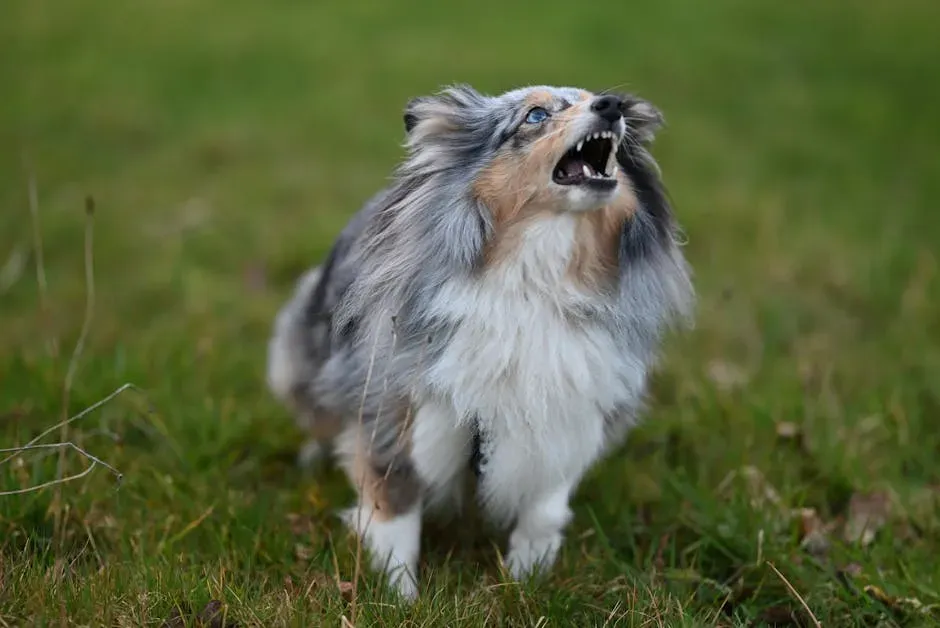
Barking is perhaps the habit most universally labeled “bad.” Neighbors complain. Visitors wince. You cover your ears. Yet strip away the frustration and something remarkable appears underneath. Although you perceive barking as a bad dog behavior, it’s a natural habit that many dogs find enjoyable. Barking is your dog’s way of expressing emotions like excitement, fear, or boredom.
When your dog stares at you, it’s trying to understand various things about you, like your habits, body language, facial expressions and tone of voice. Your dog will also stare at you to gauge how you’re feeling. If you’re moping around the house, your dog will likely be able to pick up on that negative energy and possibly try to comfort you. Barking is often the next step. It’s their attempt to do something about what they’ve detected.
While barking is a natural form of communication for dogs, excessive barking can be a nuisance. It’s crucial to understand the cause of the barking, which can range from alerting you to a stranger’s presence to boredom or anxiety. Mitigating excessive barking is important for overall obedience, and often can help reduce your dog’s anxiety and help to develop their confidence. The goal is never silence. The goal is understanding what your dog is trying to say, and responding.
When Behaviors Signal Something Deeper: Listening to the Body Language

Here’s where things get genuinely important. Prolonged, intense staring from a dog can sometimes indicate resource guarding, territorial behavior, or even aggression. According to veterinary behaviorists, a hard, fixed stare accompanied by a stiff body posture and other warning signs like growling should be taken seriously as potential indicators of discomfort or aggression. Not every gaze is a love letter. Context matters enormously.
Dogs that suddenly show a change in behavior might actually be suffering from a medical issue. For instance, a dog that you believe simply seems to have “forgotten” that they’re housebroken might have a bladder infection. A shift in behavior is never just a “bad phase.” It’s your dog’s way of waving a flag, asking for help in the only language available to them.
Remember, your dog is not trying to wind you up, not trying to “dominate” you, and not seeking revenge for something. They are simply being a dog and doing what they believe “works,” whether that’s working to gain something they want or just expressing their feelings. Changing your lens from “my dog is misbehaving” to “my dog is communicating” is probably the single most powerful shift any dog owner can make.
Conclusion: The Dog Who Knows You Best

There’s something quietly humbling about this whole conversation. We spend years labeling our dogs as naughty, stubborn, or badly behaved, when in reality they’re doing something far more sophisticated: they’re surviving, bonding, communicating, and thriving in a world built entirely for humans. The rolling, the staring, the barking, the chewing – these aren’t flaws. They’re a language.
The more we understand that language, the deeper and richer the relationship becomes. Dog eye contact is a fascinating and meaningful way your pet communicates with you. From love and trust to stress and warning signals, your dog’s eyes reveal more than you might think. Every look, every roll, every frantic sniff at the park is a page in the story of who your dog is and what they need from you.
So the next time your dog does something that makes you sigh or shake your head, pause for just a moment. Ask yourself not “how do I stop this?” but “what are they trying to tell me?” The answer might surprise you more than the behavior ever did. After all, who taught whom to love unconditionally? What do you think – have you been misreading your dog’s habits all along? Tell us in the comments.


