
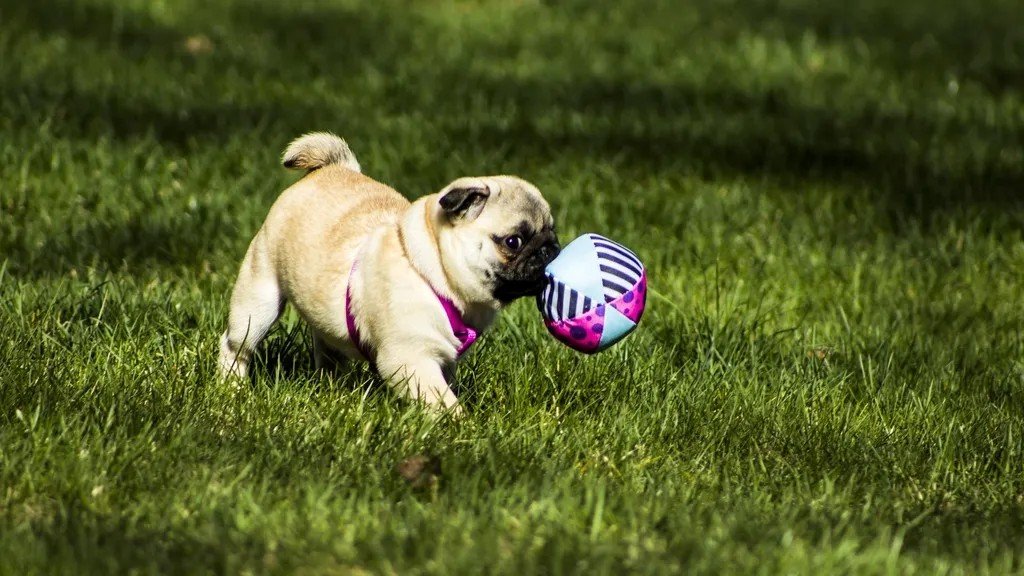
You’ve probably noticed how your dog’s eyes light up at the sight of that one raggedy tennis ball or how they carry that faded stuffed duck everywhere. It’s adorable, sure, but have you ever stopped to wonder what’s really going on in your dog’s mind? That beloved toy isn’t just a plaything. It might actually be one of the most important ingredients in your dog’s emotional recipe for happiness.
Recent research reveals that dogs form surprisingly deep attachments to their toys, often in ways that mirror our own emotional bonds. These aren’t just objects to chew or chase. For many dogs, toys represent comfort, security, and connection. Let’s explore what science and experience can teach us about why that favorite toy matters so much.
The Science Behind Your Dog’s Toy Obsession
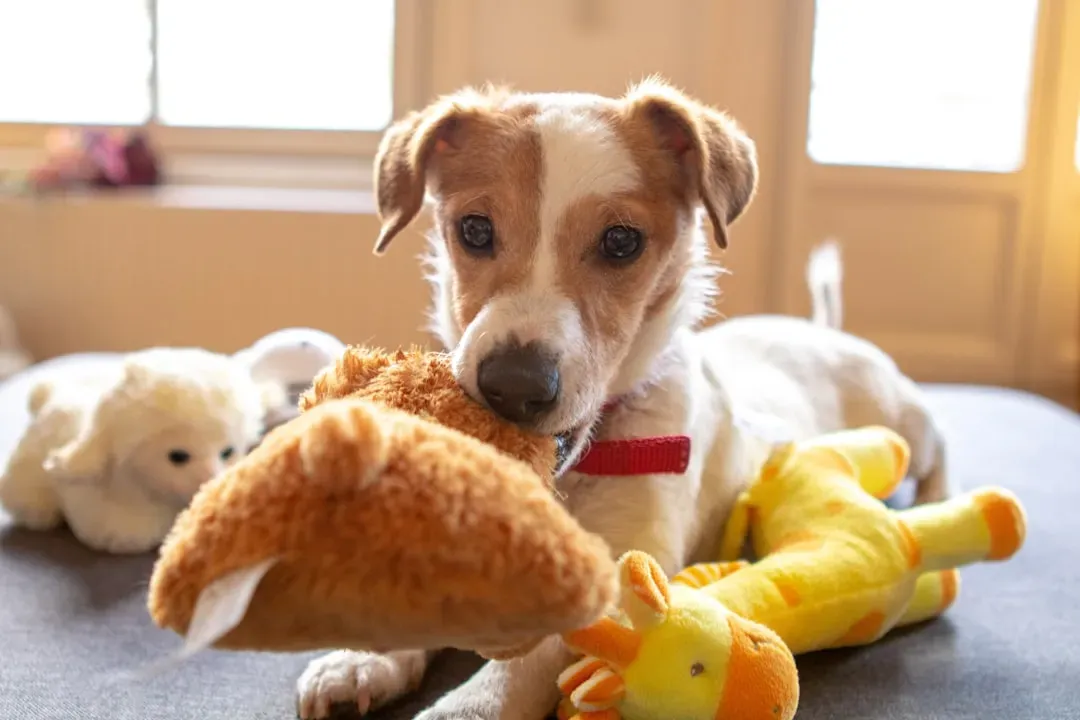
Recent data from studies involving highly play-motivated dogs revealed that roughly a third exhibited behaviors consistent with addictive-like tendencies, including an excessive fixation on toys, reduced responsiveness to alternative stimuli, and persistent efforts to access toys. For some dogs, toys can exert an irresistible pull in ways that may parallel human behavioral addictions.
It’s hard to say for sure what drives this intensity, but researchers have observed fascinating patterns. Dogs that showed more addiction-like behavior kept walking around for the entire duration of tests, focusing on the door where toys had disappeared or on shelves where the toys had been previously stored. This tells us that for certain dogs, the connection goes far beyond casual play.
Toys support cognitive health, physical exercise, and emotional balance. They’re not merely distractions or ways to burn energy. They’re tools that tap into your dog’s instincts, emotions, and needs.
Why Certain Toys Become Irreplaceable Favorites
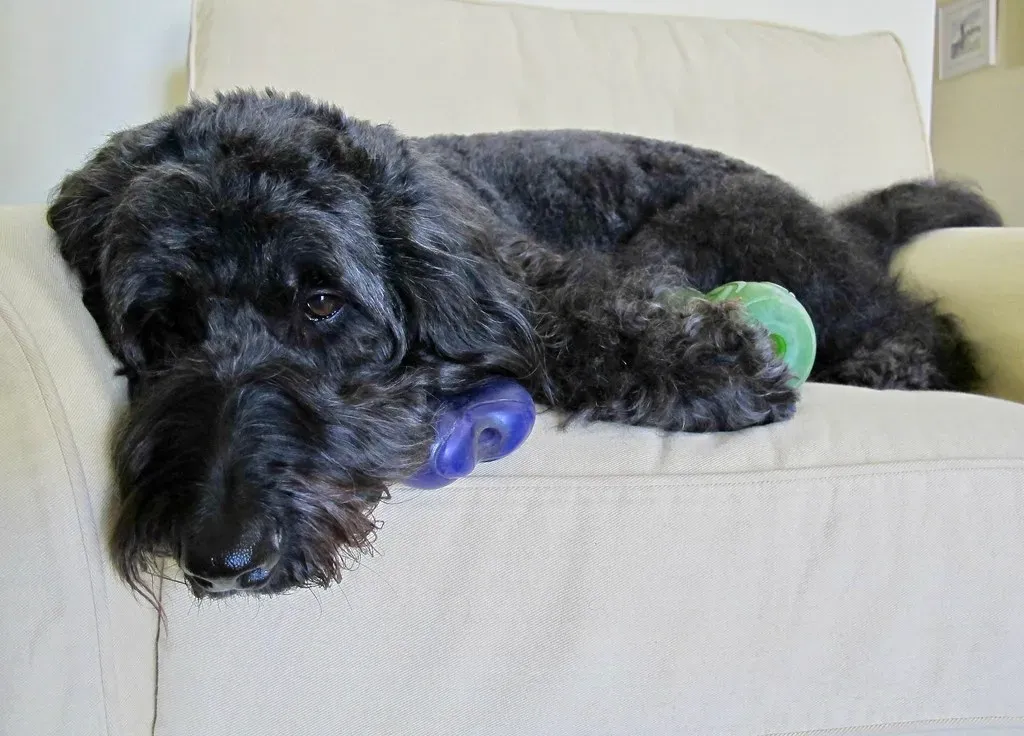
Dogs have an exceptional sense of smell, and scent plays a vital role in a dog’s preference, with dogs often choosing a particular toy because it carries their scent or the scent of their human. Think about that tattered plush toy your dog refuses to let you wash. The smell is actually part of its appeal.
Texture matters too. Toys often satisfy an instinct in our dogs, with retrievers instinctively attached to balls or frisbees, and hunting dogs enjoying squeaky toys because they sound like prey. Even the way a toy feels in their mouth influences whether it becomes a cherished companion or gets tossed aside after one play session.
When a dog brings their favorite toy to their owner, they’re not just inviting play – they’re sharing something valuable and demonstrating trust. That’s a pretty powerful gesture when you think about it. Your dog is saying, “This is important to me, and I want to share it with you.”
Toys as Emotional Anchors During Stress
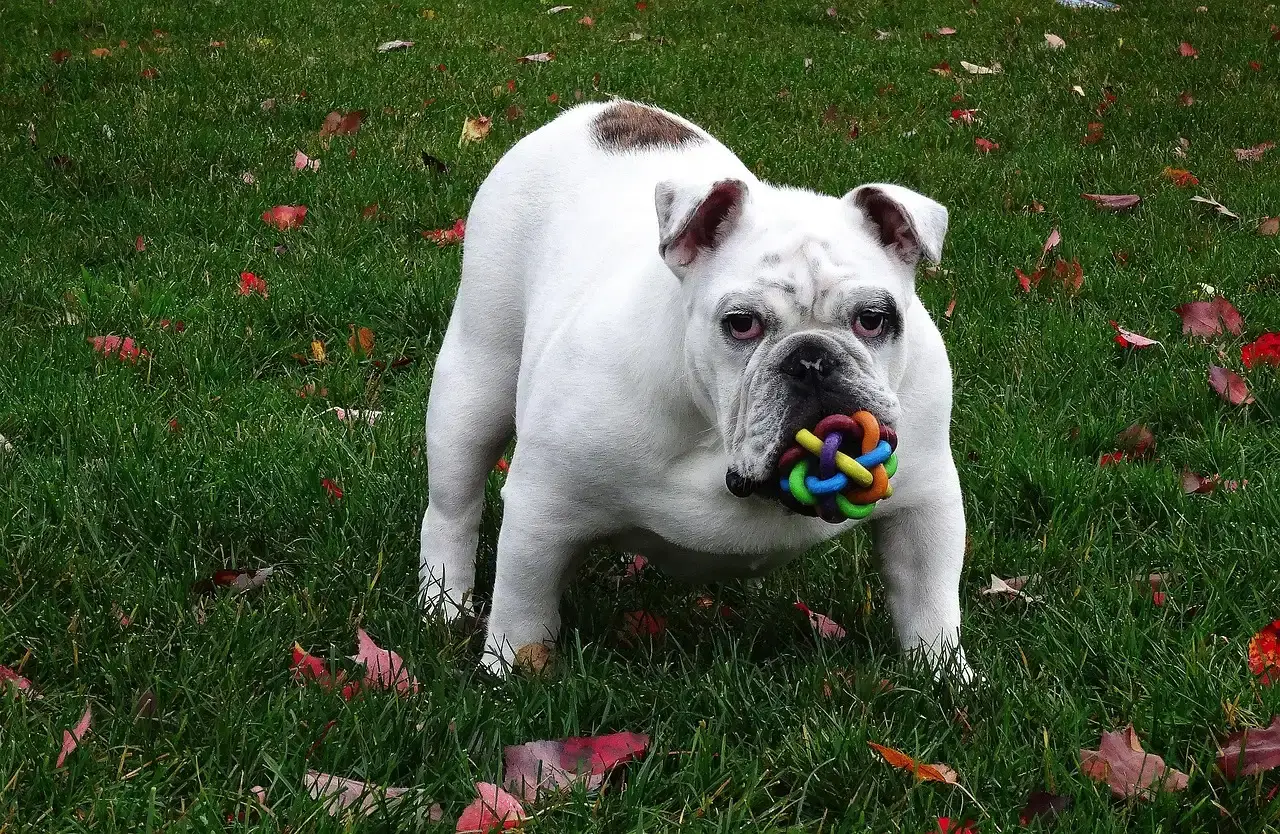
Research in animal behavior and psychology supports the use of comfort objects for managing canine anxiety and stress. Just like children cling to security blankets, dogs often turn to favorite toys when they’re feeling overwhelmed or uncertain.
Toys provide mental and physical stimulation, and when dogs are bored they reach for their toy, when they need to chew they go for a toy, and if they just want to rest they may curl up with a toy. I’ve seen this countless times with nervous rescues who wouldn’t settle until they had a specific soft toy tucked under their chin.
The tactile comfort of high-quality plush material mimics the feeling of littermates or a mother’s fur, triggering natural comfort responses, which is why many dogs instinctively gravitate toward soft textures when they’re stressed. This isn’t imaginary comfort – it’s rooted in deep biological memory from their earliest days.
The Hidden Connection Between Play and Bonding
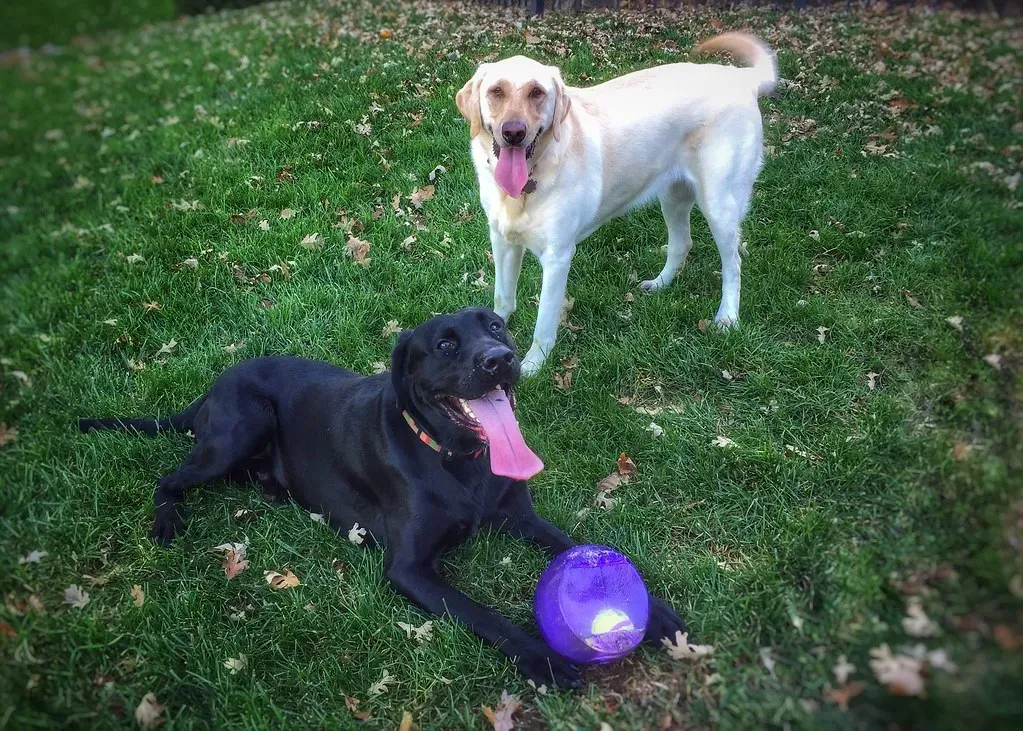
Toys that encourage interaction between dogs and their human companions often become favorites. This makes perfect sense when you consider that dogs are social creatures who thrive on connection. That game of fetch isn’t just exercise – it’s quality time that strengthens your relationship.
Tossing a ball or frisbee isn’t just physical – it’s a bonding moment, and the age-old game of fetch isn’t just about retrieval; it’s about connection, anticipation, and shared joy. Every throw, every return, every moment of anticipation builds trust and deepens your bond. Your dog isn’t just chasing a toy. They’re engaging with you.
Engaging with your dog during toy-shaking sessions fosters trust and strengthens your relationship, as play is a crucial aspect of a dog’s emotional well-being and helps reinforce their bond with their owners. Those silly, energetic moments when your dog thrashes a toy around? They’re not just burning off steam. They’re communicating happiness and inviting you into their world.
Recognizing When Toy Attachment Becomes a Concern
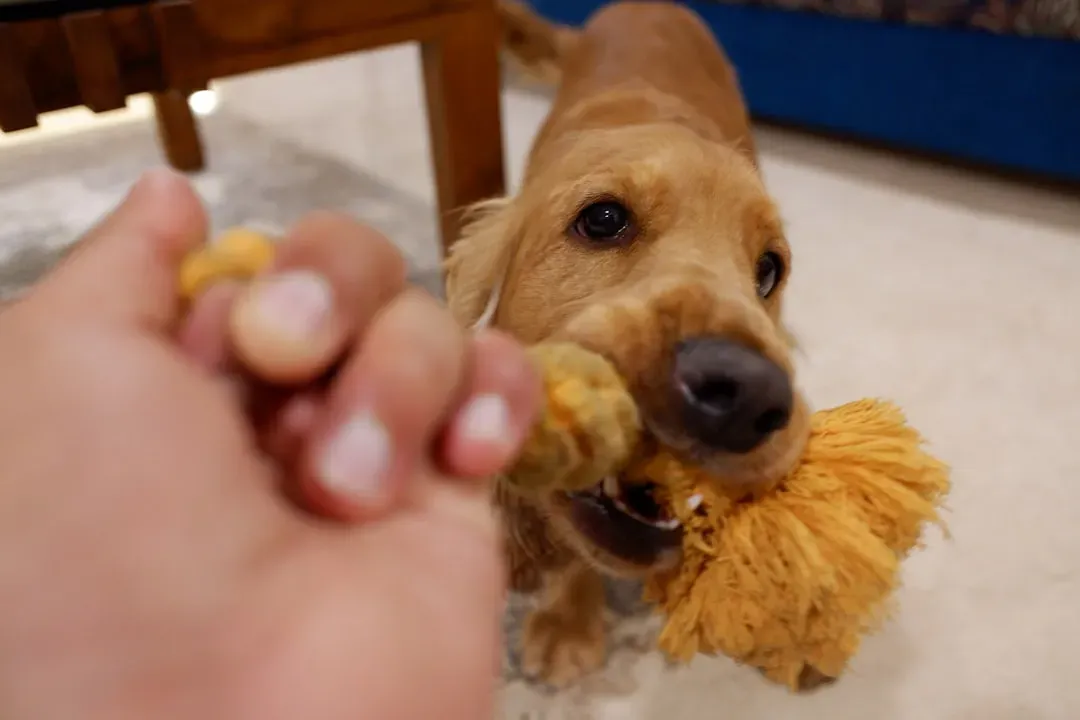
Let’s be real – there’s a difference between healthy attachment and problematic obsession. Some dogs who displayed high levels of addictive-like behavior would whine when the toy was not accessible and would even ignore food in favor of the toy. When a dog consistently chooses their toy over treats or meals, that’s worth paying attention to.
Shepherd breeds such as German Shepherd and Belgian Shepherd had the highest scores for addiction-like behaviors, as these breeds are bred for high-focus activities such as livestock protection, police work, and search and rescue, but in extreme cases these traits could lead to addiction-like behaviors with negative consequences.
Obsessive behavior often has an emotional element – typically stress, anxiety, or unmet needs, and what looks like a cute or quirky behavior at first can actually be your dog’s way of coping with overstimulation, lack of enrichment, or too much time spent alone. If you notice your dog becoming frantic without their toy, excessively possessive, or unable to relax even with the toy present, consider consulting a veterinary behaviorist.
Practical Ways to Enhance Your Dog’s Happiness Through Play
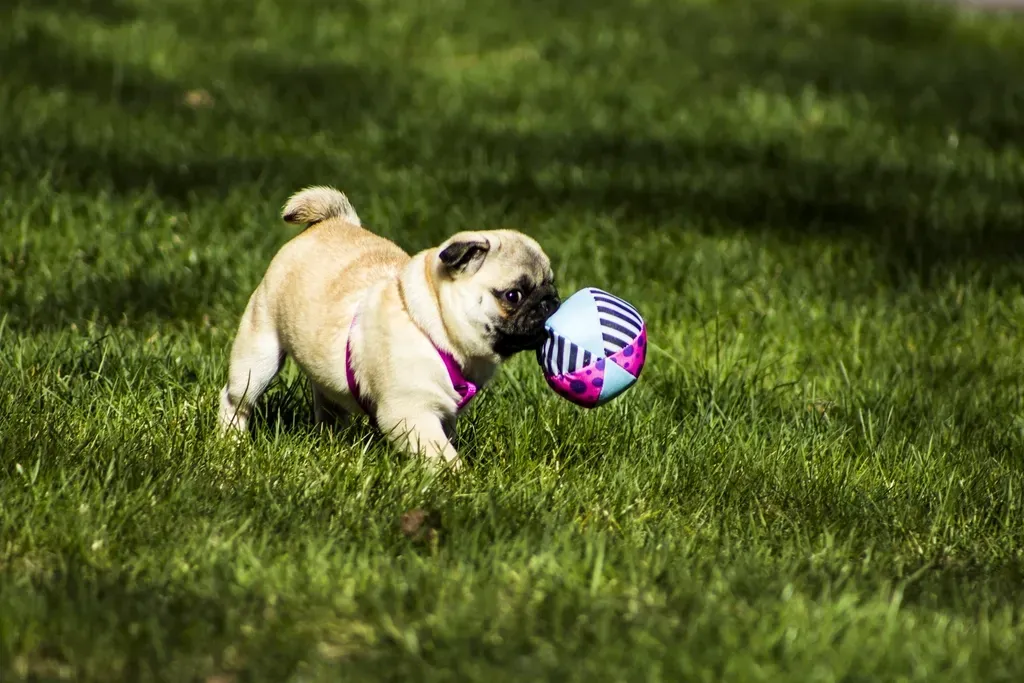
Regularly assessing and rotating your dog’s toys keeps their environment stimulating and prevents boredom, and observing your dog’s reactions to different toys provides valuable insights into their likes and dislikes. You don’t need twenty toys scattered around – just a thoughtful rotation that keeps things fresh.
Interactive toys, such as puzzle feeders or toys that dispense treats, not only provide mental stimulation but also strengthen the bond between a dog and their owner, with the positive association between playtime and rewards making these toys highly appealing. Mix up textures, sounds, and interactive challenges to engage different parts of your dog’s brain.
Pay attention to what brings your dog genuine joy versus what creates stress. Multiple reports linked high-decibel play toys to stress behaviors, including lip licking, excessive yawning, and avoidance in highly sensitive breeds like Shelties and Whippets. Sometimes quieter is better. And honestly? Watching your dog’s body language will teach you more than any article ever could. Soft eyes, relaxed posture, and a gently wagging tail tell you you’ve found a winner.
Conclusion: The Deeper Meaning in Simple Play
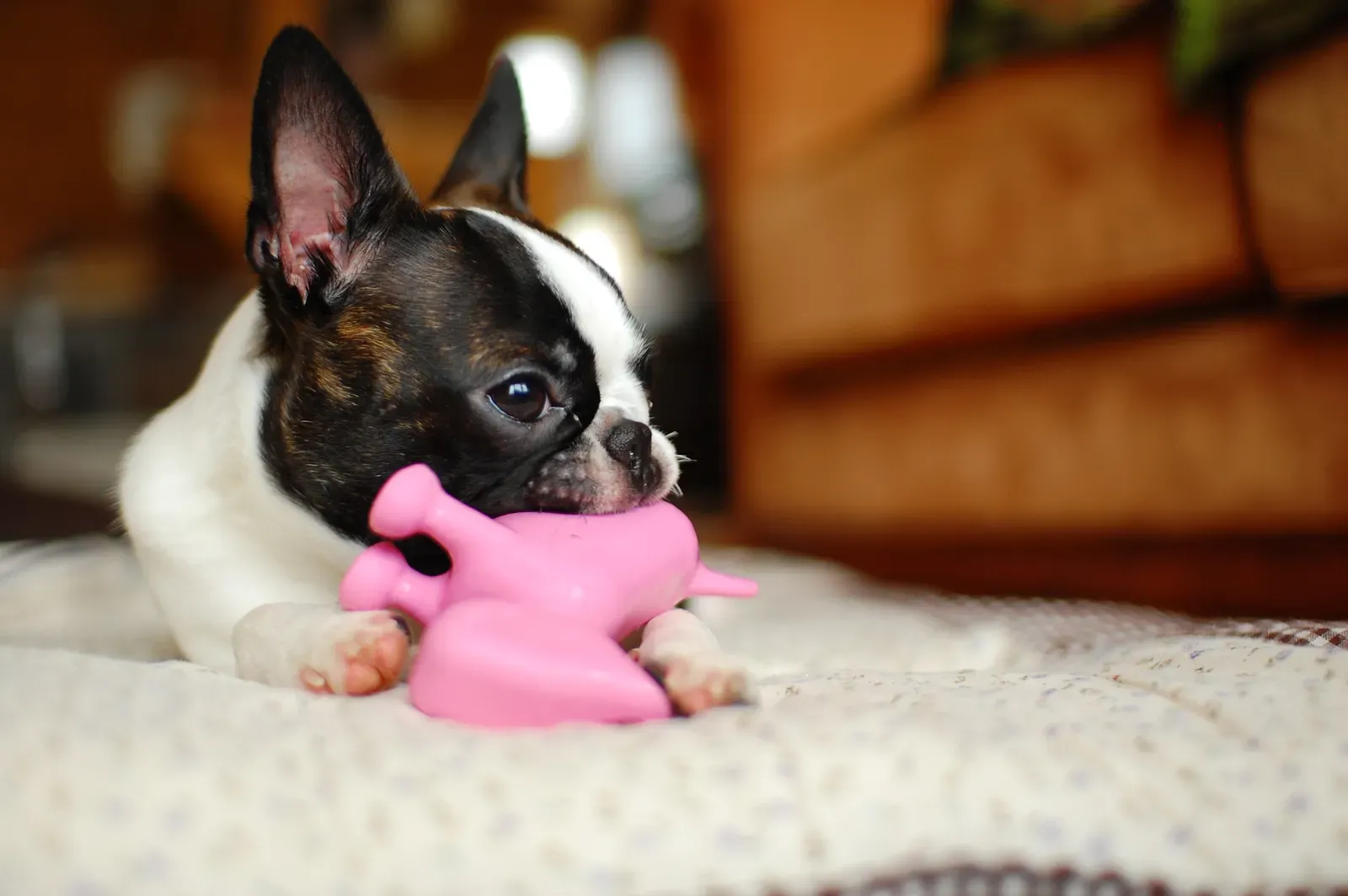
That ratty old toy your dog drags around isn’t just surviving – it’s thriving as a symbol of comfort, joy, and connection. Whether it’s the familiar scent, the satisfying squeak, or the memories of countless play sessions together, favorite toys carry emotional weight that genuinely impacts your dog’s wellbeing.
Understanding what makes these objects so special helps us become better, more empathetic companions. We can choose toys more thoughtfully, engage in play more meaningfully, and recognize when our dogs are using toys to communicate their needs. The key to their happiness might not be hidden after all – it could be right there in their mouth, waiting for you to throw it just one more time.
What role does your dog’s favorite toy play in their daily happiness? You might be surprised at how much that simple object truly matters.


