
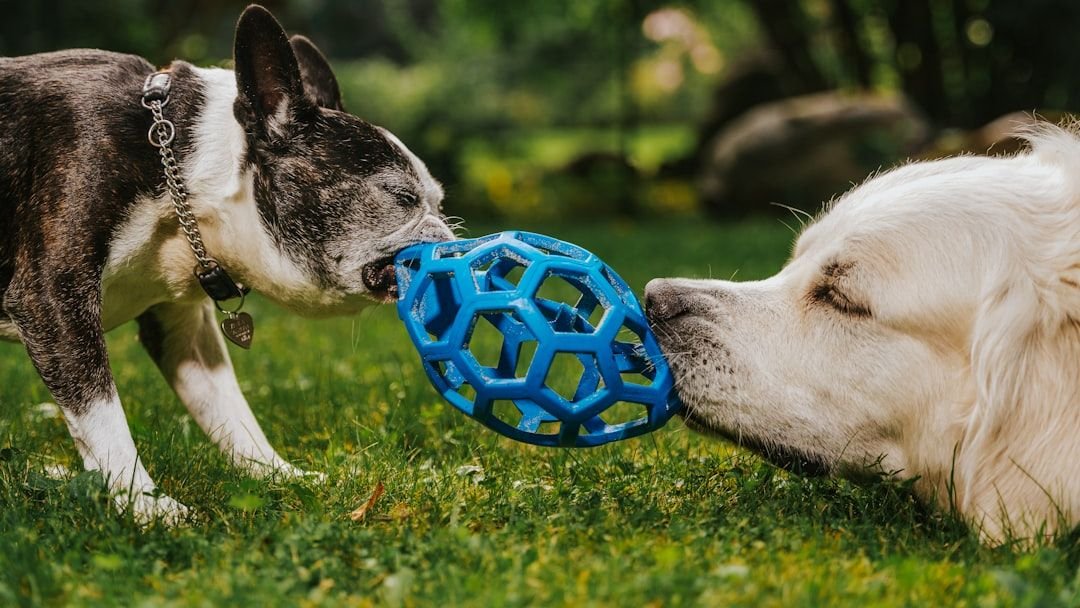
We all know that look. Your dog’s eyes light up, their tail starts that signature wag, and suddenly they’re zooming across the room toward their beloved squeaky ball or tattered stuffed animal. It’s pure joy, right?
Here’s the thing, though. Sometimes what looks like enthusiasm might actually be something else entirely. That intense fixation on a particular toy, the inability to settle down when it’s nearby, or the frantic pacing with it clenched between their teeth could be signs your pup isn’t having fun anymore. They might actually be stressed out.
I know it sounds backward. How could something they love so much cause them distress? The truth is, dogs are complex creatures with emotional lives we’re only beginning to understand. Let’s dive into the surprising ways toys can shift from being sources of joy to triggers of anxiety, and what you can do to help your furry friend find balance again.
When Love Becomes Obsession
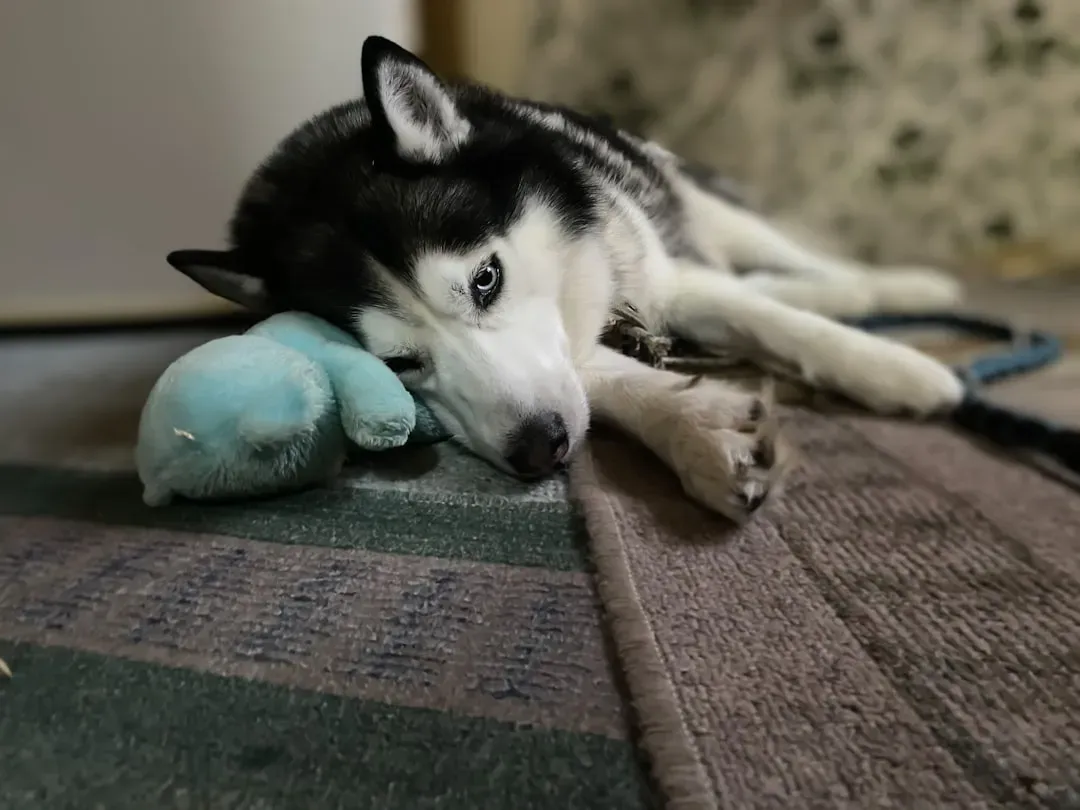
Picture this: your dog carries the same toy everywhere, whining when they can’t reach it, pacing around the house with it in their mouth. Recent research from 105 highly play-motivated dogs revealed that 33 subjects exhibited behaviours consistent with addictive-like tendencies, including an excessive fixation on toys, reduced responsiveness to alternative stimuli, and persistent efforts to access toys. What starts as adorable devotion can cross into troubling territory.
The line between enthusiasm and obsession isn’t always clear. If your dog can’t relax without it, becomes anxious or aggressive, or starts losing interest in everything else, that’s when we’ve crossed into clinical concern. Think about it like this: imagine being so consumed by something that you can’t eat, sleep, or focus on anything else. That’s not happiness, it’s compulsion.
Some dogs who displayed high-levels of addictive-like behavior would whine when the toy was not accessible and would even ignore food in favor of the toy. When a dog bypasses dinner for a ball, something has shifted in their brain’s reward system. This level of fixation mirrors what we see in human behavioral addictions, where the thing that once brought pleasure becomes an all-consuming need.
A dog who is fixated or obsessed with something – like a toy or ball – is not stable or happy for that matter. This behaviour is not natural for dogs and is the result of frustration from excess energy. It is comparable to a human who is addicted to a drug and it can quickly become destructive.
The Stress Signals You’re Missing
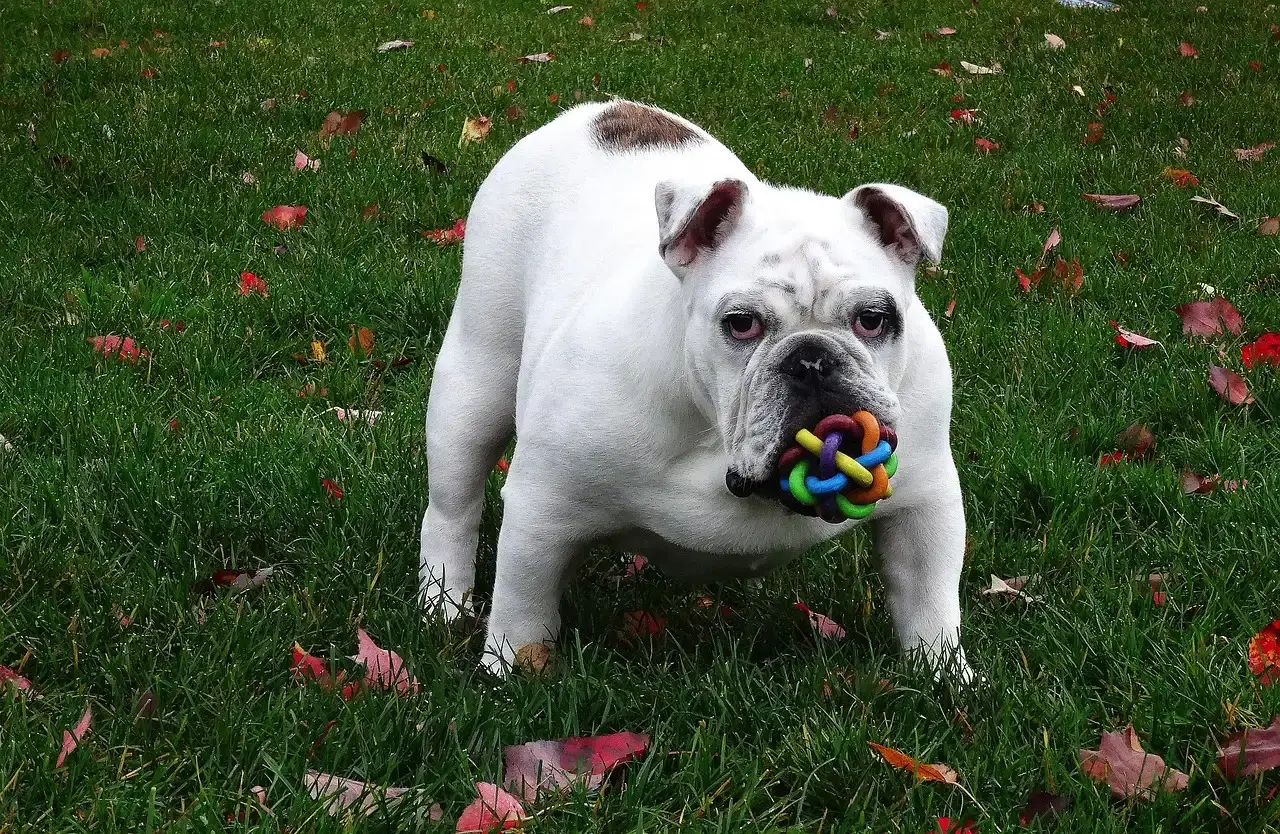
Some dogs show behavioural and physiological signs of high arousal in relation to toys, lack of self-control, and behaviours such as whining, barking, spinning, and other behavioural signs of stress when access to a toy is prevented, suggested as an expression of their inability to manage the frustration of anticipation. These aren’t signs of excitement. They’re distress signals.
Watch your dog’s body language carefully. If your dog seems tense or carries toys excessively, it might indicate anxiety or stress that needs addressing. A relaxed, happy dog will have loose, waggy movements. A stressed dog? Their muscles are tight, their breathing is rapid, and they can’t seem to put the toy down or walk away from it.
Activity levels may also change, with some dogs being overly stimulated and hyper and others retreating into themselves and becoming listless. It’s confusing because we expect stress to look one way, usually withdrawn and sad. Yet in reality, frantic hyperactivity around a toy can be just as much a red flag.
Resource guarding is another dimension to this puzzle. Resource guarding in dogs can range from relatively benign behavior, like running away with a coveted item or growling at an approaching person, to full-blown aggression, such as biting or chasing a person away. When your dog becomes protective or anxious about losing their toy, that object has become a source of stress, not comfort.
Why Toys Trigger Anxiety Instead of Joy
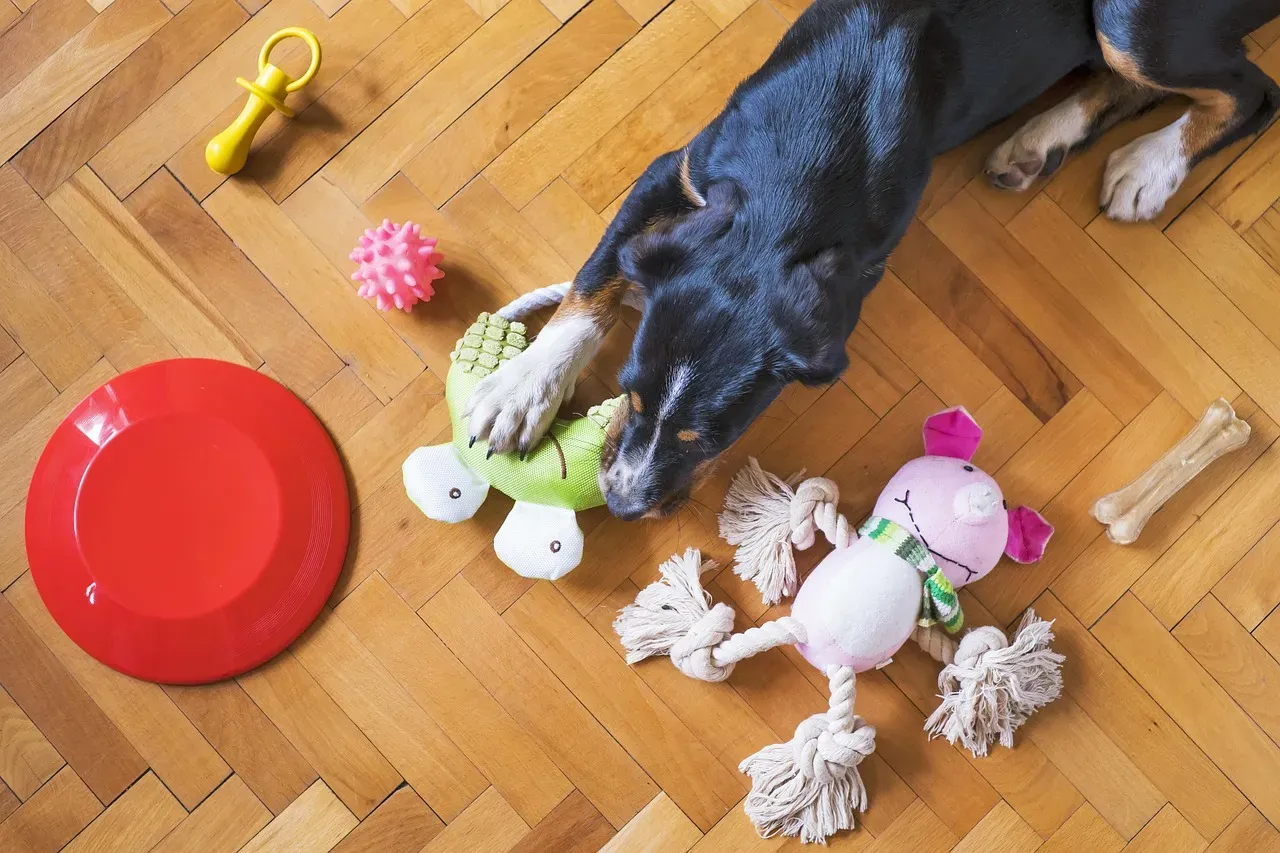
Let’s be real here. We often create this problem ourselves without meaning to. Owners have a habit of making toys a source of excitement and their sole source of exercise. We rev our dogs up around these things and so the dog only learns to be that way around the toy. Every time we get wildly enthusiastic about playtime, we’re conditioning them to associate toys with maximum arousal.
What looks like a ‘cute’ or ‘quirky’ behavior at first can actually be your dog’s way of coping with overstimulation, lack of enrichment, or too much time spent alone. Sometimes a dog latches onto a toy as their only outlet for pent-up energy or anxiety. The toy becomes less about fun and more about survival, emotionally speaking.
Some dogs may continue playing (e.g., running tirelessly after balls thrown for them) despite adverse consequences, such as over-exertion or even injury in the short term and damage to joints and ligaments in the longer term. This is heartbreaking when you think about it. They’re so driven by compulsion that they’ll hurt themselves just to keep going.
Past trauma can also play a huge role. Dogs from neglectful backgrounds or puppy mills may not understand toys the way well-socialized dogs do. They might view them with confusion or anxiety, or conversely, fixate on them as the only positive thing in their world.
Recognizing When Fun Becomes Frantic
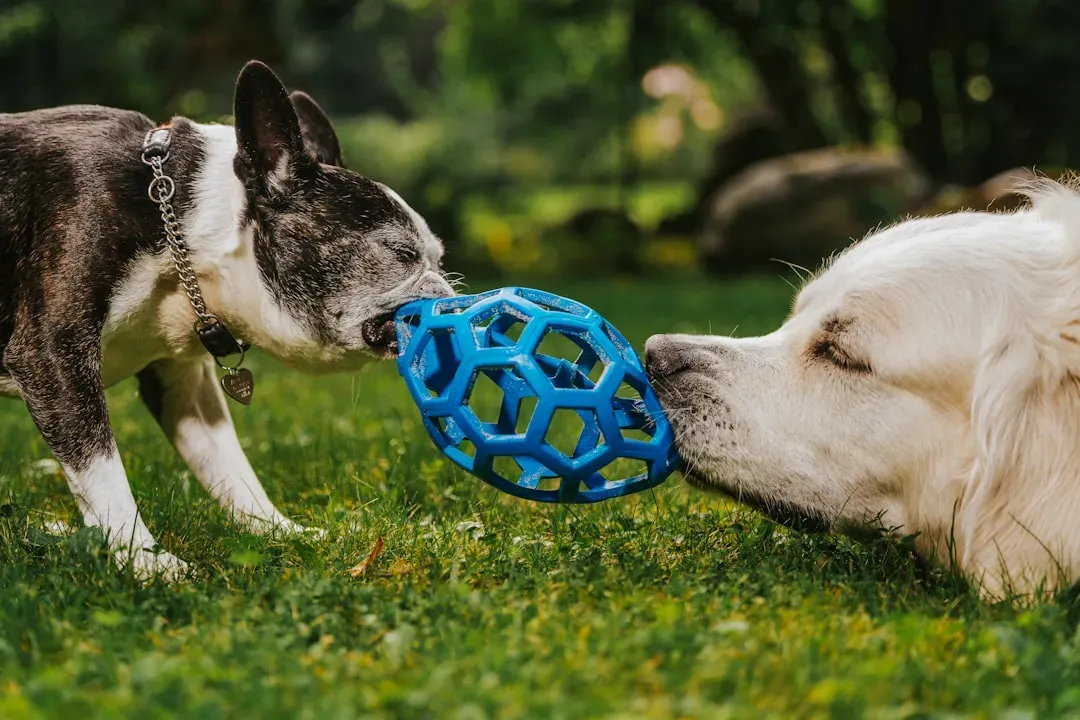
There’s a crucial moment when healthy play tips into unhealthy obsession. Dogs with canine compulsive disorder may become fixated to playing with a particular toy. It is important to note that while many of these behaviors may correspond in the short term to normal animal behavior, such as the love of a favorite toy, constant and/or unfounded repetition of the behavior may indicate underlying CCD.
Compulsive behaviors are repetitive and excessive and do not serve a purpose. In fact, they can interfere with a dog’s daily mental and physical function, detracting from their overall wellbeing. If your dog spends hours with the same toy, unable to disengage even for food or affection, that’s a warning sign worth taking seriously.
Honestly, I think one of the trickiest parts is distinguishing between a dog who really loves their toy and one who’s become dependent on it. Try this: remove the toy temporarily and watch what happens. If they become highly distressed, aggressive, or start to redirect their obsession onto other objects, it’s time to consult a professional trainer or veterinary behaviorist.
Some dogs would repeatedly spin, jump, focus or bark towards the unavailable toy for the duration of the subtest. Two dogs even managed to destroy the box enclosing their favourite toy. That level of determination isn’t cute. It’s compulsive, and it means your dog needs help finding a healthier relationship with play.
Creating Healthy Boundaries Around Toys
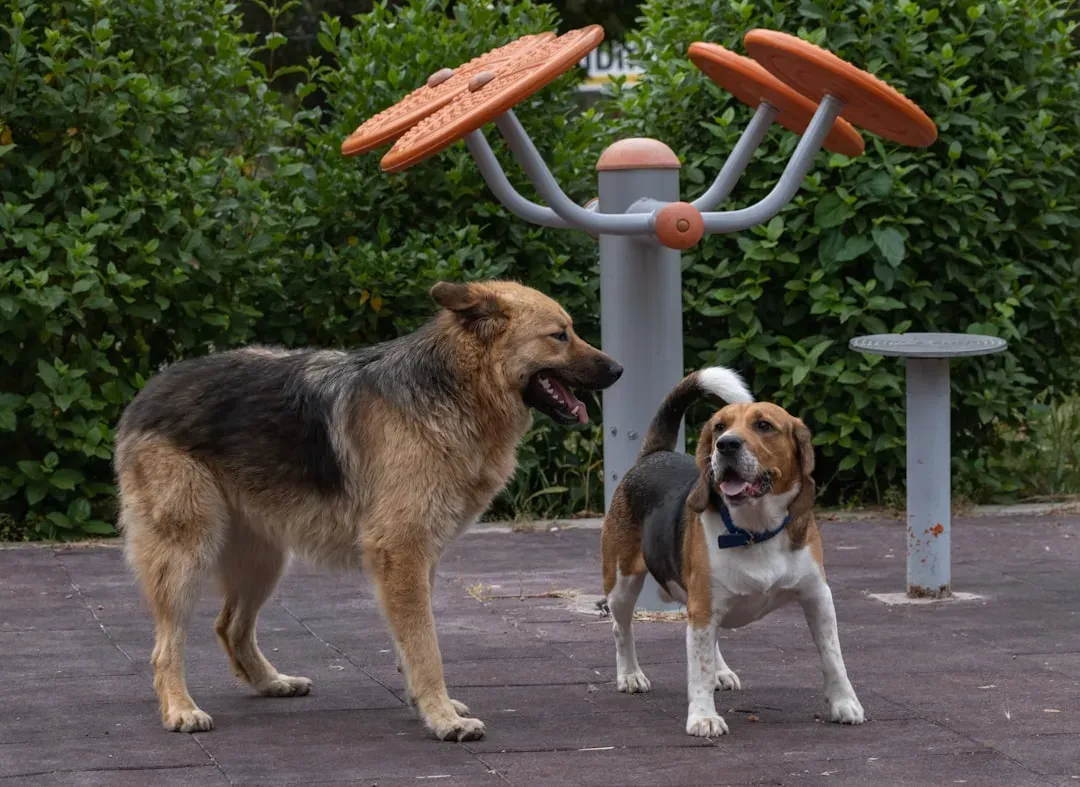
The good news? You can help your dog develop a balanced relationship with their toys. As the pack leader you want is to be the one to start and stop the excitement level, and never let it reach to a point of obsession. It can actually be a fun and mentally stimulating game for your pet to present a toy or treat to them but practice keep the dog away instead. Do not let the dog have the item until it is in a calm state.
Adding new enrichment to the dog’s schedule, desensitizing the dog to the toy’s absence and implementing tools, such as playpens or baby gates, to prevent access to the toy. This teaches patience and self-control. It might take twenty minutes at first, but gradually your dog will learn that calm behavior earns access to fun things.
Rotation is key. Don’t leave all toys available all the time. Keep your pooch guessing by hiding a few toys at home before you leave, so your dog can search for them throughout the day. This keeps things fresh and prevents that single-minded fixation on one particular item.
Consider the type of toys you’re offering too. There’s even evidence that the simple act of chewing can decrease stress levels, helping your dog feel better. Food-dispensing puzzles, snuffle mats, and durable chew toys can redirect obsessive energy into calmer, more productive activities. The goal is mental engagement without the frantic arousal.
When to Seek Professional Help
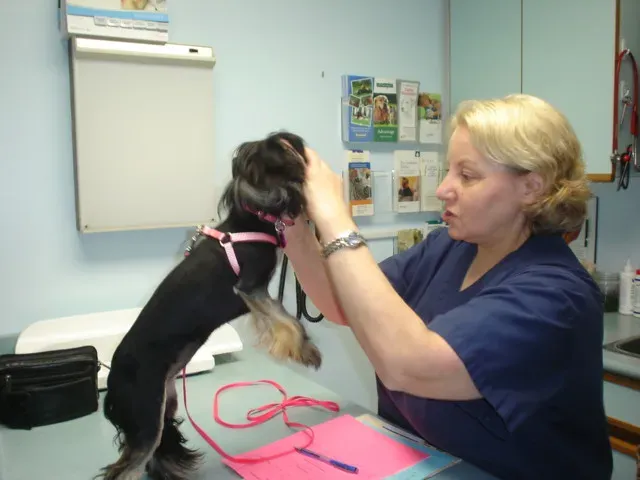
Anxious dogs are truly suffering, so if you suspect your pet is stressed, it’s important to seek help immediately. The benefits of early treatment can’t be overstated, because anxiety symptoms tend to get worse over time. Don’t wait until the behavior has become deeply ingrained or dangerous.
It’s important to keep in mind that it is not a quick fix when it comes to finding solutions for a dog that’s diagnosed with separation distress or anxiety… it’s something that won’t be resolved overnight and takes patience. Be prepared for a journey, not a quick solution. Behavioral modification takes consistency and time.
Your veterinarian is your first stop. They can rule out medical issues and discuss whether medication might help alongside behavioral training. Behavioral treatments for CCD often involve increasing the amount of enrichment a dog receives. That might include environmental enrichments like puzzle toys and chews, as well as physical activities, such as regular walks, playtime, and training sessions.
Professional trainers and veterinary behaviorists have specialized knowledge about compulsive disorders in dogs. They can create customized plans that address your specific dog’s triggers and needs. Sometimes the underlying issue isn’t actually about the toy at all, it’s about anxiety, lack of exercise, or insufficient mental stimulation. Getting to the root cause makes all the difference.
Conclusion
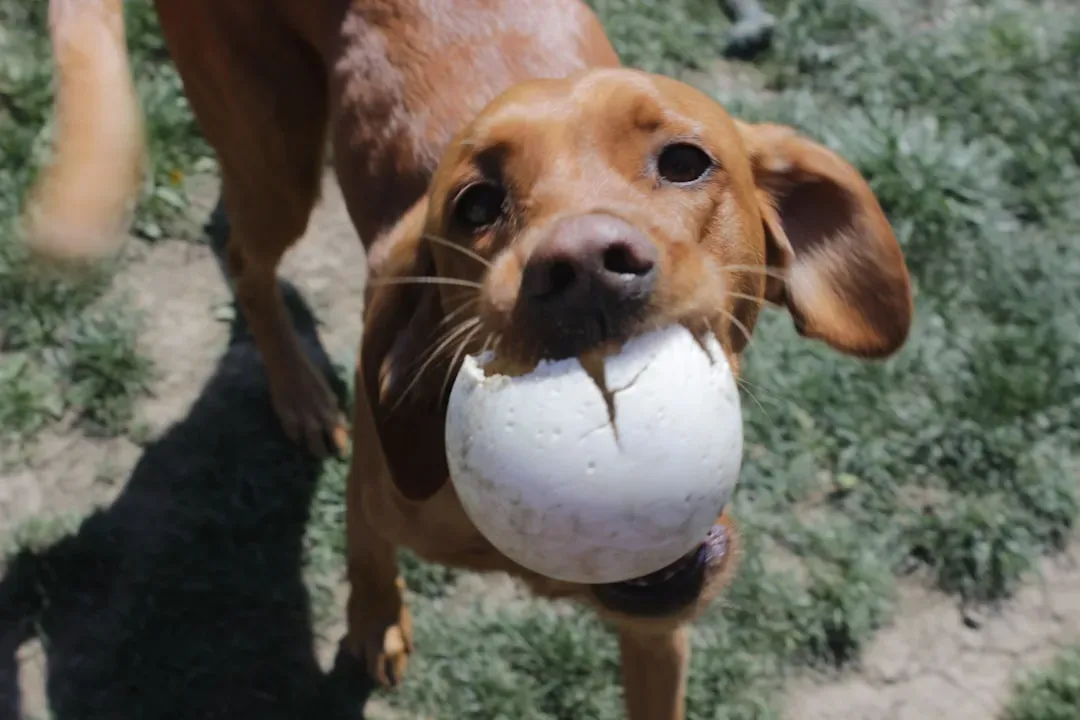
It’s hard to imagine that something as innocent as a toy could cause our dogs distress. Yet understanding this possibility opens the door to deeper empathy and better care. Your dog’s relationship with their favorite squeaky ball or stuffed duck tells you something important about their emotional state and overall wellbeing.
The key is observation. Watch for those subtle shifts from joy to compulsion, from play to obsession. Trust your instincts when something feels off. Your dog depends on you to recognize when they’ve crossed from happy enthusiasm into stressful fixation, and to help them find their way back to balanced, healthy play.
Remember, helping your dog develop a healthier relationship with toys isn’t about taking away their fun. It’s about teaching them that calm, balanced behavior leads to even more rewarding experiences. With patience, consistency, and sometimes professional guidance, you can help your furry friend rediscover the pure joy of play without the stress.
Have you noticed any obsessive behaviors around toys in your own dog? What changes have you made to help them find balance? Every dog is different, and sharing our experiences helps all of us become better, more understanding companions to the dogs we love.


