

You’ve seen the look. That hopeful, tail-wagging anticipation when you reach for the treat jar. Your dog trusts you completely, believing every snack you offer is a gesture of love. What if I told you that some of those beloved treats might be quietly undermining their health?
It’s a reality that many dog parents don’t realize until symptoms start showing up. That persistent scratching, the upset stomach, or the gradual weight gain might not be random at all. Let’s explore what could be hiding in that colorful bag of goodies and why becoming a treat detective might be one of the most loving things you can do for your pup.
The Hidden Dangers Lurking in Commercial Dog Treats
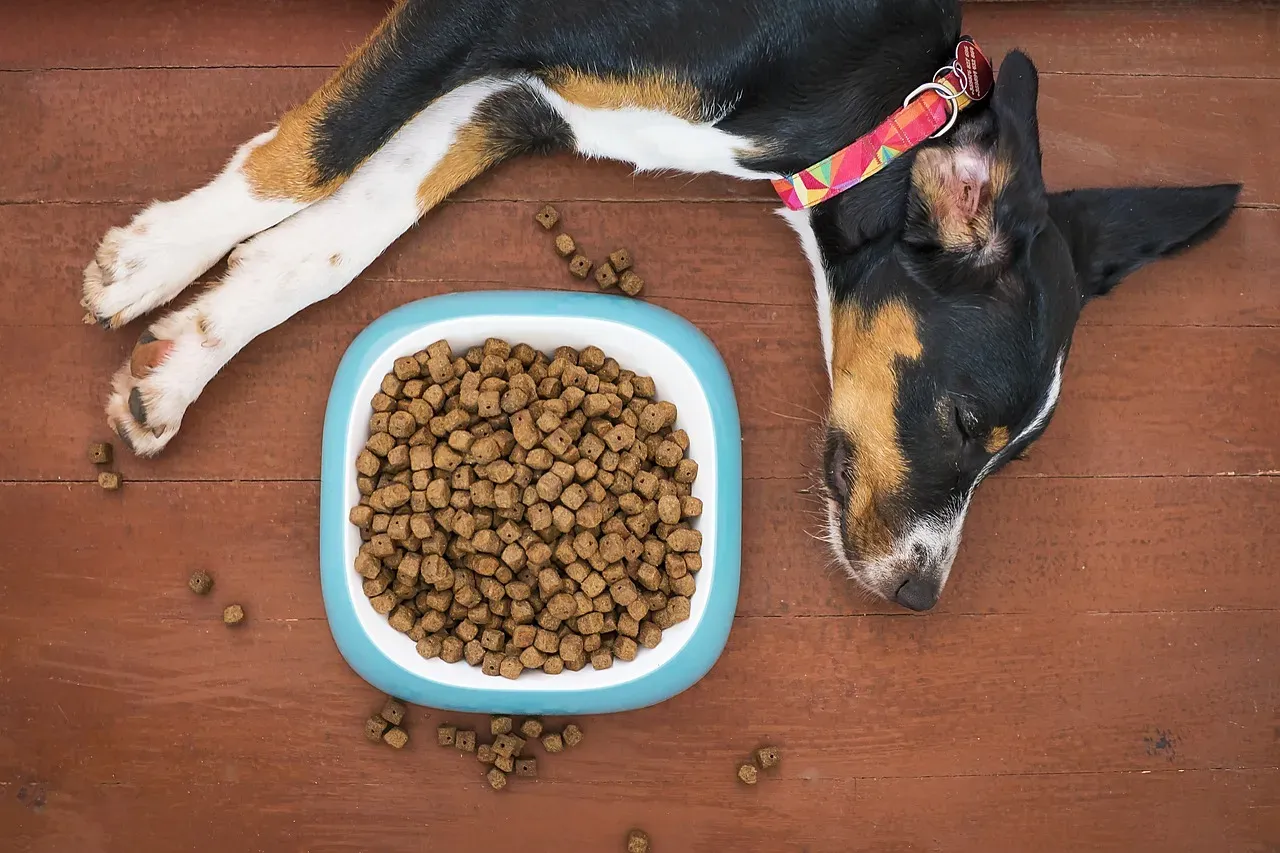
Many synthetic preservatives used in dog treats are considered carcinogens, and some preservatives banned for human consumption are still used in pet treats. It’s unsettling, really. Health issues linked to these synthetic preservatives include liver damage, cancer, cell damage, damage to the circulatory and nervous systems, and even poisoning.
Here’s the thing most people miss: those treats sitting on grocery store shelves weren’t necessarily designed with your dog’s best interests at heart. Synthetic preservatives like BHA and BHT are often added to extend shelf life and save manufacturers money. The profit motive sometimes wins over pet wellbeing. These synthetic preservatives can also cause digestive upset, inflammation, diarrhea, and food allergies. Your dog’s tummy troubles might have a very specific culprit.
Think about those brightly colored treats that catch your eye in the store. Certain artificial colors have been linked to hyperactivity and cancer in dogs. Dogs don’t actually care what color their snacks are, yet manufacturers add these dyes purely for human appeal.
Sugar and Fillers: The Sweet Saboteurs

Sugar can induce the same addictive properties in dogs as it does in humans. That’s a sobering thought. Once you start down that road, it becomes increasingly difficult to break the cycle. Sugar consumption can quickly lead to obesity, adds extra calories without nutritional value, and has been linked to diabetes and dental issues.
Filler ingredients are everywhere in commercial treats. Cheap filler ingredients provide no nutritional value and can lead to bloat, food allergies, digestive problems, and diarrhea. Manufacturers bulk up their products with corn, wheat, and soy because they’re inexpensive. Wheat, corn, and soy are included because of their cheapness, though their nutritional value isn’t outstanding, and many dogs are sensitive or allergic to these ingredients.
The irony is painful: you’re trying to reward your best friend, but you might be setting them up for long-term health consequences. I know it’s hard to resist those pleading eyes, yet discipline here truly equals love.
When Your Dog’s Body Says “No”: Recognizing Allergic Reactions

Signs of food allergies in dogs usually include itchy skin, paws, or ears, digestive disturbances like vomiting or diarrhea, and sometimes more subtle changes like hyperactivity, weight loss, lack of energy, and even aggression. Pay attention to these signals. Your dog can’t tell you what’s wrong in words, but their body speaks volumes.
Food allergies commonly cause skin signs like itching, redness, and swelling, and occasionally gastrointestinal signs including vomiting, diarrhea, and gas. Does your pup constantly lick their paws? That’s not just a quirky habit. It could be their way of dealing with discomfort caused by something in their diet. Common signs include persistent itching, licking, or chewing different areas of their body, secondary yeast or bacterial skin or ear infections, or repeated vomiting, diarrhea, or excessive gas.
The tricky part is that these reactions can develop over time. This immune response usually becomes apparent over a prolonged amount of time rather than immediately after trying a food for the first time. Your dog might have eaten the same treat for months without issue, then suddenly develop a reaction. Bodies change, sensitivities develop, and what once seemed harmless becomes problematic.
The Scary Truth About “Meat” in Dog Treats

Let’s talk about what “animal byproducts” really means. These ingredients have no nutritional value for dogs and can spread disease, while byproducts like hooves and beaks are practically indigestible and can lead to digestive upset. It sounds like something out of a horror story, yet it’s completely legal.
A generic meat meal can be any meat not used for human consumption, which can literally include roadkill, dying or diseased livestock, dead zoo animals, or even euthanized pets including cats and dogs. I wish I were exaggerating. Non-specific protein sources like meat meal or animal byproducts are low-quality ingredients that can include various parts of animals not suitable for human consumption.
When a label says “meat and animal derivatives,” you have zero transparency about what’s actually inside. Phrases like meat and animal derivatives are used by manufacturers so they can change the exact ingredients each time they manufacture a batch to use the cheapest ingredients available at that time. Your dog deserves better than mystery meat roulette.
Making the Switch: Healthier Alternatives That Dogs Actually Love

The good news? Real, wholesome alternatives exist and most dogs go absolutely crazy for them. Apples are full of nutrients like vitamin C and fiber, while carrots are loaded with beta-carotene and other vitamins, making them good healthy snacks. Simple, affordable, and genuinely nutritious.
Plain boiled chicken breast with no added seasoning or oils is a great healthy snack that helps build muscle, is gentle on the stomach, and contains omega-6 fatty acids that help keep skin and coat healthy. It doesn’t get more straightforward than that. You’re cooking dinner anyway, why not set aside a small unseasoned portion for your pup?
Green beans are a great fiber-filled treat alternative containing vitamins A and K, and can be eaten raw, cooked, steamed, or even canned as long as there is no seasoning. They’re filling, low in calories, and genuinely healthy. The general rule is that ninety percent of your dog’s daily calorie intake should come from complete and balanced food, with the remaining ten percent from treats and snacks.
Sometimes the best treat isn’t a separate snack at all. Some dogs accept their regular dog food as treats throughout the day, which may be the healthiest dog treat option for them. If your dog is food motivated enough, this simple swap eliminates all risk while still providing that positive reinforcement they crave.
Conclusion

The treats we give our dogs carry more weight than we often realize. Every snack is either contributing to their vitality or slowly chipping away at it. Becoming an educated treat-giver means reading labels, asking questions, and sometimes choosing the less convenient option because it’s the right one.
Your dog doesn’t know the difference between a chemically preserved biscuit and a fresh carrot slice, they just know you’re offering them something with love. The question is whether that offering truly serves their long-term wellbeing. Start small, make gradual changes, and pay attention to how your dog responds. Their body will tell you everything you need to know.
What changes will you make to your pup’s treat routine today?


