
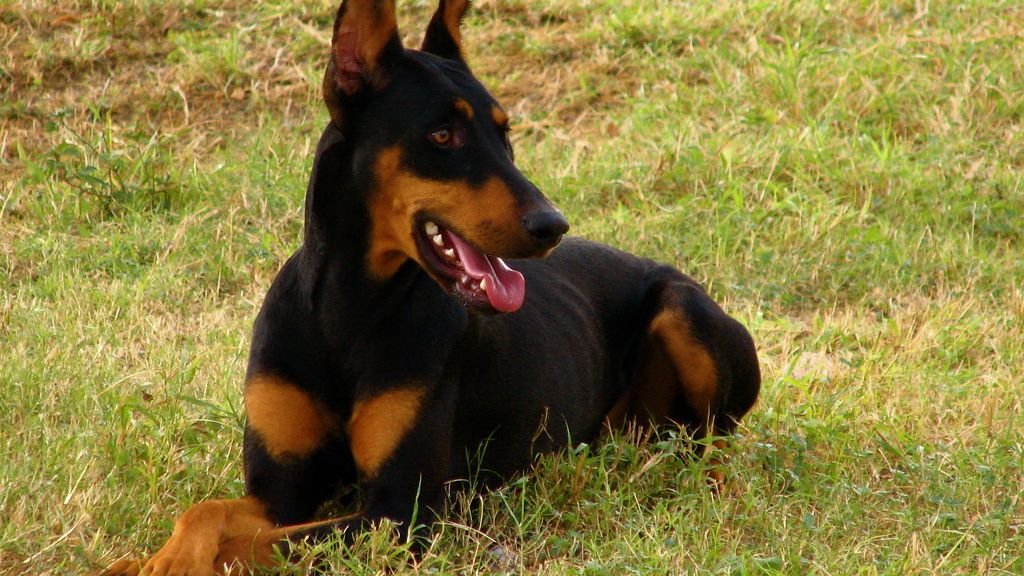

You call your dog’s name across the park. Nothing. You call again, louder this time. Still, they’re fixated on that fascinating smell near the fence. Finally, frustration bubbling, you march over, only to find your dog glancing up with what looks suspiciously like a smirk. “Oh, were you talking to me?” Sound familiar?
Most of us have been there, muttering about our dog’s so-called stubbornness. We label them defiant, hardheaded, maybe even a little dumb. Here’s the thing, though. What if I told you that your dog isn’t being difficult at all? What if that very behavior you’re labeling as stubbornness is actually a brilliant display of intelligence, just not the kind we’re conditioned to recognize? Let’s explore why your seemingly stubborn dog might actually be smarter than you think.
The Myth of the “Stubborn” Dog
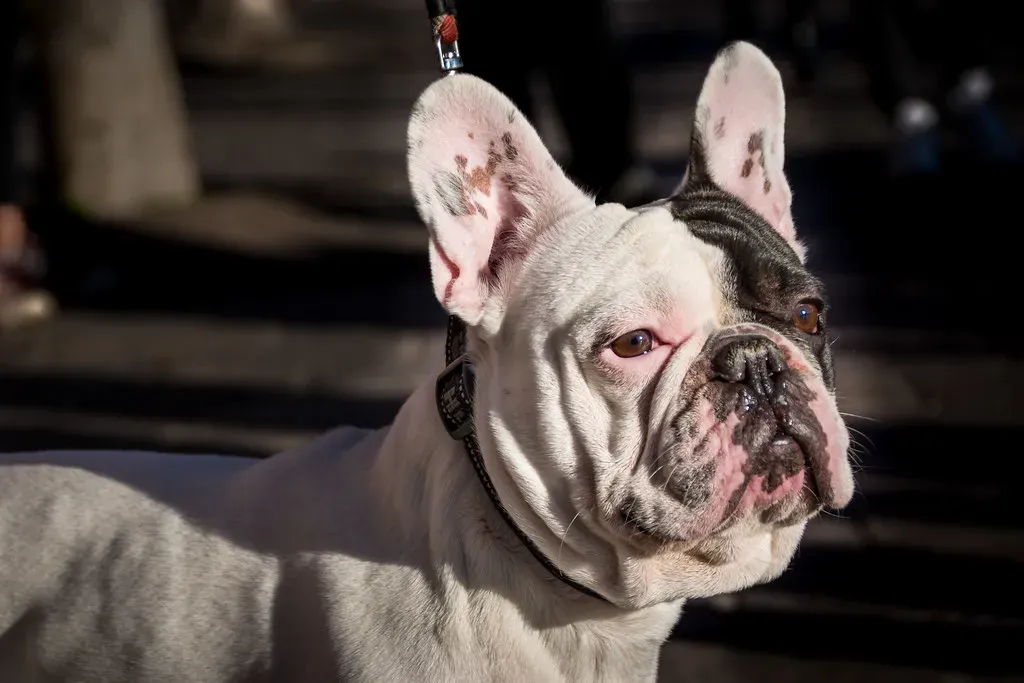
Let’s be real about this. When we call a dog stubborn, what we’re usually saying is that they’re not doing what we want, when we want it. It’s frustrating, I know. Yet the truth is far more interesting than simple disobedience.
Stubbornness often reflects high intelligence that requires more skilled handling, and just because humans delight in compliance does not mean intelligent dogs do. Think about it. Some of the smartest people you know probably questioned authority, thought outside the box, or refused to follow the crowd. Why should dogs be any different?
Some of the smartest dogs misbehave because they get bored easily, and some dogs can learn but are stubborn. Your dog might understand exactly what you’re asking. They’ve just decided there’s something more interesting or valuable competing for their attention right now. That’s not stupidity. That’s choice.
Understanding Different Types of Canine Intelligence
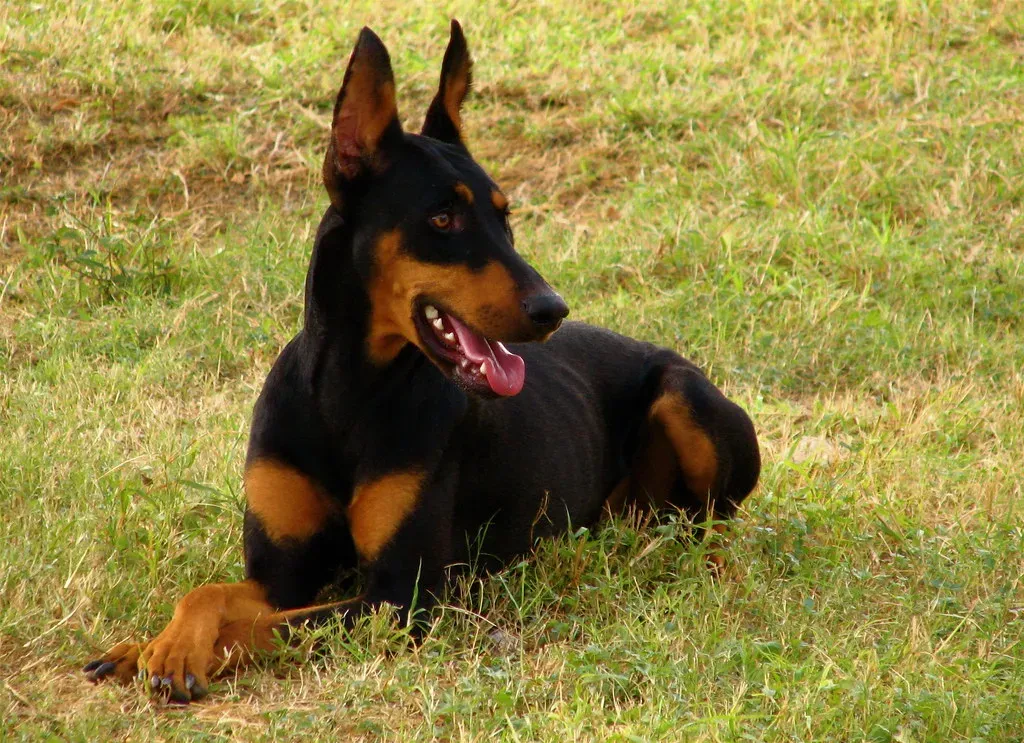
Not all intelligence looks the same. We humans tend to measure dog smarts by obedience, how quickly they learn commands, how reliably they perform on cue. That’s only one piece of the puzzle.
Canine intelligence includes three aspects: instinctive intelligence (a dog’s ability to perform tasks it was bred for), adaptive intelligence (a dog’s ability to solve problems on its own), and working and obedience intelligence (a dog’s ability to learn from humans). Your Beagle who ignores your recall because they’re tracking a scent? That’s instinctive intelligence at work. They were literally bred to follow their nose, not your voice.
Dogs like Dachshunds were bred to work independently as badger hunters, which comes from the fact that they needed to make decisions on their own. Independence isn’t a flaw. For certain breeds, it’s the whole point. When your dog weighs their options before obeying, they’re demonstrating adaptive intelligence, the ability to think critically about their environment.
When “Selective Hearing” is Actually Selective Attention
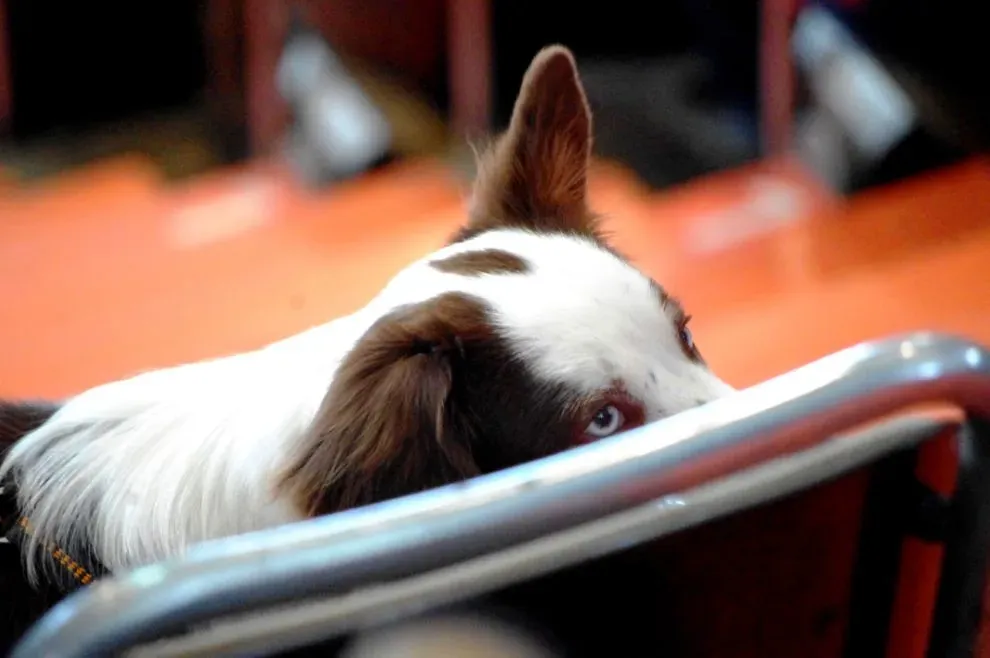
We’ve all joked about dogs having selective hearing. They somehow sleep through the vacuum cleaner but wake instantly at the crinkle of a treat bag. Turns out, there’s actual science behind this.
Dogs have selective attention instead of selective hearing, and when animals put all their cognitive resources towards stimuli and ignore less important stimuli, that is the process of selective attention. Your dog can hear you just fine. They’re choosing what to focus on based on what matters most to them in that moment. That requires sophisticated mental processing.
Dogs tune into sounds that deal with food, their name and discipline, focusing on what’s important to their wellbeing. This isn’t defiance. It’s prioritization, a hallmark of intelligent decision making. Your dog is constantly evaluating their environment and making choices about where to direct their mental energy, just like you do when you tune out background noise at a coffee shop to focus on your friend’s voice.
The Intelligence Hidden in Independent Problem-Solving
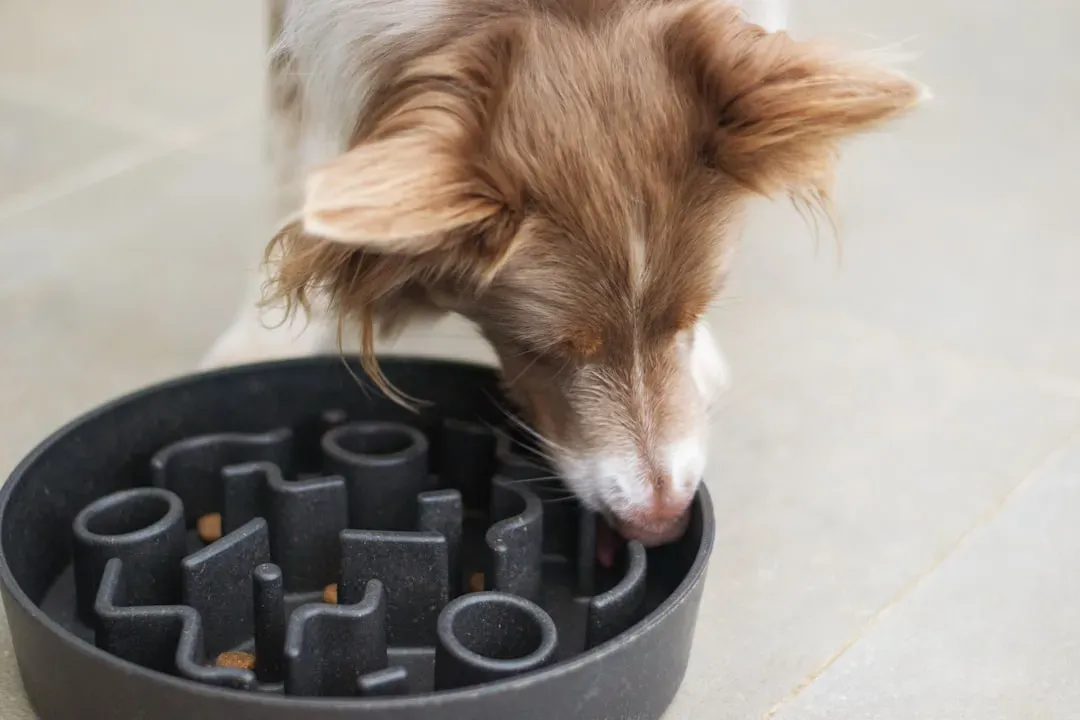
Have you ever watched your dog figure out how to open a cabinet, nudge open a door, or manipulate you into an extra walk? Congratulations, you’ve witnessed problem-solving intelligence in action.
In problematic situations, dogs may attempt to solve the task independently or turn to humans for help, and dogs that spent the most time asking humans for help were more obedient and easier to train in everyday life. Interestingly, the dogs who try to solve problems themselves aren’t less intelligent. They’re just using a different cognitive strategy.
Breeds like the Hovawart were among the most independent, attempting to solve unsolvable tasks by themselves rather than turning to a human for help. That independence might look like stubbornness when you want cooperation, but it reflects a dog’s confidence in their own abilities. Some dogs are collaborators. Others are solo operators. Both approaches require smarts, just different kinds.
Recognizing Intelligence Beyond Obedience
Traditional dog intelligence rankings focus heavily on how quickly breeds learn commands and how reliably they obey. That creates a skewed picture of what smart really means.
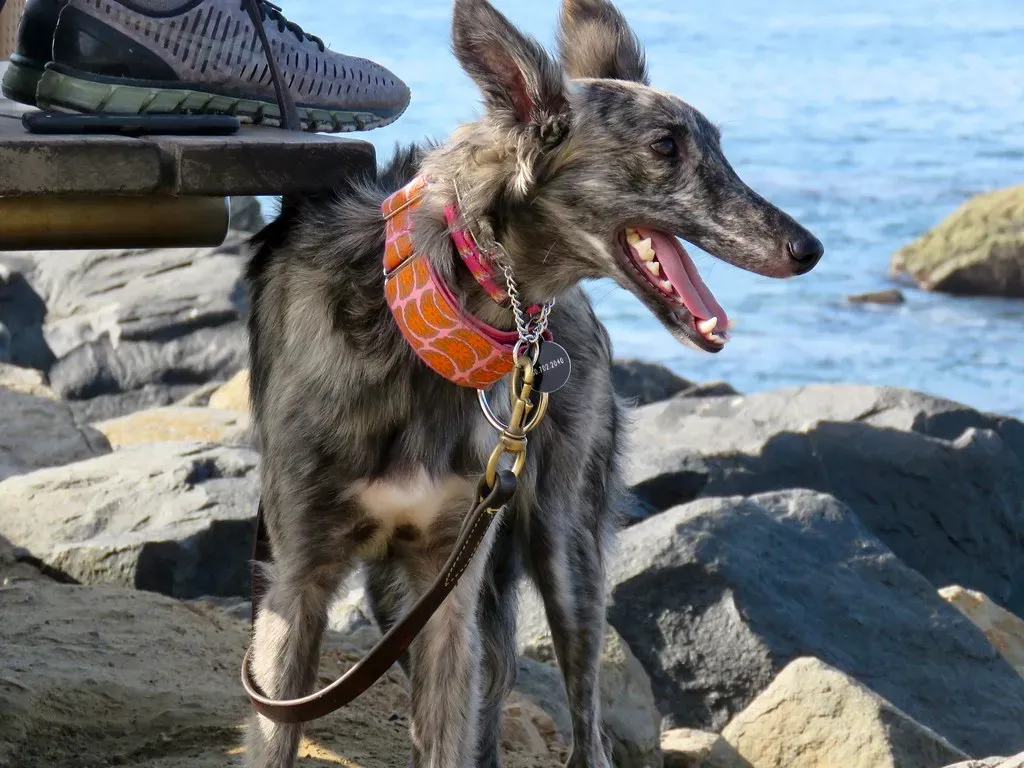
Breeds often ranked low in obedience are not stupid, just stubborn, independent and built for other jobs, as they are simply independent and driven by strong instincts. Afghan Hounds, for example, are frequently labeled as low intelligence because they require many repetitions to learn commands. Yet these are sight hounds, dogs bred to make split-second decisions while chasing prey at high speeds. They don’t need your instructions. They need their instincts.
Low performance in inhibitory control tests may mean that the dog has a high motivation for rewards, is easily aroused in training, and reacts quickly, which can be advantageous in training for working roles and dog sports. What looks like poor impulse control might actually be rapid response time and high drive, incredibly valuable traits in the right context.
Working With Your Dog’s Natural Intelligence
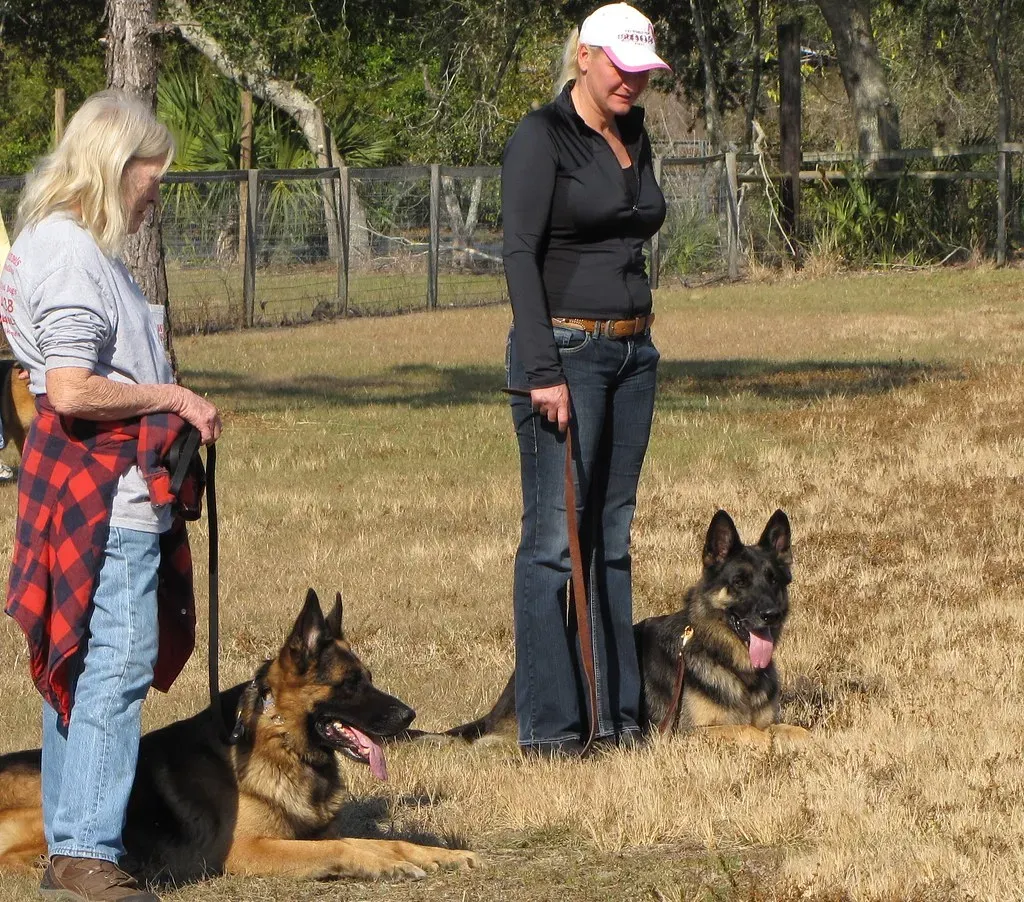
Once you understand that your dog’s stubbornness might actually be intelligence, the question becomes: how do you work with it instead of against it?
First, figure out what motivates your specific dog. Dogs are selecting activities they do or do not want to participate in, deciding whether the reward is worth their time. If treats aren’t cutting it, try toys, freedom, or even just the opportunity to engage their natural instincts. A Beagle might work beautifully if you incorporate scent games into training.
Positive, consistent and clear reinforcement is critical for dogs’ learning, and negative reinforcement and punishment can ensure that dogs do not learn and might even cause them to rebel. Punishment doesn’t teach your intelligent dog what to do. It just teaches them to avoid you or become anxious. Positive reinforcement, on the other hand, helps them understand that cooperation is their choice and their idea, which clever dogs respond to far better.
Conclusion
Your dog’s stubbornness might be the most honest compliment they can give you. It means they’re thinking, evaluating, and making choices rather than blindly following orders. That takes brains, confidence, and a healthy sense of self. Sure, it can be frustrating when you need them to come immediately and they’re busy investigating something fascinating. Yet once you start viewing their independent streak as intelligence rather than defiance, training becomes less about forcing compliance and more about building a partnership.
The smartest dogs aren’t always the most obedient. Sometimes they’re the ones who make you work a little harder, who challenge you to be a better communicator, who remind you that intelligence comes in many forms. So the next time your dog gives you that look, the one that says “I heard you, I’m just not interested right now,” take a breath and appreciate the complex, thinking creature in front of you.
What do you think? Does your dog’s stubbornness look a little different now? Share your stories in the comments below.
Gargi from India has a Masters in History, and a Bachelor of Education. An animal lover, she is keen on crafting stories and creating content while pursuing a career in education.


