

Choosing between a male and a female dog can be an exciting yet daunting decision for any potential dog owner. It’s a choice that carries the weight of compatibility, personality, and lifestyle fit. As dog lovers, we often find ourselves caught in the whirlwind of questions about behavioral differences, care requirements, and unique characteristics. This article aims to shed light on the various aspects that differentiate male and female dogs, helping you make an informed decision that harmonizes with your home and heart.
Understanding Temperament Differences

When it comes to temperament, both male and female dogs have their own set of traits that can influence your decision. Male dogs are often perceived as more playful and energetic, thriving in environments where they can express their boisterous personalities. They may be more prone to roughhousing and enjoy a good romp in the park. On the other hand, female dogs are typically seen as calmer and more nurturing. They might prefer a quiet afternoon nap over an extended play session. Of course, these characteristics can vary widely depending on breed and individual personality, but they provide a general framework to consider.
Behavioral Considerations
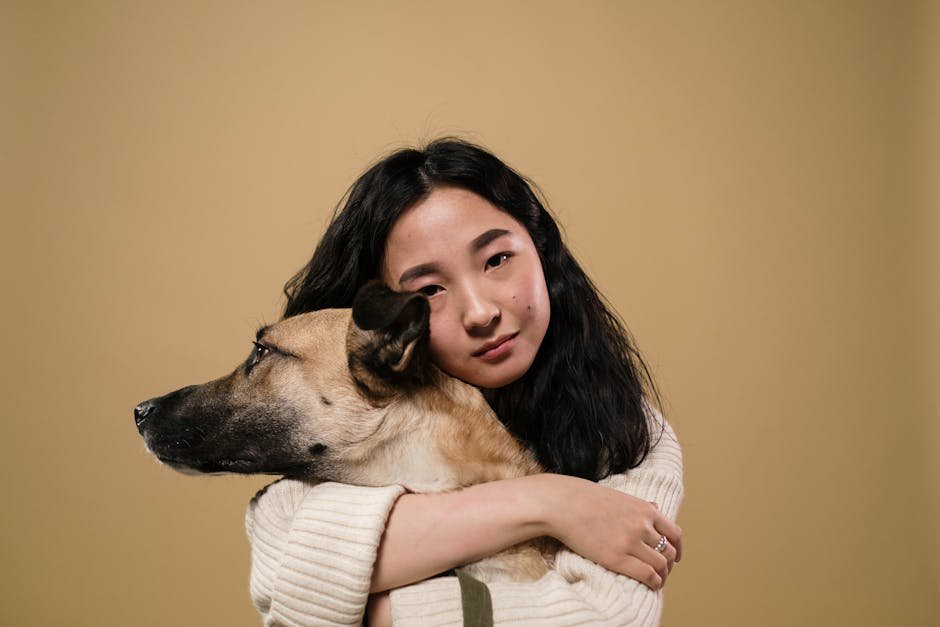
Behaviorally, male dogs might exhibit more territorial tendencies, marking their territory with urine or displaying protective behaviors. They can be more assertive, which some owners find charming. Conversely, female dogs are usually less territorial and more independent, often displaying affection in subtler ways. They might not be as vocal or demanding of attention, making them suitable for quieter households. It’s essential to remember that training and socialization play significant roles in shaping any dog’s behavior, regardless of gender.
Health and Lifespan
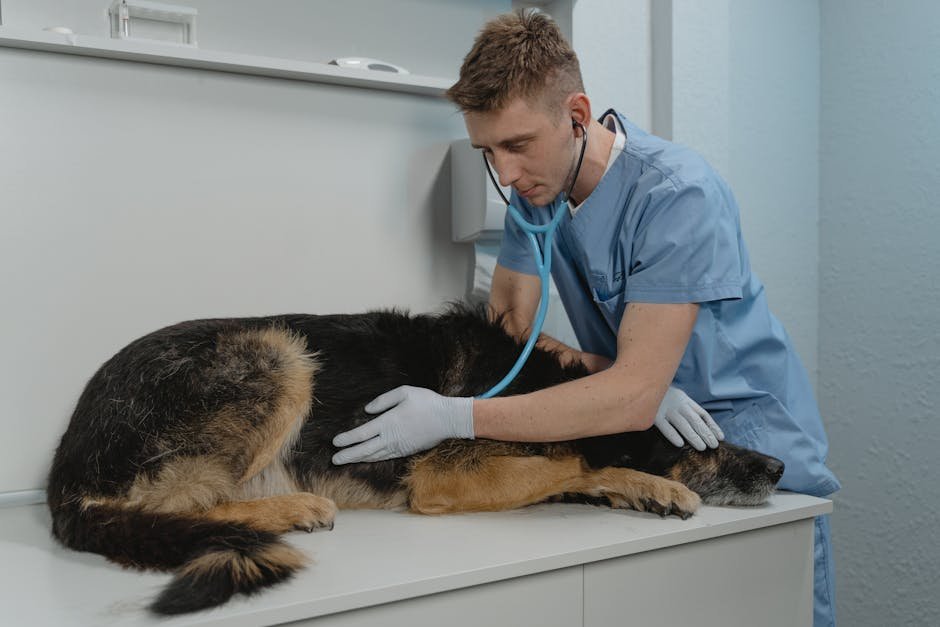
Health considerations can also influence your decision between a male and female dog. Generally, female dogs may face reproductive health issues, like pyometra or mammary tumors, if not spayed. Male dogs are susceptible to prostate problems and testicular cancer if left intact. Spaying and neutering can mitigate many of these health risks, and consulting with a veterinarian can provide further insights. In terms of lifespan, there’s no significant difference between the genders, as factors like breed, size, and care play more substantial roles.
Training and Adaptability
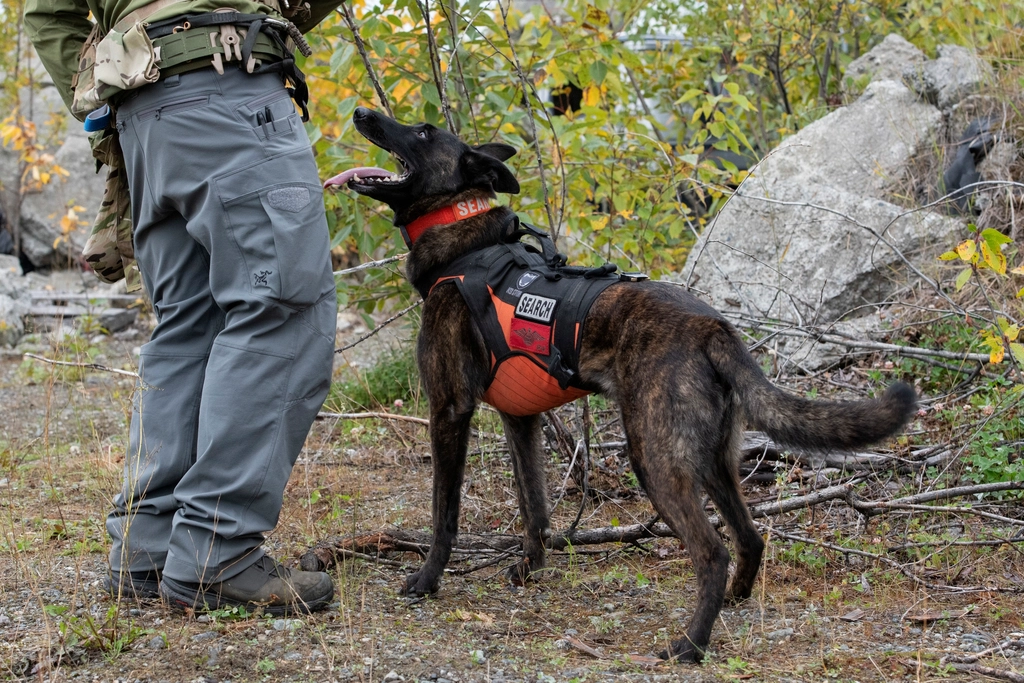
Training a dog is an integral part of pet ownership, and gender can play a role in how easily a dog adapts to new commands and environments. Male dogs might require more patience during training, especially when it comes to curbing their energetic and sometimes stubborn nature. Female dogs are often quicker to pick up new commands, displaying a blend of intelligence and willingness to please. However, both genders can be equally trainable with consistent effort and positive reinforcement. The key is to establish a strong bond and communicate effectively with your furry companion.
Compatibility with Families and Other Pets

For families and multi-pet households, the choice between a male and female dog can be crucial. Male dogs may get along well with children, enjoying active play and adventures. They can be more tolerant of the chaos that often accompanies family life. Female dogs, with their gentle demeanor, might be better suited for homes with smaller children or elderly individuals. They usually integrate well with other pets, showing a cooperative spirit. Assessing your household dynamics and lifestyle can guide you in selecting the gender that fits seamlessly into your family.
Personal Preferences and Lifestyle

Ultimately, choosing between a male and female dog often boils down to personal preferences and lifestyle considerations. Some owners may have a strong inclination toward the characteristics of one gender over the other. It’s essential to reflect on your daily routine, energy levels, and the type of companionship you seek. Whether you’re drawn to the playful antics of a male dog or the serene presence of a female, the most important factor is finding a dog that complements your life and brings joy to your days.
In conclusion, the decision between a male or female dog is highly personal, influenced by various factors such as temperament, behavior, health, and lifestyle. Understanding these differences can guide you in making a choice that aligns with your expectations and living situation. Regardless of gender, the love and companionship a dog offers remain unparalleled, enriching your life in countless ways.


