
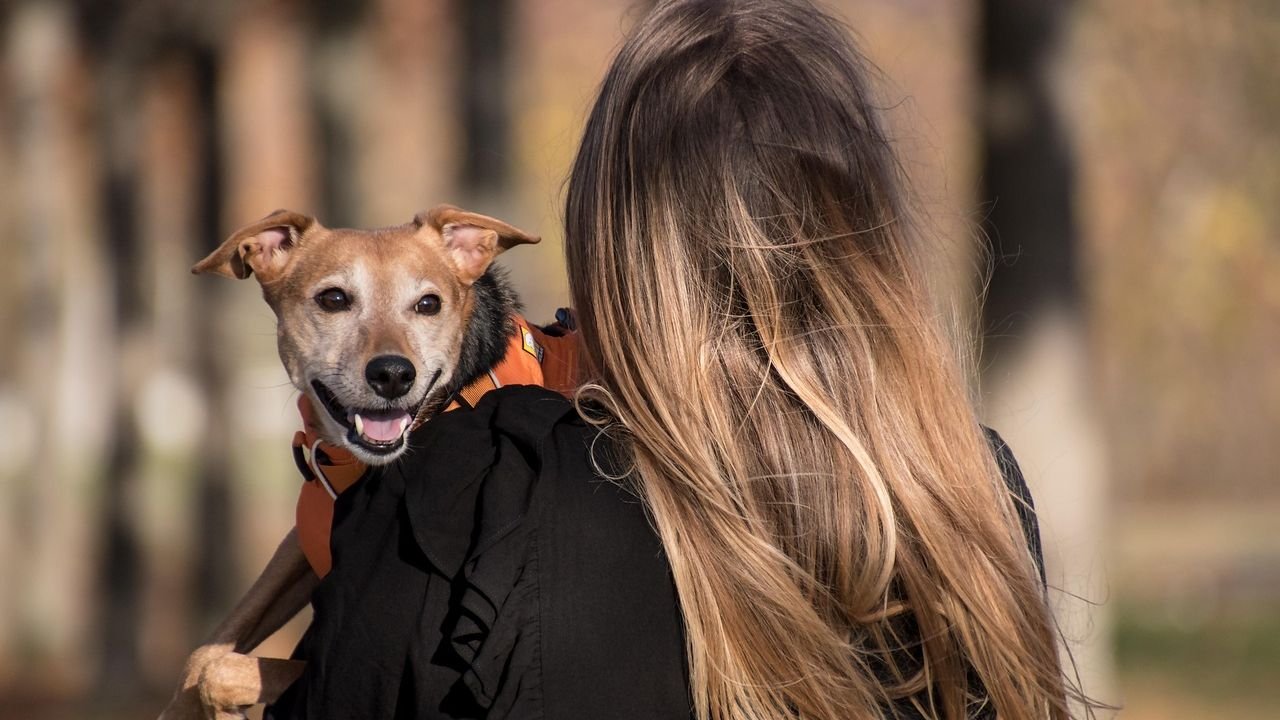
Picture this: you’re standing in the kitchen making coffee, and suddenly you feel it. That warm, steady pressure against your calf. Your dog, leaning into you with what feels like their entire soul. No barking. No jumping. Just that quiet, solid lean. It’s one of those moments that makes dog ownership feel like an actual privilege.
But what does it really mean? Is it love? A cry for help? Something deeper? The truth is, that little lean carries far more meaning than most of us realize, and once you understand what’s behind it, your relationship with your dog will never feel quite the same. Let’s dive in.
The Lean Is Their Version of a Hug
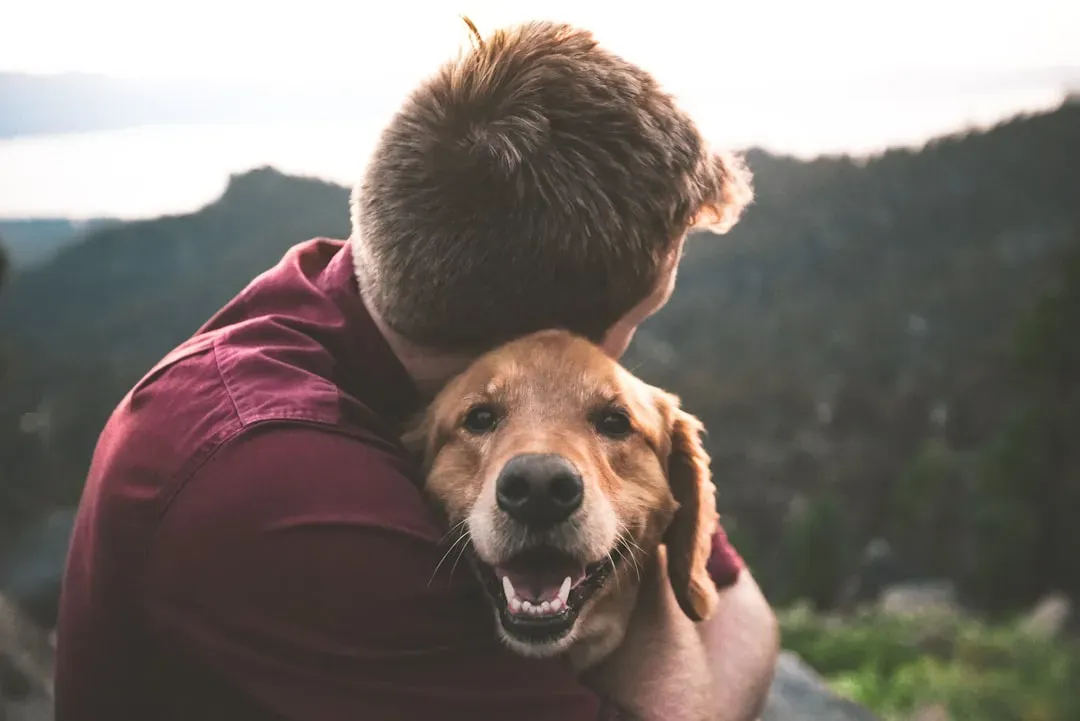
Here’s the thing most dog owners get right intuitively: when your dog leans against you, it’s almost always an act of love. The vast majority of times a dog leans on you, it’s an expression of affection. Your dog is trying to get as close to you as possible, and may be asking for affection from you in return. Think of it like a dog pressing “I love you” into your leg without saying a single word.
Leaning is one of the most subtle yet meaningful ways dogs communicate. It’s their version of a hug, a tactile way of saying, “I feel safe with you.” Honestly, it’s more sincere than most gestures humans manage on a daily basis. Research has shown that physical contact can trigger the release of oxytocin, the “love hormone,” in both dogs and humans, playing a crucial role in forming emotional bonds.
Your Dog Is Seeking Comfort and Security
Many dogs lean on their owners as a way to seek comfort and security, particularly in times of uncertainty or stress. By leaning against you, they are relying on your presence and physical support to alleviate their anxiety and provide them with a sense of safety. It’s not unlike a child reaching for a parent’s hand in a crowded supermarket.
Thunderstorms, fireworks, loud noises, and a myriad of other things can cause some dogs to be frightened. If your dog is afraid, they may lean against you to reassure themselves that you’re there and that they’re safe, because they know you do your best to keep them out of harm’s way. Watch for these stress signals alongside the lean: lowered tail, tense body, whale eye, pacing, and trembling are all signs that comfort-seeking, not affection, is driving the behavior.
It’s a Deep Gesture of Trust
For a dog to lean, they must surrender part of their balance, literally putting their weight in your hands. That act alone shows deep trust. Think about that for a second. Your dog is physically depending on you not to move. That is not the behavior of an animal who is indifferent to you.
Dogs lean on people for comfort, security, affection, expressing trust, and bonding. This behavior can also indicate a need for attention or reassurance, especially in new or stressful environments. If a dog leans on you, it means they trust you and have a strong bond with you. I think that’s one of the most beautiful things about dogs. They wear their vulnerability so openly. By pressing their body against you, they’re effectively saying, “You’re my safe space.” This physical contact releases oxytocin in both humans and dogs, reinforcing your mutual connection.
Reading the Context: Is It Love or Anxiety?
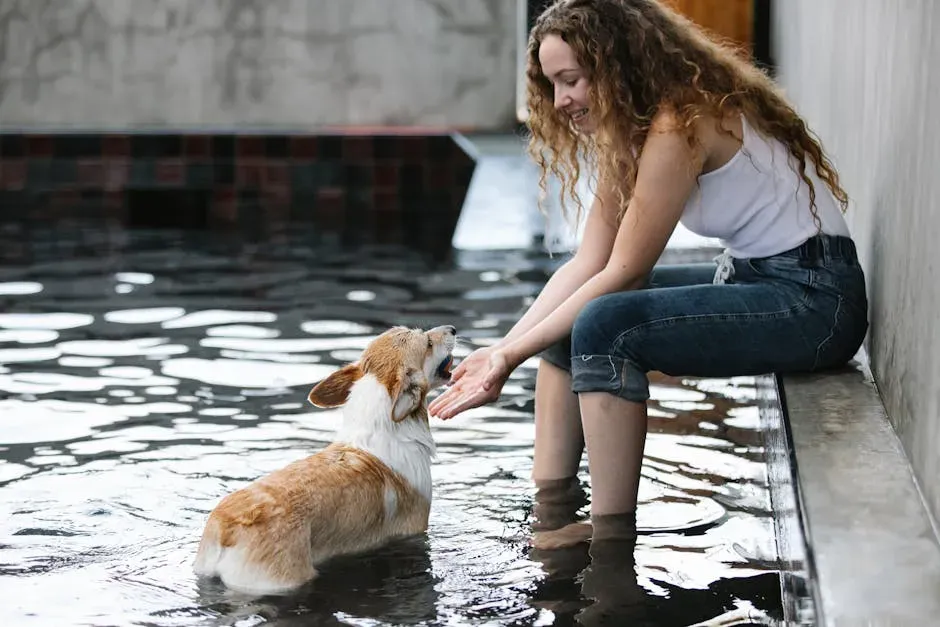
Not every lean tells the same story, and this is where paying attention really matters. Observe your dog’s overall body language. Affectionate leaning is relaxed and accompanied by a wagging tail, while anxious leaning might involve trembling, a tucked tail, or tense muscles. The difference between the two is huge, and responding correctly to each one is what makes you a truly tuned-in dog parent.
Steady pressure is comforting for some dogs, which may relate to their leaning behavior. For example, snug-fitting shirts can ease canine anxiety, as can certain types of massage. “Leaning on a favorite person provides pressure, which is comforting.” So if your dog leans on you during a vet visit or a car ride, they’re not being clingy. If the vet just walked into the exam room and your pup came over and leaned on you, your dog is looking for reassurance. They may feel uncomfortable because they remember what has happened at the vet’s office in the past. In that situation, it’s perfectly fine to comfort your dog and reassure them that everything will be fine.
When Leaning Becomes Excessive: What to Watch For
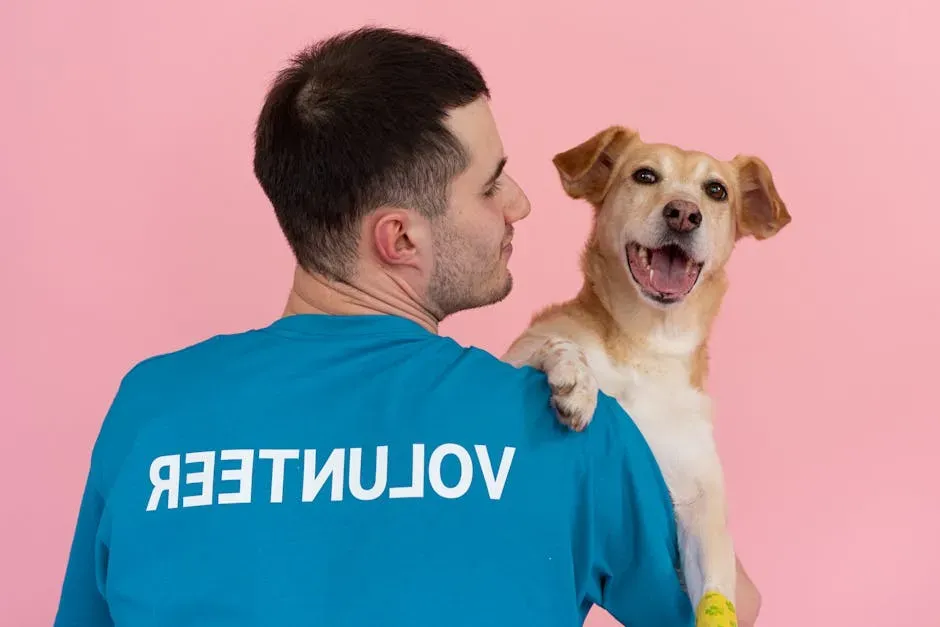
Let’s be real, most leaning is completely wonderful and you should soak it up. However, there are times when the behavior crosses into something worth addressing. Leaning on you could be a sign your dog is experiencing a medical condition involving its balance. If you feel your dog is unsteady on their feet and leaning on you for support, it’s best to consult your vet. That kind of leaning looks quite different from the cozy, relaxed version.
If your dog’s leaning becomes excessive, it may be helpful to teach them an alternative way to seek attention. For example, you can train your dog to sit beside you or place their paw on your leg instead of leaning. This can help reduce any potential discomfort while still allowing them to express their affection. Regular training and socialization can help build your dog’s confidence, reducing anxious tendencies that may lead to excessive leaning.
Conclusion: That Lean Says Everything
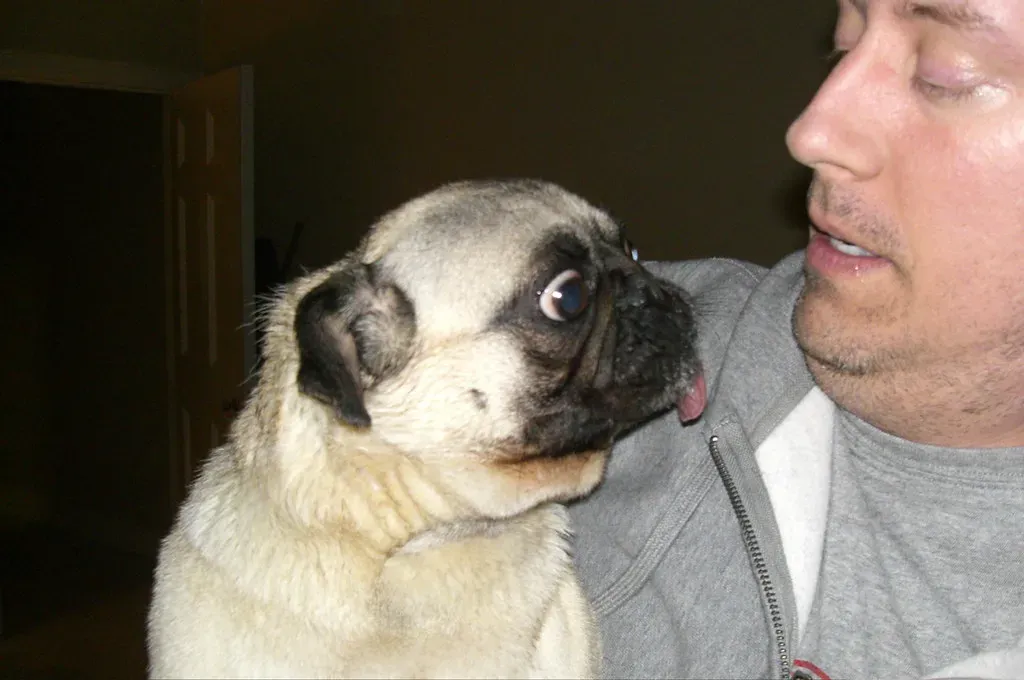
The next time your dog leans into your legs, take a slow breath and appreciate it for what it truly is. Understanding why dogs lean helps us appreciate the nuanced, loving communication of our four-legged friends. Each lean is a small window into their emotional world, reminding us of the incredible bond between humans and dogs.
When your dog leans on you, that shared moment triggers a hormonal feedback loop: they feel calm because you’re calm, and you feel loved because they’re close. In this way, leaning isn’t just emotional – it’s biological therapy. So lean back, give them a gentle scratch, and know you’ve earned that trust completely.
Your dog chose you as their safe place. How does that make you feel? We’d love to hear your stories in the comments.


