
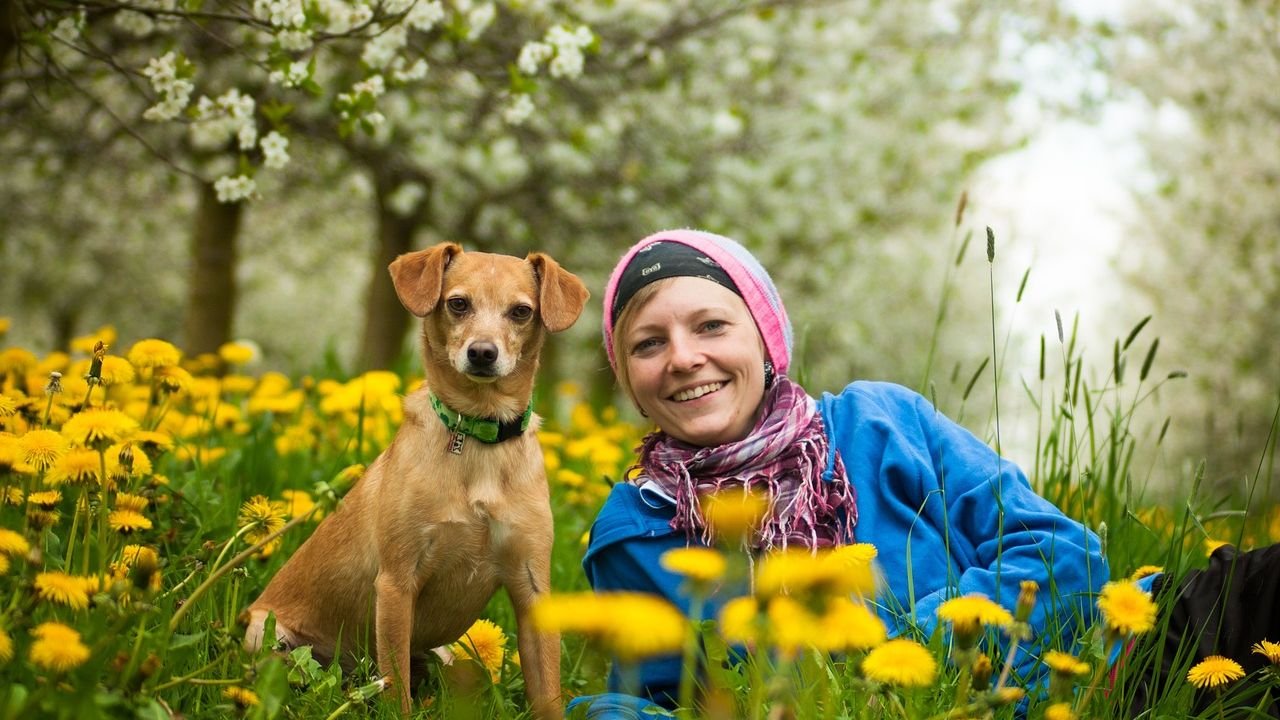
You’ve probably experienced it a dozen times. You’re standing in the kitchen or sitting on the couch, and suddenly you feel that familiar, warm pressure against your leg. Your dog, whether they weigh fifteen pounds or seventy, has decided to lean their entire body weight right into you.
Some people describe it as a fuzzy push, others call it a gentle collapse. Whatever you call it, it’s one of those uniquely dog behaviors that makes you wonder what’s going on in that furry head. Is your pup trying to tell you something? Is it love? Anxiety? Just a really comfortable position?
The truth is, leaning is much more complex than most people realize. Dogs don’t lean by accident, and understanding this behavior can deepen your connection with your four-legged friend in ways you might not expect. Let’s dive into the beautiful, sometimes surprising world of canine leaning.
The Language of Love and Trust
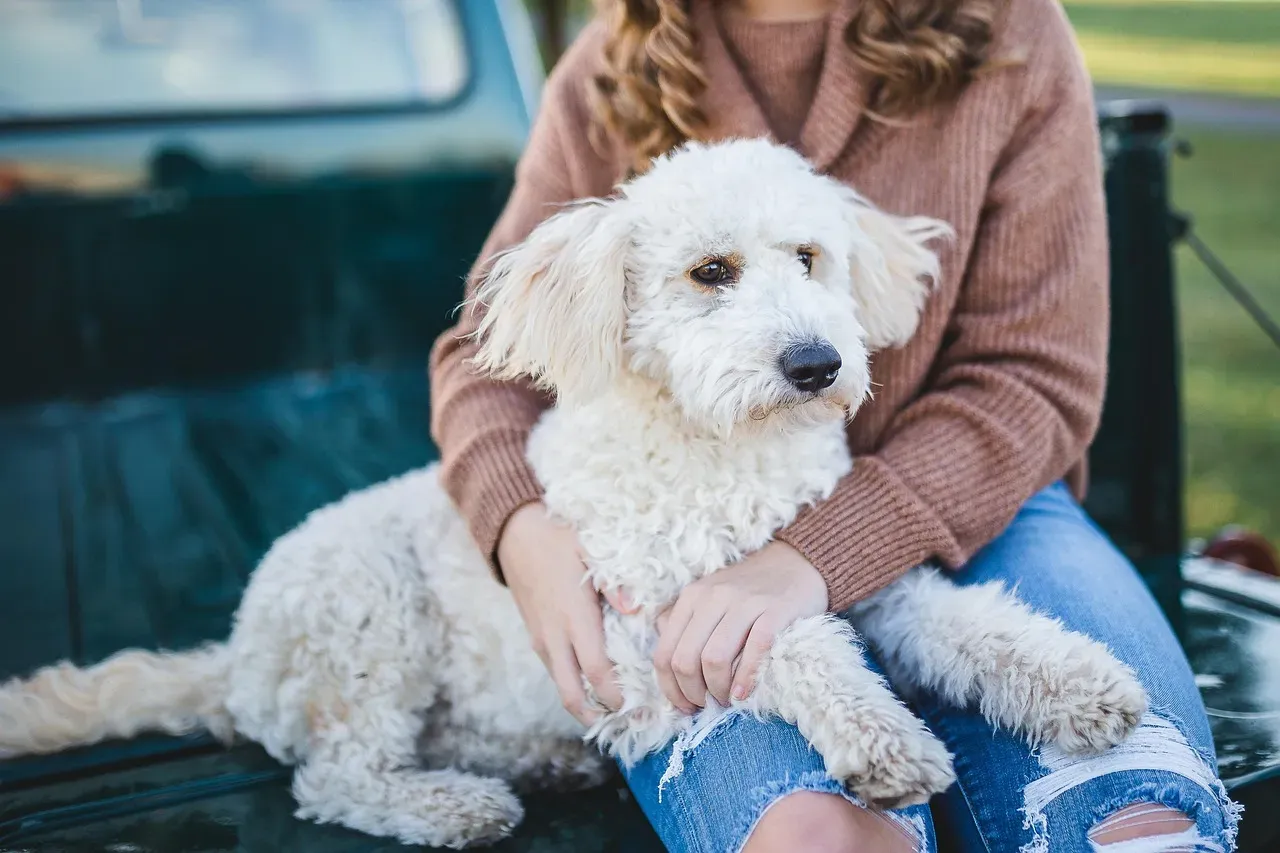
, they’re often seeking comfort and connection, much like how humans might reach out for a hug. It’s honestly one of the purest forms of affection your dog can show.
Dogs lean on people for comfort, security, affection, expressing trust, and bonding. Think about it from their perspective. In a world where they depend on us for nearly everything, choosing to press their body against yours is a profound act of vulnerability and connection.
Physical contact can trigger the release of oxytocin, the “love hormone” in both dogs and humans, playing a crucial role in forming emotional bonds and fostering feelings of attachment. So when your dog leans, you’re both getting a biological hit of happiness. Pretty amazing, right?
Seeking Reassurance in an Overwhelming World
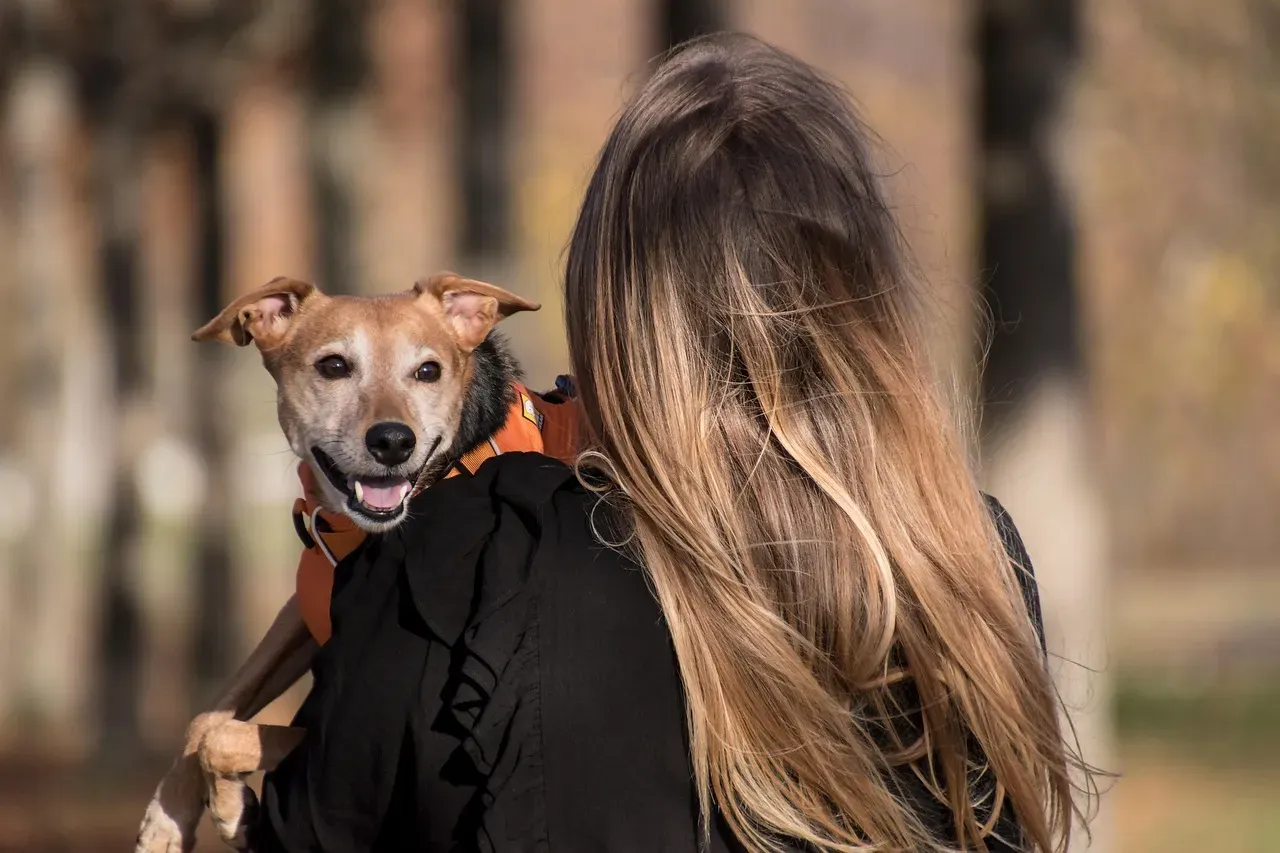
Not all leaning is about cozy contentment, though. Sometimes your dog is asking for help.
Anxious dogs require support, so they often lean against their owners, especially in the case of separation anxiety, where the dog is afraid to be alone. Picture your dog at the vet’s office or during a thunderstorm. That lean becomes heavier, more insistent.
Leaning can be an expression of anxiety or insecurity, and in stressful situations or environments, a dog may lean on their human as a coping mechanism, seeking comfort and reassurance. The difference lies in context and body language. You might notice other signs of anxiety alongside leaning: trembling, tucked tails, or ears pinned back.
Your dog isn’t being needy for the sake of it. They’re genuinely overwhelmed and looking to you as their safe harbor. In those moments, calm reassurance matters.
The Attention-Seeking Lean
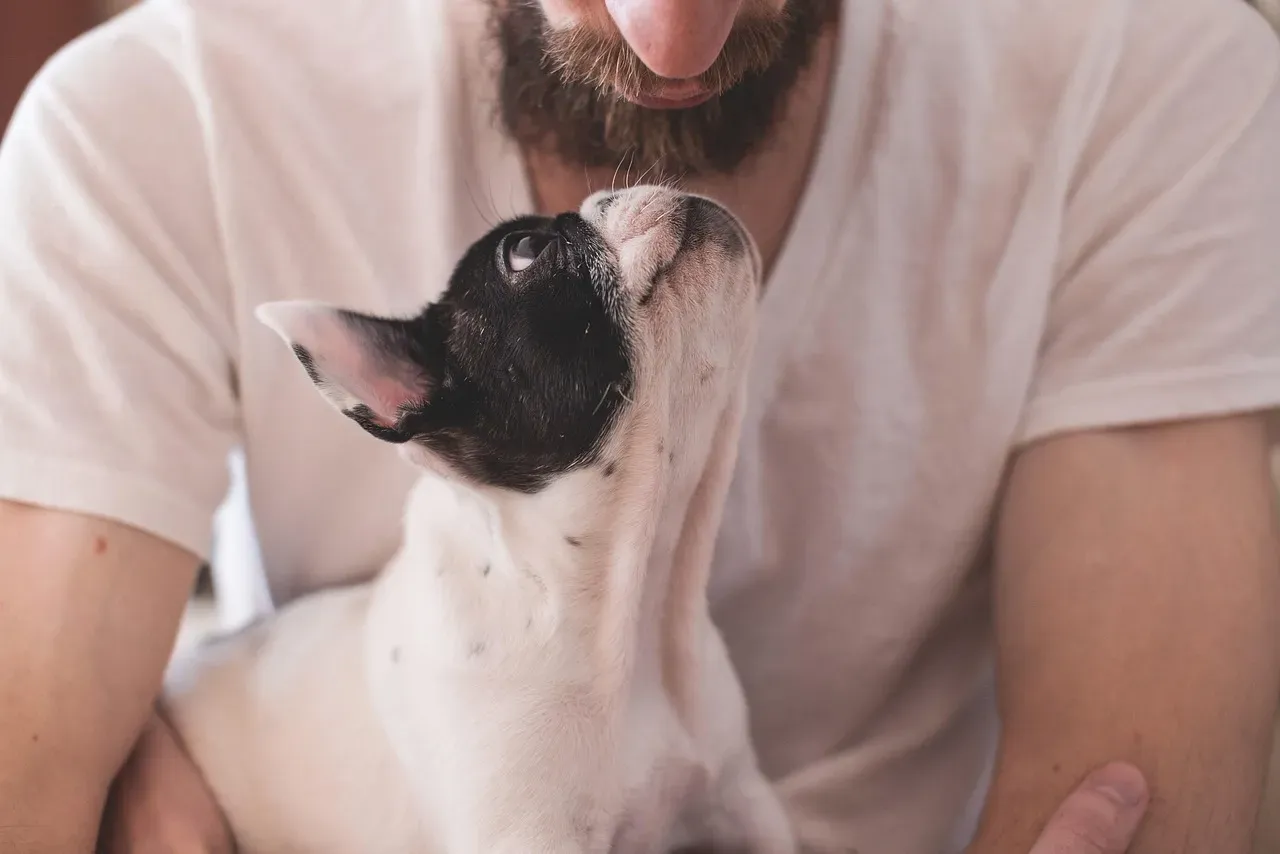
Let’s be real here. Dogs are smart, and they know how to get what they want.
Dogs might lean on you because they have learned that you pay attention when they do this, and if a dog has learned that leaning makes you pet them or give belly rubs, then leaning is a behavior they will repeat in the future. It’s not manipulation in the human sense. It’s just good old-fashioned learned behavior.
Think about it. Your dog leans, you automatically reach down and scratch behind their ears. They’ve just figured out a very effective communication system. Dogs learn to attract attention and engage with their human companions, and if a dog feels neglected or desires interaction, leaning can be an effective way to prompt a response from their owner.
Honestly, can you blame them? We’ve accidentally trained them that leaning equals affection and attention. It’s a two-way street.
Reading the Signs: Context Is Everything
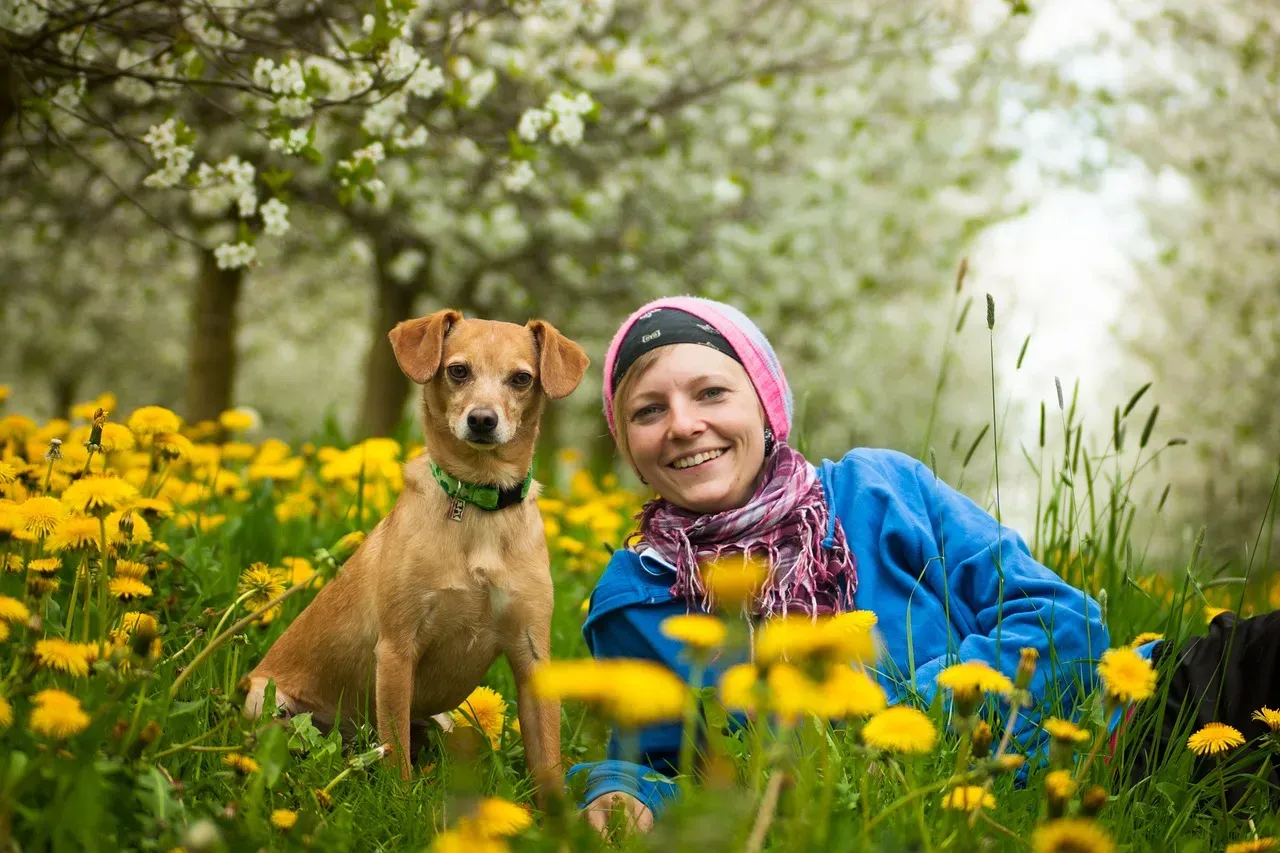
Here’s the thing that trips up most dog owners. A lean isn’t just a lean.
When dogs lean against people, they often show very relaxed or vulnerable body posture and language, not confident and aroused like two dogs or wolves in conflict for status. You need to look at the whole picture. What’s happening around your dog? What does their tail look like? Are their eyes soft or wide with worry?
A relaxed lean usually comes with a loose, wiggly body, maybe a gentle tail wag, soft eyes. If your dog is tense, with ears pinned back or a tucked tail, the leaning might signal anxiety or fear.
Watch for the environment too. If leaning happens during stressful situations, such as loud noises or unfamiliar guests, your dog might be seeking comfort, but if your dog leans against you while lounging at home, it’s more likely a sign of affection and trust. Context transforms everything.
Debunking the Dominance Myth

There’s an outdated belief floating around that needs to be put to rest once and for all.
There is a largely debunked theory that says if a dog is leaning against you they are trying to be manipulative or trying to assert dominance, and experts refute this idea, claiming that the majority of the time dogs lean as a way to express affection. The dominance theory has done more harm than good in dog training circles.
Dog leaning is not about dominance, and a dog’s relationship with a human is usually about attachment, not hierarchy, just like kids and their parents. Think about how your dog depends on you for food, shelter, walks, and love. They’re not trying to control you. They’re trying to connect with you.
When dogs do display dominance with other dogs, it looks completely different. Stiff body, tail up, intense stare. That’s not what happens when your sweet Lab flops against your leg while you’re watching TV.
When Leaning Becomes a Concern

Most of the time, leaning is harmless and even heartwarming. But there are times when you should pay closer attention.
It’s important to consider that leaning might sometimes indicate illness or physical discomfort, and if a dog suddenly starts leaning more than usual or shows signs of distress while doing so, it may be trying to communicate that something is wrong. Neurological issues can sometimes cause balance problems that look like leaning behavior.
The frequency and intensity of leaning behavior can provide insights, with occasional leaning typically harmless and affectionate, but if your dog continually leans or follows you around excessively, it may indicate separation anxiety or a need for more confidence-building exercises. If your dog can’t be in a room without being physically attached to you, or if they panic when you try to create space, that’s worth addressing.
Professional help from a veterinarian or certified dog behaviorist can make a huge difference. You’re not failing your dog by asking for support. You’re giving them the tools to feel more confident and secure in the world.
Conclusion
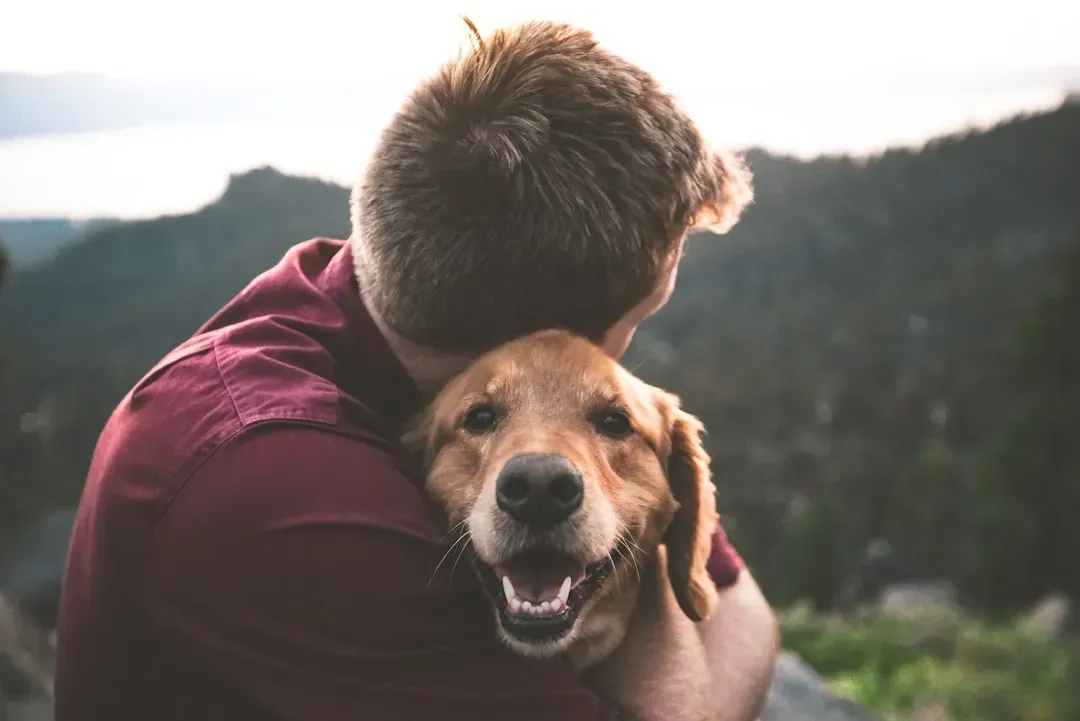
The next time your dog leans into you, take a moment to appreciate what they’re really saying. Whether it’s pure love, a request for comfort, or just a clever way to get your attention, that lean is communication in its most sincere form.
If a dog leans on you, it means they trust you and have a strong bond with you, whether they are seeking reassurance, affection, or comfort in a tricky situation. That trust didn’t happen overnight. It’s the result of every walk, every meal, every quiet evening together.
Pay attention to the whole picture. Watch their body language, consider the context, and respond with the love and understanding your dog deserves. Sometimes they need reassurance, sometimes they need space to build confidence, and sometimes they just need you to be there, solid and steady, while they lean into the comfort of knowing they’re home.
What does your dog’s lean tell you? Have you noticed patterns or special moments when they seem to need that physical connection most? Understanding this simple behavior might just transform how you see your relationship with your best friend.


