
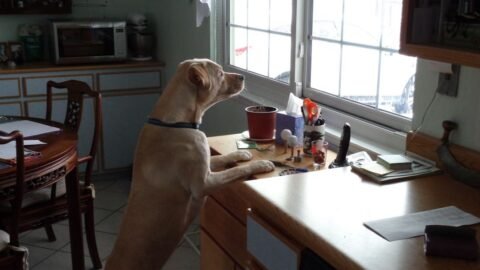
You’ve probably noticed it before. Your sweet golden retriever suddenly stiffens when someone walks past their food bowl. Maybe your rescue pup growls when you get too close to their favorite toy, or perhaps your shepherd cross gets tense when a family member approaches the couch while they’re resting. It’s unsettling, right?
That protective response, called resource guarding, is more than just stubbornness. It’s deeply woven into some dogs’ genetic makeup, shaped by thousands of years of selective breeding, survival instincts, and learned behavior. Understanding why certain breeds are more prone to guarding can help you see your dog’s behavior in a whole new light – not as defiance but as instinct trying to speak through a modern, domestic world.
The Evolutionary Roots Run Deep
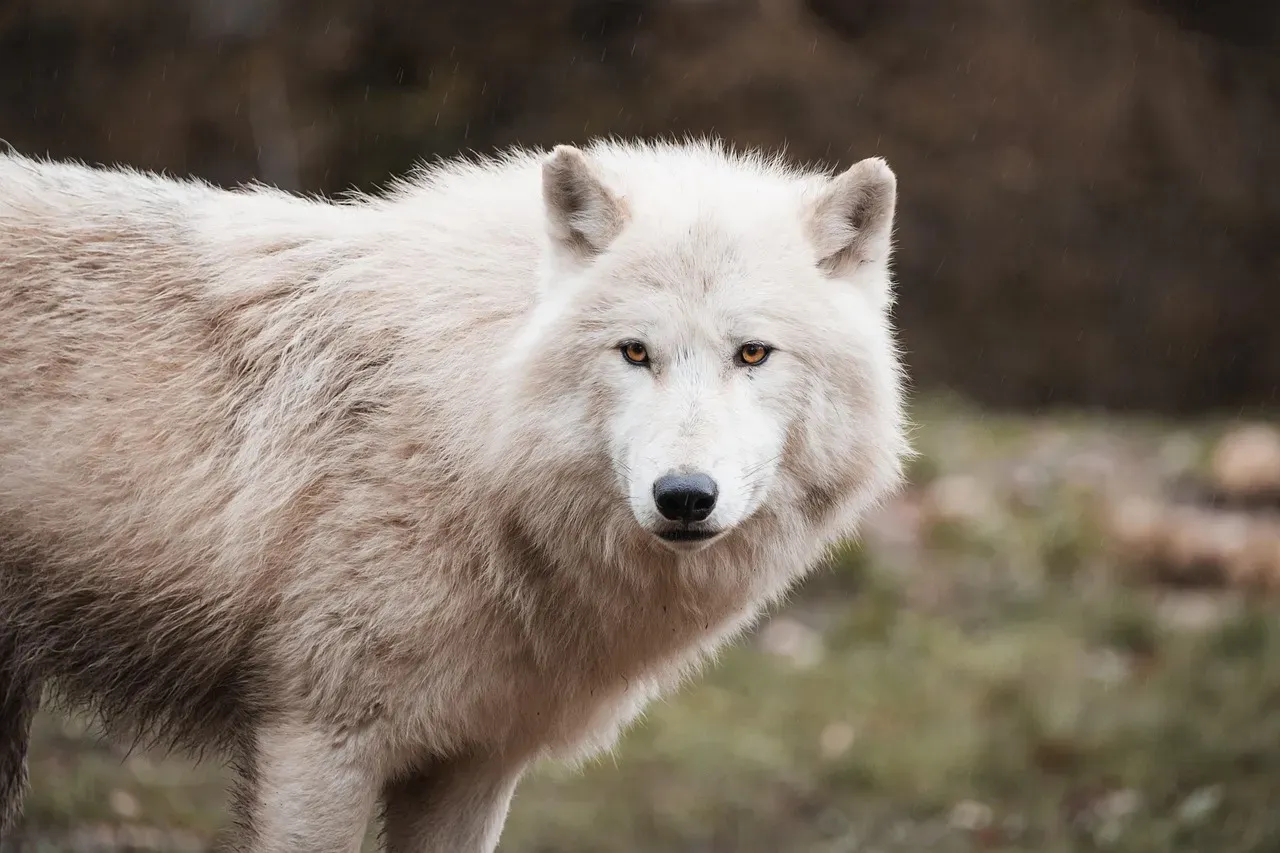
Guarding behavior has an evolutionary survival element, where dogs with primary access to food had nutritional advantage over others. Think about it this way: wolves in the wild couldn’t exactly call DoorDash when food ran out. Protecting a meal literally meant the difference between life and death.
Resource guarding is a genetically retained ancestral trait which helps wolves survive, as after a kill, each wolf family member pulls off their piece of the meal and covets it from their social partners. Even though your pampered pup has never missed a meal in their life, those ancient survival wires are still humming in their brains. It’s hardwired, deeply ingrained, and absolutely normal from a dog’s perspective.
While domestication has changed dogs in countless ways, this instinctual behavior has been passed down through generations and can still manifest in domestic dogs, even though they are provided with consistent meals and shelter.
Selective Breeding Amplified the Trait
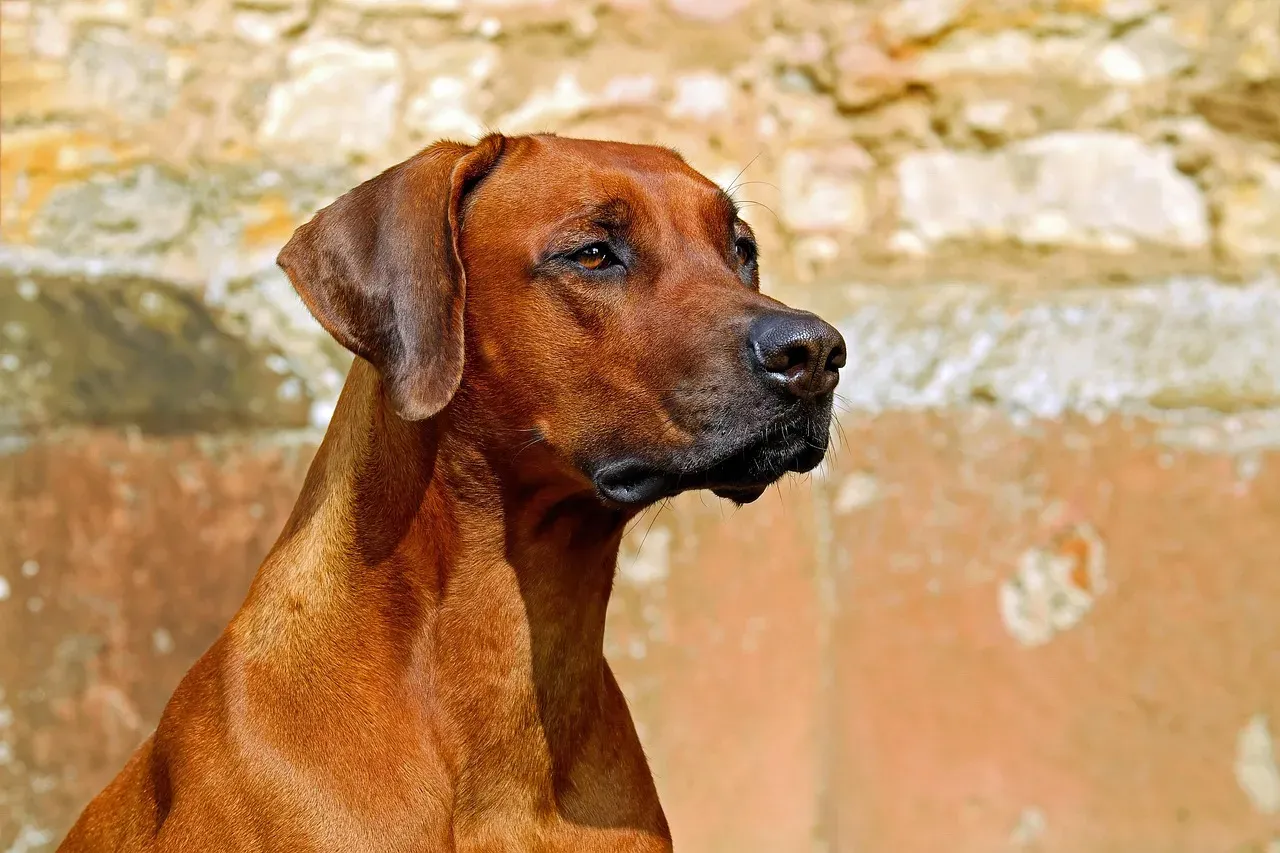
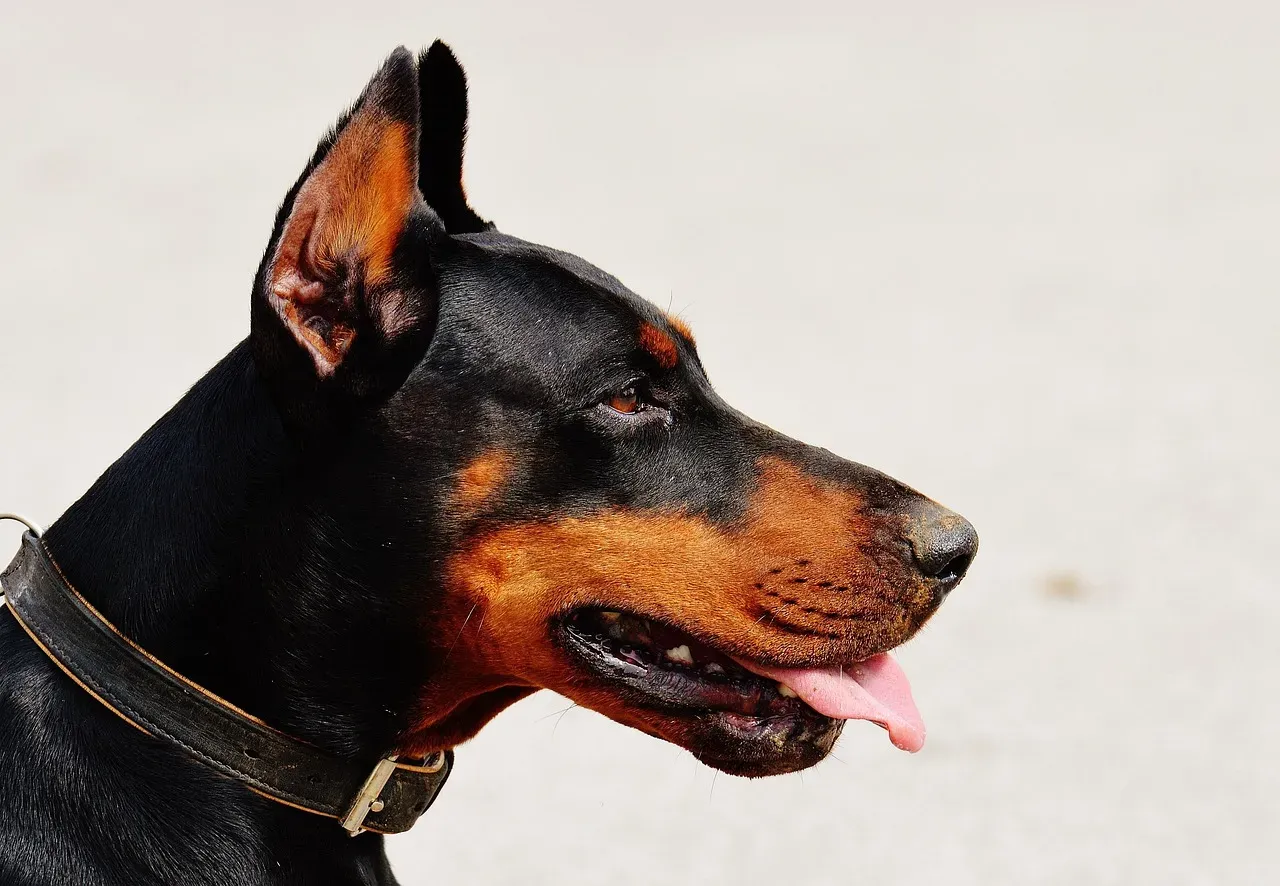
Here’s where things get really interesting. Humans have selected to make these guarding behaviors stronger over time in some lines and breeds for protection, guarding territory and livestock. Guardian breeds like German Shepherds, Rottweilers, and Dobermans weren’t bred to fetch tennis balls and roll over for belly rubs. They were developed to protect property, livestock, and people.
Some breeds, specifically guardian breeds, tend to be more prone to resource guarding, and this behavior, although a negative in a human’s eyes, is what makes those dogs good at what they do. That instinct to say “this is mine, back off” isn’t a flaw. It’s a feature that was deliberately cultivated. Due to their innate protective instincts, guarding breeds, traditionally bred to protect property and livestock, exhibit more aggressive behaviour, and the perpetuation of this innate trait through generations of selective breeding has led to escalated aggression levels.
Even retriever breeds, known for their friendly demeanor, can show resource guarding tendencies. Some dog breeds are more likely to have guarding behaviors, such as Mastiffs, Golden Retrievers, German Shepherds, Bloodhounds, and Beagles, as these breeds were created to guard, retrieve, or track down items. When you breed dogs to carry and protect birds during hunting, you’re reinforcing the idea that holding onto something valuable is important.
It’s Not Just Genetics – Experience Plays a Huge Role
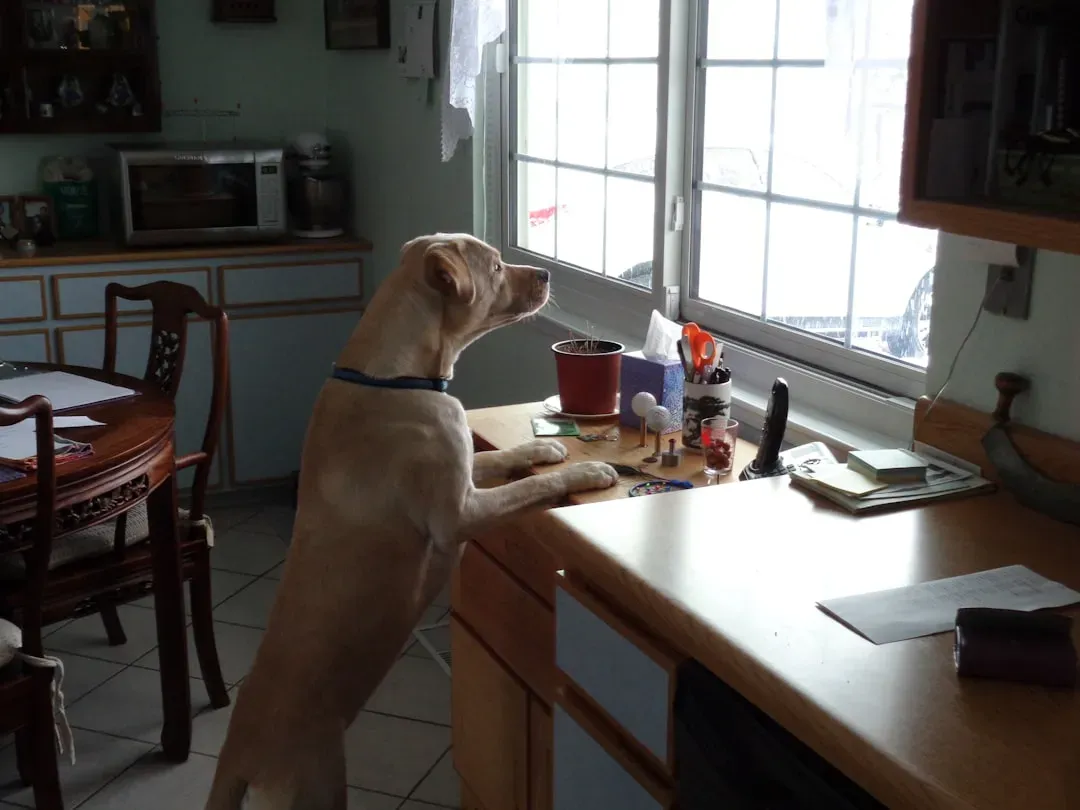
Resource guarding may have a genetic component and occurs in males or females of any breed. However, genetics is only part of the story. What happens during a dog’s early life can dramatically shape whether guarding behavior emerges or intensifies.
Dogs who experienced scarcity, competition in large litters, or inconsistent access to resources often develop heightened guarding responses. Former street dogs often guard food because they’ve gone through a period where they had to forage for every meal, and that drive to protect resources can continue even when the dog is in a new home with a secure food source. The trauma of not knowing where the next meal comes from can leave lasting emotional scars.
Ironically, our own well-meaning actions can make things worse. In a misguided bid to assert dominance, some owners take a puppy’s food or toy away just as the dog settles in to enjoy it, resulting in a dog who thinks that a human approaching the food bowl mid-meal means the food will disappear and will respond defensively. That’s not teaching respect – that’s teaching fear and insecurity. The dog learns, “When people come near my stuff, bad things happen.”
The Warning Signs You Might Be Missing
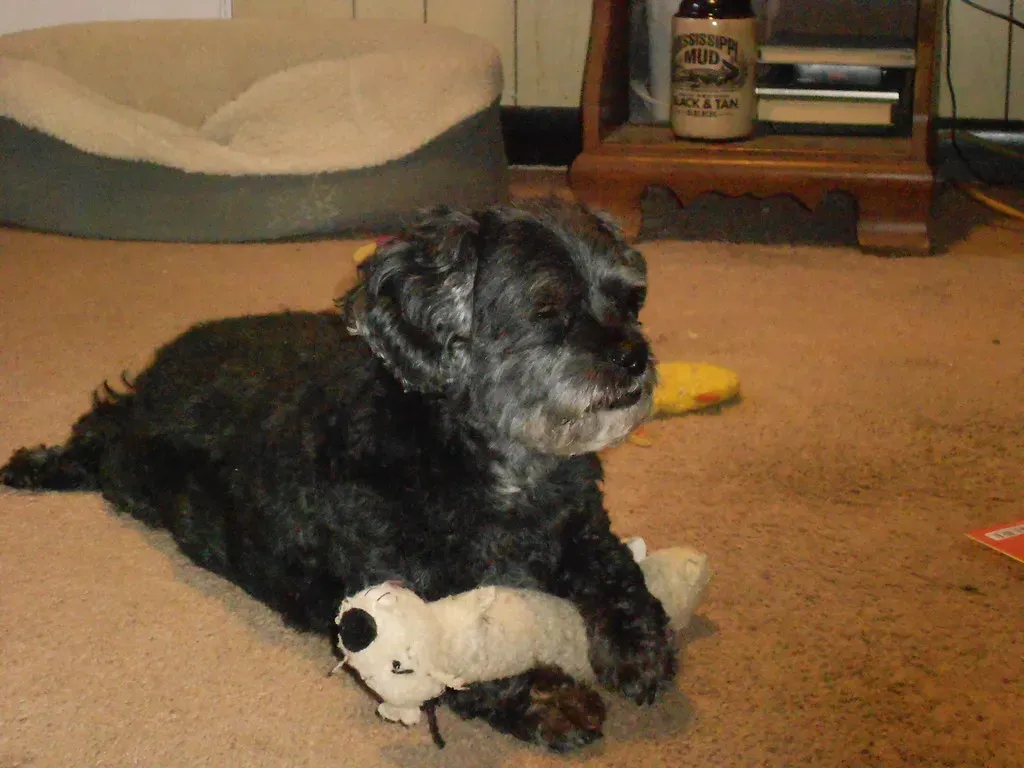
Resource guarding doesn’t always look like teeth-baring aggression. Sometimes the signs are subtle, and that’s where many dog parents miss the early warnings. When a threat approaches, the dog may stop, freeze or display slow body movements, show intense staring and wide eyes, or hover over the item, sometimes with the head low and eyes focused on the threat.
You might see your dog eating faster when you walk by, stiffening their body over a toy, or giving you that hard, unblinking stare known as “whale eye” where you can see the whites of their eyes. Signs of resource guarding in dogs include stiffening their body over an item, a hard stare, whale eye, lifting their lips, low growling, and baring their teeth. These are all communication attempts. Your dog is saying, “I’m uncomfortable. Please give me space.”
Ignoring these signals is risky. A dog may initially show mild signs such as freezing or hunching over their resource with a stiff body posture, but if this behavior is punished or ignored the dog will likely realize subtle signs are not effective, and dogs are likely to escalate to more overt forms of aggression, such as growling, snapping, or biting.
Prevention and Management: Building Trust Instead of Conflict
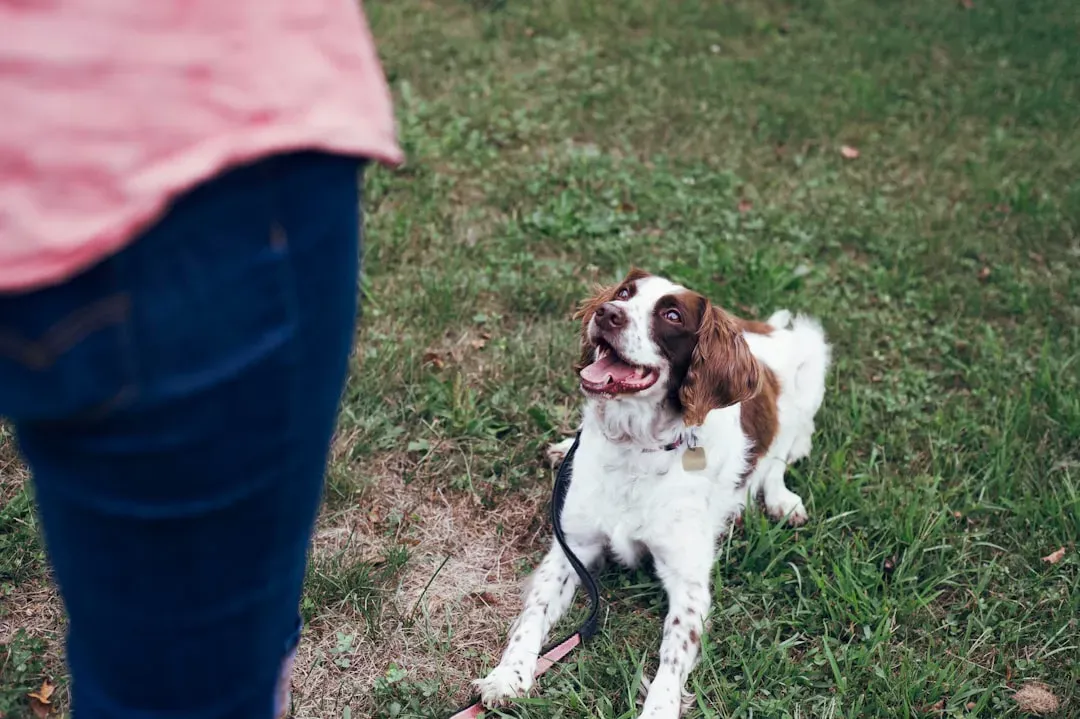
The good news? Resource guarding is manageable, and in many cases, preventable. The key is changing your dog’s emotional response rather than just suppressing the behavior. To successfully manage resource guarding, we must change the underlying motivation and emotion behind the behavior (anxiety, fear, frustration), and studies have shown that reward-based methods are more effective and humane.
Teaching dogs to reliably “drop” items when requested was associated with a reduced likelihood of resource guarding aggression and avoidance. Start early, be consistent, and always make approaching your dog while they have something valuable a positive experience. The addition of palatable bits of food during mealtime was associated with an increased likelihood of less severe resource guarding behaviour, whereas removal of the food dish during mealtime was associated with an increased likelihood of expressing more severe or frequent resource guarding behaviours.
Create positive associations. When you walk past your dog’s food bowl, toss in a high-value treat. Teach them that your presence near their stuff means good things happen, not that things get taken away. Practice trading – give them something even better when they willingly release what they have. Other types of resource guarding are more genetically based and cannot be eliminated entirely, though a well-managed dog may decrease intensity over time.
Moving Forward With Understanding
Resource guarding isn’t about dominance or disrespect. It’s about survival instinct, genetic predisposition, and learned fear. Some breeds carry stronger guarding tendencies because that’s precisely what humans bred them to do. Others develop it through experience and insecurity.
The most important thing you can do is recognize it early, respond with compassion instead of punishment, and seek professional help if the behavior escalates. Resource guarding is genetically hardwired in dogs’ brains since it was (and still) is an important survival skill for dogs; prior to modern times, if dogs didn’t guard their food from others, they didn’t eat, and dogs’ learning histories and life experiences can also make them more likely to guard their resources.
Your dog isn’t trying to challenge you when they growl over a bone. They’re trying to protect something they perceive as valuable, using the only language evolution gave them. With patience, the right training approach, and a deeper understanding of where this behavior comes from, you can help your dog feel secure enough to let their guard down.
Have you noticed subtle guarding behaviors in your own dog that you might have missed before? Understanding is the first step toward building a safer, more trusting relationship with your furry friend.


