
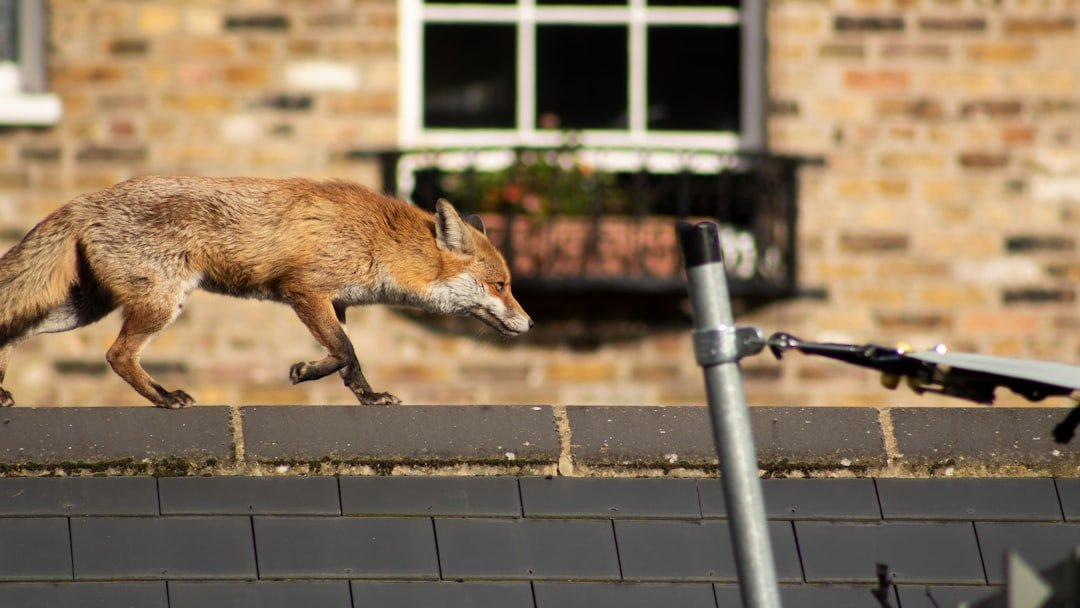
Picture this. You’re enjoying your morning coffee, gazing out the window, and suddenly there’s a russet flash of fur trotting across your lawn. A fox. Right there in your yard. Your first instinct might be panic, or maybe fascination. Either way, you’re probably wondering what you’re supposed to do about it. Here’s the thing: seeing a fox in your yard is becoming more and more common, especially as urban areas expand into their traditional habitats. These clever creatures have learned to adapt to life among us, and while they might seem out of place, they’re actually just trying to survive in a world that’s changed dramatically around them.
Most of the time, foxes are afraid of people and will usually run away when they detect your presence, so there’s really no need to panic. Still, knowing how to respond can make all the difference between peaceful coexistence and unnecessary conflict.
Stay Calm and Keep Your Distance

The very first thing you should do when you spot a fox is absolutely nothing. Let’s be real, your immediate reaction might be to grab your phone for a photo or call the kids to come see, but the best approach is to simply observe from afar. It’s important to stay calm and avoid approaching the fox, as foxes are typically shy creatures and will likely keep their distance.
Think of it this way: the fox is probably just as surprised to see you as you are to see it. A fox cutting through your yard is probably just passing through on their way between hunting areas, and no action is necessary on your part. They’re not planning to move in permanently or cause trouble. They’re simply following their usual route between hunting grounds, and your yard just happens to be in the way.
Secure Your Pets Immediately

If you have pets, especially small dogs or cats, it’s important to keep them indoors or supervise them when they’re outside, as foxes may see small animals as prey. I know it sounds scary, but honestly, attacks on pets are quite rare. That said, better safe than sorry, right?
Very small dogs are vulnerable to harm from a plethora of predators, including foxes, so they should be monitored when outside. If you have chickens, rabbits, or guinea pigs, make sure they’re safely housed in sturdy enclosures. Foxes are opportunistic hunters, and an easy meal is hard for them to resist. The good news is that with proper precautions, your pets can remain safe even in areas where foxes are present.
Remove What’s Attracting Them

Foxes don’t just randomly pick yards to visit. One of the most effective ways to deter foxes is to remove anything that might be attracting them. Think about what your property offers from a fox’s perspective: food, water, shelter. If you eliminate these attractions, the fox will likely move on to greener pastures.
Ensure that your garbage bins are tightly sealed, as foxes are known for rummaging through trash cans for food scraps. Don’t leave pet food outside overnight, pick up any fallen fruit from trees, and consider temporarily removing bird feeders. If you have fruit trees in your yard, be sure to collect any fallen fruit, as this is a natural food source for foxes. It might seem like a hassle, but these simple steps can make your yard far less appealing to foxes.
Understand When to Be Concerned
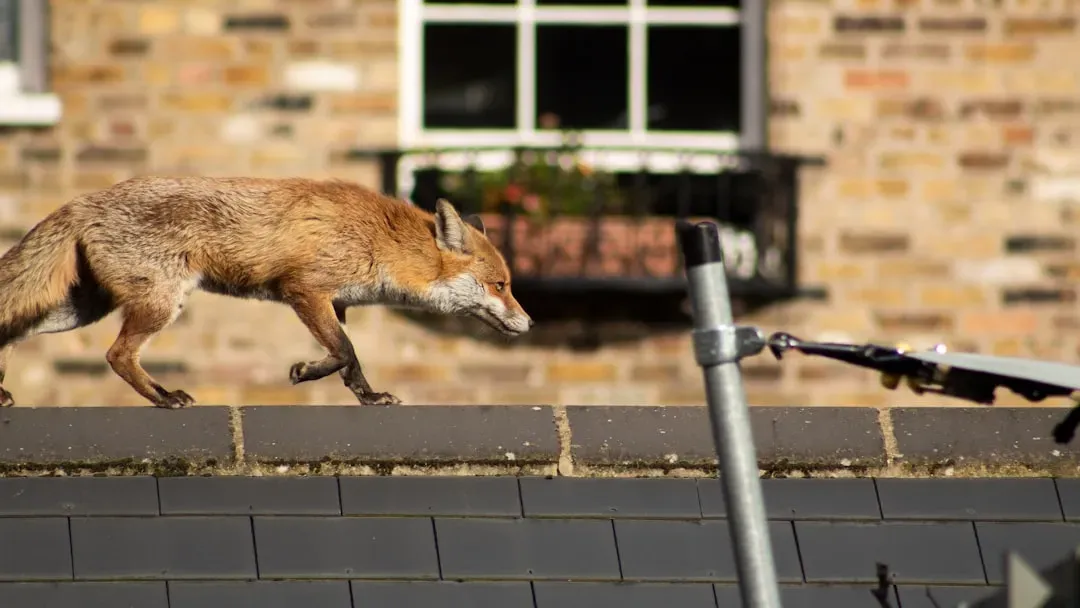
If you spot foxes during the day, that doesn’t mean they’re rabid or dangerous, as they may simply be hunting rodents or collecting food for their pups. It’s actually totally normal for foxes to be out during daylight hours, so don’t let that freak you out. However, there are certain behaviors that should raise red flags.
If the fox appears to be staggering, acting aggressively without provocation, or seems unusually tame and approaches you, thoroughly wash any wound with soap and water and seek immediate medical attention, and be sure to report the bite to your local animal control agency. These could be signs of rabies or other illnesses. In such cases, contact your local animal control or wildlife agency immediately. Most of the time though, foxes pose little threat to humans and are more interested in avoiding us than interacting with us.
Deal With Fox Families Appropriately
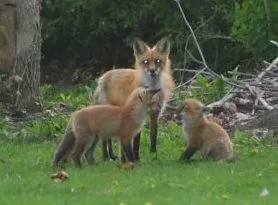
Finding out that a fox family has set up den under your deck or shed can feel overwhelming. Generally, there’s not anything to worry about when foxes choose to live in our yards. Female foxes typically give birth in spring, and the kits will emerge from the den after about four or five weeks.
If you have a fox family on your property, observe and enjoy them, but leave them alone so they maintain their healthy distrust of humans, as they will be active outside the den for about a month or so before they move on. The family will naturally move on once the young are ready to explore on their own. If you absolutely need them to leave sooner, mild harassment techniques like noise-making devices or motion-activated sprinklers can encourage them to relocate. Whatever you do, never feed them or try to approach the den.
Use Humane Deterrents if Necessary
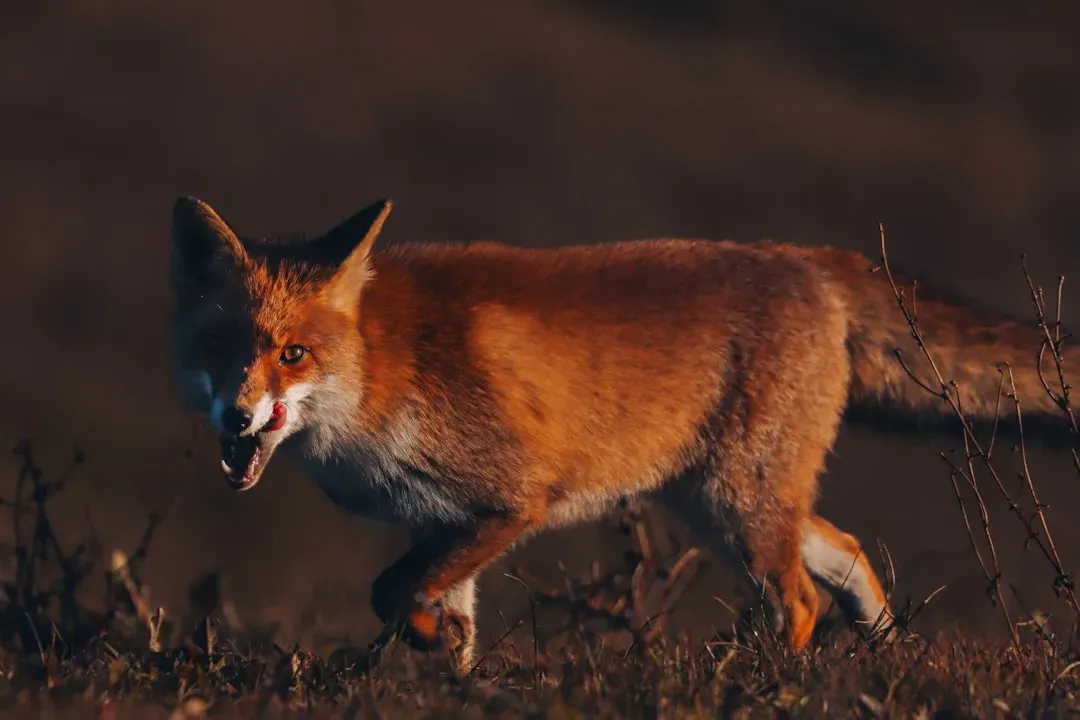
If a fox keeps returning to your yard and you’d prefer they didn’t, there are several humane methods to discourage them. Use noise-making devices, such as transistor radios or motion-sensitive alarms, and install a motion-activated sprinkler. These tactics work because foxes prefer to feel safe and secure, and sudden disturbances make them uncomfortable.
You can humanely deter foxes by sprinkling certain spices around the perimeter of your outdoor living space, such as cayenne pepper, peppermint and garlic, or infuse the spices in boiling water and spritz around the garden. Motion-activated lights are also surprisingly effective since foxes are naturally cautious animals. The key is consistency. You’ll need to maintain these deterrents regularly for them to remain effective, but they’re far more humane than trapping or relocating.
Conclusion

Spotting a fox in your yard isn’t the emergency it might initially seem to be. These beautiful, intelligent animals are simply adapting to a world where their natural habitats continue to shrink. By staying calm, securing your pets, removing food sources, and using humane deterrents when necessary, you can coexist peacefully with these fascinating creatures. Remember, in most cases, red foxes pose no threat to human health and safety and should not be disturbed, as foxes are naturally fearful and skittish around people.
The truth is, foxes play an important role in controlling rodent populations and maintaining ecological balance, even in urban environments. With a little understanding and the right approach, you can handle fox encounters with confidence and maybe even appreciate the wild beauty they bring to your backyard. Have you ever had a close encounter with a fox? What surprised you most about their behavior?


