
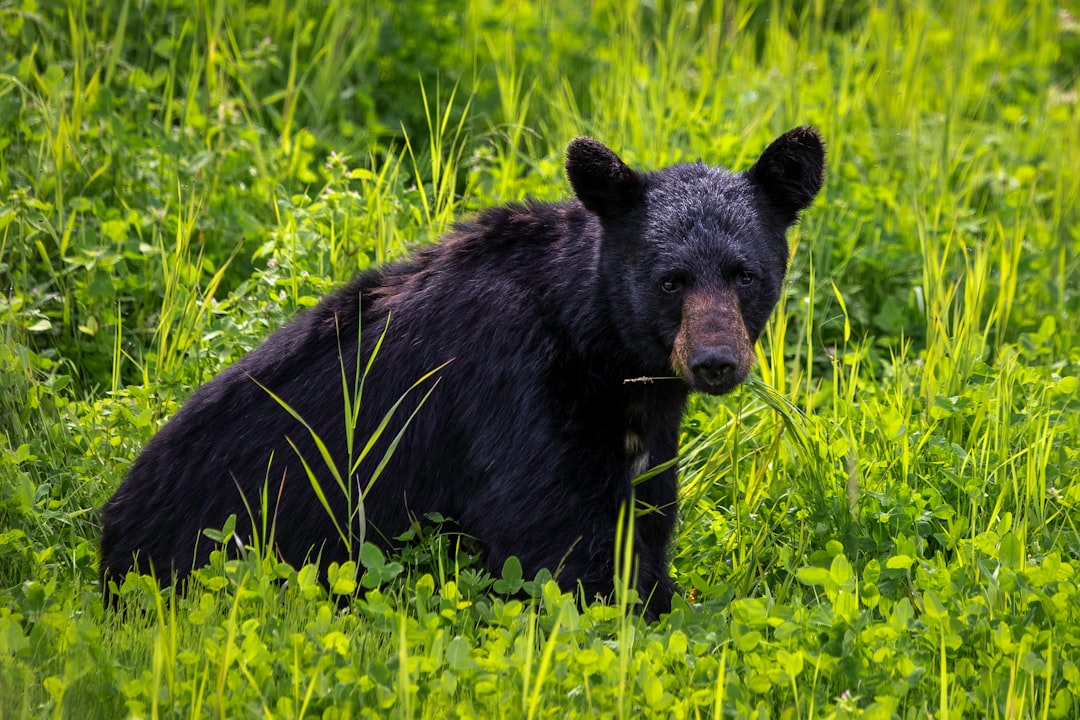
Picture this: you’re trekking through the lush forests of North Carolina, your dog wagging happily at your side, when suddenly—your heart skips a beat. A black bear appears on the trail ahead. For any dog lover, this is the stuff of nightmares. But don’t panic. Knowing exactly what to do can make all the difference for both you and your furry companion. Let’s dive into the essential steps every hiker with a dog should know when faced with a black bear in North Carolina’s wild beauty.
Understanding Black Bear Behavior

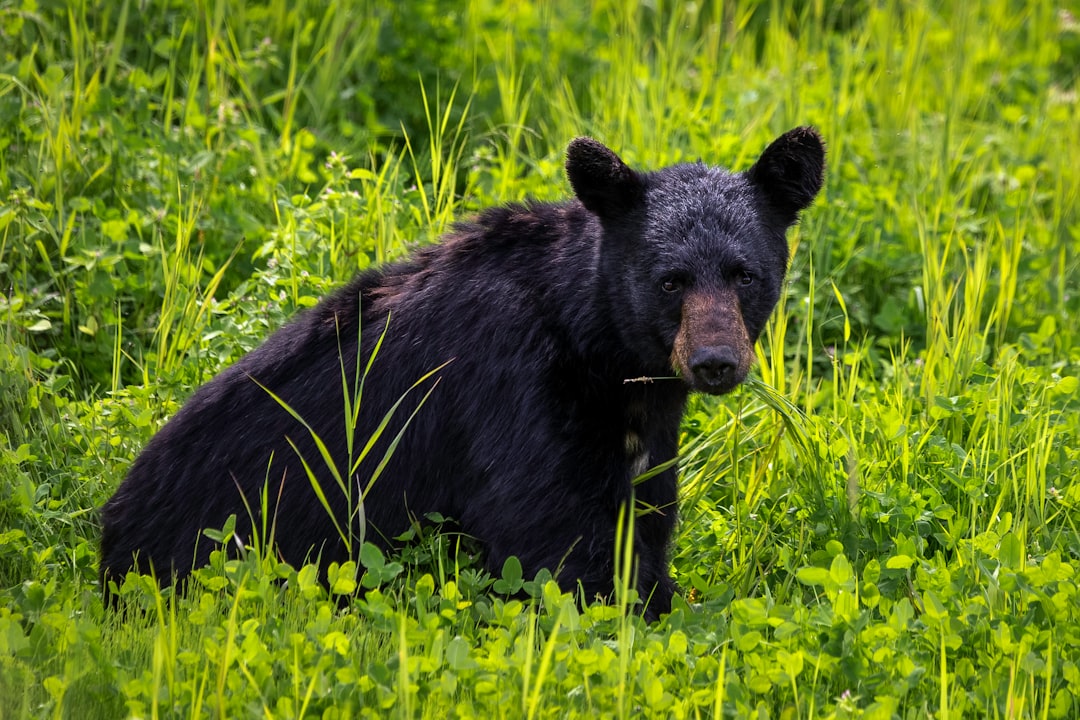
Black bears in North Carolina are usually shy and prefer to avoid humans and their pets. They are curious creatures but not naturally aggressive toward people unless they feel threatened or surprised. Knowing this can help you stay calm if you encounter one. Most black bears are just as startled to see you as you are to see them, so their initial reaction is often to run away.
However, the presence of a dog can change the equation. Bears might perceive dogs as a threat, especially if your dog barks or lunges. Understanding their body language—like huffing, jaw popping, or swatting the ground—can give you clues about their mood. If you see these behaviors, it’s a warning sign the bear is uncomfortable. Keep your eyes open and try to remain calm, as your reaction can influence your dog’s behavior too.
Leash Up and Stay Close
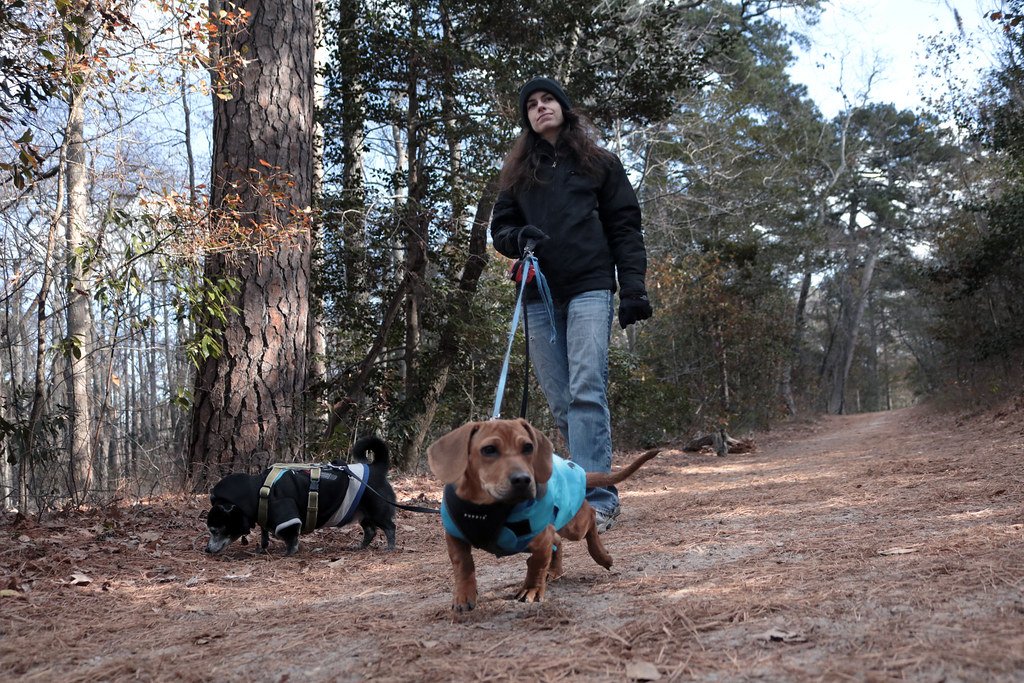
If you spot a bear, the first and most important action is to immediately leash your dog if they aren’t already. A dog running toward a bear—even out of curiosity—can provoke a defensive response from the bear. Even the friendliest pup can trigger a bear’s protective instincts, especially if cubs are nearby.
Keep your dog close to your side, ideally behind you. This makes you appear larger and more in control. A leash not only keeps your dog safe but also prevents an unpredictable chase that could escalate the situation. Many hikers make the mistake of thinking their dog will come when called, but in the excitement of the moment, even the most obedient dogs can ignore commands.
Assess the Situation Calmly
Take a deep breath. Panicking will only make your dog more anxious, and an anxious dog is more likely to bark or pull toward the bear. Assess the distance between you and the bear. If it’s far away and hasn’t noticed you, quietly and slowly back away from the area, taking your dog with you.
If the bear has noticed you, keep your voice steady and calm. Talk to your dog in a reassuring tone, and avoid any sudden movements. This helps both you and your pet maintain composure. Remember, your dog will take cues from your behavior, so the calmer you are, the better.
Make Yourself and Your Dog Look Big
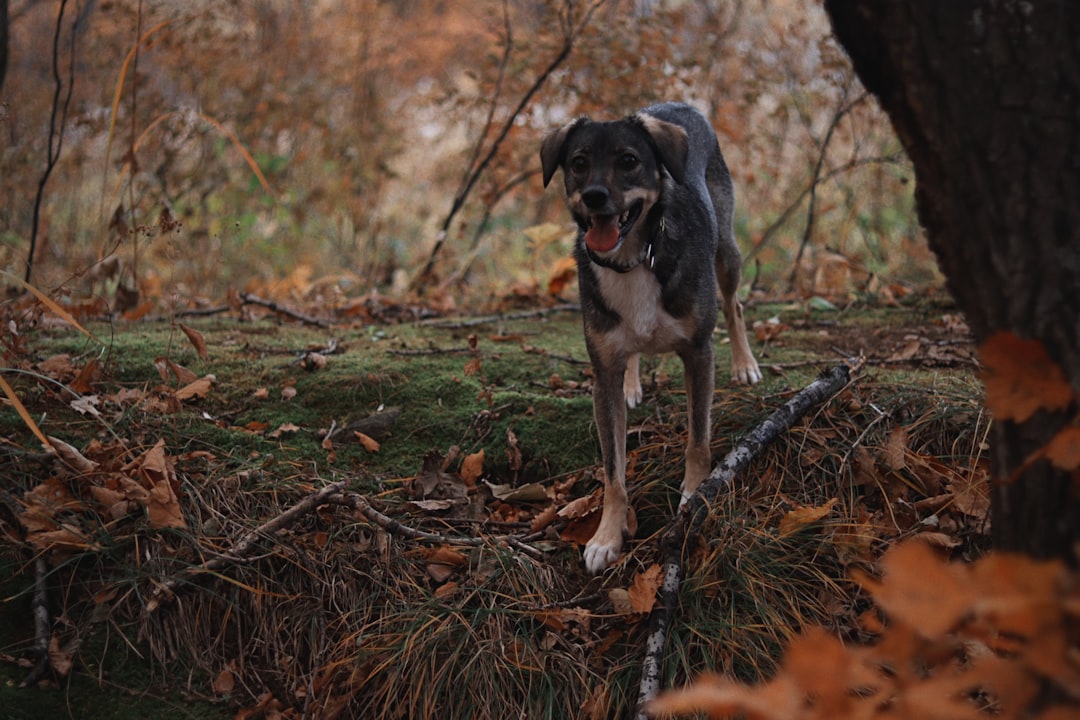
If the bear appears curious or starts to approach, it’s time to make yourself appear larger. Stand tall, raise your arms, and if possible, keep your dog close by your side or slightly behind you. Speak in a firm, clear voice to let the bear know you’re human and not prey.
If your dog is small, consider picking them up to prevent them from running or barking. Larger dogs should remain on a short leash, close to your body. This united front can often be enough to convince a bear to move on, especially if you avoid direct eye contact, which some bears may interpret as a challenge.
Avoid Direct Confrontation
Never try to approach or feed a black bear. Giving bears food, intentionally or by accident, can make them associate people and dogs with snacks, leading to dangerous situations for future hikers. If you have food, secure it in a bear-proof container or hang it out of reach.
If the bear stands its ground or moves closer, do not run. Running can trigger a chase instinct in the bear, and you won’t outrun it—nor will your dog. Back away slowly, keeping your dog close and leashed, and give the bear plenty of space to retreat. Most encounters end peacefully if you don’t escalate the situation.
What If the Bear Charges?
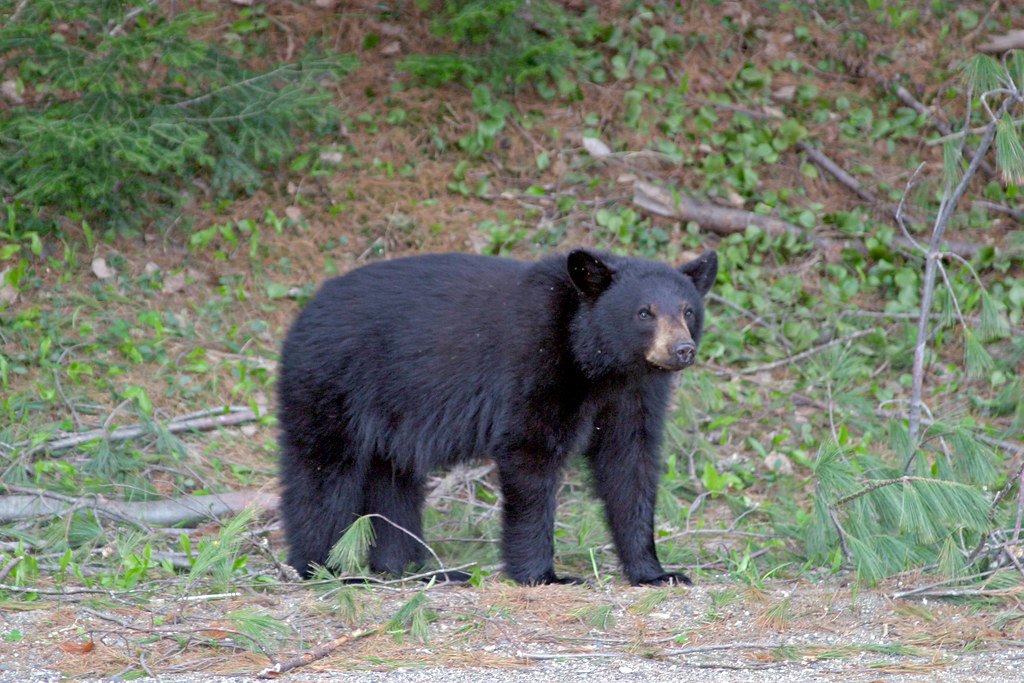
A bear charge is rare, but it can happen, especially if a bear feels cornered or if a mother is protecting her cubs. Black bears often perform “bluff charges,” running toward you but veering off at the last second. It’s terrifying, but standing your ground is the safest move. Shout and wave your arms to reinforce your presence.
If a bear makes contact, fight back using whatever you can—sticks, rocks, even your fists. Protect your dog as best you can, but never try to separate a bear and a dog if they’re engaged; this can put you in extreme danger. The key is to be noisy and intimidating without making sudden moves that could look like prey behavior.
After the Encounter: Moving On Safely
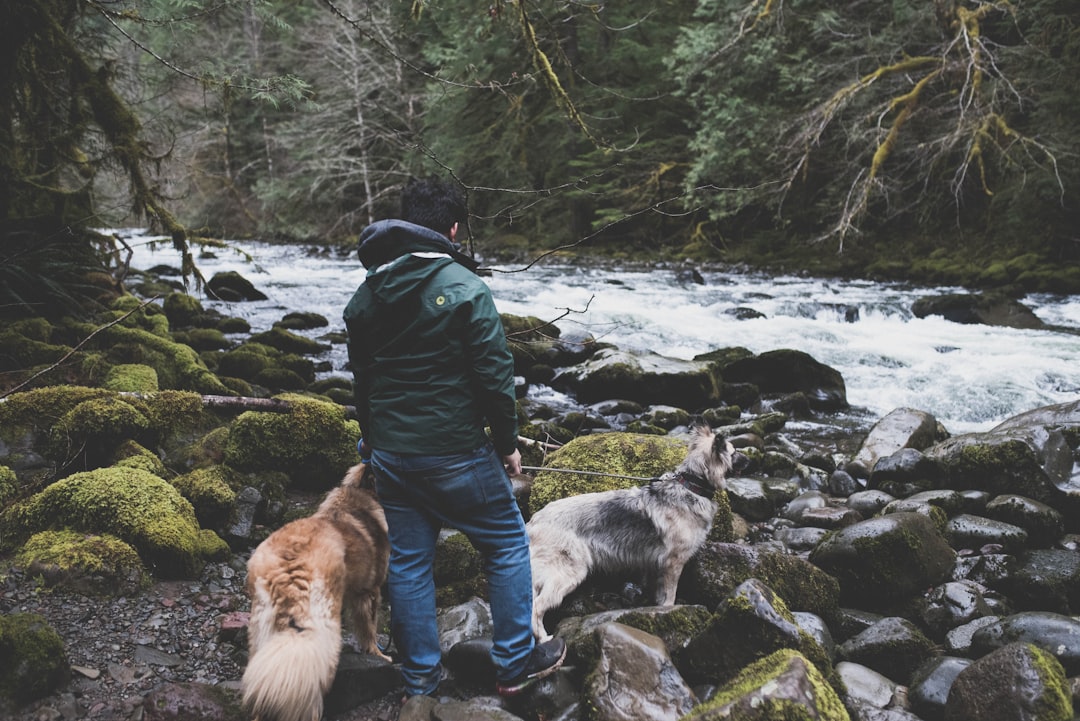
Once the bear has left the area, don’t linger. Quietly and calmly leave the scene with your dog, checking to ensure the bear isn’t following. Give yourself and your dog time to calm down before continuing your hike. It’s natural to feel shaken, so pause to regroup.
Report the encounter to local park authorities or the North Carolina Wildlife Resources Commission. This helps them monitor bear activity and keep trails safe for everyone. Learning from the experience can prepare you for future hikes, and sharing your story might help fellow dog lovers stay safe too.


