
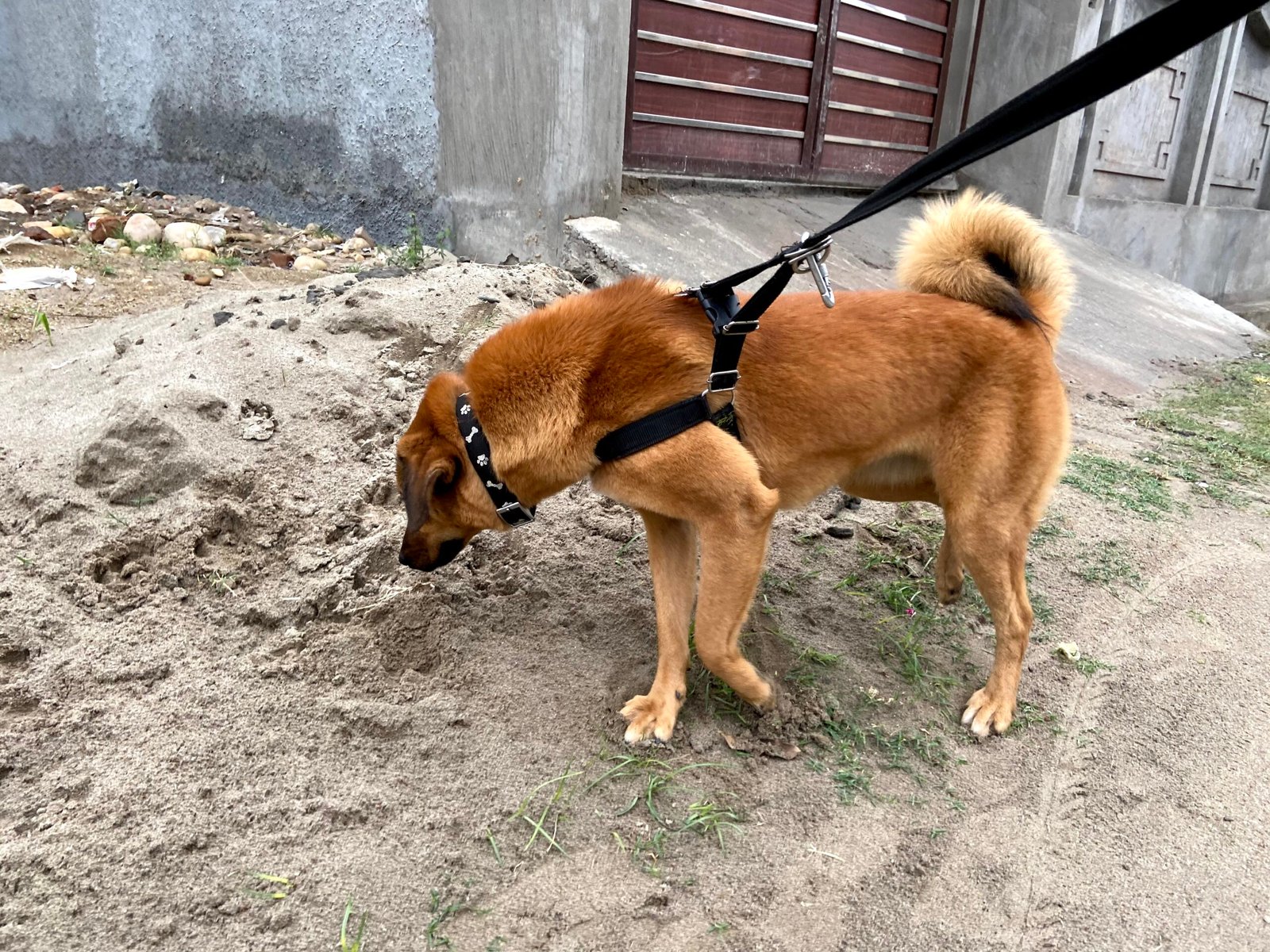
Have you ever felt the embarrassment of your dog barking, lunging, or growling at the end of the leash while every eye in the park turns your way? The pounding heart, the sweaty palms, the worry that you’re failing your furry best friend—it’s a feeling many dog lovers know all too well. Leash reactivity can turn even a simple walk into a stressful ordeal, but you’re not alone, and there’s real hope for change. Let’s pull back the curtain on this all-too-common challenge, and discover practical ways to help your dog (and yourself) breathe a little easier on your daily strolls.
Understanding Leash Reactivity: What’s Really Going On?
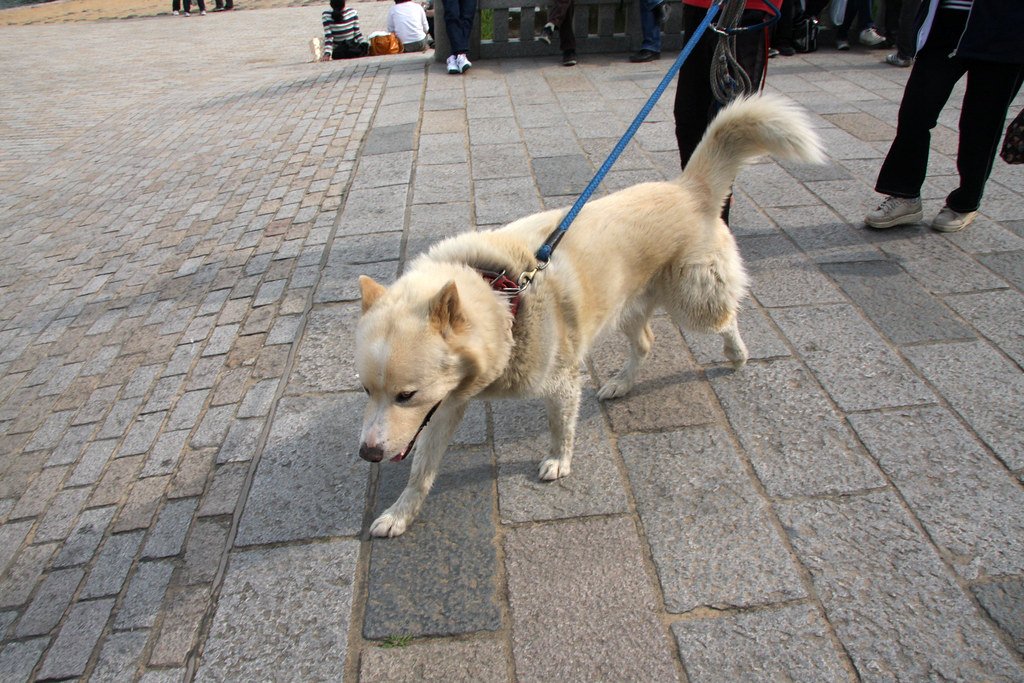
Leash reactivity is more than just a dog being “difficult” or “naughty.” It’s a complex response often fueled by fear, frustration, or overexcitement. When your dog barks, lunges, or growls at other dogs, people, or even bikes, they’re not trying to embarrass you—they’re trying to communicate something. Maybe they’re scared of that big German Shepherd across the street, or maybe they’re just dying to say hello but don’t know how.
Dogs on a leash feel restricted and unable to escape or approach freely, which can make ordinary encounters feel overwhelming. Imagine being stuck in a small elevator with a stranger who makes you uneasy—you might feel trapped, just like your reactive dog does. Understanding that your dog’s reactions aren’t personal is the first step in helping them (and you) feel less stressed on walks.
Common Triggers for Leash Reactivity
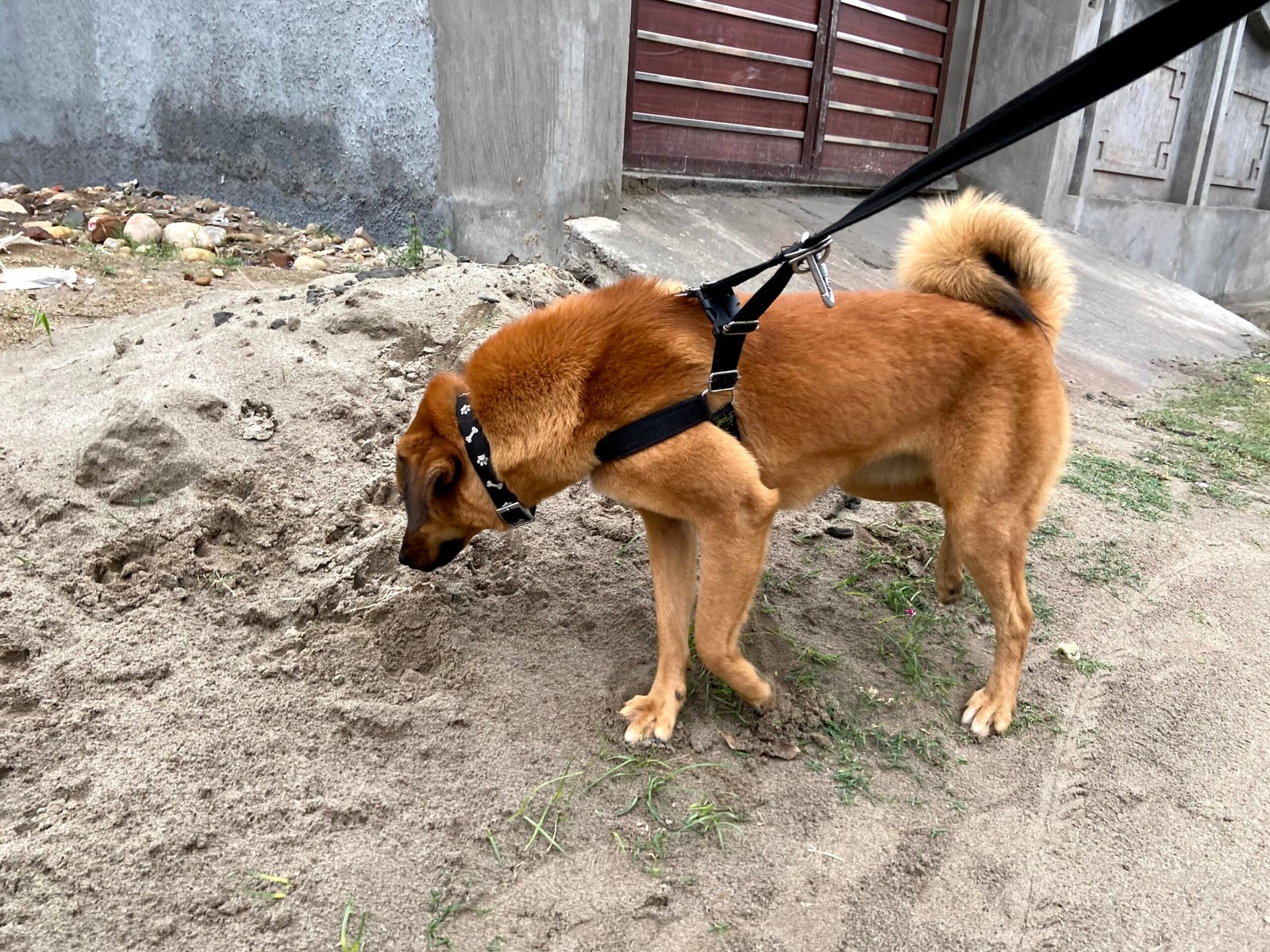
Every reactive dog has their own unique set of triggers. For some, it’s other dogs; for others, it might be skateboards, joggers, or even children. Sometimes the trigger is as odd as a person wearing a hat or a loud garbage truck rumbling by. Identifying what specifically sets your dog off is crucial to managing their behavior.
It helps to keep a journal or make mental notes about when and where your dog reacts. Was it only when a dog passed on the same side of the street? Did your pup go wild when a bicycle zipped by? Patterns will usually emerge, and knowing these patterns is like having a map for smoother, calmer walks.
Why Punishment Doesn’t Work (And What To Do Instead)
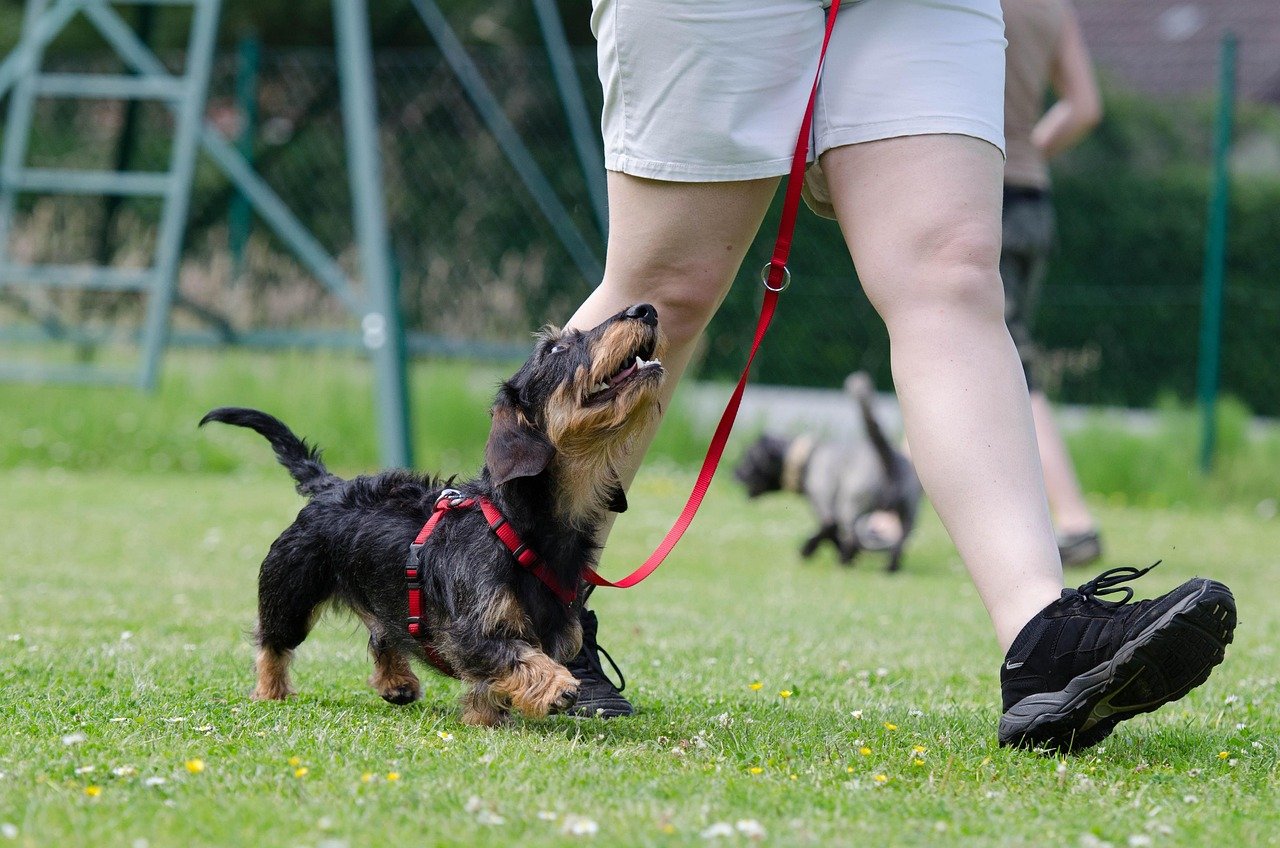
It’s tempting to scold, yank the leash, or shout when your dog erupts into chaos, but punishment almost always backfires. Reactivity is often rooted in fear, and punishing your dog just adds to their anxiety. Imagine being yelled at for being scared—it doesn’t make the fear go away, it just makes you more nervous.
Instead, focus on positive reinforcement and patience. When your dog remains calm as a trigger approaches, reward them with treats or praise. Over time, they’ll learn that good things happen when they stay cool. Think of it as teaching your dog a new dance, step by step, with kindness leading the way.
The Power of Distance: Managing Space on Walks
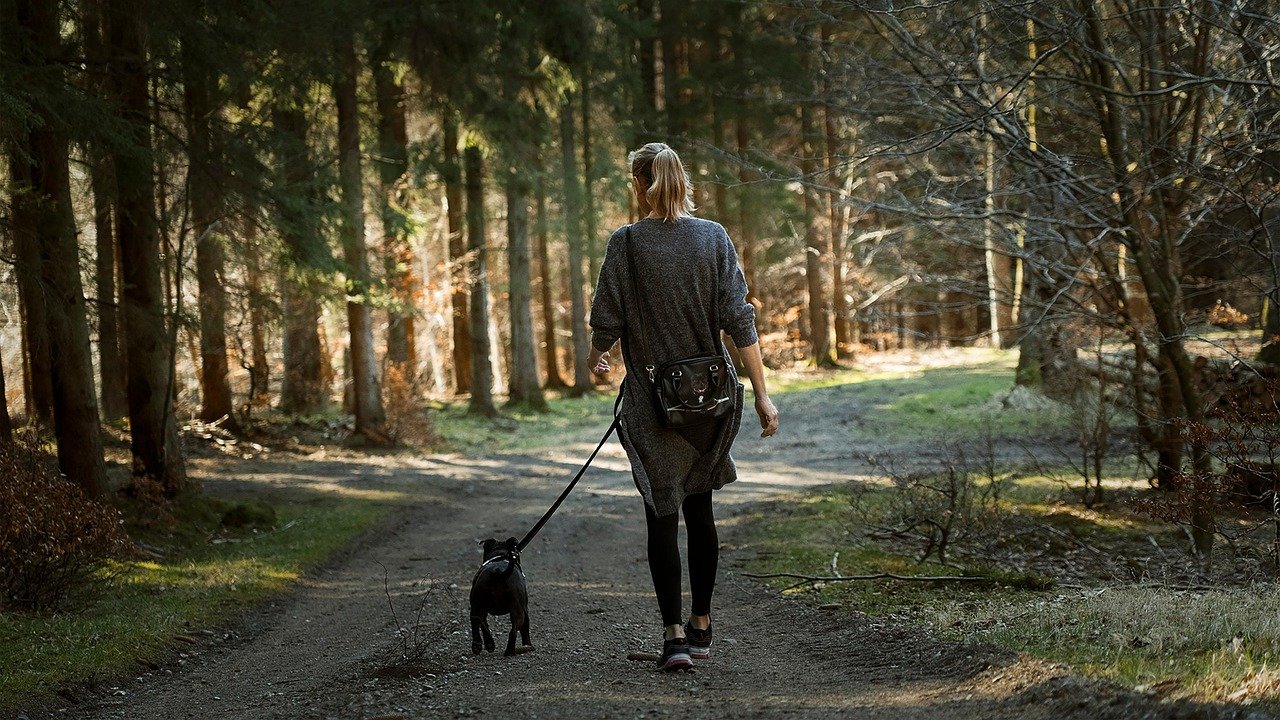
One of the simplest ways to help a reactive dog is to increase distance from their triggers. If you see another dog coming, cross the street or move to the side, giving your pup more breathing room. Distance acts like a buffer, softening the impact of whatever sets your dog off.
This isn’t avoiding the problem—it’s setting your dog up for success. Just like you’d rather talk to a stranger from across the room than nose-to-nose, your dog feels less threatened when there’s space. Over time, you can gradually decrease the distance as your dog gets better at handling these situations.
Teaching Alternative Behaviors: Redirect Instead of React
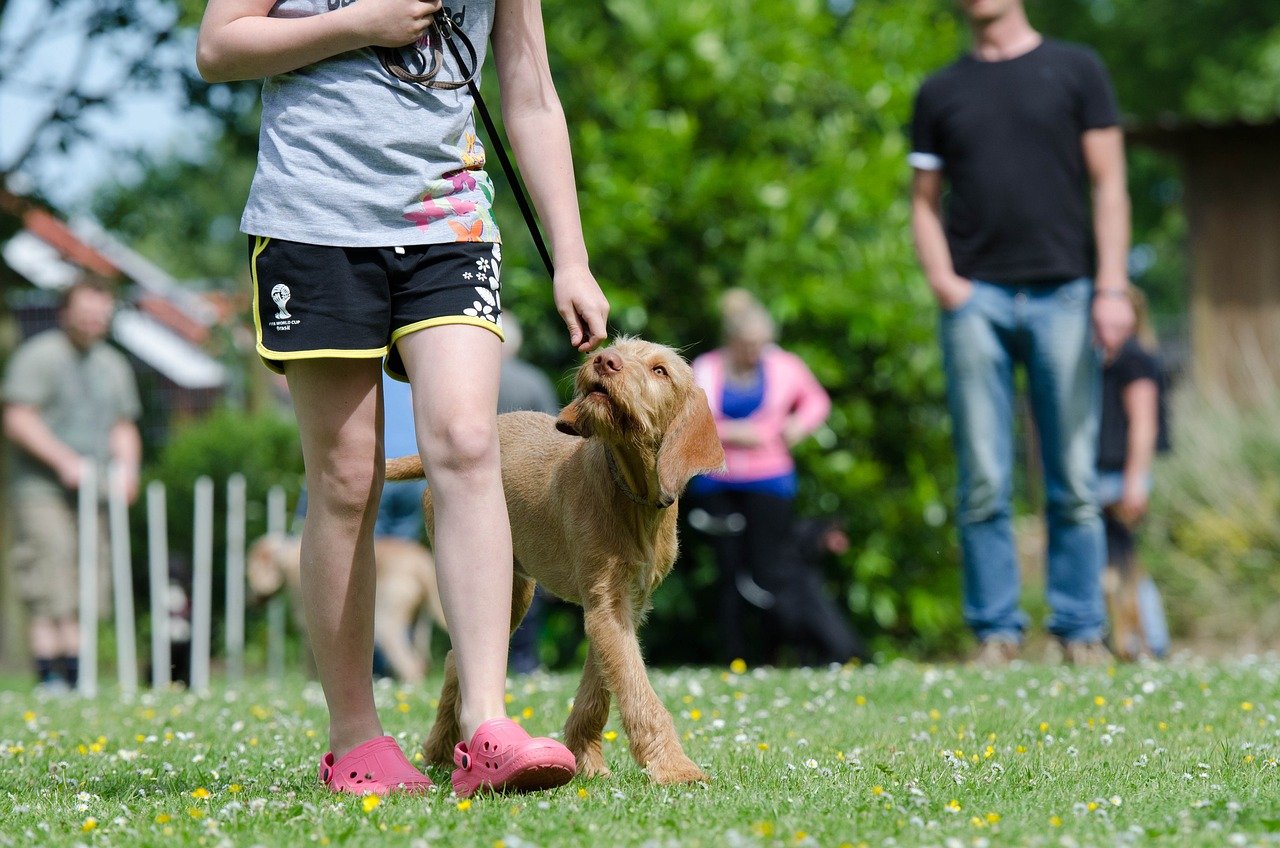
When faced with a trigger, most reactive dogs default to barking or lunging. But you can teach them to do something else instead—a “replacement behavior.” For example, ask your dog to look at you, sit, or touch your hand with their nose when they spot a trigger.
Practice these behaviors in calm settings first, then slowly add distractions. Bring tasty treats and reward your dog every time they choose the new behavior over reacting. It’s like rewiring their brain: with enough repetition, your dog learns that looking to you is more rewarding than losing their cool.
The Magic of Treats: Using Food as a Training Tool
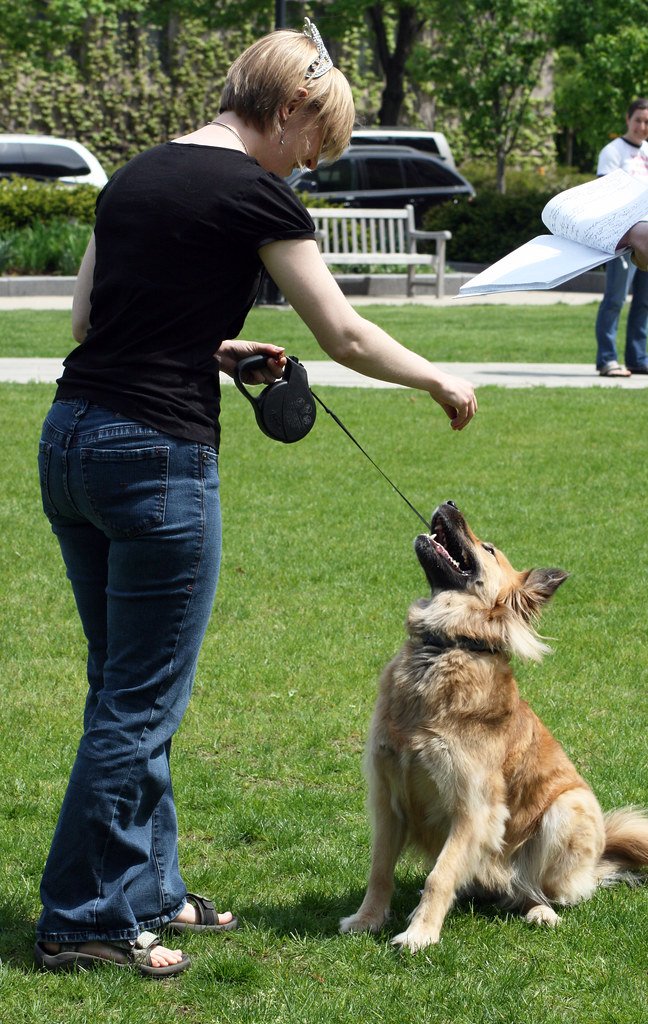
High-value treats are a game-changer for leash reactivity. Find something your dog absolutely loves—maybe it’s chicken, cheese, or a special store-bought snack—and reserve it just for walks. When your dog sees a trigger and manages to stay calm, immediately give them a treat.
This approach, called “counter-conditioning,” changes how your dog feels about their triggers. Instead of thinking, “Oh no, another dog!” your pup starts to think, “Hey, that means yummy treats!” Over time, this can dramatically shift their emotional response to things that once caused chaos.
The Importance of Body Language: Reading and Responding to Your Dog
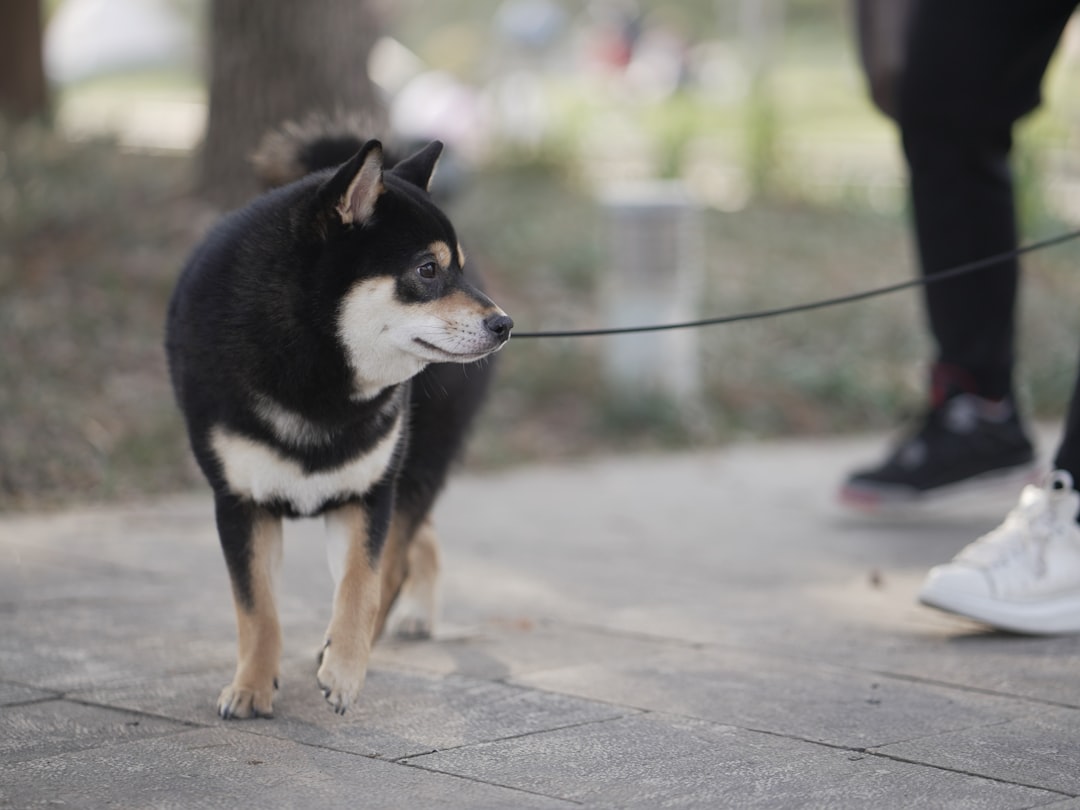
Dogs communicate with their bodies long before they bark or lunge. Learn to spot the early warning signs: stiff posture, raised hackles, staring, or a closed mouth. These subtle cues mean your dog is getting uncomfortable and may react soon.
If you spot these signals, gently guide your dog away from the trigger before they explode. Think of it as catching a simmer before it becomes a full boil. The more you tune in to your dog’s body language, the better you’ll become at preventing meltdowns before they start.
Managing Your Own Emotions: Staying Calm Under Pressure
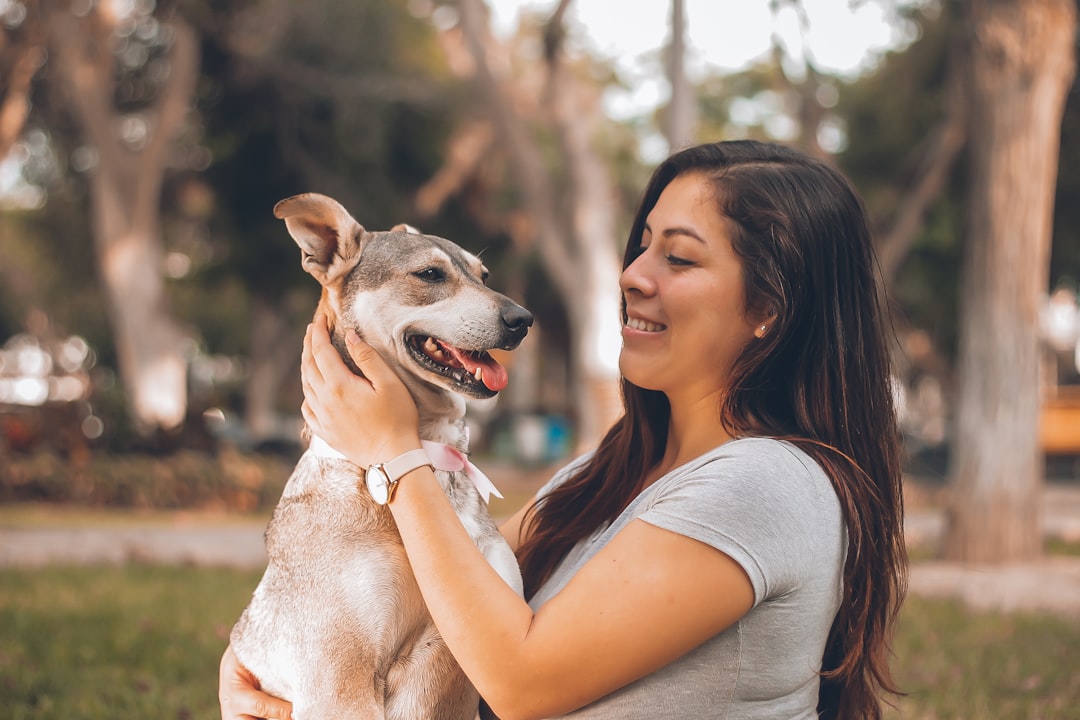
Let’s be real: it’s hard not to feel embarrassed, frustrated, or even angry when your dog acts out on walks. But dogs are experts at picking up our moods. If you tense up or lose your cool, your dog will sense it and feel even more anxious.
Take deep breaths, loosen your grip on the leash, and remind yourself that progress takes time. Treat each walk as practice, not a test you have to ace. The calmer you are, the more reassured your dog will feel. Think of yourself as your dog’s anchor—they’ll steady themselves when you’re steady, too.
When to Seek Professional Help
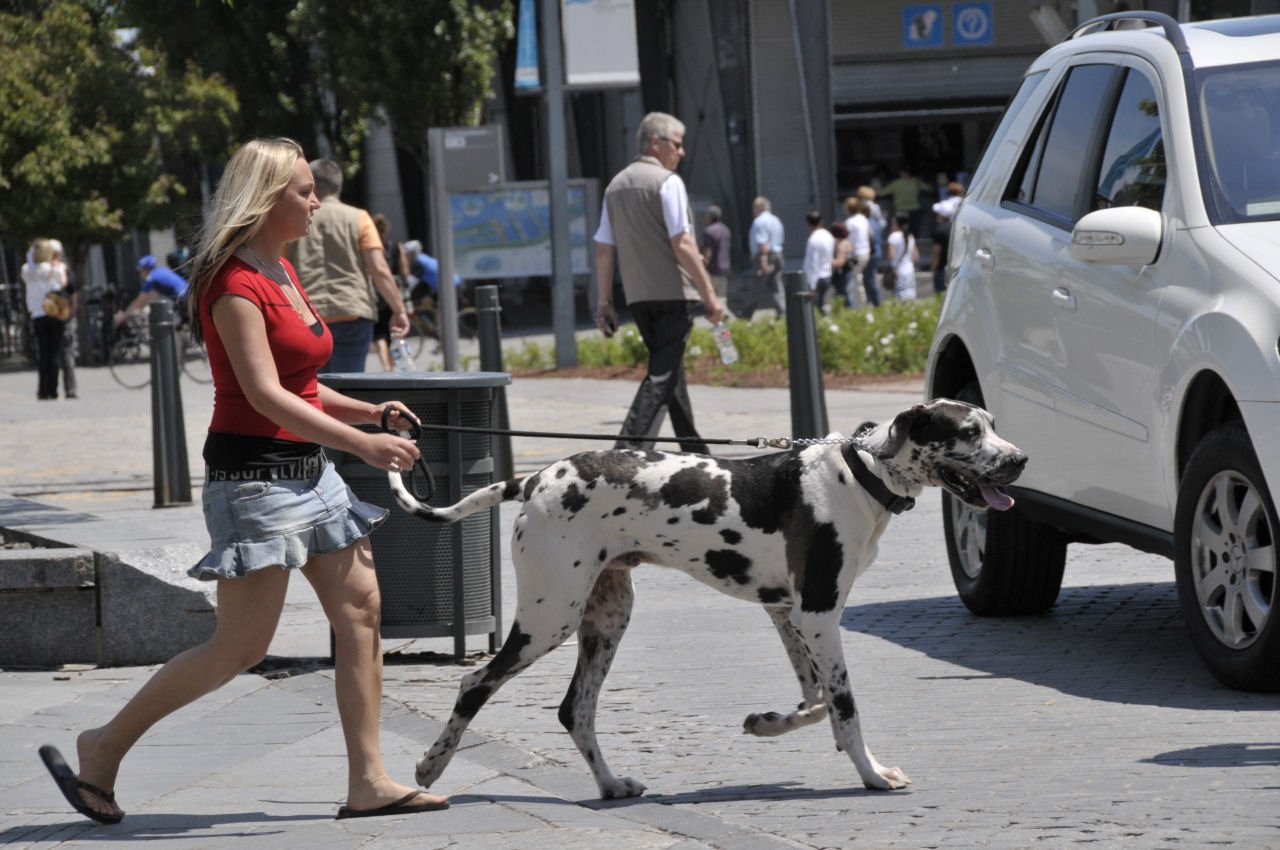
Sometimes, despite our best efforts, a dog’s reactivity doesn’t improve or even gets worse. There’s no shame in asking for help. Certified dog trainers or behaviorists can provide personalized guidance, spotting things you might miss and coaching you through setbacks.
Professional help is especially important if your dog’s reactivity feels dangerous or overwhelming. A trainer can show you advanced techniques, set up controlled practice sessions, and support you emotionally. Remember, reaching out for help doesn’t mean you’ve failed—it means you’re deeply committed to your dog’s happiness.
Celebrating Small Wins: Progress Over Perfection
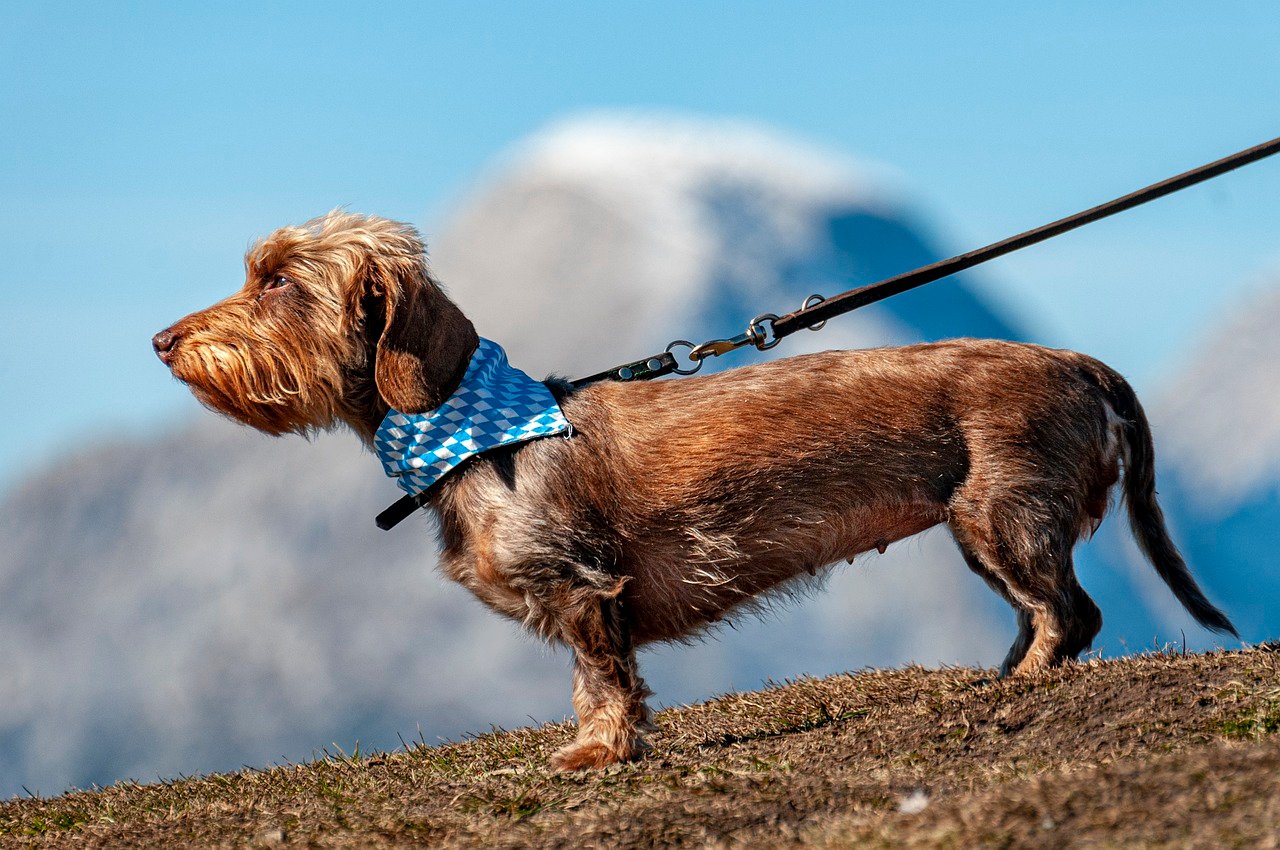
Change doesn’t happen overnight. Some days your dog will surprise you with a calm walk, and other days might feel like you’ve taken three steps back. Celebrate every tiny victory, whether it’s a quieter bark or a split second of calmness.
Keep a log of your progress and reward yourself, too. Maybe treat yourself to your favorite coffee after a good walk, or share your wins with a friend who understands. Every step forward is a triumph, and each small win brings you closer to the peaceful walks you both deserve.
Dealing with a leash-reactive dog can be challenging, but it’s also an opportunity to build deeper trust and communication. Reactivity isn’t a reflection of a “bad” dog—it’s often a sign of fear, overstimulation, or uncertainty. By staying calm, using positive reinforcement, and setting your dog up for success with thoughtful training and patience, you can make meaningful progress. With time, consistency, and empathy, those tense walks can become more manageable—and even enjoyable—for both of you.


