

It’s 2 AM. You hear the familiar patter of paws on the floor. Again. Your dog is up, circling, panting, or nudging you with that worried look you’ve come to know far too well. You’re exhausted, they seem distressed, and neither of you is getting any rest. Sound familiar? You are definitely not alone in this.
Restlessness in dogs is a common issue that can stem from physical discomfort, emotional distress, or unmet needs. Whether it happens occasionally or becomes a recurring problem, it’s often a sign that something is off – whether it’s pain, anxiety, boredom, or changes in their routine. The tricky part? Dogs can’t tell us what’s wrong. They can only show us. So learning to read those nighttime signals is one of the most loving things you can do for your pup. Let’s dive in.
Pain or Physical Discomfort Could Be Quietly Keeping Your Dog Up

Here’s something that breaks my heart a little every time I think about it. Just like with humans, restless sleep can occur when the dog is in pain and no longer has the distractions of the day to take their mind off the issue. During daylight hours, there are smells to sniff and squirrels to bark at. At night, there’s nothing to distract from that quiet, nagging ache.
Joint pain, especially from conditions like arthritis, can make it difficult for dogs to find a comfortable sleeping position. Digestive issues, such as gas or bloating, can also contribute to discomfort, preventing your dog from relaxing. Dogs suffering from chronic pain may have difficulty staying still, and this discomfort can worsen at night when they’re trying to rest.
Bloat, officially known as gastric dilation-volvulus, causes uncomfortable stomach swelling and restlessness. This condition is most common in large and giant breeds. It can be deadly without quick vet intervention, so it’s important to pay attention to other symptoms if your dog seems unusually restless. If your gut is telling you something feels urgent, trust it and call your vet.
If you suspect your dog’s restlessness is due to pain, a visit to the vet is essential for an accurate diagnosis. Treatment options might include pain medications, supplements with glucosamine for joint health, or changes to their bedding to offer more support. Think of upgrading their bed the way you’d finally replace a lumpy mattress. It genuinely makes a difference.
Anxiety and Stress Are Real – and Nighttime Makes It Worse

Honestly, anxiety in dogs is one of the most misunderstood triggers for nighttime restlessness. A lot of pet parents assume their dog is just “being dramatic.” They’re not. Anxiety and stress are common culprits when it comes to nighttime restlessness. Dogs are creatures of habit, and anything that disrupts their routine – such as changes in their living situation, the absence of their owner, or loud noises – can make them feel anxious.
Separation anxiety, in particular, can lead to nighttime pacing, whining, or even destructive behavior. Loud sounds like thunderstorms or fireworks can trigger restlessness as well. Think of it this way: for a dog with sensitive hearing, a distant siren at midnight is like a car alarm going off right next to your pillow.
Signs that a dog is suffering from anxiety can include frequent urination or peeing inside after being housetrained, excessive licking, scratching and gnawing, shivering or curling up in a ball, startling easily or running away, lack of appetite, and difficulty settling down.
If your dog struggles when separated from you at night, treat it like training, not disobedience. Make the sleep space feel safe, avoid sudden routine changes, and build confidence in small steps. A piece of your worn clothing placed near their bed can also be surprisingly soothing. It’s simple, but it works.
Your Senior Dog May Be Experiencing Something Deeper

If you have an older dog who’s suddenly started wandering the house at night, staring at walls, or seeming just plain confused, it’s worth taking that seriously. In the case of an older dog restless at night, cognitive decline (similar to Alzheimer’s in humans) can disrupt their sleep-wake cycles and cause disorientation.
Dogs with dementia often experience “sundowning,” a behavior pattern where their activity levels ramp up at night. Canine dementia affects around roughly three in five dogs over age 11. It’s a sobering statistic, and one that deserves more conversation among dog owners.
One of the key signs is changes to their sleep-wake cycle. For example, the dog may become more fidgety at night when they’re supposed to sleep, or they begin to sleep more during the day instead. Dogs may also display repetitive behaviors such as pacing and an overall increase in anxiety and restlessness.
If you suspect your dog is experiencing cognitive dysfunction, talk to your vet about cognitive health supplements or medications designed to support brain function. Creating a consistent daily routine, minimizing changes in their environment, and providing extra comfort during the night can also help alleviate symptoms. Your senior pup needs gentleness and patience more than ever at this stage.
Not Enough Exercise or Mental Stimulation Could Be the Culprit
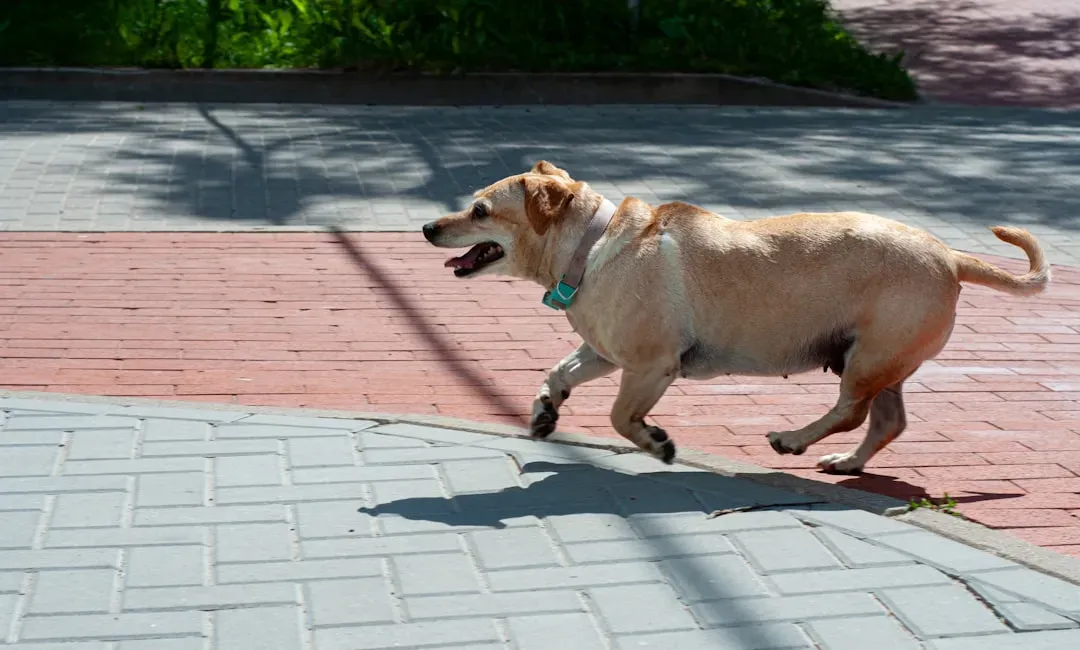
Let’s be real – a bored, under-exercised dog is basically a toddler who didn’t take a nap. Nighttime restlessness is almost inevitable. A dog with pent-up energy from a day of inactivity is more likely to be a dog pacing at night. If they haven’t had enough physical exercise or mental stimulation, they may struggle to settle down when it’s time to sleep.
A dog can be physically tired but mentally under-stimulated. Calm enrichment like sniffing games and puzzle feeding helps many dogs switch off. Rough play, exciting games, or intense training late in the evening can leave your dog wired. Many dogs need a proper wind-down period. Think of it like screen time before bed. It revs things up instead of settling them down.
Another simple recommendation is to increase your dog’s exercise regimen and mental stimulation during the day. Make an extra lap around the neighborhood, but also think about mental stimulation toys and games for dogs.
If your dog is restless because they have energy, the answer is often more of the right activity, not just more activity. In the evening, sniff walks usually help more than intense chasing games. A slow, nose-led evening stroll is basically a meditation session for your dog. Give it a try tonight.
Creating the Right Sleep Environment and Routine Changes Everything

You’d be amazed what a few simple tweaks to your dog’s sleep setup and evening routine can do. A regular bedtime routine helps your dog understand what to expect at night. Ideas to try include prepping their evening meal a few hours before bed and taking them out for a bathroom trip just before bedtime.
The best way to avoid bathroom-related restlessness is to let your dog out right before you go to bed to ensure that their bladder and bowels are empty. You should also consider feeding earlier in the day, around 5 PM, to ensure that your dog has plenty of time to go outside and do their business. It sounds almost too simple, but it solves the problem more often than you’d think.
Provide a quiet, dark, and comfortably cool sleeping space for your dog. Ensure their bed is cozy and supportive. Consider using a white noise machine or calming music to mask external disturbances.
Orthopaedic beds provide extra support and are ideal for older dogs or those with joint issues. Beds with raised edges can provide a sense of security and comfort, helping your dog feel more at ease. Add a familiar scent, dim the lights, and keep the temperature comfortable. You’re not just setting up a bed. You’re building a sanctuary.
Conclusion: Your Dog Is Trying to Tell You Something

Here’s the thing about a restless dog at night: it’s never “just a phase” to brush off. If your dog is pacing, panting, whining, scratching, or repeatedly getting up once the lights go out, it can feel exhausting and worrying. Nighttime restlessness is common, but it is not something to ignore. It is usually a sign that your dog feels uncomfortable, unsettled, or needs something.
Whether it’s pain, anxiety, cognitive changes, boredom, or something as simple as a full bladder, your dog is communicating with you the only way they know how. Your dog is trying to express their challenging feelings to you. Their pacing or restlessness could be an attention-seeking behavior with the purpose of letting you know that something’s not right.
The good news is, most causes of nighttime restlessness are manageable once you identify the root issue. Start by observing the patterns. Is it every night or just occasionally? Be particularly concerned if your dog’s nighttime restlessness is frequent or worsening, and pay close attention to any other signs such as excessive panting or heavy breathing when they aren’t hot, whining or whimpering, or obvious signs of pain. When in doubt, your vet is always your best ally.
You clearly care deeply about your dog’s wellbeing – you read this entire article, after all. That matters. A rested, comfortable dog is a happier dog, and honestly, a happier you too. What changes will you try first for your pup tonight? Share your experience in the comments – this community would love to hear from you.


