
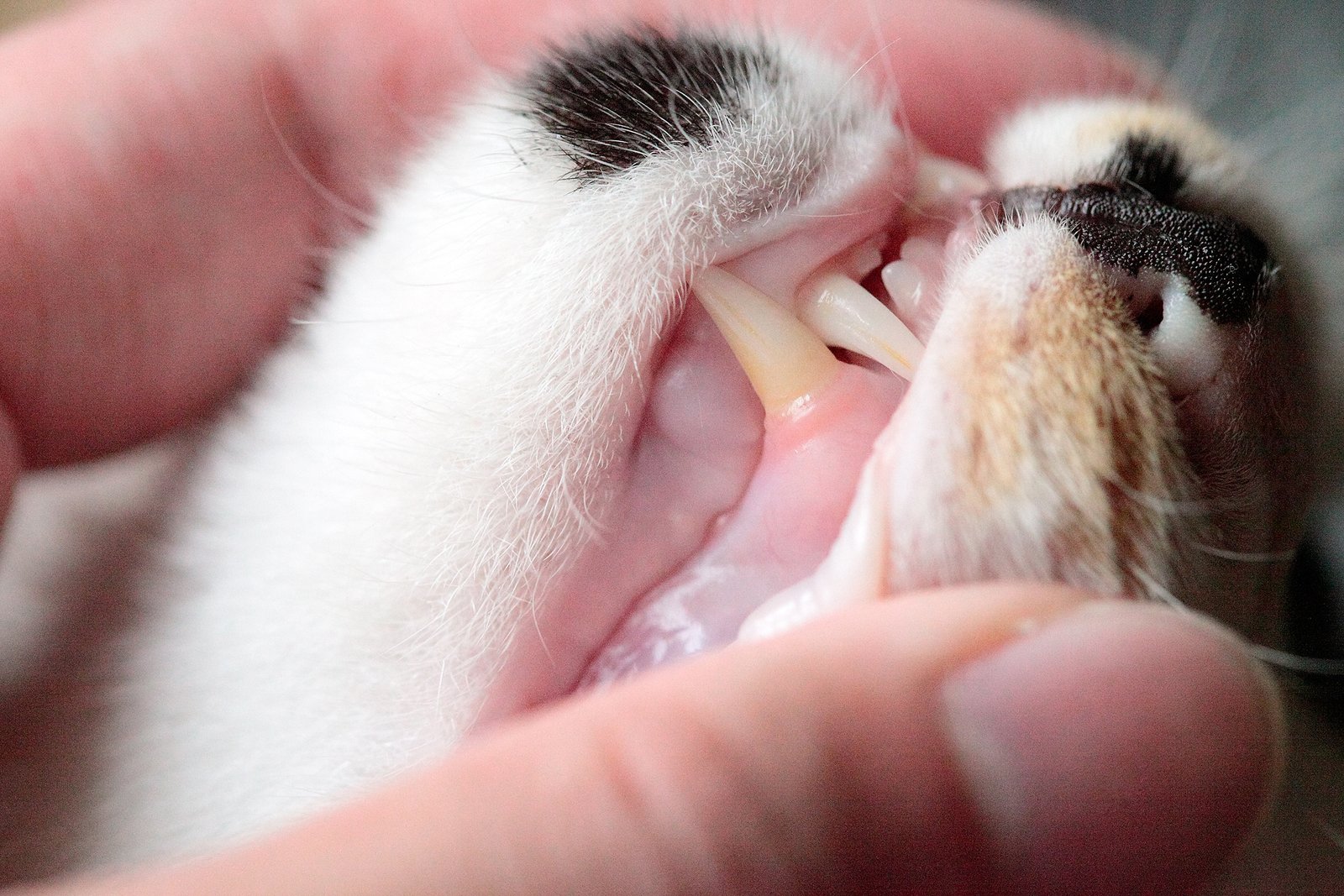
When it comes to your cat’s health, dental care is often overlooked—but it’s super important! Plaque and tartar can lead to painful gum disease, bad breath, and even issues with the heart or kidneys. Regular brushing, dental treats, and vet checkups go a long way in keeping those pearly whites in top shape. It might take a little patience, but your feline friend will thank you with a healthier, happier purr.
The Surprising Importance of Feline Dental Health
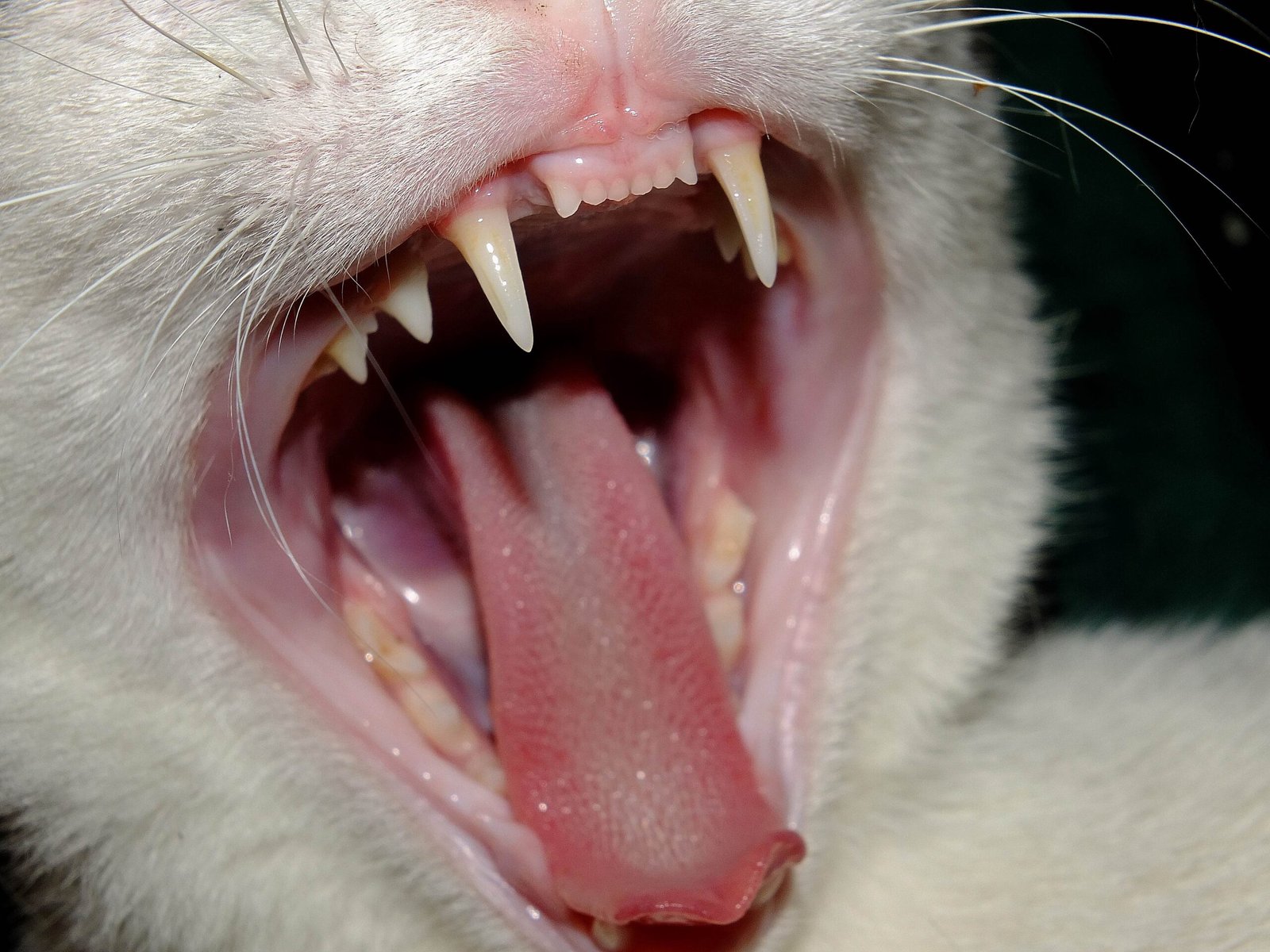
Imagine your beloved cat, full of life and playfulness, suddenly becoming withdrawn or refusing meals. This heartbreaking change can often be traced back to something as overlooked as dental pain. Many cat owners are shocked to learn that dental disease is one of the most common health problems in cats, affecting up to 70% of felines by the age of three. Dental issues don’t just cause bad breath—they can lead to serious infections, tooth loss, and even affect your cat’s heart and kidneys. Keeping your cat’s teeth healthy isn’t just about a nice smile; it’s about preserving their overall health and happiness. A little knowledge and care can save your furry friend from needless suffering. Let’s dive into what every cat lover must know to protect those tiny, but mighty, feline teeth.
Why Cat Dental Care Is Often Overlooked
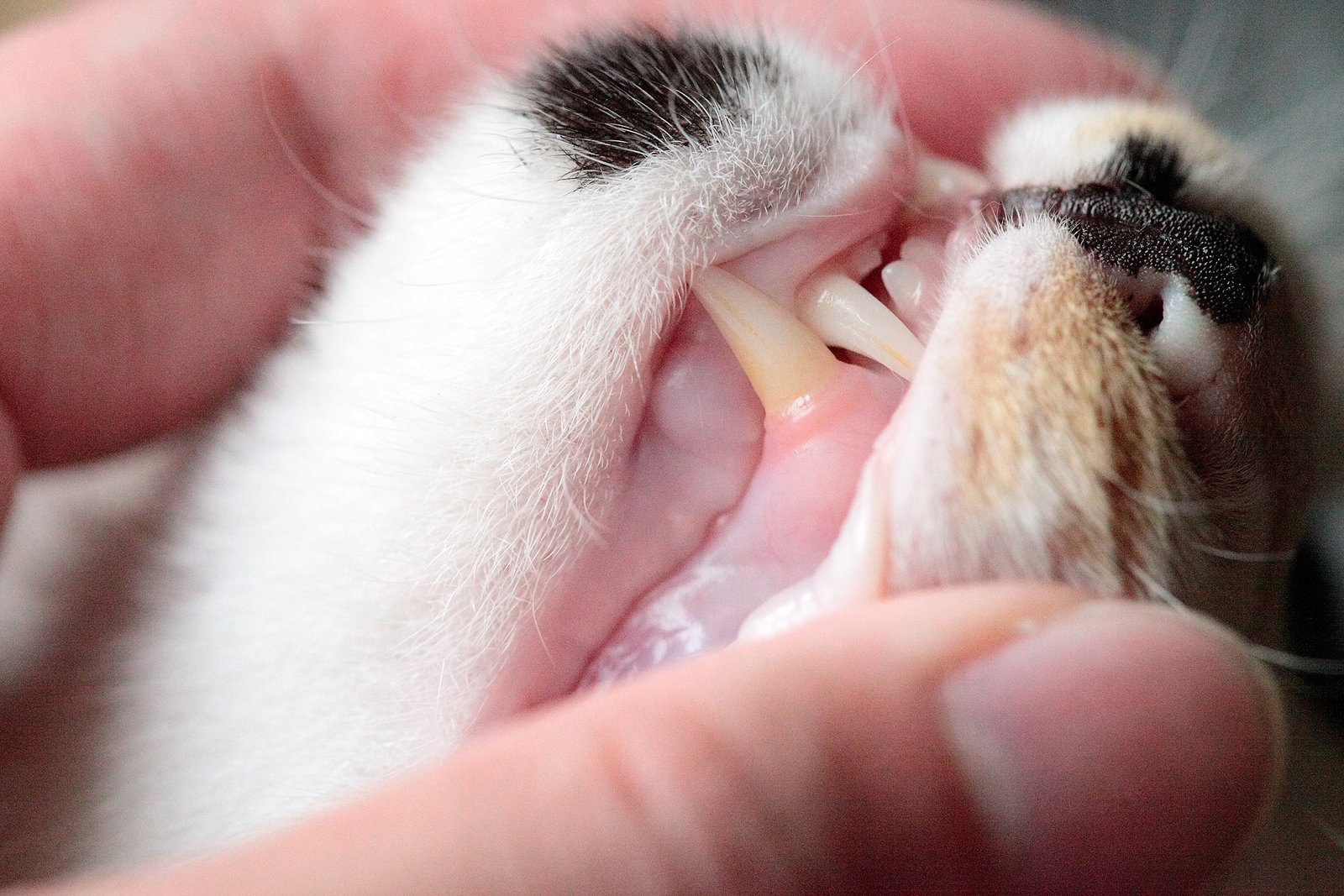
It’s easy to assume that cats, being independent and self-grooming animals, don’t need much help from us in the dental department. Yet, cats rarely show obvious signs of dental discomfort until the situation is severe. Unlike dogs, cats are masters at hiding pain, making it hard for owners to detect problems early on. Many people simply don’t realize that cats can get cavities, gum disease, and tartar buildup just like humans. Some may even believe that cats’ natural diets in the wild protected their teeth, but indoor cats eating commercial food face different risks. This lack of awareness often leads to dental problems being ignored until they become emergencies. Understanding the subtle signs and the importance of regular checks is the first step in changing this pattern.
Common Dental Problems in Cats

Cats can suffer from a variety of dental issues, some of which are both surprising and alarming. Gingivitis, or inflamed gums, is a frequent problem and can cause pain and bleeding. Periodontal disease, a severe infection of the gums and bones supporting the teeth, is another silent threat. Tooth resorption, where the tooth structure breaks down and disappears, is a unique condition seen mostly in cats and is extremely painful. Tartar buildup, bad breath, and oral ulcers are also common. These conditions not only make eating uncomfortable but can lead to tooth loss and spread bacteria throughout the body. Spotting these problems early can make a huge difference in your cat’s quality of life.
Recognizing the Signs of Dental Trouble

Cats rarely cry out in pain, even when their mouths are hurting. Instead, they drop subtle hints that something is wrong. Watch for signs like bad breath, drooling, pawing at the mouth, and a sudden reluctance to eat dry food or chew toys. Some cats may lose weight or begin to groom less, leading to a scruffier appearance. You might also notice blood on their gums or teeth, or even see loose or missing teeth. If your cat hides more than usual or seems unusually cranky, dental pain could be the culprit. Paying close attention to these signals is vital, as early intervention can prevent much bigger problems down the road.
Brushing Your Cat’s Teeth: Tips and Tricks
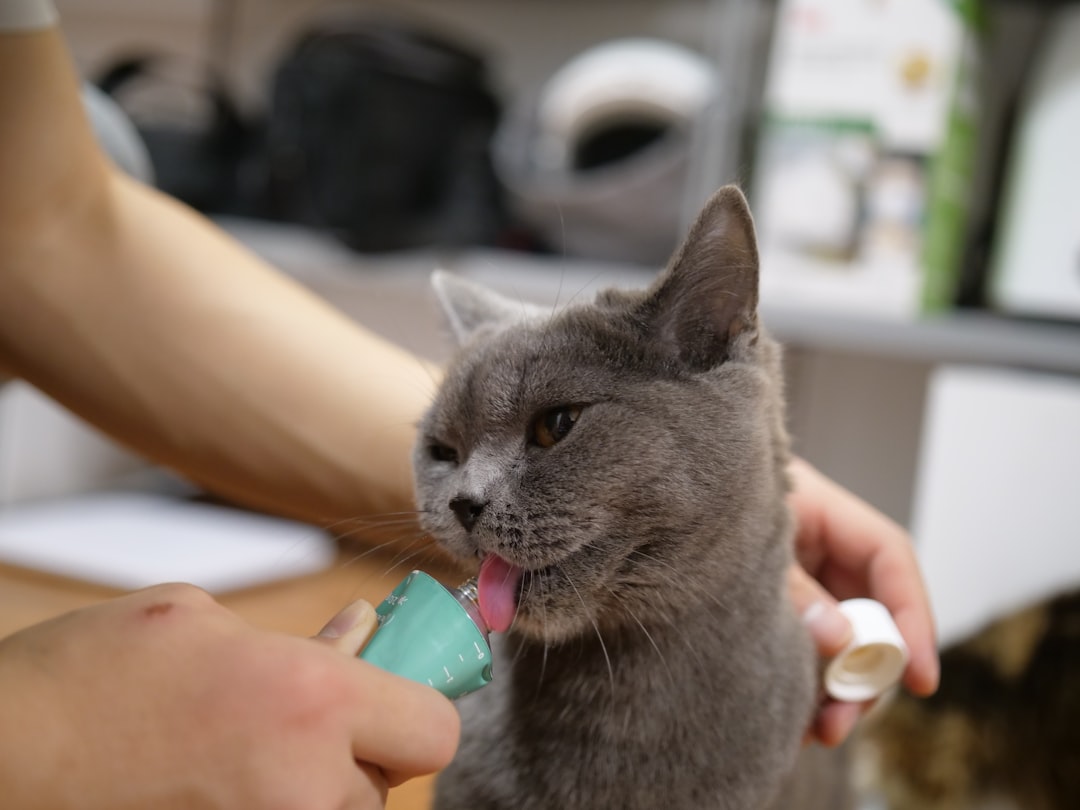
The idea of brushing a cat’s teeth might sound impossible, but with patience, it can become a manageable part of your routine. Start by choosing a toothbrush designed for cats—these are smaller and gentler than human brushes. Use only pet-safe toothpaste, as human toothpaste can be toxic to cats. Begin with short sessions, letting your cat sniff and taste the toothpaste, then gently rub their gums with your finger. Over time, introduce the brush, making sure to praise and reward your cat for cooperation. Daily brushing is ideal, but even a few times a week can make a big difference. Remember, every small effort counts toward better dental health.
Diet and Dental Health: What Should Cats Eat?

A cat’s diet plays a major role in their dental well-being. Crunchy kibble can help scrape away plaque, but it isn’t a cure-all. Some special dental diets are formulated to reduce tartar, but always consult your vet before making changes. Wet food, though easier to eat, may stick to teeth and increase the risk of plaque buildup. Treats designed to clean teeth can offer extra help, but moderation is key. Adding variety and texture to your cat’s meals can also encourage them to chew more, which helps keep their teeth cleaner. Ultimately, a balanced diet tailored to your cat’s needs is the best foundation for strong, healthy teeth.
The Role of Professional Veterinary Care
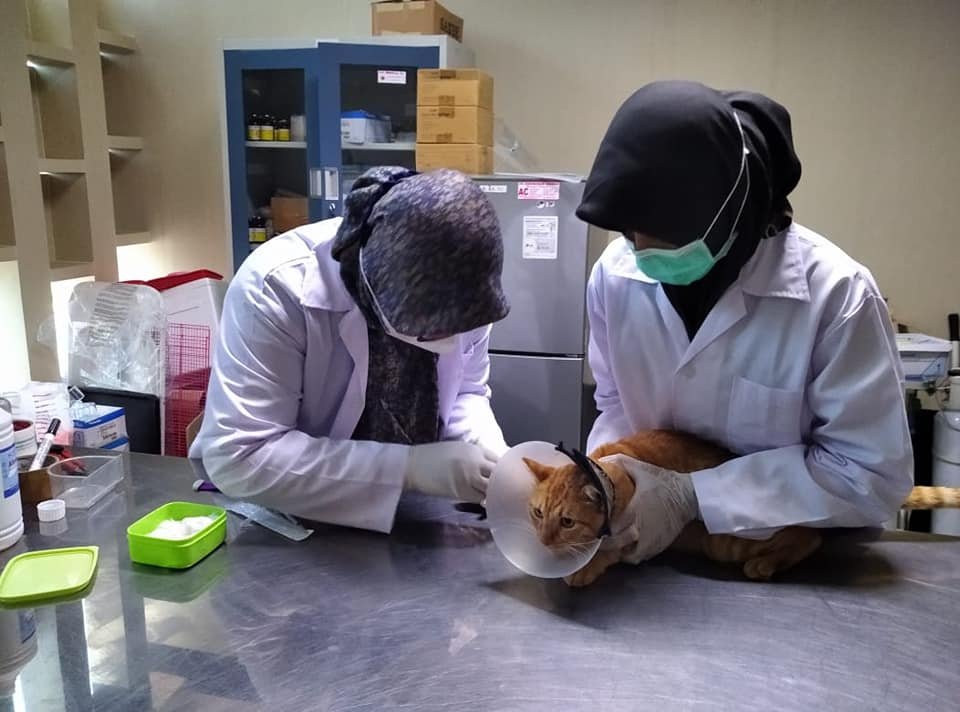
Even the most diligent cat owners need help from professionals when it comes to dental care. Regular veterinary check-ups are essential, as vets can spot dental issues early—sometimes before you notice any symptoms at home. Professional dental cleanings under anesthesia allow for thorough removal of tartar and assessment of each tooth. Your vet can also advise on home care routines and recommend products tailored to your cat’s specific needs. Don’t wait for obvious problems to appear; routine dental exams are a crucial part of preventive care. Investing in professional help now can spare your cat from pain and complex treatments later.
Making Dental Care a Positive Experience for Your Cat

Cats are creatures of habit, and introducing new routines can be tricky. The key is to make dental care feel safe and rewarding. Start slow, using gentle touches and a calm voice. Choose a consistent time and place for dental care, and always follow up with your cat’s favorite treat or extra playtime. Some cats respond well to flavors like chicken or fish in their toothpaste, making the experience more enjoyable. If your cat resists, don’t force it—instead, try again later and keep sessions short and positive. Over time, your cat may come to accept, or even enjoy, the extra attention.
Preventing Dental Problems Before They Start

An ounce of prevention is worth a pound of cure, especially when it comes to cat dental health. Establishing a dental care routine early in your cat’s life makes maintenance much easier. Regularly inspect your cat’s mouth for any changes in color, swelling, or unusual odors. Supplement brushing with dental toys, treats, and chews designed to fight plaque. Stay on top of annual vet visits and ask your veterinarian about dental health at each appointment. By being proactive, you can help your cat avoid painful problems and keep their teeth strong for years to come.
At the end of the day, your cat’s dental health plays a huge role in their overall well-being. By staying on top of things with simple habits like regular checkups and a few dental-friendly treats, you’re sparing them a lot of discomfort down the line. It doesn’t have to be complicated—just consistent. Your cat may not thank you with words, but those purrs and headbutts will say it all. Healthy teeth, happy kitty!


