
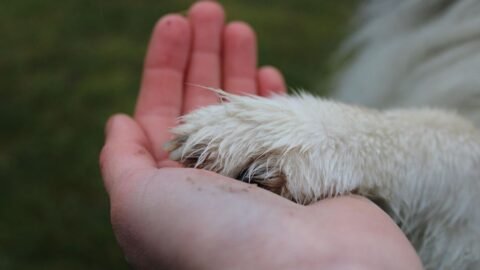
You’re curled up on the sofa, lost in thought or scrolling through your phone, when you feel it. That soft, deliberate weight on your arm. Your dog’s paw, resting there with an almost human-like tenderness. It’s one of those little moments that makes you pause and wonder what’s really going through their mind.
Is it affection? A plea for attention? Or something deeper altogether? Dogs can’t speak our language, so they’ve mastered the art of saying everything with their bodies. That gentle paw placement isn’t random. It’s purposeful, loaded with meaning, and surprisingly nuanced. Let’s dive into what your furry companion is truly trying to communicate.
They’re Asking You Not to Stop
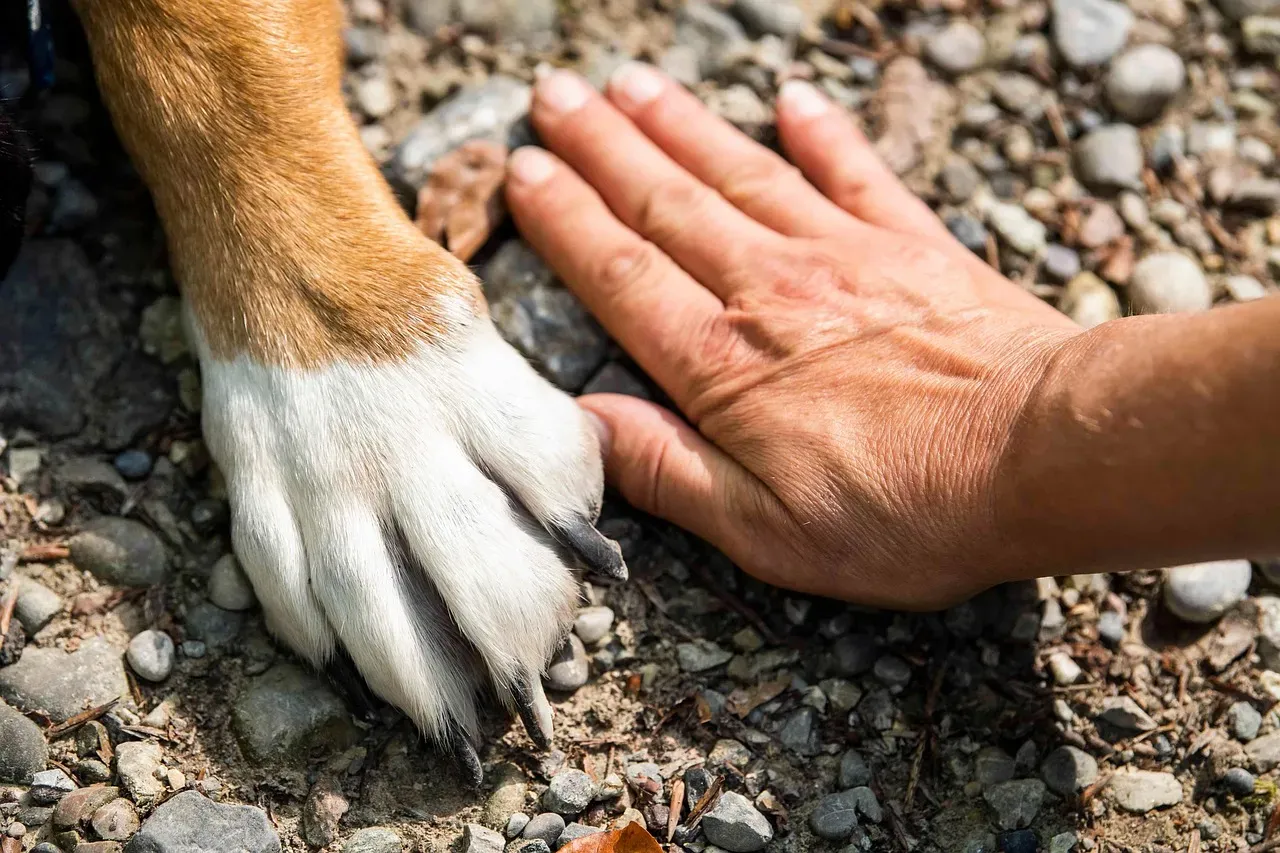
Your dog quickly learns that handing you their paw receives a positive reaction. Think about it. You’ve been scratching behind their ears, rubbing their belly, or running your fingers along their back. Life is good. Then you stop.
Almost immediately, that paw lands on your arm. Dogs use pawing as a way to get attention or to elicit a response from their owner, so when your dog does this it means he’s not done yet and still wants your attention and affection. It’s the canine equivalent of saying, “Hey, I didn’t give you permission to quit!”
This behavior often starts accidentally. You pet them, they rest a paw on you, you find it endearing and continue petting. Bingo. They’ve just learned a brilliant new trick. Before long, every petting session comes with a gentle paw reminder when you dare to take a break.
It’s Their Way of Saying “I Love You”
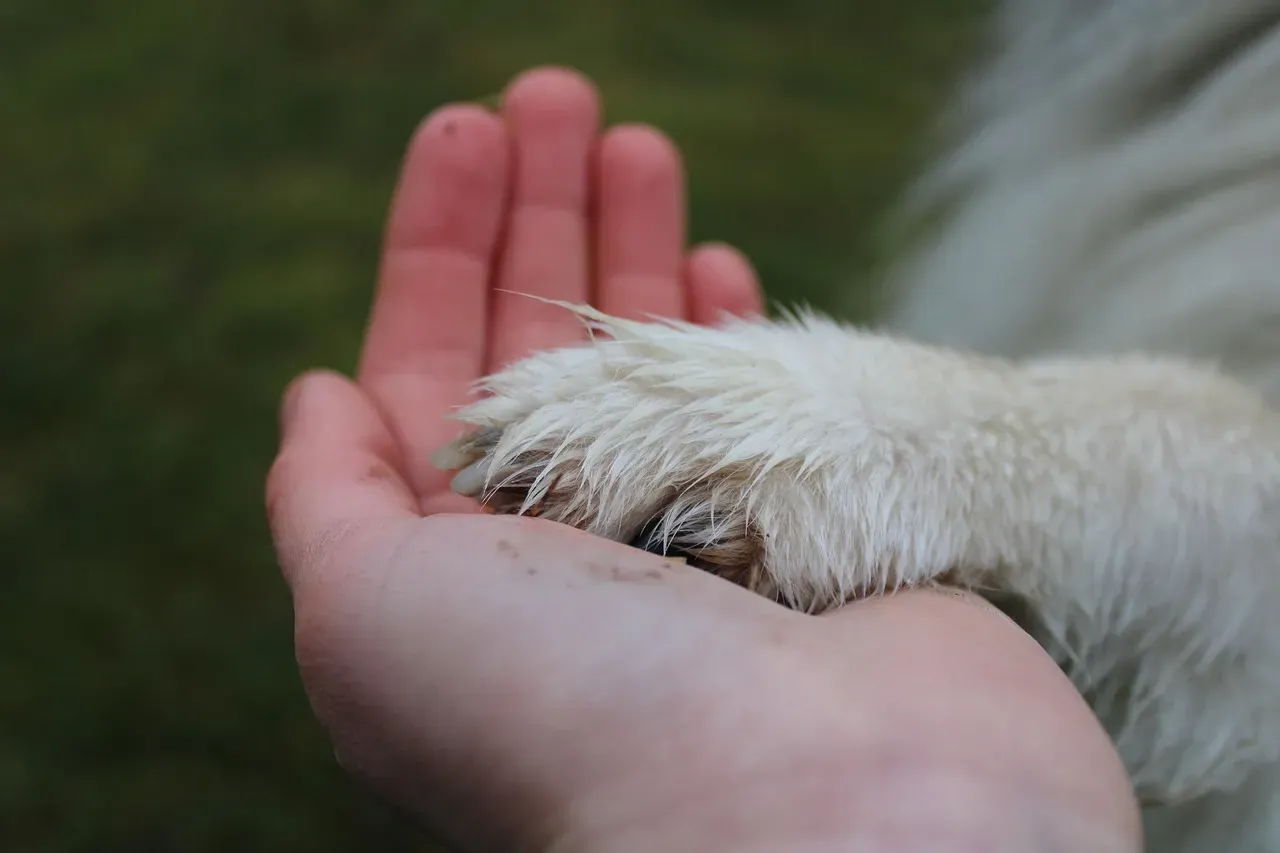
Because they possess all three neurotransmitters, dogs can experience love and often show it through pawing, such as if they rest a paw on your arm while you’re petting them. Let’s be real, this one melts hearts every single time.
When your dog places their paw on you during quiet, relaxed moments, it’s often pure affection. When a dog gently places a paw on you during quiet times, it can mean “I love you,” or “I’m here for you.” This tender touch is part of how dogs bond closely with their humans.
It’s their version of holding hands. You touch them with gentle strokes, and they’re reciprocating in the only way they know how. Some dogs learn this by watching us. We rest our hands on them when we want to show affection, so they mirror the gesture right back.
They Need Something and They Know You’ll Listen
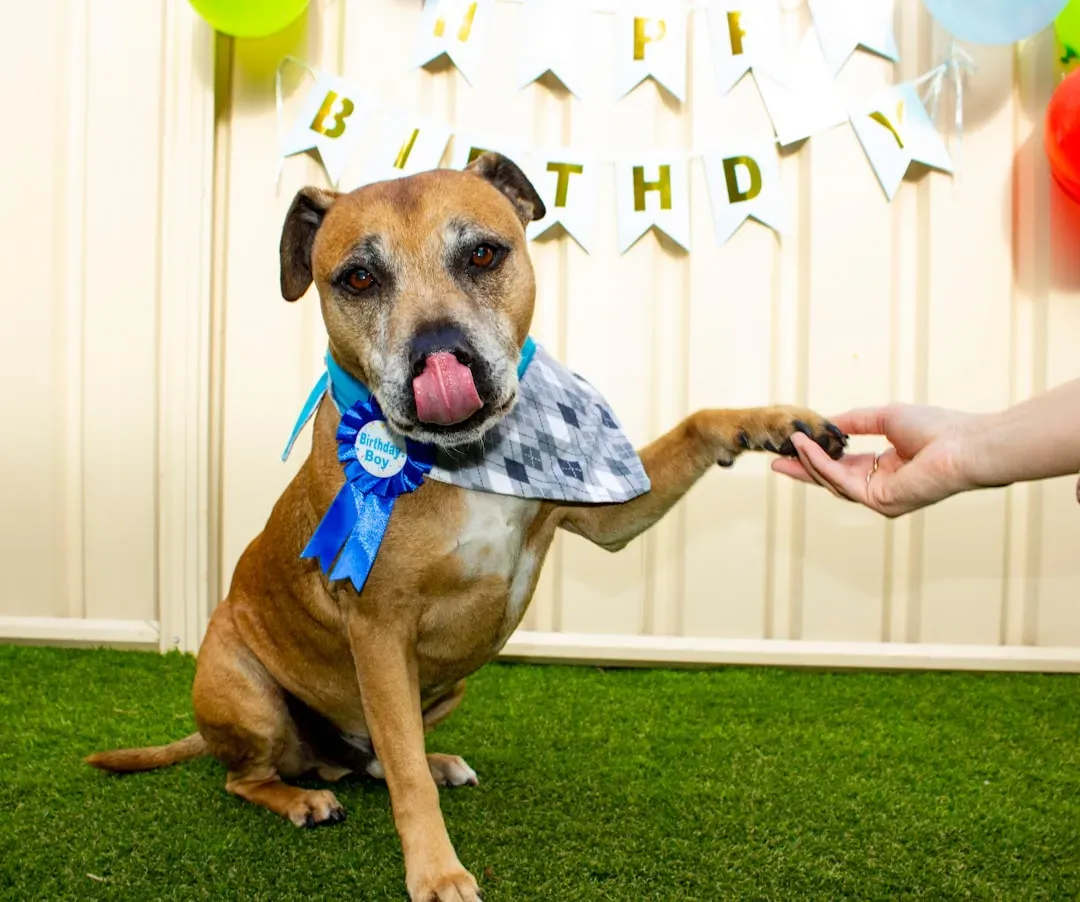
When your dog puts a paw on you, it is most often a sign of communication, and it doesn’t always mean the same thing. Sometimes that paw is less about emotion and more about practicality. Your dog might be hungry, thirsty, or desperately needing a bathroom break.
Dogs use body language to mean, ‘I have a need, such as ‘I need to go outside,’ or ‘I am hungry – it’s time for my dinner.’ They’re smart enough to realize that pawing gets results. It’s harder to ignore than a stare, more polite than barking, and way more effective than sitting quietly and hoping you’ll read their mind.
Pay attention to the context. Is it near mealtime? Are they standing by the door? The paw is often the opening line of a longer conversation. If you don’t respond, expect the follow-up: a head on your lap, a toy dropped at your feet, or an insistent stare that could bore holes through steel.
Your Dog Is Feeling Anxious or Worried
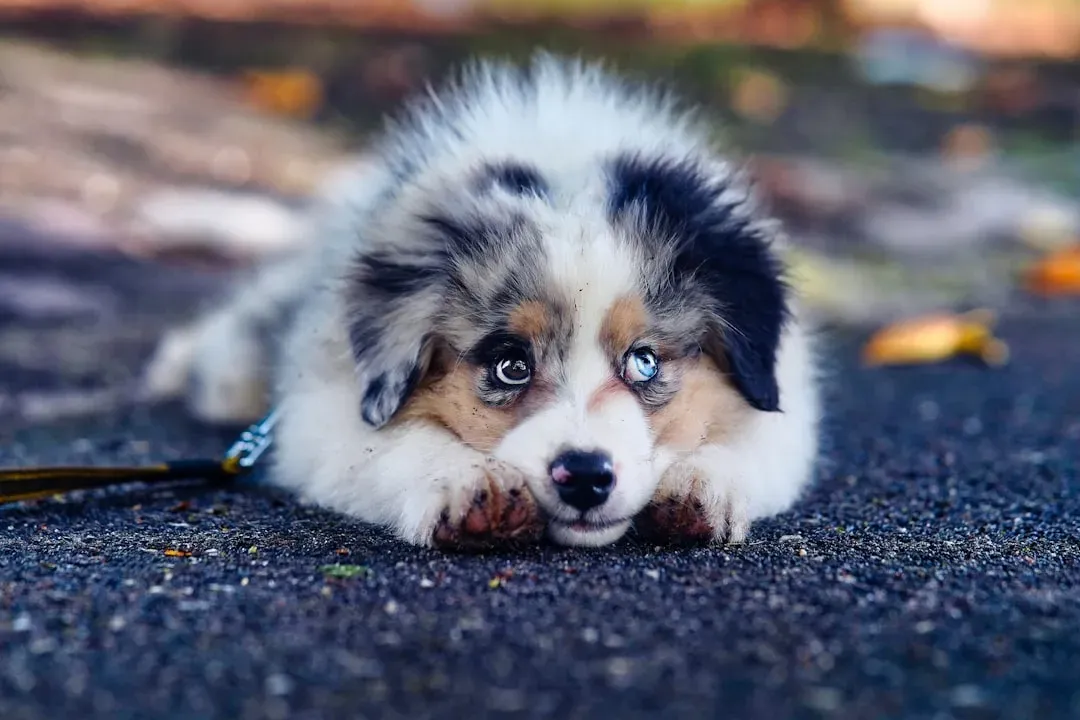
A paw on you may also mean that your dog feels worried. The roar of thunder, separation anxiety if they think you’re about to leave, or a sudden knock on the door can frighten a dog and send it pawing at you for comfort. This one’s important and easy to miss if you’re not tuned in.
Dogs can also use their paws as part of a bigger cluster of body language indicators to communicate emotions like stress or anxiety. If a dog lifts their paw without touching anything, this might be a sign of stress. But touching someone can also be a stress response.
Watch for other signs: ears pulled back, a tucked tail, heavy panting, or lip licking. If your dog is pawing at you while displaying these signals, they’re looking for reassurance. They’re basically saying, “I’m scared, and you make me feel safe.” Honestly, it’s one of the most vulnerable things a dog can do. Give them the comfort they’re seeking. A gentle voice, some slow petting, or simply being present can work wonders.
It’s Learned Behavior That Works Every Single Time
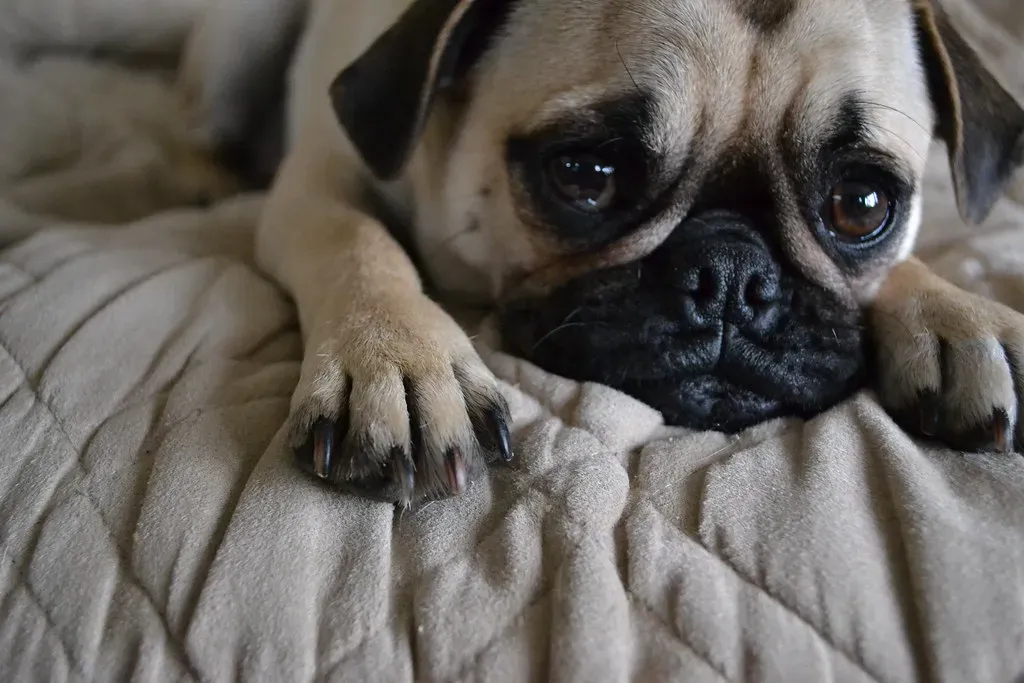
Here’s the thing. One of the most apparent reasons dogs place their paw on you is because they want your attention, and it probably worked the first time they tried it. If pawing you gets a belly rub, a treat, or even just eye contact, they’re going to repeat the behavior. It’s not manipulation; it’s just smart reinforcement learning.
For dogs, pawing is a natural behaviour, often used to attract attention or invite play. As they grow, dogs quickly learn that repeating actions that get a response will work again. You’ve essentially trained them without even realizing it. Every time you respond to that paw, you’re reinforcing the message: this works.
Some dogs become absolute masters at it. They’ll paw once gently. If that doesn’t work, they’ll escalate with a little more insistence, maybe adding a soft whine or a head tilt for dramatic effect. What can you do? If you want to reduce the behavior, you’ll need to stop rewarding it. Ignore the paw, and only give attention when they’re calm. It takes consistency, though, and I know how hard it is to resist those pleading eyes.
Conclusion
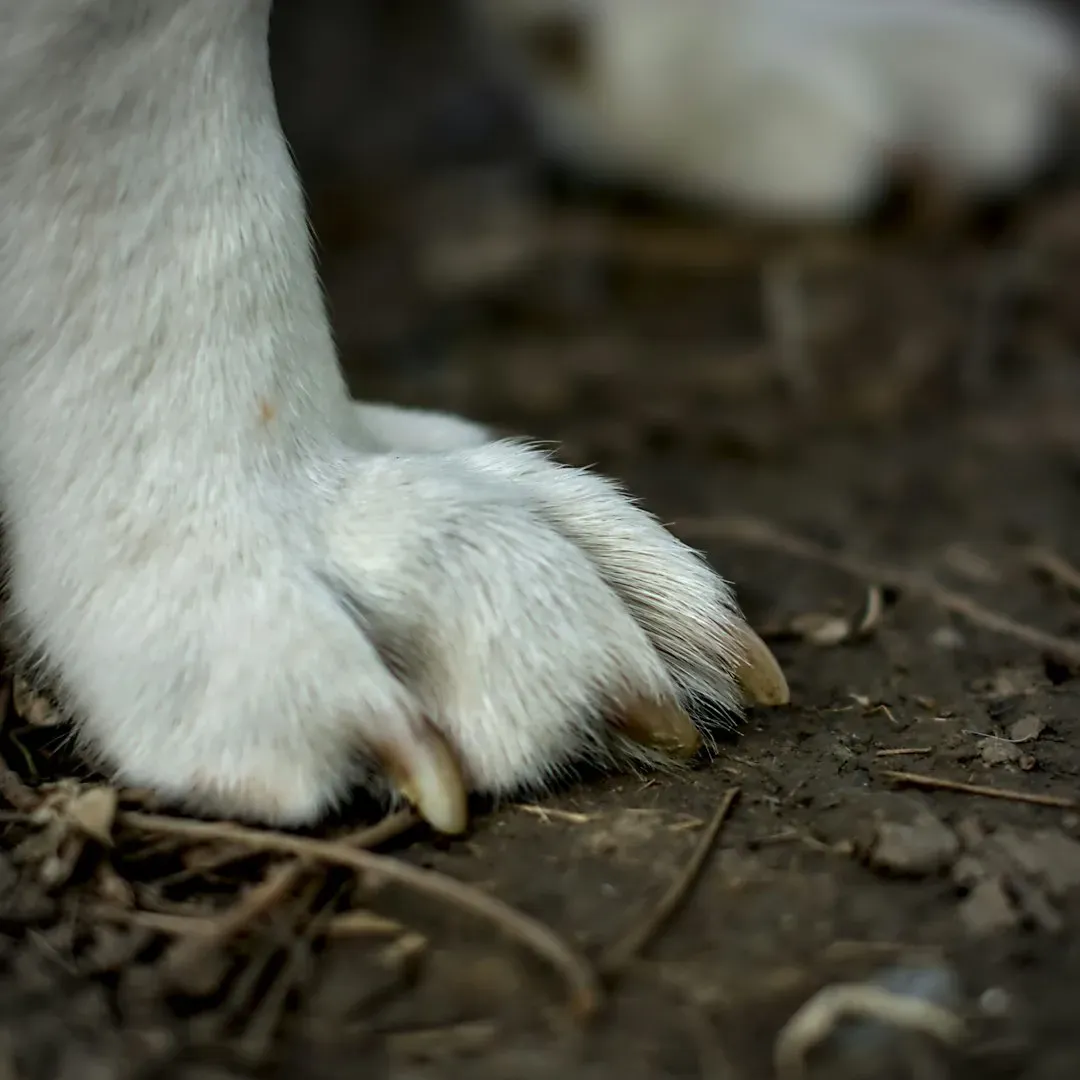
That gentle paw on your arm is more than just a cute quirk. It’s your dog’s way of bridging the gap between species, using touch to communicate everything from love to anxiety to a simple “please don’t stop scratching.” The beauty of it lies in the trust behind the gesture. Your dog believes you’ll understand, that you’ll respond, that you’ll listen.
The more you pay attention to the context, the accompanying body language, the timing, the clearer their message becomes. What did you expect that paw to mean before you knew all this? Maybe you’ll look at it a little differently next time.


