
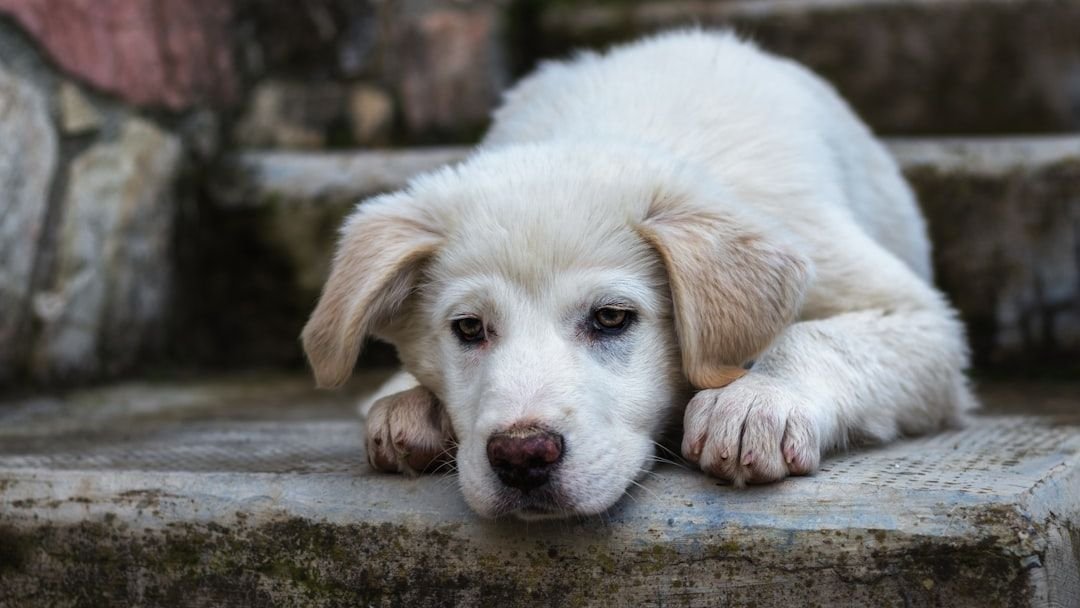
Have you ever noticed your once vibrant dog suddenly becoming quieter, seeking out corners you never knew existed, or spending hours in that shaded spot under the old oak tree? That change can shake us to the core. Our dogs, these magnificent companions who’ve given us so much love, seem to drift away right when we want to hold them closest. It’s a behavior as old as their wild ancestors, yet it breaks our hearts every single time.
Here’s the thing. When dogs start withdrawing as they approach the end of their journey, they’re not abandoning us. They’re communicating in the only language their ancient instincts know. Understanding what they’re really saying during these final days can help us give them exactly what they need, and honestly, that understanding might also bring us the peace we’re desperately seeking.
The Ancient Instinct Behind the Isolation

Dogs are inherently pack animals, and they instinctively understand that the pack is only as strong as its weakest member. This deep survival mechanism reaches back thousands of years to their wolf ancestors. Wild canines like wolves often distance themselves from the pack when sick or injured to avoid attracting predators, and domestic dogs may retain this survival instinct.
Let’s be real, this doesn’t mean your dog has stopped loving you. A dog whose body is failing and who doesn’t have the ability to fight back sometimes hides, and his instinct is to isolate himself for protection. It’s hardwired into their DNA. Your couch companion, who once greeted you with wild enthusiasm, is following programming that protected their species for millennia.
Animals hide when dying as a protective measure; they sense their vulnerability, understand their weakness, and instinctively seek a safe, secluded space to avoid potential predators, and this behavior is widespread across the animal kingdom.
Reading the Early Warning Signs
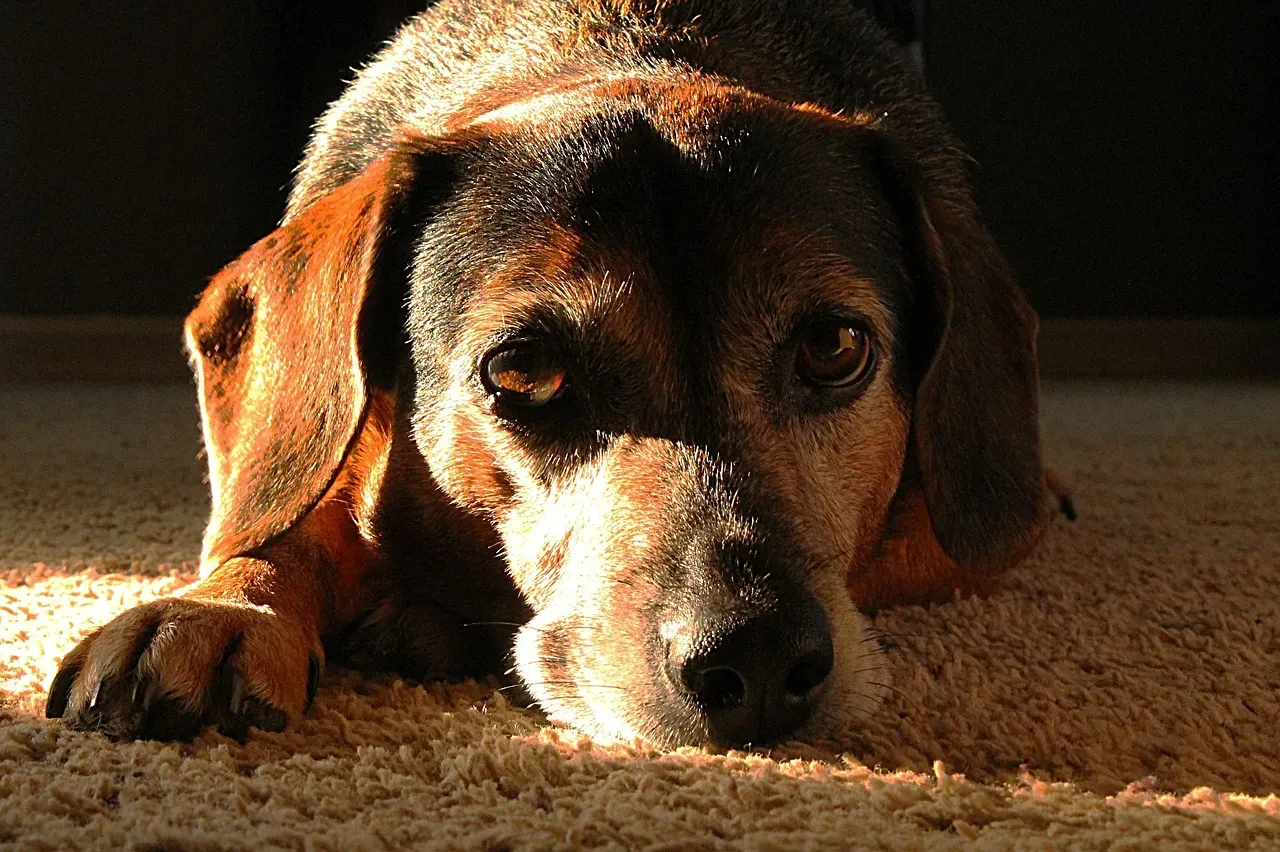
You may notice behavior changes toward the end of your dog’s life, things like lack of interest, lethargy, depression, anxiety or even aggression or clinginess, and if your dog is experiencing lethargy, fatigue, and lack of interest, it may be depressed. These shifts happen gradually sometimes, so gradually you might second guess yourself.
Some dogs seek out the comfort and company of their humans to the point of clinginess, while others become more solitary and seek quiet corners to be alone. There’s no one size fits all here. I’ve known dogs who became velcro pups in their final weeks, and others who retreated to the basement or a closet.
Some dogs begin to withdraw from their families, and spending hours hiding and sleeping in a quiet corner could be warning signs your dog is dying, while other dogs become clingier, needing constant reassurance as their senses deteriorate. Watch for where they choose to rest now compared to before.
Physical Decline and the Need for Solitude
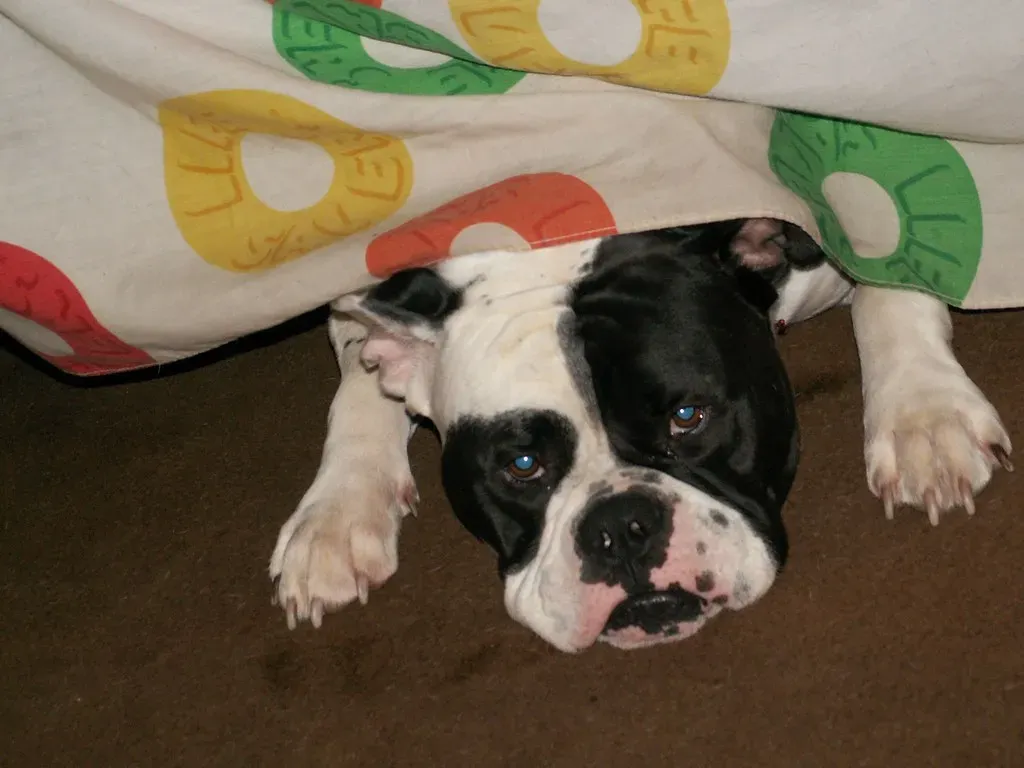
Physical pain and discomfort can contribute to a dog’s desire to be alone, and a dog experiencing chronic pain might seek a quiet, secluded place where they feel safe and undisturbed. Noise hurts when you’re in pain. Movement exhausts you. Everything feels amplified.
As a dog approaches the end of its days, its respiratory functions weaken, and this results in breathing difficulties, even when they are asleep. Reduced movement or poor coordination can be signs that a dog is sick or aging, and as they get older and weaker, they start getting less mobile, and they may start walking more instead of running and stumble more than before.
The combination of physical decline and instinct creates a perfect storm. Your dog isn’t trying to hurt you by hiding. They’re trying to find a space where they can manage what their body is going through without the stimulation of household activity overwhelming them.
The Confusing Duality of Clinginess and Withdrawal
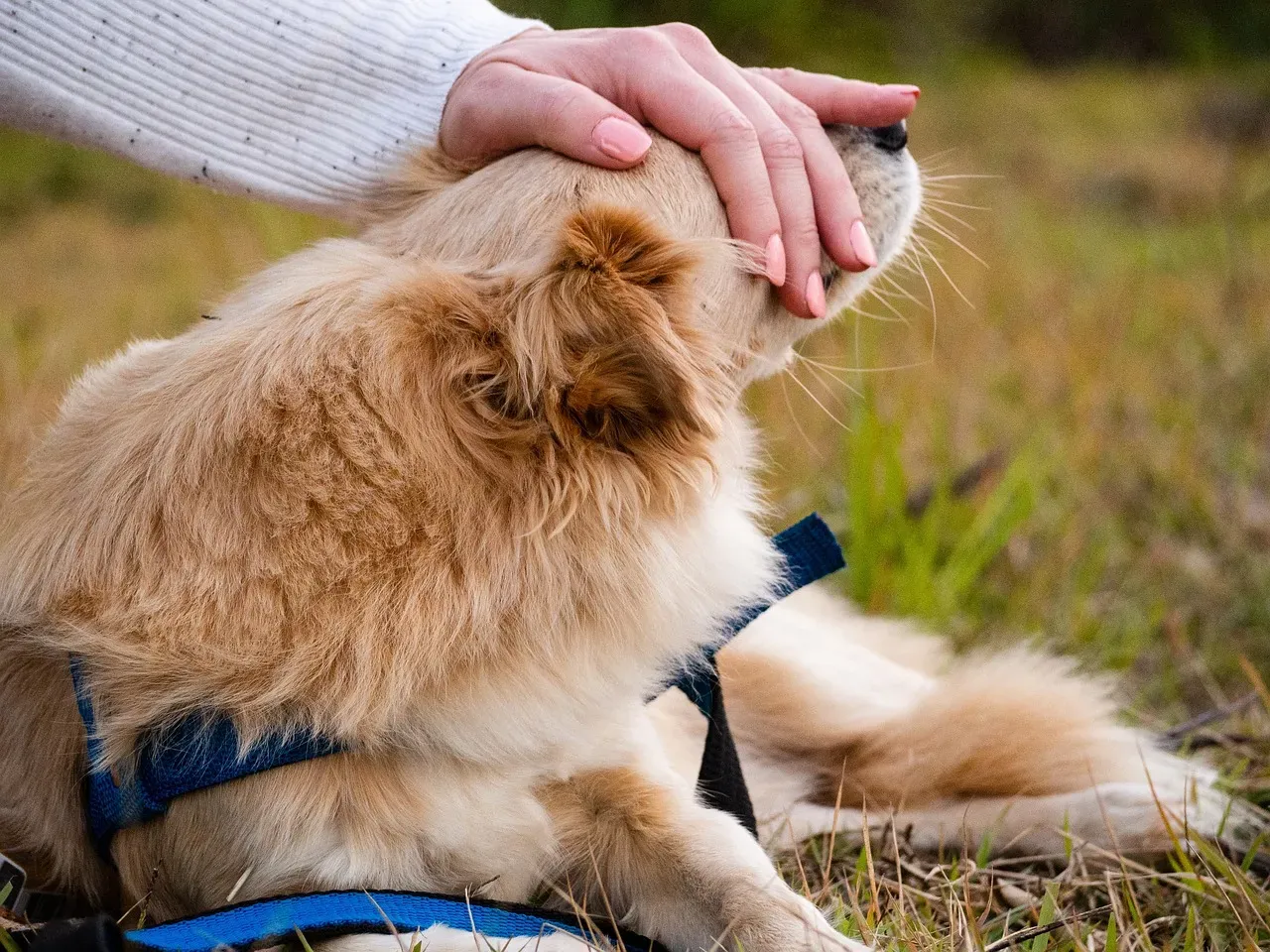
Here’s where it gets complicated. Dogs actually spent the hours before they isolated themselves asking for kisses and pets and snuggles from their human family members, and it makes sense that dogs get really snuggly at some point near the very end of their lives. So you might experience both behaviors, sometimes within the same day.
Other signs that a dog is dying is if they either socially distance themselves from humans or other pets, or become unusually clingy or needy, and if you notice your dog seeking solitude, respect their space, but they may instead express an unusual desire to be closer to you.
This back and forth can feel like emotional whiplash for us. One moment they want nothing more than to be pressed against you, the next they’ve disappeared to that spot behind the furnace. Both are valid expressions of what they’re experiencing. Both are part of their goodbye.
When Confusion and Cognitive Decline Play a Role
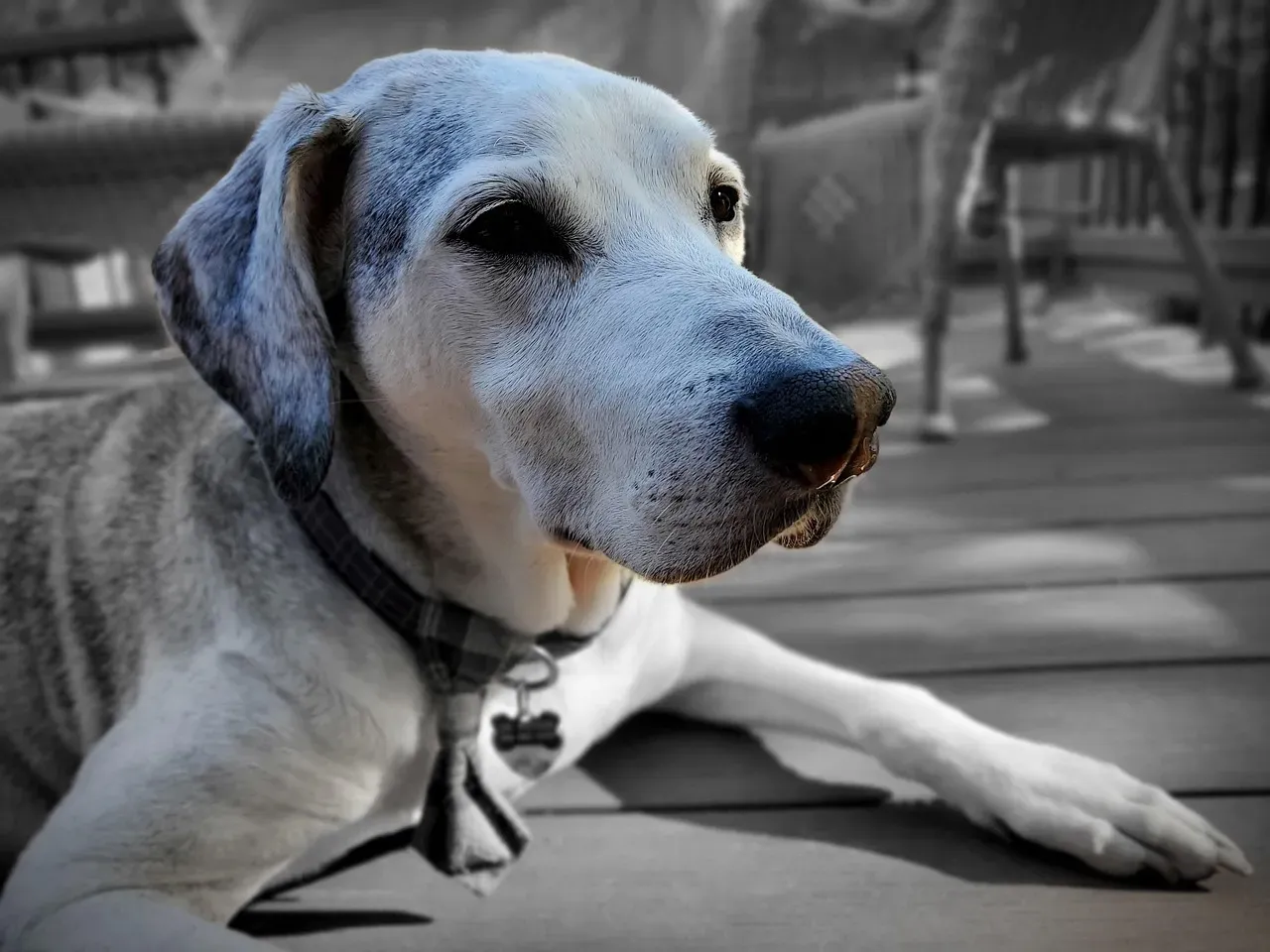
Canine Cognitive Dysfunction or dog dementia can become more pronounced in a dog’s final stages, and this can manifest as disorientation, where they may seem lost in familiar surroundings or have trouble recognizing family members. Not every case of withdrawal is purely instinctual.
Old dogs may run away when they are dying because of their instincts and possible cognitive dysfunction, as they may want to die alone because they feel vulnerable and weak, or they may run away because they become disoriented and confused. Sometimes a dog who has wandered off hasn’t necessarily sought solitude on purpose. They simply got lost and couldn’t find their way back.
This is where monitoring becomes crucial. If your senior dog has access to outdoor spaces, keep a closer eye on them. Confusion can turn a natural retreat into a dangerous situation where your dog ends up somewhere they didn’t intend to be.
What Withdrawal Looks Like in Practice

Lying in one spot, oftentimes a quiet spot where they don’t usually lie, not interested in toys or walks, barely acknowledging family members, in other words, just not acting like themselves. It’s the shift that tells you something fundamental has changed.
A dog may start to sleep more and seek out isolation in areas where he or she can be undisturbed, and dog owners may notice that some behaviors and activities may start to lessen or disappear, such as a dog no longer greeting the owners at the door or no longer being interested in going on walks or playing.
Some dogs seem to know when they are about to die and wander off to a secluded location in the house or yard for their final moments. I know it sounds crazy, but there’s something almost eerie in how they choose a spot with such deliberate intention. It’s their final resting place, and they’re picking it themselves.
How to Honor Their Need for Space
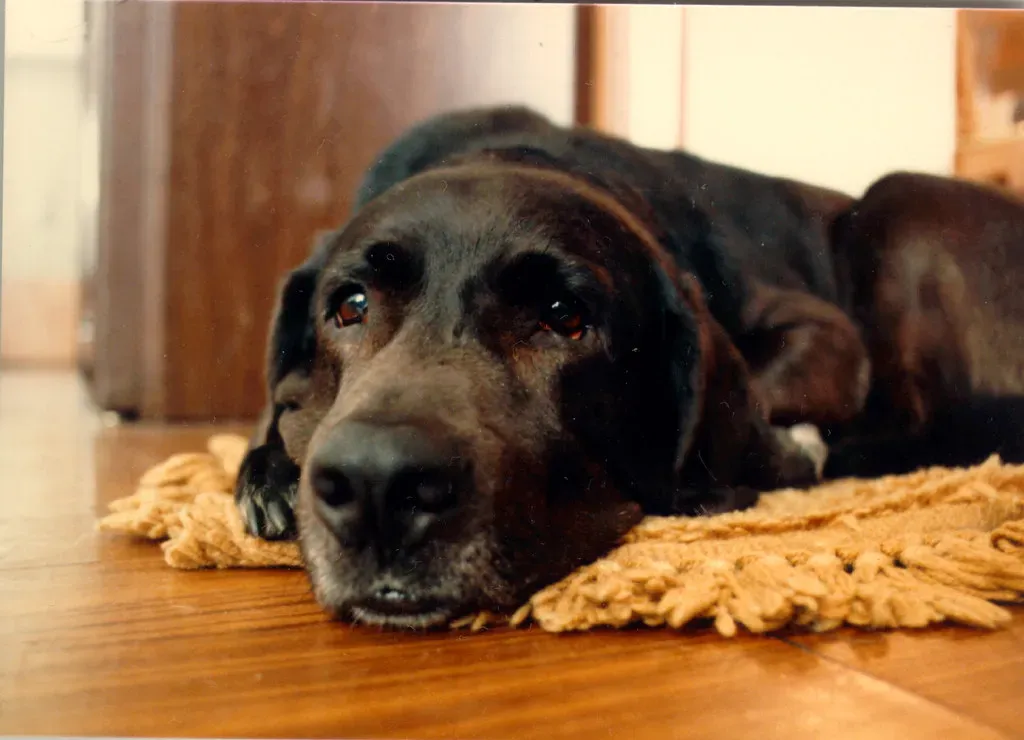
If you notice your dog seeking solitude, respect their space and engage with them slowly and calmly, but they may instead express an unusual desire to be closer to you, so give them some extra TLC. Read their cues. Let them guide you.
If your pet seeks solitude, respect their need for privacy and allow them to choose their own hiding spots, avoid forcing interaction, and create a comfortable environment, ensuring that their hiding spot is comfortable, safe, and accessible. Set up soft bedding in the places they gravitate toward. Make those spots warm and inviting.
Stay nearby if they want your presence, even if they don’t want touch. Sometimes just having you in the same room, quietly reading or working, provides comfort without overwhelming them. Your energy matters more than you might think.
Pain Management Makes All the Difference
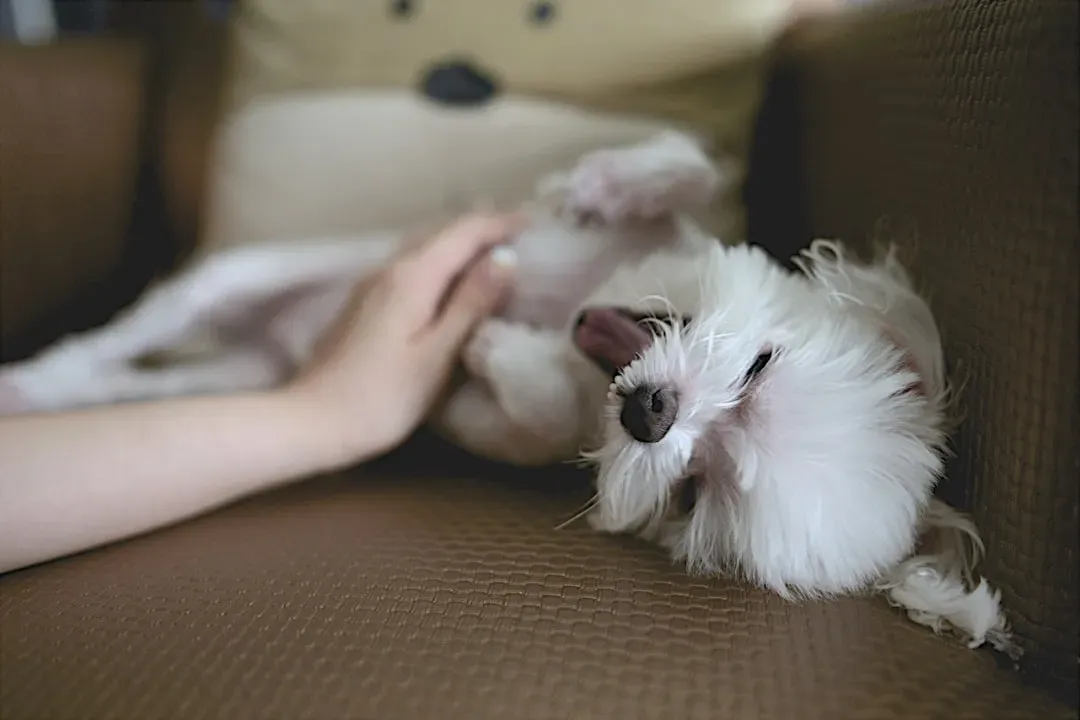
Pain management is the most important part of palliative care, and pain is best managed using multiple therapies together, both pharmacologic medications and nonpharmacologic, to achieve maximum comfort. This isn’t about prolonging life at all costs. It’s about making whatever time remains bearable.
If your dog is in pain, it may remain hidden or become reluctant to interact with the family, and your dog may seem to be panting more than usual or trembling, and you may also notice other signs of pain like irritability, restlessness or aggression. Pain drives the need to withdraw, so addressing it can sometimes bring your dog back to you for precious final interactions.
Work closely with your veterinarian to find the right combination of medications. Massage can be performed by a trained provider and techniques can also be taught for use at home, and most dogs find massage comforting. Gentle touch, when welcomed, can soothe both of you.
Creating a Peaceful End of Life Environment

Surround her with her favorite things, like a warm blanket or special squeaky toy, and since pressure sores can develop in pets with limited mobility, it’s essential to provide a warm sleeping spot with plenty of cushioning. These small acts of comfort matter enormously.
Making your dog’s environment as comfortable as possible can ease their final days, so provide soft bedding, keep them in a quiet area, and ensure they have easy access to food and water. Minimize household chaos. Lower the volume on the television. Reduce the number of visitors if it seems to stress them.
Palliative care includes modifying the home environment to maximize mobility and prevent injury, and some simple modifications include adding non skid floor surfaces which make moving around the house easier, using area rugs or spongy interlocking floor tiles. These practical adjustments prevent falls and help them access the spaces they need.
When to Consider Professional Support
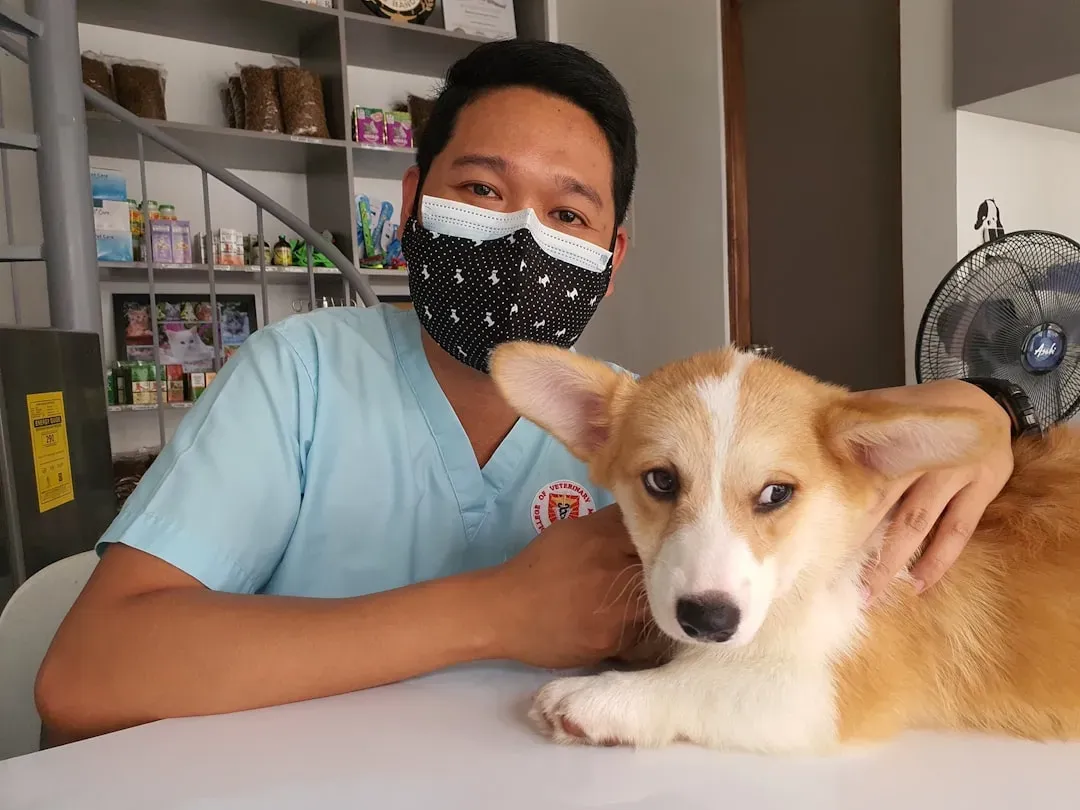
Questions can help determine your dog’s quality of life such as whether your dog is still eating and drinking, if they can eat or drink comfortably, if they can still enjoy activities and social interactions, if your dog is comfortable at home and able to move about, and ultimately are they having more good days than bad, and if the answer is no then it’s probably time to consider end of life care.
Palliative care focuses on making dogs as comfortable as possible and improving their quality of life as they near the end of their lives, starting when the focus shifts from trying to treat an illness or extend life to helping the dog stay happy and comfortable while nature takes its course. Hospice veterinarians specialize in this exact phase. They can come to your home, reducing stress for everyone involved.
Don’t wait until you’re in crisis mode to reach out. Having a plan and a relationship with an end of life care provider gives you options and support when emotions are running highest.
What Your Dog’s Withdrawal Isn’t Saying
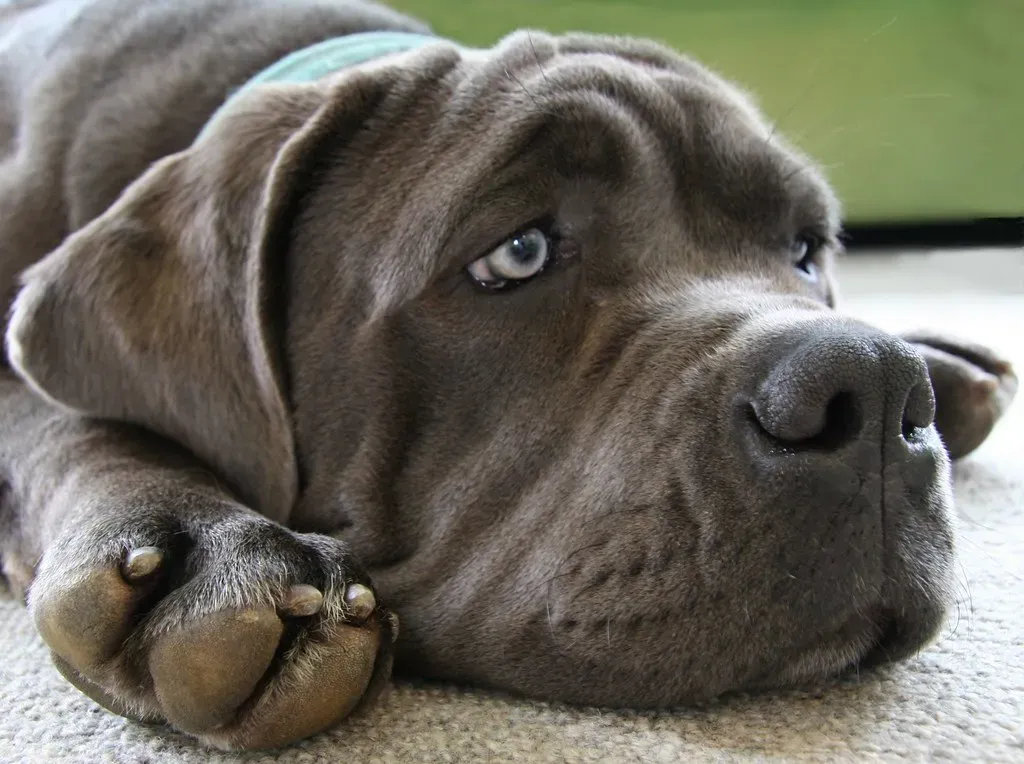
If your dog hides at the end of his life, it’s not because he didn’t love you or consider you his best friend, and even if you would have given him every comfort at the end, he was just following an instinct as a dog to hide for protection, and he still loves you. Please hear this. Your bond isn’t broken because they’ve retreated.
While many believe dogs hide to spare their owners emotional pain, there’s no scientific evidence that dogs understand death in this way, and more likely they simply feel vulnerable and seek solitude when weak. They’re not rejecting you. They’re not punishing you. They’re not making a statement about your care.
A dog or cat may seek out a quiet, hidden spot where they feel safe and less vulnerable, and this behavior is not a reflection of their love for their owner but rather a natural response to their condition. Remember this on the hardest days.
The Gift of Presence Without Pressure
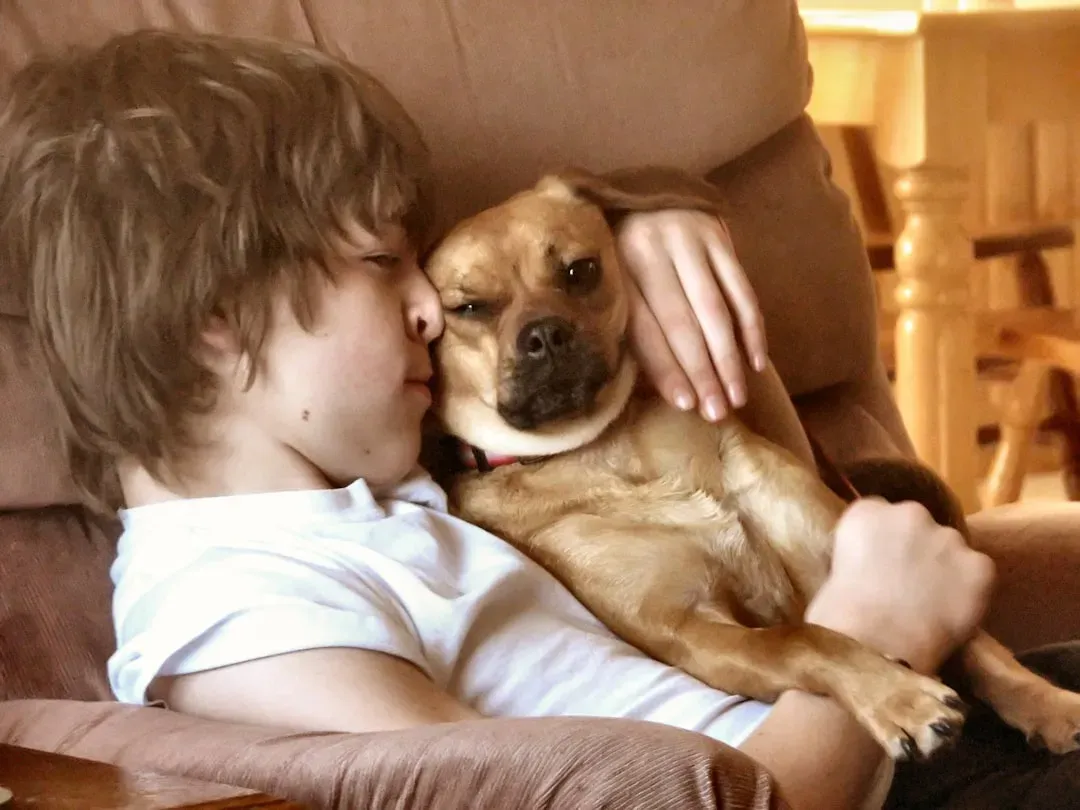
Spend quality time with your dog, offering them affection and reassurance, and these moments are precious and can provide both you and your pet with a sense of peace and closure. You don’t need grand gestures. Just be there.
When your dog’s final moments arrive, you may feel conflicted about watching your friend transition to death, but as difficult as it may be, it will provide great comfort for them to know their loving family is there with them. Your presence, even if they’re tucked away in their chosen spot, sends a powerful message.
Sit near them. Talk softly. Tell them about your favorite memories together. Let them hear your voice without demanding interaction. This balance between honoring their need for solitude and offering your love is one of the last gifts you can give.
Recognizing When It’s Time
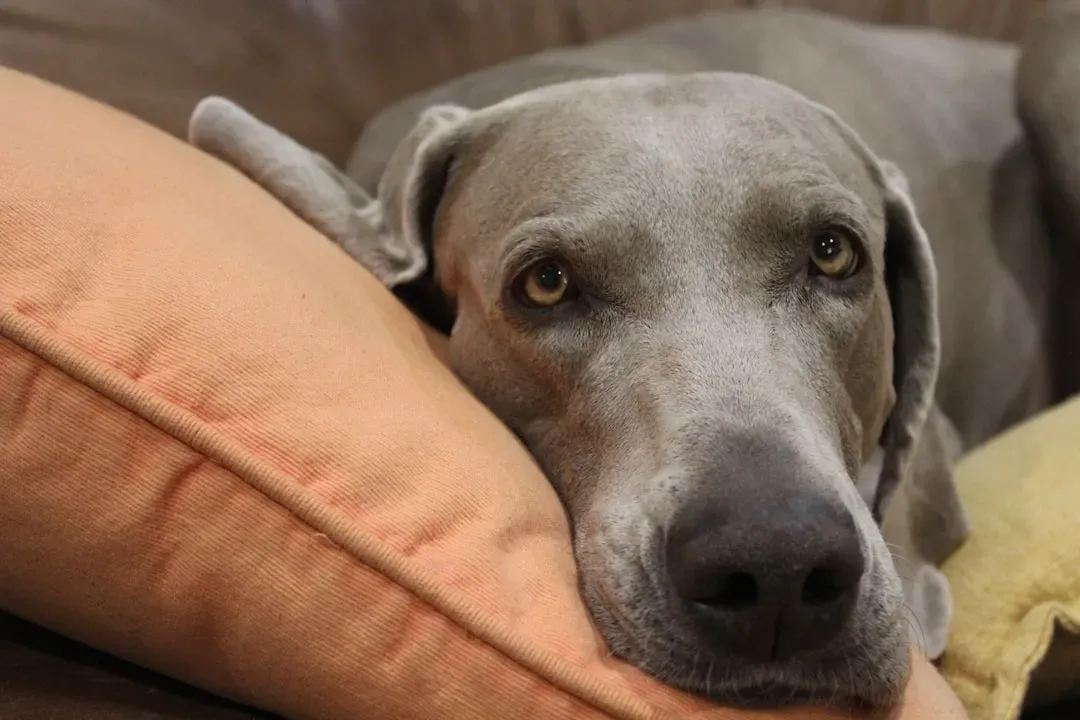
While some behavioral changes can signal the end of life, it’s important to remember that not every sign of decline means your pet is dying, as many pets experience health issues that are treatable or manageable with proper veterinary care. Always consult with your veterinarian before assuming the worst.
A dog nearing the end of life often shows symptoms including significant appetite loss, extreme lethargy, difficulty maintaining balance, respiratory changes, and disinterest in activities, and these signs especially when occurring together and progressively worsening suggest it may be time to consult with your veterinarian about euthanasia options.
Natural death is not usually peaceful, and dogs with terminal illnesses could suffer for days from pain, nausea, and anxiety as their bodies begin to shut down, which is why the standard is for veterinarians to offer painless, humane euthanasia to end a pet’s suffering. Sometimes the most loving choice is the hardest one.
Conclusion
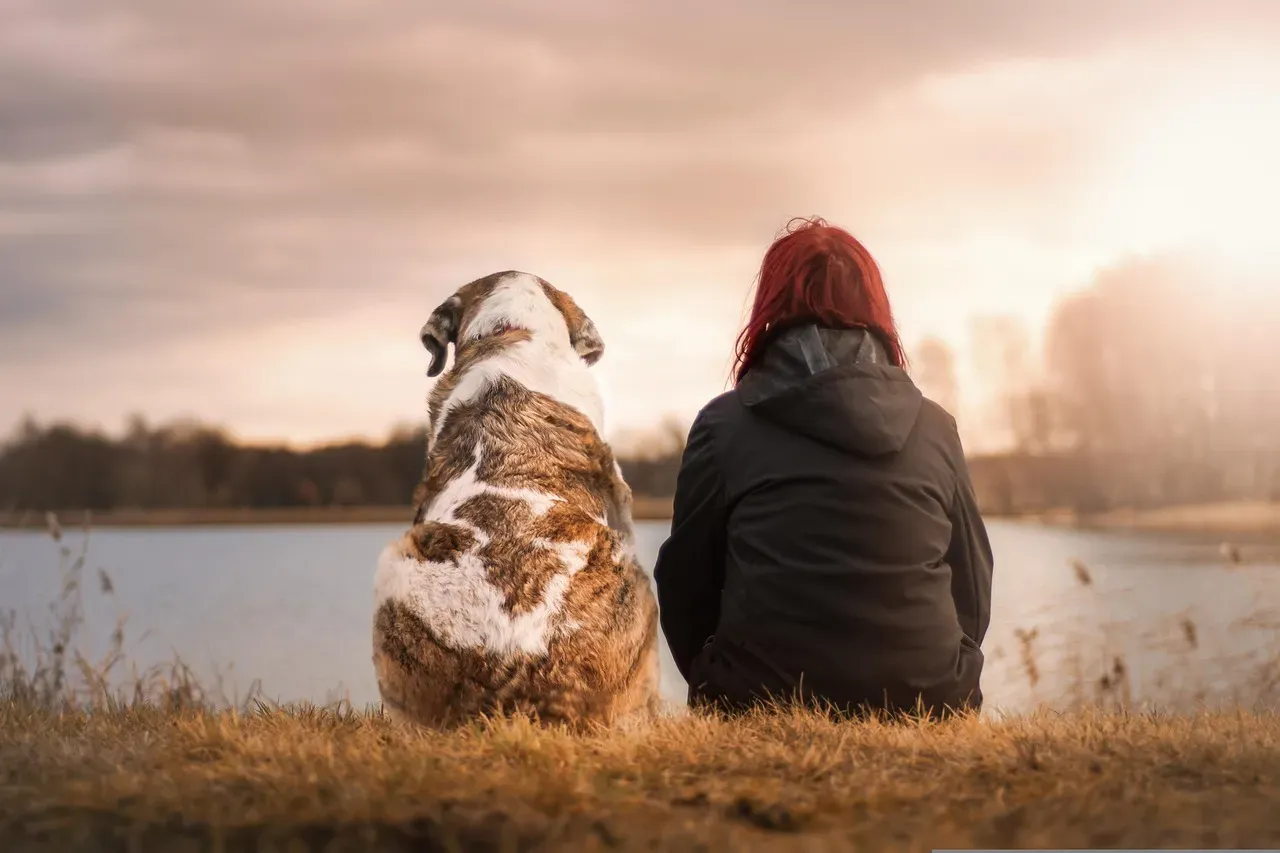
When your dog withdraws as they approach the rainbow bridge, they’re speaking an ancient language written into their very cells. It’s not about you. It’s not a failure of your love or care. It’s instinct meeting vulnerability in the way nature designed.
Your job isn’t to force them back into the life they can no longer live. It’s to meet them where they are, to honor both their need for solitude and their need to know you’re still there. Create soft spaces. Manage their pain. Respect their choices. Stay close enough to matter but far enough to let them lead.
The withdrawal is hard to witness because it signals the approaching end. Yet within that difficult behavior lies a profound trust. They feel safe enough to be vulnerable near you, even as instinct pulls them toward solitude. That’s the paradox of loving a dying dog. They’re leaving and staying all at once.
What has your experience been with a dog’s end of life behavior? Did they withdraw, or did they stay close to you until the very end?


