
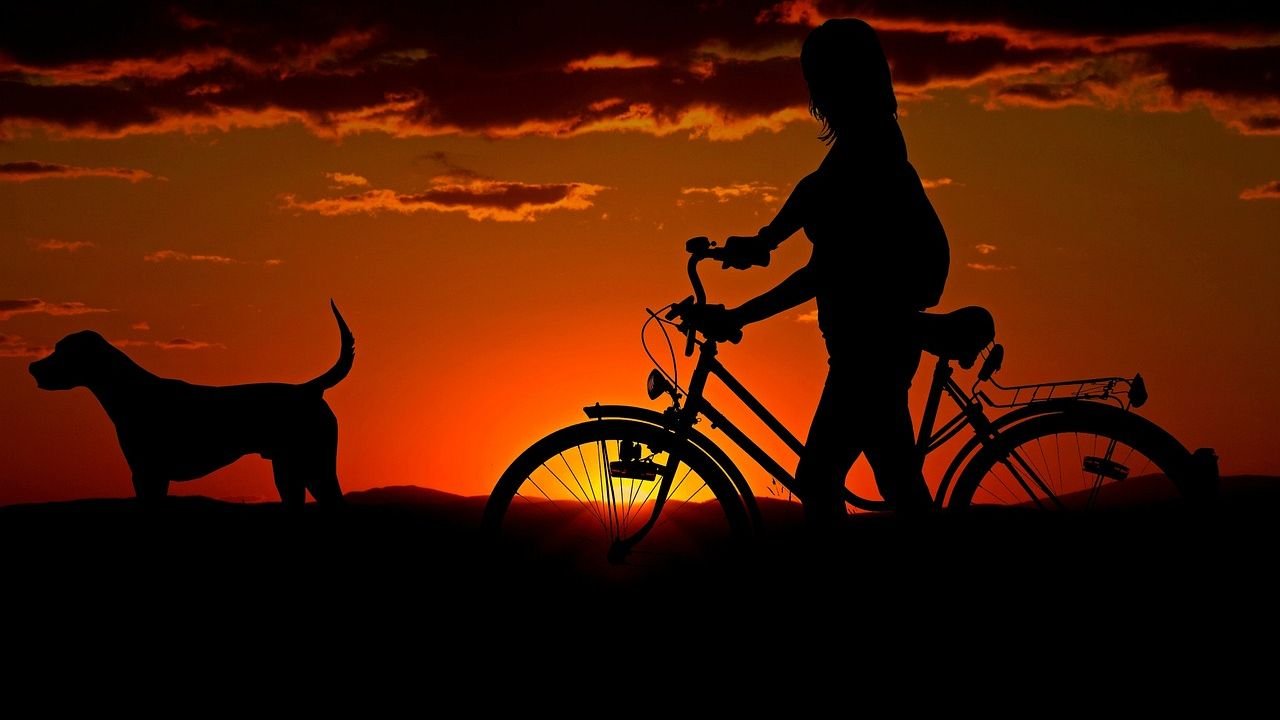
You’ve probably done it a hundred times. Leashed up your pup just before bed, stepped out into the cool darkness, and watched them sniff around the same lamppost for what feels like an eternity. Maybe you’ve checked your phone, glanced at your watch, or quietly muttered about needing to get some sleep.
Here’s the thing though. While you’re mentally running through tomorrow’s to-do list or wondering why the neighbor’s porch light is still on, something far more profound is happening in your dog’s mind. That final evening stroll isn’t just a bathroom break. It’s not just exercise. It’s a ritual loaded with emotional weight, sensory wonder, and a kind of thinking that might surprise you. Once you understand what’s really going on in their head during those quiet nighttime moments, you’ll never look at your evening walk the same way again.
A Symphony of Smells You Can’t Even Begin to Imagine
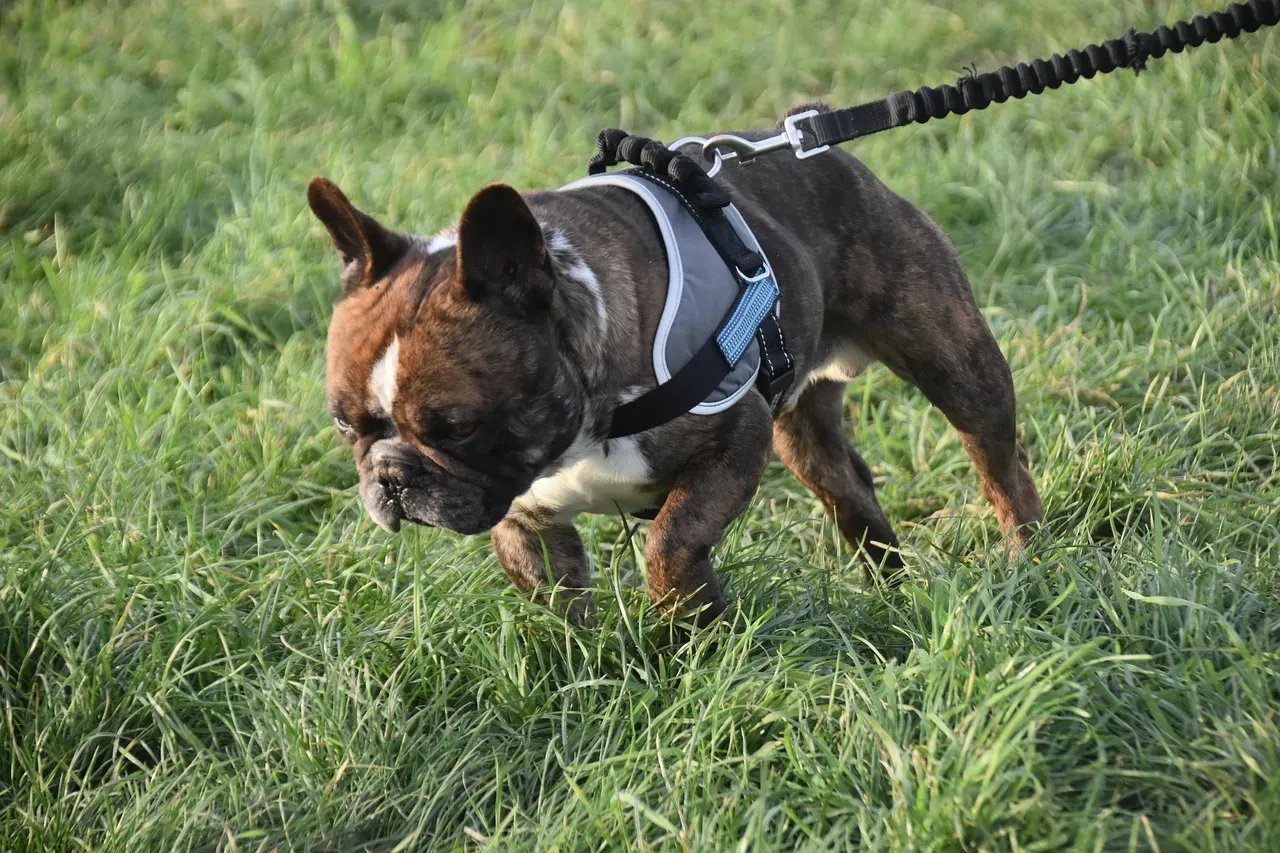
Your dog doesn’t see the world the way you do. In dogs, scent is their primary sense, and they depend more on smell than humans depend on eyesight. When your pup pauses at that fire hydrant or freezes mid-step on the sidewalk, they’re reading an invisible newspaper written in odor.
Dogs can detect odors at concentrations as low as parts per trillion, while humans struggle until scents reach parts per million. Where you might smell a pot roast cooking, a dog would individually identify every ingredient – the roast separately from the potatoes, carrots, and onions, even the garlic separately from the pepper.
At night, this ability becomes even more heightened. Dogs have exceptional ability to see in low-light conditions due to a higher concentration of rod cells in their retinas, allowing them to gather more available light and perceive their surroundings even in dimly lit environments. That darkness you find disorienting? Your dog navigates it with confidence, layering scent information over visual cues.
It’s very important for dog owners to let their pup sniff when out on a walk, especially at spots that carry lots of scent signals, like a tree or post where other dogs have peed. Those minutes you think they’re wasting? They’re actually gathering critical intel about who walked by earlier, what mood they were in, and whether any threats or friends are nearby.
They’re Instinctively Scanning for Safety Before Sleep
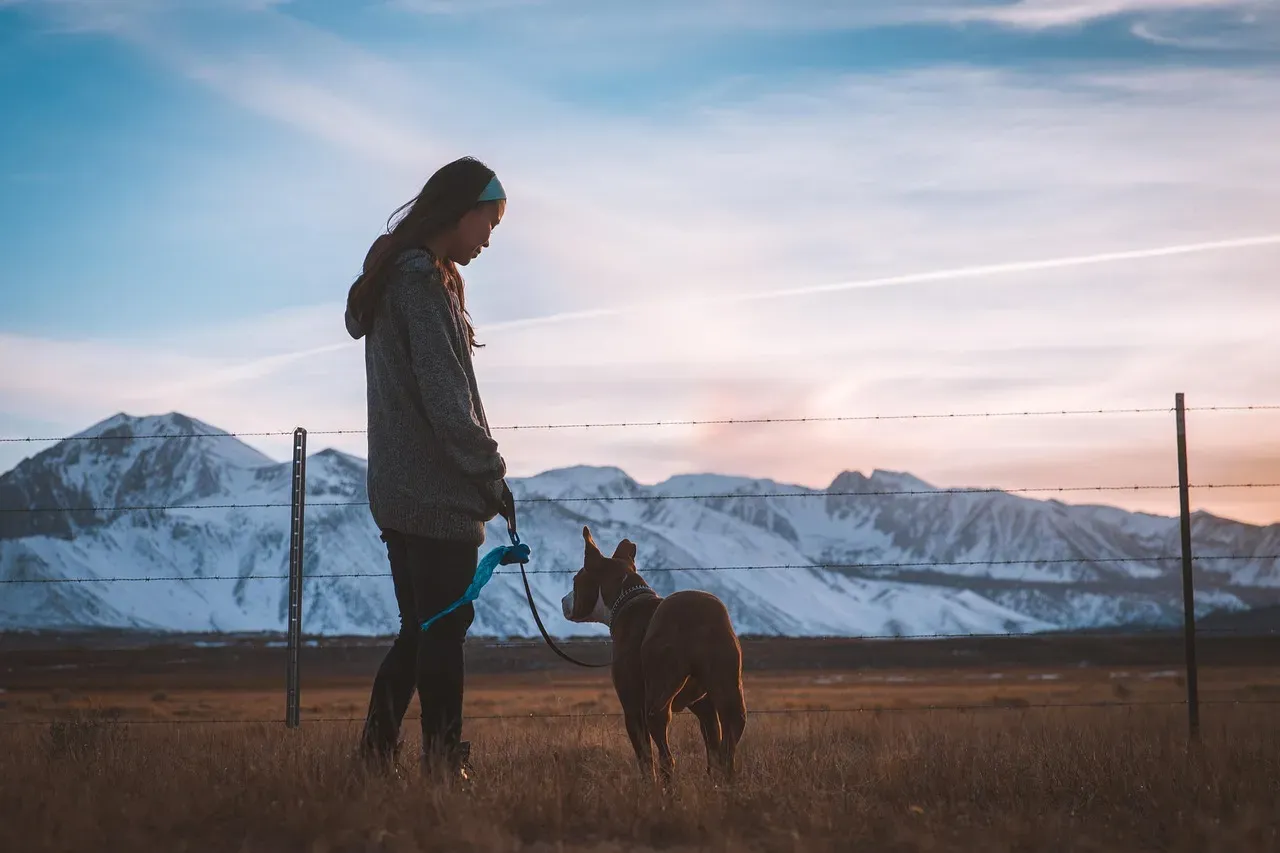
Dogs are descendants of wolves, and their ancestors were crepuscular hunters, meaning they were most active during the twilight hours of dawn and dusk to capitalize on their keen senses of smell and hearing. That final walk isn’t random timing. It taps into something primal.
Dogs patrol to ensure all is well so they can safely sleep. Think of it like a security check. Your dog is mentally sweeping the perimeter, processing sounds and scents to confirm there are no dangers lurking before they settle down for the night. It’s why some dogs seem restless or pace after you return from a late walk – their nervous system is still winding down from alert mode.
Dogs love night walks for the smells, fewer people, and lots of sniffs, but after a late workout, their nervous system is still humming, which can cause them to pad around, stare at shadows, or nudge a hand around 11:30 p.m. This isn’t stubbornness. It’s biology.
Honestly, when you start viewing that nighttime routine as your dog’s way of protecting both of you, it shifts the whole dynamic. They’re not just going through the motions. They’re taking their role seriously, even if you never asked them to.
Reading Your Emotional State Like an Open Book
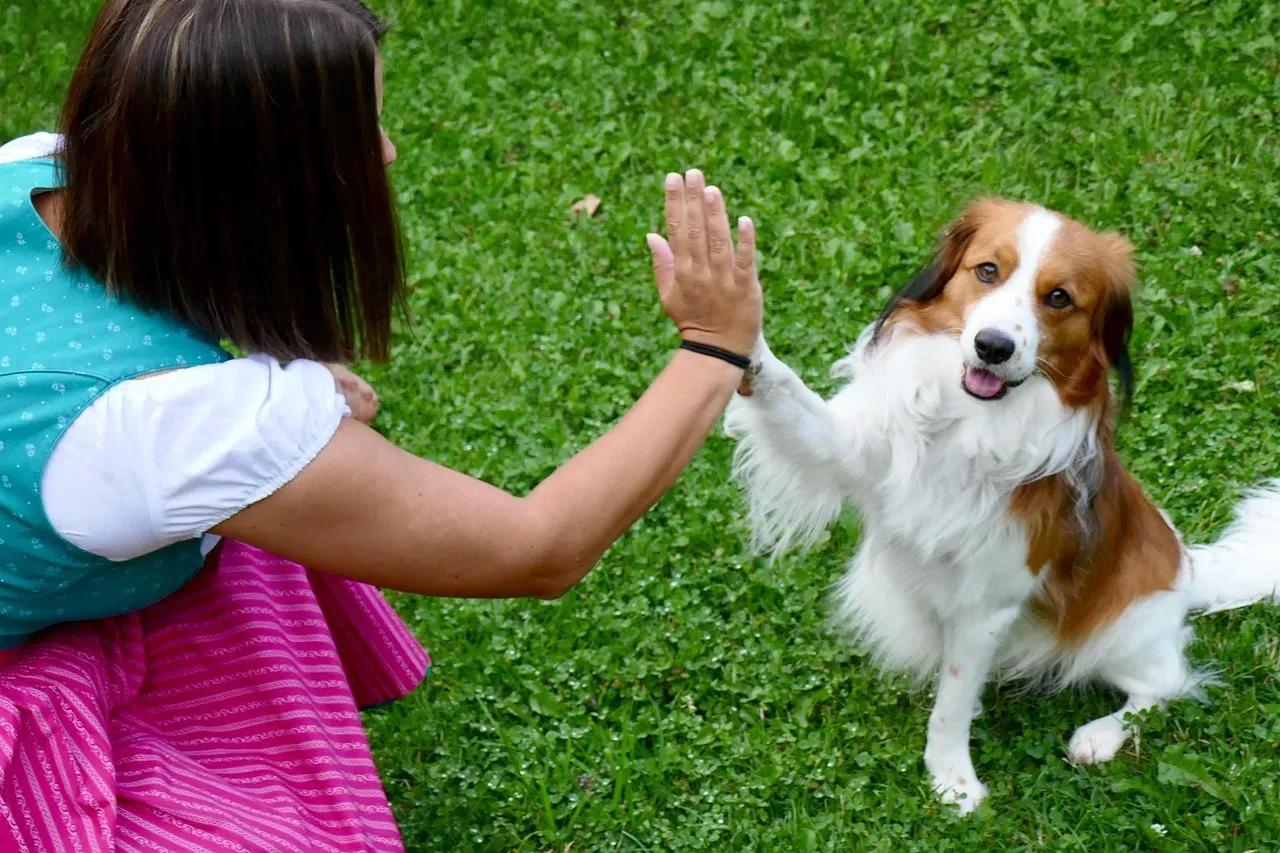
You think you’re just standing there holding a leash. They think they’re reading your autobiography. Dogs attend to social cues, respond appropriately to the valence of human facial expressions and vocalizations of emotion, and behave differently according to the emotional situation.
Our emotions change our speech patterns, movements, posture, and smell, and since a dog’s senses are so heightened, they detect these signals and understand what happens next. If you’re stressed about a work deadline or anxious about a conversation you had earlier, your dog picks up on it during that walk. A human’s stress and anxiety are contagious to their dog, and dogs living with people who are chronically stressed are negatively affected in the long-term.
This works both ways. The simple act of petting a dog releases oxytocin, a hormone associated with relaxation and bonding, fostering emotional resilience in humans. That quiet moment when you pause under a streetlight and give your dog a scratch behind the ears? You’re both getting a biochemical boost of calm and connection.
I know it sounds crazy, but your dog might be using that final walk to check in on you emotionally as much as physically. They’re gauging whether you need comfort, whether you’re safe, and whether the bond between you is still solid before the lights go out.
It’s Their Last Chance to Connect With You That Day
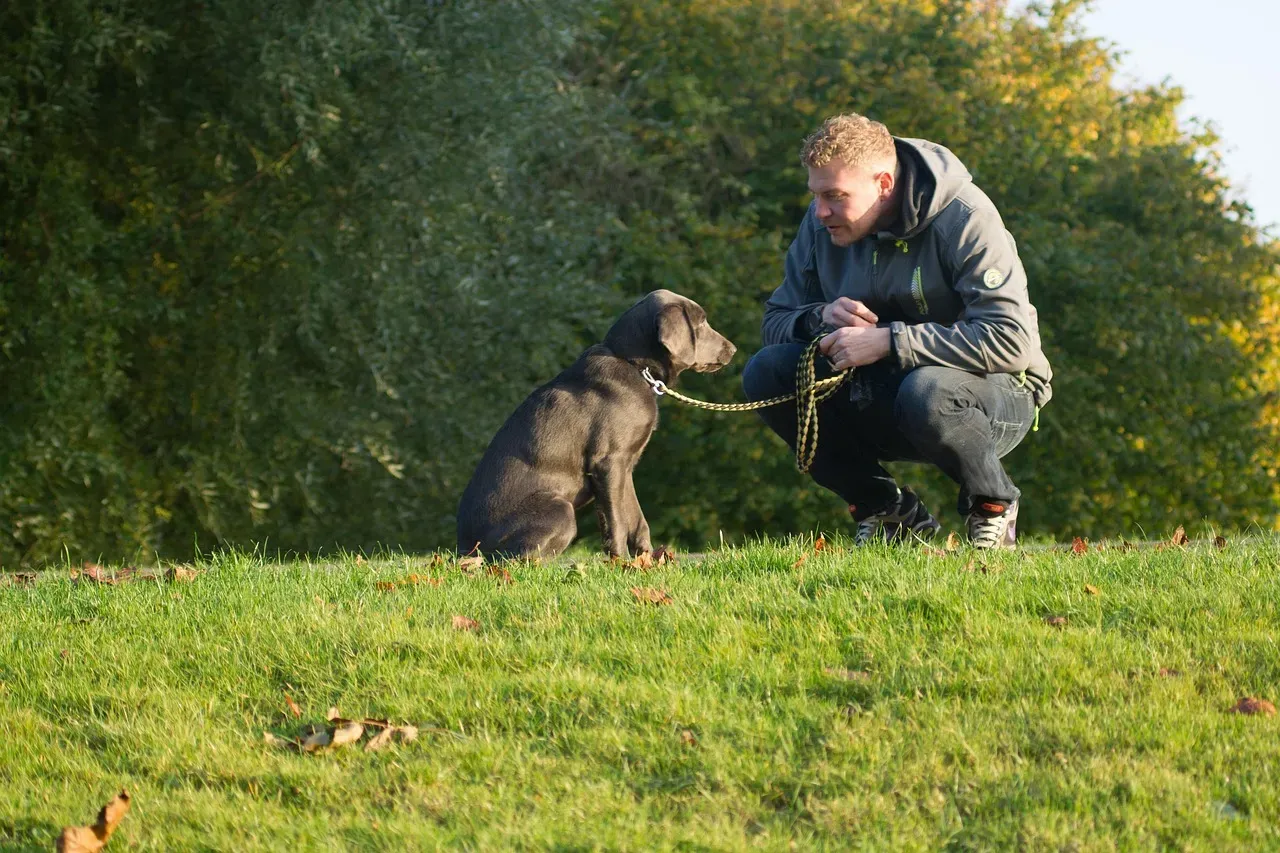
Let’s be real. Most of us are rushing through our days. Work, errands, chores, screens. Dogs have evolved with us for thousands of years and have adapted the abilities to successfully cohabit with humans – they’re able to make inferences, understand human gestures, read intentions, be sensitive to human emotional states, and develop a unique way of bonding with us.
That nighttime walk? It’s not just functional for them. It’s relational. Communicating with dogs beyond training exercises – whether through affectionate exchanges, playful interactions, or casual conversations – serves to reinforce the emotional bond that is vital for a harmonious relationship and significantly contributes to the well-being of both the dog and the human.
You might be mentally checked out, yawning and thinking about your pillow, but your dog is fully present. They’re soaking in your proximity, your scent, your voice if you speak to them. Canine cognition research has shown dogs actively engage with our speech, processing the emotional content and responding to changes in tone, pitch, and emotional undercurrents, with dog-directed speech characterized by a high-pitched, enthusiastic tone captivating a dog’s attention.
So when you talk to them – even just a soft “good boy” or “there you go” – they’re not just hearing words. They’re hearing affection, approval, security. It matters more than you think.
They Know This Routine Means Rest Is Coming
Dogs are creatures of habit, and a consistent daily routine is essential for reducing anxiety and restlessness at night – feeding, walking, and playing at the same time each day with a short play session right before bed helps them understand when it’s time to wind down and sleep. That last walk signals closure.
Watching your dog’s sleep window – when they naturally get drowsy in the evening – and aiming to finish the main walk at least two to three hours before that is ideal. When the timing is right, your dog transitions smoothly from alert to relaxed. Their body knows what’s next.
Dogs sleep an average of twelve to fourteen hours a day, with their sleeping and waking cycles often centered around their crepuscular nature, napping during midday and late night and reserving their most active hours for dawn and dusk. That evening walk helps them burn off just enough energy to settle peacefully without overstimulation.
It’s hard to say for sure, but I think this is one of the reasons dogs seem so content after that final outing. There’s a visible shift in their demeanor. They’ve checked all their boxes – physical, mental, emotional, social. Now they can rest, knowing their human is safe, their territory is secure, and tomorrow they’ll do it all over again.
Conclusion: The Walk That Changes Everything
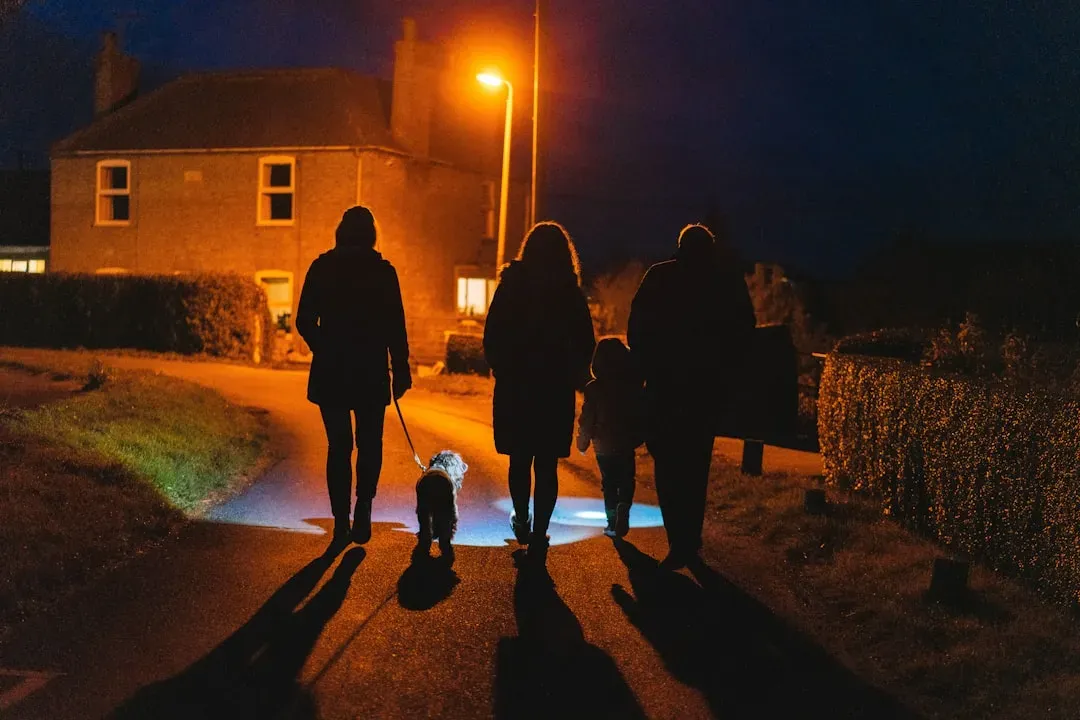
Once you realize your dog isn’t just killing time on that last walk of the night, everything shifts. They’re processing a sensory world you can’t access, scanning for safety, reading your emotions, deepening their bond with you, and preparing for rest. It’s layered, intentional, and deeply meaningful to them.
So next time you’re out there under the stars with your furry companion, slow down. Let them sniff that extra minute. Talk to them gently. Recognize that this simple ritual is one of the most important parts of their day – and maybe yours too. What do you think? Does this change how you’ll approach tonight’s walk?


