
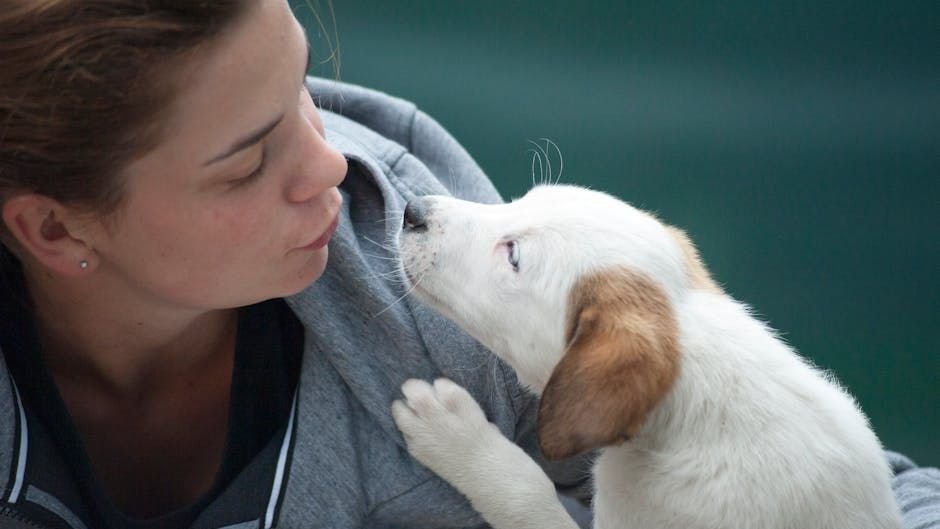
You brought home a wiggly, wide-eyed dog, and you thought the big task was teaching them the rules. Sit. Stay. Don’t eat the couch. But here’s something that might genuinely stop you in your tracks: while you were busy training your dog, your dog was just as busy studying you. Every single day.
The first year together is nothing short of extraordinary. It’s a mutual education – a slow, tender unfolding where two very different species figure each other out. And honestly, I think your dog is the better student. Let’s dive in.
Your Dog Is Reading Your Emotions – All of Them
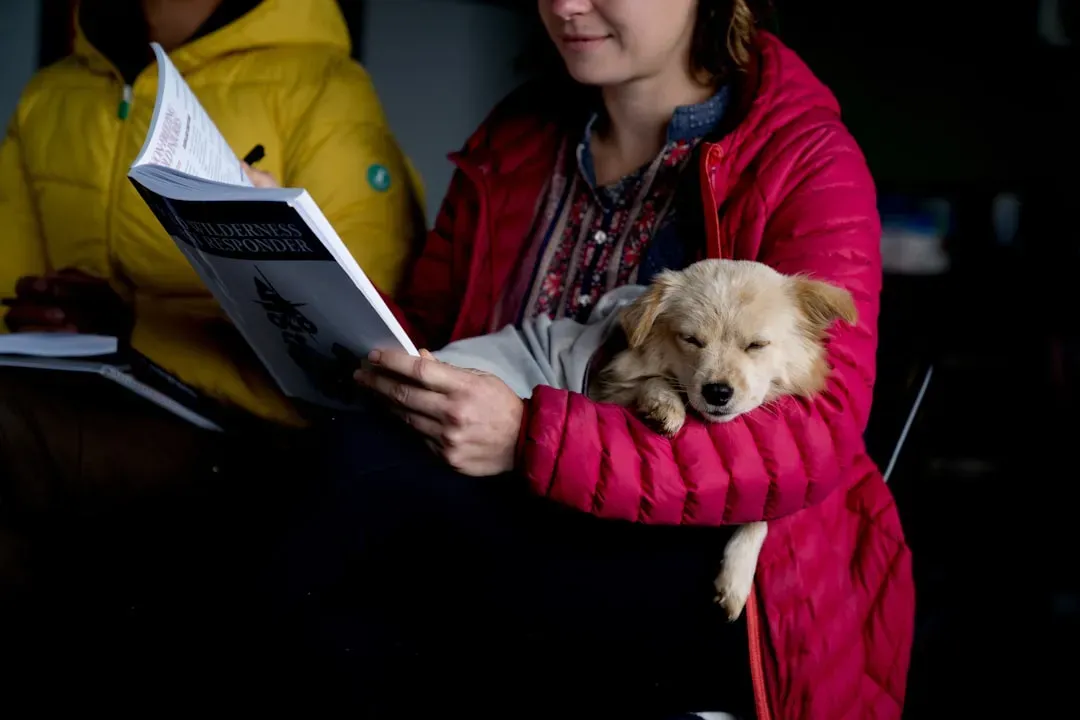
Most of us know dogs are intuitive. We feel it when they snuggle up during a sad evening or pace anxiously when we’re stressed. But the science behind this is genuinely jaw-dropping. Dogs can respond functionally to emotional expressions and can use the emotional information they obtain from others during problem-solving, meaning that acquiring information from faces and body postures actually allows them to make decisions.
Think about that. Your dog isn’t just sensing your mood. They’re using it as data. Beyond eye contact, dogs are surprisingly skilled at reading human body language and facial expressions, with experiments demonstrating that pet dogs can distinguish a smiling face from an angry face, even in photographs. That research blew me away the first time I read it.
Remarkably, they can even sniff out emotions. In a 2018 study, dogs exposed to sweat from scared people exhibited more stress than dogs that smelled “happy” sweat – meaning your anxiety literally smells unpleasant to your dog, whereas your relaxed happiness can put them at ease.
So what can you do with this? Be intentional about the emotional energy you bring home. Your dog is absorbing all of it. Dogs rely on multiple senses to discern how you’re feeling, and a cheerful, high-pitched tone with a relaxed posture sends a very different message than a stern shout with rigid body language. Your dog is learning your emotional vocabulary, word by word, day by day.
They’re Memorizing Your Daily Routine Like a Detective

Ever noticed how your dog is already at the door before you even reach for your keys? Or how they’re suddenly alert exactly five minutes before your alarm goes off? This isn’t magic. It’s memory, pattern recognition, and weeks of careful observation. Dogs are creatures of habit, and while they’re adaptable, they rely on us to help them feel secure when things change.
Uncertainty and inconsistency elevate cortisol, the stress hormone. A 2021 study published in Animals found that shelter dogs on consistent schedules had significantly lower cortisol levels than those without a routine. That’s not a small thing. Predictability is quite literally calming your dog’s nervous system.
In terms of mental and emotional health, a repeatable schedule lends a sense of security from knowing what to expect. If you leave the home, your dog knows you’ll return. If the food bowl is empty, the dog knows more food will be in the bowl at a certain time of day. Your routine becomes their emotional anchor.
The practical tip here is simple: keep core anchors stable. Morning walk, feeding times, evening wind-down. You don’t need a military schedule. You don’t need to build a rigid schedule to help your dog thrive – a basic framework goes a long way. Think of it less like a strict timetable and more like a series of dependable patterns.
Your Dog Is Learning Whether You Can Be Trusted
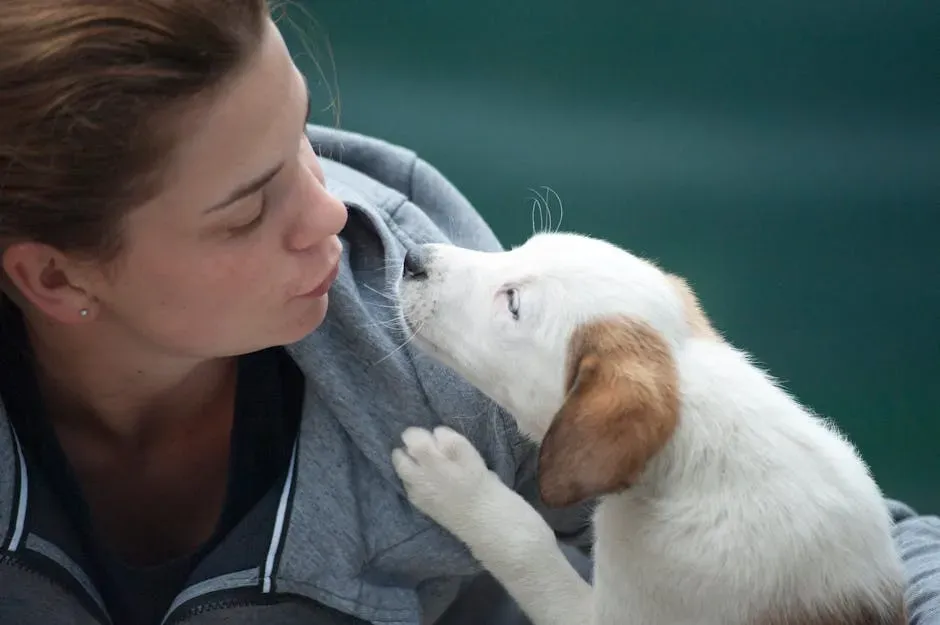
Here’s the thing – trust between you and your dog isn’t automatic. It’s built. Slowly, interaction by interaction, especially in that vulnerable first year. The theory of the human-dog bond – called attachment theory in psychological terms – is based on human studies showing that individuals have a strong need to be near their caregiver, also called the attachment figure, and this same theory explains how dogs become attached to their owner.
How you respond to your dog’s closeness signals, and how your dog responds to yours, will determine how your bond develops over time, and this process already starts in puppyhood. Every time you comfort your dog during a thunderstorm, every time you’re calm and consistent with training, every time you actually show up – your dog is filing that away.
The relationship between owner and dog affects the dog’s attachment behaviors and stress coping, and in turn, the quality of the relationship may affect the owner’s interpretations about their dog’s behavior. It’s genuinely a two-way street. A close emotional bond with the owner appeared to decrease the arousal of dogs in research settings – meaning a trusted owner is a calming presence, not just emotionally, but physiologically.
Watch for signs your dog trusts you: they choose to stay near you when they’re scared, they make eye contact easily, and they settle quickly after something startles them. These are not small victories. These are your dog telling you – “I’ve got you figured out, and you’re safe.”
They’re Decoding Your Personality and Parenting Style
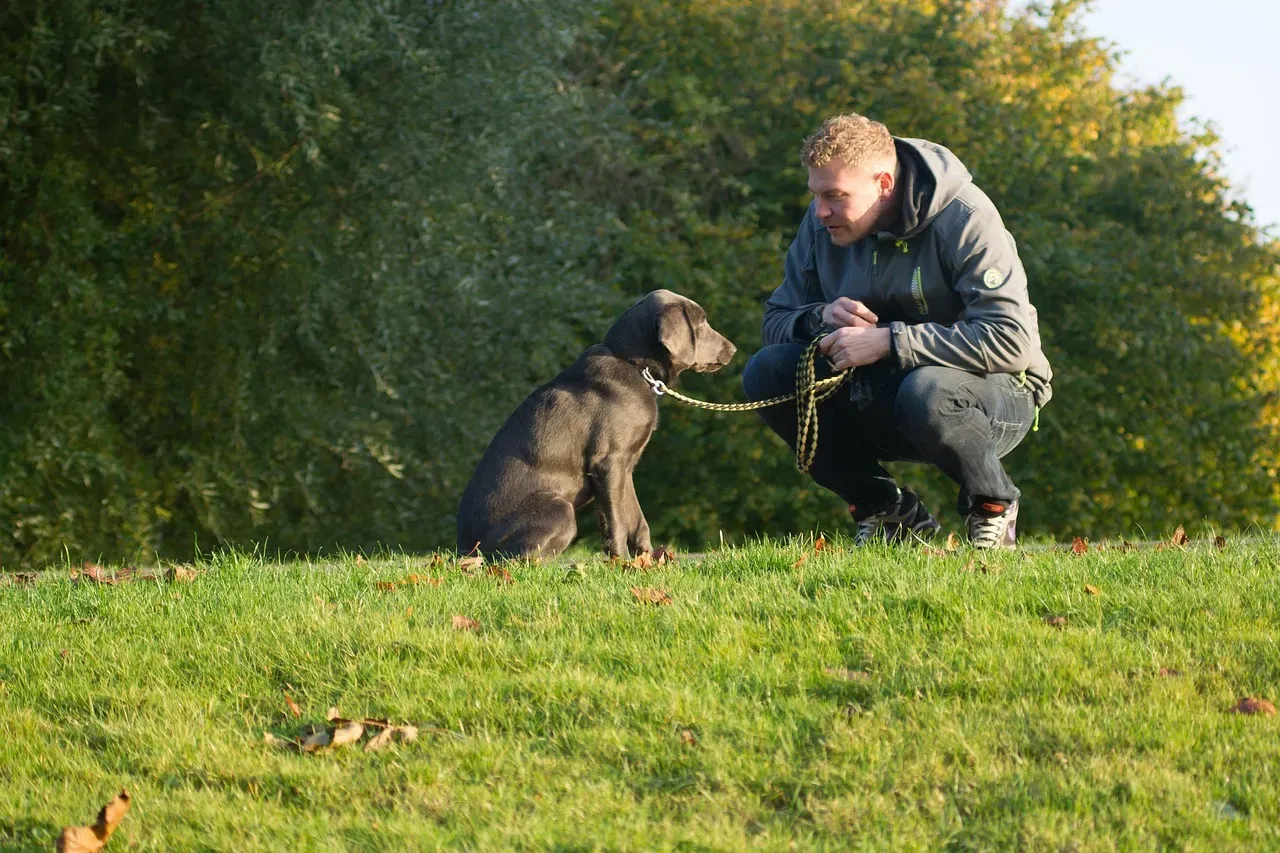
Let’s be real – your dog is not just learning your habits. They’re learning your character. Research confirms that “pet parenting style does predict patterns of dog behavior and cognition,” and this is an important finding because it suggests that dog owners who take the time to understand and meet their dog’s needs are more likely to end up with secure, resilient dogs.
Think of it like this: if you’re warm, responsive, and set reasonable boundaries – similar to what researchers call an “authoritative” style – your dog tends to thrive. Dogs with authoritarian owners, those with high expectations and low responsiveness, tended to show less positive social behavior and problem-solving skills, and research suggests that the style in which owners interact with their dog can have a direct effect on the dog’s welfare.
Dogs of confident owners displayed more proximity-seeking behaviors and were more likely to interact with the owner when a stranger was present compared with dogs of owners lacking in confidence. Honest and a little humbling, isn’t it? Your dog is learning your confidence level too.
By rewarding desired behaviors with treats, praise, or play, positive reinforcement builds reliable skills while preserving trust and enthusiasm in the learner. The way you respond when your dog makes a mistake matters enormously during that first year. Patience, clear signals, and consistency aren’t just training tools. They’re how your dog learns who you are as a person.
Your Dog Learns What Makes You Happy – and Works to Please You
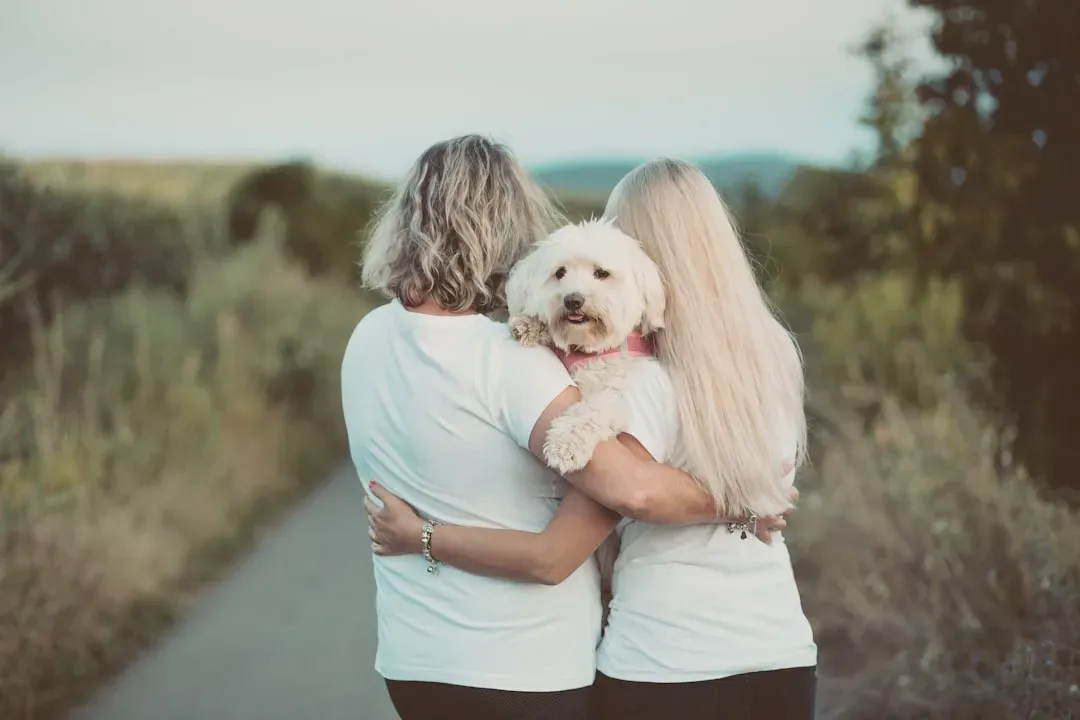
This one might be the most touching of all. Over the first year, your dog doesn’t just adapt to you. They begin actively working to connect with you. Dogs recognise and infer emotional information from humans and use this information to regulate their own behaviour. In plain English? They’re adjusting their actions based on what they learn about your reactions.
Dogs are quick learners, especially regarding behaviors and training that result in positive outcomes, and according to research, dogs can understand and respond to human social cues related to mealtime behavior – and so much more. They notice when you laugh during play and come back for more. They notice when their calm presence beside you earns them a gentle stroke. Every positive signal you send teaches them what makes you happy.
Dogs with stronger attachment bonds to their owners were more likely to prefer people who helped their owners – showing that a well-bonded dog actively cares about your world, not just their own comfort. It’s a kind of loyalty that goes beyond instinct.
Dogs have evolved to be incredibly attuned to our emotions, and the average dog can learn up to 165 human words. Words. Not just commands – but words associated with moods, situations, and meaning. The emotional vocabulary your dog learns about you in year one becomes the foundation for everything that follows in your life together.
Conclusion: The First Year Is Just the Beginning
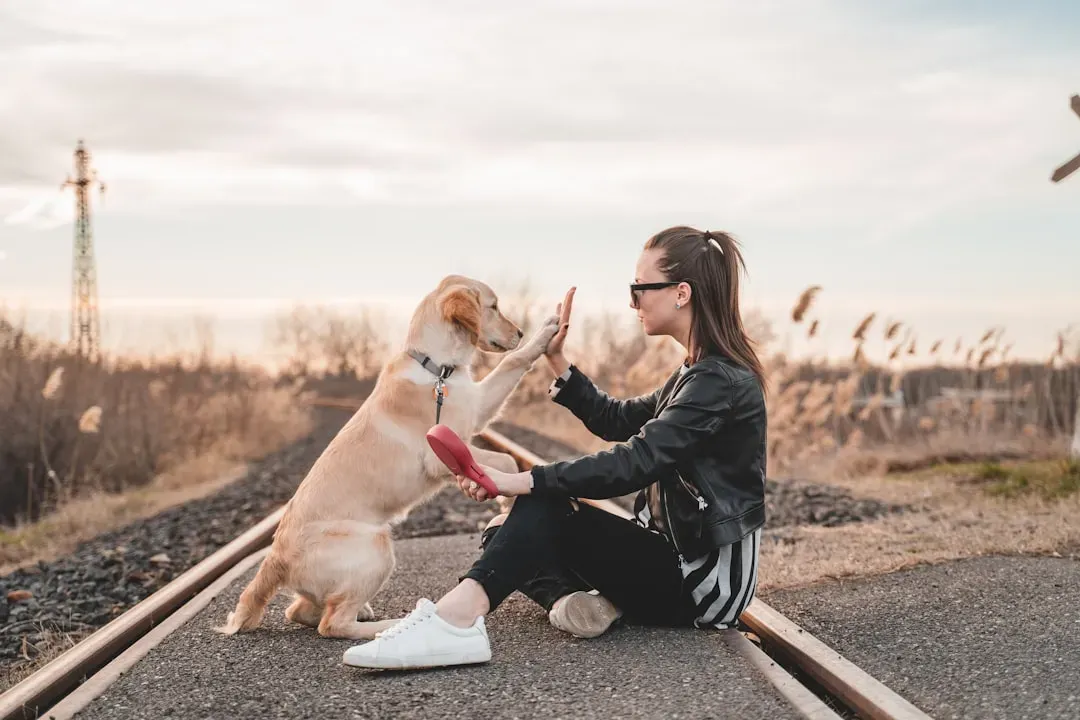
The first year with your dog is one of the most quietly profound experiences a person can have. You’re not just gaining a pet. You’re becoming two halves of a deeply woven relationship – one that science continues to unravel in genuinely astonishing ways. Your dog is studying your emotions, memorizing your rhythms, testing your trustworthiness, decoding your personality, and learning your definition of joy.
The best thing you can do during this time? Show up consistently. Be kind when you’re tired. Be patient when training feels slow. Celebrate the small breakthroughs. Your dog is taking notes on every single one of those moments, building an internal portrait of you that will guide how they love and live alongside you for the rest of their life.
It’s hard to say for sure what your dog’s inner world fully looks like. But the evidence says it looks a lot like you. What kind of person do you want your dog to see? That’s a question worth sitting with.


