
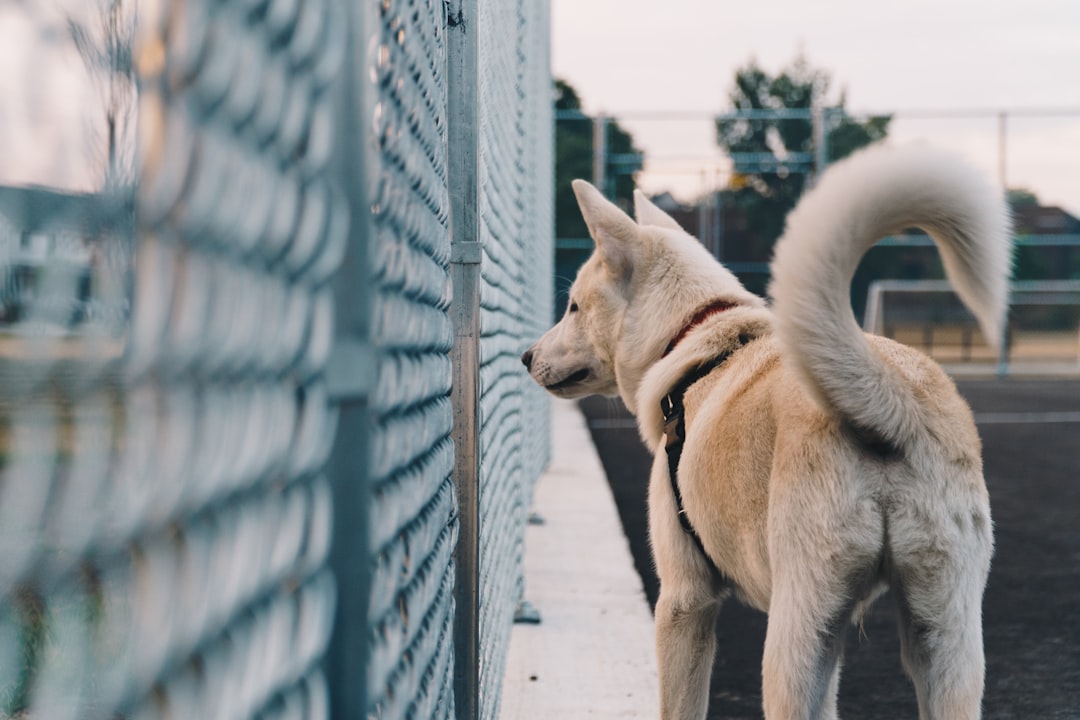
Your dog’s tail is like their own little mood ring—it says a lot without a single bark. A high, wagging tail can mean excitement or confidence, while a tucked tail often signals fear or submission. If it’s straight out, your dog might be curious or alert. Even the speed of the wag tells a story—fast wags mean happy vibes, while slow ones can show caution. Each position is a window into their emotions and intentions. Paying attention to your dog’s tail can help you better understand what they’re feeling in any moment. It’s just one more way they’re trying to connect with you!
High and Proud: The Confident Tail

When your dog’s tail stands tall and high, it’s like they’re shouting, “Look at me!” This tail position is often a clear sign of confidence and alertness. You might see it when your dog is strutting around the park, meeting new canine friends, or showing off their favorite toy. That upright tail tells the world they’re feeling strong and secure in their environment.
It’s important to pay attention to the context, though. If the tail is rigid and paired with stiff body language, your dog could be feeling assertive or even a little dominant. Think of it as the dog version of standing with your chin up and shoulders back. They’re ready for action, and they want everyone to know it. It’s their way of saying, “I’m here, and I’m in charge.”
Wagging Wildly: The Happy Tail

Nothing warms the heart like seeing your dog’s tail wagging at full speed. This is often the universal sign of happiness and excitement. Whether you’re coming home after a long day or pulling out the treat jar, that enthusiastic tail wag means your dog is thrilled to see you. It’s like their own little celebration dance.
But not all wags are created equal. A loose, wide wag generally signals joy and friendliness, while a fast, stiff wag can sometimes be a sign of agitation or heightened arousal. If your dog’s whole backside is wiggling along with the tail, you can be sure they’re feeling nothing but pure happiness. It’s contagious energy that spreads smiles all around.
Low and Slow: The Relaxed Tail
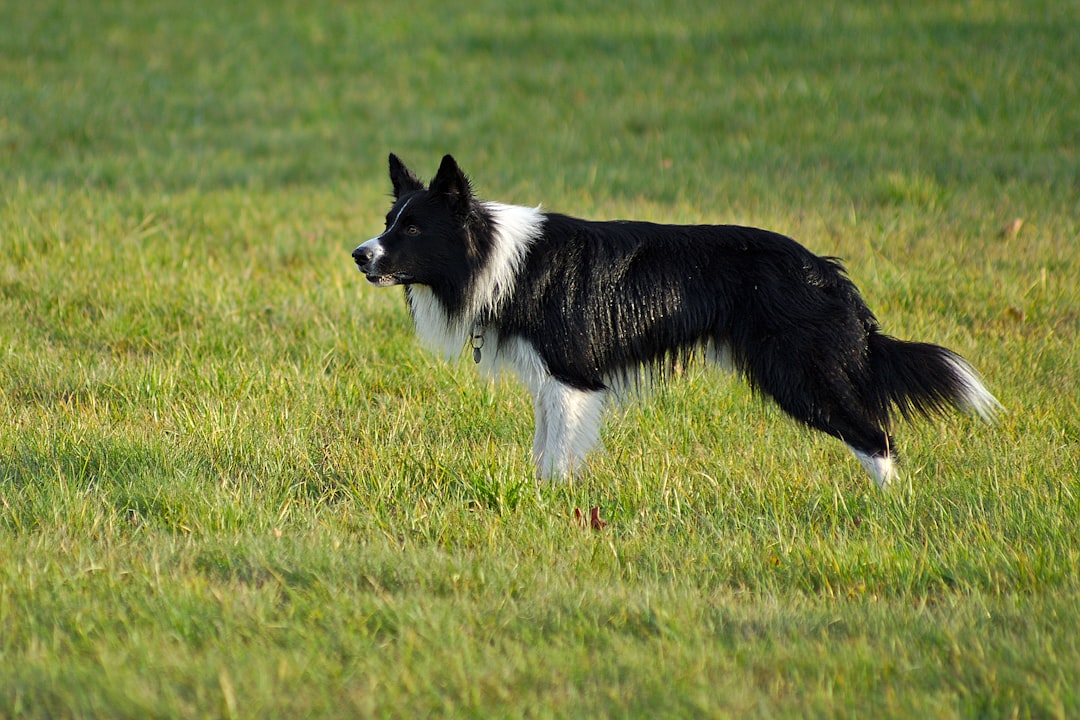
A tail that hangs low and moves slowly usually means your dog is feeling calm and content. Picture your dog snoozing at your feet or lazily stretching in a sunbeam—tail relaxed and peaceful. This position is a sign that your pup feels safe and secure in their surroundings.
If the tail is gently swaying from side to side, your dog is probably just soaking in the moment. It’s their way of letting you know, “All is good in my world.” It’s a comforting sight for any dog owner, reminding us that sometimes the quiet moments are the most meaningful.
Tucked Tight: The Fearful Tail
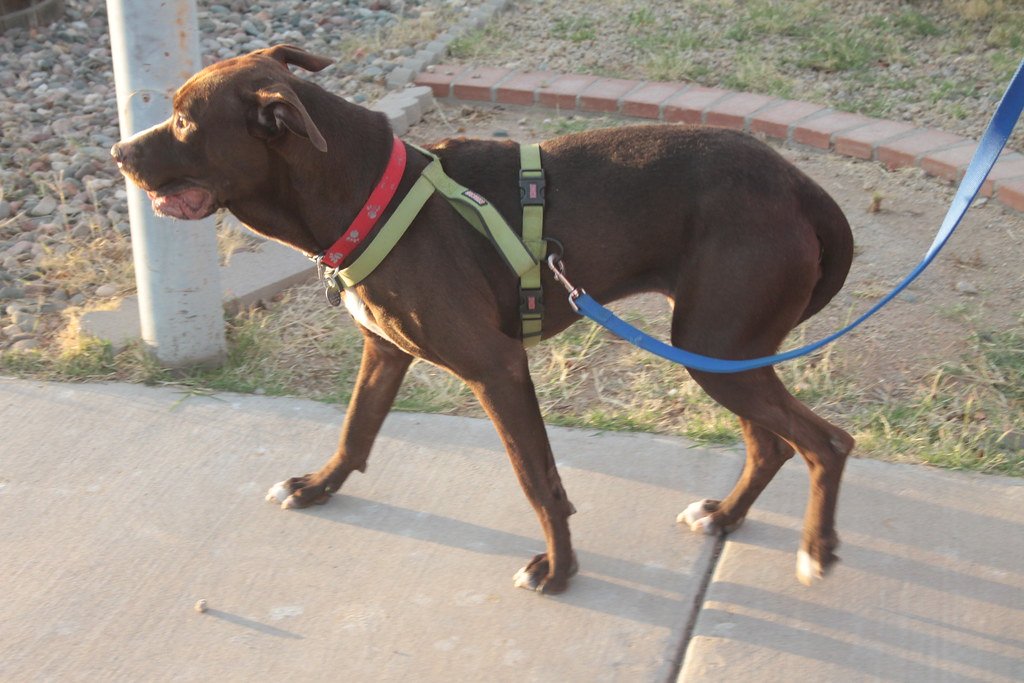
When a dog’s tail is tucked tightly under their belly, it’s almost like they’re trying to disappear. This classic position is a red flag for fear, anxiety, or submission. You might notice it during thunderstorms, fireworks, or when meeting new people and animals. It’s your dog’s way of saying, “I’m scared, and I need comfort.”
This posture pulls at the heartstrings, especially when paired with trembling or trying to hide. Dogs rely on their tails to signal vulnerability, and recognizing this can help you step in and offer the reassurance they desperately need. It’s a silent plea for love and understanding.
Horizontal and Straight: The Curious Tail
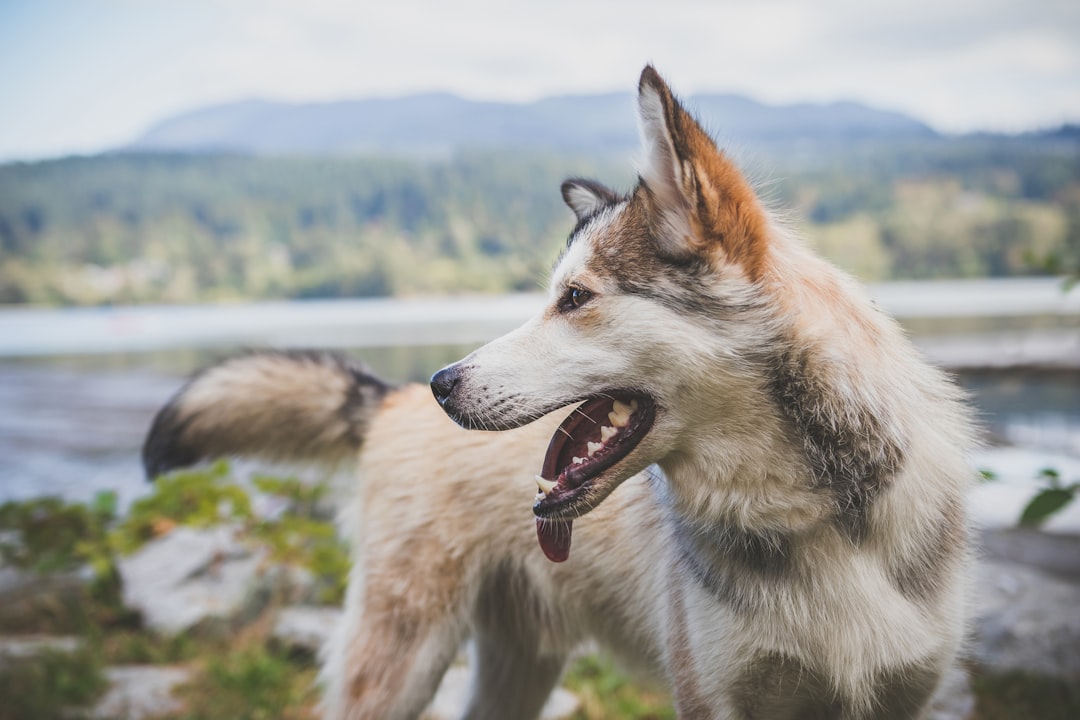
A tail held straight out behind the dog, almost like a pointer, is a sign of intense interest. This is the classic “What’s that?” pose. Your dog might freeze mid-step, tail rigid and level, ears perked, and nose twitching. They’re trying to figure out what’s happening and whether it’s worth investigating further.
This position often precedes a burst of activity, whether it’s dashing off to chase a squirrel or cautiously approaching something new. It’s a moment of suspense, like the pause before the drumroll. Your dog is gathering information, and their body language says, “I’m curious, but I’m not sure yet.”
Stiff and Bristling: The Aggressive Tail
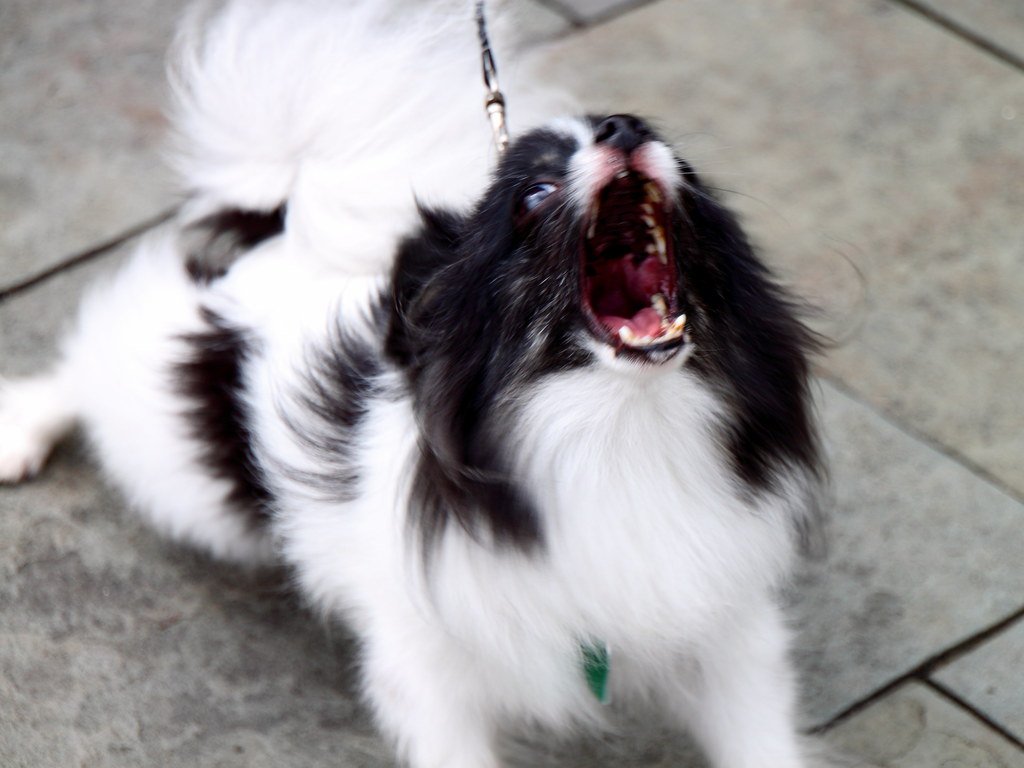
When your dog’s tail becomes stiff, bristling, and raised, it’s a warning sign. This posture, sometimes accompanied by raised hackles (the hair along their back), signals aggression or extreme alertness. It’s their way of saying, “Back off, I’m ready to defend myself.”
You might notice this during tense encounters with other dogs or perceived threats. The tail acts almost like a sword, signaling readiness for confrontation. It’s crucial to intervene calmly and safely in these situations to keep everyone out of harm’s way. Understanding this signal can prevent misunderstandings and even fights.
Slow Wagging: The Uncertain Tail

A slow, tentative wag is one of the more subtle tail movements, often signaling uncertainty or apprehension. Picture a dog meeting a stranger—tail moving, but not with the usual joyful vigor. It’s as if they’re weighing their options, unsure whether to trust or retreat.
This is a tail position that begs for patience and gentle encouragement. Your dog is saying, “I’m not sure about this.” It’s a reminder to move slowly and offer reassurance, so your pup can gain confidence in unfamiliar situations. Sometimes, a little time and kindness are all they need.
Corkscrew or Curled Tail: The Breed-Specific Tail
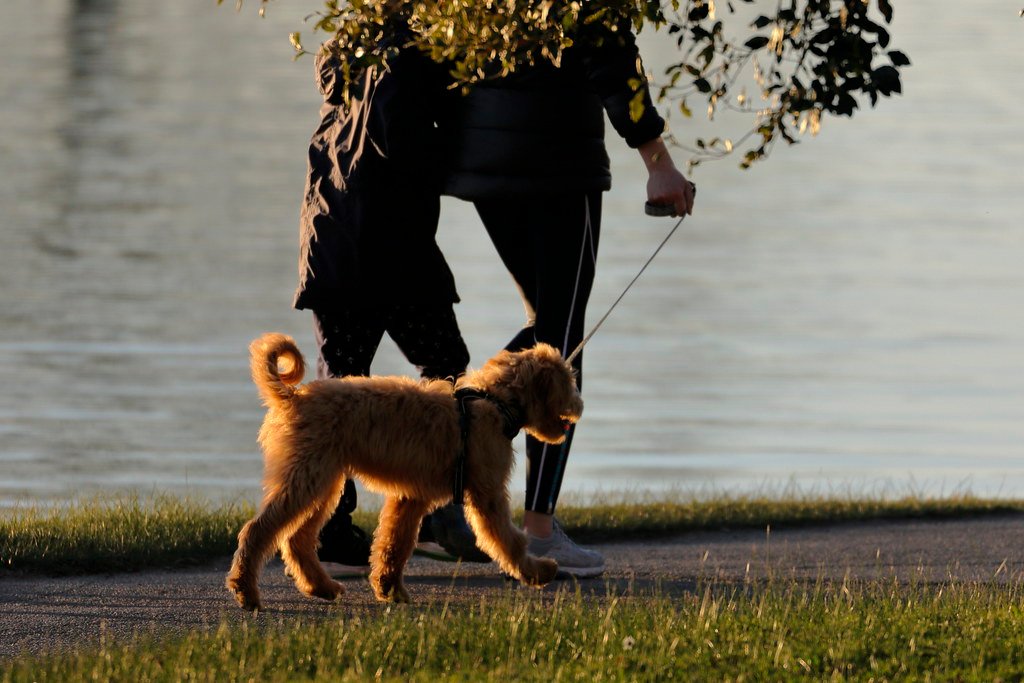
Some dogs sport tails that curl tightly over their backs, like Akitas, Shibas, or Pugs. For these breeds, a curled tail is completely normal and not always a direct clue to their mood. However, you can still read subtle shifts—if the tail droops lower than usual, it might indicate sadness or discomfort.
It’s important to know your dog’s natural tail carriage so you can spot when something’s off. A usually perky curled tail hanging limp could mean your dog isn’t feeling well. Get to know your dog’s unique “resting tail face,” and you’ll be the first to notice any changes.
Flagpole Tail: The Alert Tail

When your dog’s tail shoots straight up, almost like a flagpole, they’re on high alert. This position usually means heightened awareness—a response to sudden noises, unfamiliar visitors, or anything that seems out of place. Their entire body may stiffen, ready to react at a moment’s notice.
In these moments, your dog is acting as a little watchdog, tuned into the world and ready to spring into action if necessary. It’s both protective and instinctual, a reminder that dogs are always looking out for their family. If you see this tail position, pay attention to what’s going on around you.
Wagging to the Right or Left: The Subtle Message
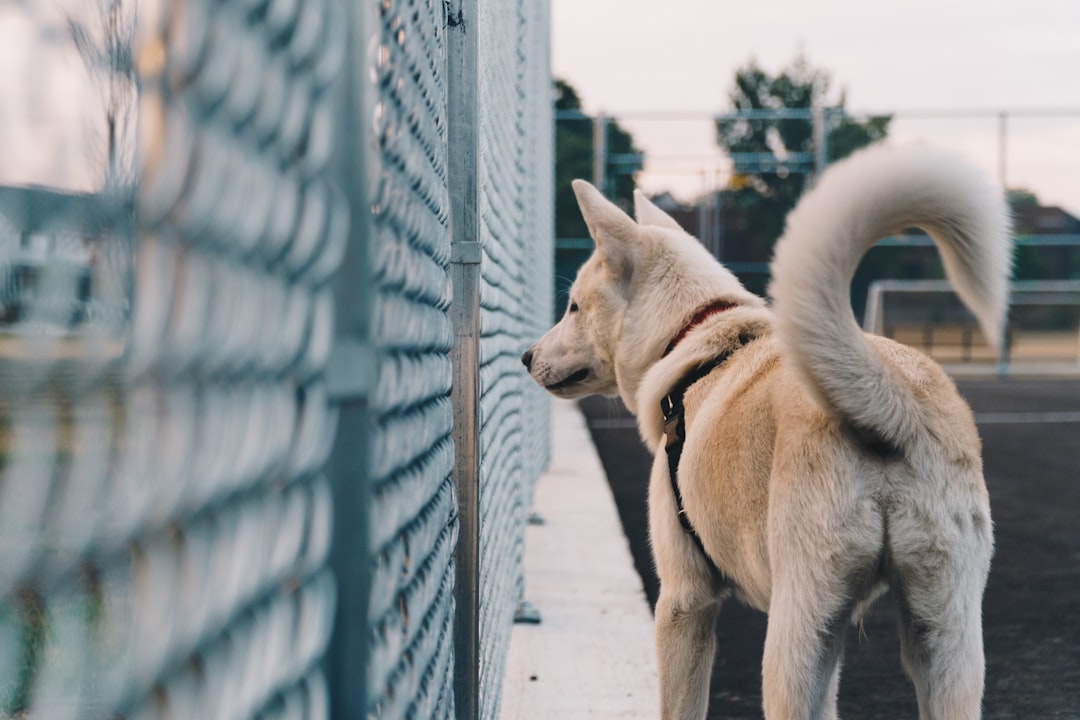
Believe it or not, the direction your dog wags their tail can reveal even deeper emotions. Studies have found that a tail wagging more to the right often signals positive feelings, like happiness or excitement, while a wag to the left might mean uncertainty or stress.
It’s a tiny detail, but for attentive owners, it can make a big difference. Watching the direction of your dog’s wag gives you a window into their emotional world. It’s like decoding a secret message—one that helps you be a more empathetic and tuned-in companion.
Tail Between the Legs with Shaking: The Submissive Tail
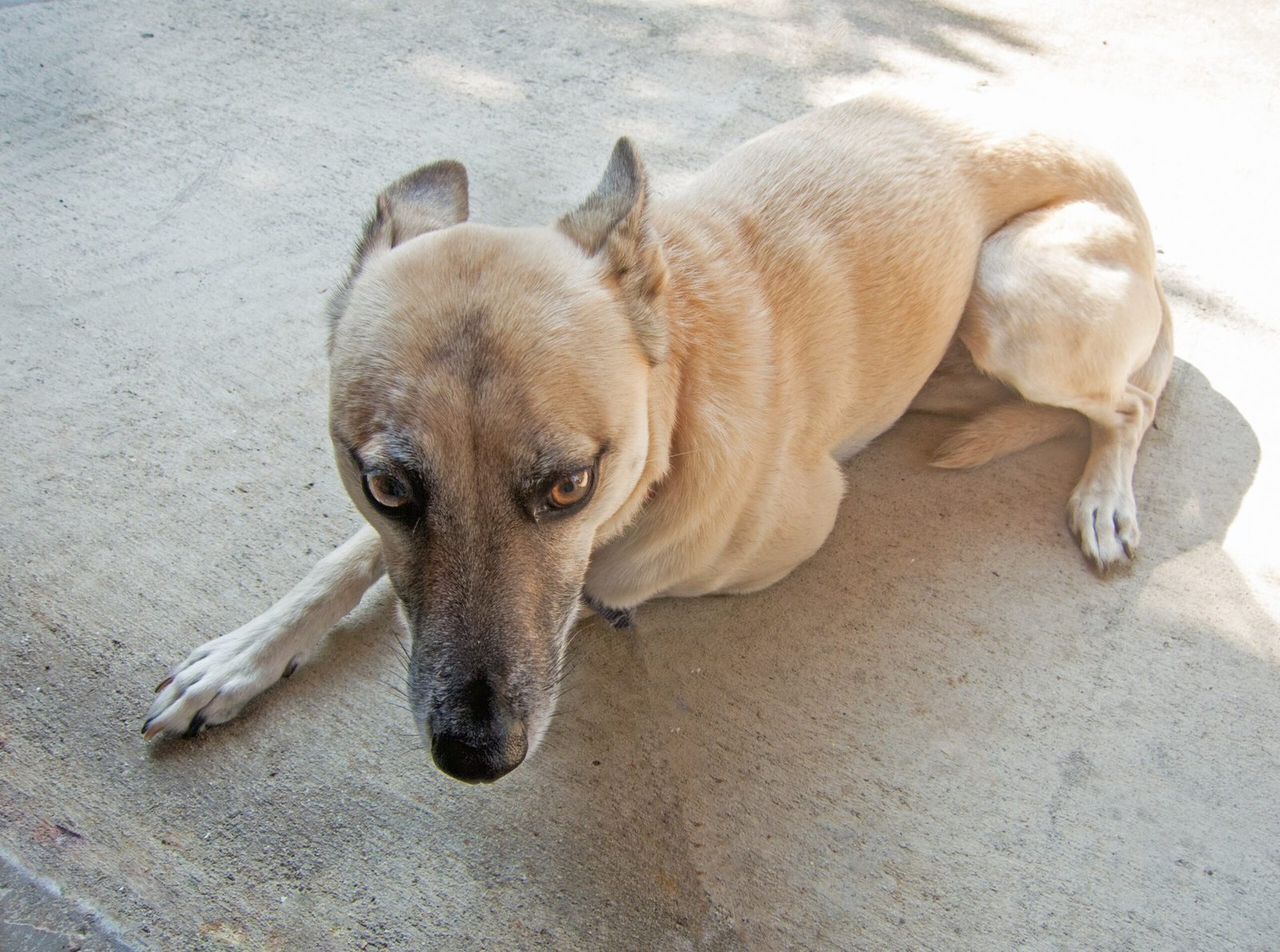
A tail tucked between the legs, especially if your dog is also trembling, is a clear sign of submission or extreme anxiety. This is more than just fear—it’s a way for your dog to show they mean no harm and want to avoid conflict at all costs. Often, they’ll pair this with avoiding eye contact or flattening their ears.
This tail position tugs at the heart, reminding us how deeply dogs feel. It’s a cue to offer gentle words, a safe space, and lots of love. Sometimes, just sitting quietly with your dog can work wonders to rebuild their trust and confidence.
Tail Held Out and Quivering: The Anticipation Tail

When your dog’s tail is held straight out and starts to quiver, get ready for action. This usually means excitement and anticipation, like when you’re about to throw a ball or open the door for a walk. It’s the canine equivalent of bouncing on the balls of your feet.
This tail position is all about energy and readiness. Your dog is telling you, “I can’t wait for what happens next!” It’s a joyful moment, full of expectation and enthusiasm. These are the times when the bond between you and your dog feels strongest—a shared excitement for life’s little adventures.
So next time your dog wags, tucks, or stiffens their tail, don’t brush it off—it’s their way of talking to you! Learning their tail language can help you respond to their needs with more love and understanding. Whether they’re feeling playful, nervous, or just curious, that tail tells the tale. Keep an eye on it, and you’ll deepen your bond more than ever.


