

You’ve probably spent countless moments watching your dog’s tail swish back and forth, thinking you’ve got it all figured out. Happy dog, wagging tail, right? Well, here’s the thing: tail wagging is way more nuanced than most of us realize. That fluffy appendage is actually telling a complex story, and if you’re not paying attention to the details, you might be missing some pretty important messages. Let’s be real, our dogs are constantly communicating with us through their tails, and once you learn to decode these signals, you’ll understand your furry friend on a whole new level.
Think of your dog’s tail as their own personal telegraph system, broadcasting everything from pure joy to serious discomfort. The speed, position, direction, and even the stiffness of that wag all matter. Getting this right isn’t just interesting, it’s actually crucial for keeping both you and your pup safe and happy in all kinds of situations.
The High and Stiff Wag: Proceed with Caution
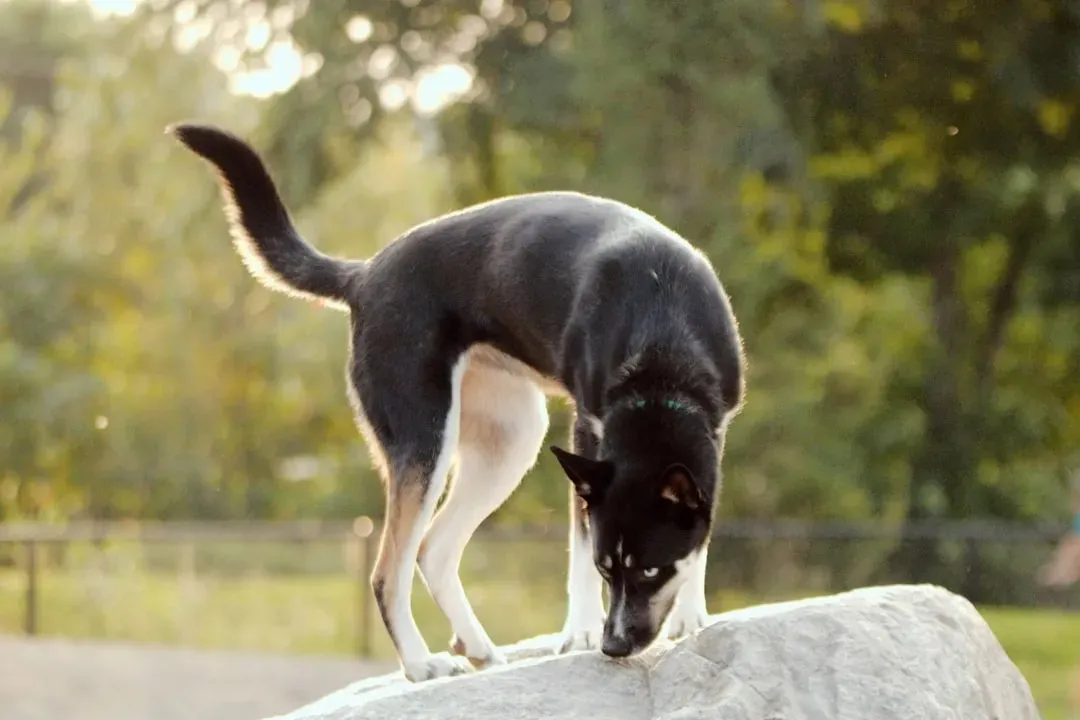
When you spot a tail held high with slow, deliberate wagging, your dog is likely feeling alert or assessing dominance in the situation. This isn’t the friendly greeting you might assume it to be. Picture this: your dog encounters another pup at the park, and suddenly that tail shoots up like a flagpole, moving in tight, controlled sweeps.
What’s really happening here is your dog is sizing things up, possibly feeling uncertain or even trying to establish authority. This tail position indicates increased arousal and can be an assertive posture that may progress to an aggressive display. It’s honestly one of the most misunderstood signals because people see movement and think friendliness.
The key here is recognizing that this isn’t an invitation to approach. When a dog wags very fast while holding the tail vertically, they may be an active threat, meaning you can get bitten by a dog that is wagging its tail. Always look at the bigger picture: are their muscles tense? Are their ears forward or pinned back?
The Broad, Full-Body Wag: Pure Canine Joy
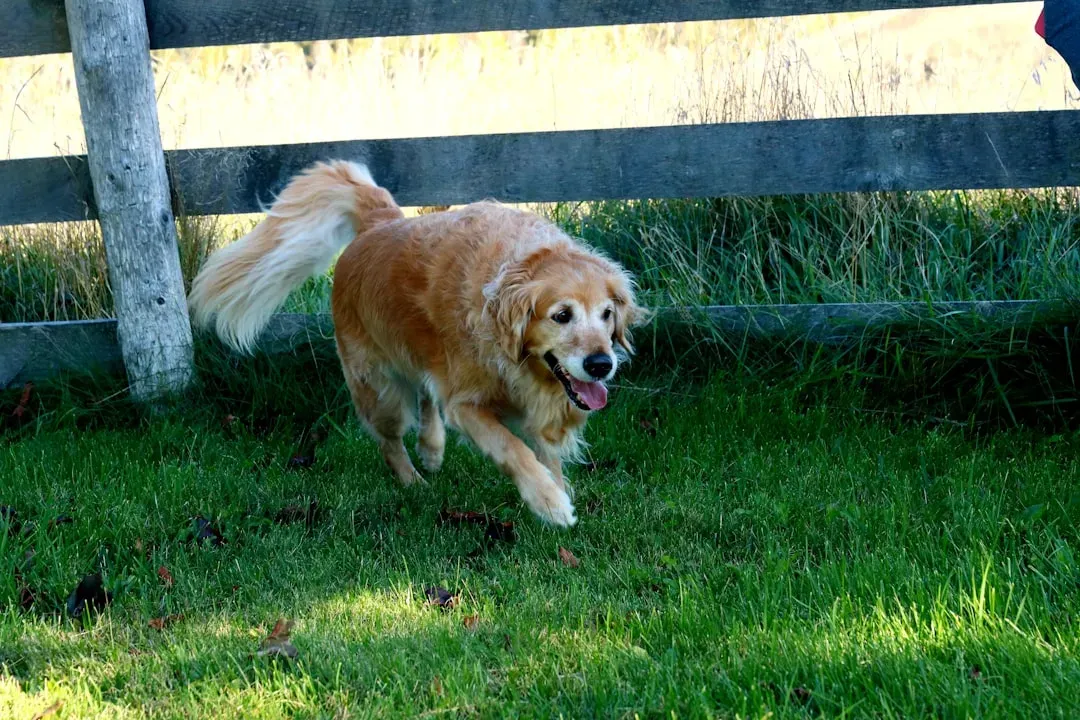
Now this is what most of us picture when we think about a happy dog. The stereotypical happy dog signal involves broad, rapid wagging, with the wider and more enthusiastic the wag indicating more positive emotion. You know the one: when you come home after being gone all day and your dog’s entire backend is wiggling like crazy.
A full, wiggly wag, often in circles, means your dog is genuinely happy to see you. Some dogs even do what experts call a “helicopter tail” or “circle wag,” where the tail goes around like a propeller. I think this is hands down the most heartwarming thing to witness.
This type of wagging usually comes with other relaxed body language: soft eyes, an open mouth, maybe even some happy panting or those adorable play bows. The whole body gets involved in the celebration. There’s no tension here, just pure, unfiltered doggy happiness that’s impossible to misinterpret.
The Low and Slow Wag: Uncertainty and Insecurity
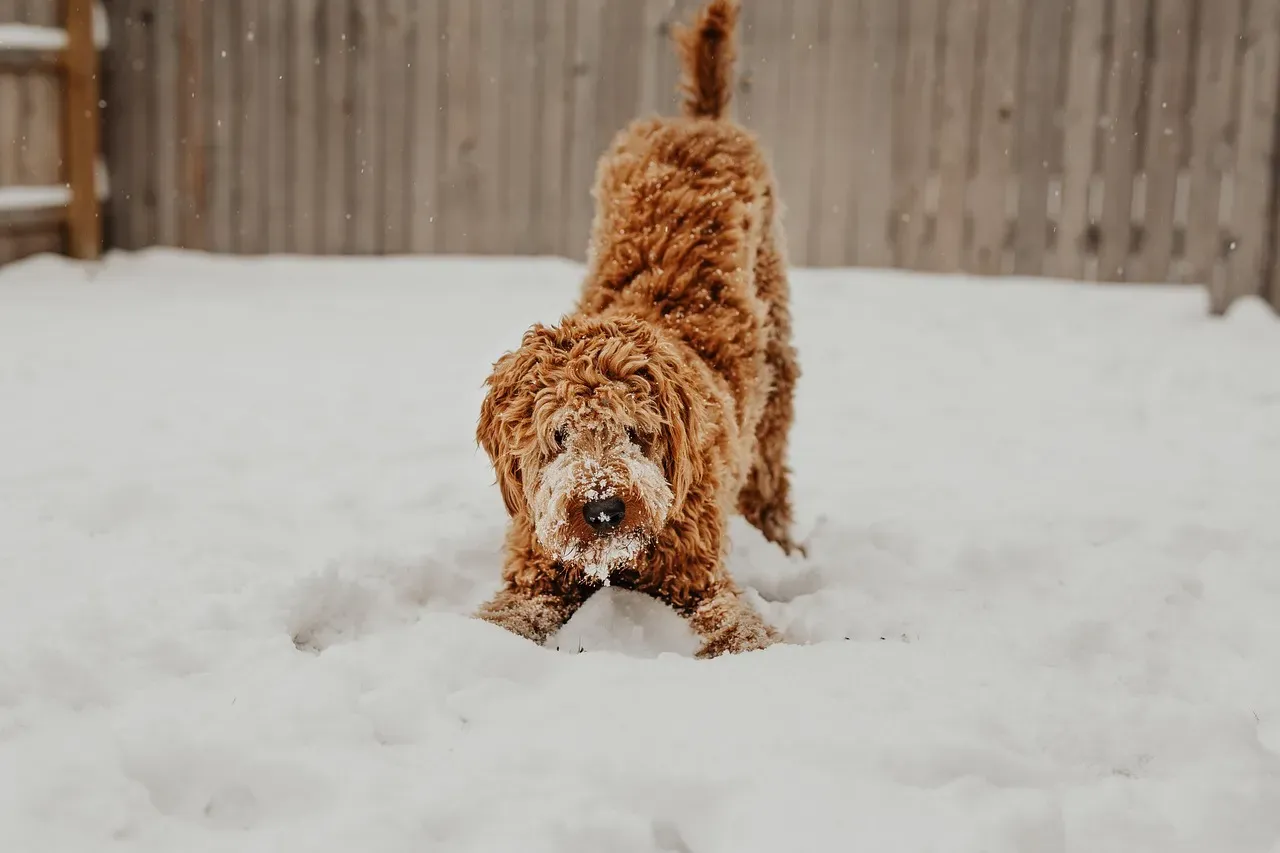
When dogs are tentative about a pending interaction, their tails often wag more slowly in a neutral or slightly low position, which is essentially a message to pause. This is your dog’s way of saying they’re not quite sure about what’s happening. Maybe they’ve just met a new person who’s approaching a bit too quickly, or they’re in an unfamiliar environment.
The slow wag isn’t necessarily fear, but it’s definitely not confidence either. A slower wag may indicate your dog is unsure or cautious about the situation, though it could also convey calmness and relaxation. Context is everything here. Watch for other cues like a slightly hunched posture or ears that aren’t quite forward.
Honestly, this is where a lot of people make mistakes. They see any tail movement and assume their dog wants interaction, but this particular wag is actually asking for space and time. Respect that signal. Let your dog approach at their own pace rather than forcing the situation.
The Tucked Tail: Fear and Submission
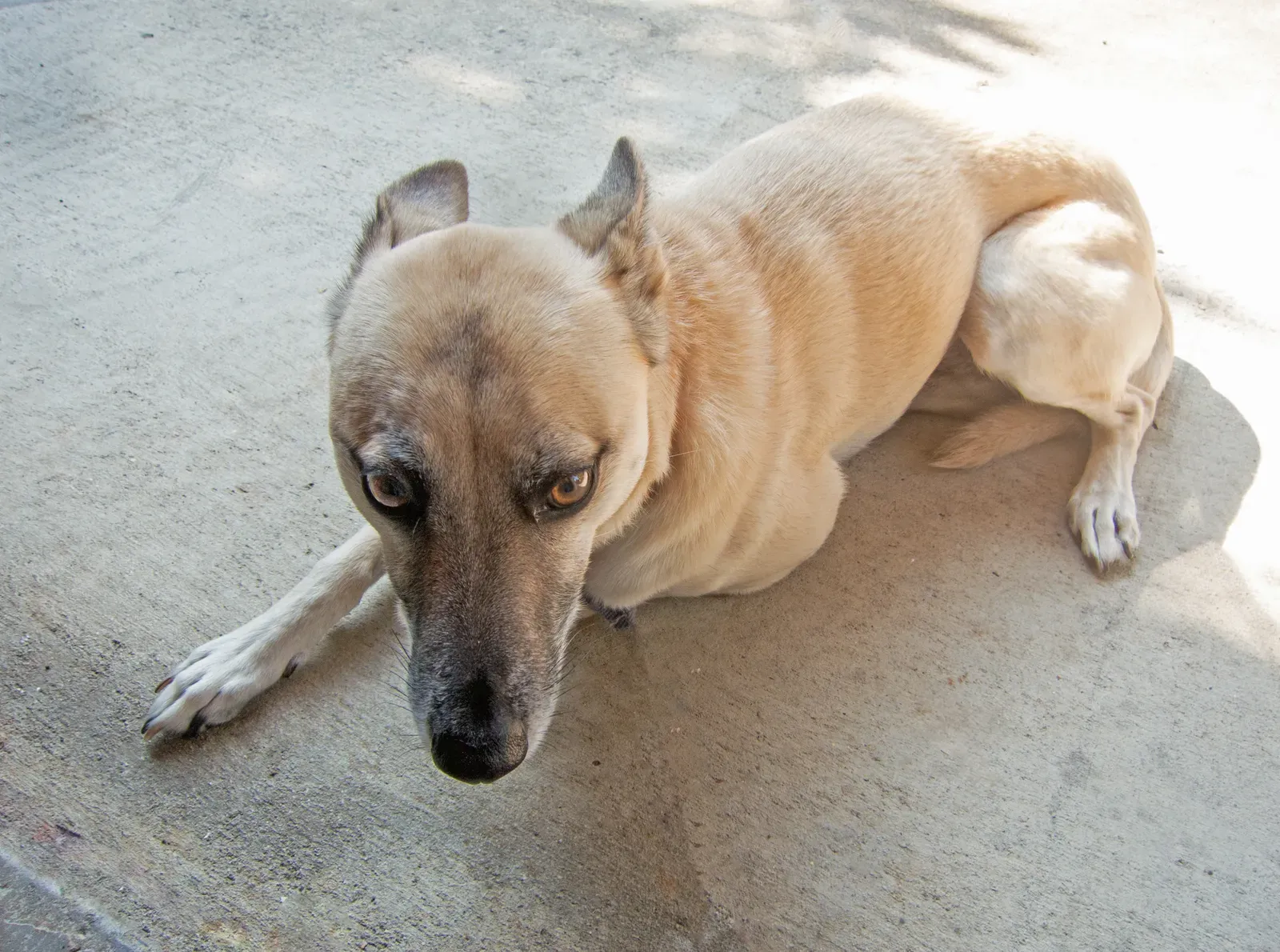
When a dog tucks its tail completely underneath its body, it usually signals extreme fear or submission. This is one of the clearest distress signals in canine body language. Your dog is basically trying to make themselves as small and non-threatening as possible.
A tightly tucked, low tail can occur when a dog is fearful, and lowering the tail from a neutral position represents an intention to maintain a submissive role in the interaction. You might see this during thunderstorms, at the vet’s office, or when your dog encounters something that genuinely frightens them. Their whole demeanor changes: they might crouch, avert their eyes, or even try to hide behind you.
This signal demands your immediate attention and support. Your pup needs reassurance, not pressure. Create distance from whatever’s causing the fear. Forcing interaction when a dog’s tail is tucked can actually make the fear worse or even lead to defensive aggression if they feel cornered.
The Right Versus Left Wag: The Hidden Emotional Compass
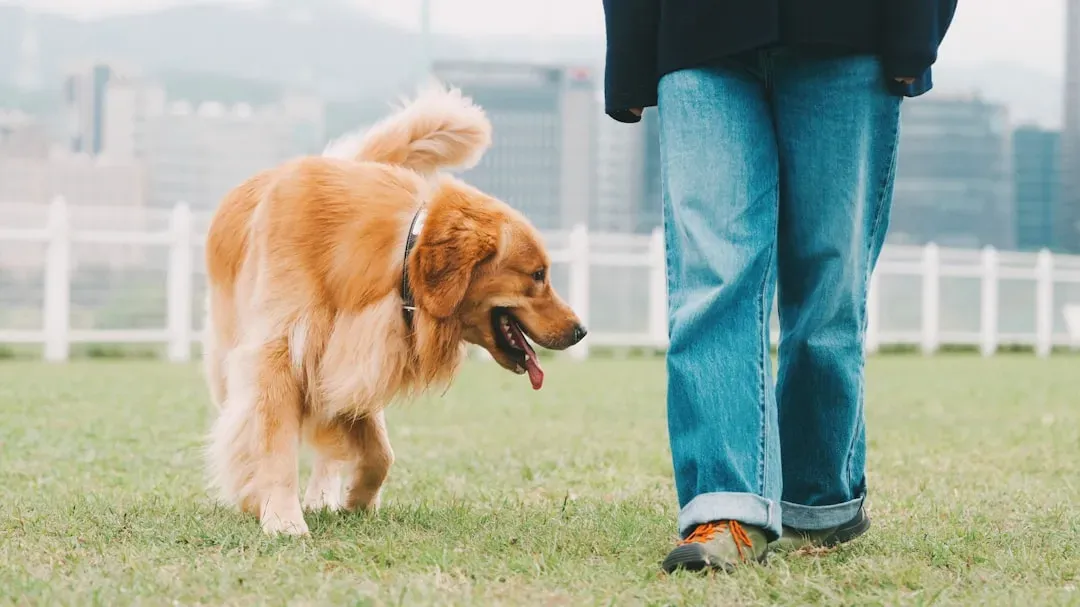
Here’s where things get really fascinating. Dogs exhibit a right-side wagging bias for stimuli that have positive emotional valence, such as when shown their owner or a familiar person, while they show left-biased wagging for stimuli that elicit withdrawal. Wild, right? This isn’t something most people can easily spot, but it’s happening all the time.
Scientists believe wagging more to the right means a dog is curious and wants to approach, while wagging to the left is correlated with uncertainty. The direction is linked to brain hemisphere activation. Basically, positive feelings activate the left brain hemisphere, which controls the right side of the body. Negative feelings do the opposite.
What’s even cooler is that other dogs can actually read this signal. When dogs see another dog wagging its tail to the right they’re more relaxed, but when the wag is to the left they become more stressed. So dogs have this subtle communication system happening that we’re only just beginning to understand. It’s hard to say for sure, but I suspect there are dozens of other signals like this that we haven’t even discovered yet.
The Frozen Tail: The Ultimate Stop Signal
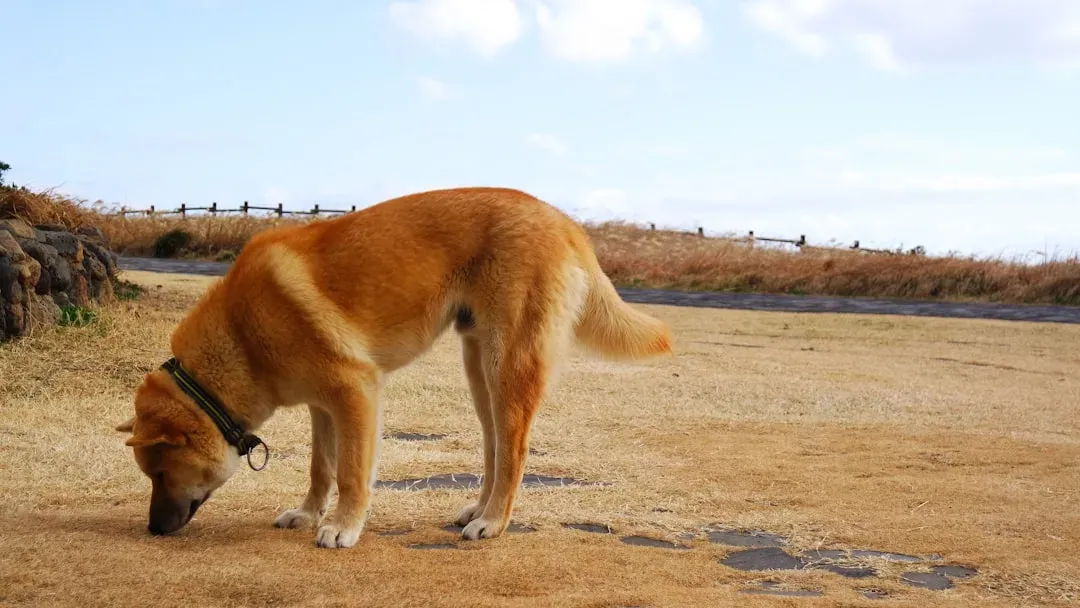
A dog may stop moving its tail, holding it and their body stiff, as an attempt to pause or discontinue an interaction, which many dogs do when petted by strangers. This is one of the most important signals to recognize because it’s your dog’s way of saying “I’ve had enough” without escalating to more obvious warning signs.
Picture this scenario: someone is enthusiastically petting your dog, and suddenly that wagging tail just stops mid-wag. Everything goes still. That’s not your dog enjoying the moment so much they’re frozen in bliss, that’s your dog asking for the interaction to end. Dogs experiencing emotional conflict may begin to wag their tails rapidly as a reflection of discomfort, and tail wags are often misinterpreted to mean friendliness when the dog may be trying to find a way to end the interaction, which can lead to snaps or bites.
Learning to spot this freeze is critical, especially around kids who might not recognize the subtlety. When you see it, step in and give your dog space. Redirect attention elsewhere. Your dog just communicated their boundary clearly, and it’s our job as their advocates to honor that.
Putting It All Together: Becoming Fluent in Tail Talk
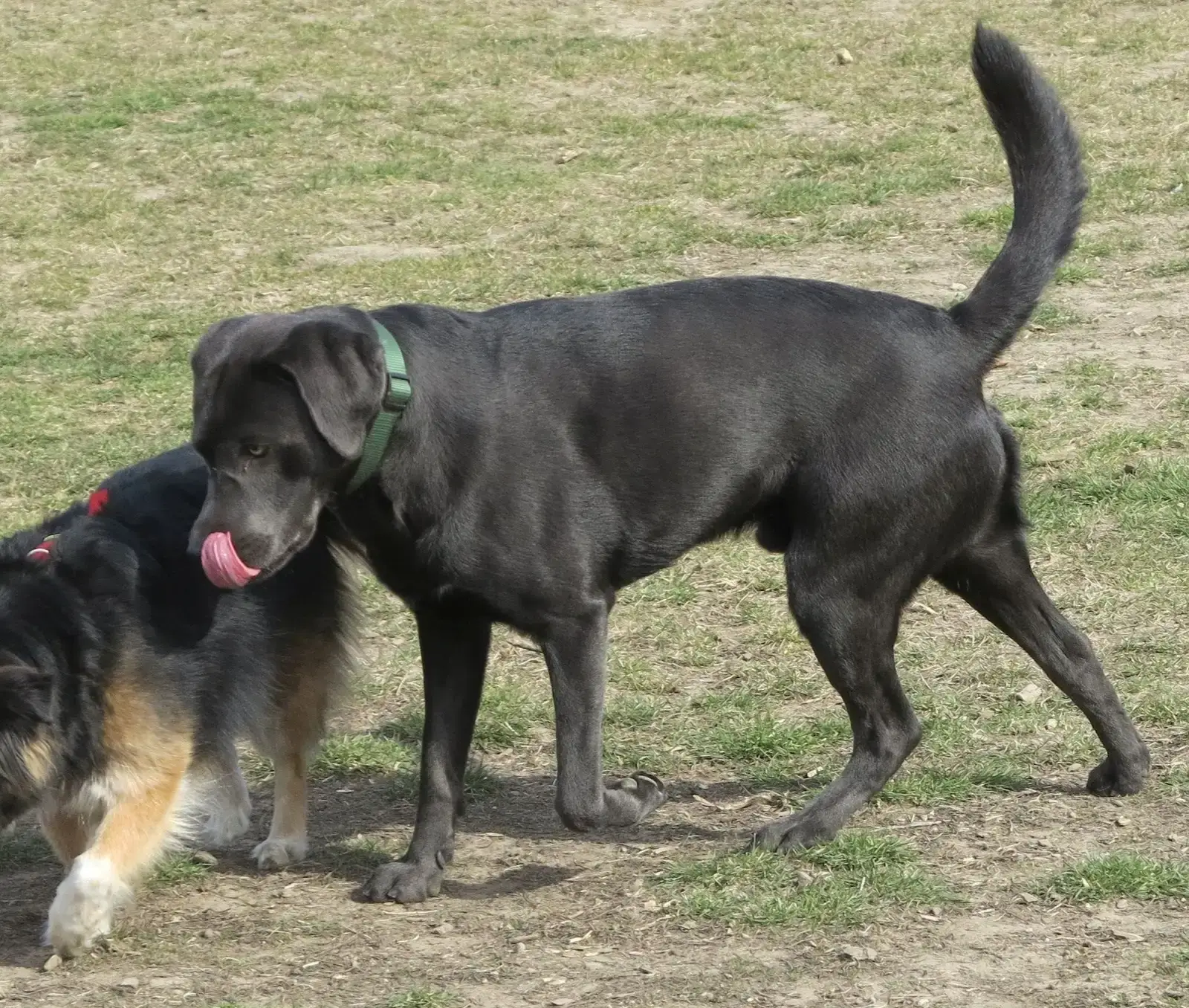
Tail wagging is just one part of a dog’s communication, so pay attention to ear position, facial expressions, and posture. No single signal tells the whole story. You need to look at the complete picture: what’s the environment like? Who or what is your dog reacting to? What does their face tell you?
The same wag may mean different things in different situations, so assess your dog’s environment before making assumptions. A slow wag in the comfort of your living room means something totally different than a slow wag when approaching an unfamiliar dog. Context is absolutely everything when it comes to accurate interpretation.
The beautiful thing about learning this language is that it deepens your bond. You’re not just guessing at what your dog needs anymore, you’re actually understanding them. You can step in before situations become stressful, support them when they’re uncertain, and celebrate with them when they’re genuinely happy. That’s what being a responsible, loving dog parent is all about.
Understanding tail language has made me a better advocate for my own dogs, and honestly, it’s changed how I interact with every dog I meet. Once you start paying attention to these signals, you can’t unsee them. Did you expect your dog’s tail to be saying this much? What signals have you noticed with your own pup? Share your observations in the comments!


