
Watching your beloved companion slow down can be heartbreaking. Maybe your once-bouncy golden retriever now pauses at the bottom of the stairs, or your terrier who used to sprint across the backyard now prefers a leisurely sniff around the garden. Here’s the thing, slowing down doesn’t mean stopping. Your senior dog still needs exercise, maybe even more than you think, but the rules have changed completely.
Exercise isn’t just about keeping your older pup mobile. It’s about reducing their risk of arthritis, obesity, and cognitive decline. Think of movement as medicine for the aging canine body and mind. You don’t need fancy equipment or expensive gym memberships for dogs. You just need to understand what their body can handle now, what warning signs to watch for, and how to make every gentle walk count. Let’s explore how to keep your senior dog active, happy, and pain-free during their golden years.
Understanding Your Dog’s Changing Exercise Needs
Most dogs enter their senior phase around seven to nine years old, though smaller dogs tend to hit this milestone closer to ten or twelve years. Your dog’s size, breed, and health history all play a role in when they officially become a senior. Giant breeds like Great Danes might be considered elderly at six, while a spry Chihuahua could stay youthful well past a decade.
Older dogs that stop moving entirely tend to lose muscle mass and mobility quickly, so consistency matters more than intensity. It’s not about how far or how fast your dog can go anymore. Instead, think about regular, gentle movement that keeps joints lubricated and muscles engaged without causing pain or exhaustion.
Your dog’s individual personality and physical condition should always guide the way. Some seniors still have plenty of pep, while others struggle with arthritis or other age-related conditions. Honestly, you know your dog better than anyone, so trust your instincts when something feels off.
Recognizing the Warning Signs of Overexertion
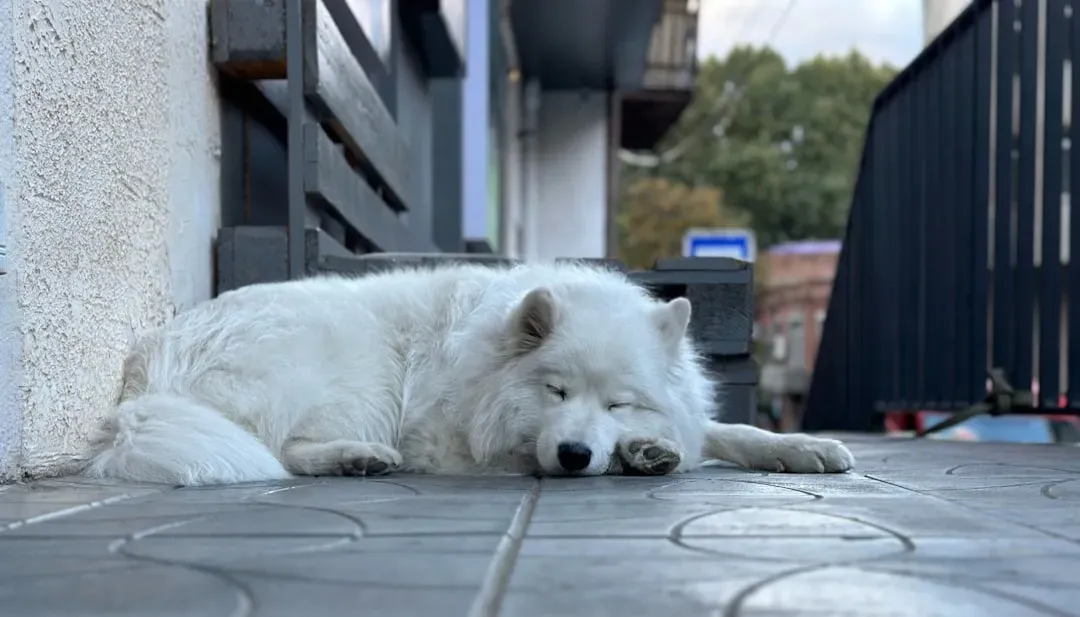
Senior dogs won’t always tell you when they’ve had enough, at least not in words. Watch for excessive panting, limping, reluctance to move, or signs of fatigue, which indicate it’s time to pause or reduce activity. Your dog might also lag behind on walks, sit down frequently, or show stiffness afterward.
Sometimes signs of mobility issues are subtle and easy to miss, but early detection is critical. Maybe your pup hesitates before jumping into the car, or they’re taking longer to stand up after a nap. These little changes matter more than you might think.
Pay attention to behavioral shifts too. If your normally social dog becomes irritable or withdrawn after exercise, that’s a red flag. Even crankiness can be a symptom, as anxiety and fear about pain can change a dog’s mood.
Best Low-Impact Activities for Senior Dogs
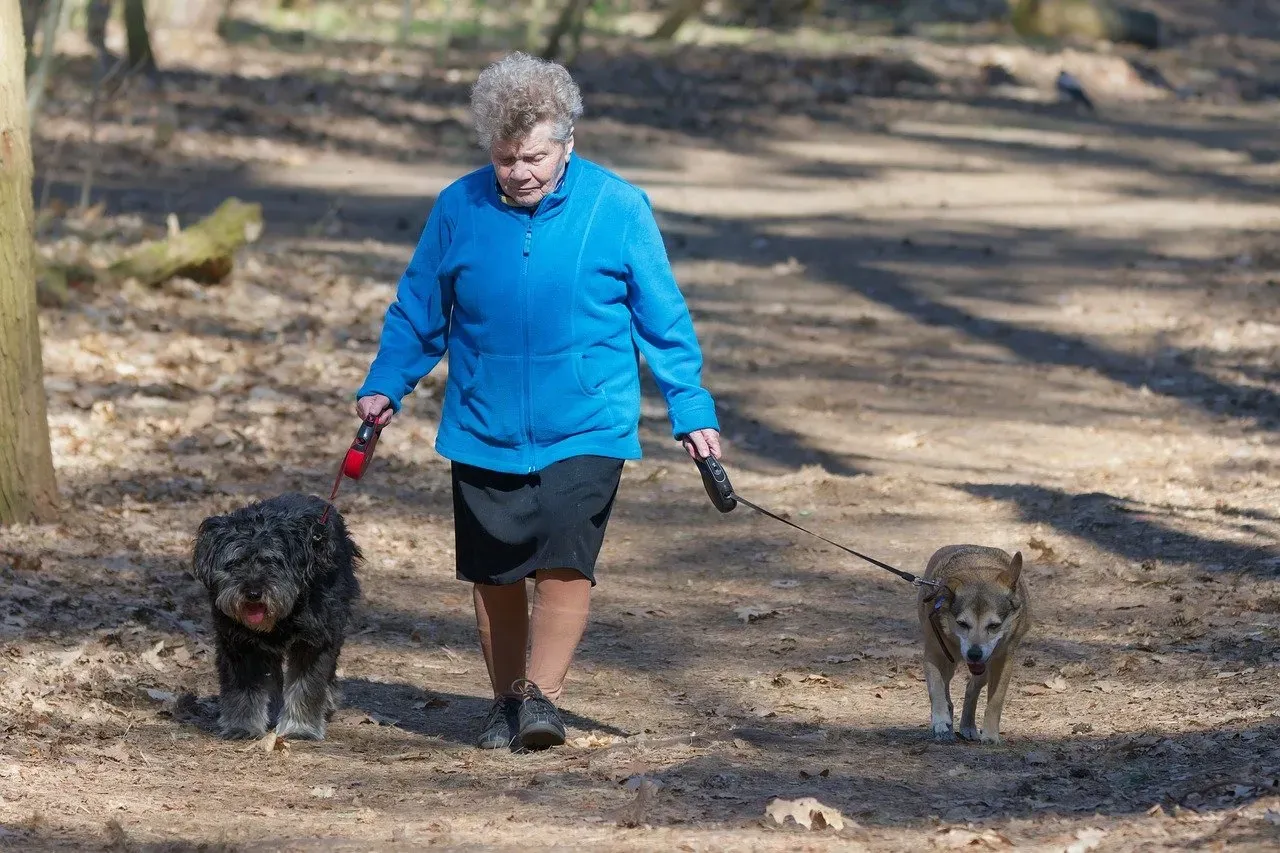
Walking is one of the best exercises for older dogs. Keep these outings short and let your pup set the pace. Short, frequent walks of ten to fifteen minutes, two or three times a day, work better than one long trek. Let them sniff everything. That’s mental stimulation packed into physical activity.
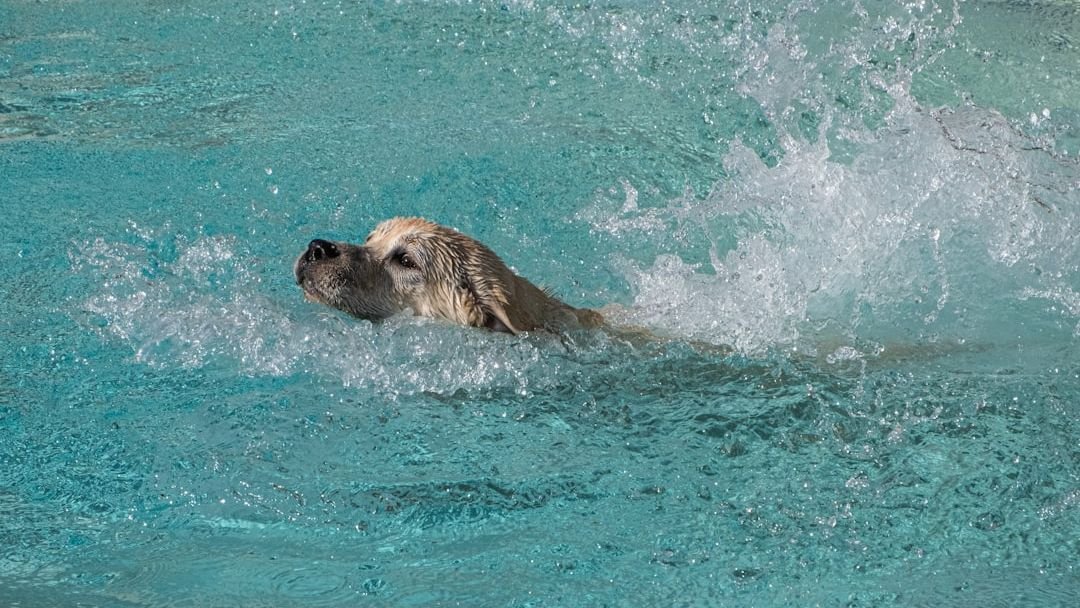
Swimming offers low-impact cardio that’s ideal for seniors, as water supports their weight and reduces strain on aging bones and joints. Not every dog is a natural swimmer though. Breeds like dachshunds and corgis may struggle due to their long backs, and brachycephalic breeds can have respiratory challenges.
Indoor games work wonders when weather or mobility limits outdoor time. Snuffle mats engage their sense of smell while puzzle toys keep them mentally active. These activities tire out the brain without stressing joints. Scent work is particularly brilliant for senior dogs since it combines gentle movement with cognitive engagement.
Exercise Activities to Avoid
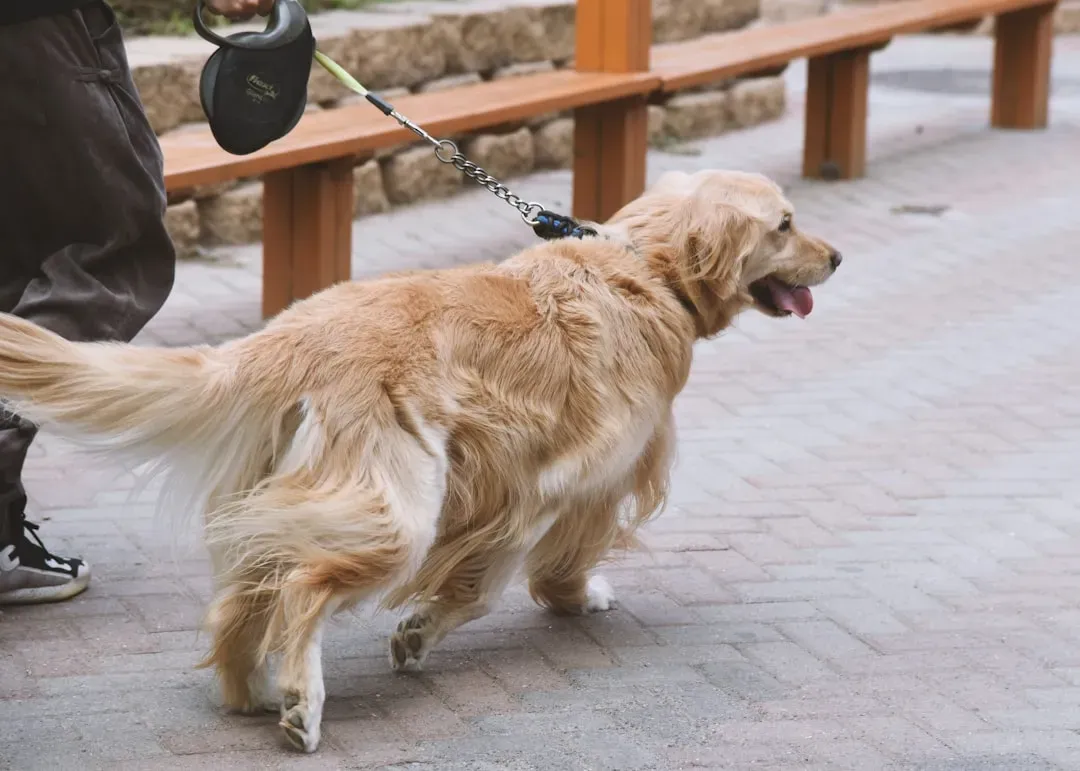
High-impact activities like jumping, running, or rough play place significant stress on joints and can worsen arthritis symptoms. I know it’s tempting to let your dog chase that ball one more time, but repetitive jumping can cause real damage to already fragile joints.
Playing at dog parks often involves running, jumping, and quick twisting that places abnormal forces on joints, which can result in lameness for dogs with arthritis. This doesn’t mean your social butterfly can never visit the park, but maybe they should stick to gentle greetings rather than wild zoomies.
Avoid exercising during extreme temperatures. In hot weather, walk early or late in the day to prevent overheating, and avoid hot pavement that can burn paws. In cold weather, keep sessions shorter and watch for slippery surfaces like ice that can cause joint injuries.
Creating a Safe and Supportive Exercise Routine
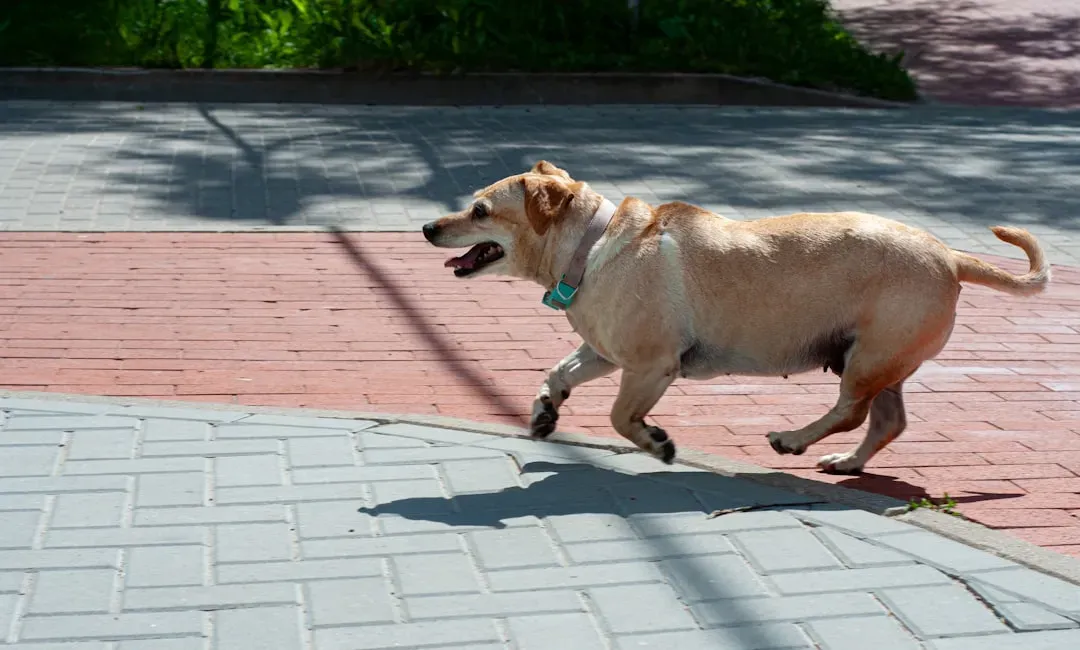
The ideal exercise program for arthritic dogs is regular, low-impact, and controlled, with walks most days rather than one big activity at the end of the week. Consistency beats intensity every single time. Think of it like maintaining a savings account, small deposits add up to big results over time.
Keep them trim and ensure regular exercise, though it often needs to be modified as pets age since exercise strengthens muscles and lubricates joints. Weight management is crucial. Extra pounds put tremendous strain on already compromised joints, making every step harder.
Consider environmental modifications at home. Provide ramps for stairs and car access, and cover slippery surfaces with mats or rugs to improve grip and reduce joint stress. These simple changes help your dog move independently and safely throughout the day.
Conclusion
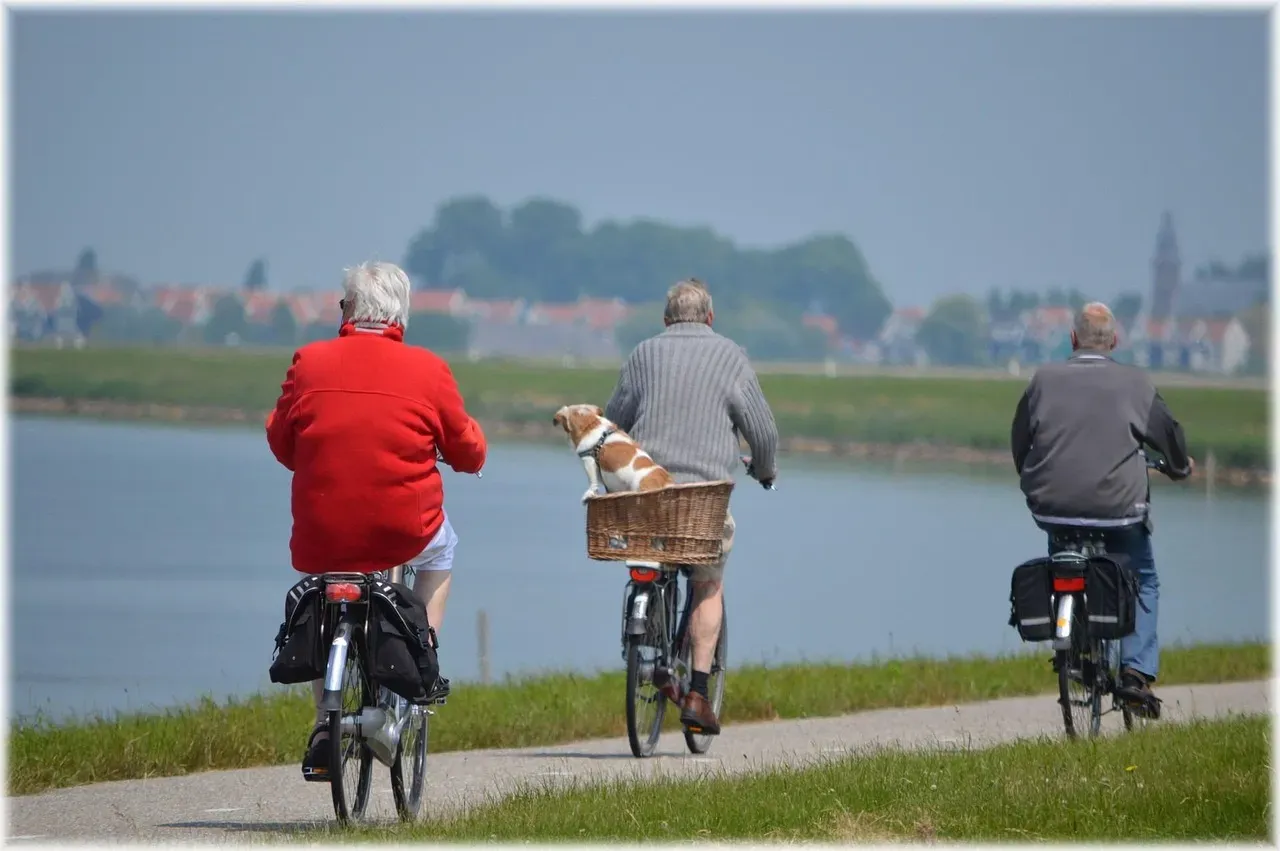
Your senior dog’s golden years can still be filled with joyful movement and meaningful activity. The key is adapting to their changing body while keeping their spirit engaged. Regular, gentle exercise combined with close observation of their comfort level will help them maintain mobility, mental sharpness, and quality of life.
Remember that every dog ages differently. What works for your neighbor’s Labrador might not suit your beagle. Stay in close communication with your veterinarian, trust your instincts about what your dog can handle, and don’t be afraid to adjust the routine as needs change. Movement truly is medicine, and with the right approach, your senior companion can continue enjoying walks, swims, and playtime for years to come.
What changes have you noticed in your senior dog’s exercise habits? Share your experiences in the comments below.


