
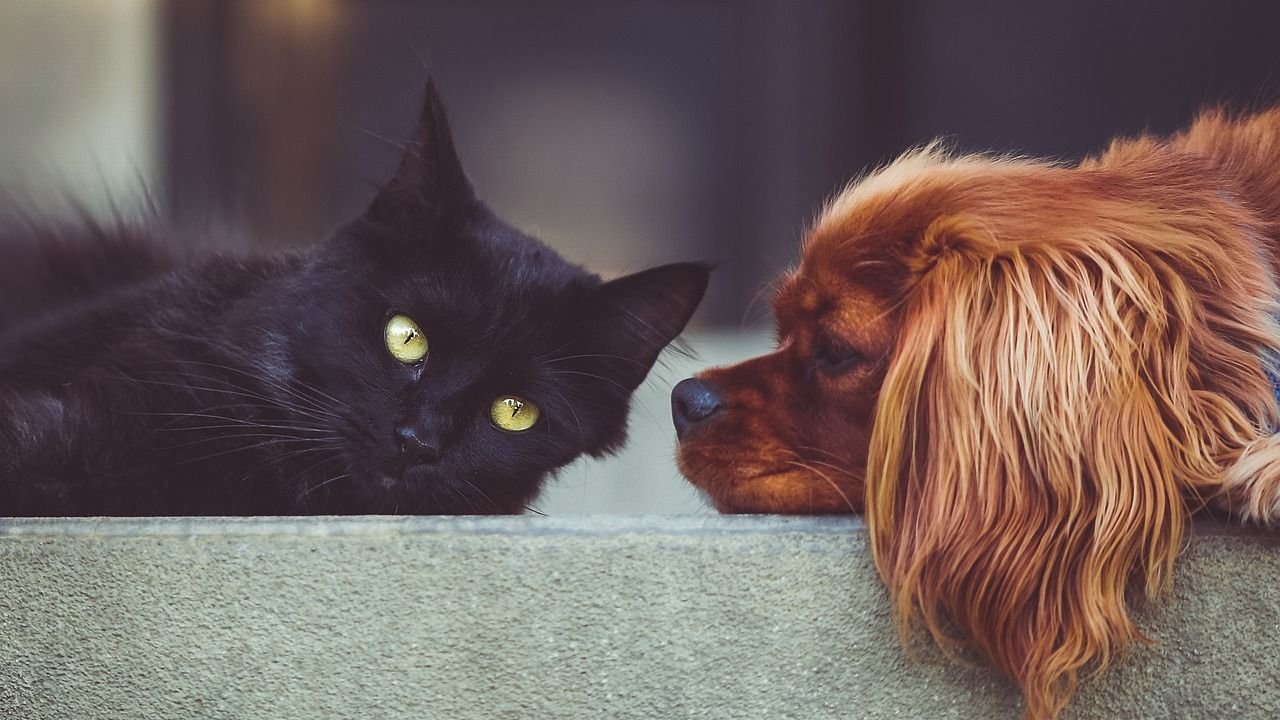
You know that feeling when your heart is full of love for your dog, and you think, maybe there’s room for one more? It’s a beautiful thought. Honestly, it’s one of the most generous things you can do for your pup and for yourself. The thing is, your dog doesn’t always see it that way at first. They’ve had you all to themselves, and suddenly there’s a newcomer demanding attention, occupying their favorite spot on the couch, maybe even eating from a bowl suspiciously close to theirs.
The magic lies in the introduction. Let’s be real, tossing two animals together and hoping for the best is a recipe for chaos. Your loyal companion deserves better than that. So does your new pet. This journey needs patience, planning, and a willingness to read what your dog is actually telling you with their body. So let’s dive into the real work of making this transition smooth, safe, and maybe even joyful.
Start With Scent, Not Sight
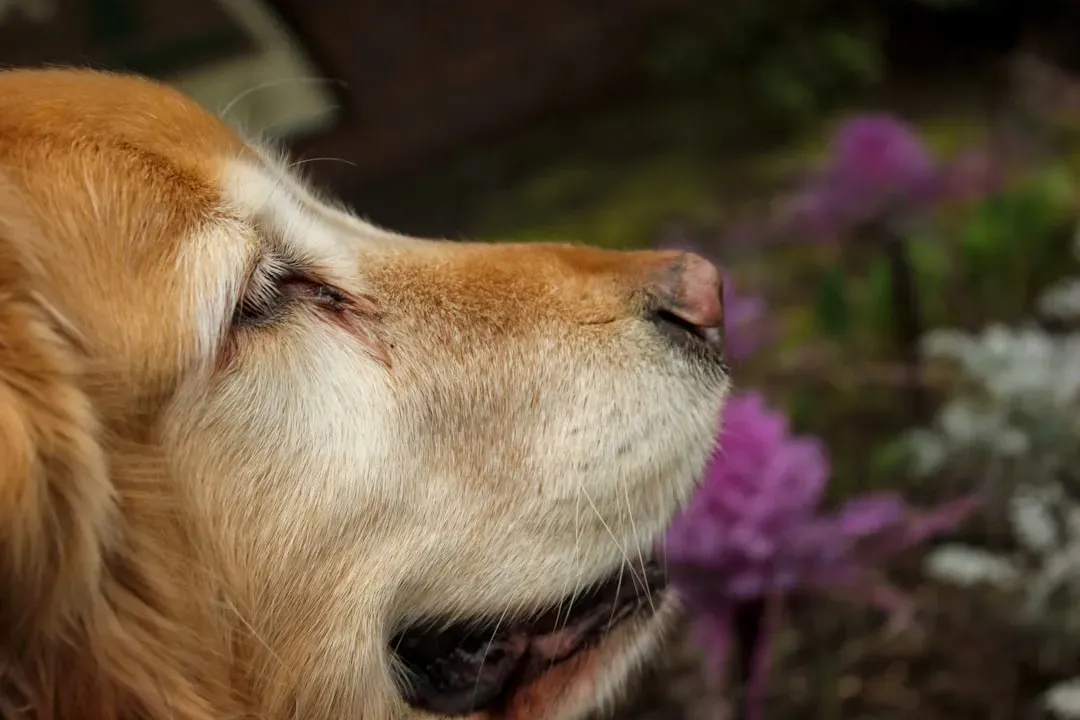
Before your new pet even steps paw into your home, you can begin building familiarity. Scent introduction is the process of letting dogs and cats get used to each other’s smell before they meet face-to-face, helping reduce stress and fear by swapping items like cloths or bedding so pets start to accept each other’s presence as safe. Think of it as a pre-introduction handshake.
Collect your pet’s scent on a clean soft cloth by gently rubbing it around your cat’s cheek or your dog under their armpit, then put each cloth in the opposite pet’s bed. If you’re bringing home a new dog, ask the shelter or breeder if you can leave a blanket with your current dog’s scent for a few days beforehand. The goal here is simple: let them smell each other without the pressure of a face-to-face meeting.
I know it sounds almost too simple. Swapping smells feels like such a small gesture. Yet for animals who experience the world primarily through their noses, it’s everything. For both dogs and cats, smell is their first and most powerful clue about a new friend, as animals learn about age, health, mood, and more through scent, making scent introduction a natural, non-threatening way to help them get acquainted.
Separate Spaces Are Your Best Friend

Keep the dog and cat completely separated without access to each other for at least a week, ensuring the dog does not have access to the area right outside the cat’s safe space. This isn’t punishment or isolation. It’s giving everyone time to decompress and adjust without feeling threatened. Give your new dog a week or more to settle in and feel comfortable with their new environment.
Each pet needs their own safe zone with all the essentials: food, water, toys, a comfy bed, and for cats, a litter box. Set up at least one “success station” with food, water, a place to rest and sleep, potty pads or access to a potty area, toys and enrichment, which provides a safe place for your dog to rest when you can’t supervise them. During this separation phase, keep scent swapping regularly to build that invisible bridge of familiarity.
Let me be honest with you: it’s tempting to rush this step. You want your pets to be best friends immediately. Resist that urge. Slow introductions prevent traumatic first impressions that can sour relationships for months or even years. To successfully introduce a new dog into your household, plan ahead and be patient, don’t assume the dogs will instantly like each other, and if your dogs get off on the wrong paw, the relationship might not recover.
Reading Body Language Like a Pro
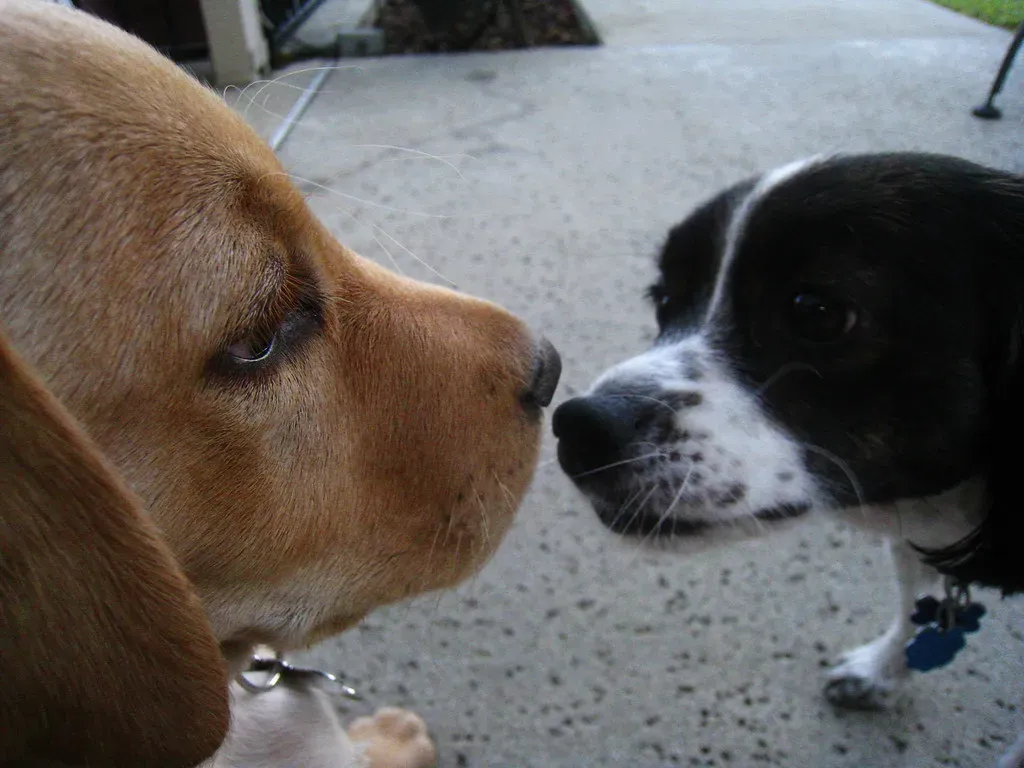
Your dog is constantly talking to you. The trick is learning their language. Learning our pets’ body language is crucial for successful introductions, and during interactions you should monitor both dogs by paying attention to body language signals in red, yellow and green boxes, where green means they are relaxed and happy, yellow indicates discomfort and possible escalation, and red means separate them immediately.
Watch for stress signals. Dogs yawn when they’re stressed, and according to Turid Rugaas, dogs use yawning to calm themselves in tense situations and to calm others, including their owners. Other subtle signs include lip licking, avoiding eye contact, or that tense half-moon of white around the eyes (called whale eye). The tail tucked between the legs signifies that you are dealing with a stressed-out dog, while uneasy pups might also curl tightly into a fetal position or crouch low to the ground.
A dog freezes if they’re scared or guarding something such as food or a toy, or if they feel cornered, and this is a low-level warning sign on the ladder of dog aggression that, if not respected, can lead to escalation of growling, snapping, and potentially biting. Context matters enormously. A tail wag doesn’t always mean happiness. It can signal anxiety, uncertainty, or even aggression depending on the speed, height, and what the rest of the body is doing.
The First Face-to-Face Meeting
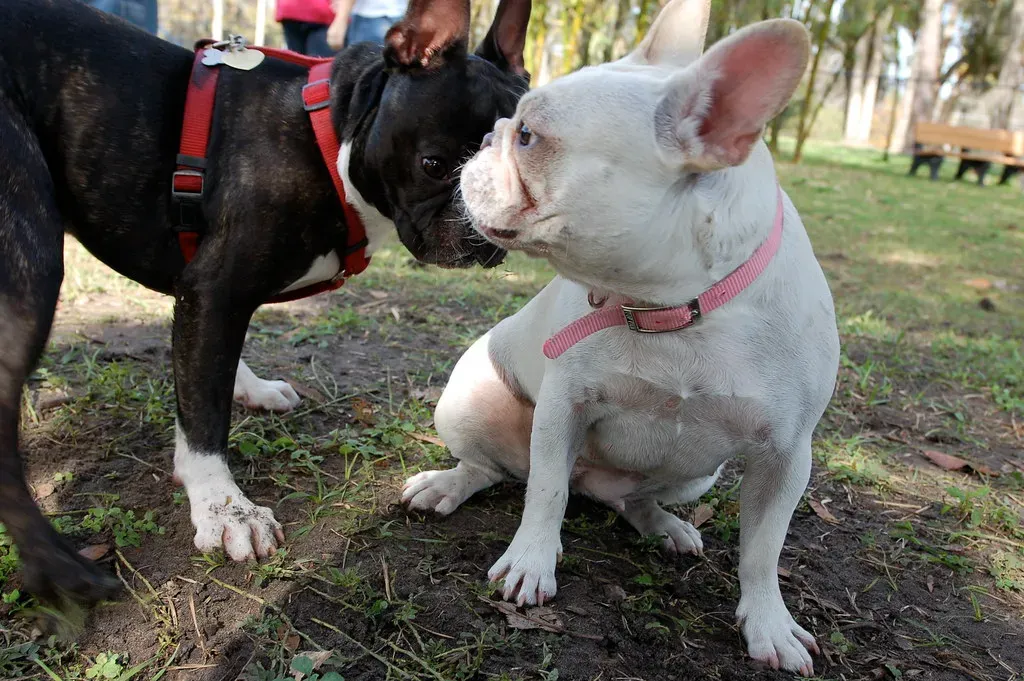
Arrange an on-leash meeting on neutral ground where the initial meeting should not be in your house or yard and the location should be large enough for each dog to have plenty of space, and if the dogs seem calm, keep the leashes loose and let the dogs approach each other calmly. A nearby park works beautifully for dog-to-dog introductions. Somewhere neither animal has claimed as their territory.
Allow the new dog to enter the house before the resident dog, keep the first introduction inside the house brief (around five minutes) with both on leash, then confine the newcomer to a comfortable space like a spare room or crate, and over the next day or two, repeat the brief introductions keeping them to five to ten minutes. Short sessions prevent overstimulation and give both animals time to process the experience.
If you’re introducing a cat to your dog, start with visual barriers. You can use a baby gate, ex-pen or glass door, or crack open the door to the safe space just enough for them to see each other, with someone on one side of the barrier with the cat and someone on the other side with the dog on a leash. Keep the dog’s focus on you with treats and praise when they remain calm and ignore the cat.
Building Positive Associations and Long-Term Harmony
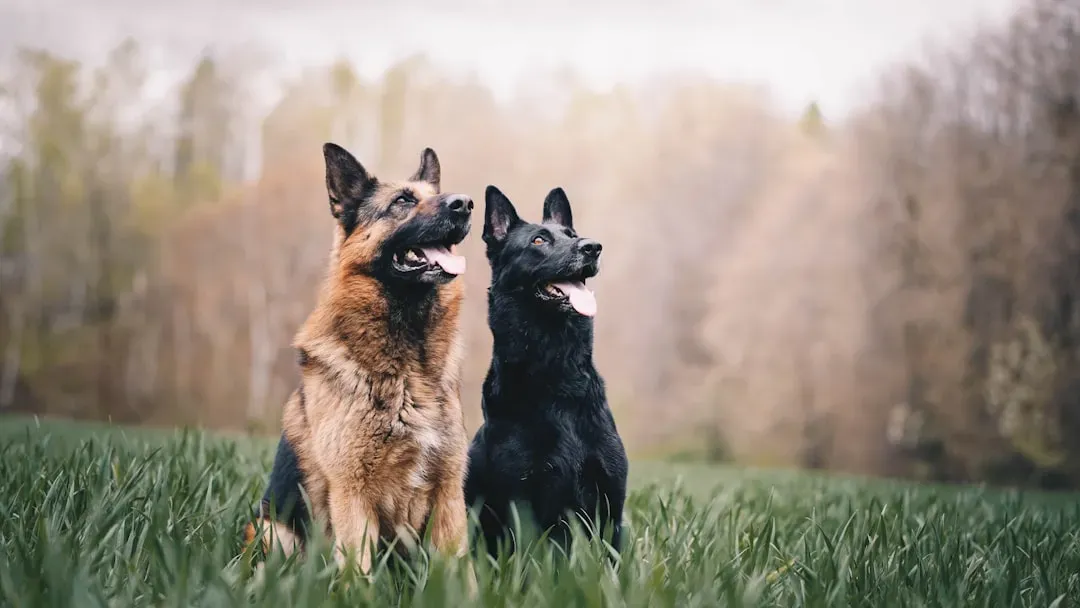
Feed your new dog in a different room so there’s no stress over food, and keep up your regular walking and playtime schedule, making sure both dogs get plenty of love and attention. Food and toys are high-value resources, and competition over them can create instant conflict. Prior to bringing your new dog or puppy home, place anything your resident dog might guard (food bowls, bones, beds and toys) in one area, make sure the new dog has a separate area for all of their items, and even if your pet has never been possessive in the past, it’s best to be cautious.
Keep the dogs’ interactions closely supervised for the first two weeks until both dogs are fully accustomed to each other, and avoid leaving the dogs alone together until you’re sure they’re comfortable with each other. Supervision doesn’t mean hovering anxiously. It means being present and aware, ready to intervene calmly if needed.
Celebrate small victories. A glance without barking. A sniff without growling. Relaxed body language in the same room. These are milestones worth acknowledging. Reward both pets generously for calm, friendly behavior. Make the time the dogs spend together as pleasant for them as possible by rewarding friendly and playful behavior with food treats, praise, and toys.
Your patience will pay off. Some dogs become fast friends within days. Others take weeks or months to settle into a comfortable coexistence. Neither timeline is wrong. What matters is creating a foundation of safety, respect, and positive experiences. Your home should feel like a sanctuary for every member of your pack, old and new alike.
What do you think is the hardest part of introducing a new pet to your dog? Have you tried any of these techniques?


