
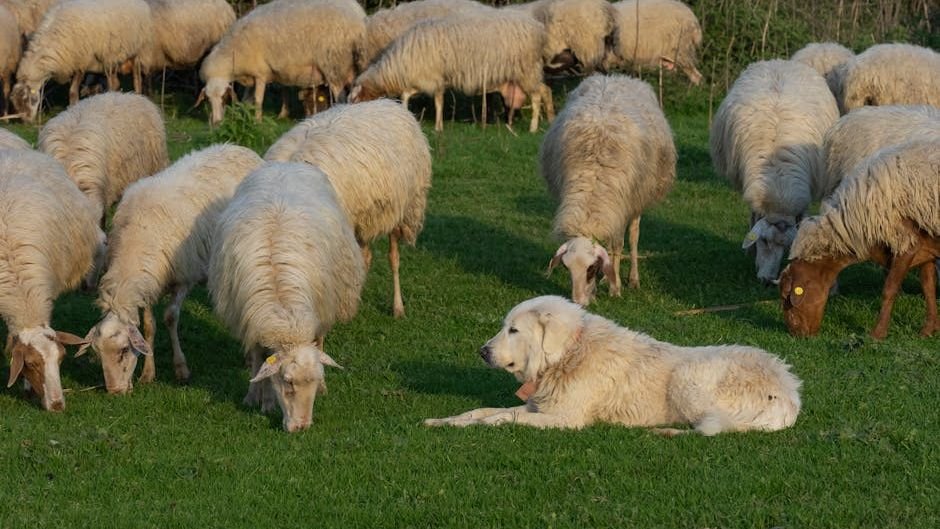
Picture this: you get up to grab a glass of water from the kitchen, and suddenly your dog is right behind you, nudging your leg, circling around your feet, maybe even giving a gentle nip at your ankles. You turn around, look at them, and think – what on earth are you doing? It’s one of those delightful and occasionally maddening things that dog owners experience but rarely fully understand. Is your dog trying to boss you around? Is something wrong? Are they just being weird?
Honestly, the answer is way more fascinating than most people expect. There’s a rich, thousands-of-years-old story happening right there in your hallway. And once you understand it, you’ll never look at your dog’s “pushy” behavior the same way again. Let’s dive in.
It’s Deep in Their DNA, Not Just Their Personality
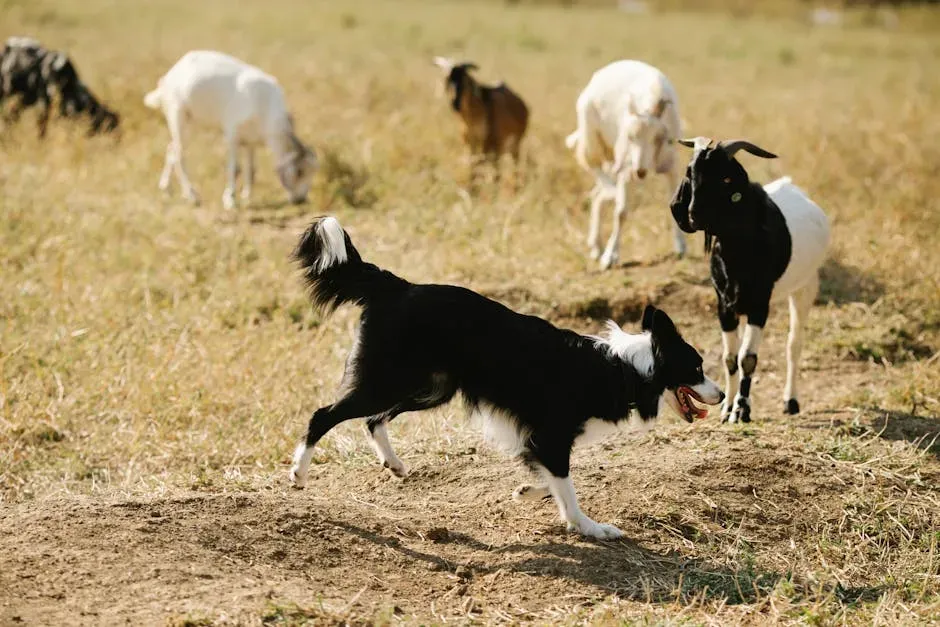
Herding ability in dogs comes instinctually, traceable back to their wolf ancestors who were hardwired with behaviors essential to movement and pursuit. Through centuries of careful breeding, humans shaped certain dog breeds to harness specific parts of that ancient predatory sequence. Think of it like a software program that never got uninstalled. The hardware changed, the setting changed, but the code? Still very much running.
A genomic sequencing study of 130 breeds revealed specific chromosomes and genes associated with temperament, predation, and herding behaviors in dogs, with some identified genetic variations only seen in herding dog breeds. Meanwhile, another large study found herding dogs possess genetic variations that influence messenger pathways in the brain. So when your Border Collie tries to corral you into the living room, it’s not stubbornness. It’s literally neurology.
Herding dogs share an innate physical and mental aptitude to move livestock. Generations of intensive selective breeding have amplified predatory instincts such as eye staring and chasing while effectively minimizing the natural inclination to kill prey. The result is an animal built to direct movement, not destroy it. Which, if you think about it, is actually kind of beautiful.
Your Home Is Their Farm, and You Are the Flock
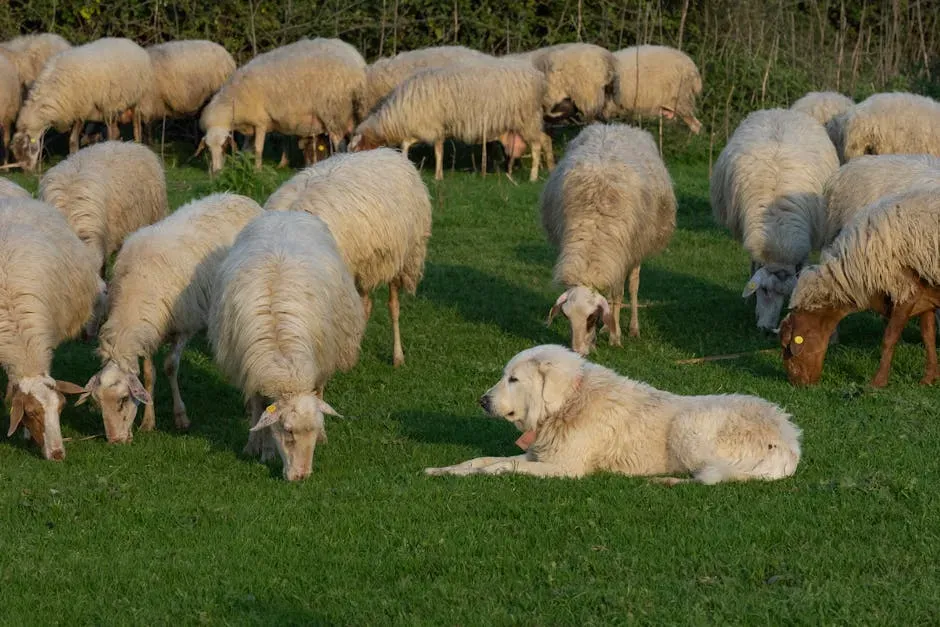
To a herding breed, you are a part of its flock and it is simply doing its job by keeping you together. It may nip at your heels to get you moving, circle around you to keep you in the pack, and bark at you to get your attention. I know it sounds crazy, but your dog genuinely sees managing your household movements as a form of purpose and responsibility.
Even if your dog spends its life as a household pet, far from farms and pastures, that instinct to herd is hardwired and may present itself in the home, yard, and on walks. It doesn’t matter if you live in a city apartment or a suburban home with a backyard. The instinct doesn’t care about the zip code.
Although herding has a very practical purpose for working dogs needing to move livestock, that same instinct can kick in inside the home. Dogs will express their herding drive with whatever is available, including other pets, kids, and even you. Since these hardwired instincts are triggered by movement, herding is usually not something your dog is doing just to get attention or to deliberately misbehave. So next time they circle you on the way to the bathroom, try not to take it personally.
The Telltale Signs Your Dog Is Actually Herding You
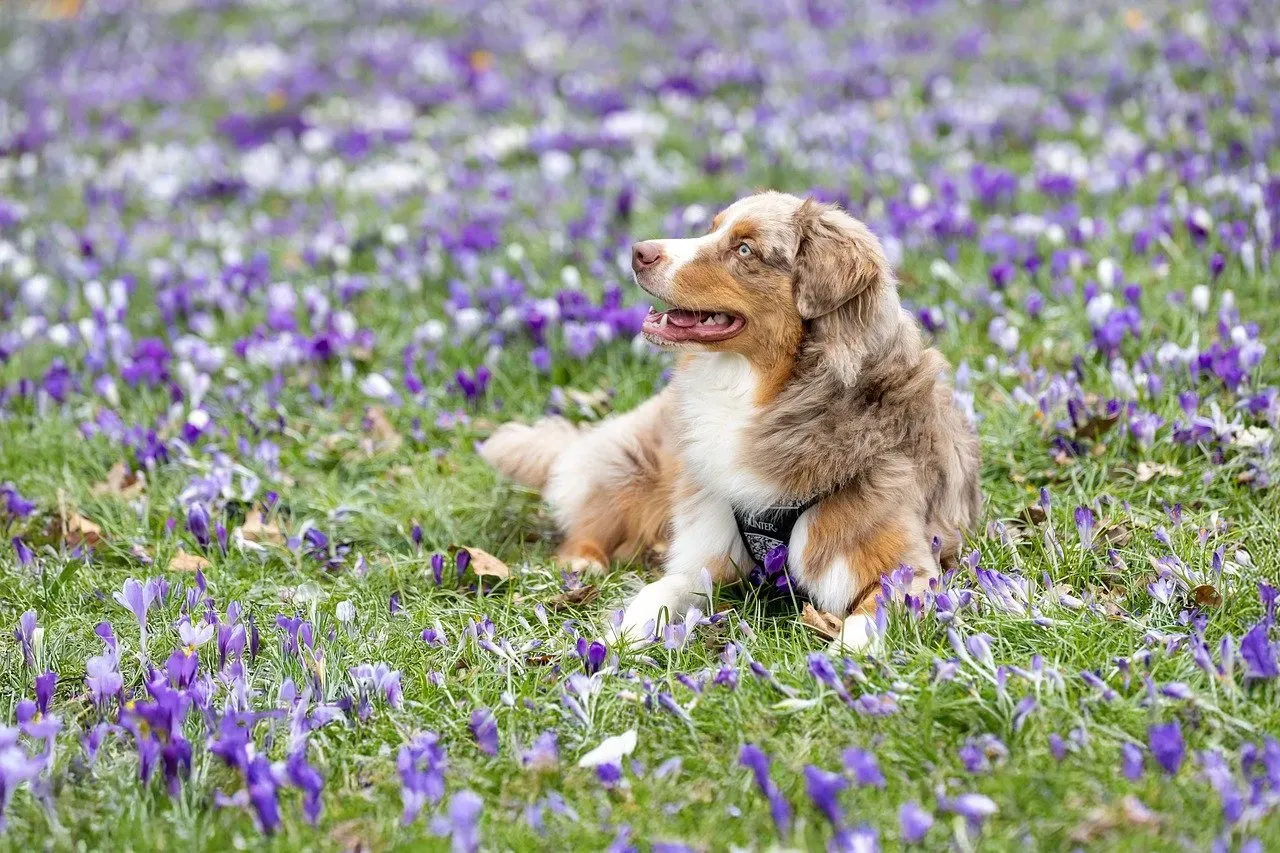
Your dog may come up behind you and poke you with their nose in the back of your thigh, a behavior called poking or punching, which they use to control a situation or make an animal move. Watch for that intense stare, the lowered body posture, the calculated circling. These are not random acts of clumsiness. They’re precise, intentional behavioral cues.
Dogs engaging in herding behavior might stare, chase, and nip at their target. The stare, in particular, is a giveaway. The Border Collie, for example, is renowned for the ability to “give eye” or stare down sheep to control their movement. If your dog locks eyes with you before circling, that’s the ancient shepherd at work.
Some behaviors such as barking aren’t just for herding. For instance, while herding, a dog might bark alongside staring and chasing. However, playtime barking would involve more loving eye contact, tail wagging, and play bows. Context matters enormously. Learning to read these subtle differences helps you respond in a way that actually makes sense to your dog.
When Boredom, Anxiety, or Stress Gets Involved
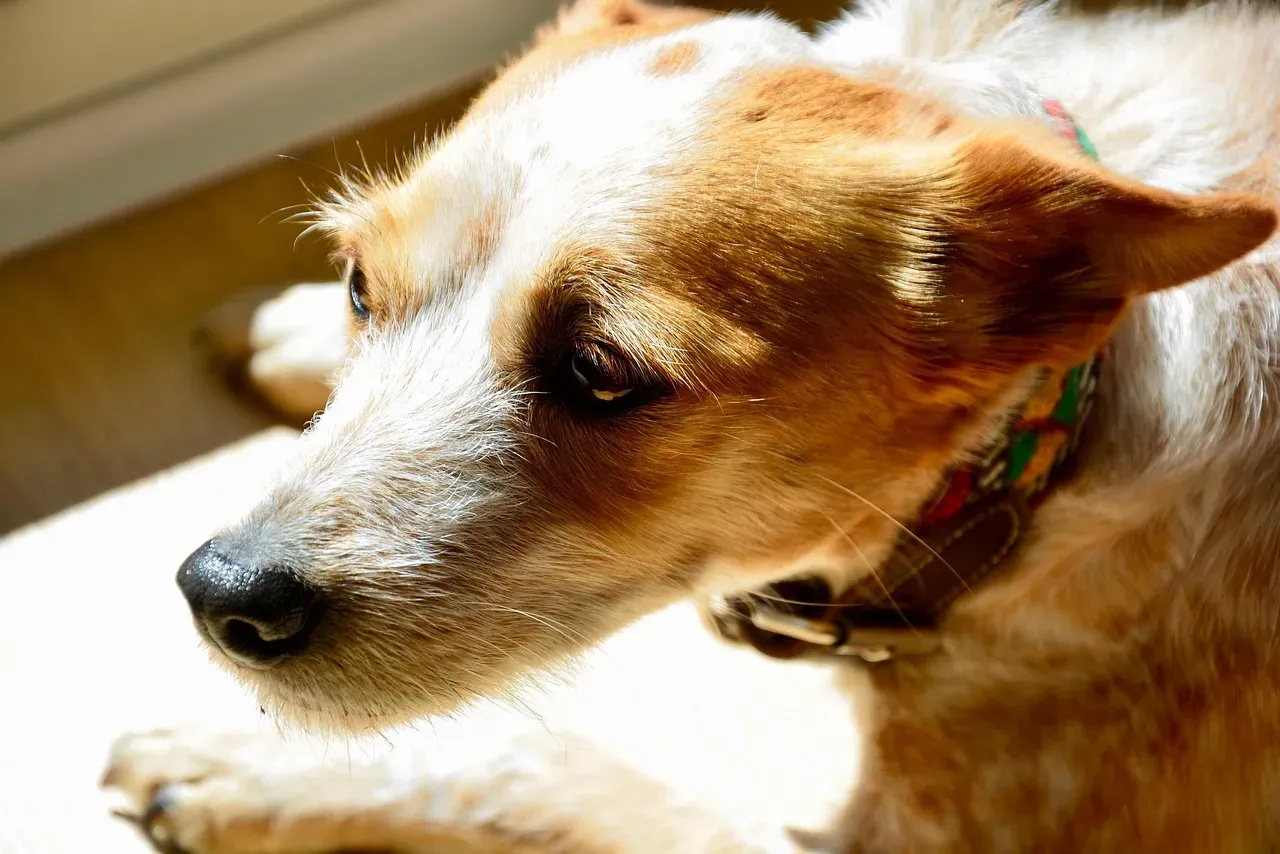
Other factors such as boredom, anxiety, or excess energy can also contribute to herding behavior in dogs. Here’s the thing: sometimes your dog isn’t acting out their ancient calling. Sometimes they’re just going a little stir-crazy. A dog that doesn’t get enough mental or physical stimulation will invent jobs, and herding you is a very satisfying one from their perspective.
All your herder’s good qualities, including their focus, energy, loyalty, and work ethic, are traits that can cause behavioral challenges if not given an outlet. Herding dogs are best suited to active households with an established exercise routine. Since they are designed to work all day long, a sedentary lifestyle and lack of stimulation can lead to problematic behaviors. Think of it like keeping a marathon runner locked indoors all day. Something is going to give.
Dogs with separation anxiety tend to go to pieces when they are away from their owners and it will affect them both mentally and physically. If the herding seems more frantic than calm, or if it spikes right before you leave the house, anxiety might be the real driver. That warrants a conversation with your vet or a qualified behaviorist, not just a training session.
It Can Also Be Their Way of Saying “I Love You”
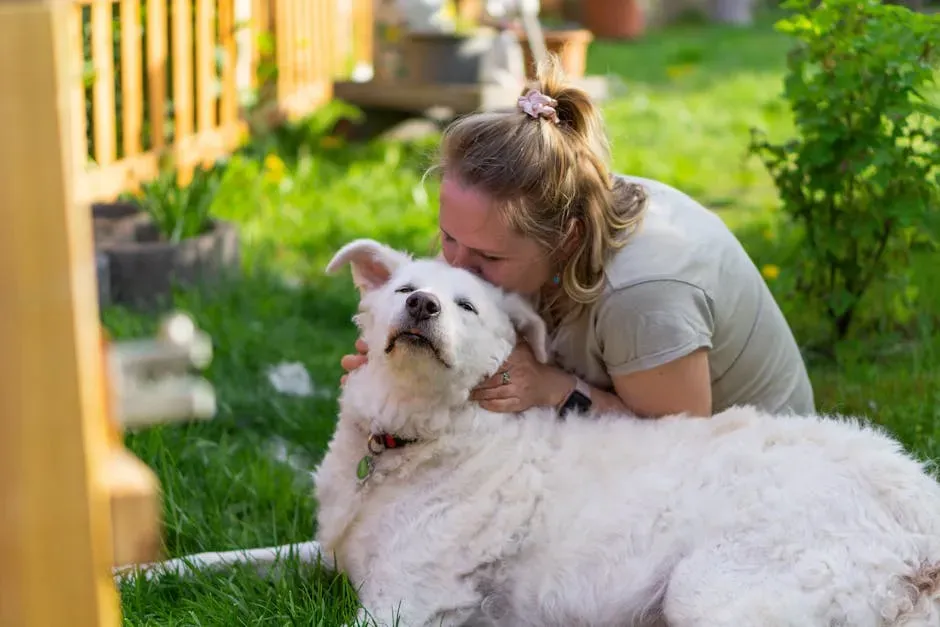
Some dogs may herd their owners to bed as a way of showing affection and protectiveness. By keeping their owners close, they feel like they are protecting them from danger. Additionally, some dogs simply enjoy the routine of going to bed with their owners and may see it as a comforting and bonding experience. Honestly, that’s one of the most wholesome things I’ve ever read about dogs.
When dogs interact with someone they like, the hormone oxytocin is released. Oxytocin is often referred to as the ‘love hormone’ and makes you feel that warm glow when you’re around someone you like. So your dog circling you in the hallway might just be their version of a hug. A slightly aggressive, heel-nipping hug, but a hug nonetheless.
Dogs provided constant companionship in times of need, and the most attentive dogs were rewarded with more food and affection. Through natural selection, dogs have been conditioned to be highly attentive to the needs of their masters. That attentiveness you see today, that need to stay close, to guide, to organize? It’s centuries of love and loyalty showing up in your living room.
How to Manage Herding Behavior Without Crushing Their Spirit
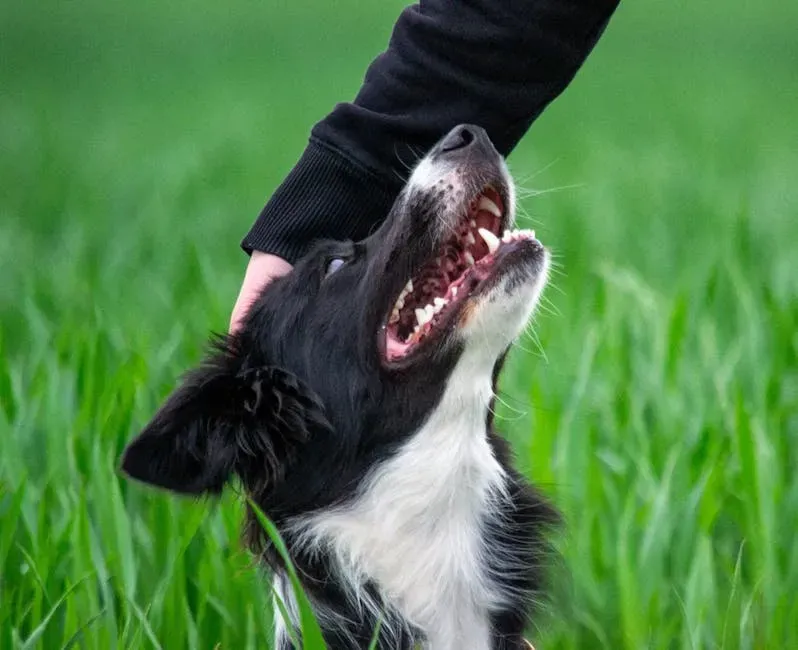
Since it’s innate, you can’t “fix” a dog’s herding behavior. However, you can employ positive training and other approaches to help manage their actions. Pet parents can also use positive reinforcement in training to encourage more desirable behaviors. Additionally, offering suitable outlets for your dog to engage their natural instincts is essential to keeping herding behaviors in check. The goal is redirection, not suppression.
Teaching training behaviors like “Watch Me” and “Leave It” will help you redirect your dog’s attention when moving objects are nearby. These are simple, practical commands that give your dog something productive to do instead of chasing your kids around the kitchen island. It’s also helpful to teach your dog self-control. For example, fetch and tug-of-war are great games to play with your dog, but before you throw the ball or offer the tug toy, ask your dog to do a calm behavior like lying down or sitting.
If having your dog herd actual animals isn’t an option, you might want to consider Treibball. Treibball involves “herding” large fitness balls around a playing field or indoor arena. This may be an especially intriguing option for city dogs. It’s a brilliant outlet. Give them something to herd that won’t trip you on the stairs.
Conclusion: Your Dog Isn’t Bossing You Around. They’re Doing Their Job.
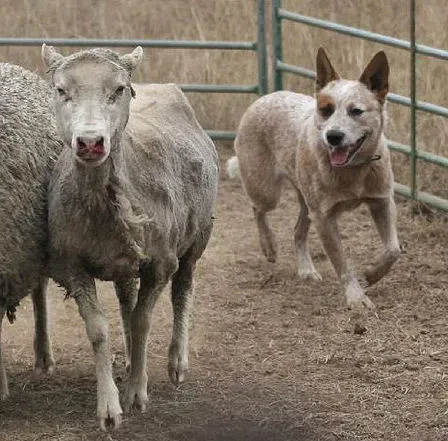
There’s something genuinely moving about understanding why your dog herds you. They’re not being defiant. They’re not broken. They are, in the most literal sense, doing exactly what thousands of years of partnership with humans has wired them to do. Managing a flock feels like purpose to them, and in their eyes, you are that flock.
The best thing you can do as a dog owner is lean into that understanding. Meet their energy with exercise, their intelligence with challenges, and their herding instinct with gentle, consistent redirection. With proper exercise, mental stimulation, consistent training, and suitable outlets for their herding instincts, your dog can become a well-adjusted family member who understands when it’s time to work and when it’s time to relax.
So the next time your dog nudges you toward the couch at 9pm with that serious, focused look in their eyes, maybe just go along with it. They probably just want you safe, close, and accounted for. And isn’t that, in its own wild and wonderful way, exactly what a best friend does? What do you think about it? Tell us in the comments below!


