You ever just stop and watch your dog for a moment when they’re truly content? That dreamy look in their eyes, the way their whole body seems to just melt into pure peace. As someone who has spent years observing and caring for dogs, I can tell you it’s one of the most beautiful things to witness.
But here’s the thing. That happy place, that magical spot where your dog feels utterly safe and content, isn’t always obvious. It might not be where you think it is. Some dogs find bliss in a sunny patch on the carpet. Others seek refuge under a bed during thunderstorms, or maybe they light up the moment you grab their leash for a walk. Understanding what truly makes your dog happy goes beyond just providing food and shelter. It’s about recognizing those subtle signs, those quiet moments when your dog shows you exactly where their heart feels most at home. Let’s dive in.
The Science Behind Canine Contentment
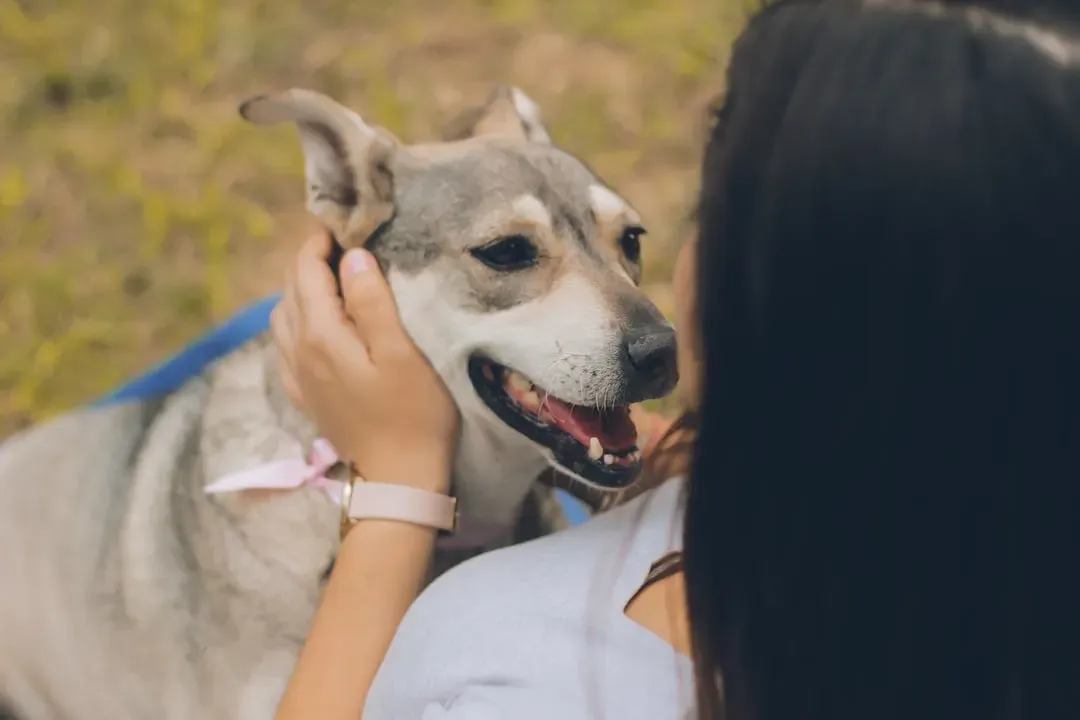
Research published in 2024 shows that spending quality time with dogs reduces stress and increases brain waves associated with relaxation and concentration. This isn’t just about how we feel around our dogs. It works both ways.
When dogs are with their trusted humans, their cortisol levels stay balanced and they can return to normal within about three quarters of an hour, keeping them in a healthy zone of stress response. Think about that for a second. Your presence literally changes your dog’s biology. Studies show dogs experience two main types of happiness: the excited joy that comes with play, food, and anticipation, and the calm contentment linked with gentle touch and relaxation.
Consistency creates a routine that helps dogs feel secure, since there’s no one size fits all when it comes to happiness and every dog is unique.
Reading The Body Language Of A Happy Dog
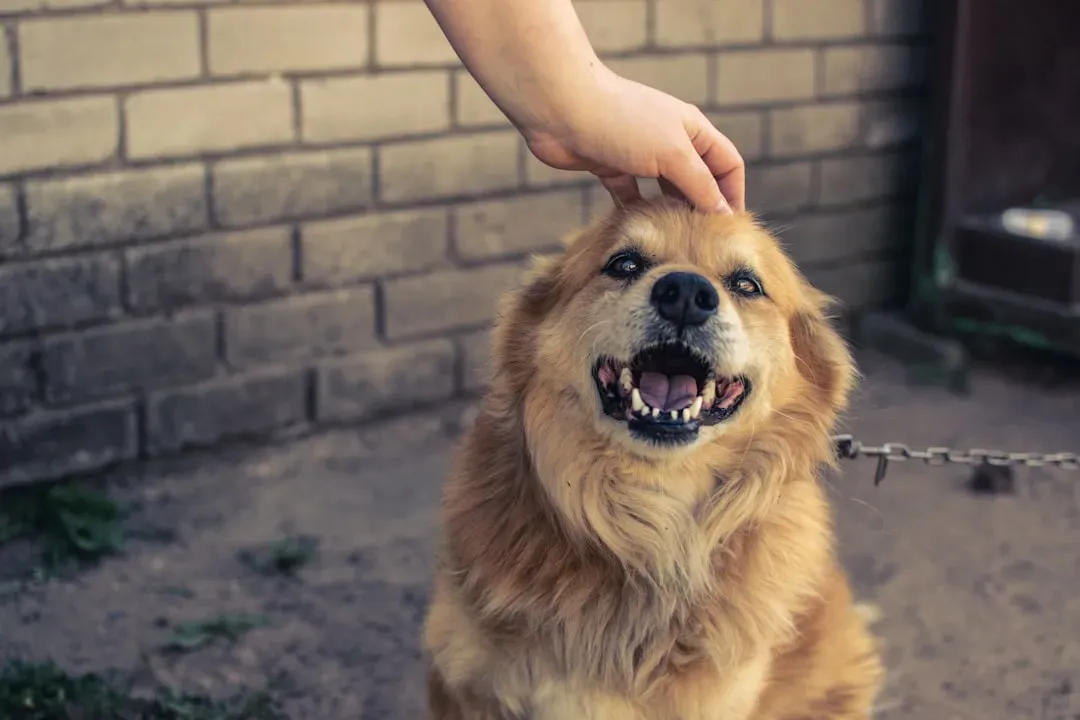
Let’s be real, your dog can’t exactly tell you when they’ve found their happy place. You have to watch for the signs. A happy dog’s tail moves freely at mid height, which is the canine version of a friendly smile.
While ear shapes vary depending on breed, a happy dog’s ears are relaxed and rest naturally against their head, with some dogs having one ear cocked up or both loose and floppy. Soft eyes with slow blinking or gentle squinting signal calm contentment. Watch for the wiggle too. When your dog’s whole body moves like a wave during greetings or before play begins, that’s pure joy.
Honestly, I think one of the clearest signs is when a dog leans into you. Happy dogs make a lot of body contact, staying close or even leaning in toward your hand during petting because they’re enjoying the contact.
Physical Spaces That Bring Joy
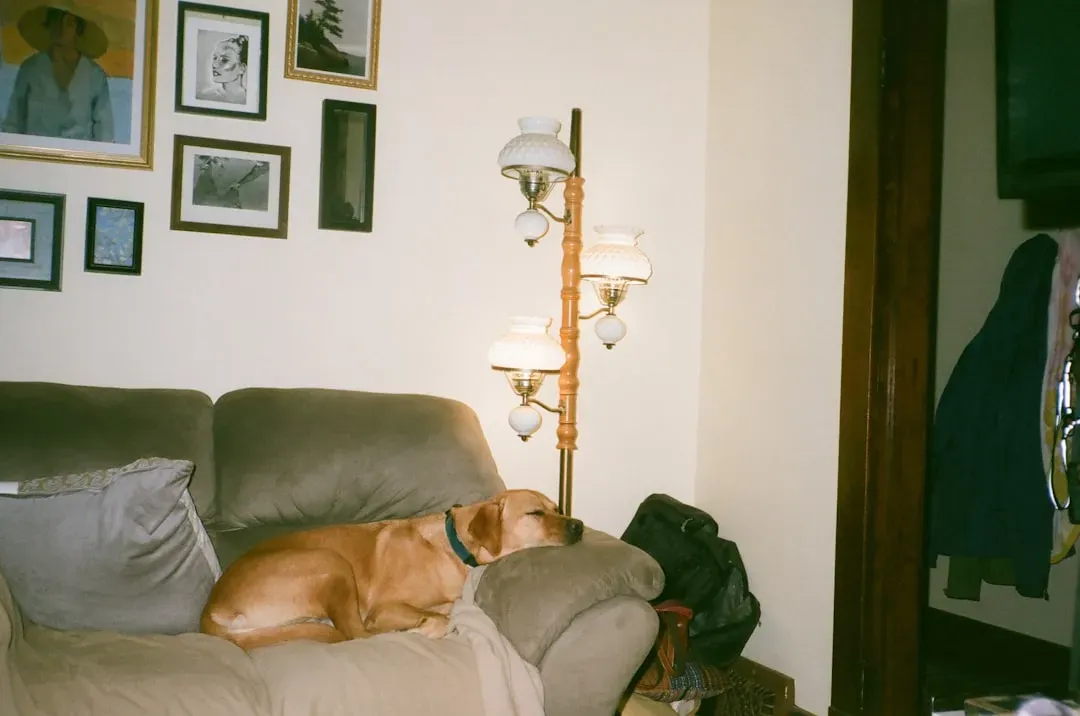
Some dogs have a favorite corner, a specific cushion, or that one spot on the couch where everything just feels right. Creating a cozy resting spot in a dedicated quiet corner of the house, such as an unused bedroom, laundry room, or basement with rugs, blankets, pillows, toys, and treats lets your pup know that it is her place to be.
Dogs often need a hiding place, especially during thunderstorms, so consider building a large indoor doghouse or adding a cage or carrier for them to snuggle into during times of stress. Temperature matters more than you might think. Hot summer temperatures can cause overheating in dogs, so providing shade and water for cooling off is essential.
Some dogs crave outdoor adventure. Dogs need outdoor space to run, play, sniff, and explore, and backyard fencing provides a safe environment where they love to be active.
The Power Of Touch And Connection
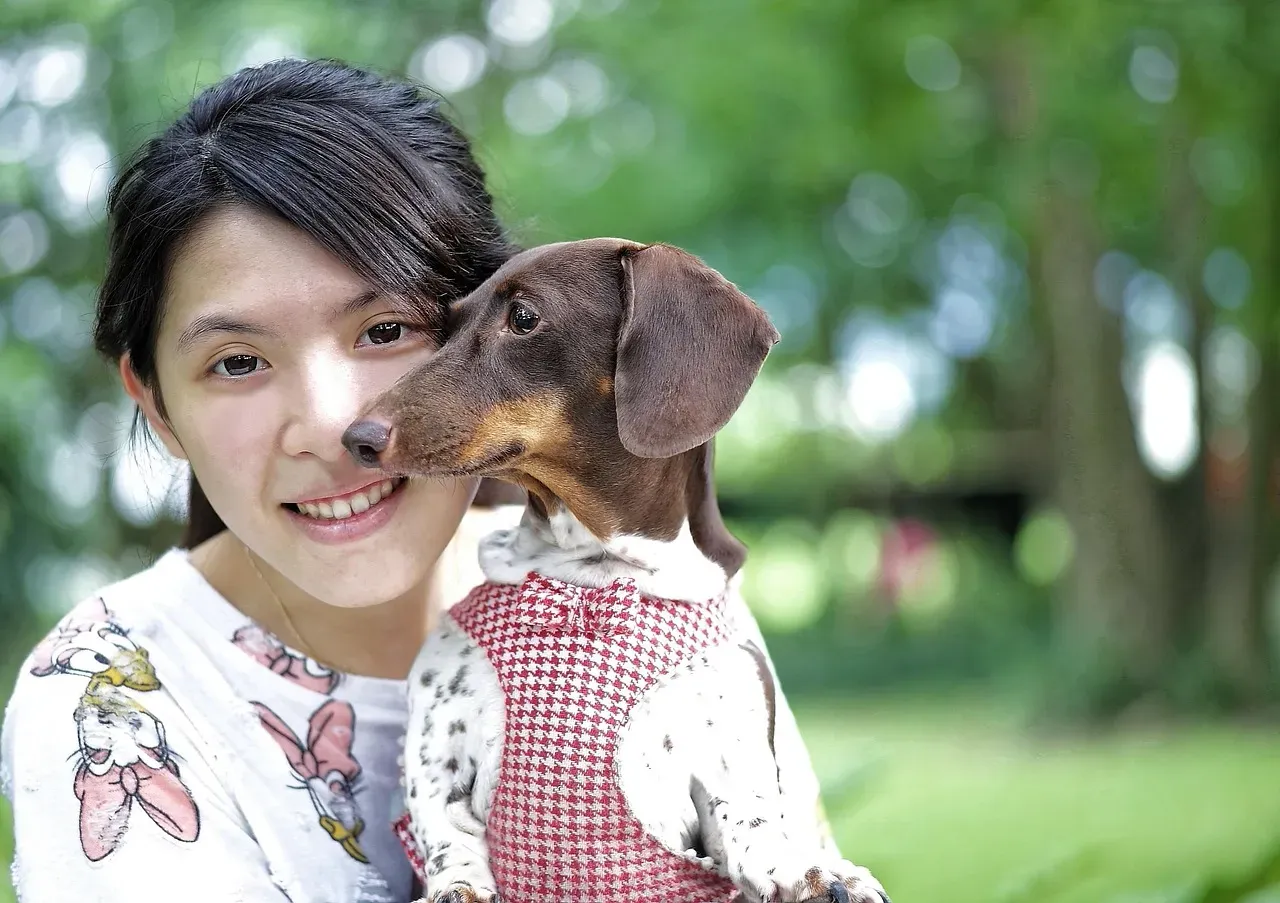
Where you touch your dog matters tremendously. The neck and chest area is often a winning spot for most dogs because this region is less sensitive and allows dogs to see your actions, making them feel more secure, while gentle scratching or massaging can help release tension and provide immense comfort.
Many dogs love a scratch behind the ears because this spot has a lot of nerve endings and it’s comforting. One of the best spots to pet your dog is starting between their shoulders and moving down their back until the space just above the base of their tail, with some dogs appreciating a firmer touch or gentle scratching in this area.
Here’s the thing though. Not all dogs love belly rubs. While many dogs love belly rubs, it’s not a universal preference, and though a dog rolling over to expose their belly is a sign of trust and comfort, if the dog seems stiff or uncomfortable it’s best to respect their boundaries. Petting triggers the release of oxytocin, which relaxes your dog and makes them feel secure.
Activities That Light Them Up
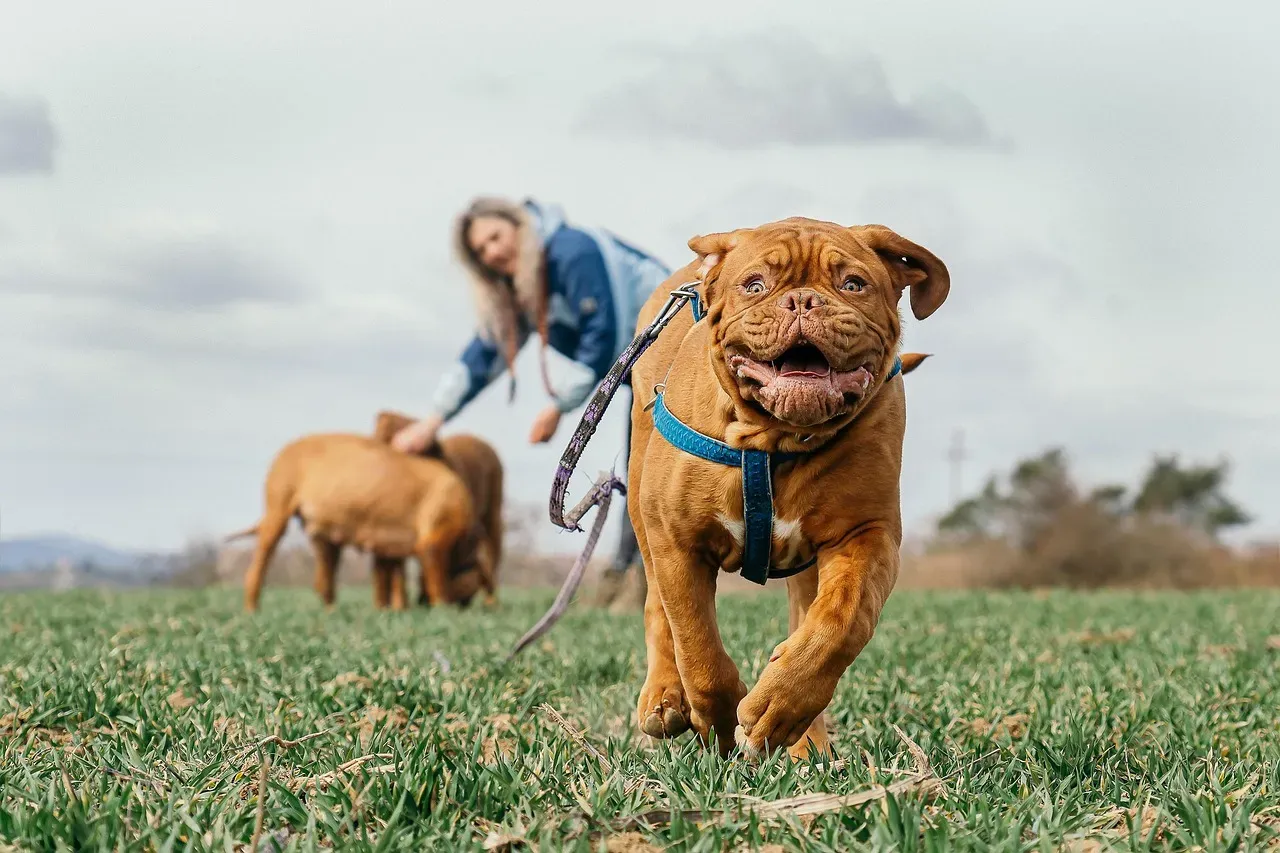
Walks, games, and zoomies in the garden are how dogs are made to move, as daily movement helps keep joints healthy, minds alert, and tails wagging. I know it sounds crazy, but sometimes the simplest activities create the deepest joy.
A happy dog looks forward to mealtime, showing interest by wagging, sniffing the bowl eagerly, or sitting patiently before eating, and this eagerness points to comfort and satisfaction with their environment. Chewing is a natural behavior for dogs as they use their mouths to explore their environments, but excessive chewing or destructive behavior, particularly in an adult dog, could be a sign of stress or boredom.
Every dog’s preference for company is different, but if your pup is social at the dog park, friendly with other family pets, and not overly aggressive to new animals, these are all signs they’re in a good mood. Mental stimulation is just as important. Creating restful spaces that promote mental stimulation with interactive toys and puzzles keeps dogs active and curious and may cut down on instances of barking for no reason, chasing their tails, begging for attention, and chewing up furniture.
When Your Presence Is Their Paradise
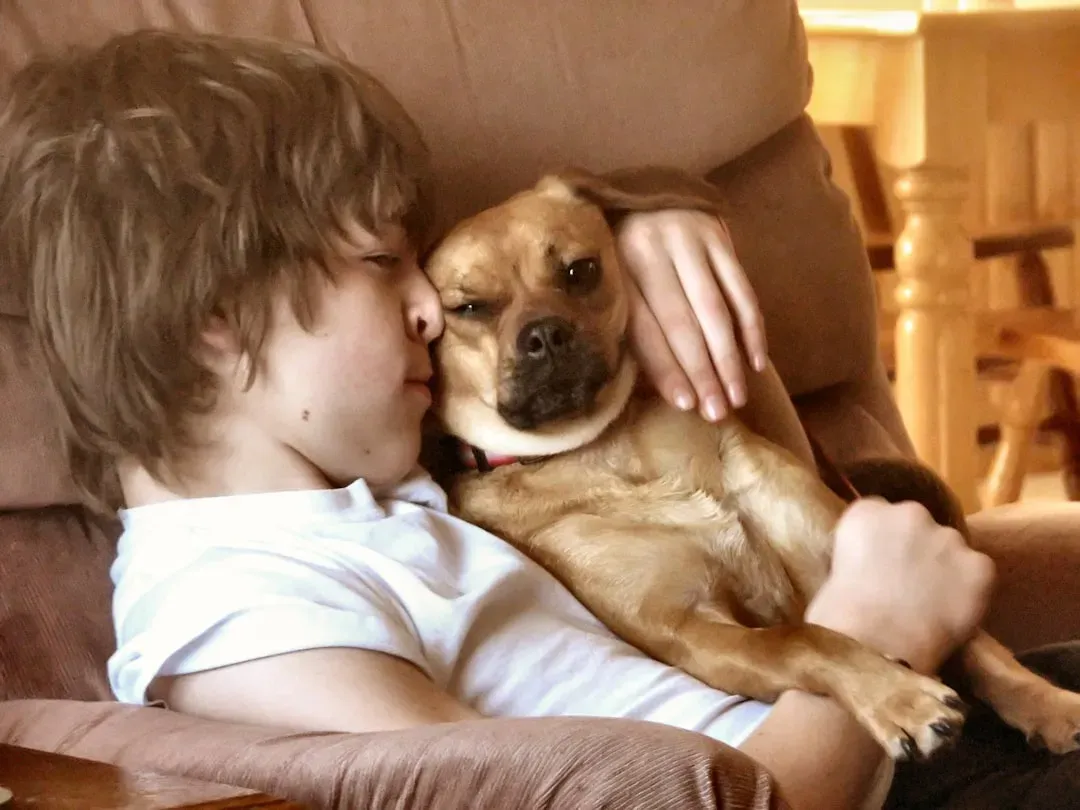
Sometimes the happy place isn’t a location at all. It’s you. Following you around the house is one of the clearest signs your dog loves you and a subtle way of showing they’ve missed you while you were away, highlighting the deep dog owner bond.
Stroking, cuddles, or simply sitting together builds trust and connection, and watching for signs your dog is enjoying it lets them choose how and when they want affection. Changes to their behavior like lip licking, panting, moving away or going very still can be signs your dog isn’t enjoying an interaction.
Creating a culture of consent means periodically stopping the interaction and moving away to see if your dog re engages you to continue, meaning they consent to it continuing. This is huge. Your dog might be telling you they need space, even if you mean well. Respect that boundary. Consistency is the foundation of a happy dog’s life, as regular feeding times, daily walks, and grooming sessions create a sense of stability and trust because dogs love routine as it helps them feel loved and secure.
Conclusion: Creating A Lifetime Of Happy Moments
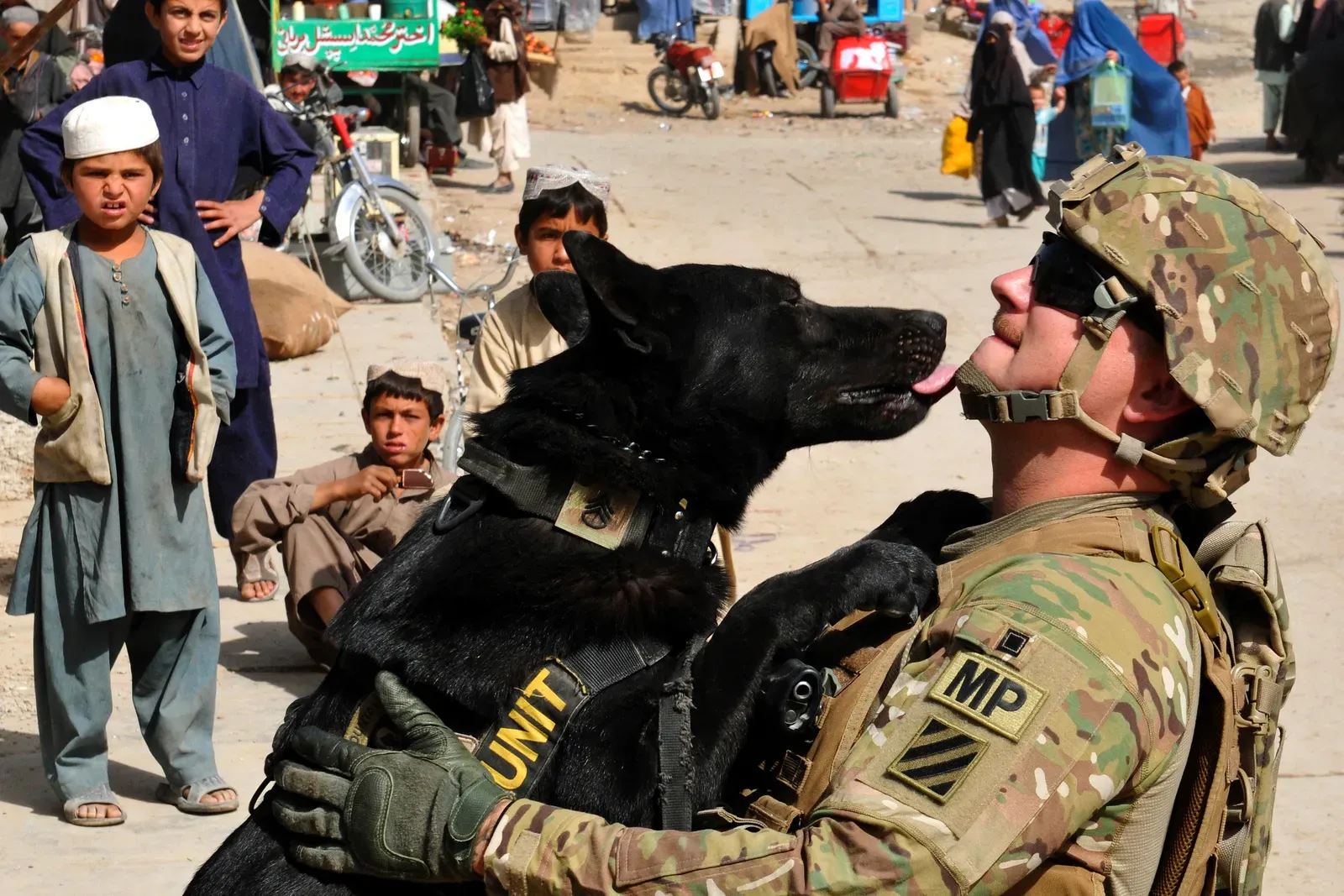
Happiness in dogs shines through simple moments and subtle signs, with a joyful dog relaxing, playing, and seeking love in ways that many owners might miss without close attention, and by learning these signs and creating a nurturing environment you give your pup more than just food and shelter, you give them a true home filled with joy.
Your dog’s ultimate happy place might change over time. Puppies find joy in different things than senior dogs. A rescue dog who once feared storms might eventually find comfort in your presence during bad weather. The key is staying observant, patient, and willing to adapt.
Watching your dog’s happiness grow creates a bond full of warmth and trust, and every wag, soft gaze, or playful leap is a reminder of the beautiful friendship you share, so take time to see the joy in your dog’s eyes because it’s a reflection of the care and love you give every day. What’s your dog’s Have you noticed something special that brings them pure contentment? Pay attention this week and you might discover something wonderful you never noticed before.