
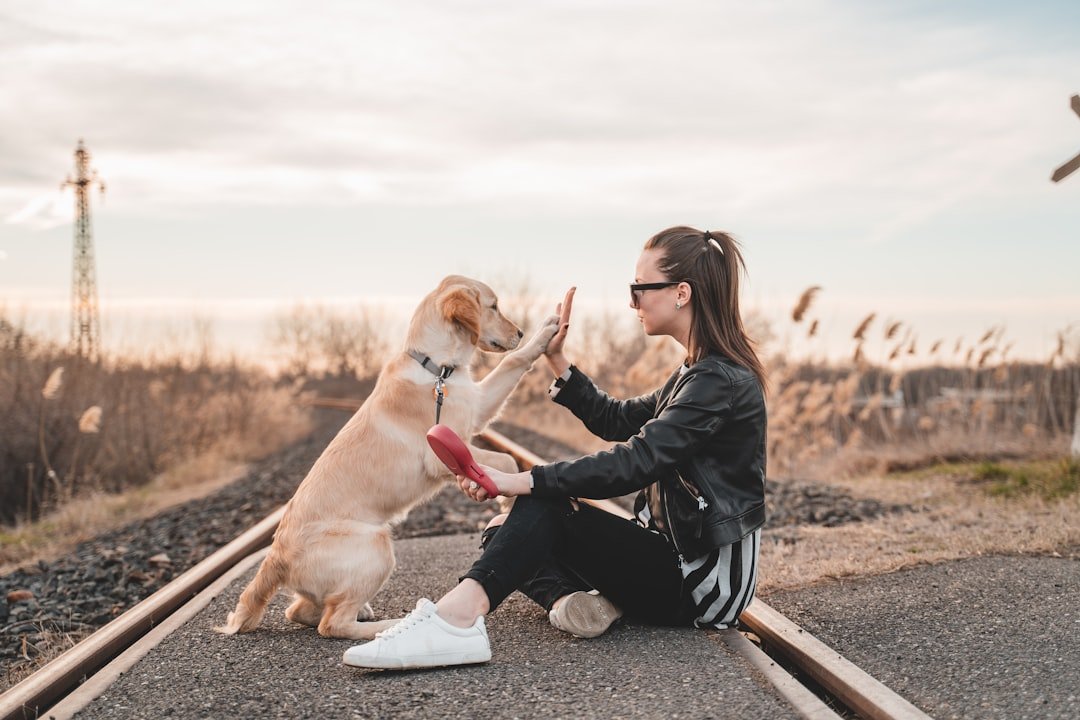
Ever notice how your dog seems to have developed supernatural abilities to predict your every move? They’re waiting by the bathroom door before you even realize you need to go. They follow you to the kitchen, hover while you make coffee, and somehow beat you to the living room when you’re ready to sit down.
If this sounds familiar, you’re living with what dog behaviorists lovingly call a “shadow dog” or “velcro dog.” This isn’t just cute clinginess though. That deep attachment reveals fascinating truths about canine psychology, pack behavior, and the remarkable bond between humans and dogs. Understanding what drives this behavior helps you nurture a healthier relationship while recognizing when affection crosses into anxiety territory.
The Science Behind Your Dog’s Shadow Behavior
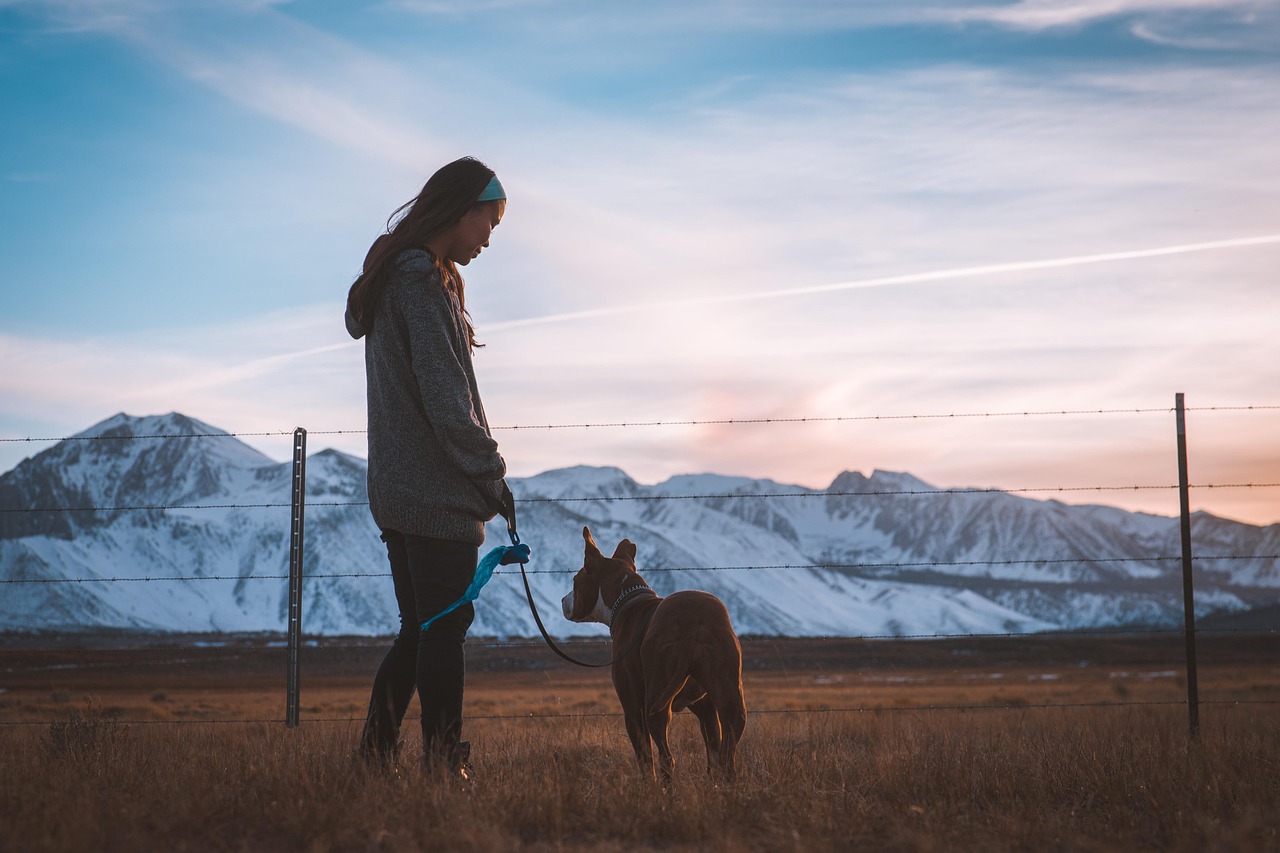
Your dog’s tendency to follow you everywhere isn’t random behavior. At the core of your dog’s following behavior is their pack instinct. Domesticated dogs view their human family as their pack, with you serving as the pack leader. This evolutionary trait drives them to stay close to their social group for safety, protection, and guidance.
Experts explain that your dog’s desire to be near you is often a sign of trust and strong emotional bonds. This attachment releases oxytocin – the same hormone related to joy and bonding – both in your pet and in you. Think of it as nature’s way of cementing the human-dog partnership that’s evolved over thousands of years.
Researchers have discovered something remarkable about this bond. Consistent with Bowlby’s ethological attachment theory and the infant–parent literature, the behavior of most dogs conformed to the secure pattern. This means your shadow dog actually mirrors attachment patterns similar to those seen in human children with their caregivers.
Research has shown dogs are highly sensitive to human emotional cues, increasing their desire to stay close to their caregivers. Your dog isn’t just following you because they’re bored. They’re actively reading your emotions and responding accordingly.
Normal Shadow Behavior vs. Separation Anxiety
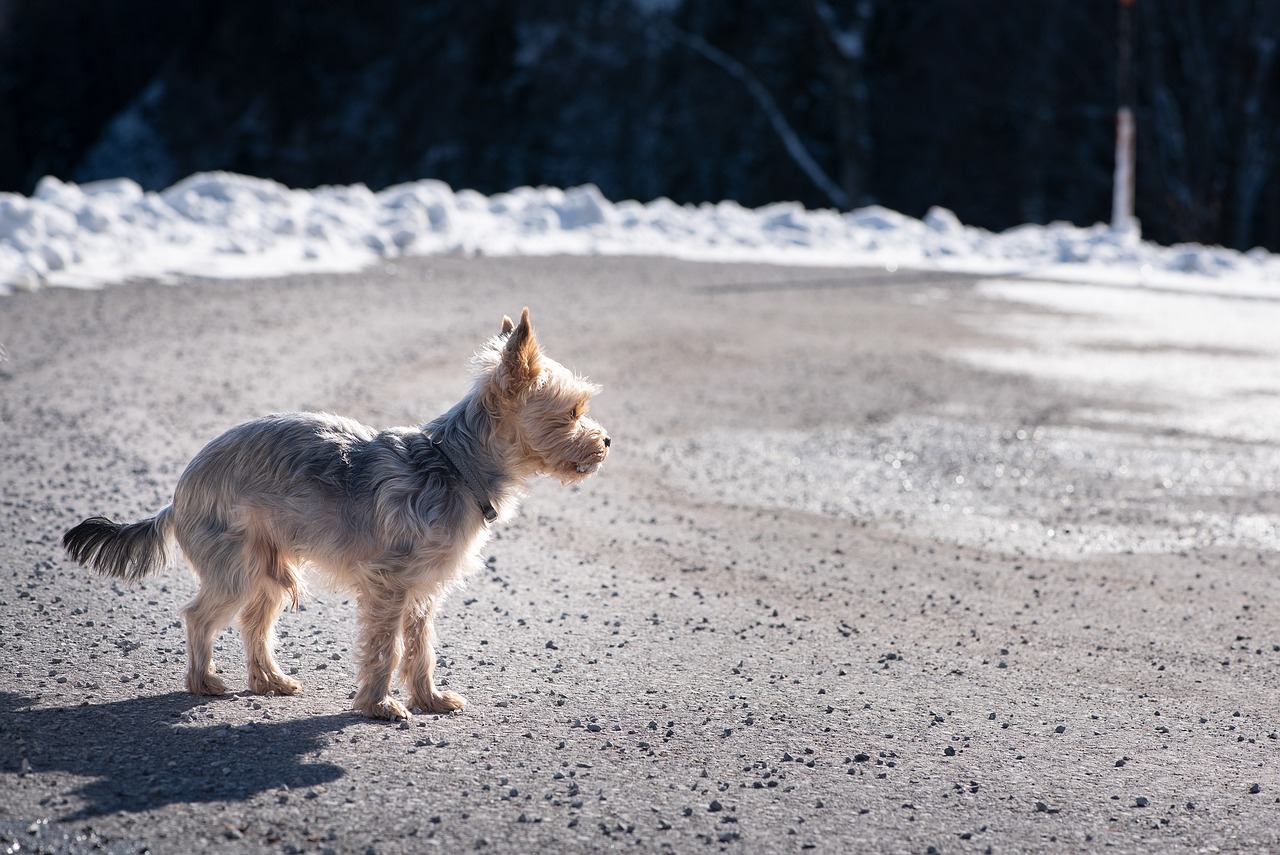
Here’s where things get important for every dog owner to understand. While shadow dogs want to be close to you and clingy dogs want to be even closer, dogs with separation anxiety panic when not with you. Shadow dogs are showing normal behavior for many dogs, and clingy dogs are normal depending on the cause of the attachment.
A healthy shadow dog enjoys your company but remains calm when you’re away. However, if left home alone, they are fine and don’t stress. They might follow you around the house, but they’re not experiencing distress about potential separation.
Separation anxiety is entirely different. Dogs suffering from separation anxiety are unhappy, worried, anxious, or fearful when separated from their owner. They may pant, drool, bark, or howl when left alone. Some dogs will urinate or defecate in the house when alone. Pacing is common, as are efforts to escape from the house or yard, including tearing out screens, chewing on doors and door frames, and more.
Watch for these red flags. They often begin to display anxiety as soon as the owners prepare to leave. During departures or separations, in addition to vocalization, destruction and elimination, they may be restless, shake, shiver, salivate, refuse to eat, or become quiet and withdrawn.
Why Your Dog Chose You as Their Person
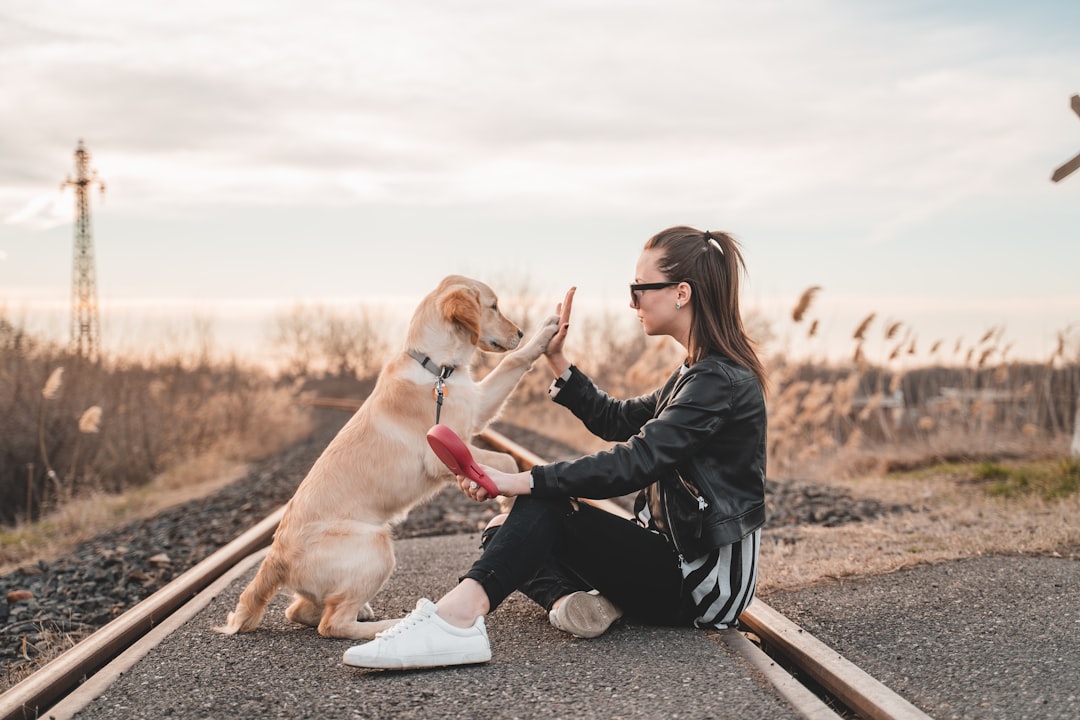
Ever wonder why your dog shadows you specifically when other family members are around? Dogs often form a stronger bond with one particular member of the family. Several factors can influence this preference, including who feeds them, who spends the most time with them, who plays with them, or who provides training and discipline. The person who best meets the dog’s needs for security, engagement, and routine is often the one who gets a furry follower.
It’s not always about who gives the most treats. Dogs are incredibly perceptive about consistency and emotional availability. Those who successfully establish such a nurturing dynamic – like consistent routines, positive reinforcement, and an intuitive understanding of their needs and body language – are often the ones who find themselves with a four-legged shadow.
This selection process can even change over time. If someone else in the household takes over primary care duties or spends significantly more quality time with the dog, you might find your shadow transferring their allegiance.
Breed Differences: Some Dogs Are Born to Shadow
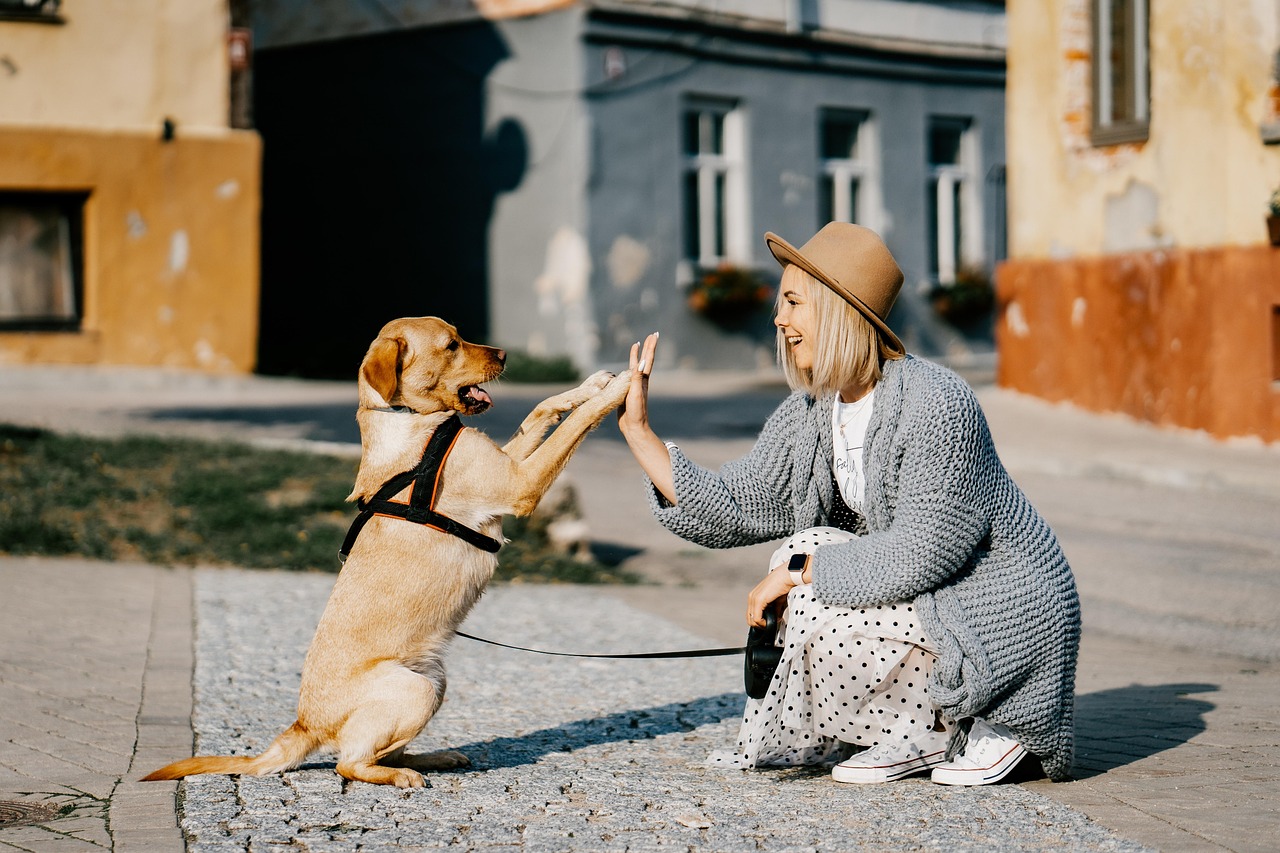
Herding dogs aren’t the only ones who like to shadow their owners. Many breeds, especially those bred to work for or with people, prefer to be close. Doberman Pinschers and Rottweilers, both large, imposing breeds, are usually found within arm’s reach of their owners. Other breeds, including Pugs and Cavalier King Charles Spaniels, were bred to be companions.
Italian Greyhounds, Golden Retrievers, and Pugs are among the breeds commonly known to exhibit Velcro behavior. Other breeds, such as the Labrador Retriever, Australian Shepherd, and Chihuahuas, also share this characteristic love trait. If you have one of these breeds, shadowing behavior is likely hardwired into their DNA.
Teamwork-oriented breeds, such as Border Collies, Australian Shepherds, German Shepherds and Shelties, have a slightly increased genetic tendency to be velcro dogs due to being more inclined to form a bond with and please humans. These working breeds were selected for their ability to partner closely with humans.
Many small breed dogs are more likely to seek proximity to their favorite humans, too. Historically, some small breeds were bred as companions, designed to enjoy being close to their humans. So if you have a Chihuahua who acts like your personal bodyguard, that’s centuries of selective breeding at work.
The Hidden Reasons Behind Excessive Following
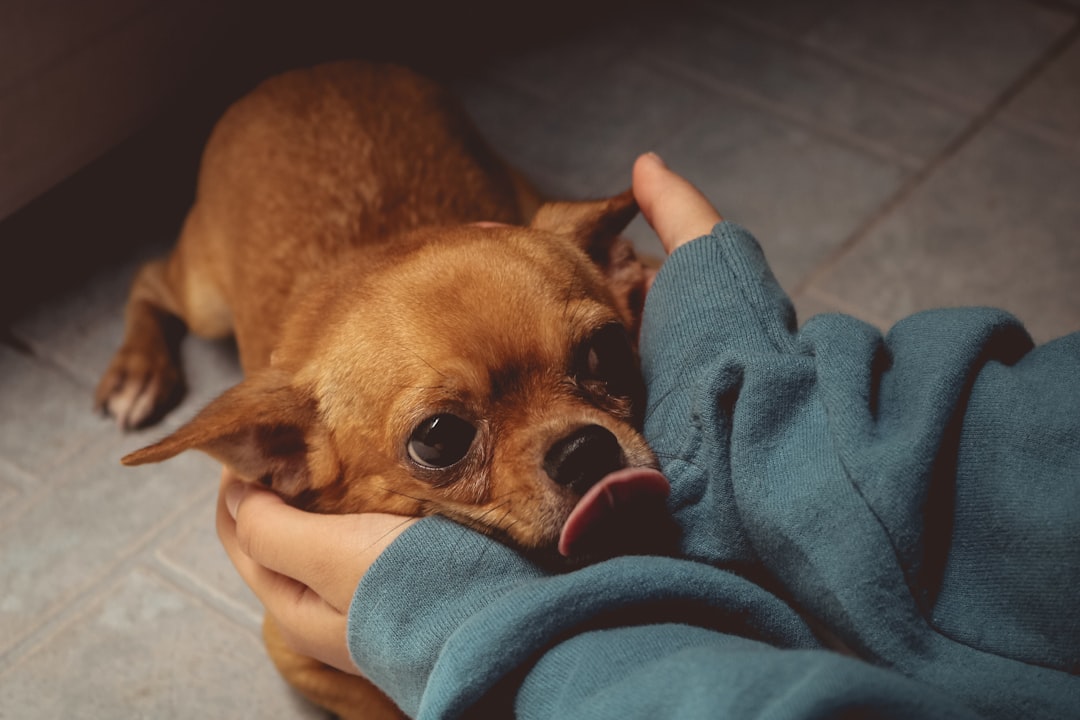
Sometimes shadow behavior intensifies beyond normal attachment. Sometimes, your dog’s constant following is simply because they’re bored or curious. Like humans, dogs thrive on mental and physical stimulation. If they haven’t had enough activity during the day, they might track you around as a way to entertain themselves or to seek your attention.
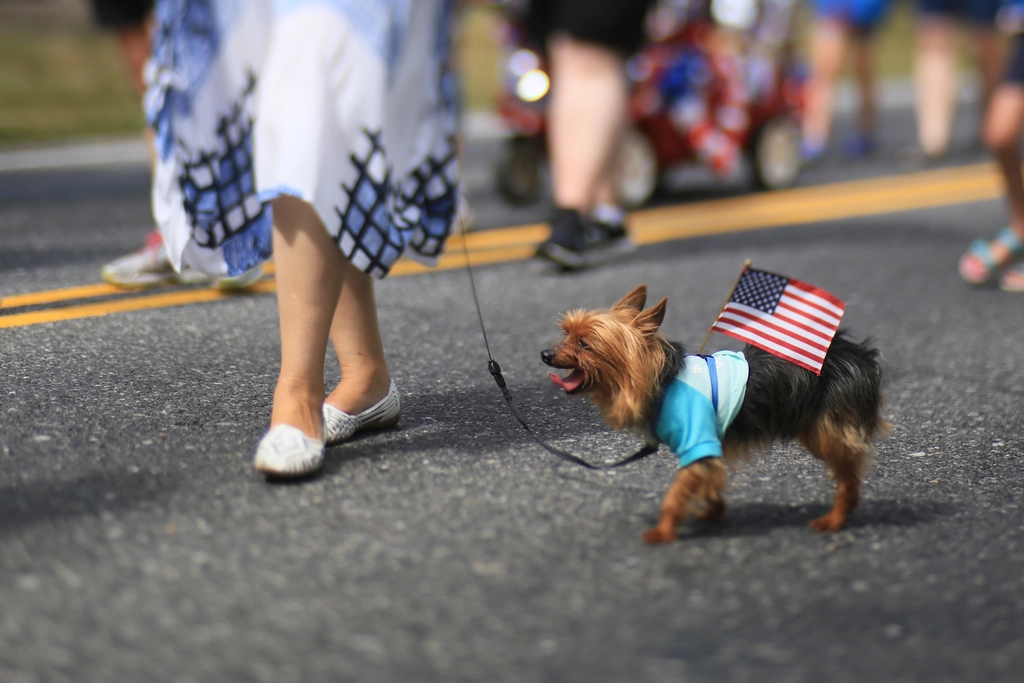
If a dog who is not normally clingy suddenly becomes so, there is usually a reason. Many dogs become clingy around holidays that are normally noisy; Fourth of July and New Year’s Eve are two common anxiety-producing holidays. If you’re hosting a party and a number of strange people are coming in and out of your house, your dog might be worried and become glued to you.
Health issues can also trigger increased shadowing. Dogs experiencing pain, illness, or cognitive changes may seek extra comfort from their trusted human. Older dogs especially might shadow more as their confidence decreases with age-related changes.
If your pet could earn the rating of super-duper-extra-clingy, it’s time to evaluate your frequency of positive reinforcement. You may be doting on the pet too much and unknowingly training them to follow you around given that they get a reward at every turn, such as gushing attention, back rubs or tasty treats. If you routinely spoil your dog, that overload of affection can trigger velcro behavior. If every time your pet approaches you, you create feel-good moments, the dog is going to stay by your side 24/7.
When Shadow Behavior Becomes Problematic
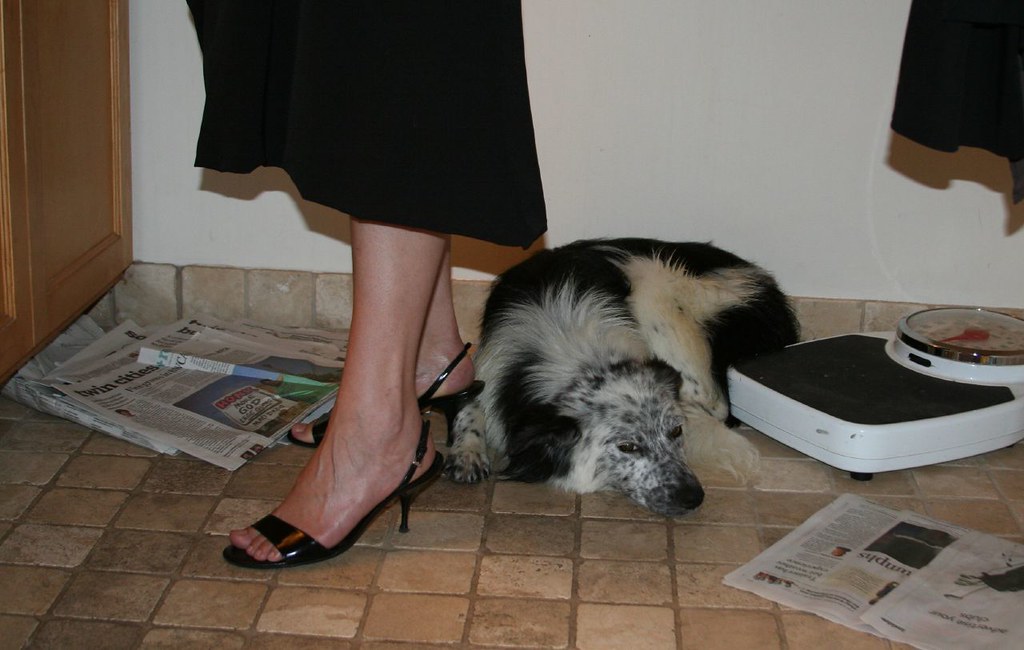
On the other hand, you may have a dog who follows you absolutely everywhere, including into the bathroom or behind each step around the kitchen. This type of behavior could become a tripping hazard for you or an injury risk for the pet. Velcro dogs also have a greater chance of experiencing separation anxiety and acting out when left alone. This could mean damage to your home, a kennel or to the pet themselves (via excessive self-licking or chewing).
Extreme shadowing can actually indicate underlying anxiety rather than healthy attachment. Clingy dog syndrome is not a recognized medical condition but rather a term used to describe dogs that exhibit excessive attachment or clingy/Velcro behaviour towards their owners. It is a behaviour that can be caused by a variety of factors, including lack of socialization, separation anxiety, fear or anxiety, illness, a change in routine, or genetics. Dogs with clingy dog syndrome tend to follow their owners everywhere they go, seeking constant attention and affection and can even become agitated or destructive when they don’t get the attention they seek.
Watch for these warning signs: inability to settle when you’re home, panic responses to pre-departure cues like picking up keys, destructive behavior when briefly separated, or excessive vocalization when they can’t follow you.
Remember that healthy dogs should be able to exist comfortably in the same space without needing constant physical contact or undivided attention. If your dog seems distressed rather than content during shadowing behavior, professional evaluation might be needed.
Creating Healthy Independence While Maintaining Your Bond
The good news? You can nurture your dog’s attachment while encouraging healthy independence. To ensure it remains positive for both you and your pet, here are a few easy tips: Designate Cozy Spots: Create comfortable areas around your home where your dog feels happy relaxing independently. Encourage Independent Play: Provide your dog with engaging toys and puzzles to enjoy on their own. Establish a Predictable Routine: A regular schedule helps your dog feel secure and confident, naturally reducing clinginess. Positive Reinforcement: Gently praise and reward your dog when they choose to spend calm time alone.
If your dog has a mild case of separation anxiety, counterconditioning might reduce or resolve the problem. Counterconditioning is a treatment process that changes an animal’s fearful, anxious or aggressive reaction to a pleasant, relaxed one instead. It’s done by associating the sight or presence of a feared or disliked person, animal, place, object or situation with something really good, something the dog loves. Over time, the dog learns that whatever he fears actually predicts good things for him.
Start small with independence training. First, practice leaving without opening the door. Put on your shoes, pick up your keys, walk to the door, but don’t leave. Gradually work up to brief absences, always keeping sessions positive and pressure-free.
Regular exercise and mental stimulation not only enrich your dog’s life but also help maintain a healthy, balanced bond between you both. A tired dog is often a more independent and confident dog.
Conclusion: Embracing the Shadow with Wisdom

Living with a shadow dog offers unique rewards and challenges. That devoted companionship represents one of the most beautiful aspects of the human-canine bond, rooted in thousands of years of evolution and mutual dependence. Remember, when your dog follows you around, they’re expressing trust, loyalty, and unconditional love. Understanding and gently managing this behavior ensures your companionship remains fulfilling and joyful for years to come.
The key lies in recognizing when healthy attachment crosses into anxiety territory and taking appropriate action. Whether your dog is naturally clingy due to breed characteristics or has developed shadowing behavior through learned experience, you have the power to shape this relationship positively. By fostering both connection and independence, you’re giving your dog the greatest gift: a secure, confident relationship that enhances both your lives.
What does your shadow dog’s behavior tell you about your unique bond? Share your observations and experiences in the comments below.


