You’ve probably seen it a hundred times. That furry silhouette parked by the front door, ears perked, eyes focused on the very spot where you last disappeared. Maybe your dog does this every single day, or perhaps it’s a new habit that’s caught your attention. Either way, it tugs at something deep inside you, doesn’t it? That mixture of love and guilt and curiosity all wrapped up in one moment.
Here’s the thing: when your dog waits by the door, they’re telling you something profound about how they experience the world, about their connection to you, and sometimes about what they need. It’s not always what you think, though. Let’s be real, we love to romanticize our dogs’ behaviors, but understanding what’s actually happening can help you respond in ways that truly support your pup.
The Bond That Pulls Them to That Spot
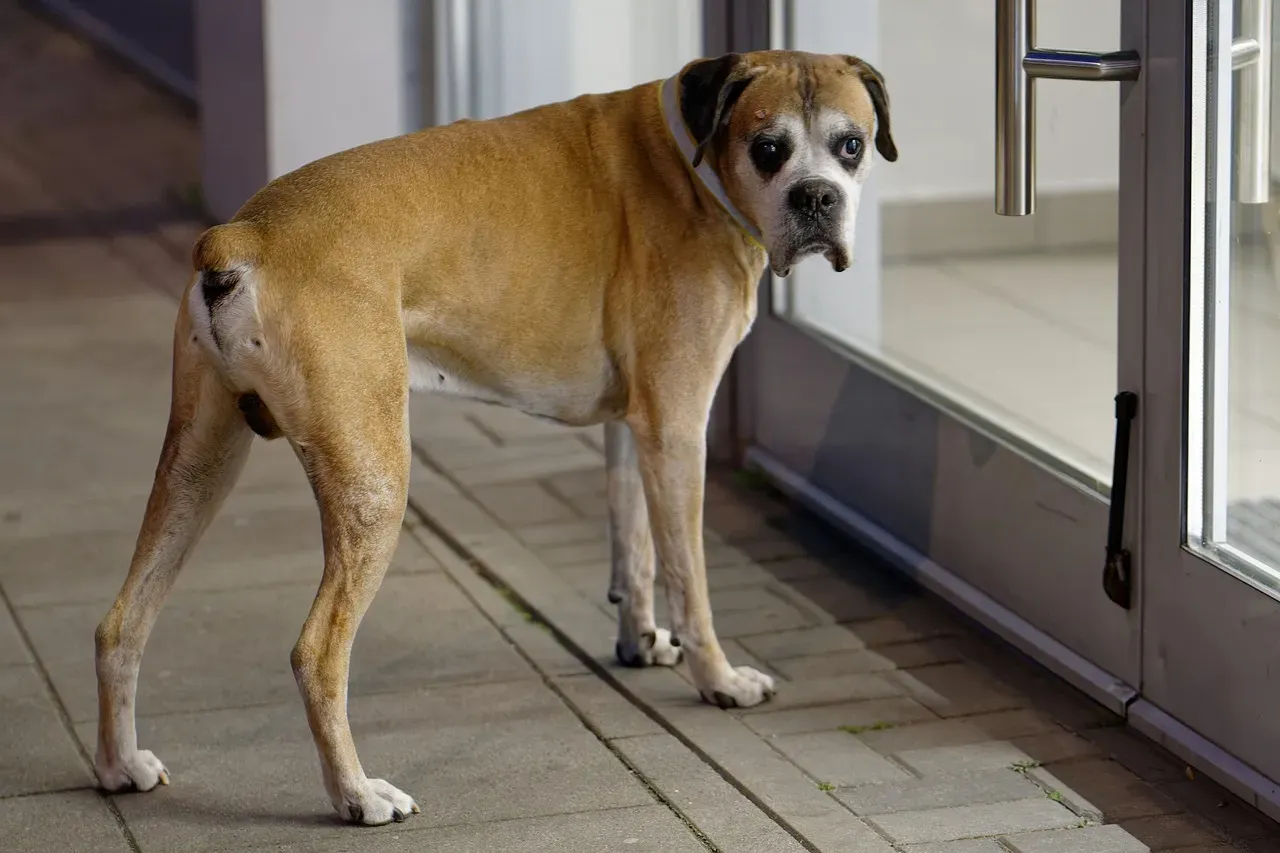
Dogs wait by the door because it was the last place they saw their loved one, so that’s where they expect to see them next. Think about it from their perspective. The door is the portal between their world with you and their world without you. It holds significance beyond what we might imagine.
Dogs actively seek human contact and are happier with human social interaction. This isn’t neediness in the way we might label it in people. It’s deeply ingrained in who they are as domesticated animals. Your dog genuinely finds joy and comfort in your presence, and that door represents the threshold of reunion.
Sometimes the waiting feels almost spiritual. Research has shown fascinating patterns in this behavior. Nearly half of dog owners report their dogs anticipate returns, with about a fifth of these dogs showing anticipation more than ten minutes in advance. There’s something remarkably intuitive about how dogs sense our impending arrival, even when routines vary wildly.
When Waiting Becomes Worrying
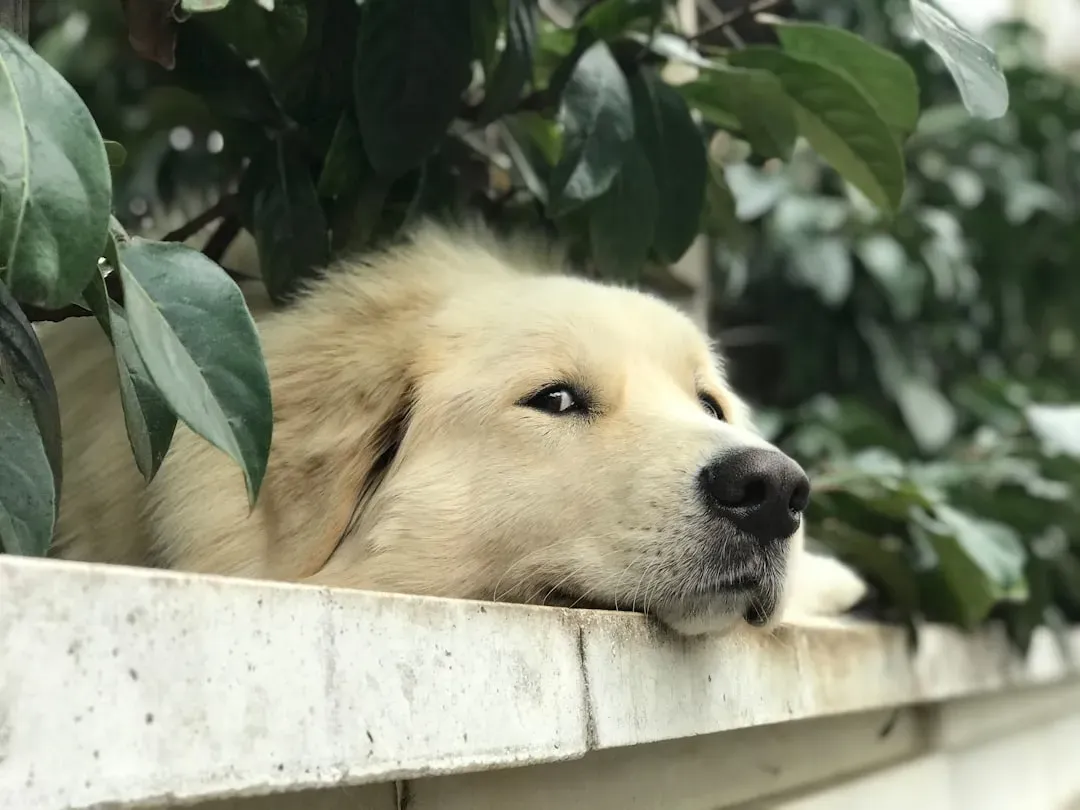
Not all door waiting is created equal. When waiting by the door signals separation anxiety, it means the dog feels stressed or scared when alone. This is where observation becomes crucial for you as a dog parent.
Watch for additional signs. Stress indicators include dilated pupils, panting, yawning, salivating, trembling, pacing and exuberant greeting. If your dog’s waiting involves pacing, whining, destructive behavior, or obvious distress, we’re looking at something more than simple anticipation.
Dogs with separation anxiety become destructive or eliminate shortly after departure, with destructive activity often focused on doors where owners depart. Honestly, separation anxiety can be heartbreaking to witness. Your dog isn’t being spiteful or dramatic. They’re experiencing genuine panic, something akin to a human panic attack, and the door becomes ground zero for that emotional storm.
The Simple Stuff: Bathroom Breaks and Boredom
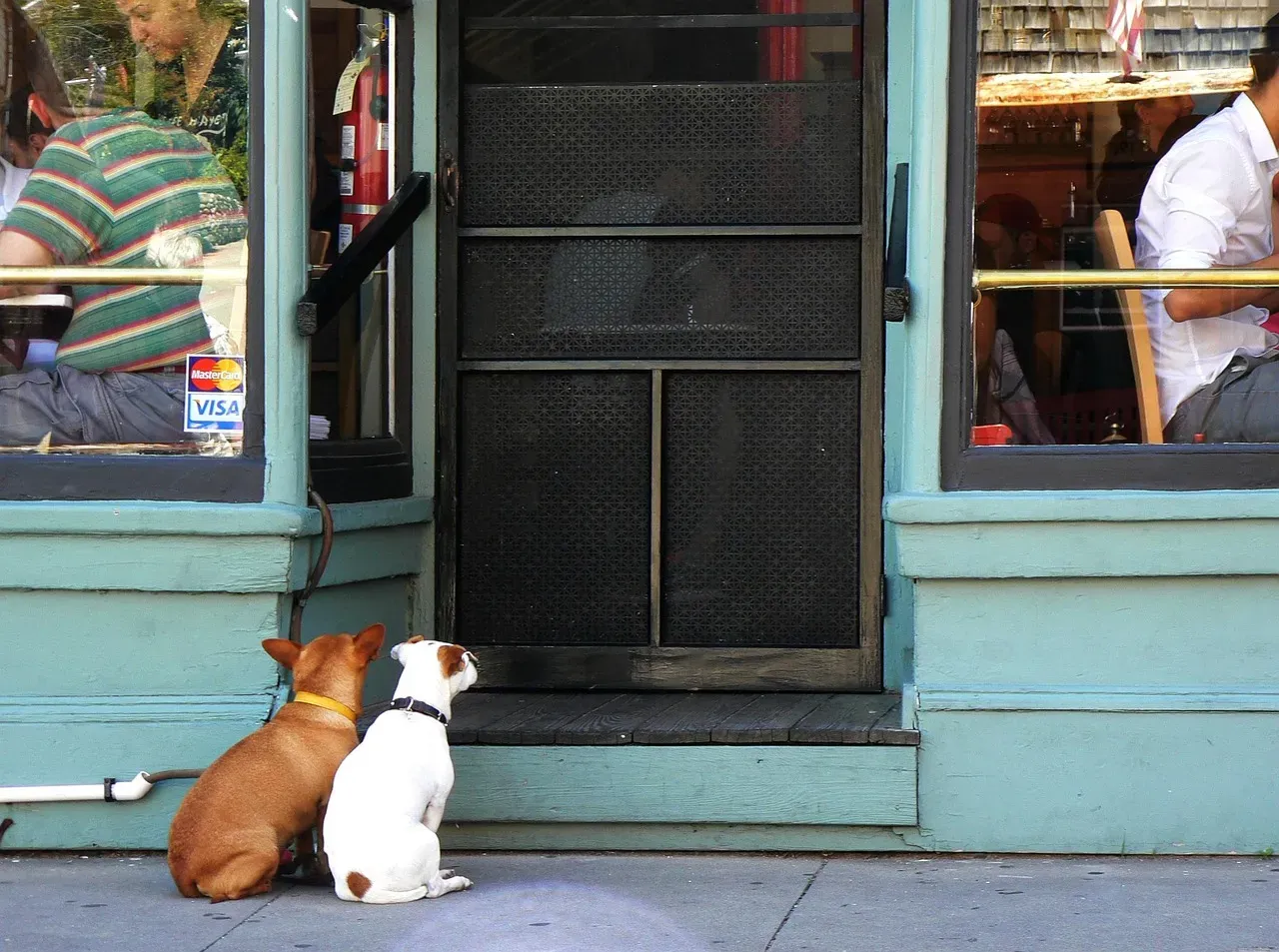
Let’s not overcomplicate things. Sometimes a dog by the door just needs to pee. House trained dogs don’t always know many ways to communicate their bathroom needs, so they might scratch, circle, or simply sit at the door. If your normally patient pup seems insistent, take them out even if it’s not their usual time.
Sitting by the door can indicate boredom or frustration with lack of activity and may precede destructive behaviors, which can be alleviated with increased interactive play and exercise. Your dog knows what lies beyond that door: adventure, smells, other dogs, squirrels, all the good stuff. When life inside gets dull, that door becomes infinitely more interesting.
Think about how you feel stuck inside on a beautiful day. Dogs experience similar restlessness. They’re hardwired for movement and exploration, and insufficient mental or physical stimulation can drive them to fixate on the exit.
The Protector at the Gate
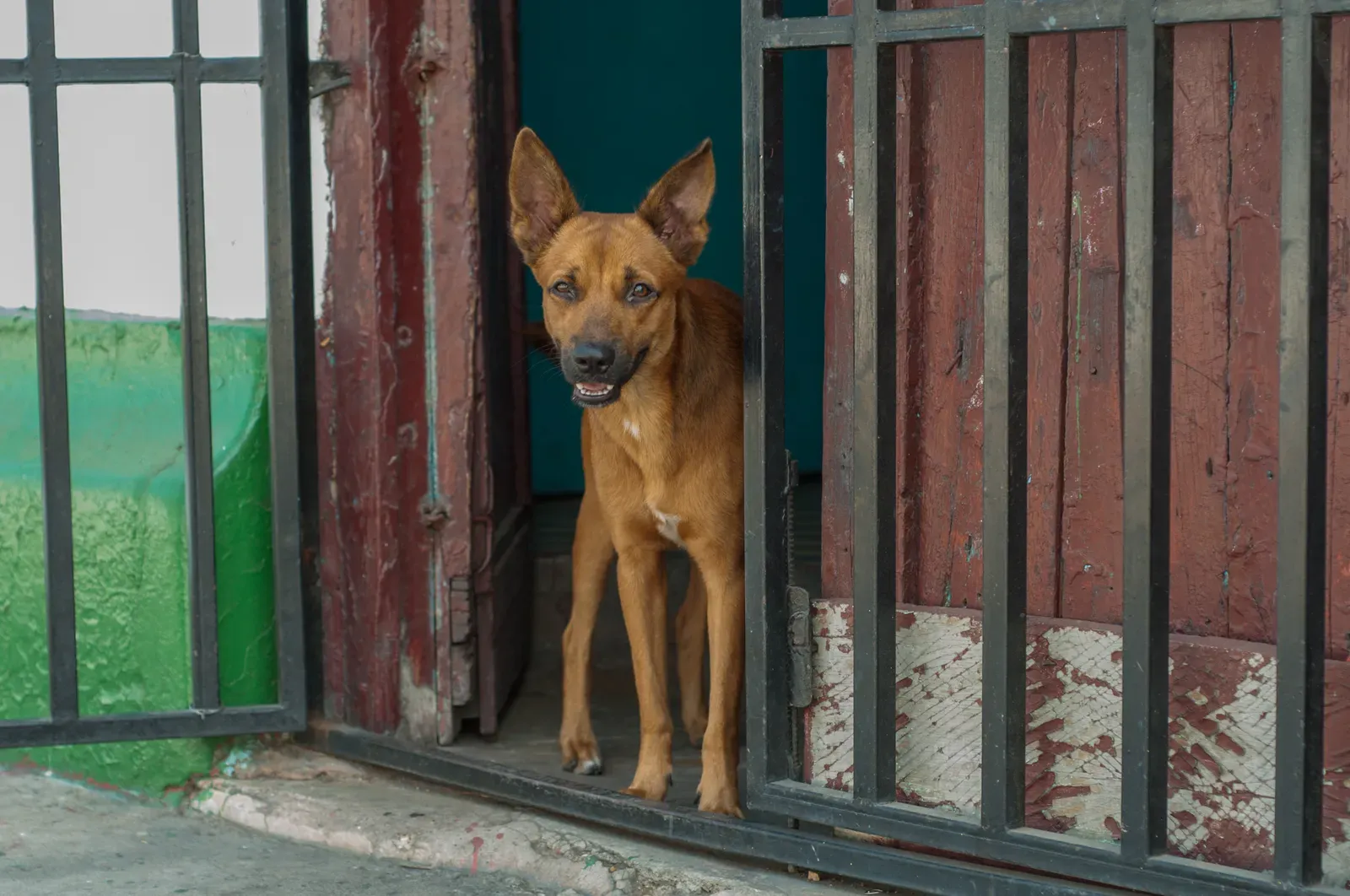
Some dogs are naturally protective and sit by the door to protect you in the event of an intruder or another issue, anticipating anything or anyone that could walk through. This territorial instinct varies by breed and individual temperament, but it’s surprisingly common.
If there’s a draft coming under the door, your dog is likely smelling all sorts of things on the outside, and curious dogs wait for stimulation. Your door isn’t just a barrier. It’s a sensory portal delivering constant updates about the neighborhood. That stray cat, the mail carrier, the dog three houses down – your pup is monitoring it all.
Some dogs take their guardian role seriously. They’re not anxious or bored; they’re on duty. You’ll notice these dogs seem calm but alert, changing position occasionally but maintaining their post. It’s less about missing you and more about protecting the territory until you return.
Reading the Behavioral Cues
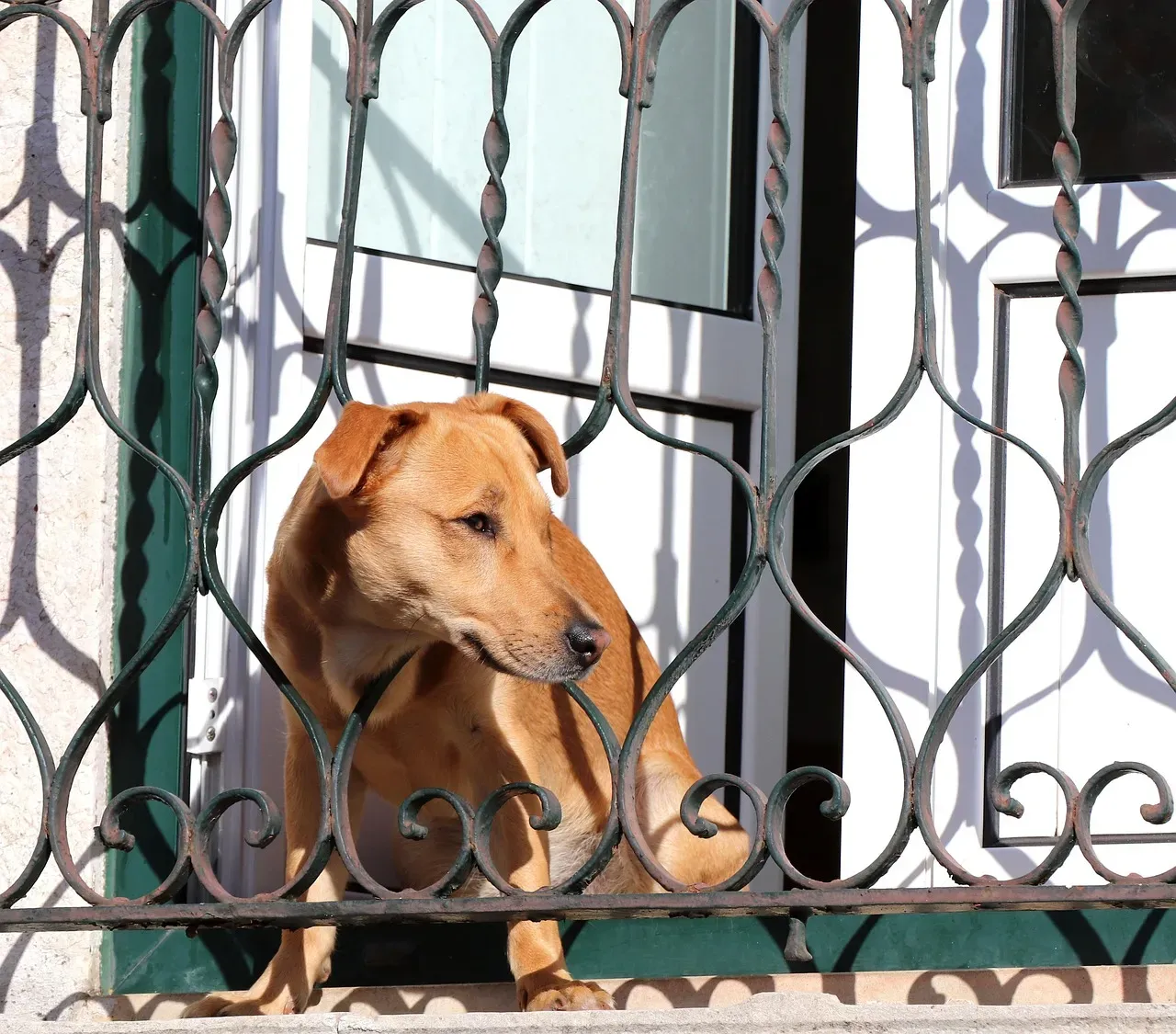
Context matters enormously. Notice the timing – some dogs wait all day, possibly because someone is absent or the dog is protective. Track when your dog positions themselves by the door. Is it right after you leave? Only at certain times of day? When specific family members are gone?
If your dog’s favorite person has gone out or is due back, they might sit patiently awaiting their return, especially at consistent times, signifying strong attachment and anticipation. Dogs are pattern recognition masters. They notice when you grab your keys, put on certain shoes, or check your phone repeatedly. These pre departure cues can trigger door watching even before you’ve left.
The intensity of the behavior tells you a lot. A relaxed dog occasionally glancing toward the door differs vastly from one trembling, pacing, or vocalizing. Your dog’s body language – ears, tail, posture, breathing – reveals whether they’re calmly waiting, eagerly anticipating, or genuinely distressed. Learn to read these signals, and you’ll understand your dog’s emotional state far better.
What You Can Actually Do About It
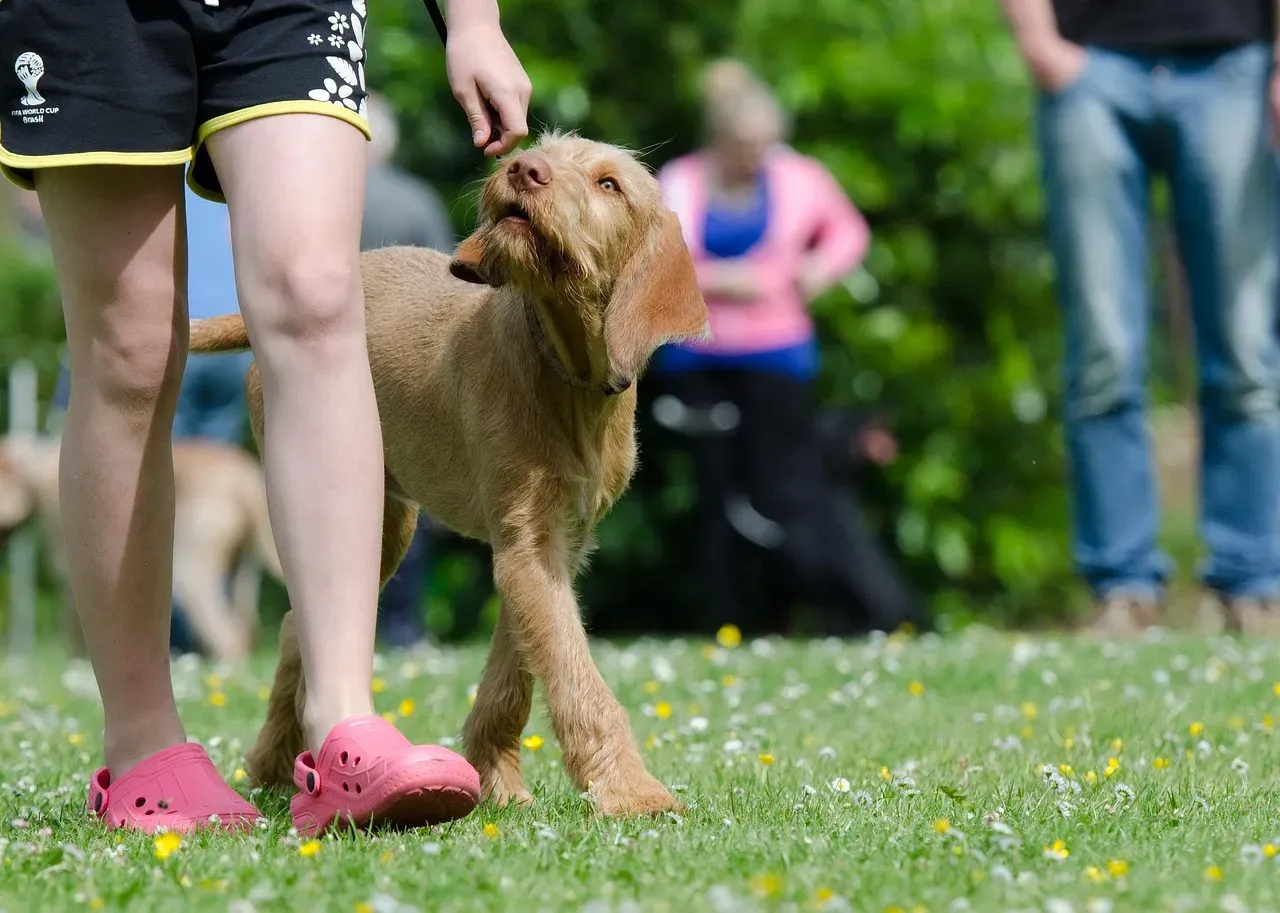
If separation anxiety is the culprit, know that punishment never helps. The physical expressions of panic and anxiety aren’t voluntary, and dogs aren’t being bad on purpose – they really can’t help themselves. This requires patience, consistency, and often professional help.
Plan absences to be shorter than the time it takes for your dog to become upset, spending significant time building up to forty-minute absences because most anxious responses occur within the first forty minutes alone. Start with literally seconds. Walk to the door, pause, return. Gradually increase duration only when your dog remains calm. It sounds tedious because it is, but it works.
For dogs motivated by exercise or bathroom needs, the solution is straightforward: provide more opportunities. Dogs often sit by the door when they don’t get enough exercise or want to play outside, so ensure they’re getting adequate exercise, with different breeds requiring different amounts. Mental enrichment matters just as much as physical activity. Puzzle toys, training sessions, and novel experiences tire dogs out in ways that simple walks sometimes don’t.
The Beautiful Truth Behind the Waiting
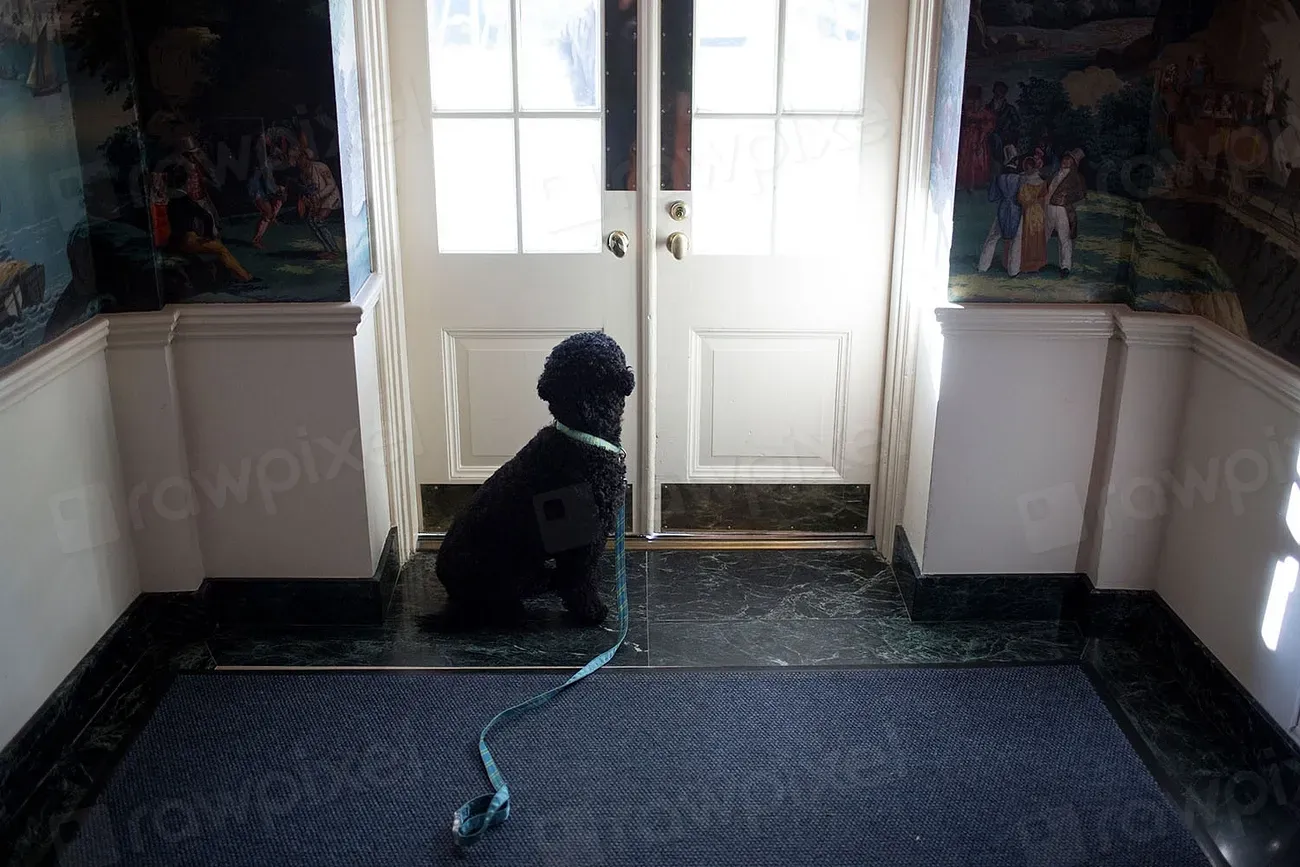
When a dog waits by the door, it’s not just habit but love in its purest form, showing how deeply they care and how much they value their bond with their owner. Even when other factors contribute – boredom, bathroom needs, curiosity – that fundamental attachment underlies it all.
Dogs do feel the time they spend away from their humans and experience powerful joy when their people come home. Every reunion, no matter how brief your absence, represents genuine happiness for your dog. That’s something worth celebrating, not feeling guilty about.
Understanding your dog’s door waiting behavior empowers you to meet their needs more effectively. Whether it requires addressing anxiety, increasing exercise, or simply appreciating their devotion, your response matters. These moments by the door are conversations, and your dog is speaking volumes if you’re willing to listen. What story is your dog telling you? Pay attention, because the answer might just transform how you care for your best friend.
BONUSBACKLINKS
Saturday 10th of January 2026
I just couldn't depart your site before suggesting that I extremely enjoyed the standard info a person provide for your visitors? Is going to be back often to check up on new posts